How To Get Rid Of Japanese Beetles In Texas Without Using Chemicals
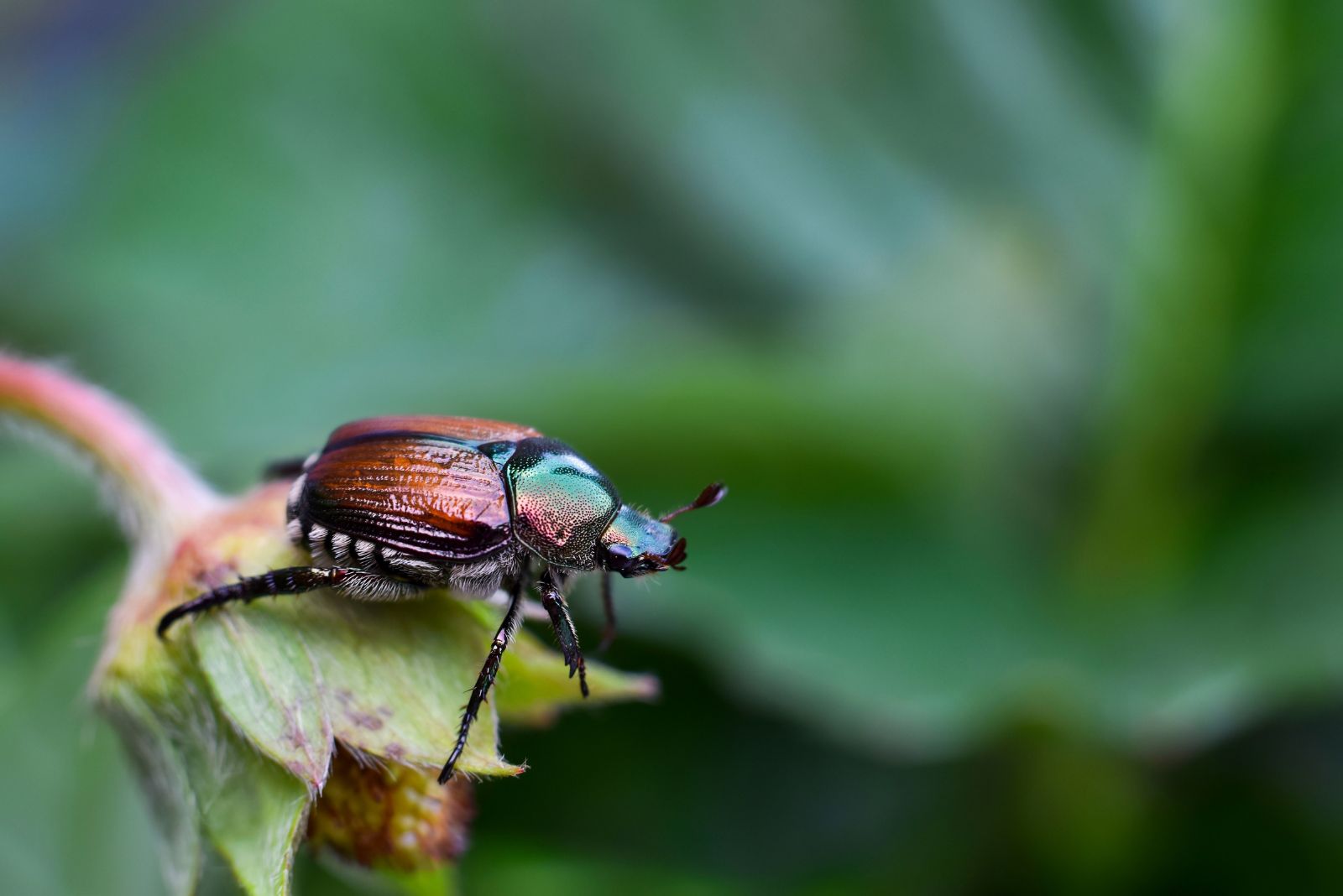
If you’ve spotted Japanese beetles in your Texas garden, you already know how much destruction these small but relentless insects can cause.
They show up in groups, chew through leaves and flowers with zero hesitation, and leave your plants looking like they’ve been through a paper shredder.
And once they find your garden, they invite their friends. The instinct is to reach for a chemical spray and deal with them fast.
But chemicals can harm beneficial insects, affect pollinators, and sometimes create bigger issues than the ones you were trying to solve. The good news is that there are highly effective ways to get rid of Japanese beetles without a single chemical product.
Methods that are safer for your garden, better for the local ecosystem, and more sustainable in the long run. Here’s exactly how to fight back naturally and actually win.
1. Hand-Picking
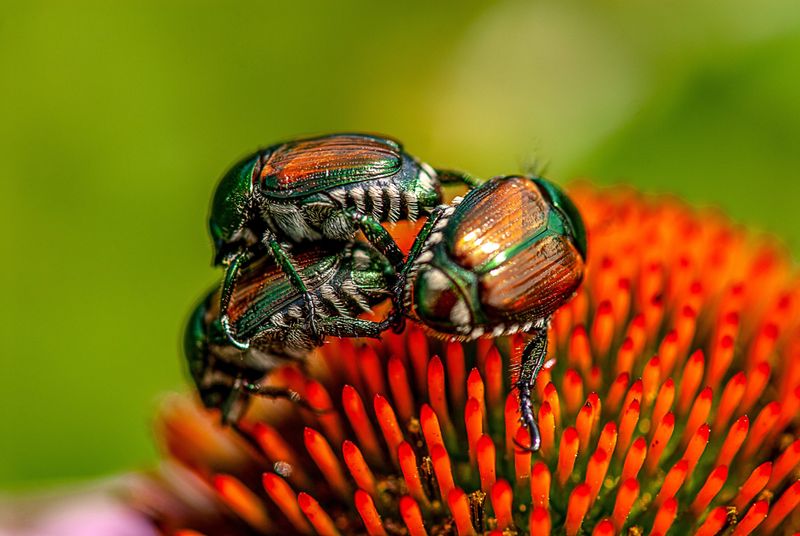
There is something almost satisfying about fighting back against garden pests with nothing but your own two hands. Hand-picking Japanese beetles is one of the oldest and most effective natural methods around.
It costs nothing, requires no special tools, and gives you direct control over what happens in your garden.
The best time to go beetle-hunting is early in the morning. Japanese beetles are cold-blooded insects, which means they slow down when temperatures are cool.
In the early morning hours, they tend to sit still on leaves and flowers, making them much easier to grab before they fly away.
Bring a bucket or container filled with warm, soapy water with you when you head out. A few drops of dish soap in water is all you need.
Simply hold the container under a leaf or branch and tap the plant gently. The sluggish beetles will fall right into the water.
The soap breaks the surface tension of the water, so the beetles cannot escape. Check the undersides of leaves carefully, since beetles love to hide there. Focus on plants that show the most damage first.
Skeletonized leaves, where only the veins remain, are a sure sign beetles have been feeding heavily in that spot. Do this every morning for the best results. Consistency is the key here.
Even picking off beetles for just ten minutes a day can seriously reduce the number of adults in your garden.
Over time, fewer adults means fewer eggs laid in your soil, which means fewer grubs and fewer beetles the following season. It is a simple habit that pays off in a big way.
2. Use Beneficial Nematodes
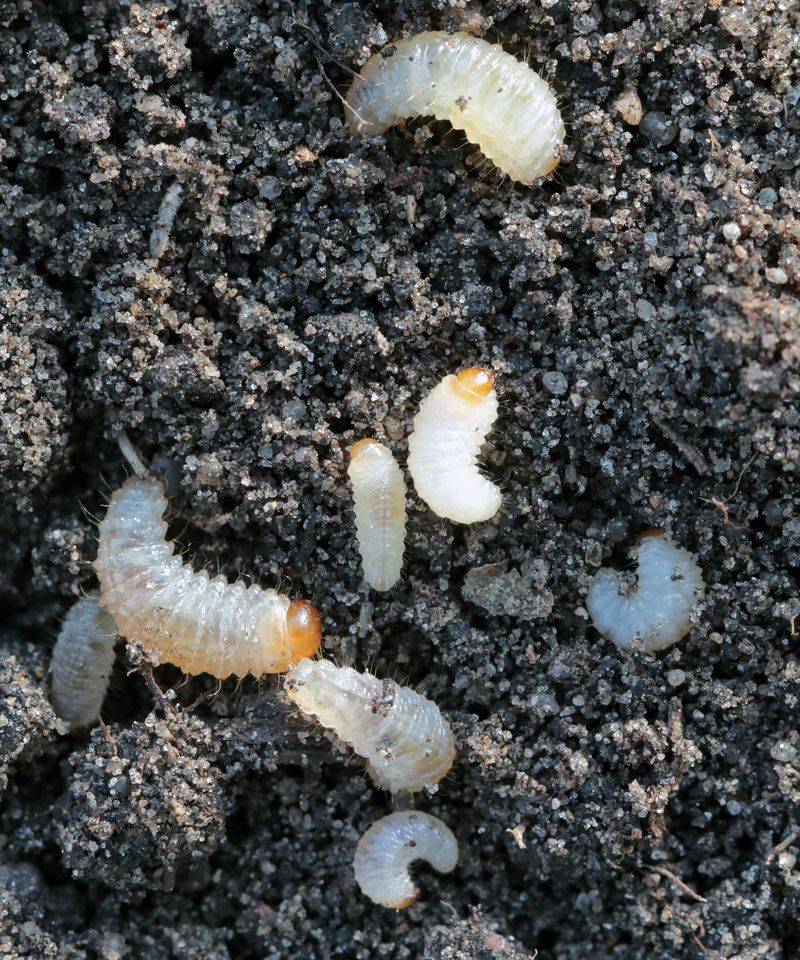
Most people have never heard of beneficial nematodes, but experienced gardeners swear by them.
These are microscopic roundworms that live in the soil and naturally target the larvae of Japanese beetles, also known as grubs. They are completely harmless to humans, pets, earthworms, and plants.
Nematodes work by entering the bodies of beetle grubs living underground. Once inside, they release bacteria that break down the grub from the inside out, stopping it before it ever becomes an adult beetle.
Your Texas Garden Changes Every Week. Your Plan Should Too.
Gardening in Texas changes quickly throughout the season. Every Friday you’ll receive a simple weekly plan showing exactly what to plant, prune, fertilize, harvest, and protect so you never miss the right timing.
It sounds intense, but it is entirely natural and has been happening in healthy soils for thousands of years.
The most effective species for targeting Japanese beetle grubs is Steinernema carpocapsae or Heterorhabditis bacteriophora. You can find these at many garden centers or order them online.
They come in a powder or liquid form that you mix with water and apply directly to your lawn or garden beds using a sprayer or watering can.
Timing matters a lot with nematodes. Apply them in late summer or early fall when grubs are small and close to the soil surface.
Moist soil is essential because nematodes need water to move through the ground and reach their targets. Water your lawn well before and after applying them.
In Texas, the warm soil temperatures can actually help nematodes stay active longer than in cooler states. Avoid applying them in direct sunlight, since UV rays can harm them.
Early morning or evening applications work best. Used correctly, beneficial nematodes can significantly reduce grub populations in your yard and cut down on adult beetle numbers the following spring and summer.
3. Introduce Natural Predators
Nature already has a built-in pest control system, and all you have to do is invite it into your yard.
Encouraging natural predators is one of the most rewarding ways to reduce Japanese beetle populations without spending much money or effort. Once you set the right conditions, the wildlife does the hard work for you.
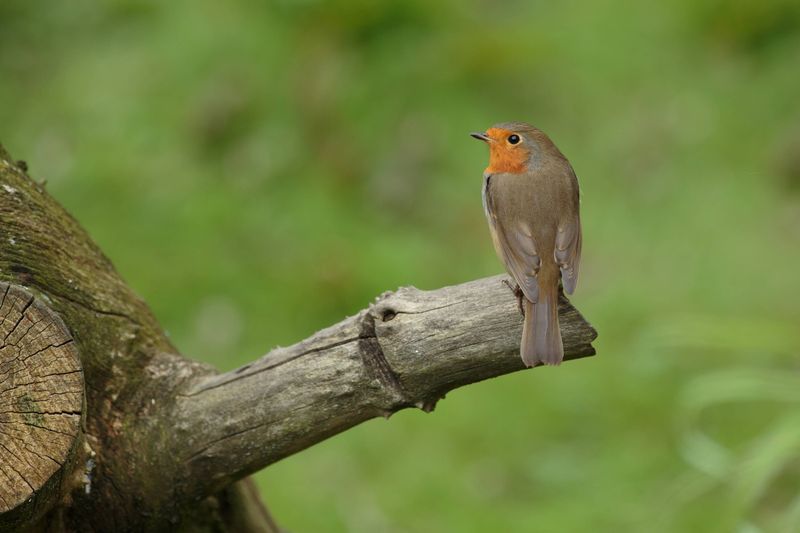
Birds are some of the best beetle hunters around. Robins, starlings, and grackles actively search for both adult beetles and the grubs buried in your lawn.
Put up bird feeders and birdbaths to attract more birds to your yard. The more birds you welcome, the more beetles and grubs they will naturally pick off your plants and soil. Toads are another secret weapon. A single toad can eat hundreds of insects every night.
Create a toad-friendly yard by leaving a shallow dish of water near your garden and placing a small clay pot turned on its side as a toad shelter. Avoid using pesticides, since these can harm toads and drive them away.
Predatory insects also play a huge role. Tachinid flies lay their eggs on adult Japanese beetles, and when the eggs hatch, the larvae feed on the beetle.
Parasitic wasps target the grubs underground in a similar way. You can attract these beneficial insects by planting flowers like dill, fennel, and yarrow, which provide nectar and shelter for them.
Building a yard that supports natural predators takes a little patience, but the long-term results are worth it. Over time, a healthy ecosystem of birds, toads, and beneficial insects will keep beetle populations in check season after season without any chemical help at all.
4. Neem Oil Sprays
Pulled straight from the seeds of the neem tree, neem oil has been used as a natural pest deterrent for centuries across Asia and Africa. Today, it is one of the most popular organic gardening tools available, and for good reason.
It works against Japanese beetles without harming the bees, butterflies, and other helpful insects that visit your garden.
Neem oil does not work like a chemical insecticide that instantly wipes out pests. Instead, it interferes with the life cycle of Japanese beetles in a smarter, more gradual way.
The active compound in neem oil, called azadirachtin, disrupts the beetle’s ability to feed, grow, and reproduce. Beetles that come into contact with neem oil lose their appetite and eventually stop laying eggs.
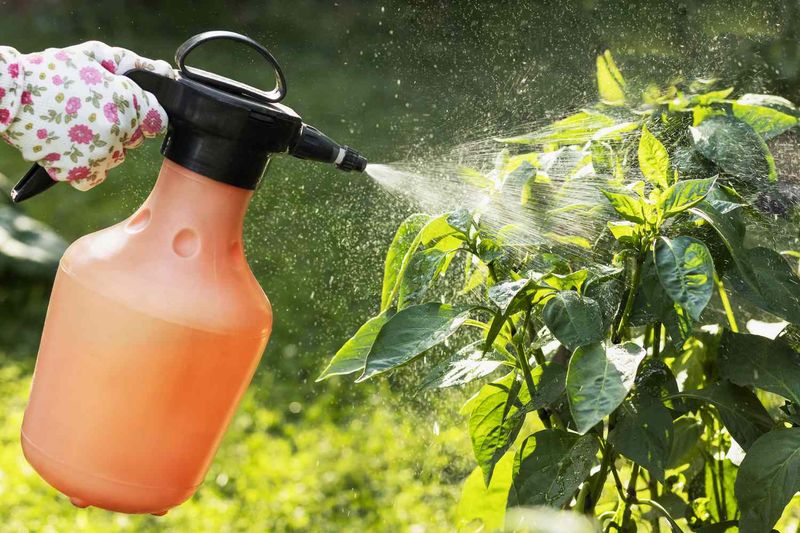
Making a neem oil spray at home is simple. Mix about two tablespoons of pure neem oil with one teaspoon of mild liquid soap and one quart of warm water.
Shake it well and pour it into a spray bottle. The soap helps the oil mix evenly with the water and stick to plant surfaces.
Spray the mixture directly onto the leaves, stems, and flowers of affected plants. Make sure to coat the undersides of leaves where beetles tend to gather and feed.
Apply in the early morning or evening to avoid burning plant leaves in the hot Texas sun and to reduce any accidental contact with active pollinators.
Reapply every seven to fourteen days, especially after rain. Consistent use is what makes neem oil truly effective.
Over a few weeks, you will notice fewer beetles feeding on your plants as the oil continues to work its way through the local beetle population in your garden.
5. Trap Crops
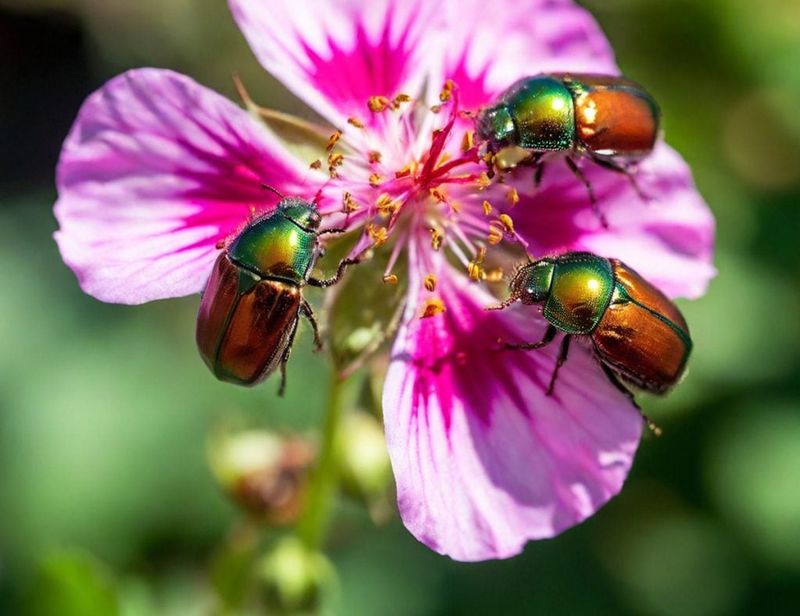
Here is a clever gardening trick that uses beetles’ own preferences against them. Trap cropping means planting certain plants that Japanese beetles find irresistible, then placing those plants away from your most valuable flowers and vegetables.
The beetles flock to the bait plants, and you remove them from those plants instead of chasing them all over your garden.
Geraniums and marigolds are two of the best trap crops for Japanese beetles. Geraniums are especially interesting because beetles that eat them actually become temporarily paralyzed, making hand removal even easier.
Marigolds attract beetles strongly and are easy to grow in Texas heat. Both plants are inexpensive and widely available at local garden centers.
Plant your trap crops at least twenty to thirty feet away from the plants you want to protect. If you place them too close, you might accidentally draw more beetles toward your prized roses or vegetable beds.
Think of the trap crops as a decoy garden that keeps beetles busy in one spot. Check your trap plants daily, especially in the morning when beetles are slow-moving. Hand-pick the beetles off and drop them into soapy water, just like the hand-picking method.
This combination of trap cropping and manual removal is surprisingly powerful and can dramatically reduce beetle pressure across your entire yard.
You can also try planting four o’clocks as a trap crop. Beetles love them, but the plant contains a natural toxin that harms beetles when eaten.
Keep in mind that four o’clocks are also toxic to children and pets, so place them thoughtfully. With a little planning, trap crops can become one of the most low-effort, high-reward tools in your natural pest control toolbox.
6. Maintain Healthy Lawns
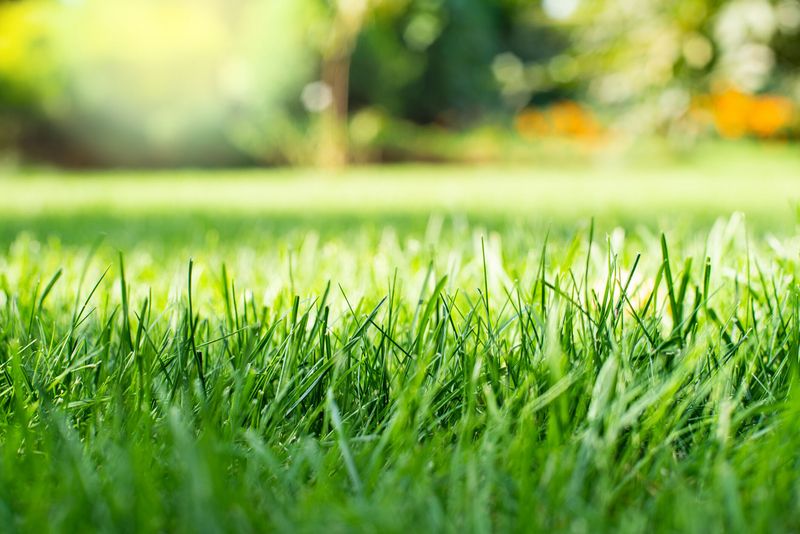
A strong, healthy lawn is actually one of your best defenses against Japanese beetles. Many gardeners focus only on the adult beetles flying around their plants, but the real problem starts underground.
Japanese beetle larvae, called grubs, live in the soil beneath your grass, feeding on grass roots and weakening your lawn from below.
Grubs thrive in thick, moist, compacted lawns where the soil stays damp and soft. They need these conditions to survive through the summer and fall before emerging as adult beetles the following year.
By improving your lawn’s health, you make the soil a much less welcoming place for grubs to grow and develop.
Aeration is one of the most helpful steps you can take. Using a lawn aerator, you punch small holes throughout your turf, which improves drainage, reduces soil compaction, and allows air and nutrients to reach grass roots more easily.
Drier, looser soil is much harder for grubs to survive in, especially during the hot Texas summers.
Avoid overwatering your lawn, since excess moisture creates the exact conditions grubs love most.
Water deeply but less frequently, encouraging grass roots to grow deeper rather than staying near the surface. Deep roots also make your lawn more drought-resistant, which is a major bonus in Texas.
Mowing at the right height also matters. Keeping your grass at about three inches tall shades the soil, reduces moisture evaporation, and discourages female beetles from laying eggs in your lawn.
Fertilizing with organic compost instead of synthetic fertilizers encourages a balanced soil ecosystem where natural predators of grubs, like nematodes and ground beetles, can thrive and help keep populations low.