7 Landscaping Mistakes That Bring Roaches Closer To Your Florida Home
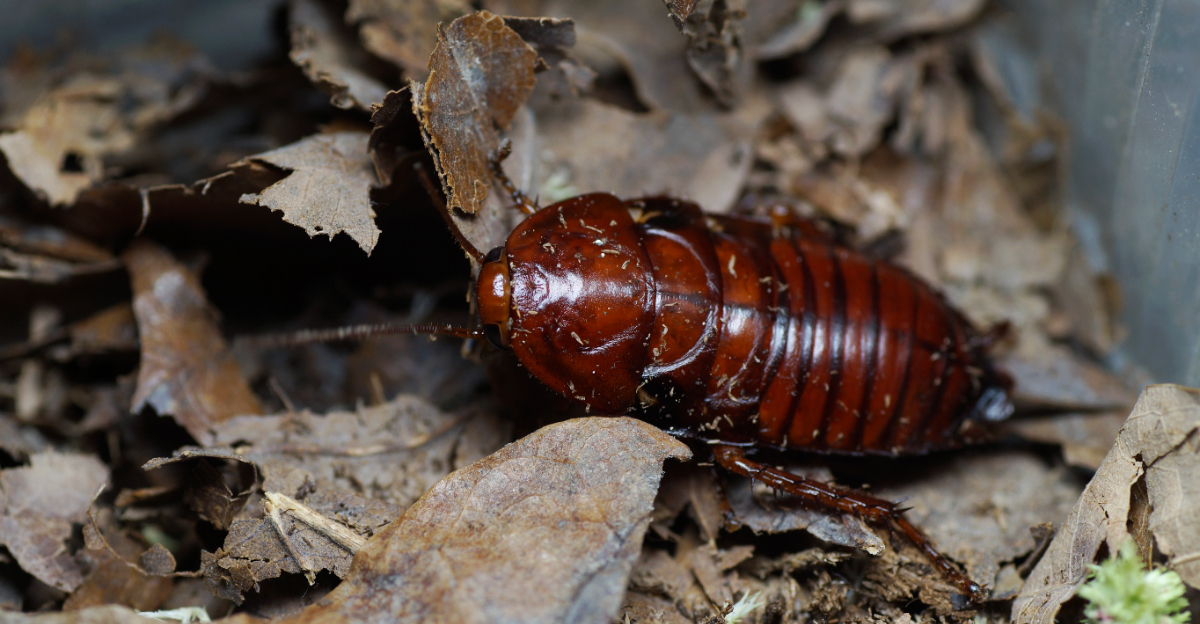
Roaches in Florida are not a housekeeping problem. They are a landscaping problem that most homeowners never think to examine from the outside.
What grows closest to the house, and how it gets managed, creates conditions that either discourage roaches or invite them in. Most yards are doing more inviting than they realize.
Florida’s climate keeps roaches active year round. They do not need much.
Moisture, cover, and a pathway to the house is the entire checklist. Certain landscaping choices hand them all three without anyone realizing it.
The frustrating part is that most of these mistakes look completely reasonable from the outside. A well-intentioned mulch choice, a planting too close to the foundation, a drainage habit that seems harmless.
None of them feel like an open door until the roaches are already inside. Seven landscaping mistakes are doing most of the damage around Florida homes right now.
1. Piling Mulch Against The Foundation Creates Damp Cover
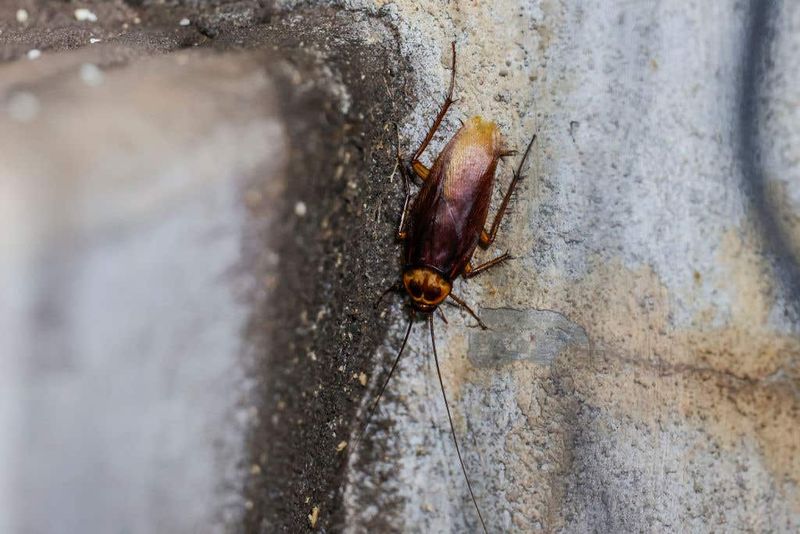
Damp mulch packed tight against a wall is one of the quietest roach-friendly conditions a yard can create. Mulch holds moisture well, and that is exactly why it works so well in garden beds.
Near the foundation, though, that same moisture-holding quality keeps the base of the wall wet for long stretches, especially after afternoon rain or irrigation runs.
Roaches are drawn to dark, damp edges where they can rest, hide, and move without being exposed. A thick layer of mulch pressed against siding, vents, door frames, or porch steps creates exactly that kind of sheltered edge.
It also makes it harder for you to spot early signs of activity near the wall.
Pulling mulch back a few inches from the foundation helps a lot. A clear, dry band of soil or gravel between the mulch bed and the wall keeps that zone easier to inspect and harder to hide in.
Keeping mulch depth shallow near structures, around two to three inches, also reduces how much moisture it holds against the house.
Avoid piling mulch up into a volcano shape around plants near the foundation. That shape traps moisture at the base and creates a sheltered mound right where you do not want it.
Mulch is still useful and appropriate in beds across the Florida yard. The correction is about placement, not removal.
When the foundation edge stays dry and clear, it becomes a less comfortable zone for roaches to settle near your doors and walls.
2. Letting Leaf Litter Build Up Gives Roaches Shelter
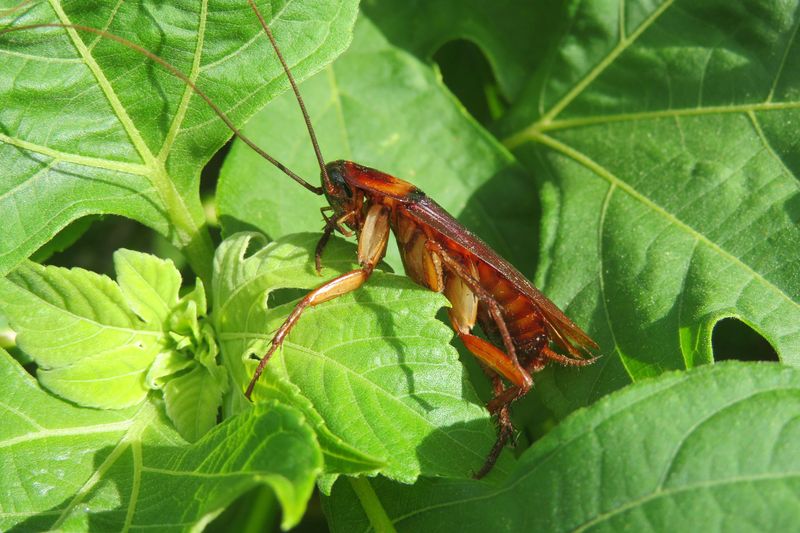
Palm fronds piled near the garage, seed pods wedged into a porch corner, and wet leaves packed against the AC pad are easy to overlook during a busy week. In a warm, humid yard, though, that organic debris breaks down slowly and stays damp for days after rain.
That combination of moisture and shelter is exactly what outdoor roaches look for when they are not actively moving.
Leaf litter has real value in the right place. Away from the house, it supports ground beetles, lizards, and other wildlife.
Your Florida Garden Changes Every Week. Your Plan Should Too.
Gardening in Florida changes quickly throughout the season. Every Friday you’ll receive a simple weekly plan showing exactly what to plant, prune, fertilize, harvest, and protect so you never miss the right timing.
Closer to the structure, it becomes a problem. Piles of deceased plant material against walls, near drains, under porch steps, or beside garage doors create dark, humid pockets.
Those areas are difficult to inspect and easy to overlook.
Clearing debris from the house perimeter does not mean stripping the yard bare. Move leaf litter and palm debris away from the structure, ideally composting it or placing it in a wildlife-friendly area well away from the house zone.
Keep the area within a few feet of the foundation clear and easy to see.
A simple yard habit helps here. After storms or heavy wind, do a quick walkthrough of the perimeter and move any fresh debris that has blown against the house.
When the area near your walls stays clear and dry, it signals that conditions are less inviting. Fewer damp, sheltered pockets near the foundation means fewer reasons for roaches to settle close to your doors and entry points.
3. Keeping Dense Shrubs Too Close To Walls Hides Movement
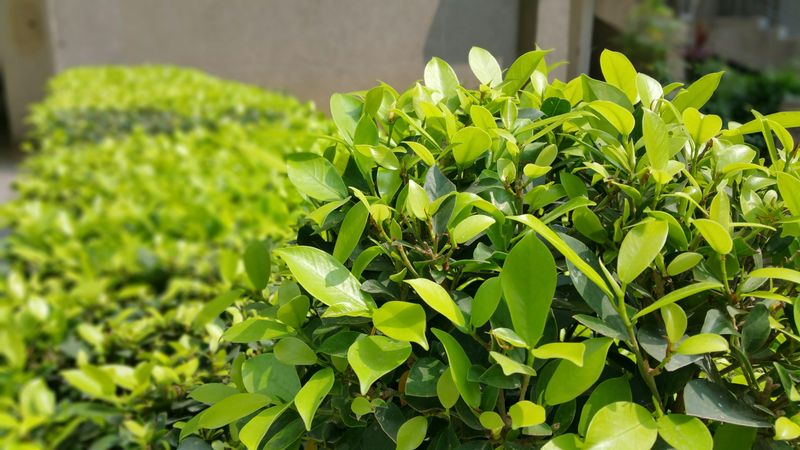
Shrubs brushing against a window screen or pressing flat against the siding do more than block airflow. They create a covered corridor along the wall where roaches and other insects can move, rest, and reach vents or gaps without being seen.
Dense foundation plantings are popular in Florida’s home landscapes, but spacing and pruning near the structure matter more than most homeowners realize.
When branches sit tight against the wall, the area behind them stays shaded and damp even on dry days. That zone is nearly impossible to inspect without moving plants out of the way.
Roaches benefit from that kind of hidden edge. They do not need much space to move along a wall if the cover stays consistent from the ground to the vent or window frame.
Pruning shrubs back so there is visible space between the foliage and the wall helps significantly. Aim for several inches of clear air between the plant and the structure.
Lifting the lower branches of larger shrubs can open up the base of the wall for inspection. Where the plant’s form allows it, this also helps the soil dry between waterings or rain.
Shrubs are genuinely valuable near the house for shade, privacy, and habitat. The correction is not removal but management.
Trimming on a regular schedule, keeping growth away from vents and window frames, and maintaining a clear inspection path along the wall all make a real difference. A wall you can see and reach is a wall that is harder for roaches to use as a hidden travel route.
4. Leaving Saucers Under Pots Creates Moisture They Use
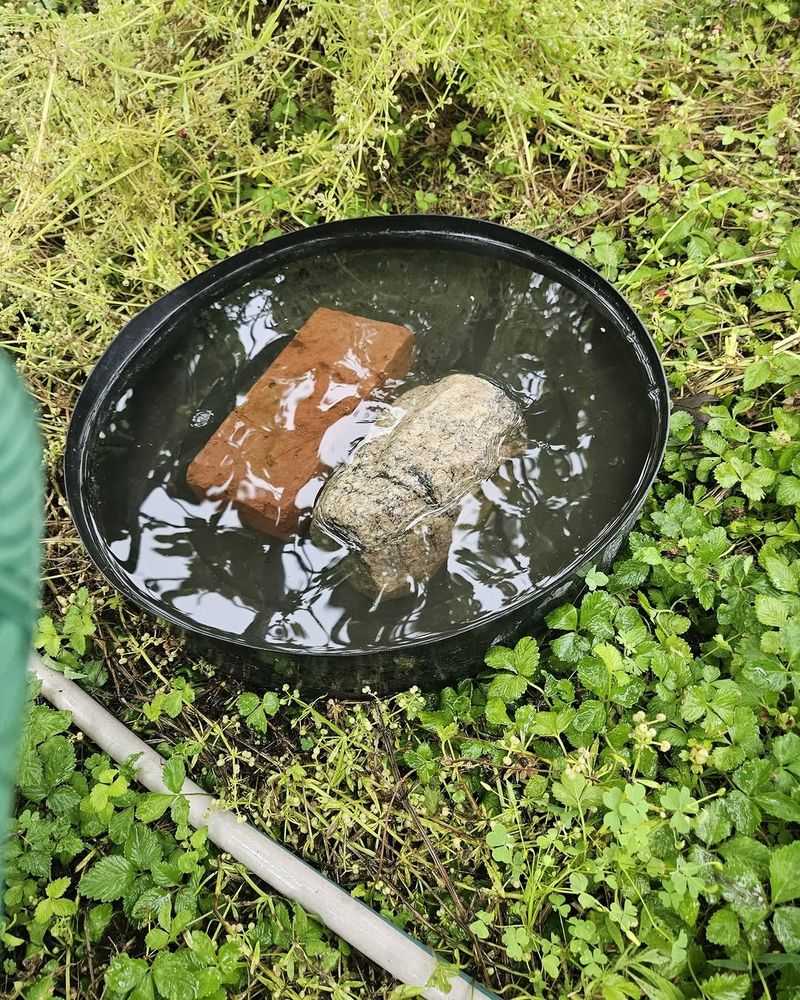
A wet saucer under a porch pot might not look like much of a problem. Left alone for a few days in warm weather, though, that shallow pool of water becomes a reliable moisture source right beside your door.
Roaches need water to survive, and damp container clusters on patios and porches can provide both moisture and shelter in a small, overlooked space.
The issue is not just the saucer. Pots sitting directly on a surface can trap moisture underneath them.
Crowded container groups create dark gaps between the pots where humidity stays high. Clogged drainage holes keep potting mix wet far longer than it needs to be.
Withered leaves caught between pots add organic material that holds additional moisture right at door level.
Dumping saucers after rain or watering is one of the most practical habits you can build. If a saucer is there for a reason, such as protecting a floor surface, emptying it within a day of watering still removes the standing water.
Raising pots slightly on feet or pot risers lets air circulate underneath and keeps that damp contact zone from forming.
Checking drainage holes every few weeks prevents clogs that lead to soggy root zones. Removing withered leaves from between containers keeps the area cleaner and easier to inspect.
Spacing pots so air moves between them also helps the surface beneath them dry faster. Near doors and garage entries, keep the container area tidy and dry.
This is one of the simplest ways to make that zone less welcoming to roaches looking for a moist, sheltered spot to rest.
5. Stacking Firewood Near The House Gives Them Cover
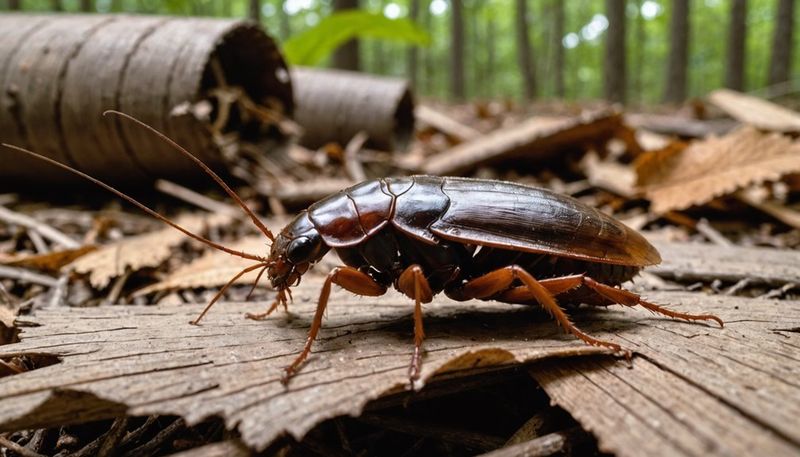
A woodpile beside the house looks organized until you consider what lives inside it. Stacked firewood, lumber scraps, unused pots, bags of potting soil, and leftover landscape supplies all share one problem near the house.
They create dark, protected spaces that hold shade and moisture and are rarely disturbed. That combination is exactly the kind of habitat outdoor roaches use between active periods.
The problem is not just the wood itself. Stacks are hard to inspect thoroughly.
Roaches can move through gaps in a woodpile without being seen, and the stack can sit undisturbed for weeks or months at a time.
Cardboard stored nearby adds to the issue since it absorbs moisture and breaks down in a way that provides both shelter and organic material.
Moving firewood storage away from the house is the most effective correction. UF/IFAS and Extension sources consistently recommend keeping firewood well away from the structure and off the ground where feasible.
A simple rack that lifts the stack and keeps it away from the wall allows air to move around the wood and makes the storage area easier to inspect.
The same principle applies to other stacked supplies. Unused pots, bags of soil, landscape fabric rolls, and spare bricks stored against the house create similar conditions.
Keeping that material in a shed, organized on shelving, or stored away from the foundation removes the sheltered habitat near the wall.
When the area beside the house stays clear, dry, and easy to walk through, it becomes a much less useful space for roaches to settle near your home.
6. Ignoring Leaky Spigots Keeps The Ground Too Damp
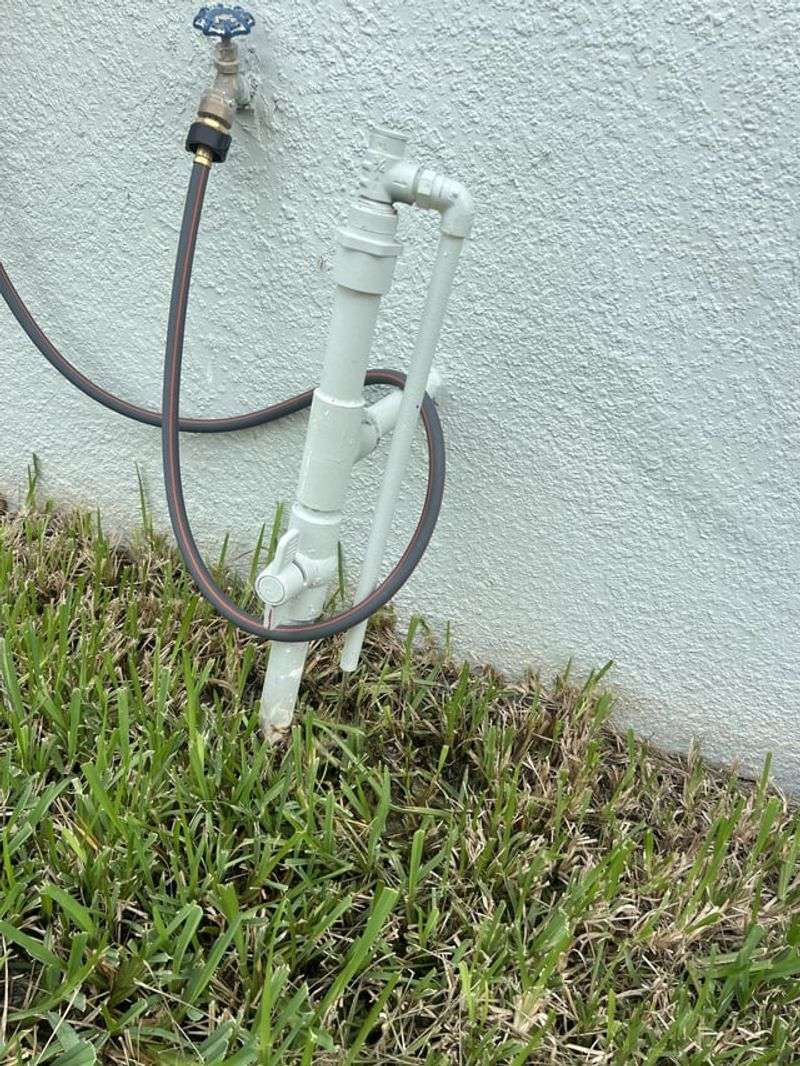
A hose bib dripping into mulch near the foundation might seem minor, but in a warm Florida yard it can keep a patch of soil damp around the clock.
Roaches need moisture to survive, and reliable wet spots along the house perimeter make the foundation zone more inviting than a dry yard would.
Leaky spigots, irrigation overspray hitting the wall, dripping AC condensate lines, and clogged gutters all contribute to that moisture in ways that are easy to overlook.
Irrigation systems are common in our state’s home landscapes, and overspray near the foundation is one of the most frequent sources of unnecessary moisture. Heads aimed too close to the wall or set to run too long can keep soil beside the house consistently wet.
This is especially risky during the rainy season when the ground is already saturated.
Repairing a leaky hose bib is a straightforward fix that pays off quickly. Adjusting irrigation heads so they spray away from the foundation rather than toward it reduces that consistent wet zone.
Checking AC condensate drain lines and making sure water is directed away from the wall keeps another moisture source under control.
Gutters and downspouts matter here too. A clogged gutter that overflows during rain sends a sheet of water down the wall and into the foundation bed.
Downspouts that deposit water right against the house create a low wet spot that takes a long time to dry. Redirecting that flow away from the structure helps keep the foundation edge drier.
Where drainage allows, it also makes the area less comfortable for roaches looking for water near your walls and entry points.
7. Using Thick Ground Covers Right Against The Door Makes Access Easier
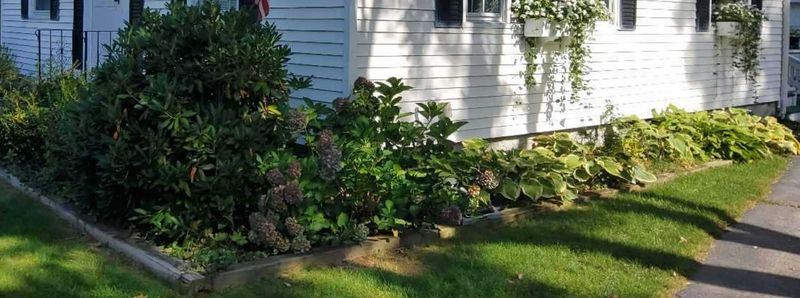
Thick ground cover growing right up to a door threshold creates a hidden mat of stems and leaves where roaches can move without being seen.
Near garage doors, crawlspace openings, porch steps, and entry thresholds, dense plantings make it harder to spot gaps, cracks, or worn weather stripping.
That reduced visibility is part of the problem. What you cannot easily see is harder to maintain and seal.
Ground covers are genuinely useful in the right location. They reduce erosion, cover bare soil, and support pollinators in open areas of the yard.
The concern is specifically about placement right beside entry points. A thick mat pressed against a door frame or creeping over a threshold creates a sheltered transition zone.
Roaches can use it to move from the yard toward the interior without much exposure.
Keeping a cleaner transition near doors makes a real difference. Edging along the border between ground cover and the entry area keeps plants from creeping over the threshold.
Thinning the planting so it does not form a solid mat right beside the door allows the area to dry and stay visible. A short gap of gravel, pavers, or bare soil near the entry keeps that zone open and easy to inspect.
Checking door sweeps and weather stripping regularly is also part of the correction. Even a small gap at the base of a door is an entry point if the ground cover beside it provides cover for roaches moving along the wall.
When the area near your doors stays clear, dry, and easy to see, you make it harder for roaches to move from the yard into your home unnoticed.