These Underused Native Pennsylvania Trees Were Made For Front Yards
Most Pennsylvania front yards tell the same story. A maple or two, maybe a flowering pear, some evergreen shrubs along the foundation, and a whole lot of turf grass.
It’s a safe formula, but it’s also a missed opportunity. Because Pennsylvania is home to some truly remarkable native trees that were practically made for front yard planting and almost nobody is using them.
These trees have everything you’d want in a front yard specimen. Great structure, seasonal interest, manageable size, and the kind of staying power that comes from being perfectly adapted to the local climate.
But beyond good looks, they do something ornamental imports simply cannot. They support local wildlife, feed pollinators, and contribute to a healthier neighborhood ecosystem without any extra effort on your part.
If you’re tired of the same front yard lineup everyone else has, these underused native trees are exactly what your landscape has been missing.
1. Serviceberry
Before most trees even think about waking up from winter, the Serviceberry is already putting on a show.
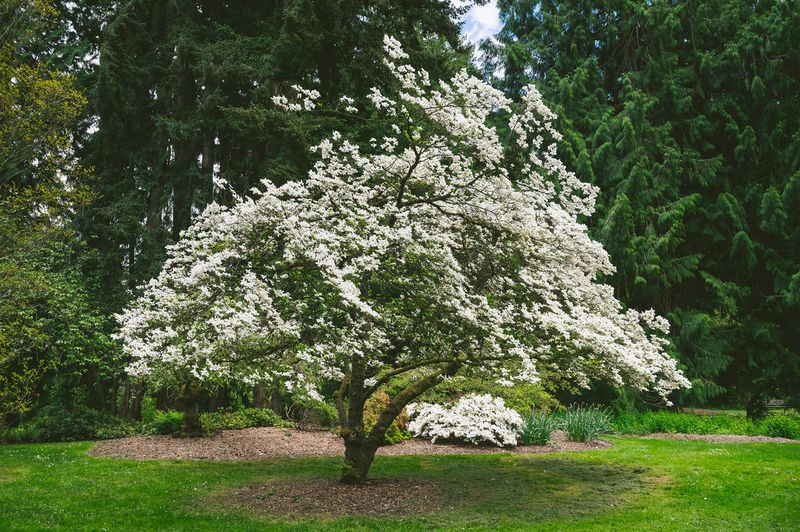
Clusters of delicate white flowers burst open in early spring, sometimes as early as March. It is one of the first trees to bloom each year, and the effect is simply breathtaking.
Serviceberry is a small, multi-stemmed native tree that typically grows between 15 and 25 feet tall. That compact size makes it a natural fit for front yards where space can be tight.
You get big visual impact without worrying about roots lifting your sidewalk or branches crowding your roofline.
By early summer, the tree produces small, sweet berries that look similar to blueberries. Birds absolutely love them, and you might find yourself competing with robins and cedar waxwings for a taste.
The berries are perfectly edible for people too, with a mild, sweet flavor great for pies and jams.
Fall brings another round of color as the leaves shift to brilliant shades of orange and red. Even in winter, the smooth gray bark adds quiet elegance to your yard. Serviceberry truly earns its place through every single season.
Planting one is straightforward. It tolerates partial shade and adapts well to a range of soil types, including the clay-heavy soils common across Pennsylvania.
Water it regularly during the first couple of growing seasons, and after that, it handles itself with minimal help. Few trees offer this much beauty, wildlife value, and easy care all in one package.
2. Eastern Redbud
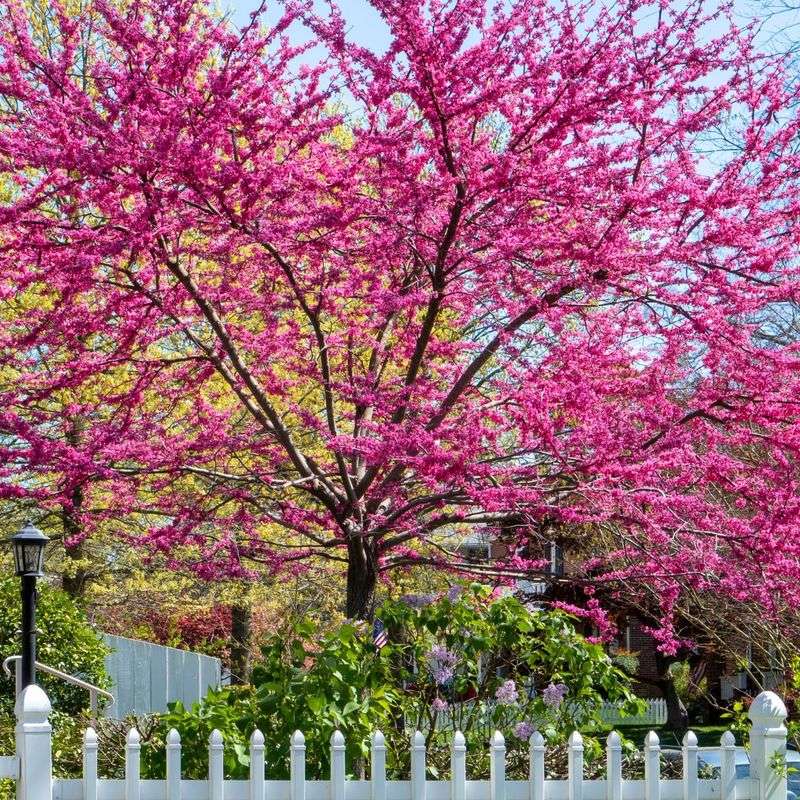
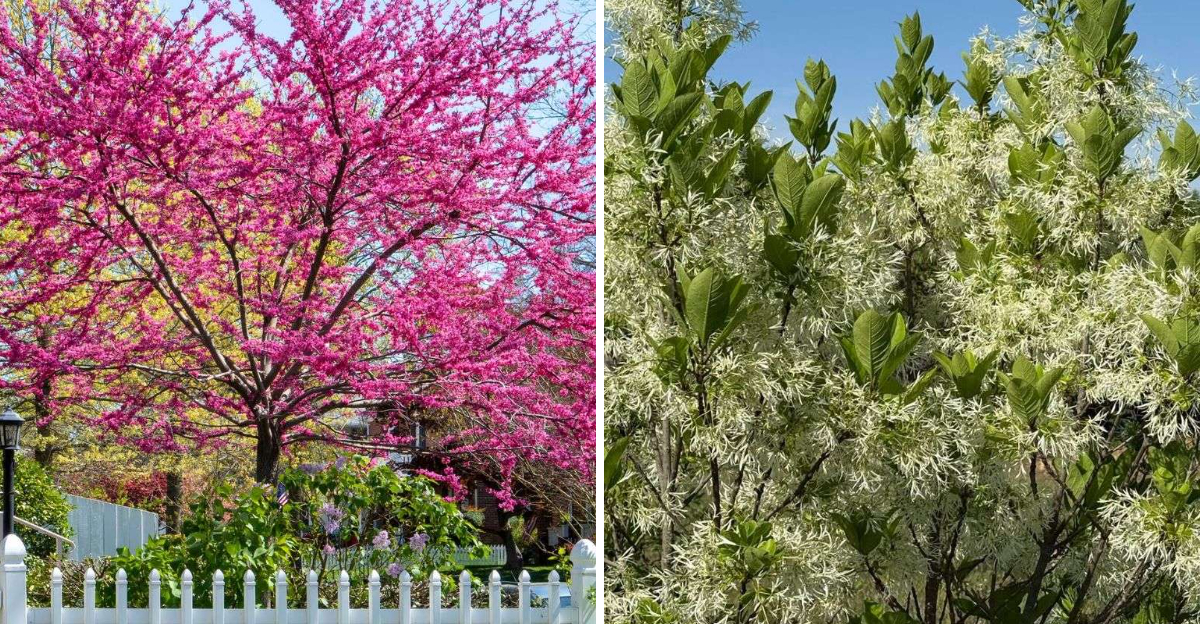
There is something almost magical about a Redbud in full bloom. Before a single leaf appears, the entire tree explodes in vivid pink to purple blossoms that cover every branch. Neighbors will slow down just to stare at it from the street.
Eastern Redbud is native to Pennsylvania and grows naturally in forest edges and understory areas. In a front yard setting, it shines as a true focal point.
It typically reaches 20 to 30 feet tall with a graceful, spreading canopy that provides light shade without being overwhelming.
One of the coolest things about Redbud is how the flowers bloom directly on the bark of branches and even the trunk. This unusual trait, called cauliflory, gives the tree a dramatic, almost otherworldly look in early spring.
Your Pennsylvania Garden Changes Every Week. Your Plan Should Too.
Gardening in Pennsylvania changes quickly throughout the season. Every Friday you’ll receive a simple weekly plan showing exactly what to plant, prune, fertilize, harvest, and protect so you never miss the right timing.
After the flowers fade, heart-shaped leaves emerge in a fresh, bright green that deepens as summer rolls on.
Come fall, those leaves turn a clear yellow before dropping, giving you one more season of interest. Flat seed pods hang on the branches through winter, adding texture and providing food for small birds and songbirds looking for a meal during cold months.
Redbud grows best in full sun to partial shade and handles average Pennsylvania soils well. It does appreciate good drainage, so avoid low spots where water tends to collect.
Plant it where you can see it from a window or your front porch, because when it blooms each spring, you will want a front-row seat. It is one of those trees that makes you genuinely happy every time you look at it.
3. American Hornbeam
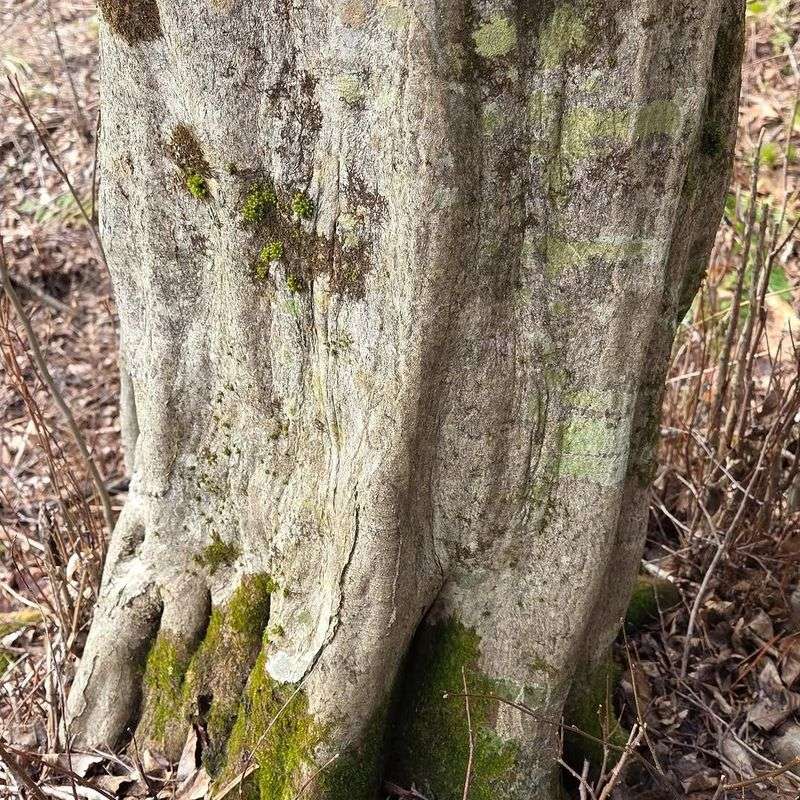
Walk up to an American Hornbeam and the first thing you notice is the bark. It looks like flexed muscles under the surface, smooth and rippled in a way that no other tree quite matches.
Some people call it Musclewood, and once you see it, the nickname makes perfect sense. American Hornbeam is a slow-growing, compact native tree that usually tops out between 20 and 35 feet.
That slow growth is actually a selling point for front yards, because you never have to worry about it outgrowing its space too quickly. It fills in gradually, becoming denser and more beautiful with each passing year.
The foliage is lush and dark green through summer, and in fall it transitions to a warm mix of orange, red, and yellow. It is a tree that rewards patience, looking a little better every single season.
In winter, the distinctive fluted trunk becomes the star of the show, offering real visual interest even when the yard is bare.
This tree grows naturally along stream banks and in shaded forest understories across Pennsylvania. That means it handles partial to full shade better than most ornamental trees.
If your front yard does not get blasted with sun all day, Hornbeam is one of the best options available to you.
It also works beautifully as a street tree or planted near sidewalks because its roots tend to stay well-behaved. Hornbeam attracts native caterpillars, which in turn feed nesting birds.
Adding one to your yard quietly supports the whole local food web. It is a humble tree with a lot going on beneath the surface.
4. Pawpaw
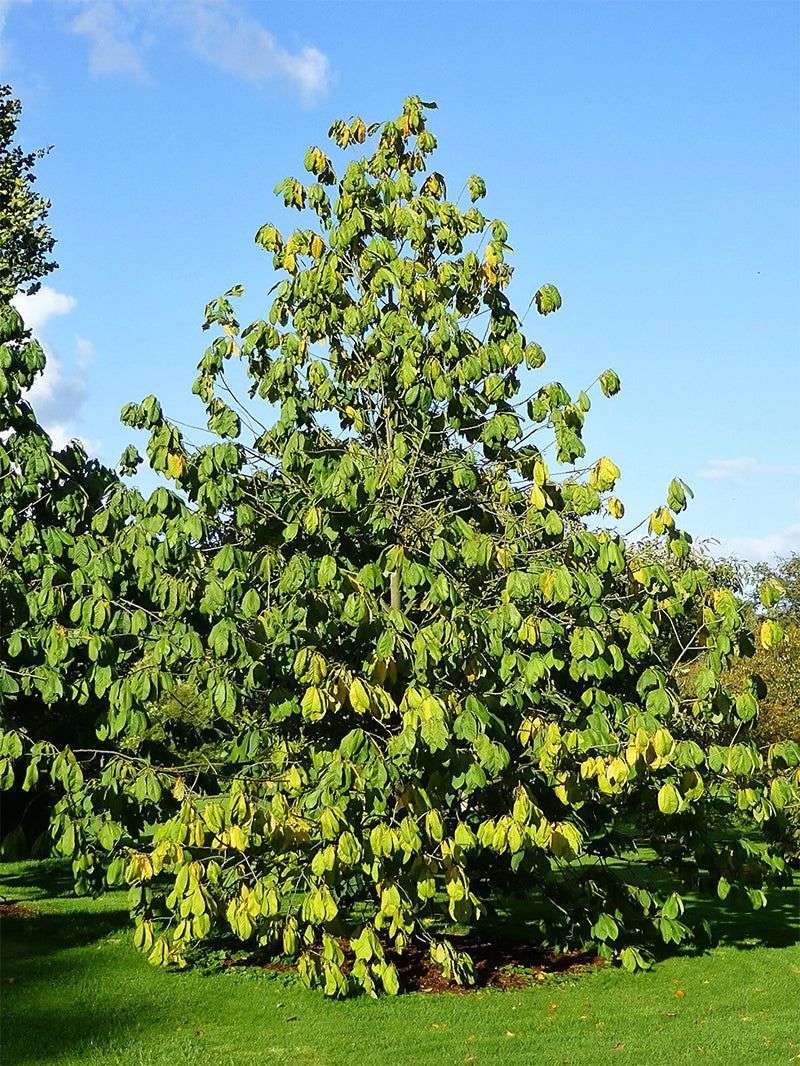
Pawpaw is the kind of tree that makes people do a double take. The enormous, drooping leaves can stretch up to a foot long, giving the whole plant a lush, tropical appearance that feels completely out of place in Pennsylvania.
Except it is not out of place at all. Pawpaw is one hundred percent native here. Known as the largest edible fruit native to North America, Pawpaw produces green, mango-shaped fruits that ripen in late summer and early fall.
The flavor is often described as a cross between banana, mango, and vanilla custard. Wildlife loves the fruit too, and you can expect raccoons, foxes, and birds to become very interested in your yard come harvest time.
Pawpaw grows best in partial shade, which makes it a smart choice for front yards that sit under taller trees or receive shade from a house. It typically reaches 15 to 30 feet tall and spreads through root suckers, forming a small grove over time if left to its own devices.
You can manage this easily by removing suckers as they appear. The flowers are small and dark maroon, blooming in early spring before the leaves open. They have a faint smell that attracts flies and beetles as pollinators rather than bees.
Planting two or more trees nearby improves fruit production significantly. Fall color is a bonus, with the big leaves turning a clear, buttery yellow before they drop.
Pawpaw is a conversation starter, a wildlife magnet, and a fruit producer all wrapped into one unusual and rewarding native tree. It is something your neighborhood has probably never seen before.
5. Fringe Tree
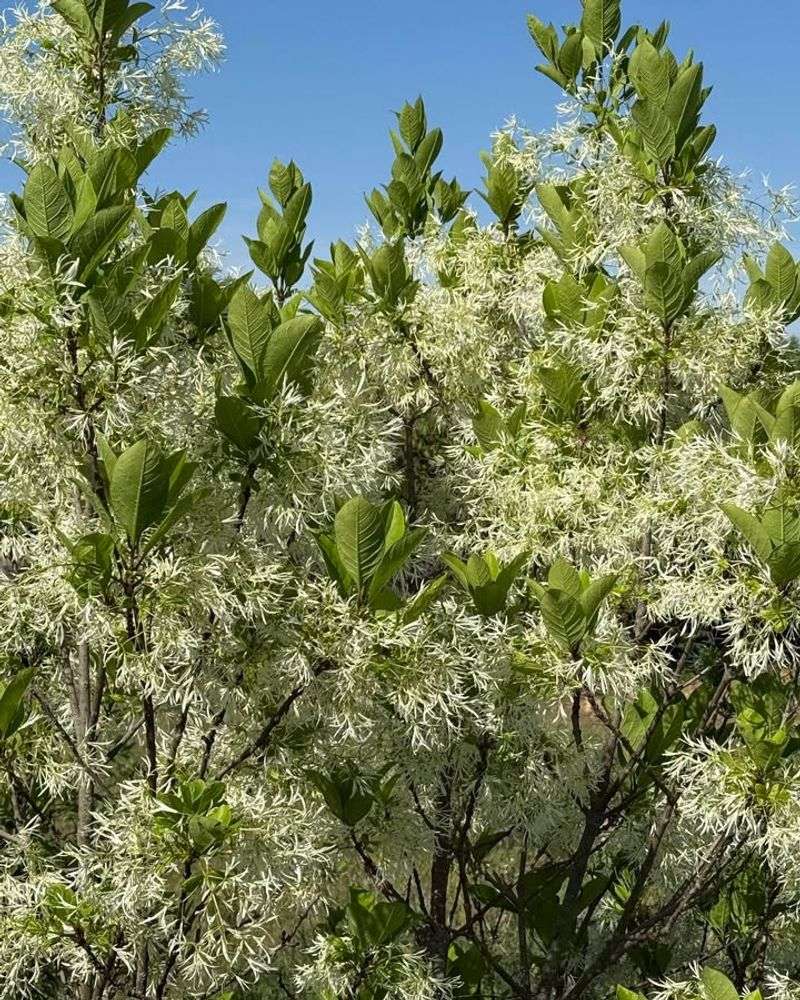
Few trees stop people in their tracks the way Fringe Tree does in late spring. Cascading clusters of feathery white flowers drape across the branches like something out of a dream.
The blooms are also lightly fragrant, so a gentle breeze carries that sweet scent right to your front porch.
Fringe Tree is a small native tree or large shrub, usually growing between 12 and 20 feet tall. That manageable size is one of its biggest strengths.
You can tuck it into a modest front yard without worrying about it eventually taking over, and it works beautifully as a standalone focal point near an entry path or mailbox.
After the flowers fade, small, oval blue-black fruits develop in late summer. They look a bit like tiny olives and are a favorite food for songbirds, especially migratory species passing through Pennsylvania in fall.
Planting a Fringe Tree is essentially setting out a welcome mat for birds. The leaves are large, glossy, and a rich dark green through summer. In fall they turn a clean yellow before dropping.
One fun fact worth knowing: Fringe Tree is one of the last trees to leaf out in spring, so do not panic if yours seems slow. It is just taking its time, and when it finally does bloom, the wait feels completely worth it.
It grows well in full sun to partial shade and tolerates a range of soil conditions, including clay. Once established, it handles dry spells reasonably well.
Fringe Tree is low maintenance, long-lived, and genuinely stunning. It is the kind of tree that makes your whole front yard look thoughtfully designed without much effort at all.
6. Sassafras
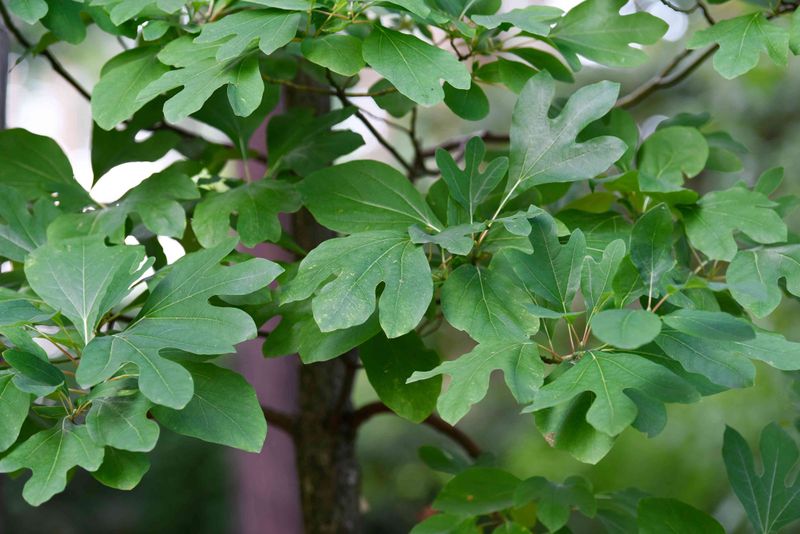
Sassafras has one of the most recognizable leaf shapes of any tree in North America. On the same branch, you might find leaves shaped like simple ovals, two-fingered mittens, and three-lobed shapes all at once.
That variety gives the tree a quirky, playful look that stands out from every other tree on the block.
Beyond the leaves, Sassafras is a tree with serious history. Its roots and bark were once used to flavor root beer, and Native Americans used various parts of the plant for food and medicine for centuries.
You are not just planting a tree when you plant Sassafras. You are adding a living piece of North American heritage to your yard.
Fall is when Sassafras absolutely steals the show. The leaves turn a brilliant mix of orange, red, purple, and yellow, often all on the same tree at the same time.
Few native trees rival this display, and it tends to peak just when the rest of the neighborhood is going dull and gray.
Small blue-black fruits ripen in late summer and are eagerly eaten by songbirds, wild turkeys, and other native wildlife. The fruits sit in bright red cup-shaped stalks that add another layer of visual interest to the tree.
Sassafras supports over 100 species of native caterpillars, making it an ecological powerhouse in any yard.
It grows well in full sun and adapts to a wide range of soil types. Sassafras spreads by root suckers over time, so plan to manage those if you want a single-trunk tree.
Growing 30 to 60 feet tall, it works best in yards with a little more room. For texture, color, and wildlife value, very few trees compare.