These Nighttime Invaders Are Eating Your California Squash Blossoms At Night
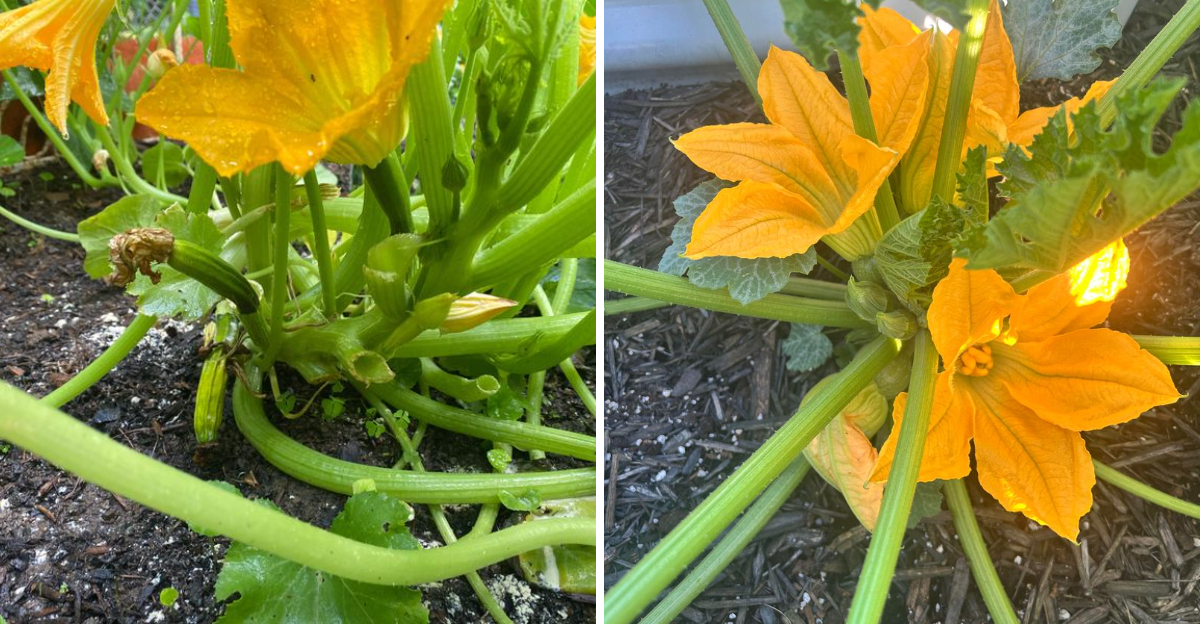
You walk out to your garden on a bright California morning, ready to admire those cheerful yellow squash blossoms, and something has beaten you to them.
The petals are ragged, missing, or chewed beyond recognition, and you have no idea what happened after dark.
Nighttime in a California garden can be surprisingly busy, with a whole cast of sneaky characters creeping in while you sleep.
Figuring out who the culprit is matters a lot, because the right fix depends on knowing exactly who showed up for dinner.
Squash blossoms are more than just pretty flowers. They are the key to fruit production, and losing them night after night can seriously cut into your harvest.
From slimy slugs to bold rodents, the suspects are many, and each one leaves behind different clues.
This covers the most common nighttime blossom bandits found in California gardens, what signs they leave behind, and how to stop them safely before your squash crop takes a serious hit.
1. Slugs Leave Ragged Blossom Edges
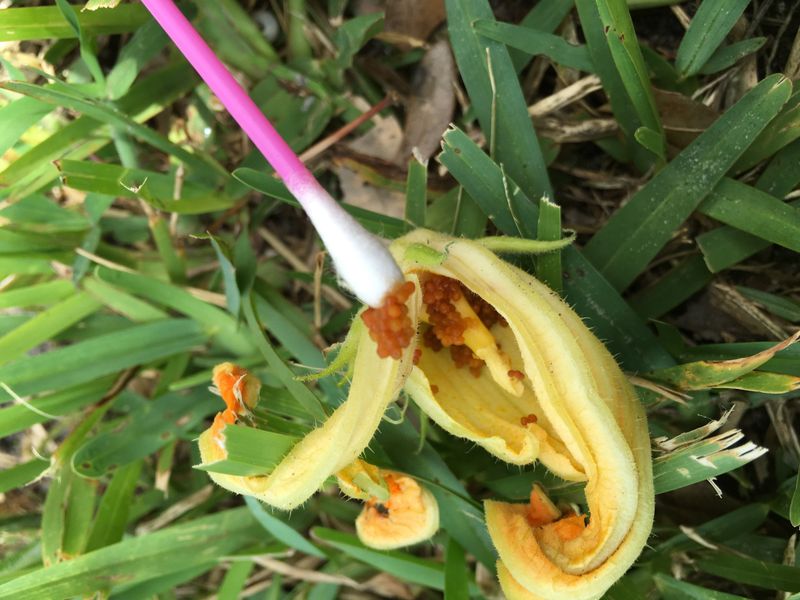
Grab a flashlight after dinner, shine it on your squash patch, and you might catch a fat, glistening slug slowly working its way across a golden blossom.
Slugs are one of the most common nighttime troublemakers in California vegetable gardens, and they absolutely love the soft, moist tissue of squash blossoms.
They rasp away at petals with a rough, file-like tongue called a radula, leaving behind distinctly jagged, torn edges that look almost shredded.
The most reliable clue slugs leave behind is their slime trail.
Look for a silvery, dried smear across leaves, soil, or the blossoms themselves in the morning light. No slime trail means the damage likely came from something else entirely.
Slugs tend to thrive in gardens with heavy watering schedules, thick mulch layers, or areas that stay moist long after irrigation.
Reducing surface moisture is one of the best cultural controls available.
Water your garden in the morning rather than evening so the soil surface dries out before nightfall. Pull back thick mulch from around the base of your squash plants to remove hiding spots.
Iron phosphate-based slug baits are considered safe for use around vegetables and wildlife.
Scatter bait granules near damaged plants at dusk, and reapply after rain or heavy irrigation for the best results.
Once you start checking after dark with a flashlight, you will be surprised how busy your garden actually is at night.
2. Snails Feed During Cool Nights
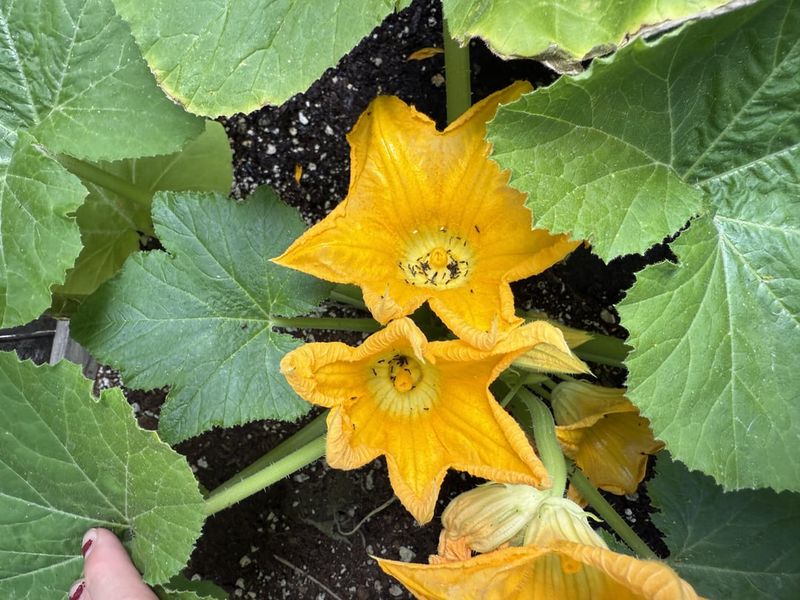
Cool, foggy California nights along the coast are practically a dinner invitation for garden snails.
The brown garden snail, Cornu aspersum, is one of the most widespread vegetable garden pests in California and feeds heavily on soft plant tissue, including squash blossoms.
Like slugs, snails are mollusks, but they carry a hard, coiled shell on their back, which makes them a little easier to spot during a nighttime garden check.
Snails tend to shelter during the day under pots, boards, dense ground covers, low-hanging leaves, and thick mulch.
They emerge after sunset, especially when temperatures drop and humidity rises. If your squash blossoms are disappearing with chewed petal edges along with slime trails, snails are a strong suspect worth investigating after dark.
Your California Garden Changes Every Week. Your Plan Should Too.
Gardening in California changes quickly throughout the season. Every Friday you’ll receive a simple weekly plan showing exactly what to plant, prune, fertilize, harvest, and protect so you never miss the right timing.
Hand-picking snails at night and dropping them into soapy water is effective for smaller infestations.
Copper tape or copper mesh barriers around raised beds can deter snails from crossing, as copper creates a mild reaction with their mucus.
Iron phosphate bait products are also approved for snail control and are safe around pets and garden wildlife.
Removing shelter spots near your squash bed, like old boards, debris piles, and unnecessary ground covers, reduces the places snails can hide and rest during daylight hours before returning to feed again at night.
Consistency matters more than any single treatment here. One thorough nighttime check per week changes the whole situation.
3. Earwigs Hide Inside Soft Flowers
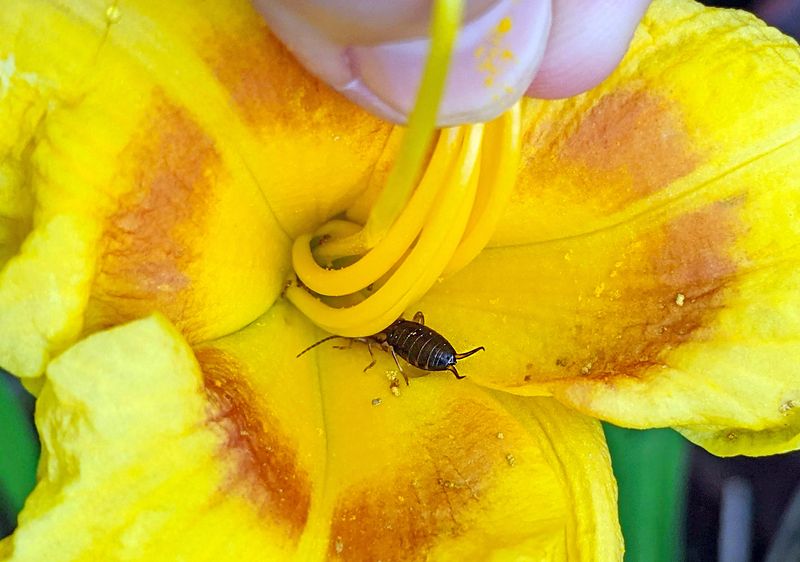
Open a squash blossom gently in the early morning, and you might get a surprise.
Earwigs love to tuck themselves inside soft, closed flowers overnight, feeding on the tender petals and reproductive parts while staying hidden from larger predators.
These reddish-brown insects are easy to identify by the curved pincers at the tip of their abdomen, which look intimidating but rarely cause harm to people.
Earwig feeding creates a distinct pattern of small, irregular holes or notched edges on petals, sometimes concentrated toward the interior of the blossom rather than the outer edges.
Because earwigs hide inside the flower itself, you might not immediately connect them to the damage you are seeing.
Checking inside closed blossoms at night or first thing in the morning is the best way to catch them in the act.
Earwigs are actually considered both a pest and a beneficial insect depending on the situation, since they also eat aphids and other soft-bodied garden pests.
Managing them is about balance rather than complete removal.
Reduce moisture and debris around your squash bed to make the area less attractive. Rolled-up newspaper or a damp cardboard tube placed near damaged plants can act as a trap.
Earwigs crawl inside overnight, and you can collect and relocate them in the morning.
Avoid leaving piles of organic matter, boards, or thick mulch directly against plant stems, as these create prime earwig hiding spots throughout California gardens.
4. Cucumber Beetles Chew Petals Early
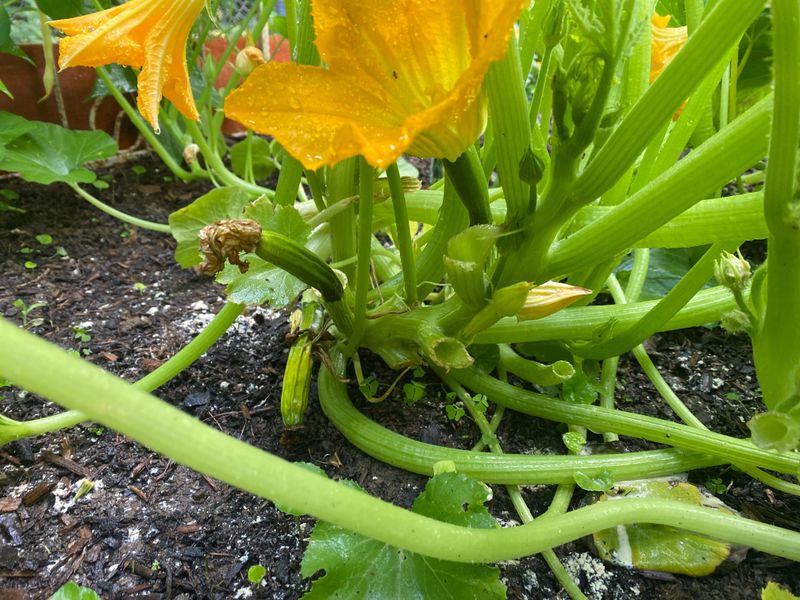
Not every blossom bandit waits until midnight.
Cucumber beetles often begin feeding in the early evening or just before dawn, making them a bridge between day and night pests.
Spotted cucumber beetles and striped cucumber beetles are both found in California and are well-documented squash family pests.
These beetles chew on pollen, petals, and even the base of blossoms, leaving behind jagged holes and browning edges.
Unlike slugs, they leave no slime trail. Instead, you may notice small, clean bite marks or find the beetles themselves resting inside or near blossoms during an early morning inspection.
Cucumber beetles are roughly a quarter inch long and easy to spot once you know what to look for.
Early morning is actually the best time to scout for them, as they tend to be slower and easier to catch before temperatures rise.
Handpicking and dropping beetles into a container of soapy water is a straightforward option for small gardens.
Yellow sticky traps placed near squash plants can also help monitor beetle activity levels.
Row covers can protect young plants, but they must be removed when blossoms open to allow pollination.
Managing weeds around the garden perimeter reduces beetle habitat significantly.
Keeping a consistent inspection schedule during both early morning and evening hours gives you the best chance of catching these quick little chewers before blossom damage adds up.
5. Pill Bugs Gather In Damp Beds
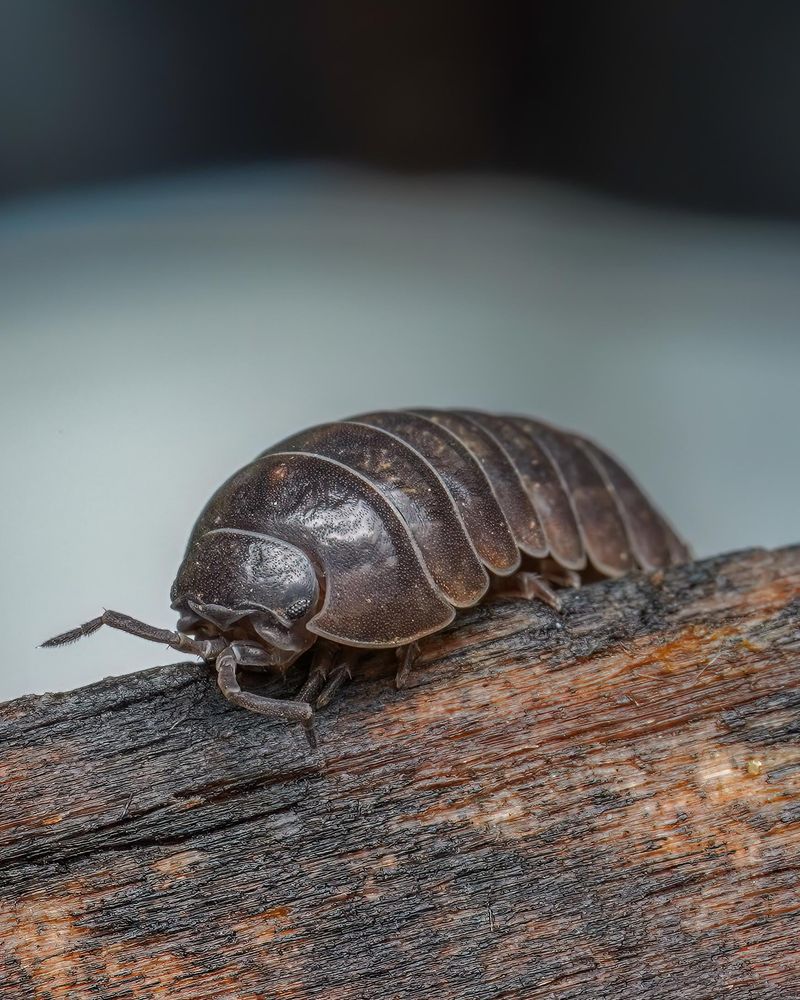
Pill bugs, also called roly-polies or sowbugs, look harmless enough when they curl into a ball.
In large numbers inside a damp garden bed, they can cause real damage to soft plant tissue. Most of the time, pill bugs prefer to munch on decaying organic matter, which is actually helpful for soil health.
The problem starts when populations grow large and fresh plant material, including tender squash blossoms, becomes part of their diet.
Damp conditions are the key factor here.
Pill bugs breathe through gills and need moisture to survive, so they cluster in areas with consistently wet soil, thick mulch, or decomposing plant debris.
Raised beds with heavy organic amendments and frequent irrigation can become prime pill bug territory, especially in the cooler, coastal regions of California.
Damage from pill bugs tends to appear at the base of blossoms or on petals resting against moist soil.
You might also notice feeding on young stems or developing fruit near ground level.
Improving drainage and allowing the soil surface to dry between waterings goes a long way toward reducing pill bug pressure.
Pull mulch back from the immediate base of plants and remove decomposing plant debris regularly.
Pill bug populations rarely require chemical treatment when cultural practices are adjusted.
Keeping the garden tidy, watering in the morning, and thinning dense plantings to improve airflow are simple, practical steps that make your squash bed far less attractive to these moisture-loving critters.
6. Rodents May Steal Whole Blossoms
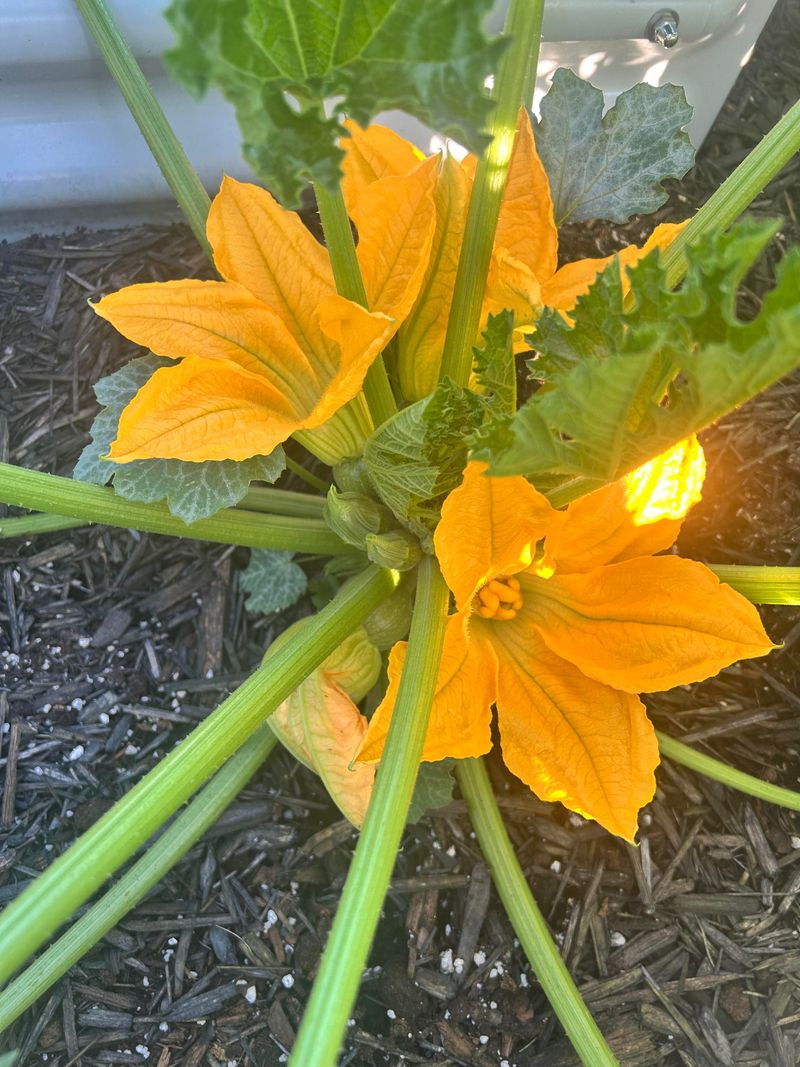
When you find a squash blossom completely gone, stem and all, no ragged edges, no slime trail, just an empty spot where a flower used to be, a rodent is likely the one to blame.
Mice, rats, and squirrels are all common in California gardens, and squash blossoms are surprisingly appealing to them as a food source.
Squirrels tend to forage during the day, but roof rats and house mice are active at night, which puts them firmly on the suspect list for after-dark blossom theft.
Rodent damage is usually cleaner and more dramatic than insect damage.
Whole blossoms or large sections of stem may be missing, and you might notice small tooth marks on nearby plant parts. Droppings near the base of your squash plants are another strong indicator.
In some cases, rodents will return to the same plant repeatedly over several nights until they have sampled everything within reach.
Exclusion is the most effective long-term strategy for keeping rodents out of a garden.
Hardware cloth fencing buried several inches below the soil line and extending at least two feet above ground can protect raised beds.
Removing nearby food sources like fallen fruit, compost piles without lids, and bird feeders reduces the attraction to your yard overall.
Snap traps placed in areas of rodent activity are a targeted, effective method.
Check traps daily and reposition them if activity patterns shift. Consistent effort over several weeks is usually needed to see meaningful results in established rodent situations.
7. Night Checks Reveal The Real Culprit
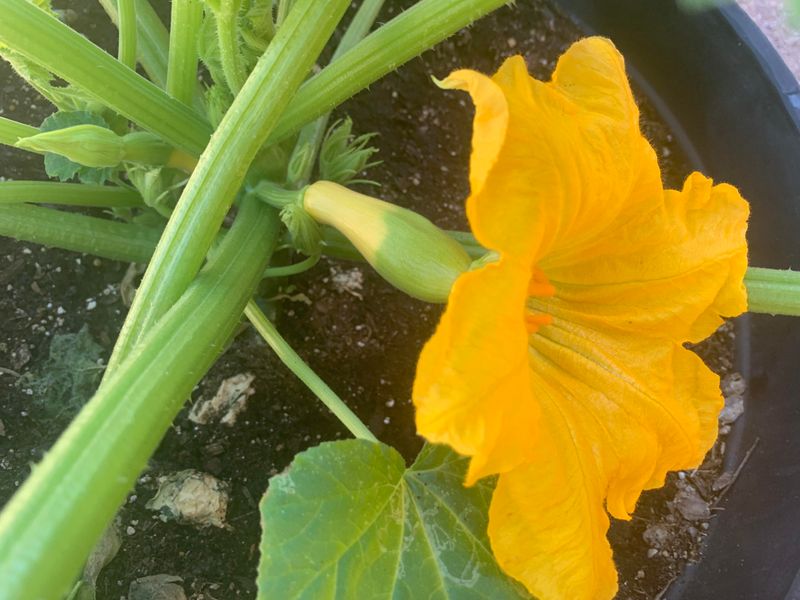
Here is the honest truth about solving a mystery garden pest problem: guessing rarely works.
Treating for slugs when you actually have rodents, or scattering bait when earwigs are the real issue, wastes time and money and can disrupt the natural balance of your garden ecosystem.
The single most effective tool you have is a simple flashlight and a willingness to head outside after dark.
Plan your first night check about one to two hours after sunset, when most nocturnal feeders are most active.
Walk slowly through your squash bed and look carefully at blossoms, stems, and the soil surface. Check inside open and partially closed flowers.
Look for slime trails, droppings, chew marks, or the pests themselves. Bring a small notebook or use your phone to jot down what you find, since patterns across several nights tell you a lot.
Match what you see to the clues covered throughout this guide before reaching for any product.
Slime trails point to slugs or snails. Pincered insects inside flowers suggest earwigs. Clean, missing blossoms with no insect evidence point toward rodents.
Small holes with no trail may indicate cucumber beetles or pill bugs.
Accurate pest identification is the essential first step before any treatment decision is made.
Once you know your culprit, targeted, safe, and effective action becomes straightforward.
Make nighttime squash checks a weekly habit from planting through harvest, and your blossoms will have a much better chance of making it to morning.