This Texas Garden Habit Is Attracting More Cockroaches Than A Dumpster (Most Homeowners Do It Daily)
Most Texas homeowners who end up with a cockroach problem around their property assume the source is somewhere obvious. A neighbor’s trash, a nearby restaurant, some external factor they have no control over.
But for a surprisingly large number of people, the real source of the problem is something they’re doing themselves, in their own garden, every single day without a second thought.
One common garden habit is attracting cockroaches with an efficiency that rivals a dumpster. And the frustrating part is that it looks completely harmless from the outside.
Cockroaches are opportunistic and highly sensitive to the conditions that signal food, moisture, and shelter.
Certain garden practices create exactly those conditions right in your backyard, pulling cockroaches in from the surrounding area and giving them every reason to stay close to your home.
The good news is that once you know what the habit is, stopping it is straightforward. Here’s the daily garden habit that’s making your cockroach problem worse and what to do instead.
Daily Overwatering Is The Texas Garden Habit Attracting Cockroaches
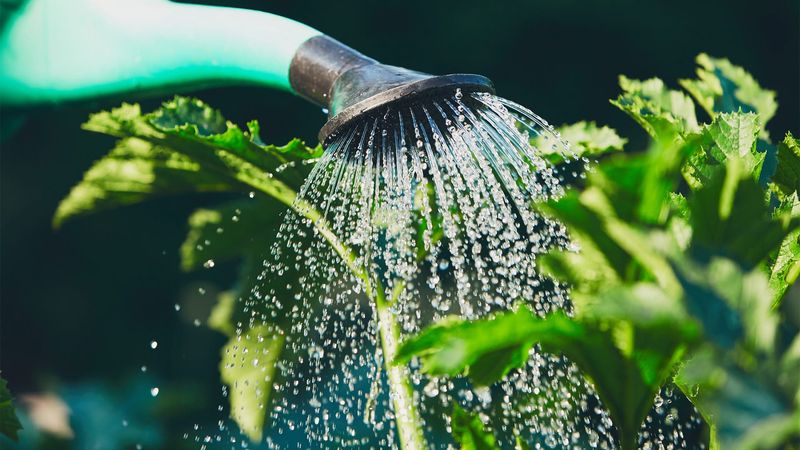
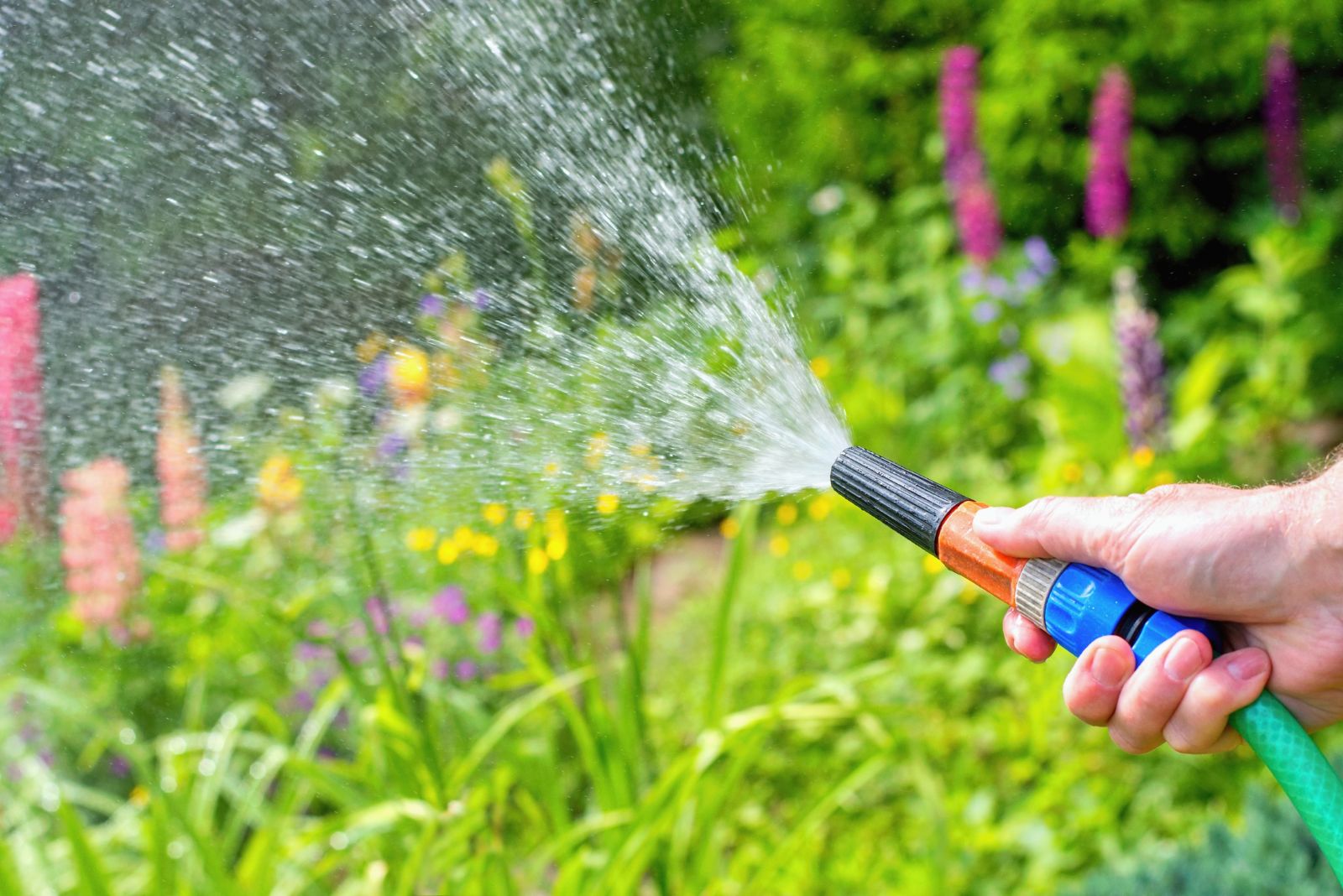
Most people do not connect their garden hose to a cockroach problem, but they absolutely should. Watering your garden is not bad at all.
Plants need water to survive, especially in the brutal Texas heat. The real issue shows up when you water the same spots every single day, leaving the soil, mulch, and ground cover constantly wet.
Cockroaches are not looking for a fancy home. They are looking for three basic things: moisture, warmth, and shelter.
A garden bed that stays damp around the clock checks every single box. Foundation beds, shaded garden edges, potted plants sitting in standing water, and heavily mulched areas become irresistible spots for roaches to hide and breed.
American cockroaches, which are extremely common in Texas, can actually smell moisture from a surprising distance. When your garden stays wet day after day, you are basically sending out an invitation.
They move in quietly, multiply fast, and before long, they are scratching at your door, literally.
The fix is not complicated. Pay attention to how often you are watering and how wet things actually stay between sessions.
Stick your finger about an inch into the soil before watering again. If it still feels damp, skip that day.
Your plants will thank you, and your cockroach problem will shrink without a single spray can. Watering smarter, not more, is the single biggest habit change Texas homeowners can make to reduce roach activity around the house.
Small adjustments in your daily routine can have a surprisingly large impact on keeping pests away from your home.
Why Damp Mulch Becomes A Roach Hideout
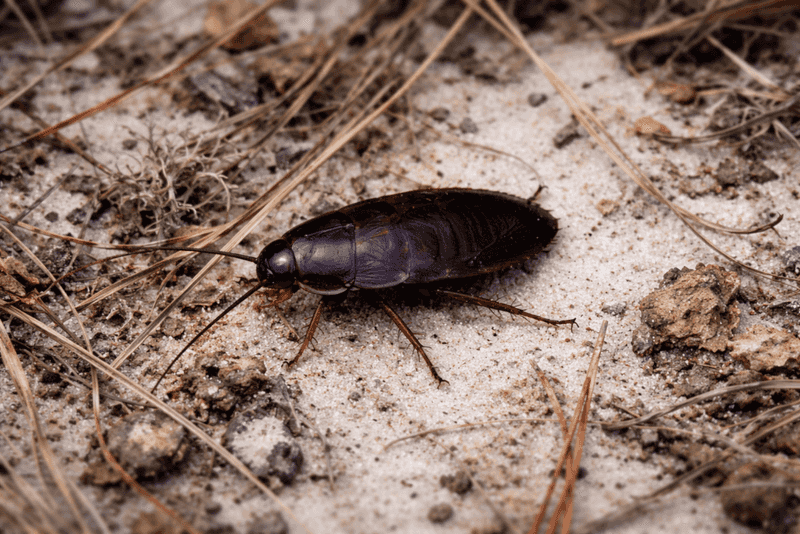
Walk up to almost any Texas home and you will find mulch lining the garden beds. It looks tidy, holds in moisture, and keeps weeds down.
But when that mulch stays thick, wet, and piled up close to your walls and doors, it becomes one of the coziest cockroach hideouts in the neighborhood.
Your Texas Garden Changes Every Week. Your Plan Should Too.
Gardening in Texas changes quickly throughout the season. Every Friday you’ll receive a simple weekly plan showing exactly what to plant, prune, fertilize, harvest, and protect so you never miss the right timing.
Mulch works like a sponge. It soaks up water and holds it for a long time, especially in shaded spots where the sun cannot dry things out quickly.
During the scorching Texas summer, a pile of moist mulch right next to your foundation feels like a five-star resort for a cockroach. It is cool, dark, humid, and full of decomposing organic material they can snack on.
The problem gets worse when mulch is piled too high or pushed right up against the house. Roaches do not need much space to squeeze through.
A small gap between the mulch and your siding, doorframe, or foundation crack is all they need to start exploring indoors. Mulch near patios, air conditioning units, and entryways is especially risky.
Keeping mulch at about two to three inches deep is the sweet spot. Enough to help your plants but not so much that it stays soaked for days.
Pull it back at least six inches from your foundation walls and door frames. Let that border stay dry.
Rake your mulch occasionally so the top layer can dry out between waterings. These small steps make mulch far less attractive to roaches while still doing its job for your garden beautifully.
How Foundation Beds Turn Into A Roach Highway

Picture a busy highway with on-ramps leading straight into your living room. That is basically what a wet, overgrown foundation bed can become for cockroaches in Texas.
These garden areas sit right where your yard meets your house, making them the most dangerous zone when it comes to roach entry.
Wet soil and ground cover near the foundation give roaches a protected travel path. Leaf litter that piles up in corners holds moisture and hides their movement.
Irrigation boxes buried near the house often collect water and stay dark and damp, making them perfect nesting spots. Even small cracks in the foundation or gaps around pipes become easy entry points when roaches are already hanging out right next to them.
The closer the moisture is to your home, the shorter the journey indoors. Cockroaches do not wander far when everything they need is right outside your wall.
They move along edges, under leaves, through ground cover, and pop up inside through the tiniest openings you might not even notice.
Keeping foundation beds a little drier than the rest of your garden goes a long way. Trim back heavy ground cover regularly so air can circulate.
Rake out leaf litter and dry plant material often, especially after rain. Check irrigation boxes for standing water and make sure they drain properly.
Seal any visible cracks or gaps around pipes and utility lines entering the house. You do not have to tear out your foundation beds entirely.
You just have to manage them smartly so they stop acting like a welcome mat for roaches looking for a way inside your home.
Why Texas Heat Makes The Problem Worse
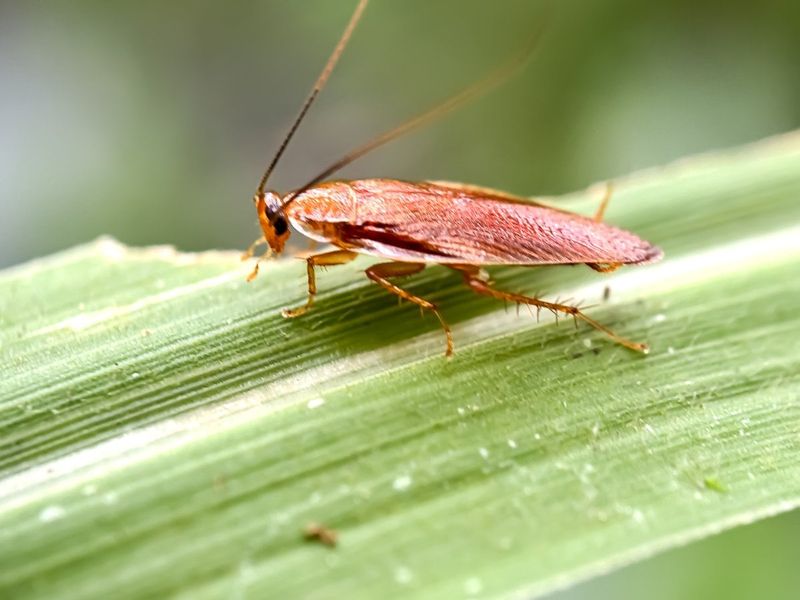
Texas summers are no joke. Temperatures regularly climb above 100 degrees Fahrenheit, and the heat radiates off concrete, asphalt, and dry soil like an oven.
Most people know that heat is rough on people and pets, but fewer realize it also plays a huge role in driving cockroaches straight toward your garden.
When the outdoor environment gets extremely hot, cockroaches start hunting for cooler, damper places to wait it out. A constantly watered garden bed right next to your house can become one of the most comfortable outdoor spots within a wide radius.
Compared to the blazing heat of open pavement or dry grass, your moist foundation bed feels like an oasis to a roach.
American cockroaches are especially active in Texas during the hottest months. They are highly adaptable and move quickly when conditions push them.
Heat speeds up their activity, their reproduction, and their search for better shelter. So during a July or August heat wave, your daily watering routine might be pulling roaches in from a much wider area than you would expect.
This is why summer is the worst time to be overwatering. You are not just keeping your plants hydrated.
You are also making your yard the coolest, dampest spot on the block, and roaches will find it. Adjusting your watering schedule during peak heat months is especially smart.
Water deeply but less often, and let the surface dry out between sessions. Even a small reduction in surface moisture during summer can make your garden noticeably less appealing to cockroaches looking for relief from the relentless Texas heat outside.
What Homeowners Should Do Instead

Changing a daily habit is not always easy, but the payoff here is real. Switching from light, frequent watering to deep, less frequent watering is one of the most effective things you can do.
Deep watering encourages plant roots to grow downward, which actually makes your plants stronger while keeping the surface drier between sessions.
Morning watering is another smart move. When you water early in the day, the sun has time to dry out the surface before evening.
Cockroaches are most active at night, so going into the nighttime hours with drier soil and mulch gives them less reason to hang around your yard. Avoid watering in the evening whenever possible.
Check your irrigation system for leaks regularly. A slow drip from a broken sprinkler head or a cracked irrigation line can keep a small area wet all day without you even noticing. Those wet patches become prime roach territory fast. Fix leaks as soon as you spot them.
Thin out heavy ground cover that traps moisture and blocks airflow near the house. Pull mulch back at least six inches from your foundation and keep it no deeper than two to three inches throughout the rest of the bed.
Remove leaf litter, dry plant debris, and any organic material piling up in corners or along walls. These simple cleanup habits strip away the shelter and moisture cockroaches depend on.
You do not need to turn your garden into a desert. You just need to manage moisture carefully so your yard stays beautiful for your plants but far less welcoming for pests trying to move in.
The Real Fix Is Moisture Control, Not Panic Spraying
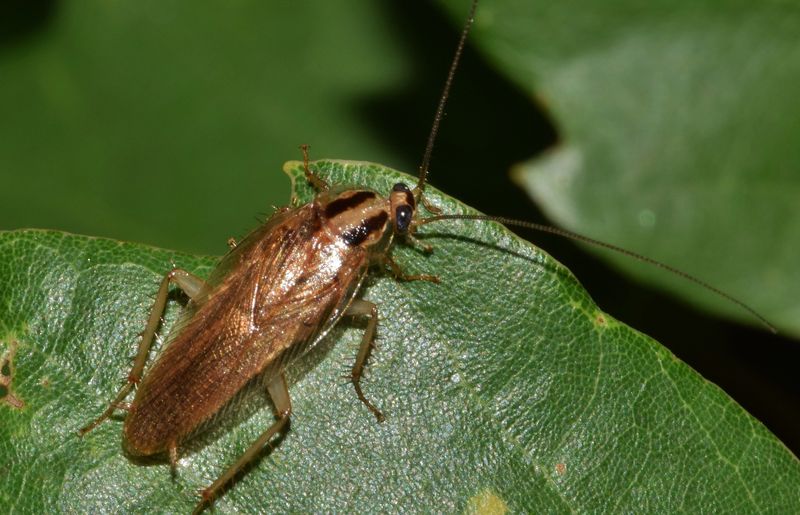
Reaching for a can of roach spray feels satisfying in the moment, but it rarely solves the real problem.
Sprays can reduce the number of roaches you see right now, but if your yard is still offering cool moisture, dark shelter, and easy entry points, new ones will keep showing up. The source of the problem is the environment, not just the roaches themselves.
Moisture control is the foundation of any lasting solution. When you reduce the damp hiding places around your home, you make your property far less attractive to roaches from the start.
That means smarter watering, thinner mulch, drier foundation beds, and regular cleanup of organic debris. These changes work quietly in the background every single day without you having to spray anything.
Sealing gaps is just as important. Check the areas where pipes, cables, and utility lines enter your home.
Look at the gaps under doors and around window frames. Even a small opening is enough for a cockroach to squeeze through.
Weatherstripping, caulk, and door sweeps are cheap and easy to install, and they make a real difference.
Keeping your garden healthy but not constantly wet is the goal. Healthy plants do not need to be soaked every day.
A well-maintained garden with proper drainage, appropriate mulch depth, and a smart watering schedule is actually less attractive to pests than an overwatered, soggy one. Think of moisture management as your first line of defense.
Sprays can play a supporting role, but they work best when combined with the habitat changes that make roaches not want to be near your home in the first place.