7 Native Vines That Quickly Cover Fences In North Carolina And 3 Not Worth The Trouble
A bare fence is one of the most common problems North Carolina gardeners set out to solve, and the solution always seems simpler than it turns out to be. The wrong vine becomes the problem rather than the solution within two or three seasons.
It overtakes neighboring plants, pulls hardware from fences, or spreads into areas it was never meant to reach. The native vines on this list cover ground fast without creating new headaches.
They work with North Carolina’s soil and climate rather than against it.
The three to avoid are popular enough to appear tempting at any garden center, and knowing what makes them problematic before they go in the ground saves significant time, money, and frustration.
1. Crossvine Covers Fences With Spring Color
Few native vines put on a spring show quite like crossvine.
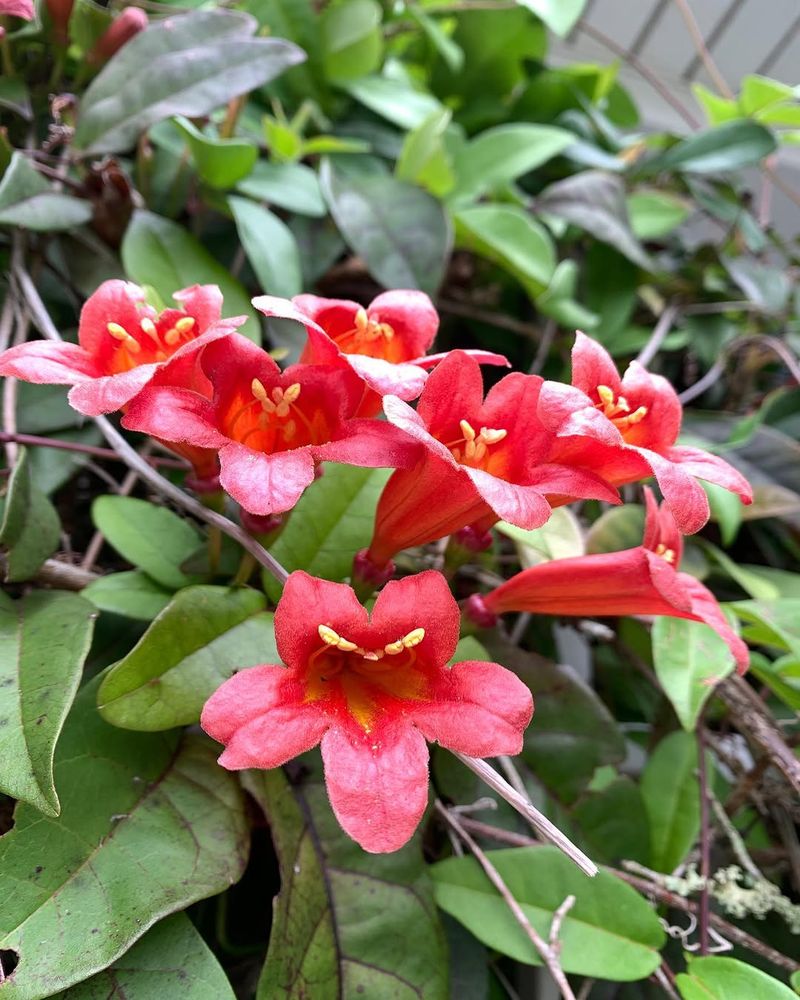
Bignonia capreolata is a vigorous perennial climber that can reach 30 to 50 feet when conditions are right, and it uses tendrils with adhesive tips to grip fences, trellises, and even brick with impressive strength.
The flowers are stunning, typically orange and red on the outside with yellow throats, and they arrive in mid-spring just when hummingbirds are returning north.
Crossvine grows in shade to full sun, but gardeners who want the best flower show should plant it where it gets at least six hours of direct sunlight each day.
In shadier spots it will still cover a fence, but the blooms become sparse and the growth less dramatic. Most nurseries in North Carolina carry it, and it establishes fairly quickly once the roots settle in.
Guiding this vine matters. Crossvine spreads by seed and also by root suckers, which means new shoots can pop up several feet from the main plant if left unchecked.
A regular pruning routine, combined with removing unwanted suckers early in the season, keeps it looking tidy and prevents it from wandering into garden beds or neighboring plants.
With a little attention, crossvine rewards gardeners with years of reliable color and dense fence coverage.
2. Trumpet Honeysuckle Is A Native Fence Favorite
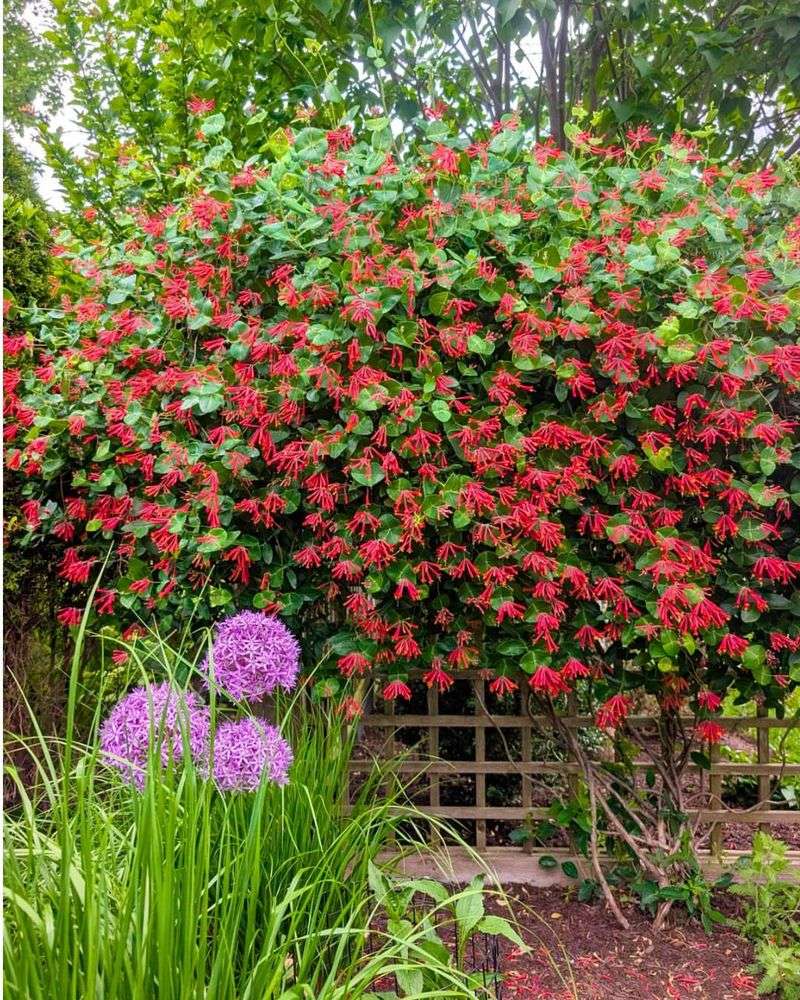
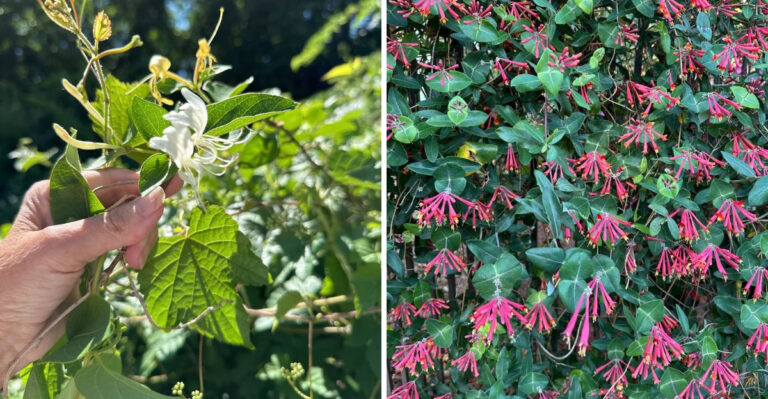
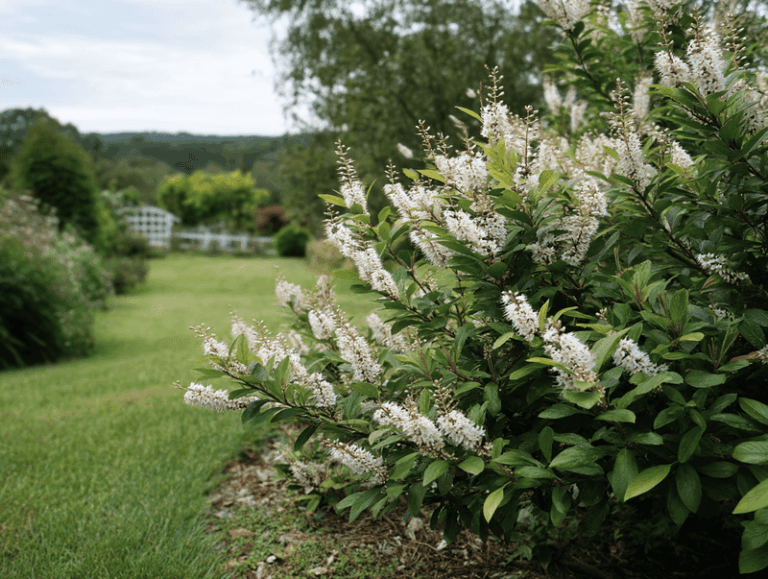
Trumpet honeysuckle, Lonicera sempervirens, is the native honeysuckle that North Carolina gardeners should have on their radar.
Unlike its invasive cousin Japanese honeysuckle, this vine plays nicely with the surrounding landscape while still delivering beautiful results on fences, trellises, and arbors.
It typically grows 10 to 20 feet, which makes it a manageable choice for most backyard fence projects.
The tubular flowers are a real highlight. They come in shades of red, orange, and coral, and they are perfectly shaped for hummingbird beaks.
During peak blooming in spring and early summer, a well-established trumpet honeysuckle can be covered in dozens of flowers at once, turning a plain fence into a living wildlife corridor.
Songbirds also appreciate the small red berries that follow the flowers in late summer.
This vine needs support to climb, so make sure your fence has enough structure for the stems to weave through or wrap around. A split rail fence, wire fence, or sturdy trellis all work well.
Your North Carolina Garden Changes Every Week. Your Plan Should Too.
Gardening in North Carolina changes quickly throughout the season. Every Friday you’ll receive a simple weekly plan showing exactly what to plant, prune, fertilize, harvest, and protect so you never miss the right timing.
Trumpet honeysuckle performs best in full sun to partial shade, and once established it is quite tolerant of dry spells. Pruning after the main spring bloom encourages a second flush of flowers and keeps the plant from getting too woody at the base.
For gardeners who want color, wildlife value, and easy care, this native vine checks every box.
3. Carolina Jessamine Brings Evergreen Fence Coverage
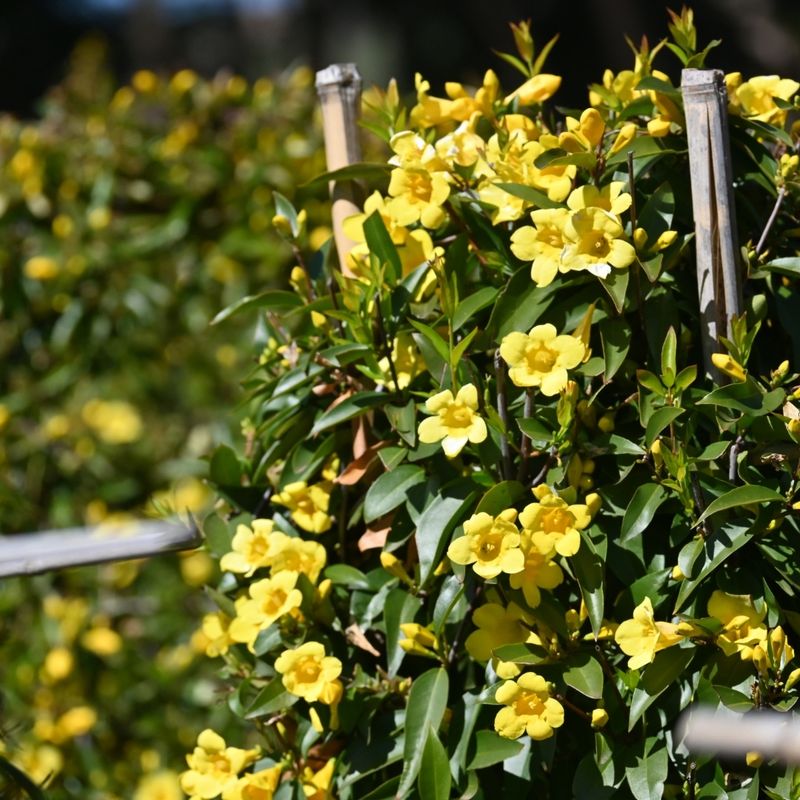
Carolina jessamine, Gelsemium sempervirens, is the official state flower of South Carolina and a beloved native vine throughout the Southeast.
Gardeners in North Carolina prize it for its glossy evergreen leaves that keep a fence looking full and green even in winter.
When late winter arrives and most plants are still dormant, Carolina jessamine bursts into bright yellow flowers that signal the start of spring weeks before many other plants wake up.
For the best results, plant it in full sun with moist, rich, well-drained soil. Growth can be modest during the first year or two while the roots are getting established, so patience pays off.
Once it finds its footing, though, it fills in steadily and the evergreen coverage becomes one of its most appreciated qualities in the garden.
One important note every gardener should know before planting: all parts of Carolina jessamine are toxic. The flowers, leaves, stems, and roots contain alkaloids that are harmful if consumed.
This does not mean it cannot be a wonderful garden vine, but it does mean placement matters. Keep it away from areas where young children or pets regularly play and explore.
With thoughtful placement and a little early support to get it started on the fence, Carolina jessamine offers a combination of year-round coverage and early spring beauty that very few native vines can match.
4. Virginia Creeper Covers Large Fences Fast
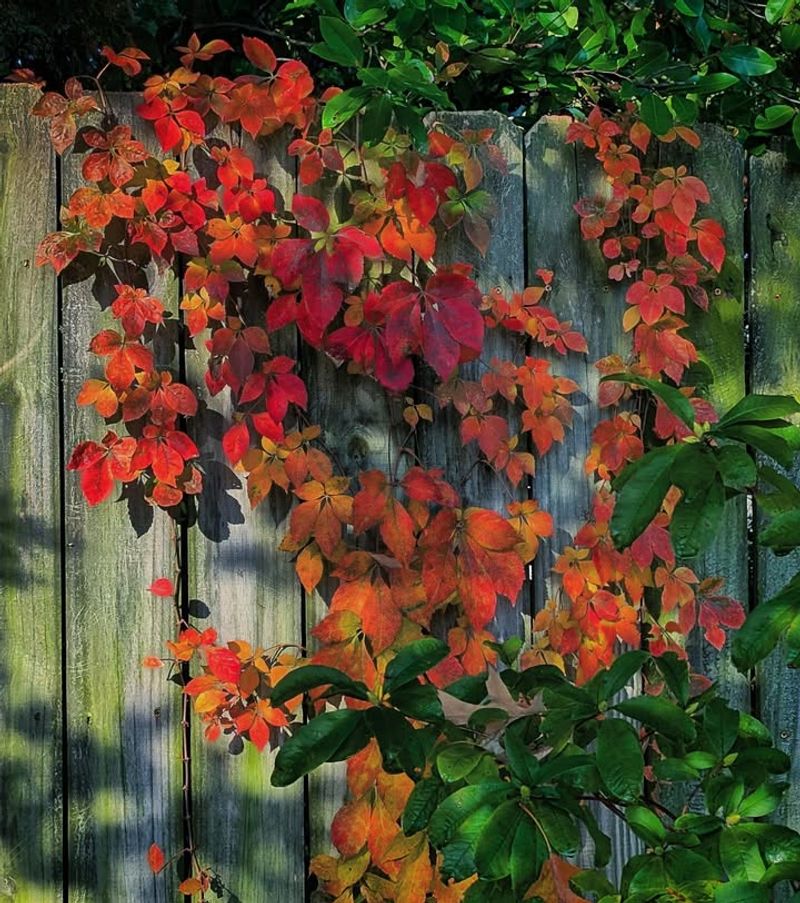
Virginia creeper, Parthenocissus quinquefolia, is one of the fastest and most reliable native vines for covering a large fence in North Carolina.
Under good conditions it can grow 30 to 50 feet or more, and it clings to surfaces using small adhesive holdfasts that grip with surprising strength.
The five-leaflet leaves turn a blazing red and orange in autumn, which makes it one of the most visually dramatic vines in the entire region during fall.
The adhesive holdfasts are what make Virginia creeper so effective on fences, but they also create some real concerns near structures. Avoid planting it where it can reach painted wood siding, gutters, window frames, or wood trim on buildings.
The holdfasts can damage paint and wood surfaces over time, and removing the vine once it has gripped painted wood often pulls the paint right off with it. A sturdy chain link fence, stone wall, or solid wood privacy fence are much better choices.
Wildlife value is genuinely impressive with this vine. Birds eat the small blue-black berries in fall and winter, and the dense foliage provides nesting cover through the warmer months.
For gardeners who want fast coverage on a large, strong fence without babying the plant, Virginia creeper delivers results quickly.
Just keep pruning shears handy and redirect any stems that start heading toward the house or other structures you want to protect.
5. Purple Passionflower Adds Fast Summer Growth
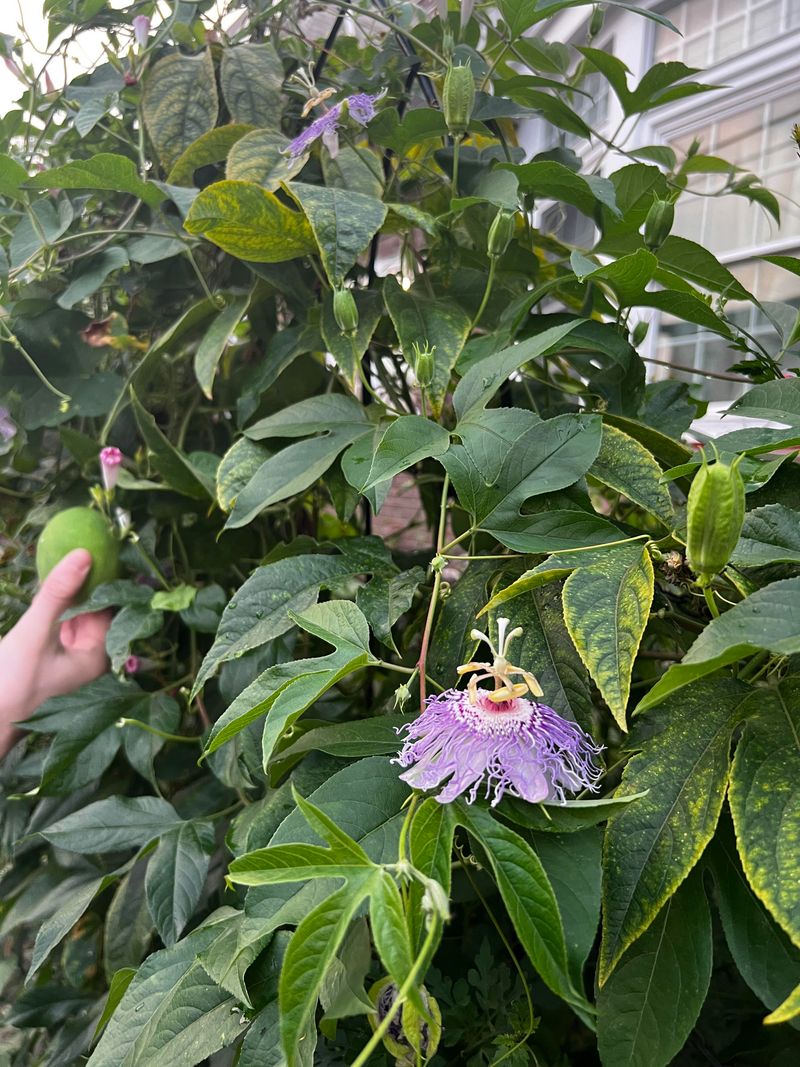
Purple passionflower, Passiflora incarnata, is one of the most exotic-looking native plants in all of North Carolina, and the fact that it is native always surprises people who see it for the first time.
The flowers are genuinely spectacular, with a layered structure of purple and white petals surrounding a crown of wavy filaments that looks almost tropical.
Butterflies, bees, and other pollinators absolutely love it, and it serves as the host plant for several native butterfly species including the Gulf Fritillary and Zebra Longwing.
On a fence, purple passionflower grows quickly through summer and can cover a good stretch of fencing in a single season. The edible fruit, called maypops, ripen in late summer and have a pleasant flavor that is worth trying.
This vine spreads by underground runners, so it tends to send up new shoots some distance from the original plant, which is a wonderful quality if you have room and less welcome in a small, tightly managed garden bed.
The best approach is to give passionflower a fence location where it has space to roam a bit without becoming a problem. A wide open fence line with open lawn on both sides is ideal because stray runners in grass are easy to mow down.
For pollinator gardeners and anyone who wants a fast-growing, conversation-starting vine with real wildlife value, purple passionflower is a fantastic native choice.
6. American Wisteria Is The Better Wisteria Choice
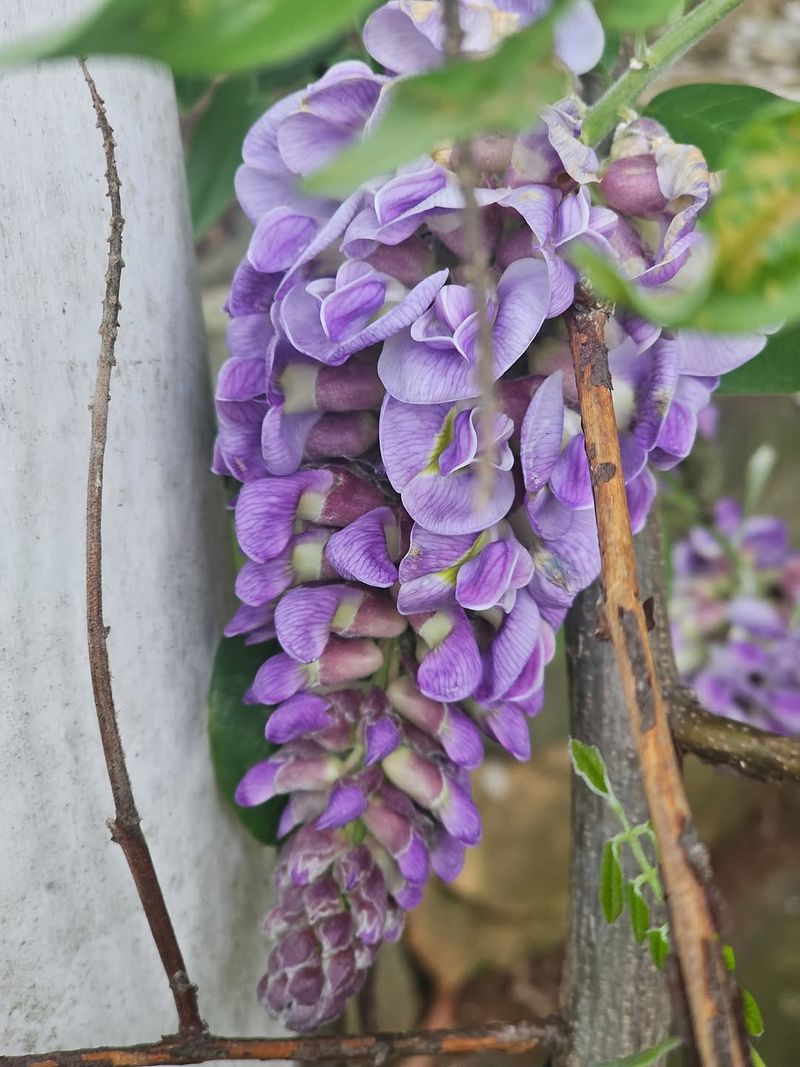
Wisteria has a reputation for being stunning and stubborn at the same time, but American wisteria, Wisteria frutescens, is the version that actually belongs in North Carolina gardens.
Native to the southeastern United States, it produces the same gorgeous cascading clusters of purple flowers that make wisteria so famous, but it behaves in a much more reasonable way than its Chinese and Japanese counterparts.
Gardeners who have struggled with invasive Asian wisteria will immediately appreciate the difference.
American wisteria can still grow quite large, reaching up to 30 feet or more on a supportive structure, so it absolutely needs a sturdy fence or arbor that can handle real weight over time. A lightweight trellis will not hold up.
The good news is that it flowers more reliably and more quickly after planting than Asian wisteria, which can take many years to bloom. Full sun is key for the best flower show, and plants in shadier spots tend to produce fewer blooms.
Pruning still matters with American wisteria even though it is far less aggressive. Trimming it back after the main bloom in late spring, and again in late summer, keeps the plant tidy and encourages better flowering the following season.
A well-managed American wisteria on a solid pergola or fence becomes a breathtaking garden feature year after year.
For anyone who has admired wisteria from a distance, this native version is the responsible and rewarding way to grow it.
7. Muscadine Grape Gives Fence Coverage And Fruit
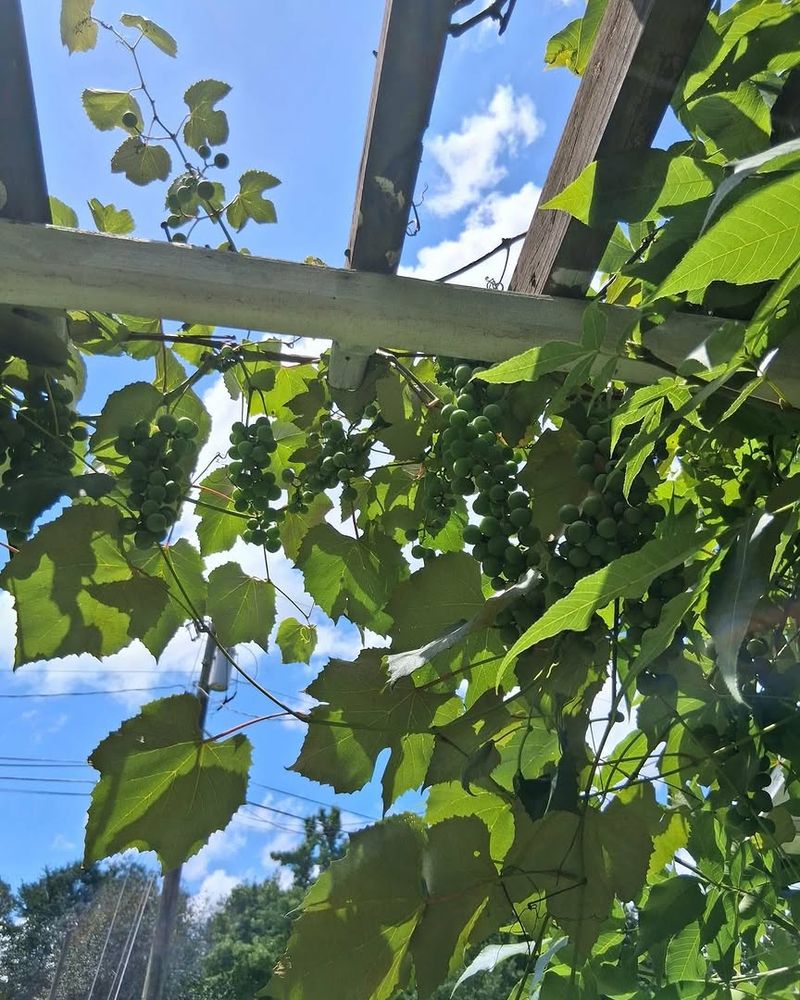
Muscadine grape, Vitis rotundifolia, is a native southern vine with a long history in North Carolina.
Found naturally in dry upland forests, sandy or rocky soils, swamps, and roadside thickets across the Southeast, it is a tough and adaptable woody climber that has fed people and wildlife in this region for centuries.
Growing your own muscadines on a fence means you get both the coverage and a late summer harvest of sweet, thick-skinned grapes.
Muscadine is especially well suited to the warmer parts of North Carolina, where summer heat and humidity do not slow it down at all. The vine is vigorous and can cover a long stretch of sturdy fence in just a few growing seasons.
A fence that can handle real weight is important because muscadine becomes a substantial woody vine over time. A heavy-duty wire fence, pipe fence, or strong wood post construction handles it best.
Pruning is not optional with muscadine. Without regular cutting back in late winter, the vine becomes a dense, tangled mass that produces less fruit and more shade than most gardeners want.
Annual pruning keeps it productive and looking intentional rather than wild. Most nurseries in North Carolina carry named muscadine varieties that are selected for better fruit quality and disease resistance.
For gardeners who want a native vine that works hard and pays back with food, muscadine grape is a genuinely satisfying choice for the right fence situation.
8. Japanese Honeysuckle Is Not Worth The Trouble
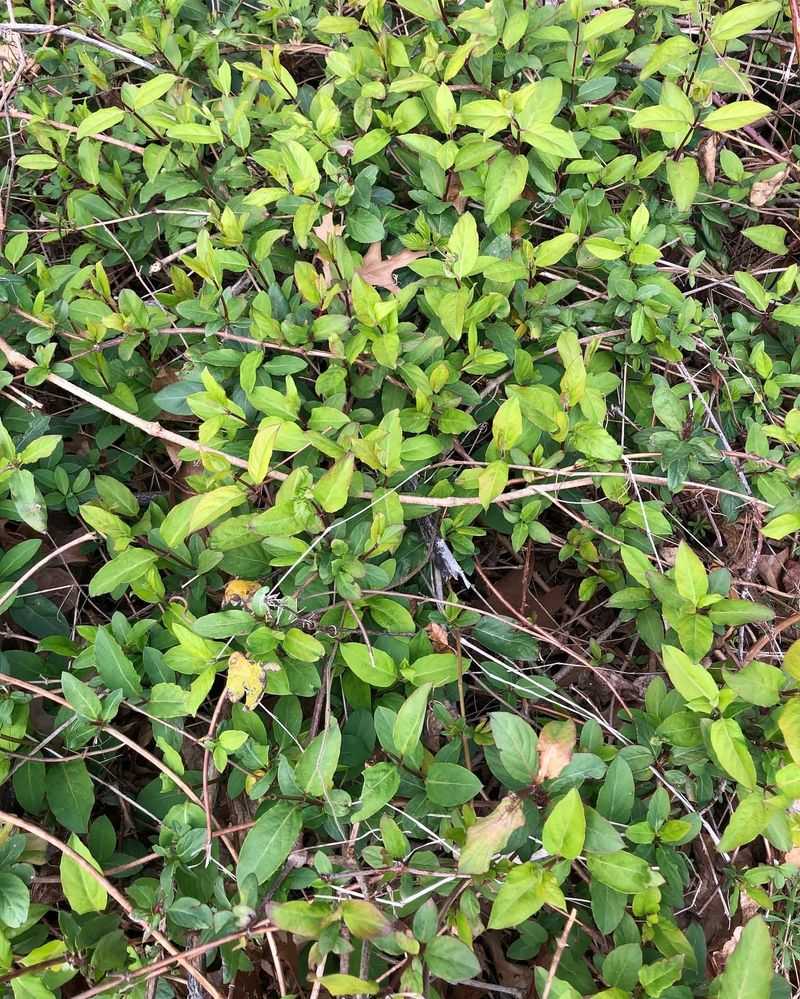
Japanese honeysuckle, Lonicera japonica, has a pleasant smell and grows with remarkable speed, which is exactly why so many people plant it on fences without thinking twice.
The problem is that this vine is invasive in North Carolina and across much of the eastern United States, and once it gets going on a fence line, it rarely stays there.
It spreads into woodland edges, natural areas, and neighboring properties, where it smothers native plants by climbing over them and blocking their sunlight.
The fragrance makes it tempting, and the fast coverage makes it feel like a win in the short term. But within a few seasons, Japanese honeysuckle becomes a management headache that never fully goes away.
It roots at stem nodes wherever they touch the ground, creates dense mats, and regrows aggressively after cutting. Neighbors and local ecosystems pay the price when it escapes the fence and spreads unchecked into natural areas nearby.
North Carolina gardeners who want fragrant flowers and fast fence coverage have a much better option already covered in this list.
Native trumpet honeysuckle, Lonicera sempervirens, provides beautiful tubular flowers, attracts hummingbirds reliably, and stays where it is planted without threatening the surrounding landscape.
The native version is simply the smarter choice on every level. Swapping out Japanese honeysuckle for the native alternative is one of the most positive changes a North Carolina gardener can make for both the yard and the local environment.
9. Asian Wisteria Is Not Worth The Trouble
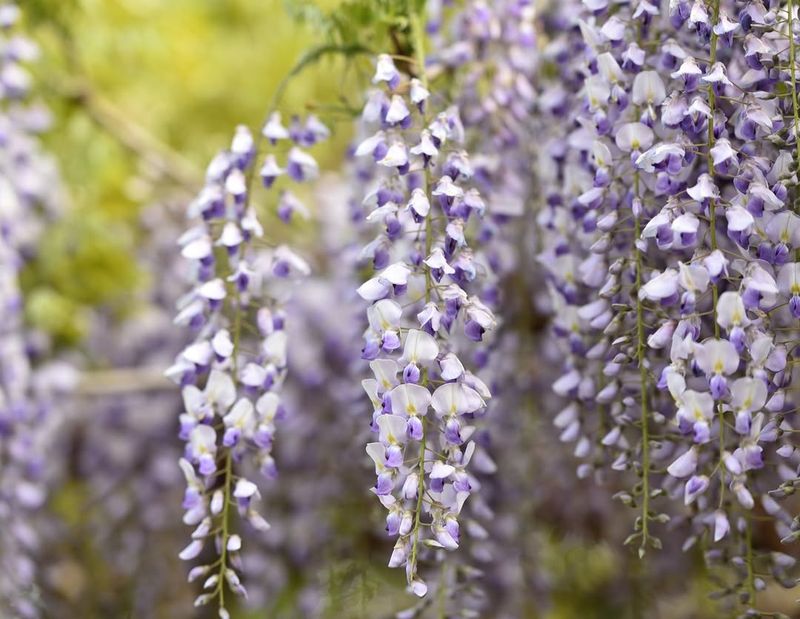
Chinese wisteria, Wisteria sinensis, and Japanese wisteria, Wisteria floribunda, are two of the most commonly planted ornamental vines in American gardens, and they are also two of the most problematic.
Both have been documented escaping cultivation in North Carolina and other southeastern states, spreading into natural areas and forest edges where they grow over native shrubs and trees with alarming speed.
Their sheer weight and aggressive growth can cause real structural damage to fences, pergolas, and even trees over time.
The flowers are undeniably beautiful, and that beauty is part of why these vines have been planted so widely for so long.
But beauty does not cancel out the problems that come with a vine that can grow a foot or more per week during peak season and sends up suckers far from the main plant.
Older specimens develop thick, heavy trunks that can pull down wooden structures that were not built to handle that kind of load.
American wisteria, Wisteria frutescens, is the responsible alternative for North Carolina gardeners who genuinely love the wisteria look.
It produces lovely cascading flower clusters, grows at a manageable pace, and does not have the invasive track record of the Asian species.
Choosing the native version means you get the romance of wisteria on your fence without spending years fighting a plant that has outgrown your ability to manage it. That trade-off is completely worth it.
10. English Ivy Is Not Worth The Trouble
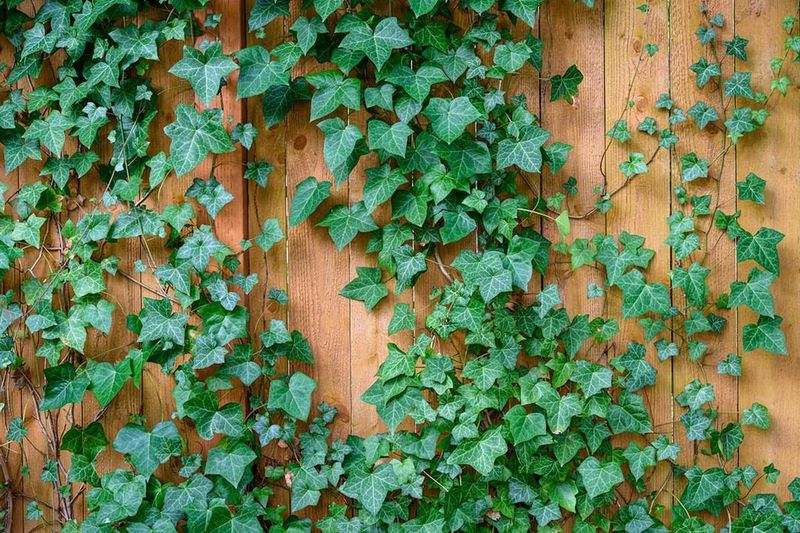
English ivy, Hedera helix, is probably the most commonly planted ground cover and fence vine in American suburban landscapes, and it is also one of the most persistently problematic.
In North Carolina, English ivy is listed among invasive plants of concern, and for good reason.
It spreads beyond fences into lawns, garden beds, and trees, where it climbs upward and adds so much weight and wind resistance to tree canopies that branches become more vulnerable to storm damage.
Fast coverage is the main appeal, and English ivy does deliver on that promise. Within a season or two it can completely hide a fence, which sounds great until you realize it also hides the fence from maintenance.
Rotting boards, damaged posts, and hardware problems go unnoticed under a thick carpet of ivy until the damage is already serious.
Removing established English ivy from a fence is genuinely hard work that takes multiple seasons of persistent effort.
The bigger picture is that no amount of fast coverage is worth creating a long-term landscape problem that spreads beyond your property line.
North Carolina gardeners who want fast, dense fence coverage have better native options available, including Virginia creeper, crossvine, and trumpet honeysuckle, all of which grow quickly and contribute to local wildlife rather than competing with it.
Choosing one of those native alternatives over English ivy is a straightforward win for the garden and the surrounding natural areas.