What An Opossum In Your Delaware Backyard Is Actually Telling You
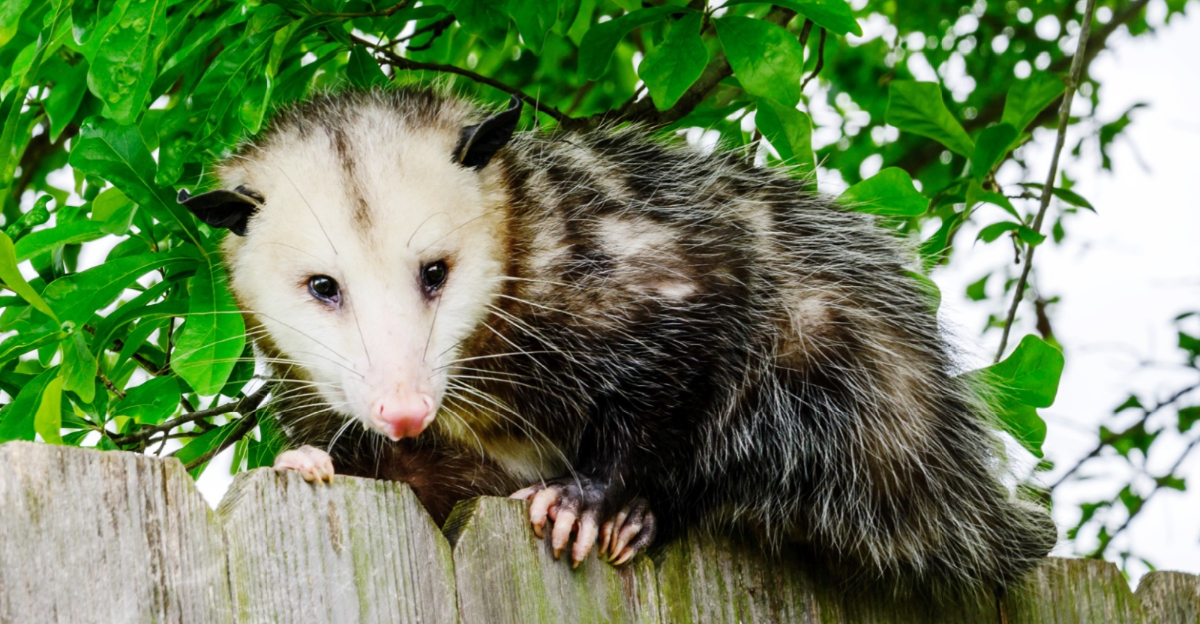
Something moves at the edge of your porch light. Low to the ground, unhurried, almost theatrical in its slowness.
An opossum is crossing your Delaware backyard like it owns the place. And in a way, it does.
Opossums do not wander. They patrol. That animal picking through your garden at midnight has memorized this route over weeks.
It hits compost piles, fallen fruit, and the occasional unlucky beetle with the quiet efficiency of a sanitation crew that never asked for credit.
Their presence is not a nuisance. It is a signal. What that signal means depends entirely on what you have built around your home.
Delaware backyards sit inside one of the most ecologically pressured corridors on the East Coast.
Suburbs, wetlands, and agricultural runoff press in from every direction. When an opossum shows up on your property, the land itself is trying to tell you something worth hearing.
Seeing An Opossum In Your Yard Signals A Thriving Ecosystem
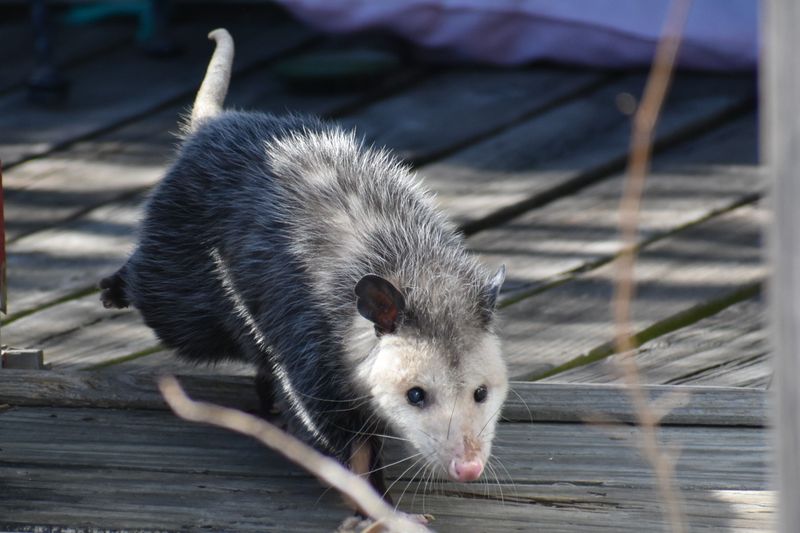
An opossum in your yard is one of the clearer signs your local ecosystem is functioning well. Opossums only settle where food, shelter, and safety exist in balance.
Their presence means your yard supports enough biodiversity to attract a top-level forager. They are drawn only to yards where food, shelter, and safety align. Insects, fallen fruit, clean water, and dense ground cover all factor in.
Healthy yards tend to have layered plant life: tall trees, shrubs, and low ground plants. That layering creates the kind of habitat a marsupial needs to feel comfortable moving through at night.
Seeing one in your yard also means your neighbors’ properties are likely supporting wildlife too. Opossums travel across connected green spaces, so their route through your yard tells a bigger story.
The meaning of an opossum appearing in your Delaware backyard goes beyond one animal. It reflects a network of thriving living things all working together without you even noticing.
Your yard is part of something larger than a fence line. That opossum just made that fact impossible to ignore.
Healthy Wildlife Balance Brings Them To Residential Areas
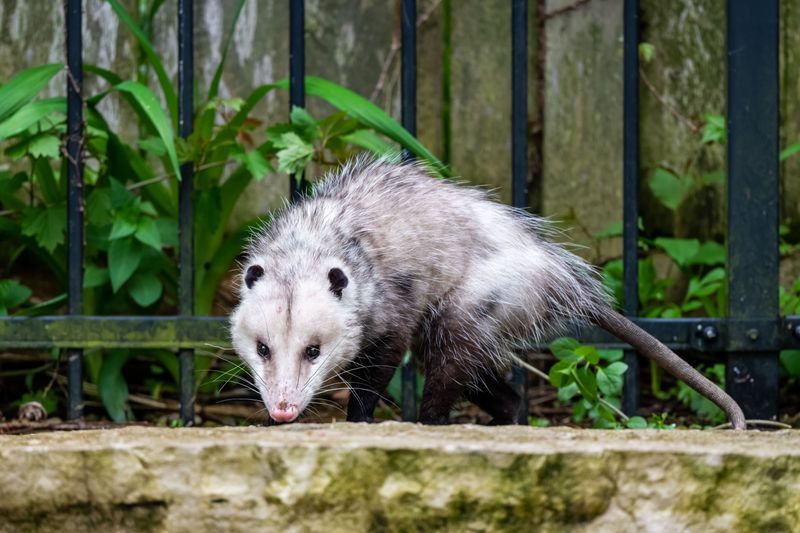
Midnight in the backyard just got interesting. When wildlife balance is working the way nature intended, nocturnal animals like opossums feel safe enough to move through residential zones.
Opossums are not wandering aimlessly. They follow scent trails and food sources with quiet precision.
A balanced yard offers both, which is exactly why they appear when the conditions are right.
Residential areas that support balanced wildlife tend to have fewer pest problems overall. Opossums eat beetles, cockroaches, slugs, and even small rodents, which keeps those populations from spiraling out of control.
When predators and prey exist in reasonable numbers, the whole system hums along smoothly. Your backyard connects to a wider network of habitat, and the opossum confirms it is part of that network.
Many homeowners are surprised to learn that nocturnal visitors are a sign of low stress in the local environment. Animals avoid areas with too much noise, light, or chemical interference.
Your Delaware Garden Changes Every Week. Your Plan Should Too.
Gardening in Delaware changes quickly throughout the season. Every Friday you’ll receive a simple weekly plan showing exactly what to plant, prune, fertilize, harvest, and protect so you never miss the right timing.
If your yard is calm and chemical-light, you become a safe corridor for traveling wildlife. That kind of yard is rare in suburban settings, which makes it genuinely valuable.
A balanced ecosystem does not happen by accident. It builds slowly over time. Your opossum visitor is one sign that your yard is contributing to the kind of environment local wildlife needs.
Environmental Role They Play In Your Delaware Yard
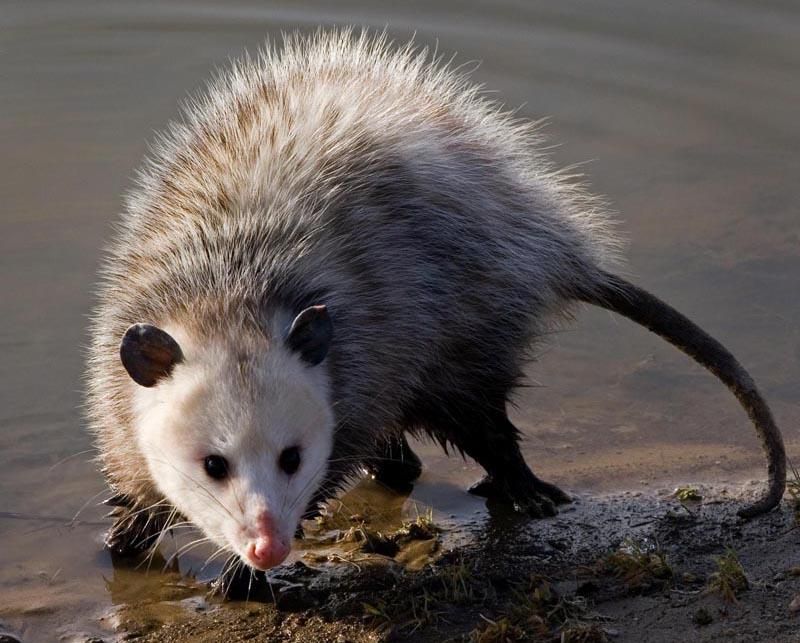
Opossums are doing chores in your yard, and they never ask for anything in return. These marsupials fill a surprisingly important environmental role that most homeowners never think about.
They are scavengers by nature, which means they clean up decaying matter that would otherwise attract harmful pests.
Rotting fruit, fallen insects, and food scraps disappear faster when an opossum is making nightly rounds. Beyond cleanup duty, opossums also eat a striking number of ticks per season.
Some earlier research suggested one opossum may consume thousands of ticks in a single year, though more recent studies have questioned how reliably opossums groom ticks compared to initial estimates.
That alone makes them one of the most underappreciated backyard allies in the Mid-Atlantic region. Fewer ticks in your yard means safer time outdoors for your family and pets.
Opossums also help with seed dispersal as they move through gardens and green spaces. Seeds from fruits they eat get deposited across a wide area, quietly supporting plant diversity without any human effort.
Their foraging habits may disturb the topsoil slightly in ways that can benefit plant roots and soil microbes. It is a small contribution, but in a healthy yard, small contributions stack up quickly.
Knowing the environmental role they play changes how you see that nighttime visitor. That scruffy little marsupial is genuinely working hard to keep your Delaware yard in better shape.
Chemical-Free Yards Attract Wildlife As A Sign Of Safety
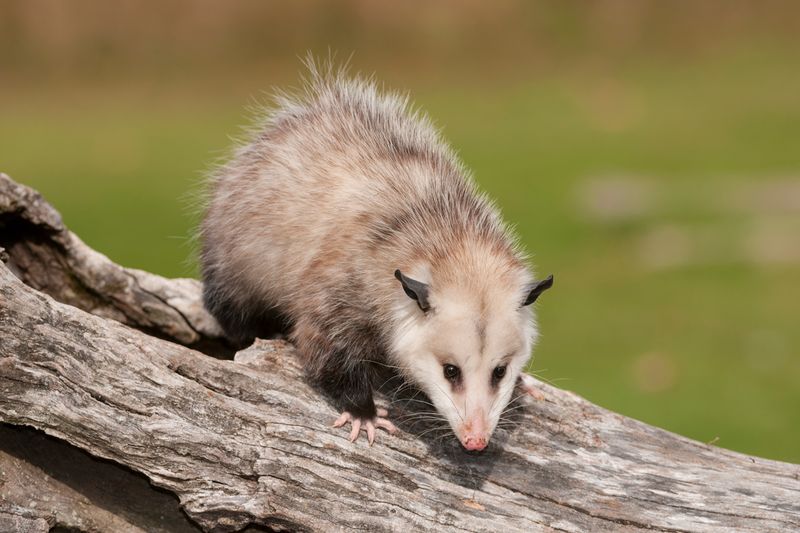
Your yard just met a standard that most suburban spaces never reach. When an opossum chooses to pass through your space, it often signals that your outdoor environment is free from harmful chemicals.
Opossums are highly sensitive to pesticides and synthetic fertilizers in the soil and on plant surfaces. They avoid areas where those chemicals are present because the food sources there become unsafe to eat.
A chemical-free yard, by contrast, offers a buffet of safe, natural food. Insects, worms, grubs, and plant material are all untainted and accessible, which makes your space genuinely attractive to foraging wildlife.
Where homeowners shift toward organic lawn care, wildlife responses often follow. Fewer chemicals mean more insects, which means more animals higher on the food chain show up too.
The opossum chose your yard over others nearby because the conditions there matched what it needs.
Going chemical-free does not require a total overhaul of your lawn routine. Small swaps, like compost over synthetic fertilizer, can shift the balance quickly enough to attract new visitors.
That opossum waddling across your patio is a direct result of the environment your choices have helped create.
A clean yard does not just look good. It becomes a sanctuary for the animals that need it most.
Delaware’s Native Plants Create The Ideal Habitat For Marsupials
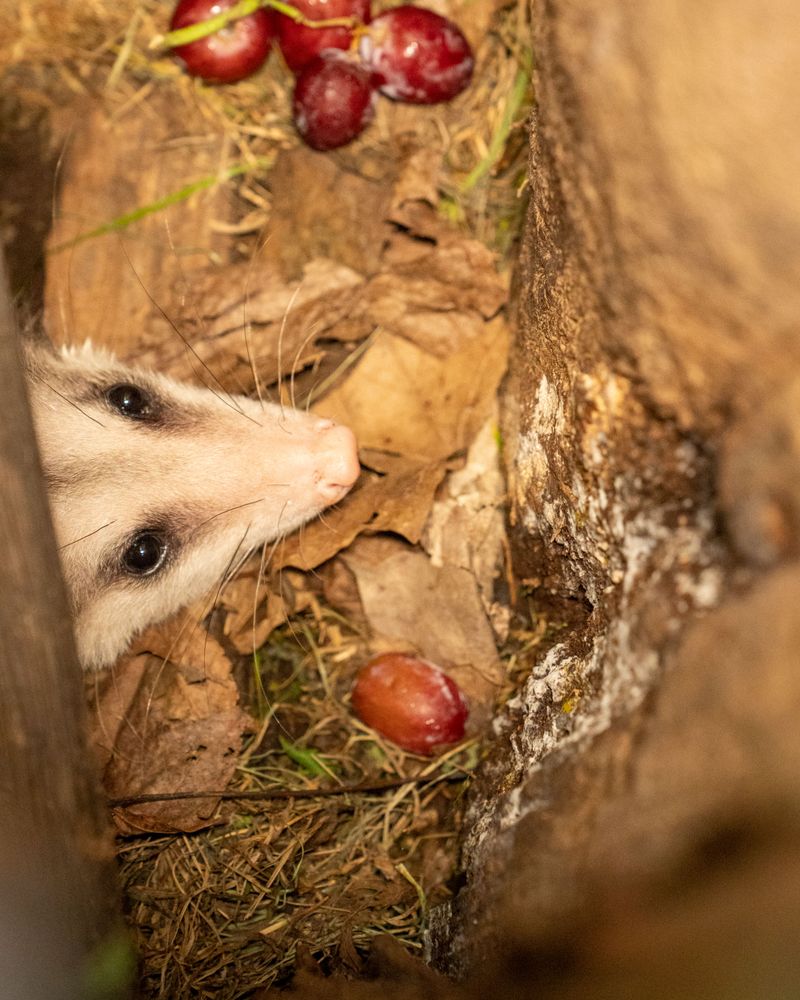
Plant natives and the wildlife will come. That is not just a gardening slogan. Delaware’s native plants create exactly the kind of layered, food-rich environment that opossums are drawn to naturally.
Native species like Eastern red cedar, spicebush, and wild strawberry produce berries and insects that feed a wide range of animals. Opossums thrive in these environments because the food supply is consistent and varied.
Non-native plants, even beautiful ones, often lack the insect relationships that native species have built over thousands of years. A yard full of exotic ornamentals may look lush but offer far less to passing wildlife.
Switching even a portion of your yard to native plantings creates immediate habitat value. Dense shrubs offer cover, and leaf litter beneath them becomes a foraging ground for hungry marsupials after dark.
The meaning of an opossum appearing in your Delaware backyard becomes clearer when you look at what surrounds it.
Native plant diversity is often the invisible thread connecting a healthy yard to its animal visitors. Spicebush in particular is a standout.
It supports a wide range of native insects and provides shelter for ground-dwelling animals. Planting even a few native shrubs can transform how wildlife perceives your outdoor space.
Your garden choices echo outward in ways you cannot always see. That opossum is one visible result of a decision made in the ground.
Seasonal Shifts Drive Them Closer To Neighborhoods
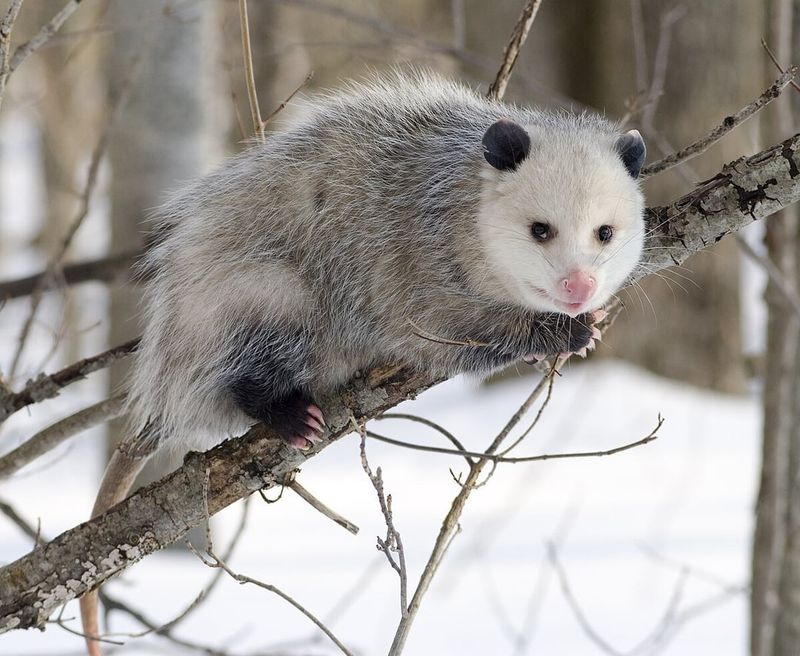
When the seasons turn, animals shift their routines, and sometimes that means your backyard becomes their new path.
Seasonal changes are one of the biggest reasons opossums appear in residential areas across Delaware.
As temperatures drop in fall and early winter, natural food sources in wooded areas become scarce.
Opossums expand their search range significantly, which brings them into neighborhoods where gardens and compost piles offer easy meals.
Spring also triggers movement, as young opossums disperse from their mothers and explore new territory.
A first-time backyard sighting in March or April often means a juvenile is mapping out its own home range.
Summer brings dense vegetation that can push wildlife toward yard edges and open spaces.
Opossums navigating overgrown fields may funnel naturally into suburban corridors as they look for clearer ground to travel.
Understanding seasonal patterns helps you predict when visitors are most likely to appear. Late summer through early winter tends to be peak opossum activity time in mid-Atlantic neighborhoods.
Rather than being alarmed by a sudden appearance, think of it as a seasonal rhythm playing out in your yard. Nature has a calendar, and opossums follow it with surprising consistency.
Each season brings a different reason for their visit. Knowing which one applies helps you appreciate the moment instead of reaching for a phone to call animal control.
Recurring Wildlife Visits Indicate Long-Term Ecological Health
One visit is interesting, but repeated visits mean something deeper is happening. When an opossum keeps returning to your yard, it signals long-term ecological stability in your immediate environment.
Animals do not waste energy revisiting places that do not serve them. A recurring opossum has found reliable food, safe passage, and low disturbance in your space, and that trifecta is not easy to find.
Long-term ecological health shows up in other ways too: more fireflies in summer, more songbirds in spring, and healthier soil with visible earthworm activity. The opossum is just the most obvious ambassador of all that quiet progress.
Yards that support recurring wildlife tend to have consistent features: water sources, leaf litter left in place, and minimal nighttime lighting. These small choices compound over seasons into something genuinely significant.
The meaning of an opossum appearing in your Delaware backyard repeatedly is a message about momentum.
Your yard is building ecological capital that benefits the whole neighborhood corridor. Sharing that knowledge with neighbors can amplify the effect.
When multiple adjacent yards support wildlife-friendly practices, the connected habitat becomes large enough to support breeding populations of beneficial animals.
Your backyard is not just a patch of grass. It is a living system. And that opossum keeps coming back because you built something worth returning to.