Common Mistakes North Carolina Gardeners Make When Watering Vegetable Gardens In July Heat
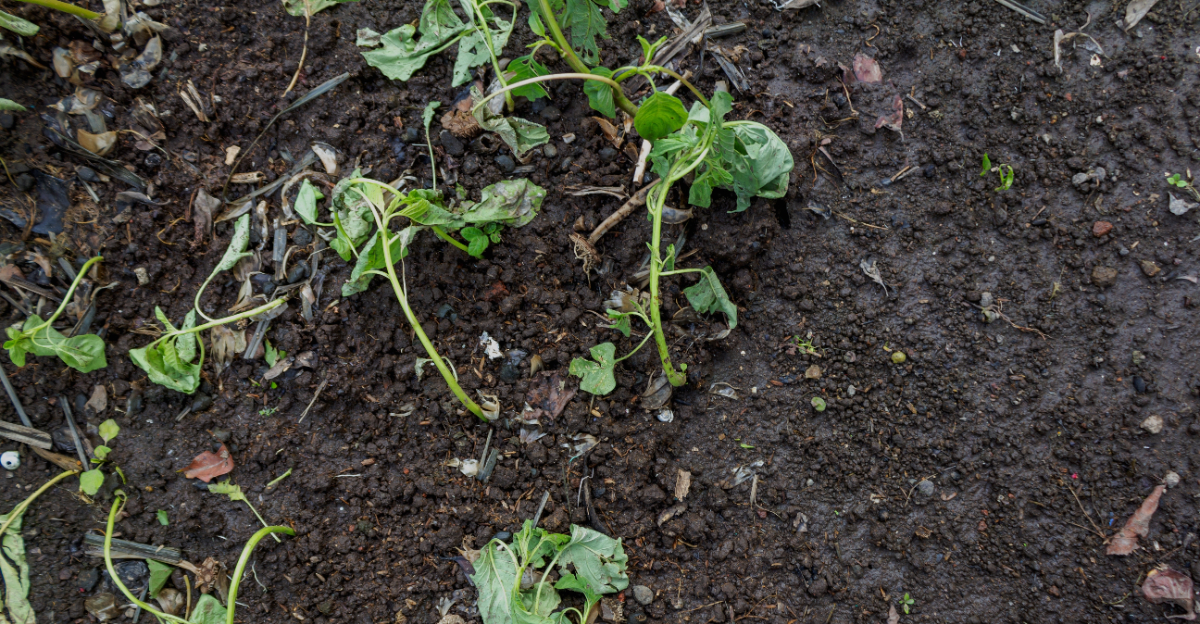
July watering in North Carolina feels straightforward until the vegetable garden starts showing stress symptoms that more water does not fix.
Some of the most consistent damage done to North Carolina vegetable gardens in midsummer comes directly from watering habits that seem completely reasonable on the surface.
Timing, frequency, application method, and the way water interacts with soil that has been baking under July sun all produce outcomes that work against plant health rather than supporting it.
The mistakes that show up most often are not made by inattentive gardeners.
They are made by gardeners doing exactly what general advice recommends without accounting for what North Carolina’s specific July conditions actually require.
1. Watering The Leaves Instead Of The Soil
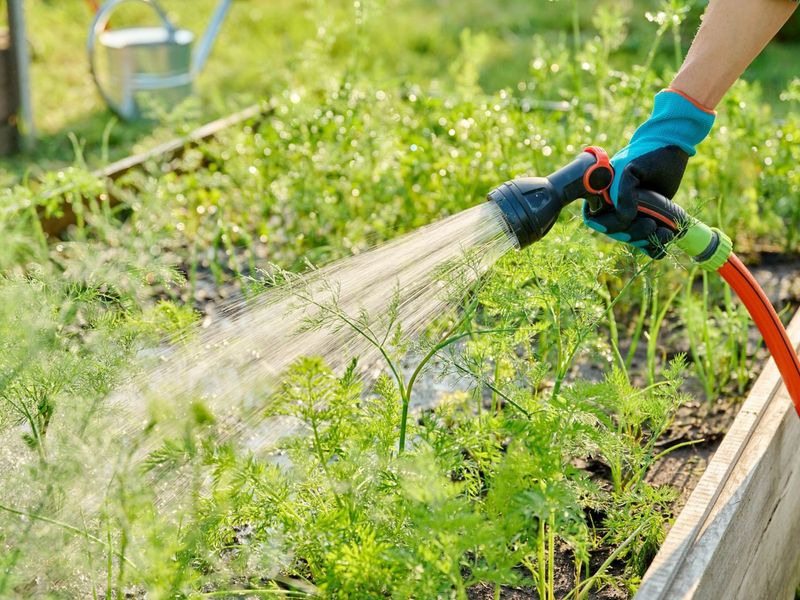
Picture this: you grab the hose after work, point it at your tomato plants, and give everything a good spray.
It feels satisfying, but that water landing on the leaves is actually causing more harm than good.
In North Carolina’s July heat, wet foliage is practically an invitation for fungal diseases like early blight and powdery mildew to move right in.
Water sitting on leaves during a hot, humid afternoon does not cool the plant the way you might expect.
Instead, it creates the perfect warm, moist environment for pathogens to spread fast.
Diseases like septoria leaf spot can take hold within days when leaves stay wet during the peak heat hours between noon and four in the afternoon.
The goal is always to water the soil, not the plant. Roots live underground, and that is exactly where the moisture needs to go.
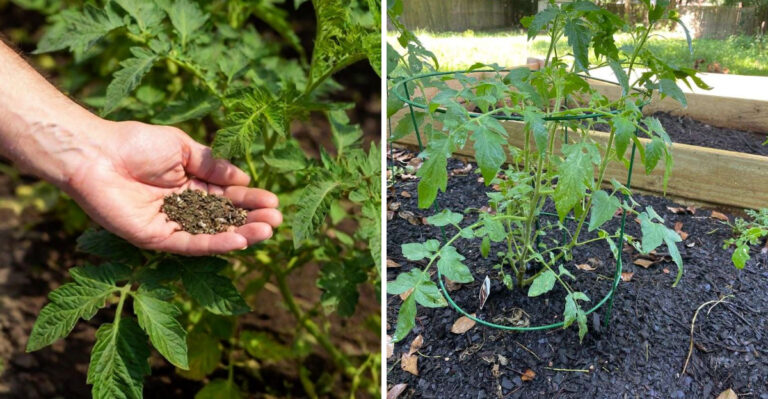
Soaker hoses and drip irrigation systems are fantastic tools for this because they deliver water slowly and directly at the root zone without ever touching the foliage.
If you only have a standard hose, that works perfectly fine too. Simply aim low, get close to the base of each plant, and let the water soak in gently. A watering wand with a gentle rose head makes this even easier.
Keeping leaves dry while keeping roots well hydrated is one of the simplest and most effective habits you can build for a healthier July vegetable garden.
2. Giving Vegetables Quick Daily Sprinkles Instead Of Deep Soaks
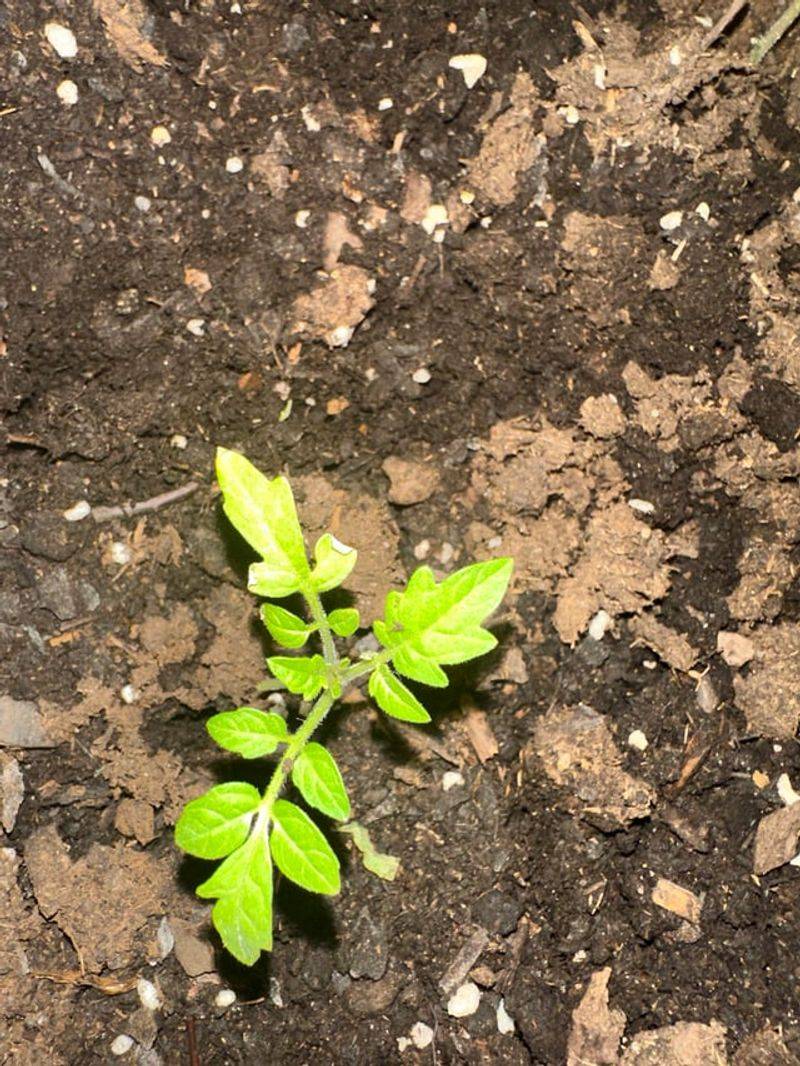
A little water every day sounds responsible, but your vegetable plants would strongly disagree.
Quick, shallow sprinkles only wet the top inch or two of soil, which trains roots to stay near the surface instead of growing deep where moisture actually lasts.
Surface soil dries out within hours during a North Carolina July, leaving those shallow roots completely exposed to stress. Deep, infrequent watering is the smarter approach.
When you water slowly and thoroughly, moisture pushes down several inches into the soil, and roots follow it down.
Deeper roots reach cooler, more stable soil layers that hold moisture much longer, even during a stretch of ninety-degree days with no rain in sight.
Most vegetables in a North Carolina summer garden do best with about one to one and a half inches of water per week, delivered in two or three longer sessions rather than seven short ones.
Your North Carolina Garden Changes Every Week. Your Plan Should Too.
Gardening in North Carolina changes quickly throughout the season. Every Friday you’ll receive a simple weekly plan showing exactly what to plant, prune, fertilize, harvest, and protect so you never miss the right timing.
A simple rain gauge placed in the garden takes all the guesswork out of tracking how much water your beds are actually receiving.
To check if you are watering deeply enough, push a wooden skewer or your finger about three inches into the soil after watering. If it comes out dry, the water did not go deep enough.
Slow down your watering pace, let it soak in, and give each bed a solid ten to fifteen minutes of steady flow.
Your plants will reward you with stronger stems, bigger yields, and much better heat tolerance through the rest of the summer.
3. Ignoring July Thunderstorms And Watering On Autopilot
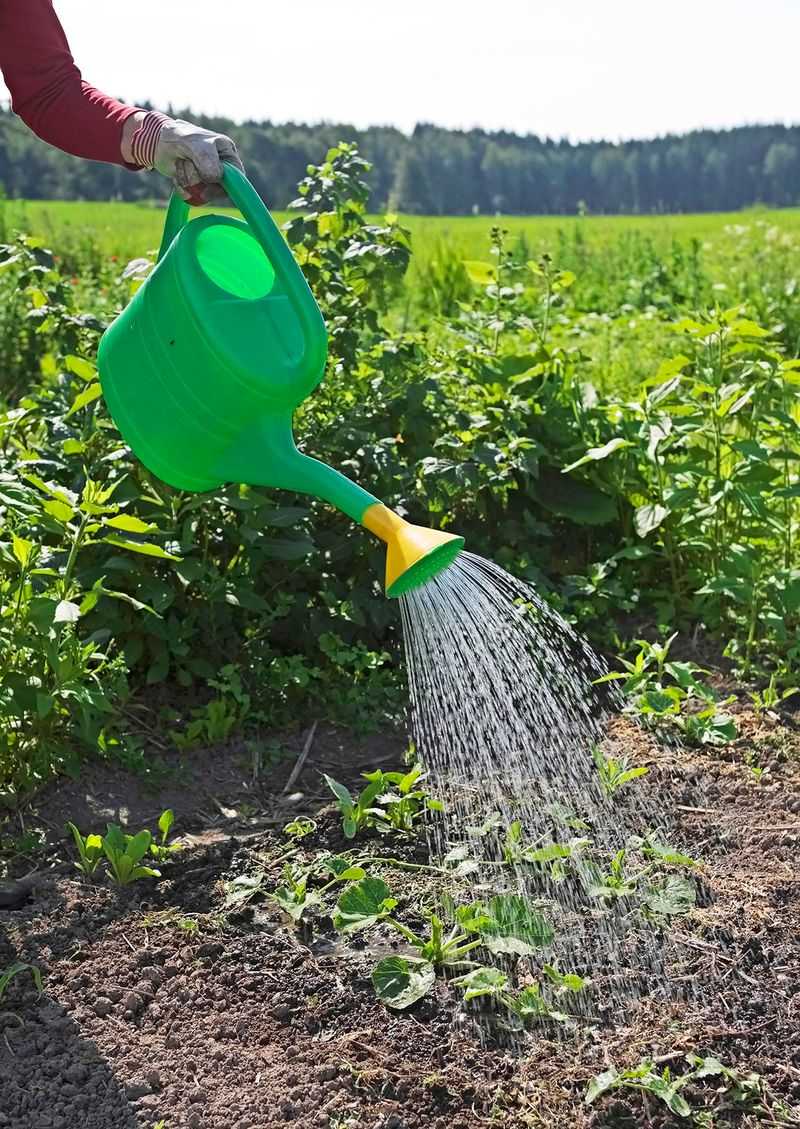
North Carolina summers are famous for those dramatic afternoon thunderstorms that roll through fast and drop a serious amount of rain in a short time.
One good storm can drop half an inch or more in under thirty minutes.
If your irrigation timer is set to run that same evening regardless of what the sky already delivered, your garden ends up sitting in far more water than it ever needed.
Waterlogged soil pushes oxygen out of the root zone, and vegetable roots need air just as much as they need moisture.
Squash, tomatoes, and beans are especially sensitive to soggy conditions and can show signs of stress within just a couple of days of sitting in saturated soil.
Yellowing lower leaves and wilting despite wet soil are classic signs that roots are struggling to breathe. The fix is surprisingly simple.
A smart irrigation controller with a rain sensor can automatically skip a scheduled watering cycle when it detects recent rainfall.
These devices are affordable, easy to install, and pay for themselves quickly by saving water and protecting your plants.
Many models connect to local weather data and adjust on their own.
If you prefer a manual approach, just make it a habit to check the soil before turning on the hose or the timer.
Stick your finger two inches into the ground near your plants. If it still feels moist, skip the watering and check again tomorrow.
Paying attention to what the sky is already doing is one of the easiest and most overlooked ways to protect your summer garden.
4. Forgetting That Sandy North Carolina Soil Dries Out Faster
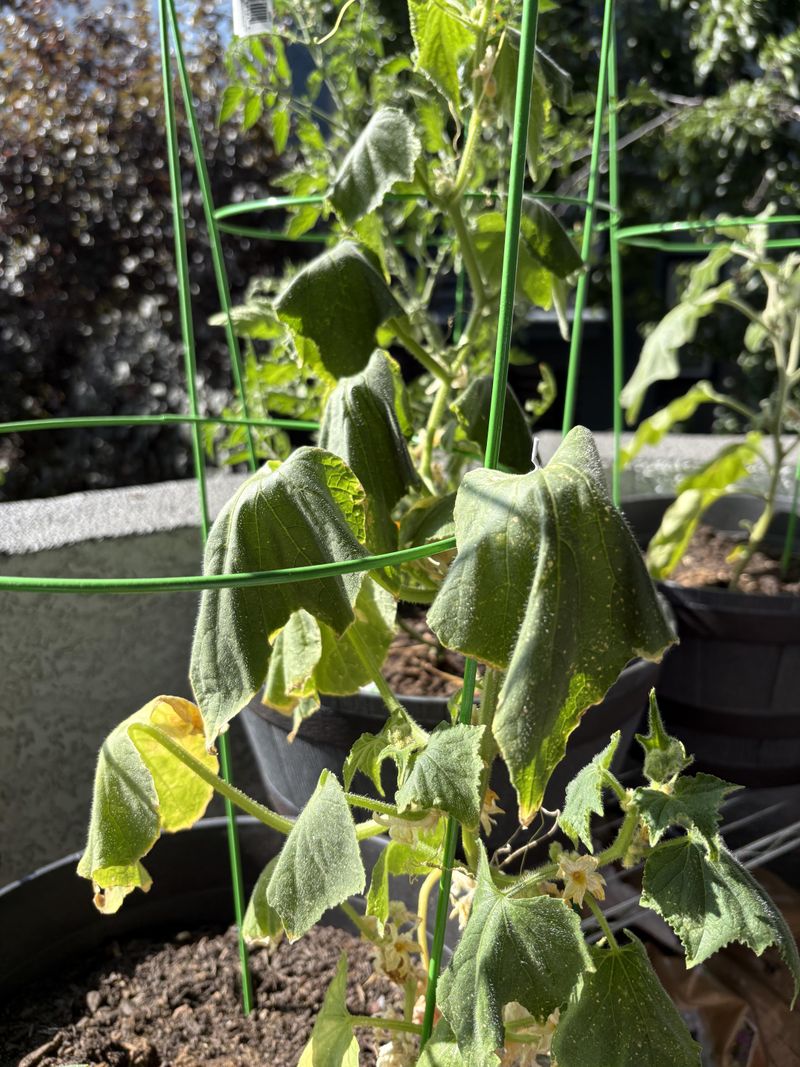
Soil type matters more than most gardeners realize, and North Carolina has a wide range of it.
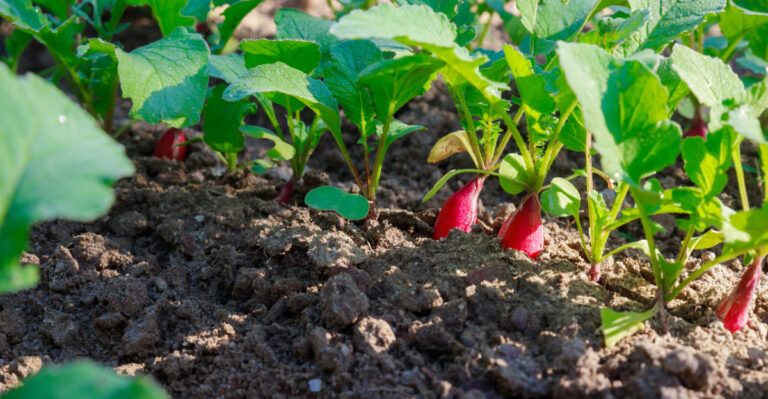
Across the Piedmont and especially in the coastal plain, sandy soils are extremely common. Sand drains fast, which sounds like a good thing, but it also means moisture disappears quickly, sometimes within just a few hours of watering on a hot July day.
Gardeners who move to North Carolina from states with heavier clay-rich soils often get caught off guard.
What worked perfectly fine back home, watering every other day, may not cut it here during peak summer.
Sandy soil can feel bone dry just inches below the surface even when you watered the day before.
Plants sitting in sandy beds may need water more frequently or in larger amounts to stay properly hydrated. The long-term solution is improving your soil structure.
Adding generous amounts of compost, aged manure, or other organic matter helps sandy soil hold moisture much longer between watering sessions.
Work several inches of compost into your beds each season and you will notice a real difference in how long the soil stays moist after rain or irrigation.
Mulching heavily on top of amended soil adds another strong layer of protection.
A three to four inch layer of straw, wood chips, or shredded leaves slows evaporation dramatically and keeps soil temperatures cooler near the roots.
Combining better soil with good mulch coverage gives North Carolina gardeners working with sandy ground a reliable edge against the relentless July heat and its constant pressure on moisture levels.
5. Skipping Mulch During The Hottest Part Of Summer
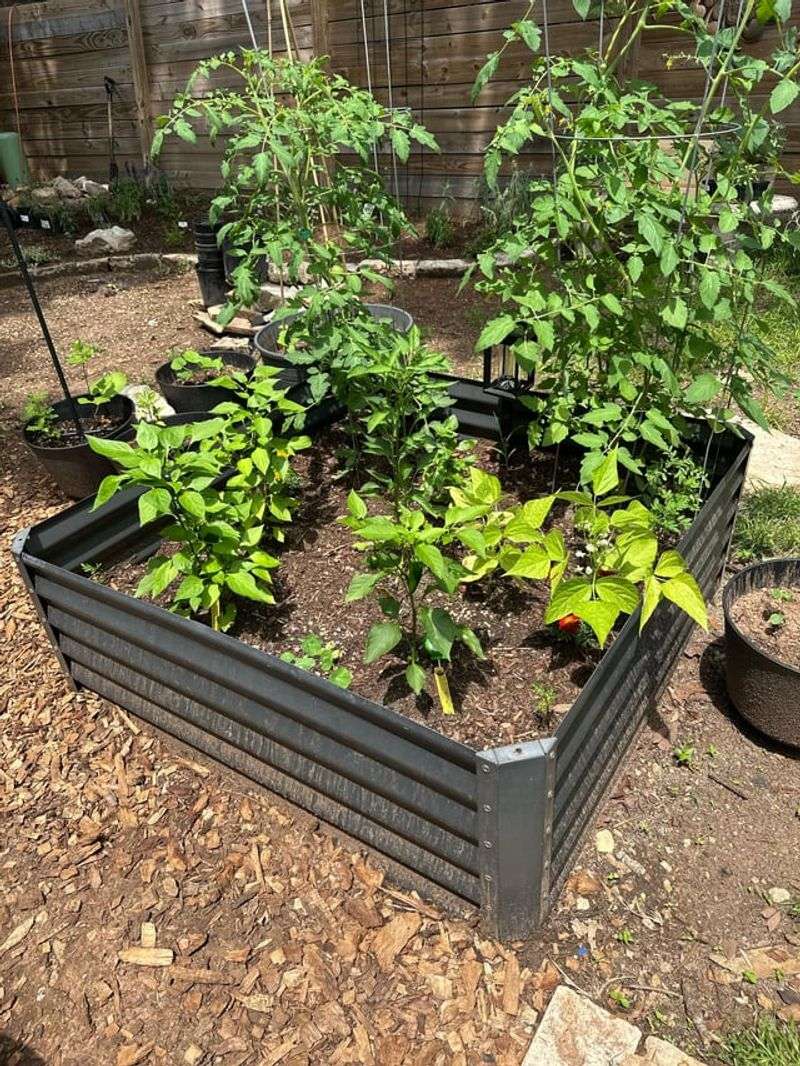
Bare soil in a July vegetable garden is basically a sponge left out in direct sunlight.
Without any protection on top, the sun bakes the surface, moisture evaporates at an alarming rate, and soil temperatures can climb high enough to stress roots even when the air temperature feels manageable.
Skipping mulch during the hottest stretch of summer is one of those mistakes that quietly costs you water, energy, and plant health all at once. Mulch acts like a blanket for your soil.
A good three to four inch layer of straw, shredded leaves, untreated wood chips, or even pine needles can cut soil moisture loss by fifty percent or more.
That means less frequent watering, lower water bills, and plants that stay hydrated and comfortable even during a brutal heat stretch with no rain for a week or two.
Beyond moisture, mulch also regulates soil temperature in a meaningful way.
Studies from university extension programs have shown that mulched garden beds can run ten to twenty degrees cooler at root level compared to bare soil on a hot summer afternoon.
Cooler roots mean happier plants, better nutrient uptake, and stronger fruit production even when temperatures push toward the upper nineties.
Applying mulch is quick and inexpensive, and the results show up fast. Spread it generously around your plants, keeping it pulled back a couple of inches from the main stems to allow airflow.
Refresh the layer mid-season if it starts to break down. This one simple habit can genuinely transform how your garden holds up through the rest of July and into August.
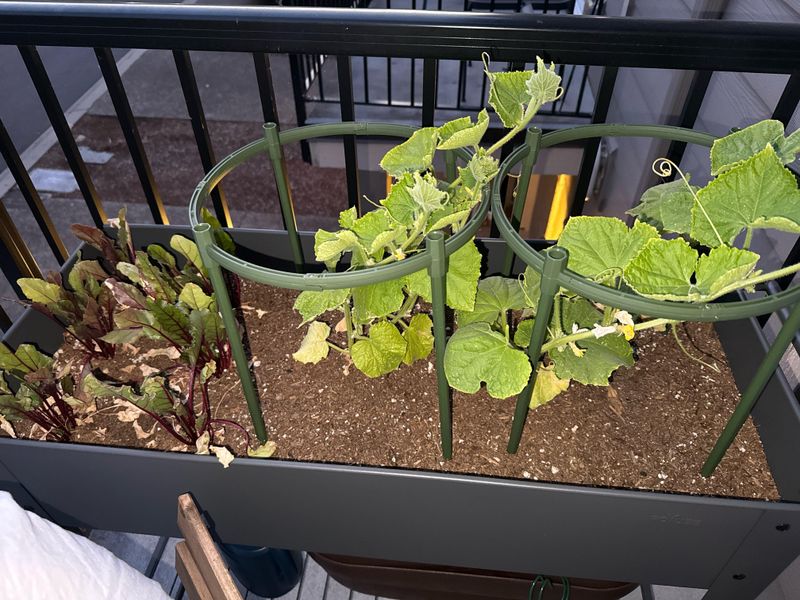
6. Letting Containers And Raised Beds Dry Out Too Long
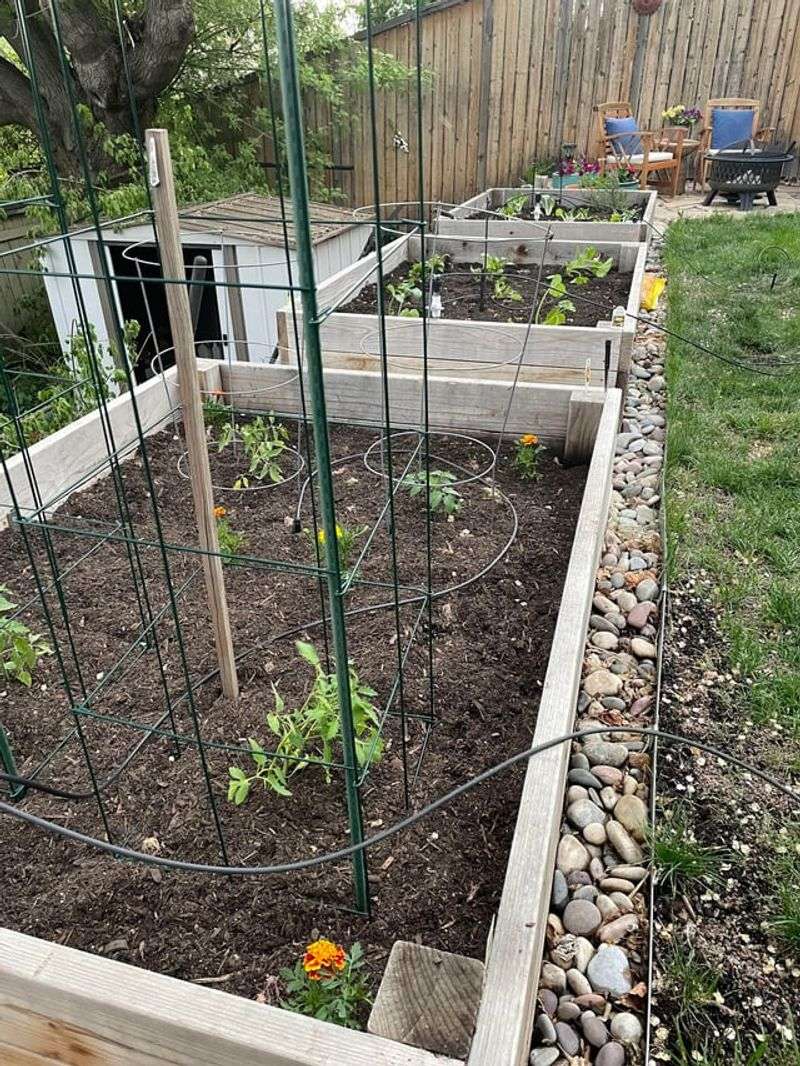
Container gardens and raised beds are incredibly popular in North Carolina, and for good reason.
They offer better drainage, fewer weeds, and easier access for gardeners of all ages.
But they come with one serious trade-off that catches people off guard every summer: they dry out much faster than traditional in-ground garden beds, sometimes within a single hot afternoon.
Containers, especially those made from dark-colored plastic or terracotta, absorb heat from direct sunlight and radiate it inward.
The smaller the container, the faster the soil dries out completely. A five-gallon pot holding a tomato plant on a ninety-degree July day in Raleigh or Charlotte may need water twice daily to stay in good shape.
Waiting until you notice wilting means the plant has already been under significant stress for hours.
Raised beds behave similarly, especially shallow ones built twelve inches deep or less.
The elevated position exposes all four sides of the bed to heat and air movement, which accelerates evaporation from every direction.
Checking moisture levels in raised beds at least once a day during July heat waves is not excessive; it is just smart practice.
Self-watering containers with built-in reservoirs are a genuinely helpful upgrade for busy gardeners.
They hold a supply of water at the bottom and let roots draw moisture up as needed, which keeps the soil more consistently hydrated.
For raised beds, installing a simple drip irrigation line with a timer takes the daily guesswork out of the equation and gives your vegetables a reliable, steady supply of moisture no matter how hot the week gets.
7. Overwatering After Heavy Rain And Inviting Disease Problems
After a dry stretch, a heavy North Carolina rainstorm feels like a gift.
The instinct to follow it up with extra watering makes emotional sense, but the math does not add up.
Overwatering after significant rainfall is one of the most common July mistakes, and it sets off a chain of problems that can affect your garden for weeks afterward.
Saturated soil has no room for oxygen, and roots that cannot breathe begin to struggle almost immediately.
Stressed roots become far more vulnerable to soilborne pathogens like pythium and phytophthora, both of which thrive in warm, waterlogged conditions.
What starts as a generous post-rain watering can quickly turn into a fungal problem that spreads through multiple plants in a matter of days.
Above the soil, wet foliage from heavy rain combined with high humidity creates a perfect breeding ground for foliar diseases.
Botrytis, downy mildew, and bacterial spot all love exactly these conditions.
Watering on top of already-saturated plants adds even more moisture to a situation that is already pushing toward disease territory.
The best habit to build is a simple one: always check the soil before you water, no matter what the calendar or timer says.
Push your finger or a wooden skewer about two to three inches into the soil near your plant roots. If it comes back moist, hold off and check again the next day.
Letting the soil dry slightly between waterings after a heavy rain is not neglect; it is actually one of the smartest and most protective things you can do for your vegetable garden in July.