Pepper Varieties North Carolina Gardeners Grow That Actually Thrive In Summer Heat And Humidity
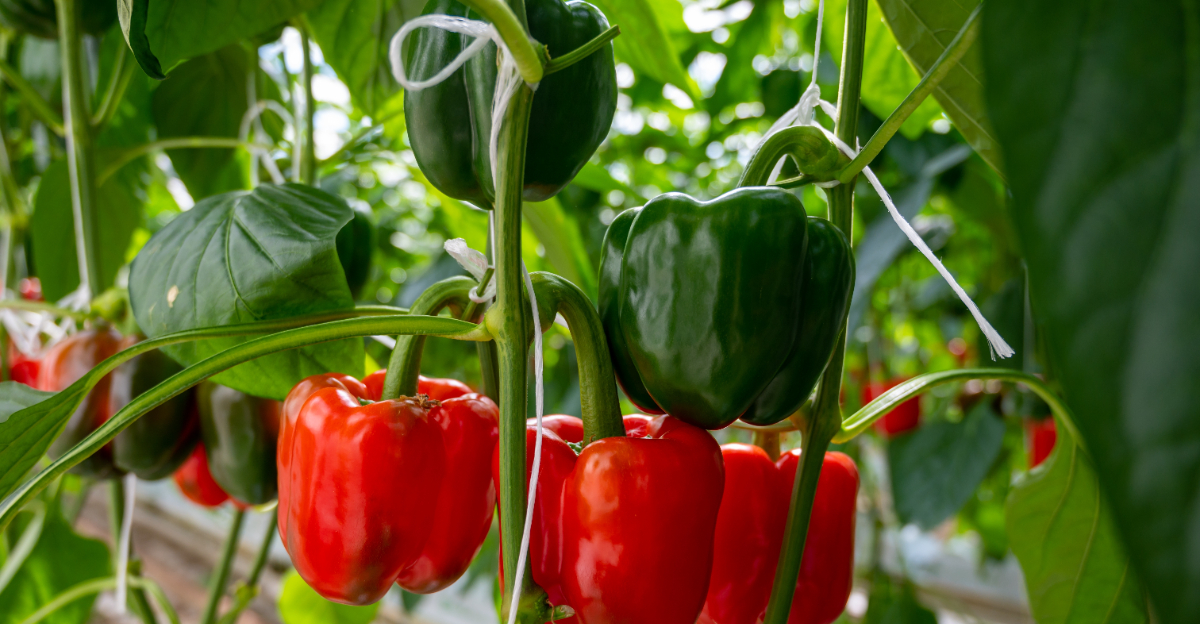
Not every pepper variety is built for what a North Carolina summer actually delivers.
The combination of intense heat, high humidity, and stretches of weather that refuse to cool down at night creates growing conditions that expose the weaknesses in varieties that perform beautifully in milder climates.
Gardeners across the state have spent years figuring out through real experience which peppers hold up, keep producing, and stay healthy when the season gets brutal.
The varieties that make that list share specific traits that allow them to keep flowering and fruiting when others have already given up.
If you have had disappointing pepper seasons in the past, the problem was very likely the variety rather than anything you were doing wrong in the garden.
1. California Wonder
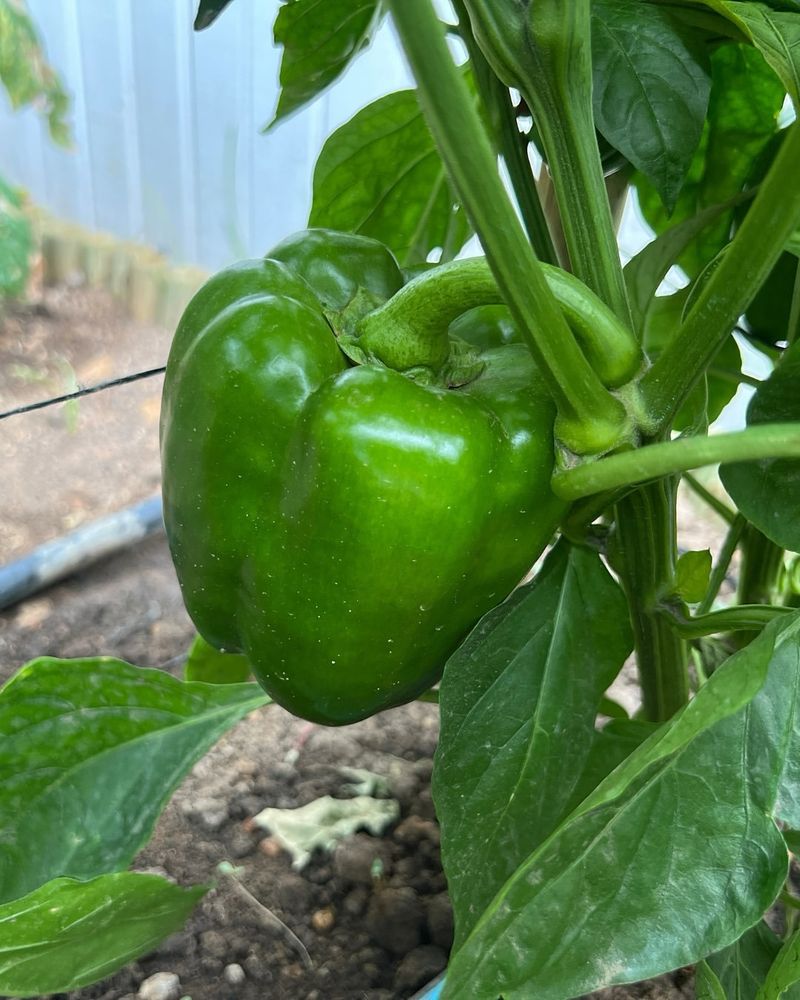
Walk through almost any North Carolina garden in July and you are likely to spot the classic blocky shoulders of a California Wonder pepper.
This variety has been a staple in American gardens for over a century, and it earned that reputation honestly.
The thick walls and sweet flavor make it a top pick for fresh eating, stuffing, and roasting alike.
In North Carolina, California Wonder does especially well because it was bred to handle warm conditions without dropping its blossoms.
Plants typically grow 24 to 30 inches tall and need about 18 inches of spacing between them to allow good airflow, which matters a lot when summer humidity sets in.
Starting seeds indoors 8 to 10 weeks before your last frost date gives the plants a strong head start.
Water consistently at the base of the plant, aiming for about one inch per week, and avoid wetting the foliage to reduce fungal issues.
A balanced fertilizer applied every three to four weeks keeps growth steady without pushing too much leaf at the expense of fruit.
Mulching around the base helps retain soil moisture on those scorching August afternoons. Fruits ripen from green to a deep red and reach up to four inches wide.
Harvesting regularly encourages the plant to keep producing well into fall, giving you a generous supply all season long.
2. Cajun Belle
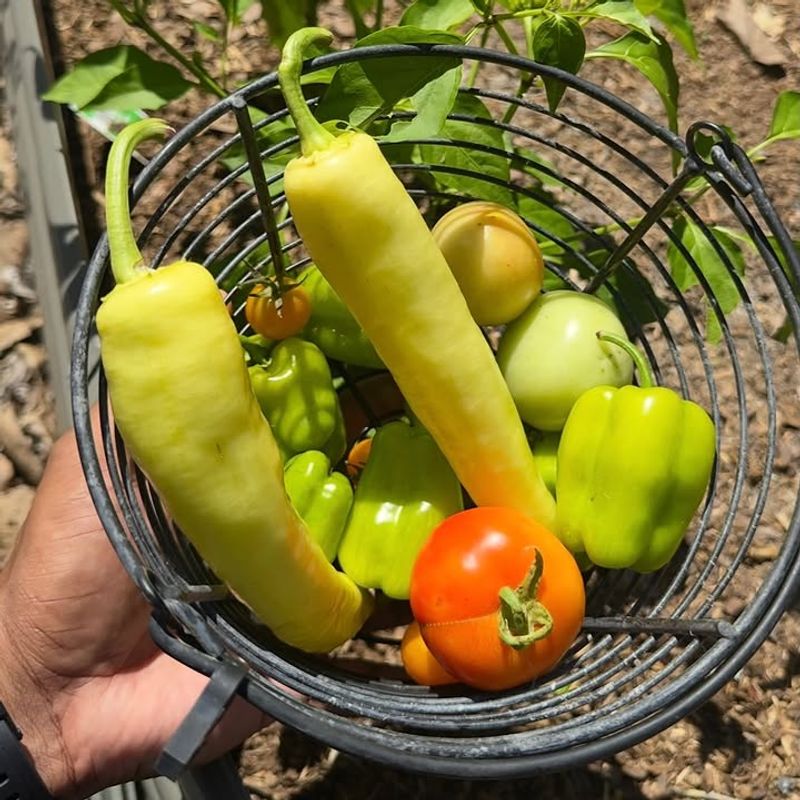
Cajun Belle brings a little Southern flair to the garden with its colorful, mildly spicy fruits that ripen from green to red in a rush.
This compact hybrid from PanAmerican Seed was developed with early production in mind, and it delivers.
Most gardeners in North Carolina see their first ripe peppers just 57 days after transplanting, which means you are picking fruit before the hottest stretch of summer even arrives.
The plant itself stays small, usually topping out around 18 to 24 inches, which makes it an ideal fit for raised beds and container gardens.
A five-gallon pot is large enough to support one healthy plant, and that makes Cajun Belle a go-to option for gardeners with limited space.
Place containers where they receive at least six hours of direct sun each day. Cajun Belle handles North Carolina humidity well because its compact size encourages good air circulation around the foliage.
That reduces the risk of fungal diseases like powdery mildew, which can sneak into gardens during long stretches of warm, wet weather.
Your North Carolina Garden Changes Every Week. Your Plan Should Too.
Gardening in North Carolina changes quickly throughout the season. Every Friday you’ll receive a simple weekly plan showing exactly what to plant, prune, fertilize, harvest, and protect so you never miss the right timing.
Water container plants more frequently than in-ground plants since pots dry out faster in the summer heat.
The mild heat level, sitting around 500 Scoville units, makes these peppers approachable for the whole family.
Toss them on the grill, stuff them with cream cheese, or slice them fresh into salads for a colorful, flavorful addition to summer meals.
3. King Arthur
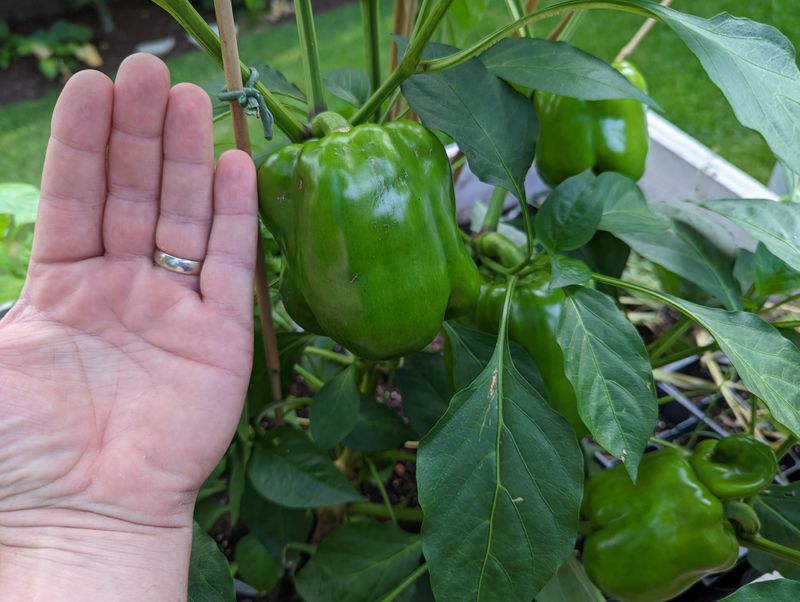
King Arthur bell peppers live up to their noble name. Bred specifically to perform in challenging growing conditions, this variety produces some of the largest, most uniform bell peppers you will find in a home garden.
The fruits are four-lobed, thick-walled, and sweet, making them a favorite at farmers markets and backyard gardens across the Piedmont and Coastal Plain regions of North Carolina.
One of the biggest advantages of King Arthur is its tolerance for high night temperatures.
Many bell pepper varieties drop their flowers when nights stay warm, but King Arthur holds on and continues to set fruit even during those sticky evenings in July and August. That trait alone makes it worth growing here.
Start seeds indoors about 10 weeks before your last expected frost, which in most of North Carolina falls between late March and mid-April.
Transplant seedlings into full sun after the soil has warmed to at least 65 degrees.
Space plants 18 inches apart in rows about 24 inches wide to promote airflow and reduce disease pressure from the humid air.
Feed with a phosphorus-rich fertilizer at transplanting to support strong root development, then switch to a balanced feed once flowering begins.
Consistent watering of about one inch per week through drip irrigation or soaker hoses keeps fruit sizing up nicely and prevents blossom end rot during dry spells.
4. Gypsy
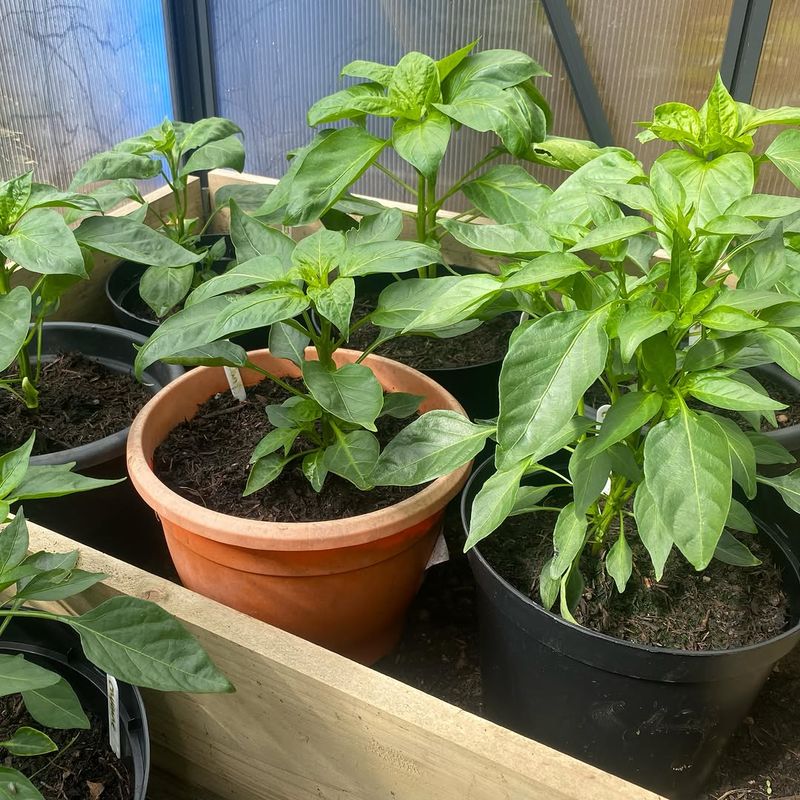
Gypsy peppers are one of those varieties that seem to laugh at the summer heat.
An All-America Selections winner, Gypsy produces an impressive number of wedge-shaped, thin-walled fruits that ripen from pale yellow to orange to red over the course of the season.
Each plant can carry dozens of peppers at a time, making it one of the most productive varieties you can grow in North Carolina. Because Gypsy plants are vigorous growers, they benefit from deep, consistent irrigation.
Aim to water at the soil level rather than overhead, delivering about one inch per week during dry periods and increasing slightly during heat waves.
A thick layer of straw or wood chip mulch, about three inches deep, goes a long way toward keeping soil moisture stable and soil temperatures cooler on sweltering afternoons.
Gypsy also carries strong resistance to tobacco mosaic virus, which is a meaningful advantage in gardens where that disease can spread quickly under warm, humid conditions.
Plant in full sun and space seedlings about 18 inches apart to give each plant room to branch out freely. Well-drained, loamy soil with a pH between 6.0 and 6.8 gives the best results.
The fruits have a mild, sweet flavor with just a hint of warmth, and they are excellent for fresh eating, roasting, or pickling.
Harvest when fruits reach full size and have begun to change color for the best flavor and continued production throughout the season.
5. Purple Beauty
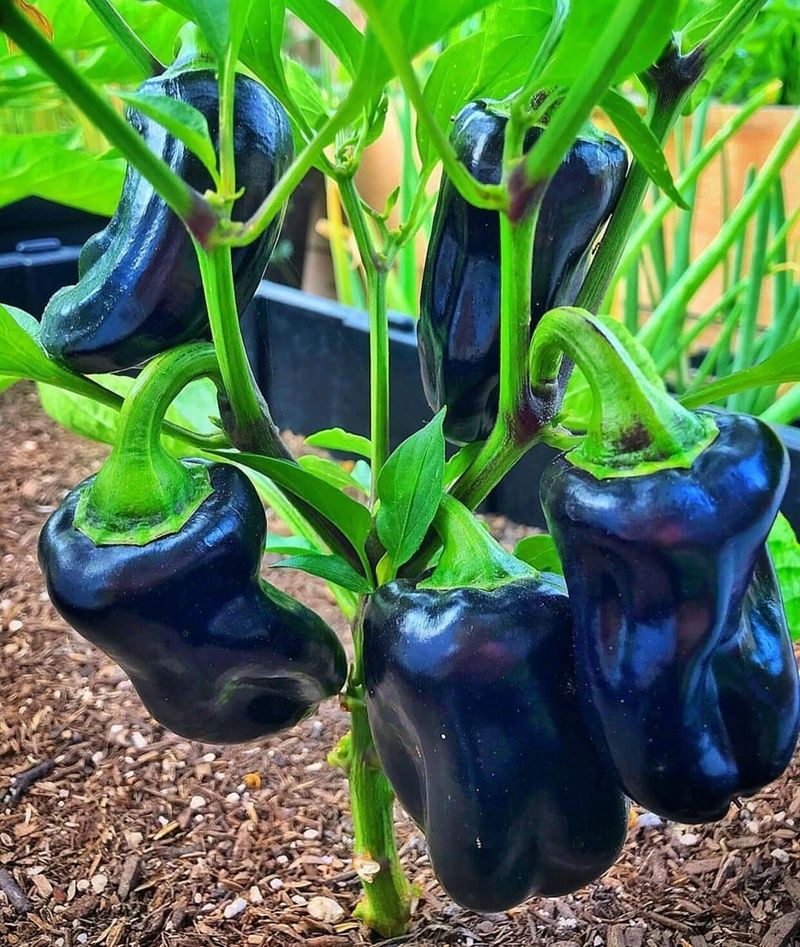
Purple Beauty is the showstopper of the pepper world.
The deep, almost eggplant-purple color of the fruits turns heads in any garden, and the flavor is just as impressive as the appearance. Fruits are blocky, thick-walled, and sweet, ripening from purple to red as they fully mature.
North Carolina gardeners love this variety because it produces reliably through the heat without missing a beat. Getting the most from Purple Beauty starts with proper support.
The plants grow to about 24 inches tall and tend to carry a heavy load of fruit, so placing a small tomato cage or wooden stake next to each plant at transplanting time prevents branches from bending or snapping under the weight.
Check stakes after summer storms since wind and rain can shift them unexpectedly.
Pruning the first few flower buds that appear on a young plant redirects energy into building a stronger root system and larger canopy before the main production push begins.
Once plants are established and blooming heavily, leave them alone and focus on consistent feeding.
A calcium-containing fertilizer applied monthly reduces the risk of blossom end rot, which can show up during irregular watering periods.
Keep an eye out for aphids and pepper weevils, both of which are common in North Carolina during summer.
A strong blast of water from a hose or an application of insecticidal soap handles most infestations quickly.
Regular scouting every few days makes it easy to catch problems before they spread across the whole plant.
6. Big Bertha
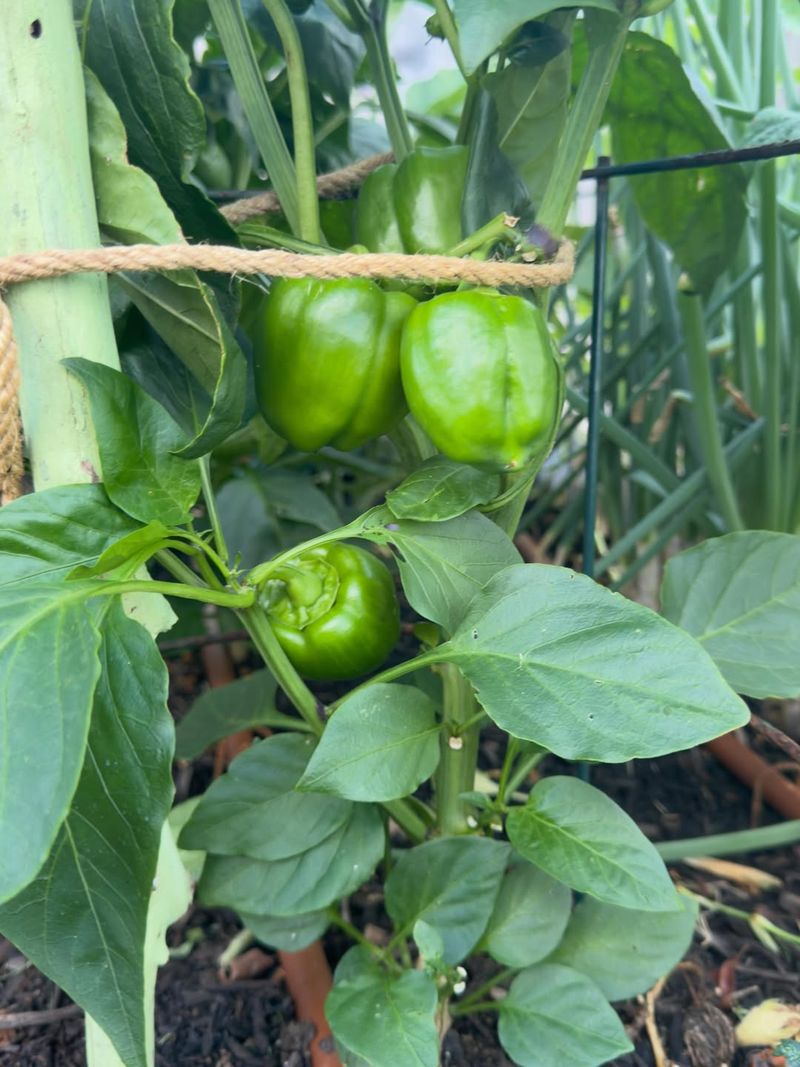
Big Bertha earns its name every single season.
The fruits on this variety are genuinely impressive, often reaching seven inches long and four inches wide, making them among the largest bell peppers available to home gardeners.
For anyone who loves stuffed peppers, Big Bertha is a dream come true because one fruit can hold an entire meal’s worth of filling. Growing Big Bertha successfully in North Carolina comes down to soil preparation.
This variety performs best in well-drained, organically rich soil that holds moisture without becoming waterlogged. Before transplanting, work two to three inches of compost into the top 10 inches of soil.
Raised beds are an excellent option if your native soil is heavy clay, which is common across much of the Piedmont region.
Consistent watering is especially important for Big Bertha because producing such large fruits demands a steady supply of moisture.
Inconsistent watering leads to cracking and blossom end rot, both of which are frustrating when you have been patiently waiting for those giant fruits to size up.
Drip irrigation or soaker hoses set on a timer make it easy to stay on schedule even during busy weeks.
Big Bertha plants grow 24 to 30 inches tall and benefit from staking early in the season. The weight of mature fruits can stress branches, especially after a heavy rain.
Feeding with a balanced fertilizer every three weeks from transplanting through midsummer supports steady growth and maximizes your final harvest.
7. Red Knight
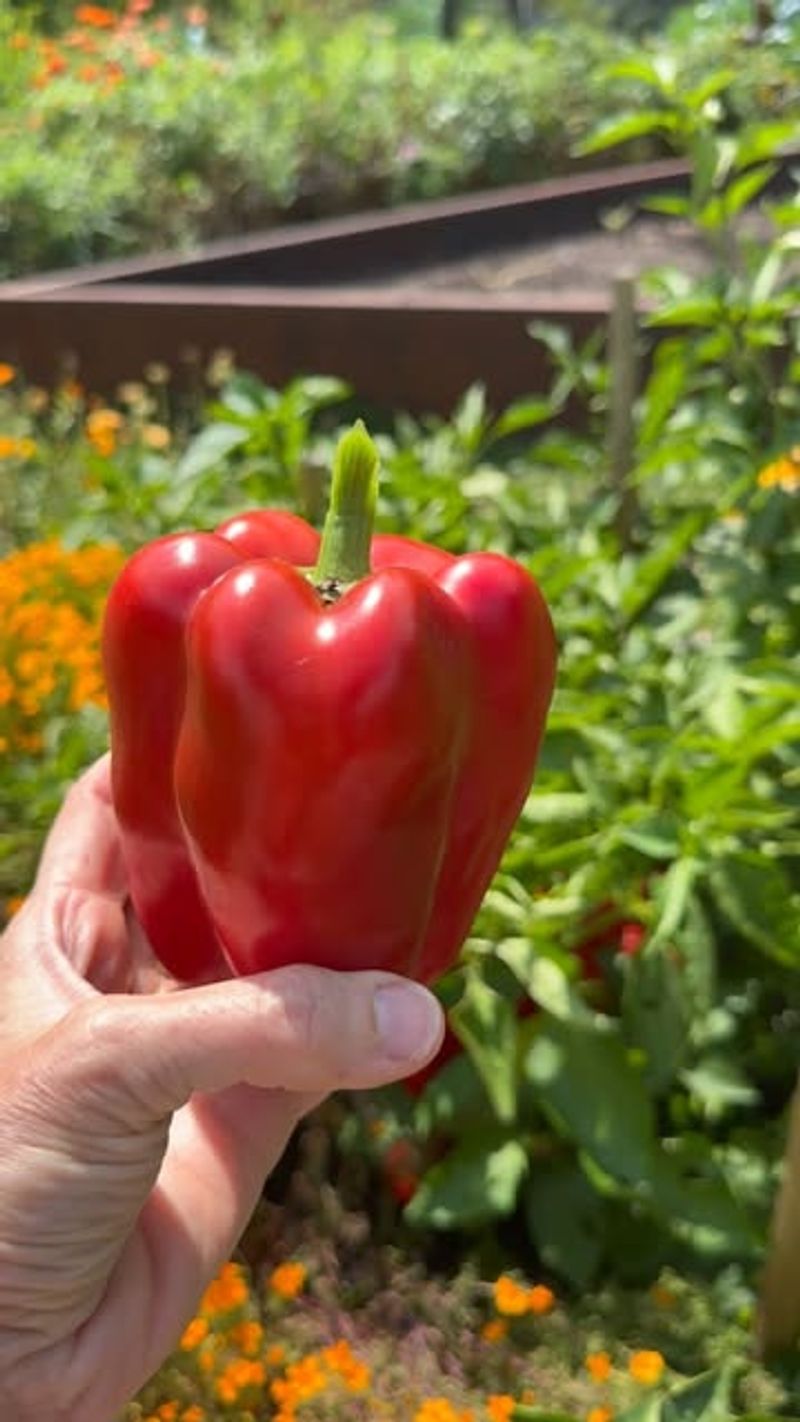
Red Knight is built for performance.
Developed by Johnny’s Selected Seeds, this hybrid bell pepper variety was specifically bred to set fruit under warm conditions, making it an outstanding choice for summers where temperatures regularly climb into the upper 80s and 90s.
The fruits turn a rich, glossy red at full maturity and have a sweet, slightly fruity flavor that is noticeably better than most grocery store peppers.
Spacing matters more than many gardeners realize with Red Knight. Planting too close together traps humid air between plants and creates the perfect environment for fungal diseases.
Give each plant at least 18 inches of space in all directions, and if you are growing in rows, keep row spacing at 24 to 30 inches.
That extra room pays off in healthier plants and fewer disease problems through the long North Carolina summer.
Fertilize Red Knight with a starter fertilizer high in phosphorus at transplanting, then transition to a balanced 10-10-10 formula applied every three to four weeks once flowering begins.
Avoid over-applying nitrogen after plants are established because excess nitrogen pushes leafy growth at the expense of fruit production.
A soil test from the NC Department of Agriculture can help you dial in exact nutrient needs.
Harvest fruits at the green stage if you need them quickly, or wait for full red color for maximum sweetness.
Regular harvesting, every five to seven days, keeps the plant energized and producing right through September and into early October in most parts of North Carolina.
8. Sweet Banana
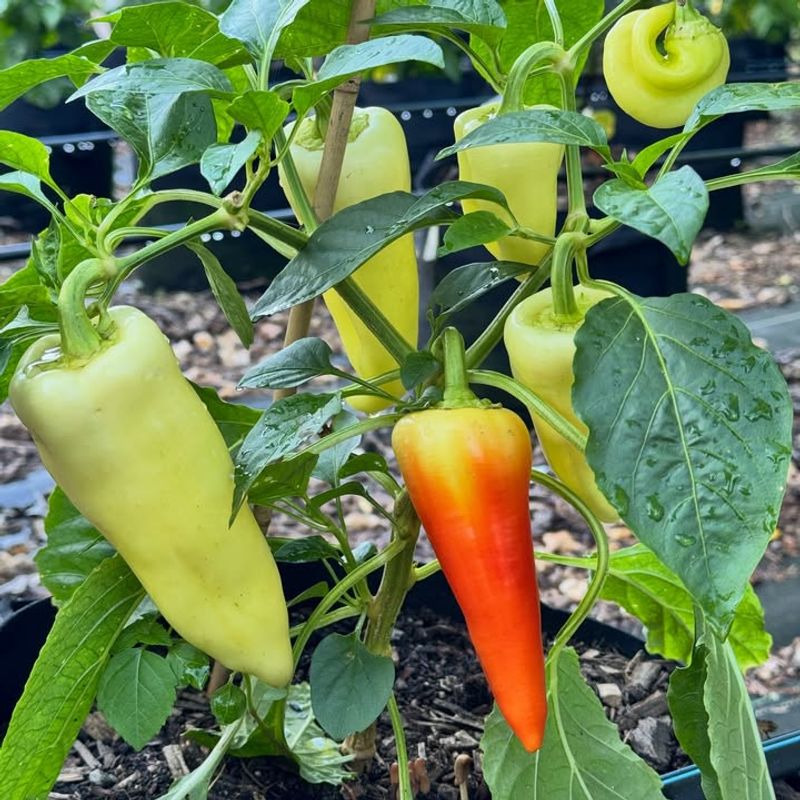
Sweet Banana peppers are one of the most cheerful sights in a summer garden.
The long, tapered, pale yellow fruits dangle from the branches like ornaments, and the plants produce them in remarkable quantities all season long.
Unlike blocky bell peppers, the slender shape of Sweet Banana fruits allows them to ripen faster and handle heat fluctuations without as much stress on the plant.
Maturity comes in about 70 days from transplanting, which gives North Carolina gardeners a nice window to start harvesting before the most intense heat of late July and August.
As summer rolls on, the fruits left on the plant gradually deepen from yellow to orange to red, each stage bringing a slightly different flavor. Leaving a few fruits to fully redden rewards you with a sweeter, more complex taste.
Support is worth the effort with Sweet Banana because the plants grow 18 to 24 inches tall and carry surprisingly heavy loads of fruit.
A simple stake tied loosely to the main stem prevents the plant from flopping over after a summer rainstorm.
Prune any branches that cross through the center of the plant to keep airflow moving freely through the canopy. Harvest frequently, at least every five to seven days, to keep production going strong.
Fruits that stay on the plant too long signal to the plant that seed production is complete, which slows new fruit set.
Keeping up with picking is one of the simplest and most effective ways to extend your harvest deep into fall.
9. Golden Cal Wonder
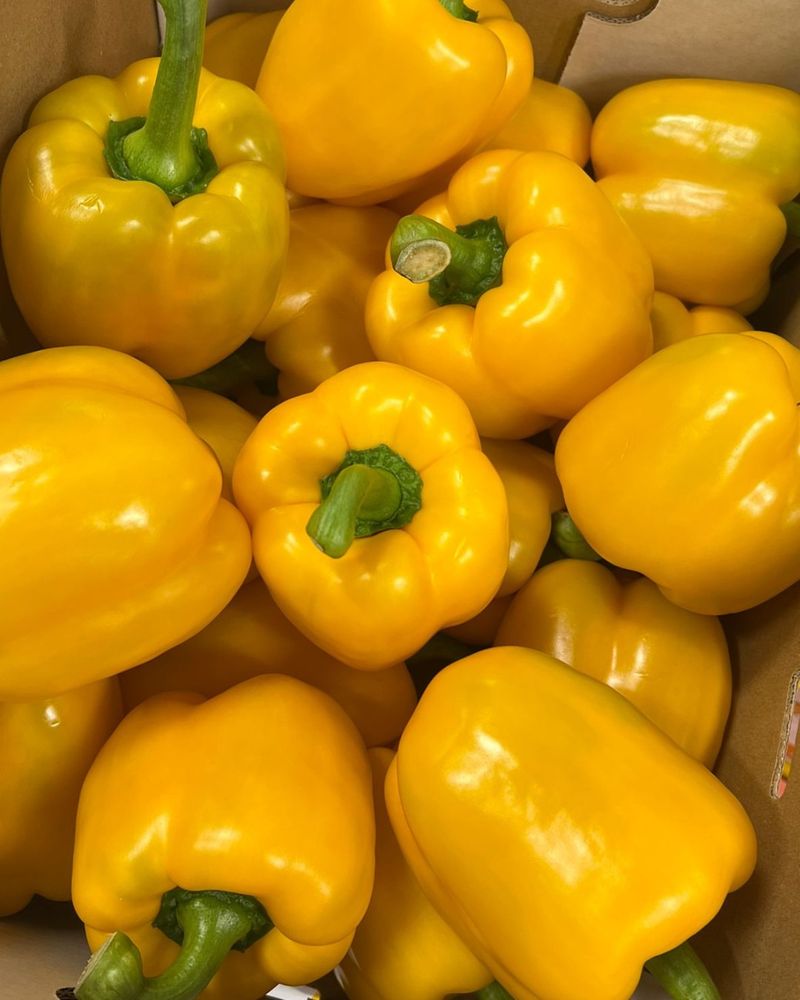
Golden Cal Wonder is the sunny sibling of the classic California Wonder, and it brings all the same reliability with a gorgeous golden-yellow twist.
The fruits are large, four-lobed, and sweet, with thick walls perfect for slicing, roasting, or stuffing.
North Carolina gardeners who grow both the classic green and the golden version end up with a beautiful harvest that covers every color on the summer table.
This variety is notably disease-resistant, carrying tolerance to tobacco mosaic virus, which gives it an edge during the humid stretches of a Carolina summer when diseases spread more easily.
Full sun is non-negotiable for Golden Cal Wonder. A location that receives at least eight hours of direct sunlight each day produces the strongest plants and the most vibrant fruit color.
Start seeds indoors 8 to 10 weeks before your last frost date and harden off seedlings over seven to ten days before moving them to the garden permanently.
Transplant into soil that has been amended with compost and has a pH between 6.0 and 6.8.
Raised beds work particularly well for this variety in areas with heavy clay soils common in the North Carolina Piedmont. Water deeply and infrequently rather than giving shallow daily sprinkles.
Deep watering encourages roots to grow downward, which makes plants more resilient during dry spells.
Apply a slow-release balanced fertilizer at planting and supplement with a liquid feed every three weeks once fruits begin forming to support that impressive golden harvest.
10. Ace
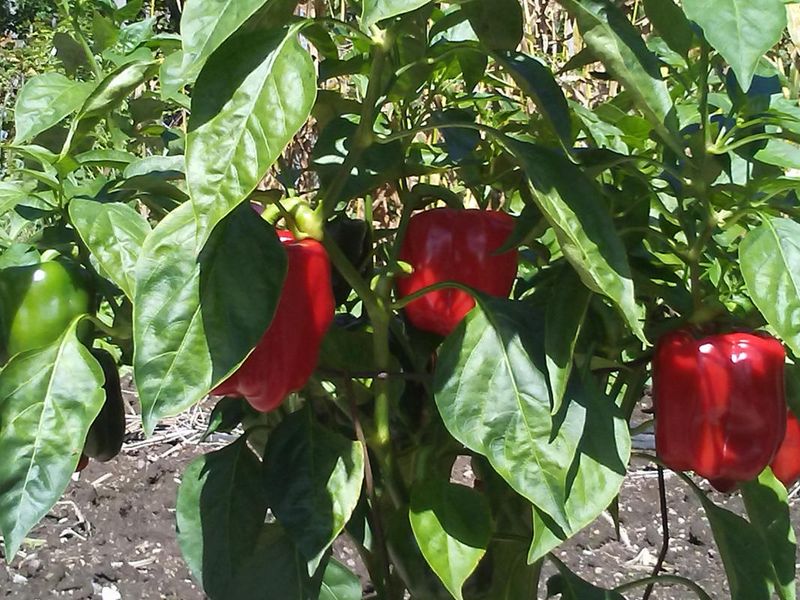
Ace peppers are the practical choice for gardeners who want big results from a small space.
This compact bell pepper hybrid matures early, typically around 50 to 55 days from transplanting, which means you are harvesting before many other varieties have even started sizing up their fruits.
For gardeners working with raised beds, balcony containers, or small urban plots, Ace is an easy and rewarding option.
The plant stays under 24 inches tall and has a tidy, upright growth habit that fits neatly into a 10 to 15-gallon container.
When growing in containers, use a high-quality potting mix rather than native garden soil, which can compact and restrict drainage in pots.
Add a slow-release fertilizer to the potting mix at planting time and follow up with a liquid balanced fertilizer every two weeks throughout the growing season.
Watering container-grown Ace plants requires more attention than in-ground gardening because pots heat up and dry out faster under the North Carolina sun.
Check soil moisture daily during heat waves and water whenever the top inch of soil feels dry to the touch.
A layer of mulch on top of the potting mix helps slow evaporation between waterings. Pest prevention is straightforward with Ace.
Inspect plants twice a week for aphids, spider mites, and pepper weevils, which are the most common summer pests in North Carolina.
Catching them early with a targeted spray of neem oil or insecticidal soap keeps plants clean and productive all the way through your first fall frost.