Florida Homeowners Are Using This Native Hedge Instead Of Vinyl Fence
Homeowners from Tampa to Miami are swapping out hard plastic panels for a lush, living wall that looks like it belongs right in the Florida landscape.
The shift is happening slowly, yard by yard, and most people driving past never quite realize what they are looking at.
They just notice that one property looks warmer, greener, and somehow more alive than the rest of the block.
The plant making all this happen is called Simpson’s stopper, a native shrub that most people walk right past without knowing its name.
It does not demand attention. It does not show up in big box garden centers with flashy signage.
But the Florida gardeners who have discovered it tend to become quietly devoted to it, and for very good reasons.
Once you learn what this plant can do for a property, a neighborhood, and the local wildlife depending on it, you may never look at a vinyl fence the same way again.
Meet The Simpson’s Stopper
Not every plant earns a loyal following by accident.
Simpson’s stopper, known scientifically as Myrcianthes fragrans, is a Florida native shrub that has been quietly growing along coastal hammocks and forest edges for centuries.
It belongs to the myrtle family and is named after Charles Torrey Simpson, a naturalist who celebrated Florida’s wild plant life in the early 1900s.
The shrub grows naturally in South and Central Florida, thriving in USDA hardiness zones 9b through 11.
It reaches anywhere from six to fifteen feet tall depending on how much you prune it and how much sun it gets. Left alone, it takes on a rounded, multi-stemmed form that works beautifully as a privacy screen.
What makes Simpson’s stopper stand out from other hedge options is the full package it delivers.
The leaves are small, oval, and a rich dark green with a slightly glossy finish. The bark peels in attractive cinnamon-colored patches as the plant matures, giving it character even in winter.
Simpson’s stopper is highly recommended for Florida-Friendly Landscapes because it handles drought, salt spray, and poor sandy soils with ease.
It is low maintenance, long-lived, and completely at home in the Florida environment.
For homeowners tired of repainting or replacing worn vinyl panels, this native shrub offers a refreshing, practical, and beautiful alternative that only gets better with age.
Evergreen Leaves Create Year Round Privacy
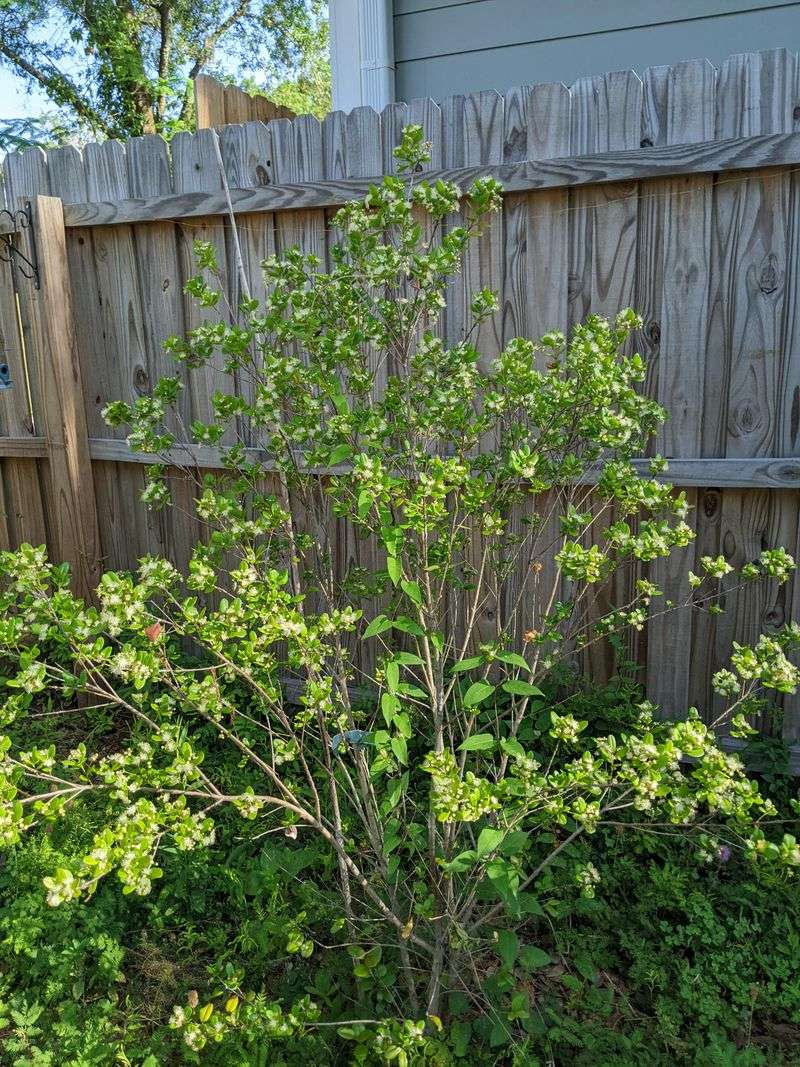
Privacy is not a seasonal need, and Simpson’s stopper understands that completely.
Unlike many ornamental shrubs that drop their leaves and leave gaps in winter, this plant stays fully leafed out every single month of the year.
That evergreen quality is one of the biggest reasons Florida homeowners are choosing it over vinyl fencing.
The leaves are small and tightly packed along each branch, creating a dense canopy that blocks sightlines without looking stiff or artificial.
When planted in a row, the shrubs grow together into a seamless green wall that feels natural and warm rather than constructed. You get real privacy without the cold, hard look of a plastic panel.
Your Florida Garden Changes Every Week. Your Plan Should Too.
Gardening in Florida changes quickly throughout the season. Every Friday you’ll receive a simple weekly plan showing exactly what to plant, prune, fertilize, harvest, and protect so you never miss the right timing.
Simpson’s stopper performs especially well in full sun to partial shade, which covers most Florida yard conditions perfectly.
It tolerates the intense summer heat without wilting or browning out. The plant adapts well to a range of soil types including sandy and clay-based soils common across Florida neighborhoods.
Once established, it needs very little irrigation, making it a smart choice for water-conscious homeowners.
The foliage also holds up well against salt-laden coastal breezes, which is a huge advantage in communities near the Gulf or Atlantic coast.
Vinyl fencing may crack, warp, or yellow after years of harsh Florida sun, but a Simpson’s stopper hedge just keeps growing thicker, greener, and more effective as a privacy screen with every passing season.
Spring Flowers Add Soft Beauty
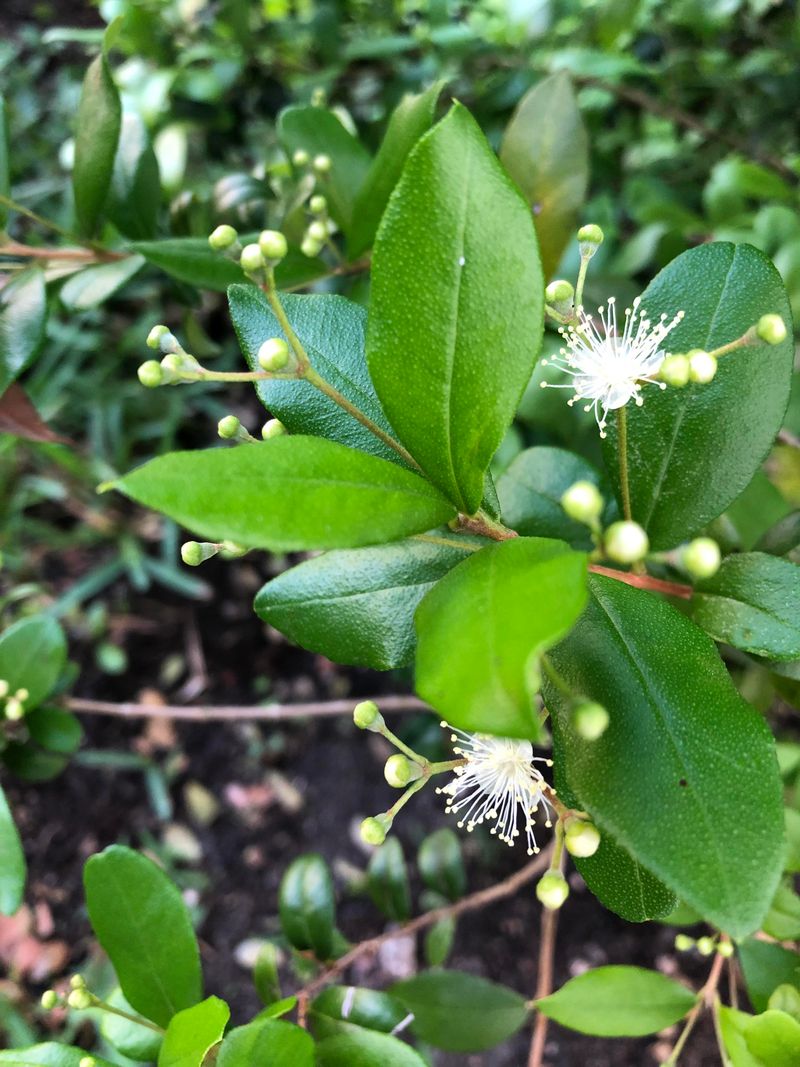
Vinyl fencing has exactly zero flowers.
Simpson’s stopper, on the other hand, bursts into bloom and brings a kind of quiet elegance that no manufactured fence can match.
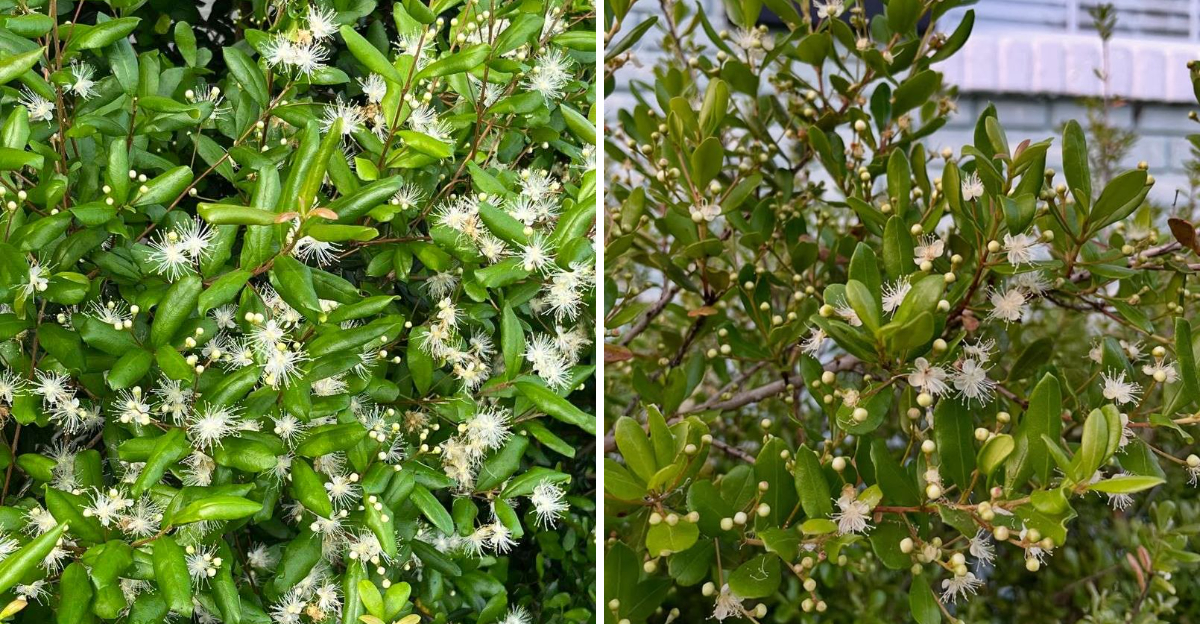
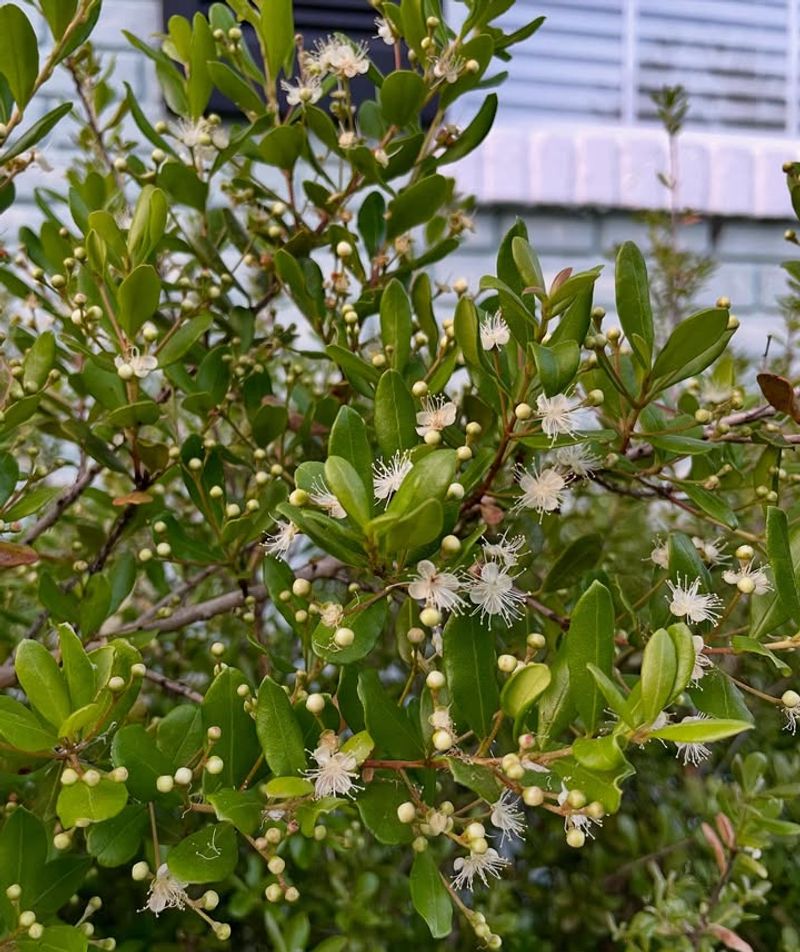
Typically in spring, though sometimes again in fall, the shrub produces small clusters of white flowers with delicate, feathery stamens that give each bloom a soft, fuzzy appearance.
The flowers are fragrant, which is right there in the plant’s scientific name, Myrcianthes fragrans.
That light, sweet scent drifts through the yard on warm mornings and makes spending time outdoors genuinely pleasant. It is the kind of detail that makes guests stop and ask what that lovely smell is coming from your hedge.
From a design standpoint, the white blooms create a beautiful contrast against the deep green foliage.
The effect is subtle but striking, like tiny stars scattered across a green sky. Because the flowers appear in clusters, the overall display is generous without being overwhelming.
Pollinators love them too.
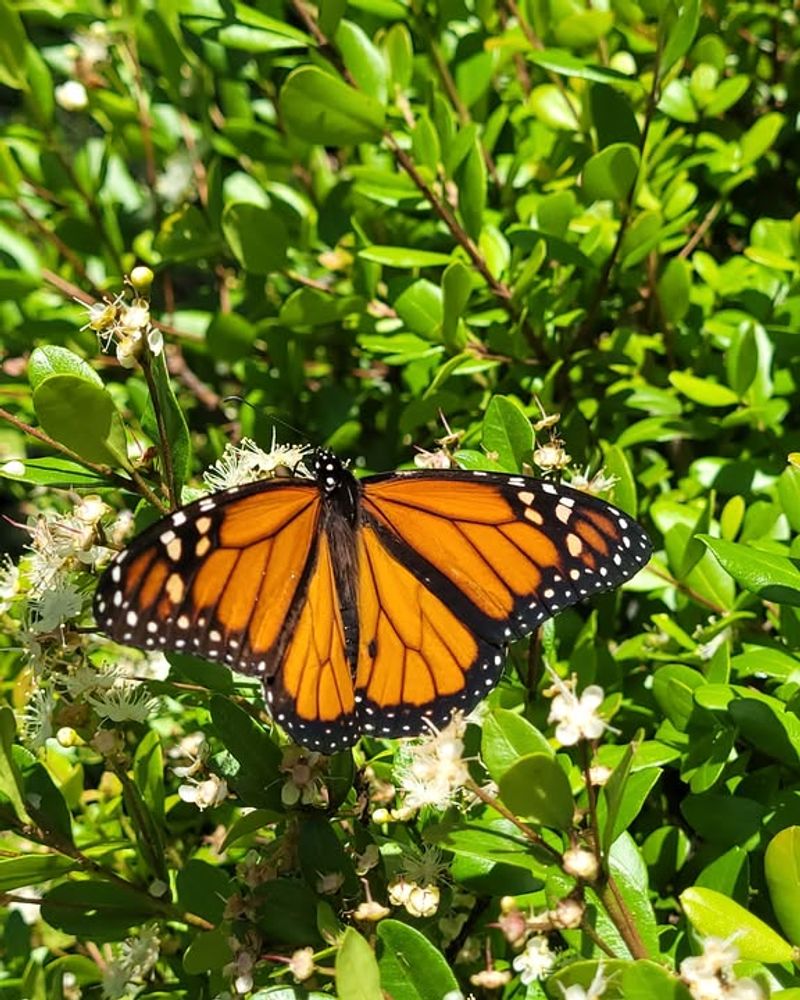
Bees and butterflies visit regularly when the shrub is in flower, turning your property line into a mini wildlife habitat.
No fertilizer is needed to push the blooms. The plant flowers on its own schedule, responding to seasonal temperature shifts.
For homeowners who want a hedge that earns its space with beauty as well as function, the spring flower show is a genuine bonus that vinyl simply cannot offer.
Bright Berries Feed Backyard Birds
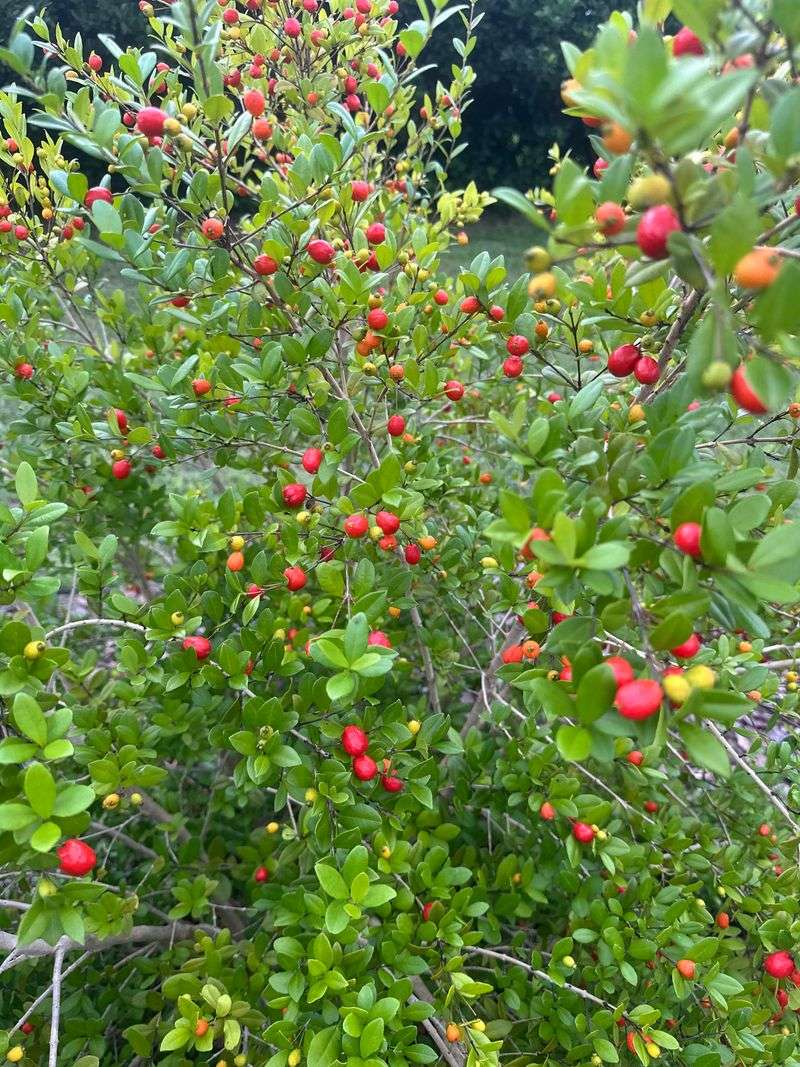
Few things make a backyard feel more alive than a crowd of birds showing up for breakfast.
Simpson’s stopper serves as a reliable buffet, producing small, round berries that ripen from green to a vivid orange-red.
The fruit appears after the flowers fade and often stays on the plant long enough to attract waves of hungry visitors throughout the season.
Native birds go absolutely wild for these berries.
Species like mockingbirds, cedar waxwings, red-bellied woodpeckers, and various thrushes are known to seek out Simpson’s stopper fruit.
The plant is recognized as a valuable wildlife food source, and that reputation is well earned. Planting a hedge of Simpson’s stopper essentially sets up a natural feeding station right along your property line.
The berries are also edible for humans, carrying a mildly sweet flavor that tastes a bit like allspice.
Indigenous communities in Florida historically used the fruit as a food source, which speaks to how long this plant has been part of the local ecosystem.
Beyond feeding wildlife, the colorful berries add visual interest to the hedge throughout late summer and fall.
Against the dark green leaves, those little orange-red fruits pop with energy and color.
Vinyl fencing offers nothing to birds or pollinators.
A Simpson’s stopper hedge, by contrast, becomes a functioning piece of the local food web. It earns its place in the landscape by giving back to the ecosystem every single season, which is something no plastic panel will ever do.
Dense Growth Softens Property Lines
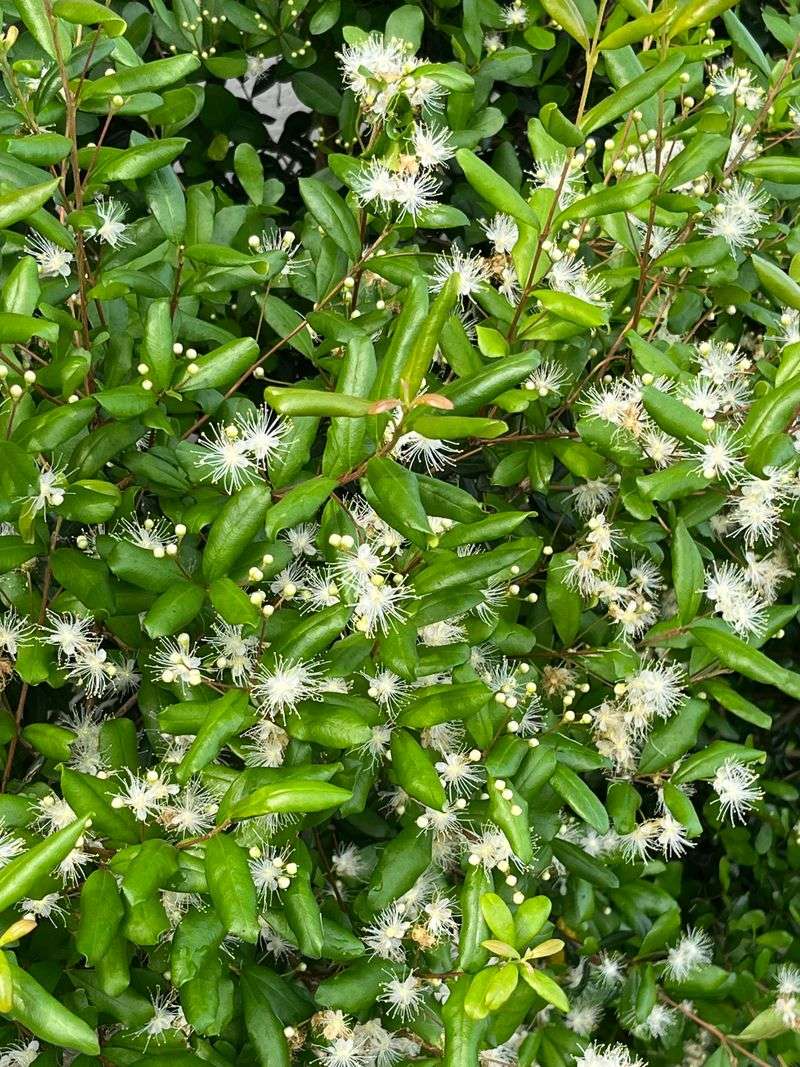
Hard lines have their place, but there is something about a softly textured green wall that just feels more welcoming.
Property lines marked with vinyl fencing can feel sharp and territorial. A Simpson’s stopper hedge, grown in a tight row, creates a boundary that is just as clear but far warmer in appearance and feeling.
The shrub naturally grows in a dense, bushy form with multiple stems branching from the base.
When plants are placed close together, those branches eventually weave into one another, creating a unified structure that reads as a single, continuous hedge.
The result is a living fence that filters wind, muffles street noise, and blocks unwanted views all at once.
Simpson’s stopper fits perfectly along sunny property borders, near driveways, and along backyard perimeters.
It grows steadily without becoming aggressive or invasive, so it stays where you put it without taking over neighboring spaces.
The texture of the foliage also plays a role in its visual appeal.
Those small, glossy leaves catch light differently throughout the day, creating subtle movement and depth that a flat vinyl panel simply cannot replicate.
Neighbors on both sides of the hedge benefit from its appearance, which is a social bonus that privacy fencing rarely offers.
This plant knows how to look great from every angle, all year long, and it does it without asking for much in return.
Pruning Shapes It Into A Hedge
One of the most common worries people have about replacing a fence with a plant is maintenance.
Will it take over? Will it become unruly? With Simpson’s stopper, the answer to both questions is a reassuring no.
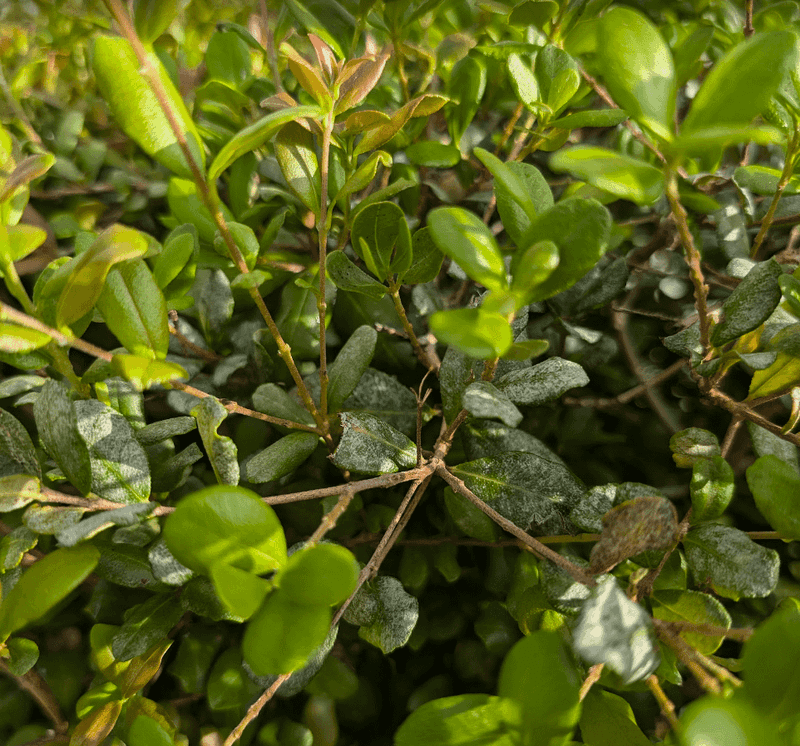
This shrub responds very well to pruning and can be shaped into a tidy, formal hedge or left slightly loose for a more natural look.
Pruning is best done in late winter or early spring before new growth flushes out.
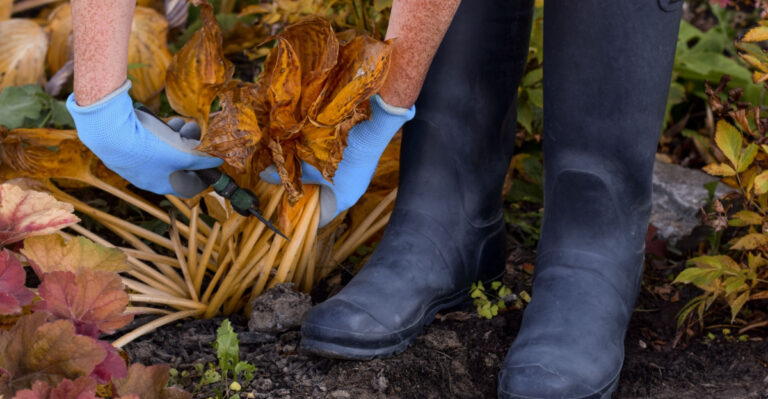
Light trimming two to three times a year is usually enough to keep the hedge at your desired height and width. Because the plant grows at a moderate pace, it does not demand constant attention the way faster-growing hedges sometimes do.
Heavy pruning during the hottest months of summer can stress the plant and reduce flowering and fruiting, so a light touch and consistent timing produce the best results.
When shaping, aim to keep the base of the hedge slightly wider than the top.
This allows sunlight to reach the lower branches and prevents bare patches from forming near the ground. That simple technique keeps the hedge dense from top to bottom.
Simpson’s stopper also rebounds well from occasional hard pruning if the plant has grown too large.
It pushes out fresh growth reliably and returns to a full, healthy appearance within a single growing season.
A pair of sharp hand pruners and a few hours a year is genuinely all it takes to keep this hedge looking its best.
Native Roots Fit Florida Landscapes
Planting something that actually belongs in Florida makes everything easier.
Simpson’s stopper evolved right here, adapting over thousands of years to the state’s sandy soils, intense sun, heavy summer rains, and long dry spells.
That evolutionary history means the plant already knows how to handle what Florida throws at it, without much help from homeowners.
Simpson’s stopper is drought-tolerant once established, typically after the first year or two with regular watering.
After that establishment period, supplemental irrigation is rarely needed except during prolonged dry stretches.
It also tolerates occasional flooding, which matters a great deal in Florida neighborhoods where drainage can be unpredictable during hurricane season.
The plant does not require fertilizer to thrive.
Applying a light layer of mulch around the base helps retain soil moisture and keeps roots cool during the hottest months.
Placing it in full sun to partial shade gives it room to grow at its best pace and produce the most flowers and fruit.
Florida-Friendly Landscaping principles are built around matching plants to conditions rather than forcing conditions to match plants.
Simpson’s stopper is a textbook example of that approach.
It supports local ecosystems, reduces the need for pesticides, and requires far fewer resources than non-native alternatives.
For homeowners who want a landscape that works with Florida rather than against it, starting with a native like Simpson’s stopper is one of the smartest choices available.
Living Fences Look Warmer Than Vinyl
Curb appeal is real, and it matters more than many people admit. A vinyl fence might be functional, but it rarely makes a neighborhood look better.
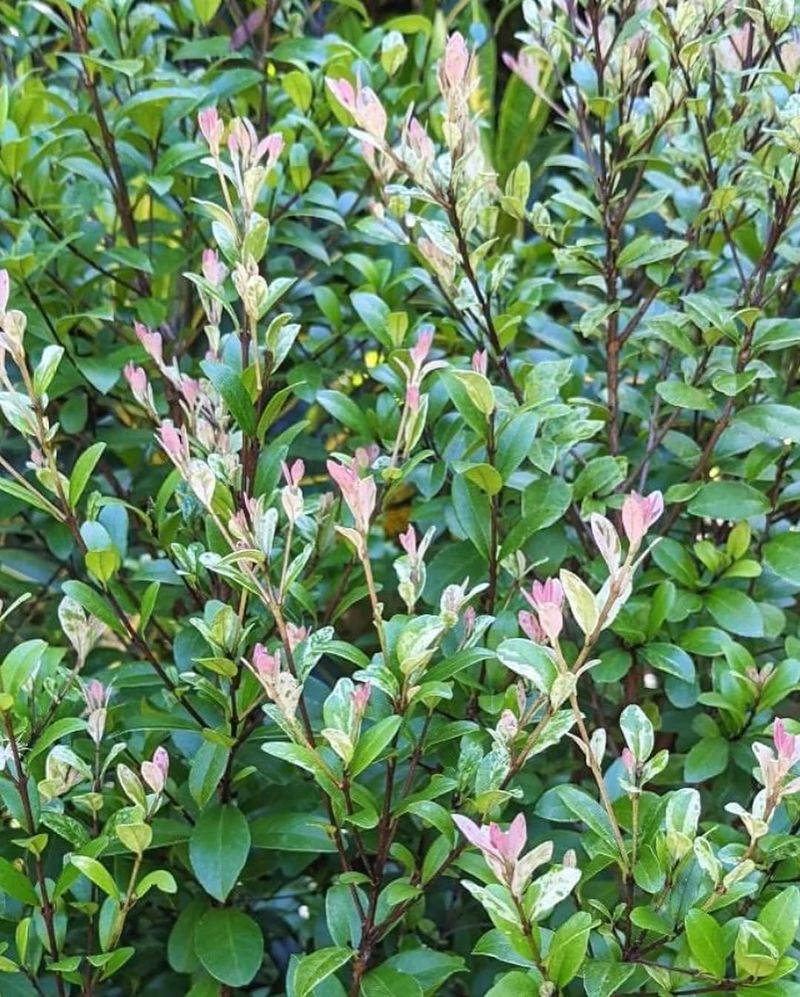
A well-grown Simpson’s stopper hedge, on the other hand, adds texture, color, and life to the streetscape in a way that draws genuine compliments from neighbors and passersby alike.
The visual warmth of a living fence comes from its natural variation.
No two sections of the hedge look exactly the same. Light plays across the glossy leaves differently throughout the day. Flowers appear and fade. Berries come and go. Birds land and take off.
The hedge is always doing something interesting, which makes it far more engaging to look at than a static white panel standing stiff in the yard.
Real estate professionals often note that mature landscaping adds perceived value to a home.
A healthy, established native hedge signals that the homeowner cares about the property and the environment. That impression resonates with buyers, neighbors, and anyone passing by.
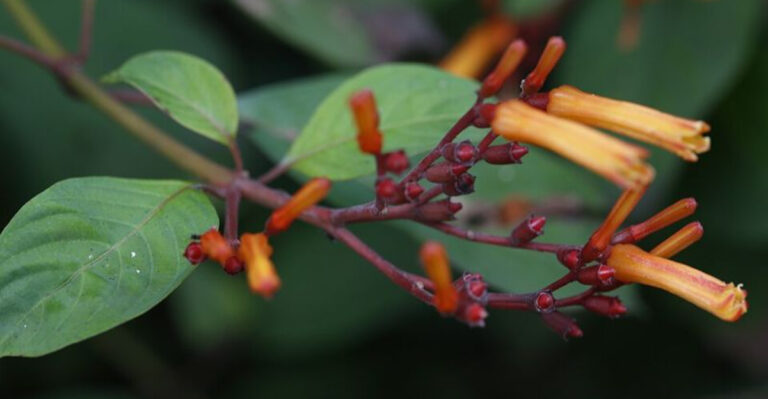
Simpson’s stopper also works well alongside other Florida native plants like firebush, beautyberry, and coontie, creating a layered landscape that looks intentional and polished.
Spacing plants about three to five feet apart gives each shrub room to fill in properly while still allowing the row to close into a solid screen within a few growing seasons.
For homeowners who want their yard to feel like a true Florida sanctuary rather than a fenced-in lot, a Simpson’s stopper hedge delivers exactly that kind of living, breathing beauty every single day.