Michigan Gardeners Must Do This To Astilbe Right After Bloom Before July Heat
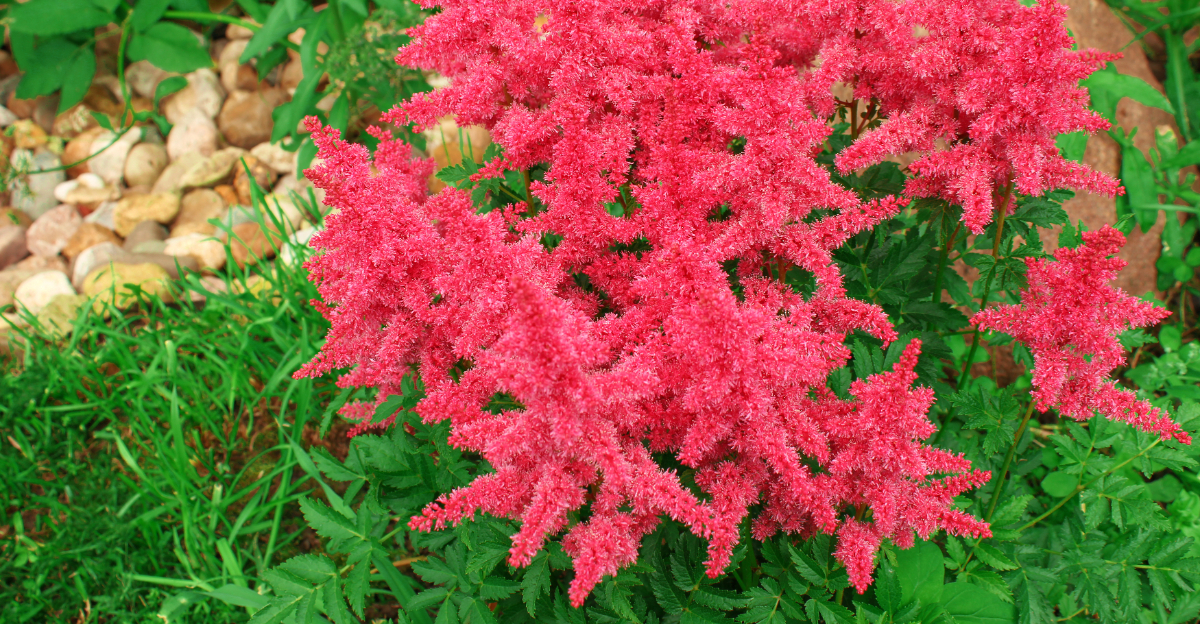
Astilbe looks after itself so reliably through spring that Michigan gardeners often carry that hands-off approach straight into summer without adjusting. That is where things quietly go wrong.
There is one specific thing astilbe needs done immediately after bloom ends, and July heat makes the window for doing it correctly shorter than most people expect.
Skip it and the plant responds in ways that affect not just this season but how it performs and divides going forward. Astilbe is worth protecting.
It fills shaded Michigan beds with color that almost nothing else provides in those conditions, and keeping it genuinely healthy through summer comes down almost entirely to getting this one post-bloom step right before the heat settles in completely.
1. Give Astilbe A Deep Soak And Mulch The Roots
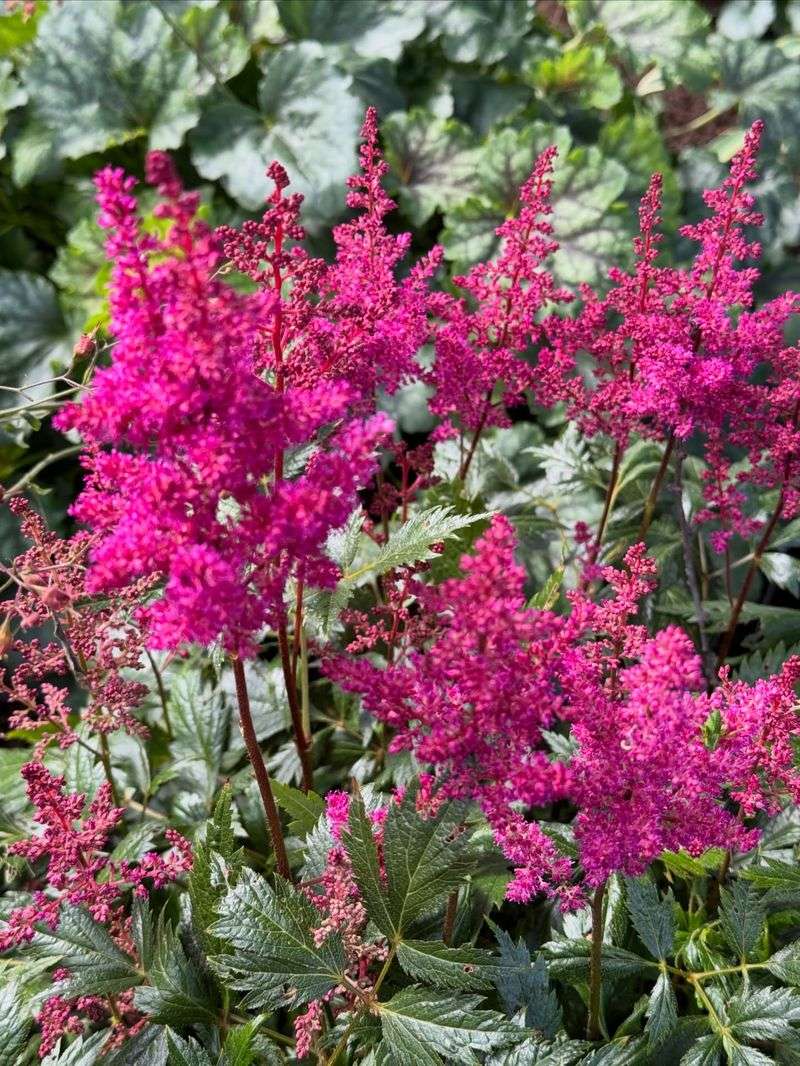
Right after the blooms fade, moisture is the single most important thing your astilbe needs. Astilbe is a shade-loving perennial that depends on consistently moist soil to stay strong through summer.
When the blooms wind down and July heat starts building, the root zone is the place to focus all your attention.
A deep soak means letting water reach several inches below the surface, not just wetting the top layer.
Michigan summers can get surprisingly dry and hot in late June and early July, and shallow watering simply does not cut it for a moisture-loving plant like astilbe.
The goal is to saturate the soil so the roots have something to draw from even on the hottest days.
Right after watering, add a fresh layer of organic mulch around the root zone. Shredded leaves, bark mulch, or compost all work beautifully for this purpose.
Mulch acts like a blanket for the soil, slowing down evaporation and keeping the ground cooler than it would be if left bare.
Together, deep watering and mulching create a protective environment that gives astilbe the best possible chance of staying lush and healthy before July heat fully settles in.
Most Michigan gardeners who struggle with astilbe in summer simply skipped this step after bloom.
Fixing that habit is straightforward, and the results show up fast. Your plant will hold its color, keep its structure, and look far better heading into the hottest part of the season when the root zone stays cool and moist.
2. Do Not Cut The Foliage Back After Bloom
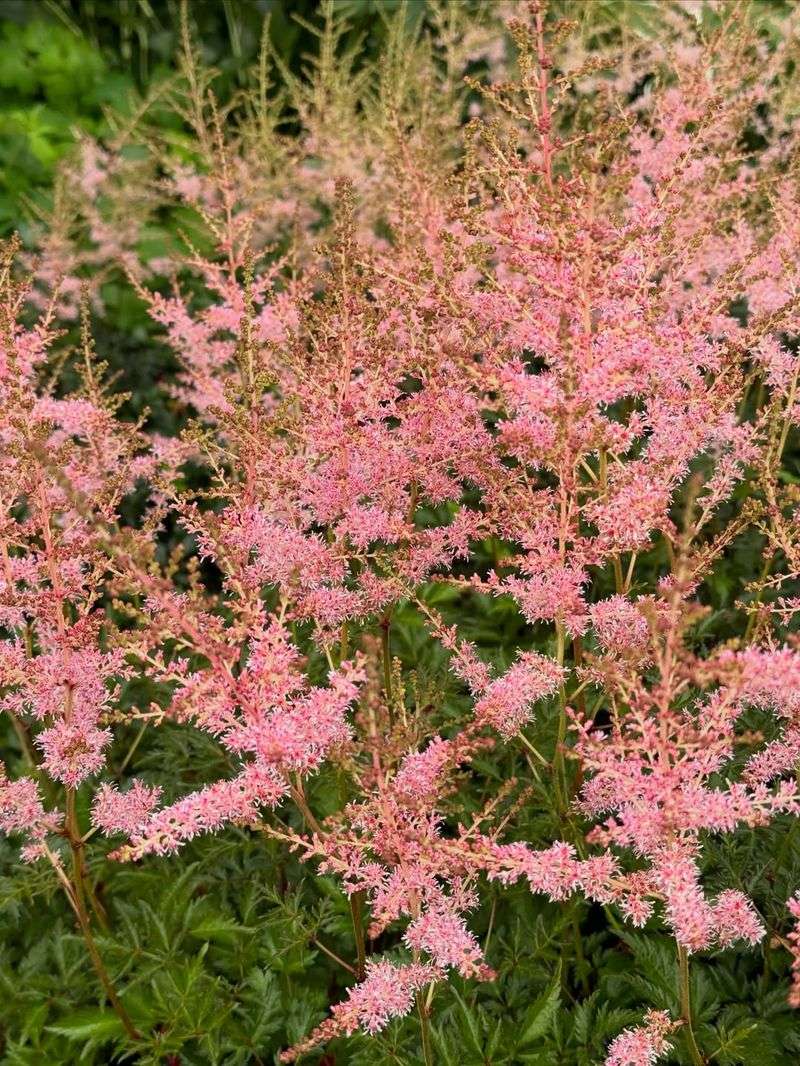
Here is something that surprises a lot of new Michigan gardeners: you should not grab the shears the moment astilbe flowers fade.
It feels natural to tidy things up once the blooms look spent, but cutting the foliage back right after bloom is one of the most common mistakes people make with this plant.
The leaves are doing important work even after the flowers are finished. Astilbe foliage keeps gathering sunlight and sending energy back down to the roots throughout the rest of summer.
Removing that greenery too early weakens the plant and leaves the root zone exposed to heat and moisture loss. The foliage itself acts as a natural shield for the soil beneath it.
Your Michigan Garden Changes Every Week. Your Plan Should Too.
Gardening in Michigan changes quickly throughout the season. Every Friday you’ll receive a simple weekly plan showing exactly what to plant, prune, fertilize, harvest, and protect so you never miss the right timing.
Instead of reaching for the pruners, shift your focus to what is happening underground. After bloom is the time to water deeply, add fresh mulch, and make sure the root zone stays protected.
The faded plumes can stay on the plant for now because they add texture to the garden and do not harm anything by remaining in place.
Michigan gardeners often find that leaving astilbe foliage intact through summer actually makes the plant look fuller and more structured in the garden bed.
The greenery blends with surrounding shade plants and keeps the bed from looking bare.
Trimming can wait until fall cleanup or early spring. For now, the smartest after-bloom move is to care for the soil and let the leaves keep doing their job quietly and steadily through the heat ahead.
3. Water Deeply Instead Of Splashing Lightly
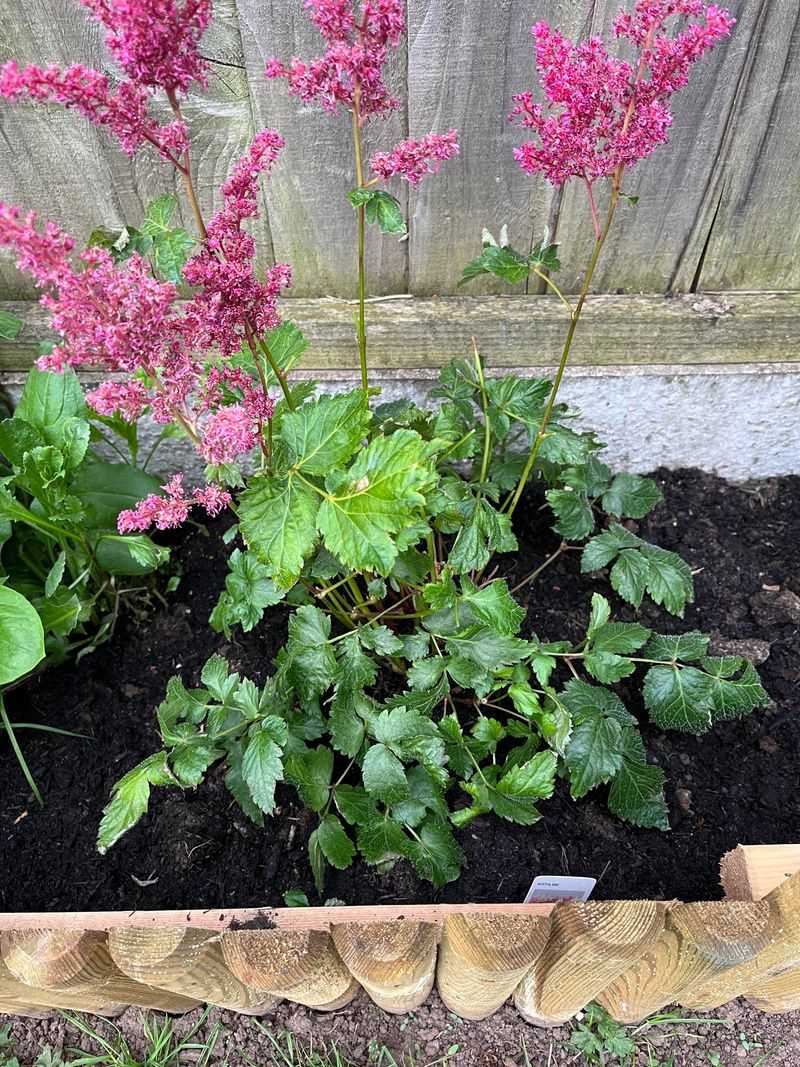
Quick, light watering is one of the most well-meaning but least helpful things you can do for astilbe after bloom. It looks like you are doing something, but the water barely reaches the roots where it actually matters.
Michigan summer heat can bake the top inch of soil within hours of a light splash, leaving the plant thirsty before the day is even over.
Deep watering works differently. When you slow down and let water soak steadily into the root zone, it travels down to where the roots are actively growing.
Astilbe roots reach several inches into the soil, and that is exactly where moisture needs to be waiting. A slow, steady stream at the base of the plant for several minutes does far more good than a quick spray across the whole bed.
A simple trick for knowing when to water again is the finger test. Push your finger about two inches into the soil near the base of the plant.
If it feels dry at that depth, it is time to water. If it still feels slightly cool and damp, you can wait another day.
This small habit prevents both underwatering and overwatering, which are both problems for astilbe.
Consistency matters more than volume in any single session. Watering deeply every few days during hot stretches keeps the soil at an even moisture level that astilbe genuinely thrives in.
Once you build this routine right after bloom, the plant rewards you with steady green growth and a much healthier appearance all the way through the warmest part of Michigan summer.
4. Add Mulch Without Covering The Crown
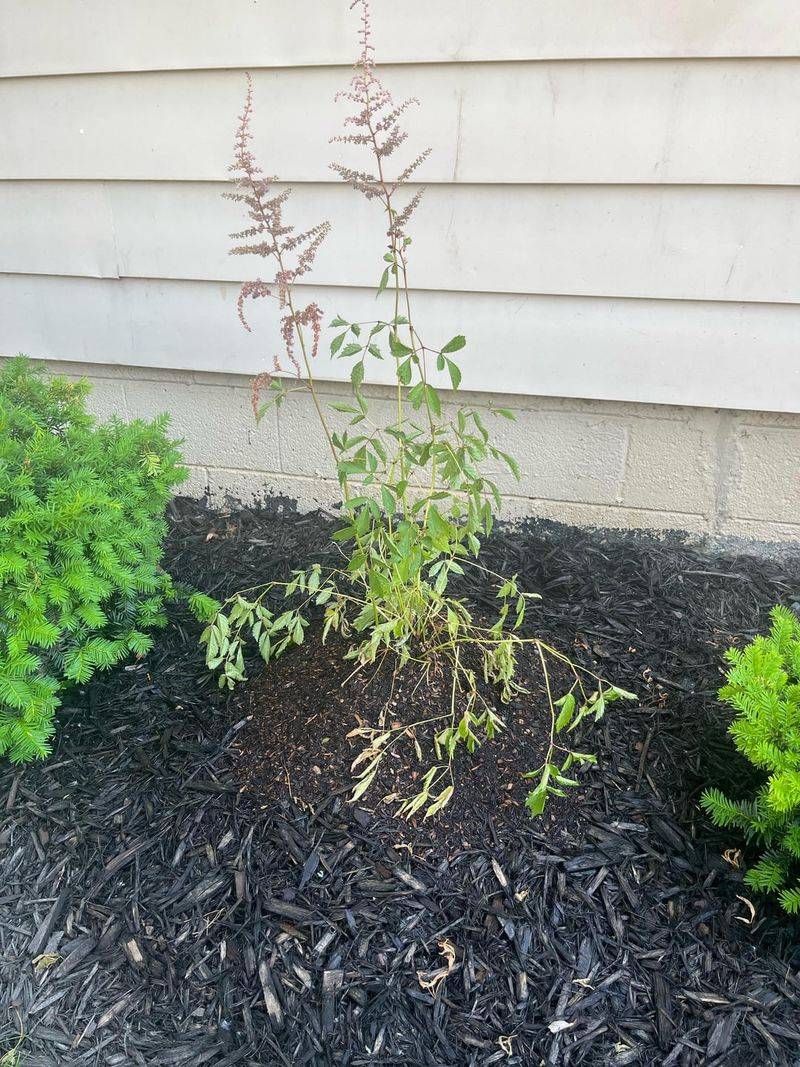
Mulching after bloom is one of the smartest moves a Michigan gardener can make for astilbe, but there is one detail that trips people up every single time. The crown of the plant needs to stay uncovered.
Bury it under mulch and you create a damp, airless environment right at the center of the plant, which leads to rot and a struggling plant by midsummer.
The crown is the point where the stems emerge from the soil. It sits right at or just slightly above ground level, and it needs a little breathing room.
When you spread mulch, aim to keep it a couple of inches away from that central growing point. Think of it like a donut shape around the plant, with the center left open and the mulch covering the surrounding root zone.
For material, shredded leaves are a fantastic choice because they break down slowly and feed the soil as they decompose. Bark mulch holds moisture well and looks tidy in a shade garden bed.
Compost works double duty by insulating the roots and improving soil quality at the same time. Leaf mold, which is decomposed leaves, is another excellent option that astilbe absolutely loves.
Aim for a layer about two to three inches thick. Too thin and it dries out quickly in July heat.
Too thick and it can hold excess moisture in the wrong places. Getting this step right after watering gives your astilbe a serious advantage heading into the hottest weeks of Michigan summer, and the results are visible in how well the plant holds up.
5. Treat July Heat As A Moisture Test
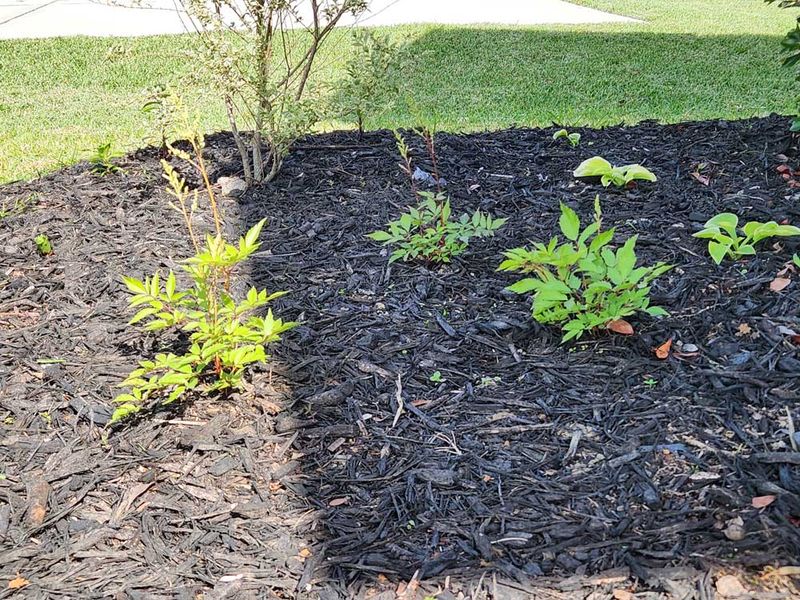
July heat in Michigan has a way of showing exactly which plants are thriving and which ones are just barely getting by. For astilbe, that first real hot stretch acts like a test that reveals whether the plant is in the right spot and getting the right care.
Pay attention to how your astilbe looks during those first truly hot days, because the plant is giving you honest feedback.
Astilbe performs best in part shade or dappled shade, with morning sun being the most it usually handles comfortably. A spot that gets afternoon sun, especially on a south or west-facing side, dries out much faster and puts serious stress on the plant.
If your astilbe wilts noticeably during afternoon hours but perks back up in the evening, that is a clear sign the location might be too sunny or too dry.
The soil moisture level is just as important as the light. Even in a shaded spot, soil that drains too fast or stays too loose will not hold enough water for astilbe during a heat wave.
Checking the moisture at root depth during July heat tells you whether your watering routine is working or needs to be adjusted.
Think of July heat not as a threat but as useful information. A plant that looks happy and green through the hottest stretch is planted in a good spot with the right moisture.
A plant that looks stressed is telling you what to change before next season. Astilbe is communicative that way, and Michigan gardeners who pay attention in July set themselves up for much better results the following year.
6. Keep The Soil Evenly Moist But Not Soggy
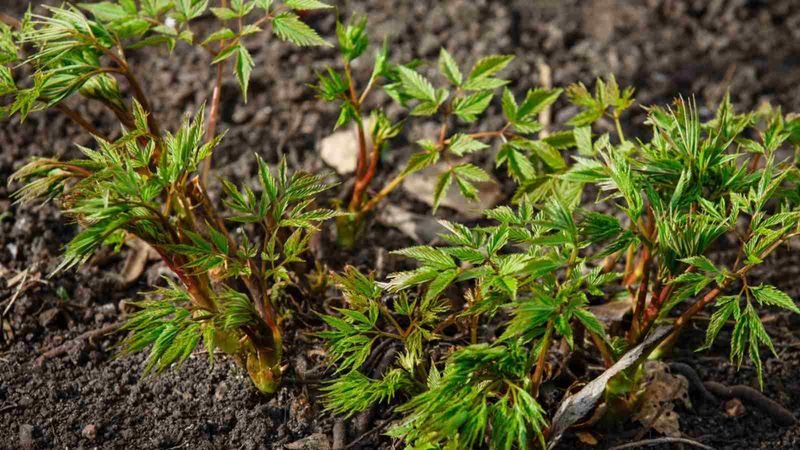
Balance is everything when it comes to watering astilbe after bloom. The plant loves moisture and absolutely needs it through summer, but there is a real difference between consistently moist soil and soil that stays wet and waterlogged.
Getting that balance right is what keeps astilbe healthy rather than struggling.
Soil that stays soggy does not give roots the oxygen they need. Even moisture-loving plants like astilbe need soil that drains reasonably well between watering sessions.
If water pools around the base of the plant for hours after watering, that is a sign the drainage needs improvement. Adding compost to the soil over time helps it hold moisture without becoming compacted or waterlogged.
The target feel for astilbe soil is lightly damp when you check it a couple of inches below the surface. Not dry and crumbling, not muddy and heavy, but somewhere in that comfortable middle range that feels like a wrung-out sponge.
That is the texture and moisture level that astilbe roots are happiest in during summer heat.
Michigan gardens vary a lot in soil type. Clay-heavy soil holds too much water and can become soggy, while sandy soil drains so fast that moisture disappears before the roots can use it.
If you know your garden leans toward either extreme, adjusting with organic matter makes a real difference for astilbe. Compost is the most straightforward fix for both problems.
Checking soil moisture regularly through July instead of watering on a set schedule gives your astilbe exactly what it needs, when it actually needs it.
7. Use The Faded Plumes As A Care Reminder
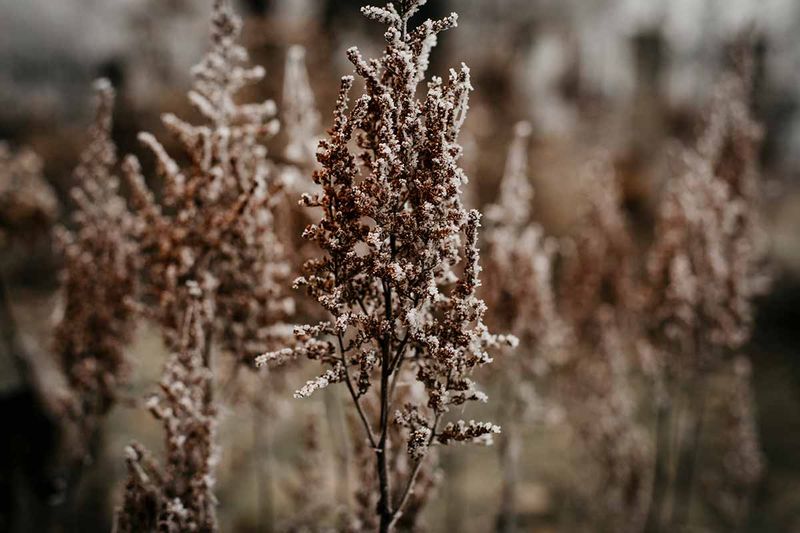
There is something quietly useful about faded astilbe plumes that most gardeners overlook. Once those feathery blooms start to turn tan and lose their color, they are not just spent flowers sitting there looking tired.
They are actually a built-in reminder that your after-bloom care routine needs to kick in right now, before July heat takes over the season.
Faded plumes are easy to spot from across the yard, and that visibility is genuinely helpful.
The moment you notice the color shifting from vibrant pink or white to a softer, drier tone, that is your cue to check the soil moisture, refresh the mulch layer, and make sure the root zone is ready for summer.
Many experienced gardeners use this visual trigger to stay on schedule without needing to track anything.
The plumes themselves can stay on the plant for now. They add structure and texture to the garden bed, and they look surprisingly attractive standing above the green foliage even after bloom.
Birds sometimes visit the dried plumes in late summer, which is a bonus for wildlife-friendly gardens. Removing them is optional and mostly a matter of personal preference.
What matters most during this window is shifting your attention from the flowers to the roots. The blooming phase is over, and the maintenance phase has begun.
Deep watering, a fresh layer of mulch, and regular moisture checks are the three things that will carry your astilbe comfortably through the rest of summer.
Letting the faded plumes remind you to take action is one of the simplest and most effective garden habits you can build.
8. Move Struggling Astilbe Later If The Spot Is Too Dry
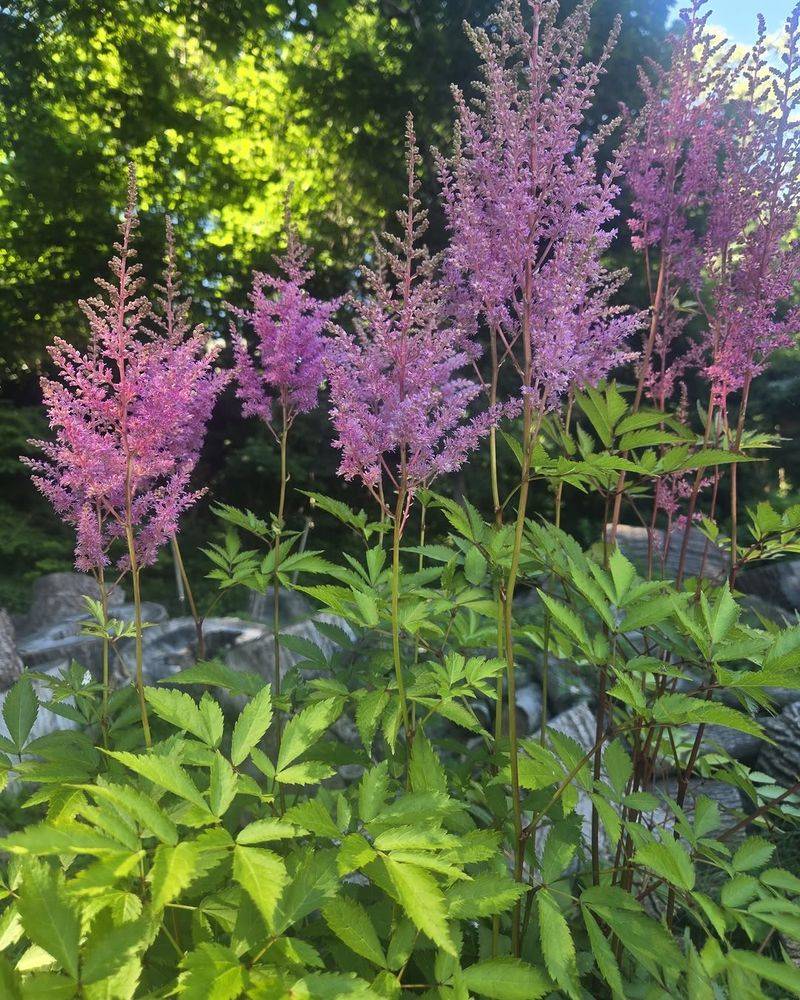
Sometimes you water, you mulch, and you do everything right, and the astilbe still looks stressed after bloom. Before you start thinking about digging it up and moving it, take a breath.
Relocating a plant during the hottest part of Michigan summer is hard on astilbe and rarely goes well. The immediate priority is stabilizing the plant where it is, not transplanting it.
If the spot is too sunny or too dry, focus on what you can control right now. Water deeply and consistently.
Add a generous layer of mulch to protect the roots. If there is any way to create temporary afternoon shade using a garden cloth or nearby potted plants, that small effort can make a real difference while the plant gets through the heat.
These steps buy time and reduce stress without putting the plant through the added shock of being moved.
Once the season cools down, usually in early fall when temperatures drop and rainfall picks back up, that is the right time to divide or relocate astilbe in Michigan. Fall transplanting gives the plant a full cool season to establish new roots before the following summer.
Spring is also an option, though it gives a shorter window before heat returns. Either way, a cooler season is always the better choice over midsummer.
Note the location that caused the problem so you remember it come fall. Moving astilbe to a shadier spot with better moisture retention often transforms a struggling plant into a beautiful one.
Michigan shade gardens have so many ideal pockets for astilbe, and finding the right one makes all the difference for long-term success.