What North Carolina Wisteria Needs After It Blooms
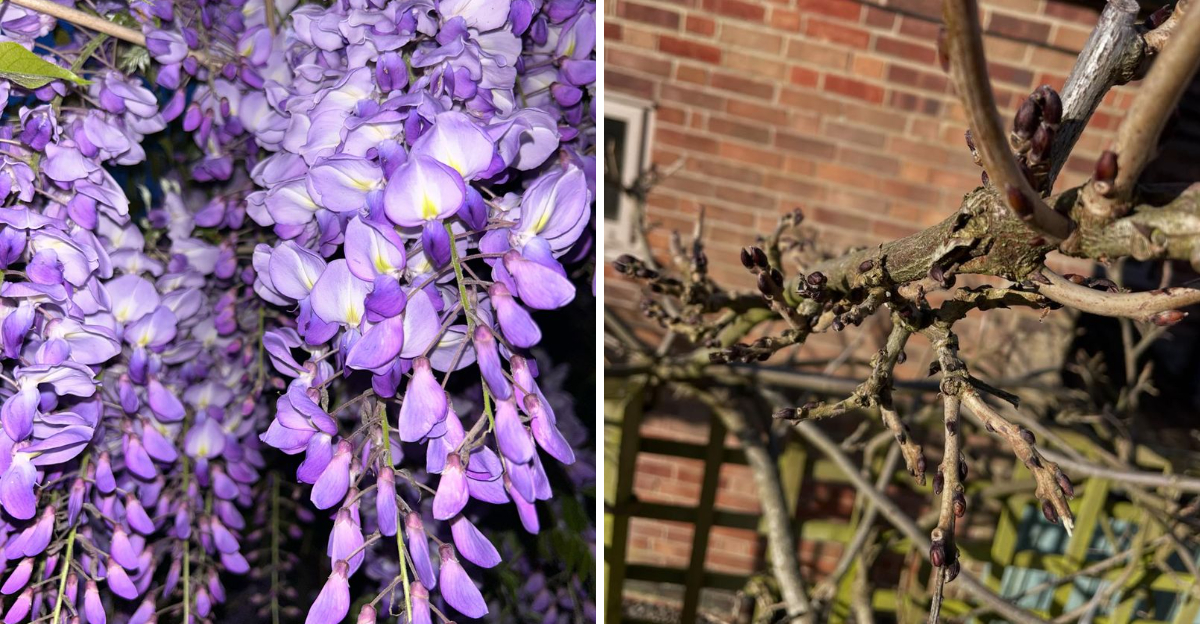
Wisteria puts on one of the most jaw-dropping flower shows in the South.
Those long purple or white clusters hang like something out of a fairy tale, filling North Carolina gardens with sweet fragrance and pure drama.
But here is the part many gardeners miss: what happens after the blooms fade matters just as much as the flowers themselves.
Get the post-bloom routine right, and your wisteria will reward you with even better blooms next year.
Get it wrong, and you might end up with a vine that has swallowed your fence, crept into your gutters, and completely forgotten how to flower.
Wisteria, especially the Asian species like Japanese and Chinese wisteria, grows with almost alarming speed in North Carolina’s warm, humid climate. That beauty comes with a serious need for guidance.
The good news is that a smart, steady post-bloom routine keeps this vine stunning instead of stubborn.
From the moment the last flower drops, your wisteria is already making plans.
The question is whether you are going to be part of those plans or just watch from the sidelines.
1. Cut Whippy Shoots After Flowering
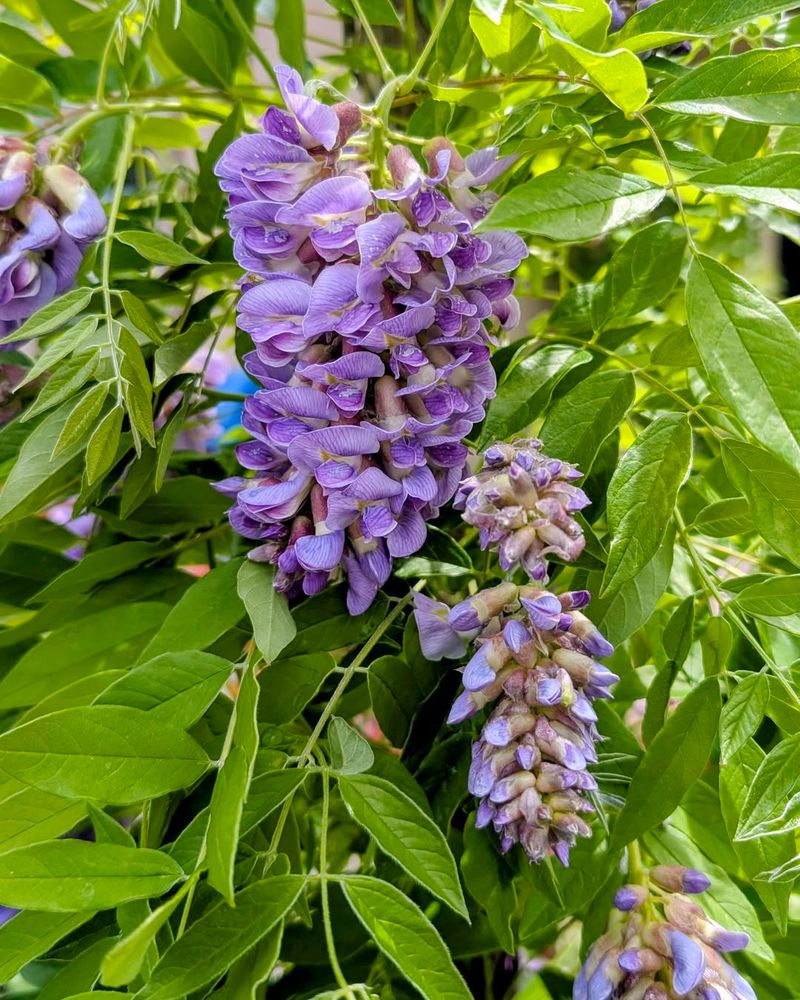
Right after the last bloom fades, wisteria shifts into full-on growth mode.
Those long, whippy shoots seem to appear overnight, stretching out in every direction like the vine has somewhere important to be.
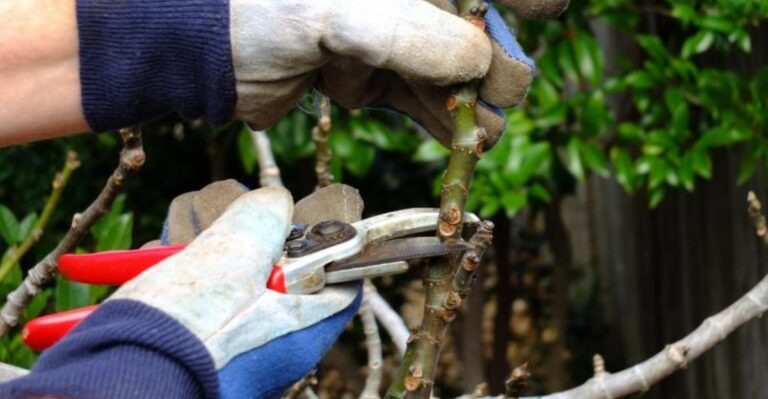
This is exactly the moment to grab your pruning shears and take charge.
Cutting back these new shoots right after flowering is one of the most effective things you can do for your vine.
You are not trying to reshape the whole plant at this stage. The goal is simply to remove the long, flexible new stems that have shot out from the main framework since bloom time.
These shoots can grow several feet in just a few weeks during a warm North Carolina spring, and leaving them unchecked leads to a tangled mess by summer.
Use clean, sharp pruning shears for this job.
Dull blades crush stems instead of cutting them cleanly, which stresses the plant and invites disease. Snip each whippy shoot back to a manageable length, keeping just a few inches of new growth if needed for training.
Be thorough but not brutal. You want to encourage the vine to put its energy into building strong flowering spurs rather than racing across your yard.
Pruning wisteria right after bloom is one of two key annual pruning windows.
Missing this window means you will spend the rest of summer wrestling with growth that has already gotten out of hand. A quick post-bloom cut now saves you hours of work later.
2. Shorten New Growth To Five Leaves
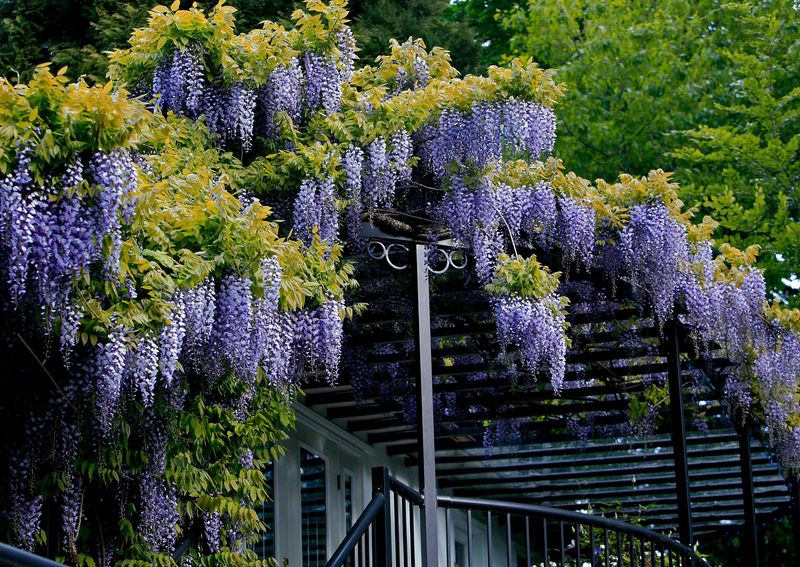
Summer pruning wisteria is not complicated once you know the trick.
The classic method, recommended by experienced vine growers, is simple: count five leaves from the base of each new shoot and cut just above the fifth leaf. That is it. Five leaves, clean cut, move on.
This technique works because it shortens the new growth without removing too much of the stem.
Your North Carolina Garden Changes Every Week. Your Plan Should Too.
Gardening in North Carolina changes quickly throughout the season. Every Friday you’ll receive a simple weekly plan showing exactly what to plant, prune, fertilize, harvest, and protect so you never miss the right timing.
Leaving five leaves gives the shoot enough foliage to keep photosynthesizing while redirecting the plant’s energy toward producing flowering buds rather than endless green extension.
Over time, this builds up what growers call flowering spurs, which are the short, stubby growths that carry next year’s blooms.
In North Carolina, summer heat can push wisteria into fast growth spurts between July and August.
You may need to revisit your five-leaf cut more than once during the season. Check your vine every few weeks and snip back anything that has bolted past five leaves again.
This step pairs naturally with the initial post-bloom cut.
Together, they form a summer pruning routine that keeps the vine manageable, encourages flowering wood, and prevents the kind of runaway growth that makes Asian wisteria species so notorious in the Southeast.
Native wisteria varieties, like American wisteria, are less aggressive but still benefit from this method.
3. Train Main Vines Onto Strong Supports
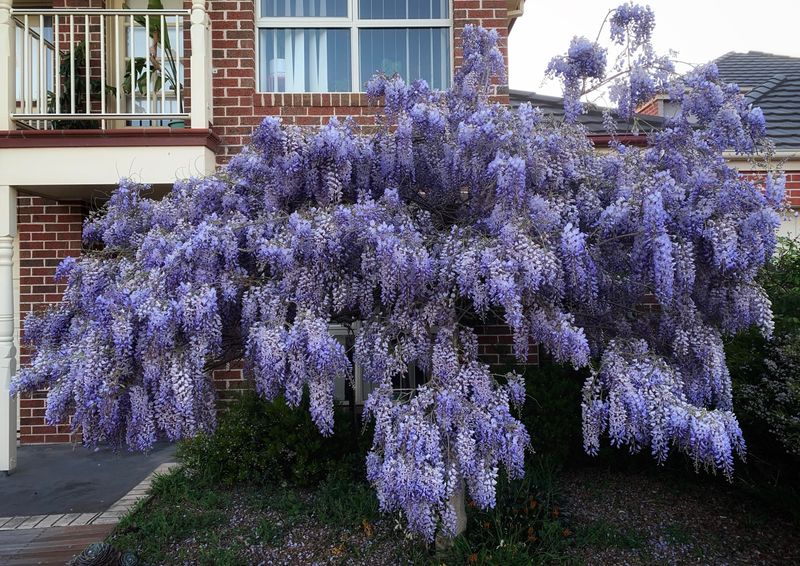
Wisteria is not a lightweight guest.
A mature vine can weigh hundreds of pounds, and in North Carolina’s climate it grows fast enough to put serious stress on whatever it climbs.
After bloom season, when the vine is actively pushing new growth, is the perfect time to check whether your support structure is truly up to the job.
Pergolas and sturdy arbors built from pressure-treated lumber or heavy-gauge steel are the gold standard for supporting mature wisteria.
Thin wooden lattice, plastic trellises, and decorative garden arches are simply not built for this kind of long-term load.
If your current support feels wobbly when you push it, reinforce it before the vine gets any heavier. A collapsing pergola mid-summer is not the kind of garden drama anyone wants.
Training the main vines is an active process, not a one-time setup.
As new growth appears after bloom, gently guide the strongest stems along your support beams and tie them loosely with soft garden twine or flexible plant ties.
Avoid wire or zip ties, which can cut into stems as the vine thickens over the years. Check existing ties annually and loosen any that are starting to bite.
Wisteria vines twist and wind as they grow, which can slowly crack wood or pry apart joints over time.
Inspect your support structure every year, especially after a wet spring when growth is most aggressive.
A well-supported vine is a happy vine, and it is far easier to redirect a shoot now than to untangle a full-grown vine from a crumbling structure later.
4. Remove Suckers Before They Spread

Wisteria has a habit that surprises a lot of first-time growers: it sends up suckers.
These are shoots that sprout directly from the roots, often popping up several feet away from the main plant. They look innocent enough at first, just a small green stem pushing up through the mulch or lawn.
Leave them alone for a season, and you will quickly understand why wisteria has a reputation for spreading aggressively.
Suckers are especially common in Asian wisteria species, which are already considered invasive in parts of the Southeast.
If you are growing Japanese or Chinese wisteria in North Carolina, sucker management is not optional. It is a regular part of keeping the plant contained and your garden in order.
Native alternatives like American wisteria or Kentucky wisteria spread far less aggressively, but they can still produce occasional suckers worth removing.
The best approach is to pull suckers by hand as soon as you spot them, ideally when they are still small and the soil is moist.
Get as much of the root as possible when you pull. Cutting suckers at ground level without removing the root often just encourages more shoots to follow.
For stubborn or established suckers, a narrow trowel or garden knife helps loosen the soil and expose the root connection.
Make sucker patrol part of your post-bloom garden walkthrough.
Catching suckers early keeps the vine where you want it and prevents it from sneaking into flower beds, lawn edges, or neighboring plants.
5. Keep Vines Away From Gutters
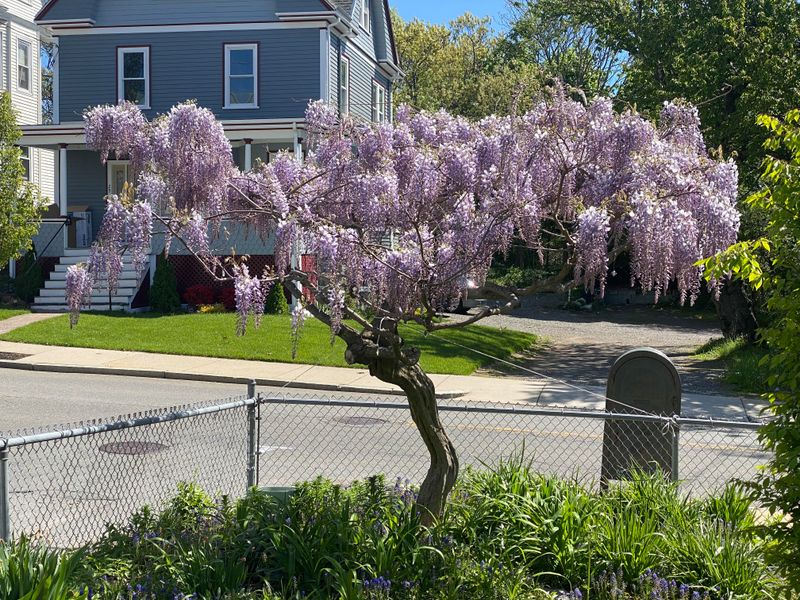
There is something almost sneaky about the way wisteria finds its way into gutters.
The vine does not announce its intentions. It just keeps growing, stem by stem, until one day you look up and realize your gutters are packed with twisting green growth that has been quietly blocking drainage and prying apart seams for months.
Gutters are one of the most vulnerable structures near a wisteria vine.
They are typically made of lightweight aluminum or vinyl, neither of which is designed to hold up against the persistent pressure of a climbing vine.
Once wisteria gets inside a gutter, the roots and stems expand as they grow, warping the channel and pulling fasteners loose from the fascia board.
Repairing gutter damage caused by vines is expensive and frustrating, and it is entirely preventable.
After bloom season, walk the perimeter of your home and look for any stems that are reaching toward the roofline.
Redirect them back toward your trellis or support structure if possible, and cut back any growth that is heading toward the house walls or eaves.
Do not let the vine use downspouts as a ladder either. Wisteria will climb anything vertical, and a downspout is basically an invitation.
The post-bloom growing season in North Carolina can be intense.
Warm temperatures and summer rain push vine growth fast. Checking your roofline and gutters monthly from late spring through early fall gives you the best chance of catching wayward stems before they become a structural problem.
A small trim now beats a big repair bill later.
6. Skip High Nitrogen Feeding

Walk into any garden center and you will find shelves full of fertilizers promising lush, fast growth.
For most plants, that sounds great. For wisteria, it is a trap.
Feeding this vine a high-nitrogen fertilizer after bloom is one of the quickest ways to guarantee you will not see flowers again next spring.
Nitrogen is the nutrient that drives leafy, green, vegetative growth.
Wisteria already grows aggressively on its own without any help. Pour nitrogen into the soil around it, and the vine responds by putting all its energy into producing more stems and leaves rather than developing the flowering buds you actually want.
The result is a big, lush, impressively leafy vine that just refuses to bloom. Sound familiar?
Many frustrated gardeners are unknowingly fertilizing their way to a flowerless vine every single season.
Holding back on fertilizer altogether for established vines is the smarter approach, or using a low-nitrogen, phosphorus-rich formula if feeding seems necessary.
Phosphorus supports root development and flowering, which is exactly what you want to encourage after bloom season ends. A soil test can tell you what your specific garden actually needs before you add anything.
Young vines in their first two or three years may benefit from a balanced fertilizer to help them establish.
But once a wisteria is mature and well-rooted, it usually does not need supplemental feeding at all. North Carolina’s naturally fertile soils often provide everything an established vine requires.
Less really is more when it comes to feeding this plant.
7. Open Dense Growth For Airflow
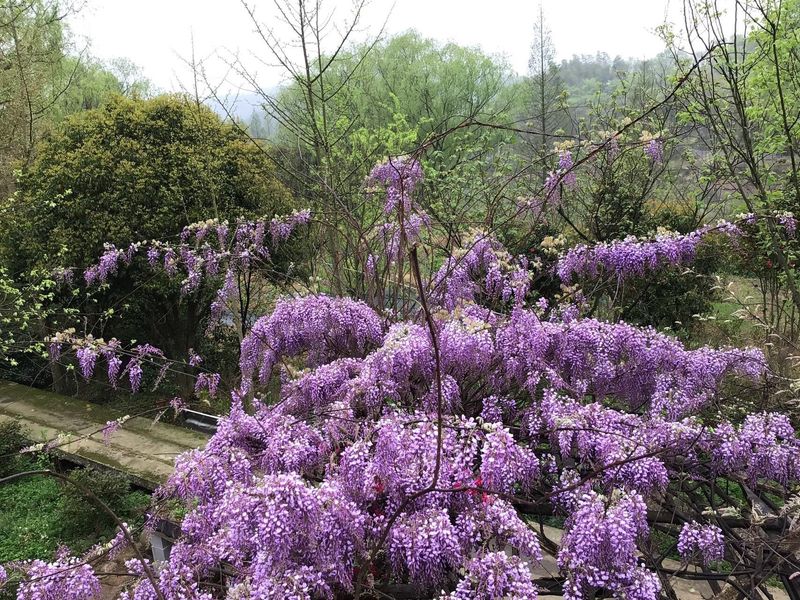
By midsummer, a wisteria vine can become so densely packed with foliage that sunlight barely reaches the interior.
That kind of thick, shadowy growth is not just an aesthetic problem. It creates the warm, still, humid conditions that fungal diseases and pest insects absolutely love.
Opening up the vine is one of the most practical things you can do after bloom season wraps up.
Thinning dense growth means selectively removing stems and foliage from the interior of the vine to improve light penetration and airflow.
You are not reshaping the whole plant. You are just removing the tangled, crossing, or overcrowded stems that block air movement through the canopy.
The vine breathes better, dries out faster after rain, and becomes less hospitable to powdery mildew and scale insects.
Start from the inside and work outward.
Remove stems that are rubbing against each other, growing in the wrong direction, or simply filling space without contributing to the overall shape. Step back frequently to check your progress.
It is easy to get carried away when thinning, so take it slow and assess as you go.
Good airflow also benefits next year’s blooms.
Flowering spurs need light to develop properly. Dense interior growth shades out those spurs and reduces bloom production over time.
North Carolina summers are humid enough without the vine adding to the problem.
A well-thinned wisteria is a healthier, more productive, and honestly better-looking vine from every angle. You might even call it a breath of fresh air.
8. Plan A Winter Follow Up Cut
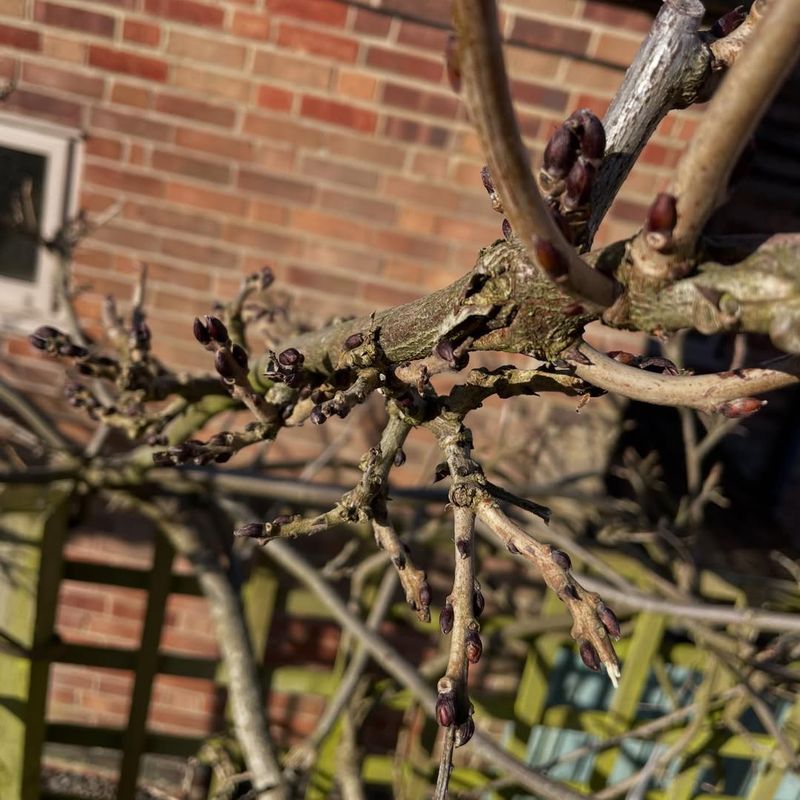
Most gardeners think of pruning as a warm-weather job, but wisteria actually rewards a second pruning session in late winter.
This follow-up cut, done while the vine is fully dormant and leafless, is your best opportunity to refine the shape, reduce bulk, and set the stage for a strong bloom display in the coming spring.
The winter window typically falls between January and early March in North Carolina, before new buds start to swell.
With no leaves in the way, you can see the vine’s entire structure clearly.
That visibility makes it much easier to spot crossing branches, identify the short flowering spurs you want to protect, and decide which older woody stems might need removing to make room for newer growth.
During the winter cut, shorten any summer shoots that were not fully cut back earlier in the season, reducing them to just two or three buds from the base.
This is also a good time to remove any damaged wood, check your support ties, and assess the overall framework of the vine.
You are essentially fine-tuning the work you started after bloom season.
Together, the post-bloom summer cut and the dormant winter cut form the two-pruning system that experienced wisteria growers rely on year after year.
Skip either one and the vine quickly regains the upper hand. Stick with both, and you have a vine that stays manageable, blooms reliably, and keeps its shape season after season.
Winter pruning is the final step in a routine that begins the moment the last spring flower fades.