Real Reasons California Four O’Clocks Are Not Blooming On Schedule

California four o’clocks can act like they know a secret. You plant them for that famous late-day flower show, then the garden clock goes rogue.
One afternoon, no blooms. One foggy day, flowers pop early. After a heat wave, the whole plant seems to stall like it lost the script. Strange? A little. Also fun.
The truth hides in the way this plant reads its world. It cares less about the number on your phone and more about heat, light, water, soil, and the tiny choices made around it.
A sunny wall can change the schedule. A rich fertilizer can distract the plant from flowers. A dry root zone can pause the performance before the first trumpet opens.
So what message does your four o’clock send? The clues are not buried deep. They sit in the leaves, the soil, and the hour those buds finally loosen.
Once you read them, the dusk show starts to make sense at last. And yes, the answer may be sneakier than the name suggests.
1. They Follow Heat More Than Clocks

The plant name sounds bossy, but the plant is not on payroll. Four o’clocks rarely open at one neat hour across California. They read heat first, then adjust the flower show around that cue.
That can feel rude when the tag promises a cute late-day routine. The plant may stay closed through a hot afternoon, then loosen near dusk once air finally cools. On a mild day, it may open much closer to the classic window.
This works like a tiny thermostat tucked inside the buds. The plant tracks air and soil warmth, not the clock on your kitchen wall.
A coastal garden with a cool marine layer may see flowers earlier. A Sacramento yard after a hot spell may see a later show.
Keep a simple note for one or two weeks. Write the daily high, the sky pattern, and the hour buds open. No lab coat required. A pencil and a nosy garden habit do the job.
Plant placement can shift the rhythm too. Afternoon shade may cool the area enough to bring blooms closer to late afternoon. A hot wall can push the show later.
Once the clock gets less blame, the plant starts to look much less mysterious and far more clever.
2. Hot Days Can Delay Opening

A brutal hot day can make those buds act stubborn on purpose. Four o’clocks may keep flowers closed past the usual hour when the afternoon stays too hot. That pause can protect the bloom from heat that would wear it out too fast.
This does not mean the plant gave up. It means the plant is on standby for cooler air. Once the temperature drops, buds can open fast, almost like someone flipped a tiny floral switch.
Heat from the yard can make the delay worse. Concrete patios, stucco walls, gravel paths, and south side fences hold warmth after the sun moves lower.
A plant beside that stored heat may feel like it still sits in midafternoon, even while you already want the evening show.
Your California Garden Changes Every Week. Your Plan Should Too.
Gardening in California changes quickly throughout the season. Every Friday you’ll receive a simple weekly plan showing exactly what to plant, prune, fertilize, harvest, and protect so you never miss the right timing.
Move pots away from heat-heavy surfaces when possible. For plants in the ground, add mulch and water deeply early in the day. Cool roots help the plant cope better with a hot stretch.
This is the garden version of a porch that needs time to cool before anyone wants a chair. The plant wants comfort too, just with more petals and less iced tea.
A hot day may delay the show, but the buds often know exactly when to make their entrance.
3. Cloudy Weather Can Shift Bloom Time
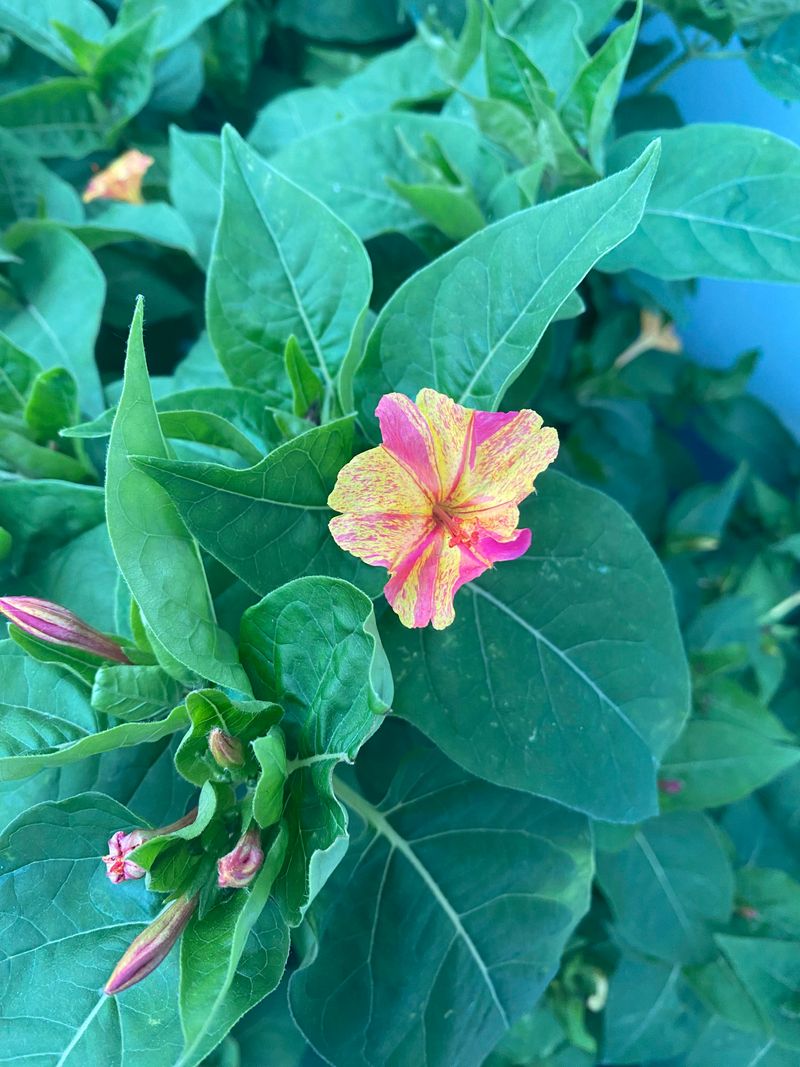
Gray skies can mess with the schedule in the opposite way. A cloudy California afternoon may lead to earlier flowers, especially near the coast where marine layers can cool the air before dinner.
That surprises gardeners because clouds feel like a slowdown. Four o’clocks often see it as an early cue. Lower light plus cooler air can nudge the buds to open ahead of their usual hot-day rhythm.
This gives the garden a funny little mood swing. Sunny heat says, “not yet.” A soft fog bank says, “party time.” The plant is not confused so much as highly tuned to the signals around it.
Coastal gardens may notice this most in late spring and early summer. Inland gardens can see it after monsoon moisture, smoke haze, or a sudden overcast day.
The same plant may open at one hour on Monday and a very different hour on Thursday.
Do not treat that shift as a problem. Use it as a clue. A few days of notes can show how your plant reacts to cloud cover and temperature.
You may even start to predict the bloom show before it happens, which is dangerously close to garden wizard behavior.
Cloudy weather can move the curtain call. The flowers still know their role.
4. Too Much Shade Reduces Flowers

A shady bed can look innocent until the flowers refuse to cooperate. Four o’clocks need real sun to build enough energy for a strong bloom show. A bright morning glance can fool you because the same spot may lose direct light later.
Too much shade often creates a lush green plant with fewer flowers. The leaves look healthy, the stems keep pace, and the gardener starts to feel personally betrayed.
The plant is not dramatic. It uses energy on foliage because it lacks enough sun for steady bloom power.
Walk the yard at several points in the day. Check the bed after breakfast, at lunch, and later in the afternoon. Fences, trees, rooflines, and patio covers can steal more light than expected as the season shifts.
Containers make this easier. Slide the pot toward a sunnier area and watch the response over the next couple of weeks. In-ground plants may need a better site next season or a light trim of nearby branches.
The goal is several hours of direct sun, with some relief in the hottest inland zones. More useful light usually means more buds.
A four o’clock stuck in too much shade may still look pretty, but it will act like a leafy intern who refuses to take the flower shift.
5. Dry Soil Pauses The Show
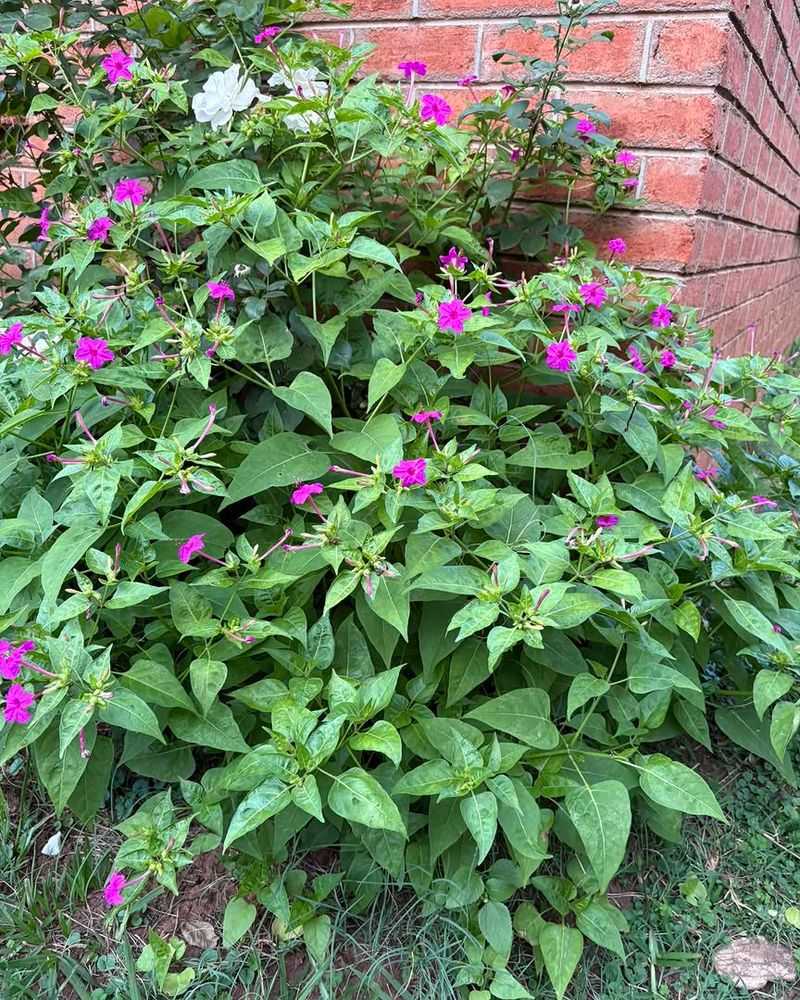
Dry soil can pause the whole performance. Four o’clocks may tolerate heat, but they still need enough moisture to keep flower cycles active. Once the root zone gets too dry, the plant saves energy instead of fresh blooms.
California summer makes that easy to miss. The surface may look fine from above, while the deeper root area feels dry and tight. Sandy soil drains fast. Clay soil can crack at the top and stay stubborn below. Neither soil type rewards guesswork.
Use a finger, trowel, or moisture meter near the base of the plant. Check a few inches down, not just the dusty surface. Dry soil at that depth means the plant needs a slow drink.
Deep water helps more than a quick splash. Aim for moisture that reaches several inches below the surface, where roots can use it longer.
Mulch around the plant can slow evaporation and keep the soil steadier through hot spells.
This is not a luxury spa moment. It is basic backstage support. The flowers cannot put on a trumpet show while the roots are short on supplies.
Keep moisture consistent, and the plant has a better chance to stay in bloom mode rather than emergency mode.
6. Rich Feeding Pushes More Leaves

Too much plant food can turn flowers into an afterthought. Four o’clocks may respond to rich fertilizer with big leaves, long stems, and very little floral payoff. The plant looks proud, but the bloom count tells a different story.
Nitrogen is often the pushy guest. It drives leafy growth, which is useful for lawns and leafy crops. A flower plant needs a better balance. Too much nitrogen can make the plant pour energy into green bulk instead of buds.
That mistake often sneaks in near lawns. Granular lawn food can drift into flower beds, or a gardener may use a strong all-purpose product with good intentions. The plant accepts the buffet, then forgets the main reason everyone showed up.
Use a light hand. Many four o’clocks in decent soil need little extra food. A modest spring feed may be enough. For a plant with lush leaves and few flowers, pause the high-nitrogen products and give it time to reset.
A bloom-focused formula can help in poor soil, but restraint still matters. More food is not always more flowers.
Sometimes the smartest move is to step away from the fertilizer bag and let the plant remember its stage name at last.
7. Evening Checks Reveal The Pattern

The best clue may arrive after dinner. A quick evening check can tell you more than a week of guesses. Four o’clocks reveal their pattern when you watch the same plant at the same stretch of day.
Visit the bed around late afternoon, then again an hour later, then once more near dusk. Note which buds have opened and which still sit tight.
Add the day’s heat, cloud cover, and water status to your notes. This sounds nerdy because it is. Luckily, garden nerdy is the useful kind.
A pattern usually appears within a couple of weeks. During peak inland heat, flowers may open closer to sunset.
Near the coast, a cool gray day may shift the show earlier. After a dry spell, the plant may act slower. After a deep drink, it may perk up again.
Those checks help with more than bloom time. You may catch yellow leaves, mildew, aphids, or dry soil before the problem grows. A regular walk turns you into the garden’s calm detective, minus the trench coat.
Make it a small ritual. Take a cool drink outside and let the plant give you its daily report. The schedule may vary, but the clues repeat.
8. Seeds And Roots Need Careful Handling
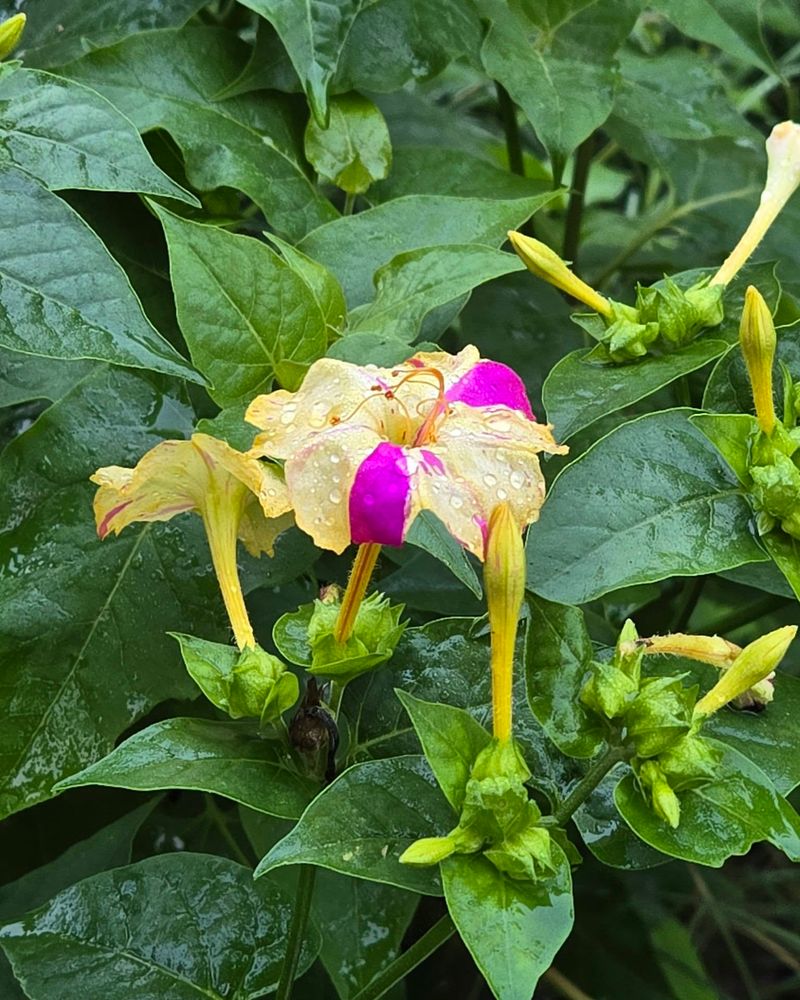
Those pretty flowers come with one practical safety note. Four o’clock seeds and tuberous roots deserve care, especially in homes with young children or pets. The plant can be lovely in the garden and still need a little respect.
The seeds look like small dark pebbles. That shape can attract curious hands, and some pets may nose through fallen seeds near the plant. The roots can also contain compounds that may cause stomach upset after accidental intake.
Basic care solves most of the concern. Place plants away from play spots, pet paths, and snack-level patio edges. Collect seed before it scatters heavily. Store saved seed in a labeled container that stays out of reach.
Gloves help during root work. Wash hands after you divide, transplant, or clean up old roots. That is simple garden hygiene, not a horror story. The plant is not a villain. It just comes with a tiny fine-print section.
This also helps control surprise seedlings. Four o’clocks can reseed in mild California zones, and a little seed cleanup keeps the bed neater. Less stray seed means fewer mystery sprouts next season.
Grow the flowers, enjoy the color, and keep the seed and root care sensible. A small precaution lets the garden stay beautiful without a household mystery game.