The California Plant That Grows Better With Absolutely Zero Fertilizer No Matter What
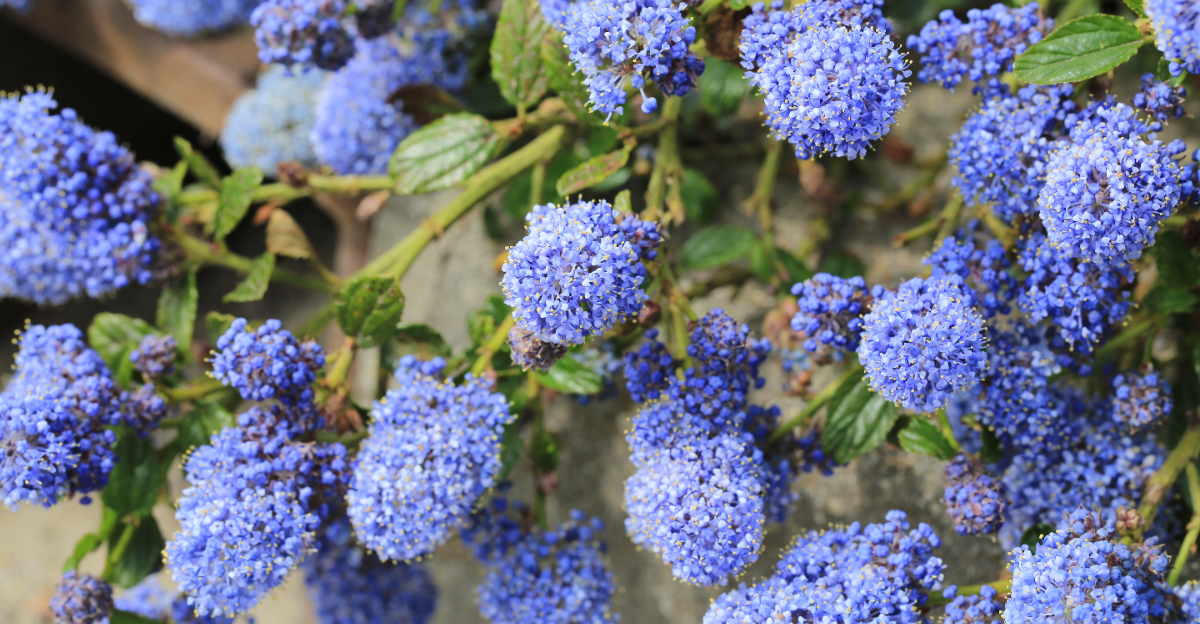
A plant that does better without fertilizer can feel almost too easy, but California lilac proves it is possible. Many gardeners want to help by feeding more, especially when a shrub looks slow or quiet.
With this native, that extra care can backfire. California lilac is built for lean soil, bright sun, and a lighter touch.
Rich feeding can push soft growth that does not hold up as well through heat. It may also make the plant less sturdy over time.
The real skill is knowing when to step back. This shrub still needs good drainage and the right space to settle in well.
But once it finds its footing, fertilizer is usually the last thing it wants. Give California lilac the simple conditions it prefers, and doing less may lead to a stronger, better-looking plant.
California Lilac Thrives In Lean Native Soil
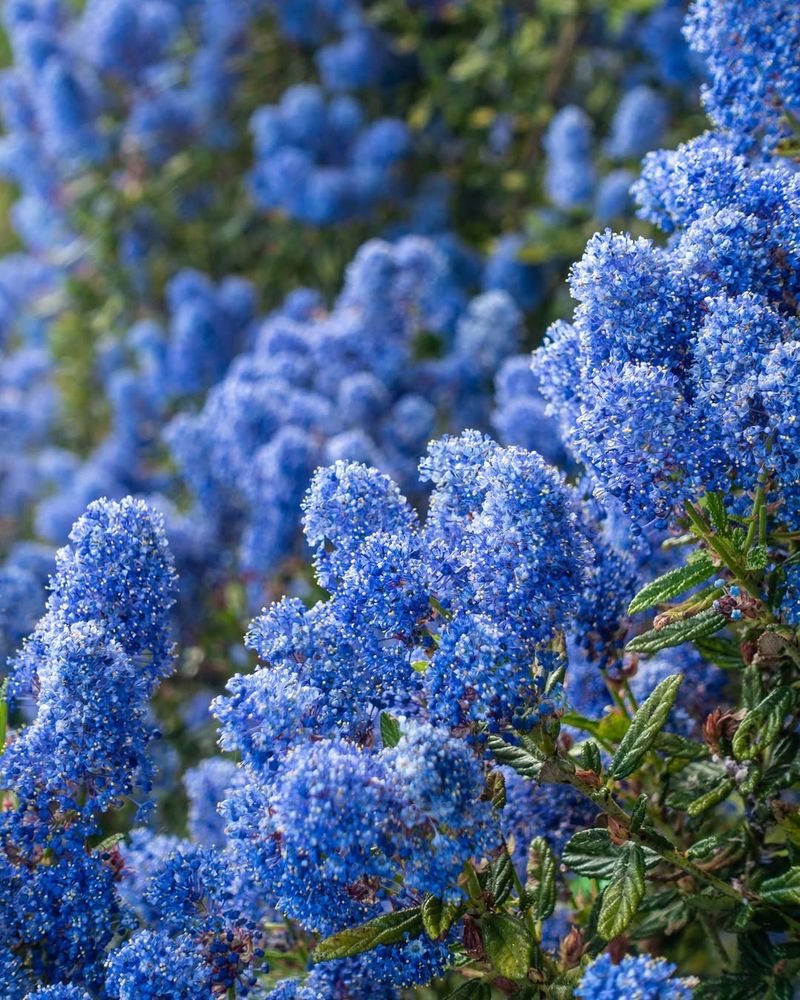
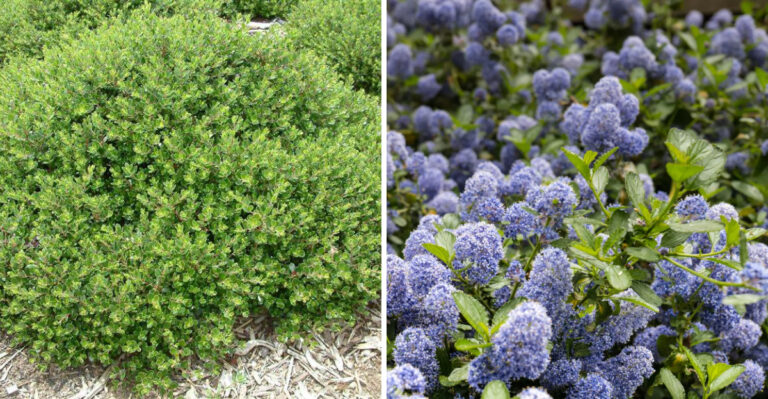
Lean soil is not a problem for Ceanothus. It is actually the secret to growing this native shrub well.
Unlike most garden plants that demand rich, amended beds, Ceanothus evolved in some of the poorest soils California has to offer.
Rocky hillsides, sandy coastal bluffs, and dry chaparral slopes are where this plant calls home. The soil in those places has very little organic matter and almost no added nutrients.
Yet Ceanothus not only survives there, it thrives and blooms with incredible energy every single spring.
The reason comes down to biology. Ceanothus has a special relationship with bacteria in the soil called Frankia.
These bacteria live on the plant’s roots and pull nitrogen right out of the air. That process gives the plant all the nitrogen it needs without any outside help at all.
When you plant Ceanothus in heavy garden soil that has been amended with compost or topsoil, you are actually working against it. The roots get too much moisture and too many nutrients.
That leads to weak stems, poor structure, and sometimes root problems that shorten the plant’s life.
The best thing you can do is choose a planting spot with fast-draining, gritty, or sandy native soil. Skip the compost at planting time.
Let the soil stay dry and lean between waterings. That is the environment where this shrub truly shines and blooms its best every year.
Fertilizer Can Push Weak Growth Instead Of Better Blooms

Many gardeners make the same honest mistake. They see a plant and think feeding it will make it stronger.
With Ceanothus, the opposite is almost always true. Adding fertilizer to this shrub tends to push fast, weak, leafy growth instead of the tight structure and heavy blooms it is known for.
When a plant gets more nitrogen than it needs, it puts energy into making leaves and stems. The plant grows quickly but the new growth is often soft and floppy.
It stretches out in ways that look unhealthy and do not match the natural shape of the shrub.
On top of that, too much nitrogen can actually reduce flowering. Blooms take energy too, and when a plant is busy pushing out new leaves, it has less to give to flower production.
Your California Garden Changes Every Week. Your Plan Should Too.
Gardening in California changes quickly throughout the season. Every Friday you’ll receive a simple weekly plan showing exactly what to plant, prune, fertilize, harvest, and protect so you never miss the right timing.
Gardeners who fertilize Ceanothus regularly often wonder why their plant has so much green growth but so few flowers.
The shrub already has everything it needs through its root bacteria system. Adding more nitrogen on top of what it makes on its own creates an imbalance the plant cannot handle well.
It is like giving someone who just ate a full meal a second dinner. The excess does not help.
It just causes problems.
Save your fertilizer for plants that actually need it. Ceanothus performs best when you trust its natural systems and leave the feeding schedule blank.
This Native Shrub Does Not Need Rich Garden Soil
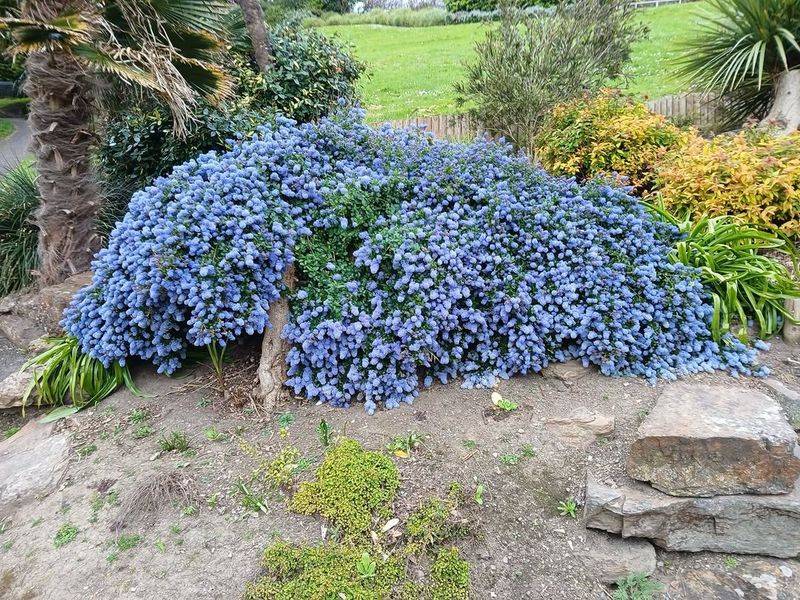
Rich garden soil sounds like a gift, but Ceanothus sees it differently. Soil loaded with compost, aged manure, or heavy organic matter holds too much moisture and releases too many nutrients at once.
That combination pushes the plant in the wrong direction from the start.
Native plants like Ceanothus spent thousands of years adapting to specific conditions. In California, that means dry summers, mild wet winters, and soil that drains quickly and stays relatively low in nutrients.
When you change those conditions too much, the plant gets confused. Its roots are not built to handle standing moisture or constant feeding.
Rich soil also tends to compact over time, especially when it gets wet. Compacted soil blocks oxygen from reaching the roots.
Ceanothus roots need good airflow to stay healthy. When drainage slows down and soil gets heavy, root problems often follow.
You do not need to do much to prepare the soil before planting. In fact, doing less is better.
If your native soil is sandy or rocky, that is perfect. If it is a bit clayey, mix in some coarse sand or gravel to improve drainage.
Then plant and step back. No compost. No topsoil. No rich amendments. Just fast-draining, lean soil with good sun exposure.
That simple setup gives Ceanothus the foundation it needs to grow strong, bloom heavy, and last for many years without any extra help from you.
Too Much Care Can Make Ceanothus Struggle
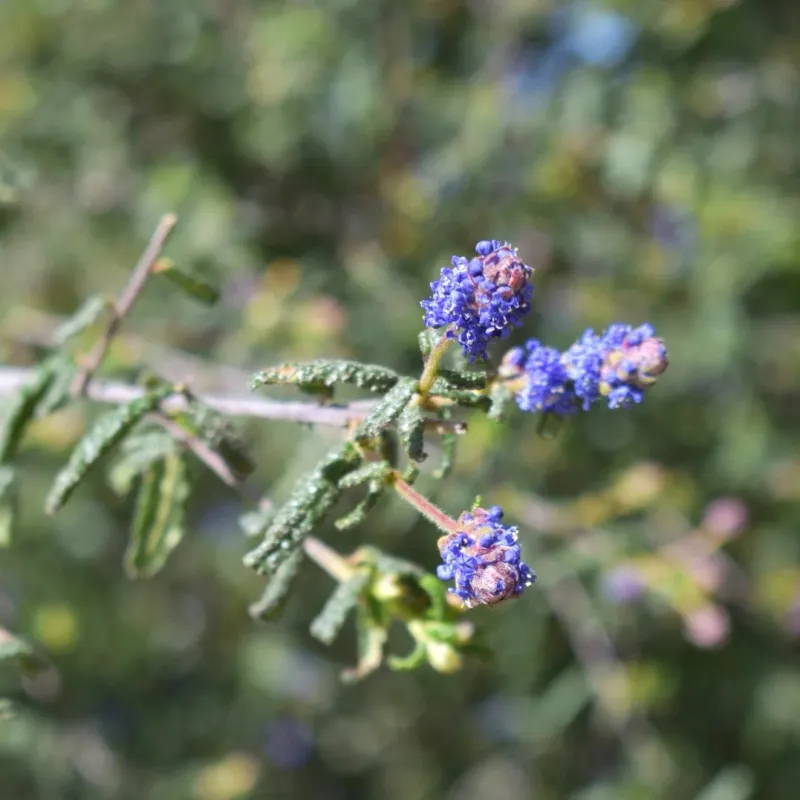
There is a real irony with Ceanothus. The more attention you give it, the worse it often does.
Gardeners who water on a schedule, add fertilizer each spring, and amend the soil regularly tend to have the most trouble keeping this plant alive and healthy.
It sounds strange, but over-caring for a native plant is one of the most common reasons it struggles in home gardens. Ceanothus evolved without regular watering, without soil amendments, and without fertilizer.
When those things get added to its life, the plant’s systems get overwhelmed.
Roots that expect dry periods between rains are not designed to sit in consistently moist soil. When they stay wet for too long, they become vulnerable to fungal problems.
The plant may start showing yellow leaves, drooping branches, or slow growth. Gardeners often respond by adding more fertilizer, which makes the situation worse.
The best approach is a hands-off one. Water deeply but infrequently during the first year to help roots establish.
After that, many established plants in California can survive on rainfall alone. Skip the fertilizer entirely.
Prune lightly after blooming if needed, but do not cut back hard.
Trusting the plant to do what it has always done naturally is the real skill here. Less care, more blooms.
That is the simple truth about growing Ceanothus well in a home garden setting.
Good Drainage Matters More Than Fertilizer
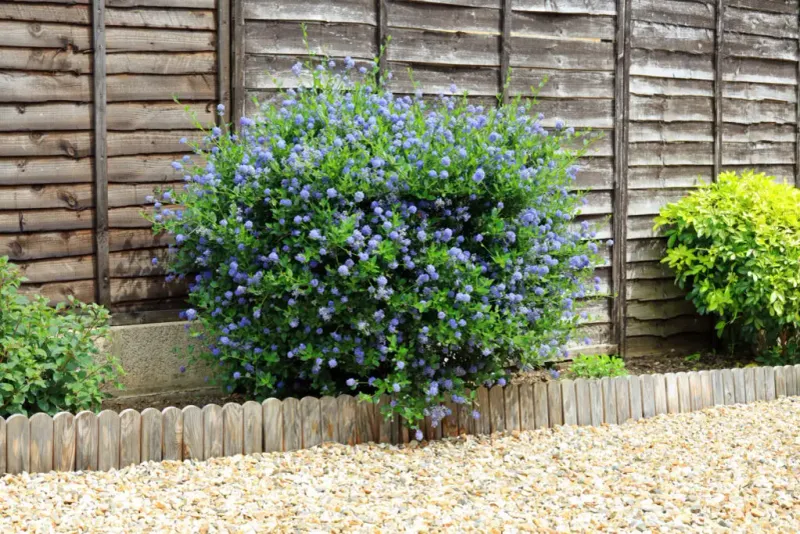
If there is one thing Ceanothus absolutely must have, it is drainage. Not fertilizer. Not compost. Not regular watering.
Just soil that lets water move through quickly and does not stay soggy after rain or irrigation.
Poor drainage is the number one reason Ceanothus fails in home gardens. When roots sit in wet soil for too long, they cannot breathe.
Oxygen is just as important to roots as water is. Soil that drains slowly suffocates the roots over time, and the plant starts to decline.
Good drainage also keeps the soil from holding onto nutrients too long. In lean, fast-draining soil, nutrients wash through quickly.
That keeps the soil from becoming too rich, which is exactly what Ceanothus prefers. It is a built-in system that naturally mimics the plant’s wild habitat.
If your yard has clay-heavy soil, you have a few options. You can plant Ceanothus in a raised bed filled with gritty, sandy soil.
You can also build up a small mound of native soil mixed with gravel and plant on top of it. Both methods keep water moving away from the roots faster.
Slopes are actually ideal planting spots for this shrub. Water naturally runs off slopes instead of pooling around roots.
Northern hillsides and dry embankments across California are full of wild Ceanothus growing in exactly this kind of drainage-friendly terrain. Copy that setup at home and the plant will reward you.
Full Sun Helps California Lilac Bloom Better
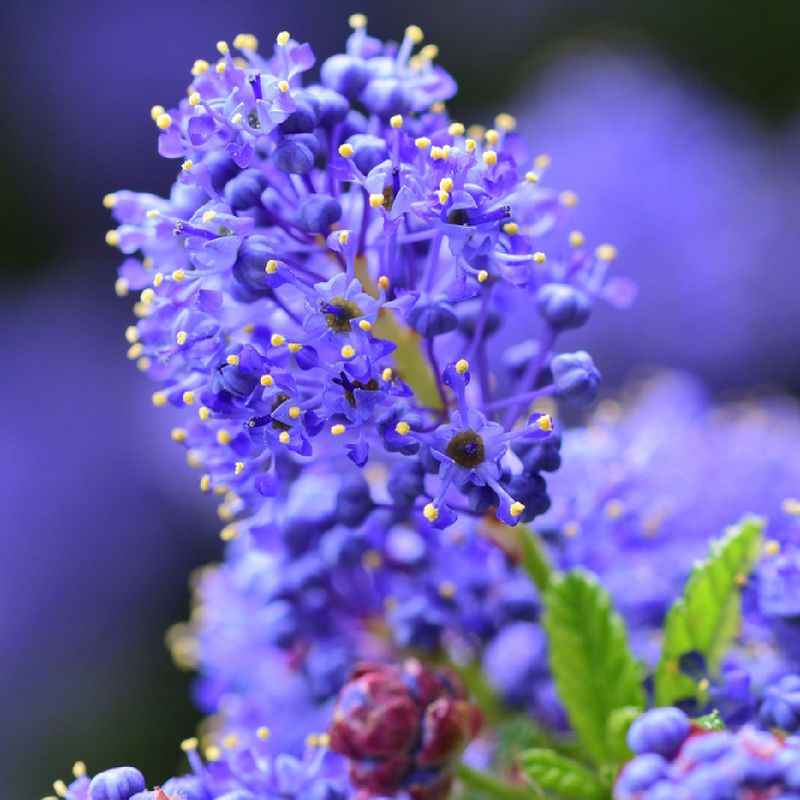
Sunlight is one of the most powerful tools you have when growing Ceanothus. This shrub is a sun lover through and through.
Give it a spot with at least six to eight hours of direct sun each day and it will respond with an explosion of blooms every spring.
In shadier spots, the plant tends to stretch toward the light. Stems become thin and leggy.
Flower production drops significantly. The plant may still survive, but it will not give you the full, rounded, flower-covered form that makes Ceanothus so impressive in the landscape.
Full sun also helps the soil dry out faster between waterings. Since Ceanothus prefers dry conditions, a sunny location naturally creates the low-moisture environment the plant loves.
Shade keeps soil damp longer, which increases the risk of the root problems mentioned earlier.
South-facing slopes and open hillsides in the warmer parts of California are classic Ceanothus territory. The sun hits those spots hard and long throughout the day.
The soil bakes dry between rain events. That combination is exactly what this plant evolved to handle over thousands of years.
When choosing a planting location in your yard, pick the sunniest spot you have. Avoid spots near large trees that cast afternoon shade.
Keep the area around the base of the plant clear so sunlight can reach the lower branches. Full sun, lean soil, and dry conditions are the trio that makes Ceanothus bloom its absolute best.
Overwatering Is A Bigger Problem Than Underfeeding
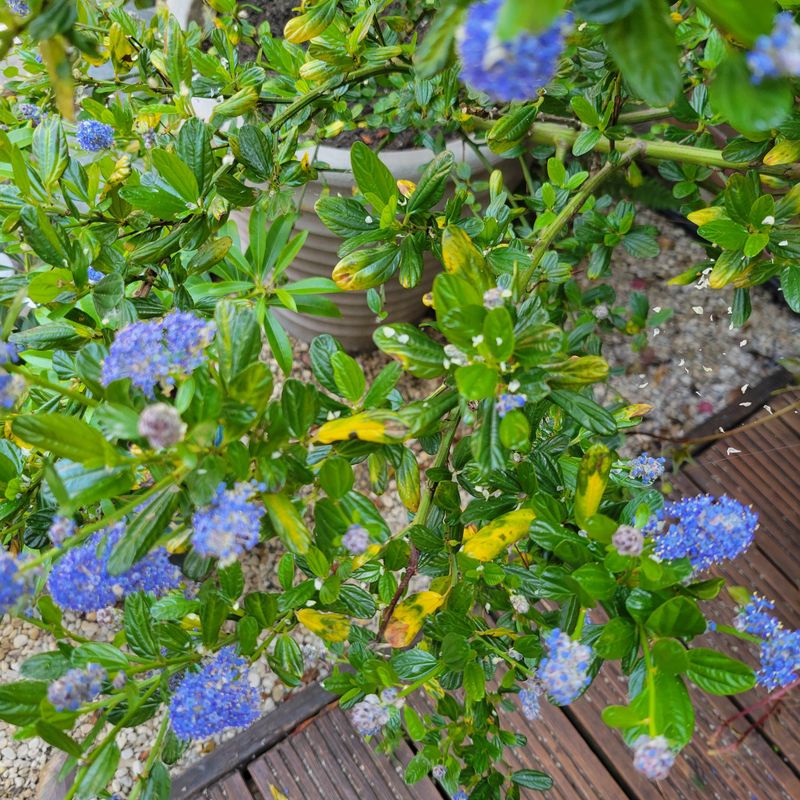
Ask any experienced native plant gardener what causes the most trouble with Ceanothus and they will probably say the same thing: too much water. Overwatering is far more damaging to this plant than never feeding it.
In fact, underfeeding is not really a problem for Ceanothus at all. The plant fixes its own nitrogen. It pulls what it needs from lean soil.
It does not need you to feed it. But it does need you to hold back on the hose.
Once Ceanothus is established, usually after the first full year in the ground, it needs very little supplemental water in California’s dry summers.
Watering too often keeps the soil moist around the roots. That wet environment encourages root problems that can spread quickly through the root system.
The plant may show yellow leaves first. Then branches may start to look droopy or gray.
By the time the damage is visible above ground, the roots may already be seriously affected.
During summer, many established Ceanothus plants need zero supplemental irrigation if they are planted in the right spot. In hotter inland areas, a deep watering once a month during the driest months may help.
But even then, less is more.
The key is to water deeply when you do water, then wait a long time before watering again. Let the soil dry out completely between sessions.
That dry period is not stress for the plant. It is exactly what the plant is designed to experience and handle.
Mulch Lightly Instead Of Feeding Heavily
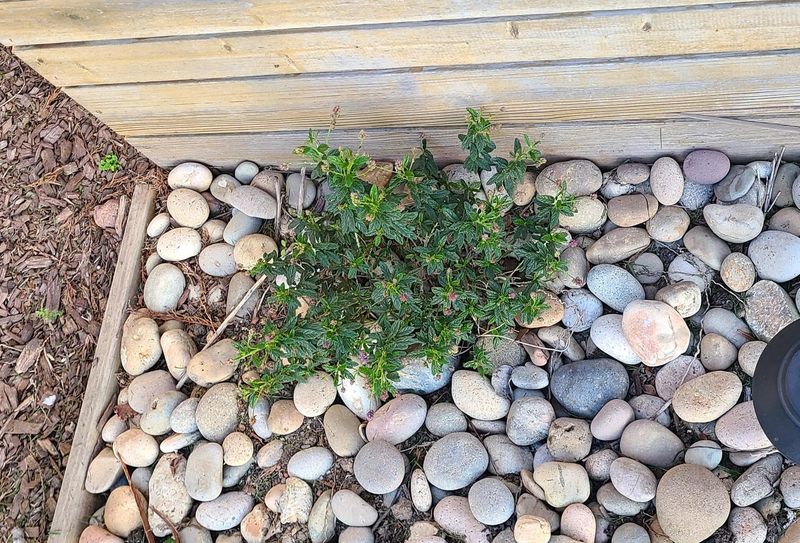
Mulch can be a helpful tool in the garden, but with Ceanothus, the type and amount you use really matters. Heavy layers of rich organic mulch can create problems by holding moisture and slowly releasing nutrients into the soil.
That is the opposite of what this plant needs.
A thin layer of coarse material works much better. Gravel, decomposed granite, or small rocks make excellent mulch options for Ceanothus.
These materials allow water to pass through quickly, reflect heat away from the soil surface, and do not break down into rich organic matter over time.
Keep mulch a few inches away from the base of the plant. Piling material right up against the stems can trap moisture near the crown of the plant, which is one of the most sensitive areas.
A little breathing room around the base keeps air moving and moisture from building up in the wrong spot.
Organic mulches like wood chips or shredded bark are not ideal choices for Ceanothus. As they break down, they add organic matter to the soil and can make it richer over time.
That slow change in soil quality can gradually shift conditions away from what the plant prefers.
Think of mulch as a finishing touch, not a feeding strategy. Use it to suppress weeds and moderate soil temperature, but keep the layer thin and the material coarse.
Ceanothus does not need mulch to thrive. It just needs you to avoid making the soil too rich or too wet.