What Georgia Gardeners Plant Where Grass Refuses To Grow
Georgia yards can be stubborn in the funniest way. You water, seed, rake, repeat, and that one patch still looks at grass like it owes rent.
Under the oak, on the slope, beside the gate, near the soggy dip, the lawn keeps losing the argument.
The twist? That “problem spot” may be the best part of the yard waiting for a better idea. Grass wants sun, space, and soil that plays fair.
Georgia often hands you shade, roots, red clay, summer storms, and footpaths made by pets with strong opinions. So what belongs there instead?
The answer depends on the trouble. Some spots need a soft green carpet. Some need flowers. Some need roots that hold soil in place.
One spot may not need a plant at all. Ready to stop begging grass to behave and give that patch a job it can actually handle?
The fix may look calmer, prettier, and far less needy than a lawn. And your mower might enjoy the break for once, too, bless it.
1. Use Liriope In Tough Shade
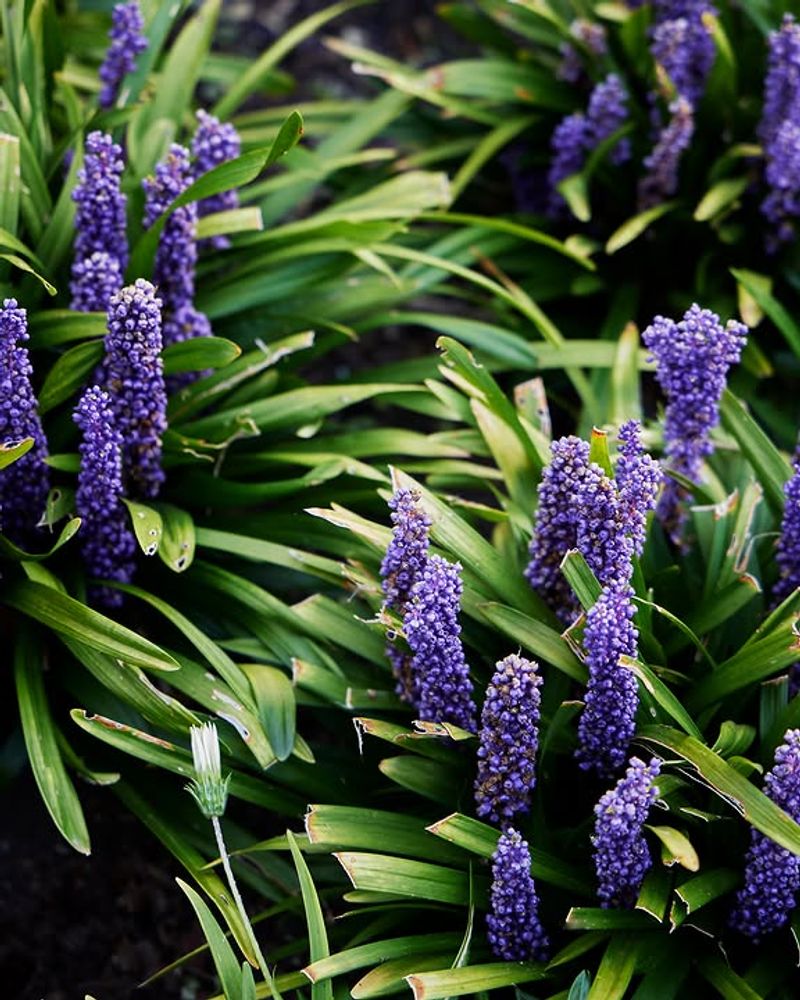
Deep shade under old trees loves to humble a lawn. Grass tries for a while, turns thin, then leaves you with dusty bare spots and tree roots that look far too proud of themselves.
That is where liriope earns its place. This tough clumping plant handles dry shade under oaks, pines, and older landscape trees better than many lawn grasses. It stays neat, green, and steady through Georgia heat once the roots settle in.
Use it where the mower feels useless. Under tree canopies, along shaded driveways, or beside walkways, liriope gives the ground a finished look without asking for a weekly trim.
The purple flower spikes in late summer add a nice little surprise, like the plant remembered it had a party outfit.
Plant in fall or early spring for easier root setup before the worst heat arrives. Space plants about twelve inches apart for a full look after a few seasons. Variegated forms can brighten dark corners, while solid green types feel classic and calm.
Cut old foliage back in late winter before fresh growth appears. Keep the cut low and tidy.
The best part is the attitude. Liriope does not beg for attention. It just fills the awkward shade gap and lets you retire that sad bag of grass seed.
2. Plant Mondo Grass For Soft Edges
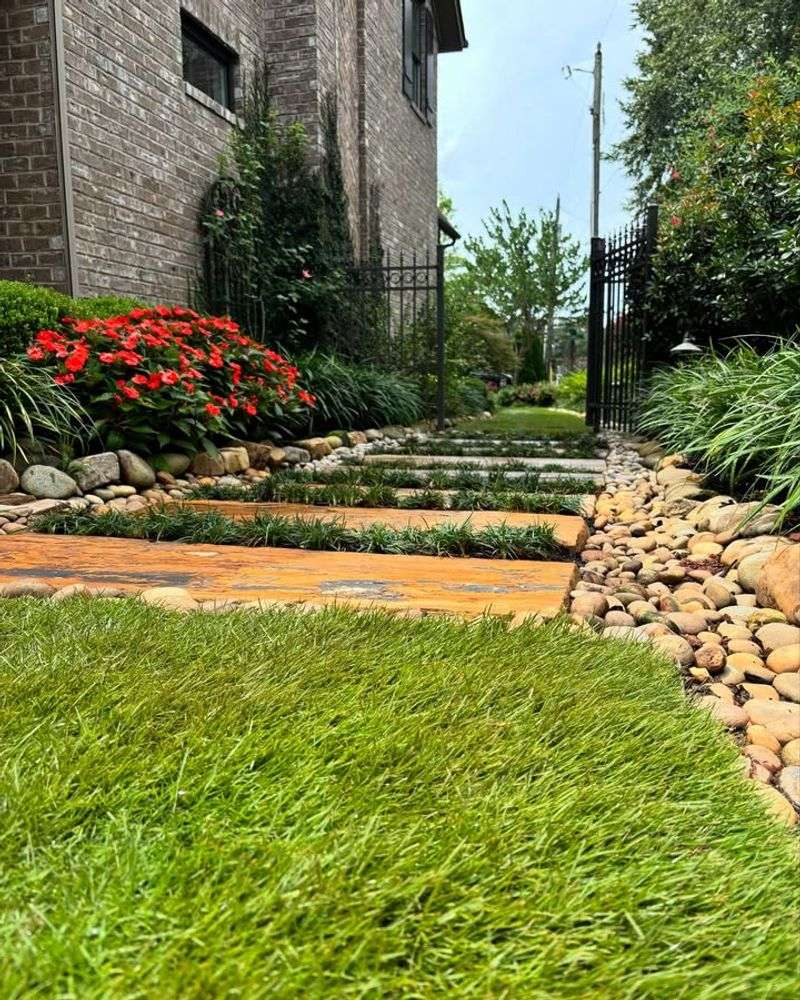
A narrow edge beside stone or a shaded path needs a plant with manners. Too much height looks messy. Too much spread turns into a chore. Mondo grass lands right in that sweet little middle.
The fine blades stay low and soft, which makes the plant useful between stepping stones, along bed edges, or beside shaded patios. Standard types create a small grasslike border, while dwarf forms stay even shorter and neater.
This is not a plant for a soccer route across the yard. Light foot traffic is fine, but daily shortcuts can flatten it. Give it a place where feet pass now and then, not every five minutes with a dog and a snack.
Your Georgia Garden Changes Every Week. Your Plan Should Too.
Gardening in Georgia changes quickly throughout the season. Every Friday you’ll receive a simple weekly plan showing exactly what to plant, prune, fertilize, harvest, and protect so you never miss the right timing.
Mondo grass likes part shade to full shade and steady moisture during the first season. After that, it becomes much easier to live with.
It grows slowly, which sounds boring until you realize slow growth means less trimming and fewer takeover attempts.
Improve heavy clay with compost before plant day. Good drainage helps the roots avoid soggy trouble.
Space plants six to eight inches apart for quicker cover, or farther apart for a slower, cheaper fill. Black mondo grass can add a dramatic dark edge near pale stone or bright foliage.
Tiny plant, big style. Very Georgia porch-polished.
3. Try Creeping Phlox On Sunny Slopes
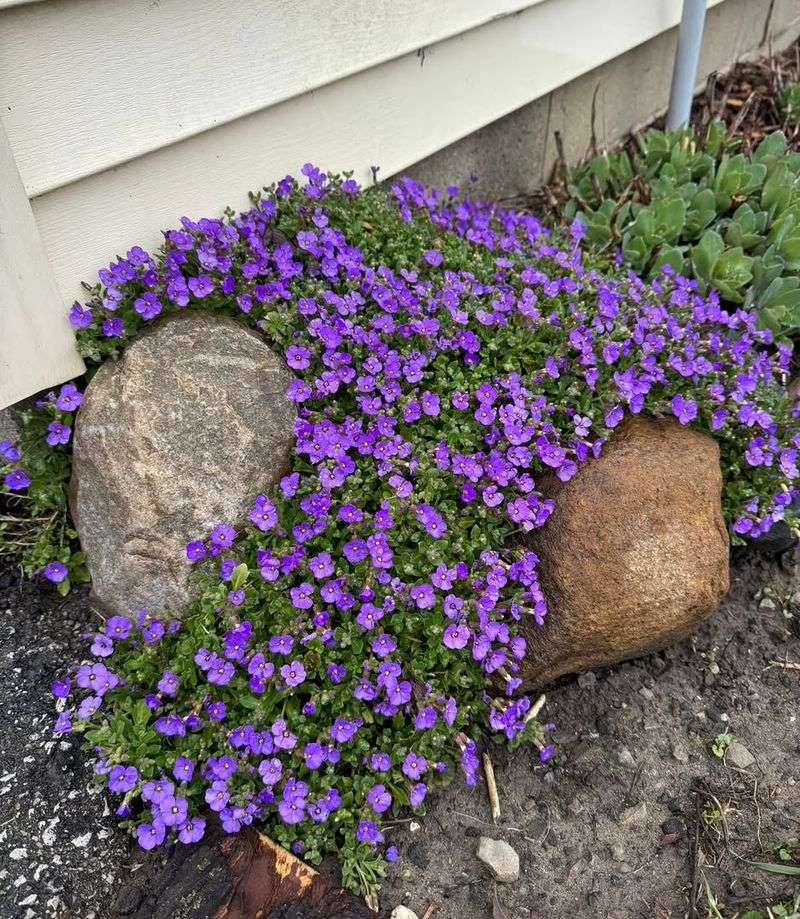
Sunny slopes can turn lawn care into a bad ankle decision. Grass slips, soil washes, and mowing starts to feel like a sport nobody signed up for. Creeping phlox gives that slope a better plan.
In spring, this low plant covers itself with color. Pink, lavender, white, and purple blooms can spread across the ground like a floral blanket with excellent timing. After the show, the mat of foliage stays low and helps protect soil.
Full sun matters. Good drainage matters even more. Creeping phlox does not enjoy wet clay or soggy low spots. It performs best on slopes, banks, and raised edges where water moves away rather than sitting around the crown.
Plant in fall or early spring so roots settle before heat arrives. Space plants twelve to eighteen inches apart. They can knit together over a couple of seasons and reduce bare soil between them.
After bloom, shear the plant lightly to keep it dense. Do not scalp it. Just give it a tidy post-show haircut, the kind that says “spring celebrity” without causing drama.
This plant is useful and showy, which is a rare combination. It holds soil, reduces mowing trouble, and gives the hill a reason to be noticed. The slope finally gets applause instead of side-eye.
4. Add Green And Gold In Bright Shade
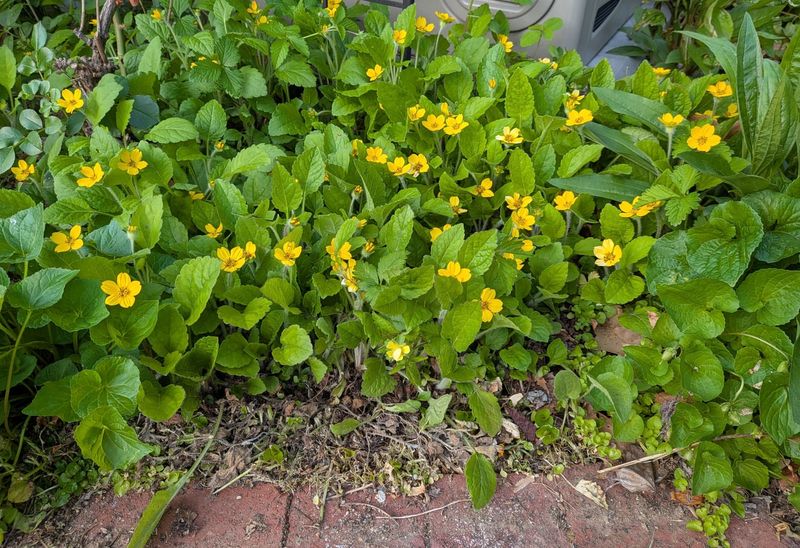
Bright shade often needs color without a plant tantrum. Too much sun can be harsh, deep shade can be dull, and that middle zone under open trees can feel tricky. Green and Gold fits that pocket beautifully.
This native groundcover stays low and sends up cheerful yellow flowers over dark green leaves. The color can appear from spring into the warm season, which helps shaded beds feel less sleepy.
It does not scream for attention. It just keeps adding small flashes of sunshine.
Use it under trees with filtered light, along woodland edges, or in a shady bed that needs life below taller shrubs. It spreads by runners and seed, but tends to act polite rather than bossy.
Give it loose, well-drained soil with organic matter mixed in. Morning sun with afternoon shade often suits it well. Keep the soil moist during the first summer so roots can settle in. After that, it becomes less demanding.
Space plants twelve to eighteen inches apart for a soft cover over time. Pollinators may visit the flowers, which adds motion to a part of the yard that usually gets ignored.
This plant gives bright shade a friendly little wink. Grass may sulk there, but Green and Gold seems to understand the assignment and brings its own tiny confetti.
5. Use Pennsylvania Sedge Under Trees
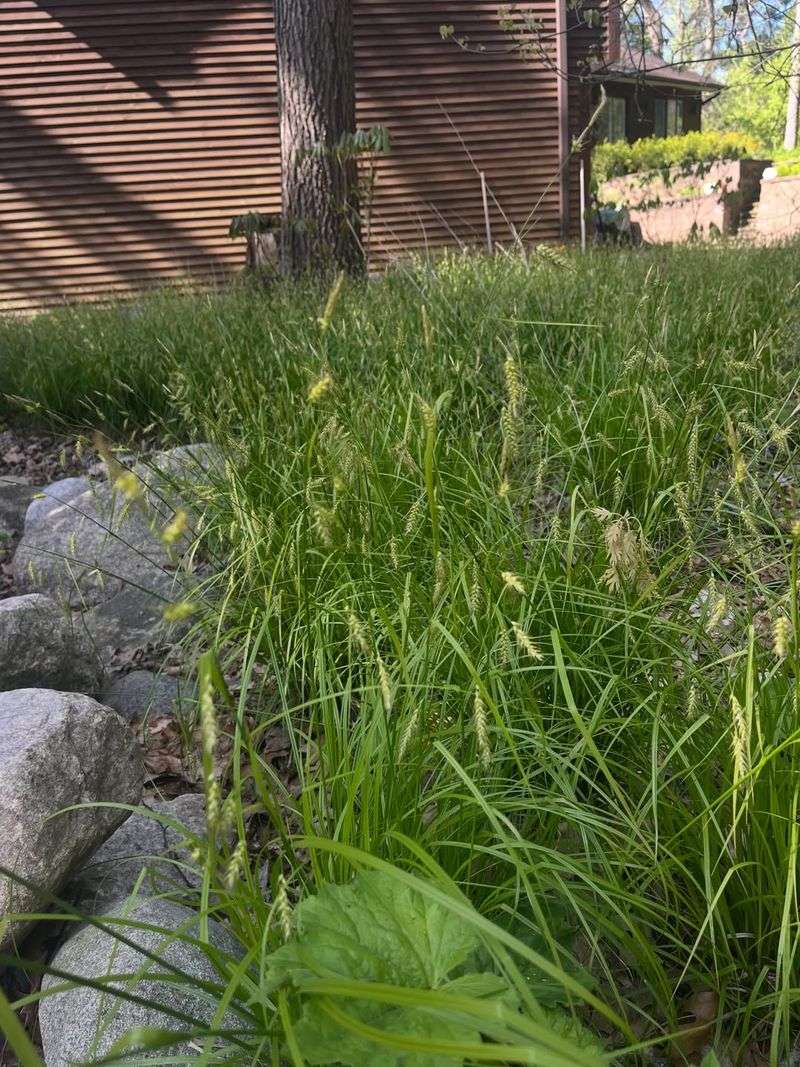
Tree roots can turn lawn dreams into patchy reality. Even decent light may not save grass under mature oaks, maples, or beeches because roots grab water and food first. Pennsylvania sedge handles that competition with more grace.
This sedge forms soft, low clumps with fine green leaves. In groups, it creates a natural meadow look under trees without the stiff feel of turf. The texture is relaxed, almost like the yard decided to exhale.
It works best in shade or part shade with well-drained soil. Slightly acidic woodland soil suits it well, which gives many Georgia yards a helpful start. Once established, it can handle dry shade better than most lawn grasses.
Plant in fall or early spring. Space plugs six to twelve inches apart, based on how quickly you want cover. Water during the first season while the roots settle. After that, step back and let the clumps expand at a steady pace.
A late winter trim at four to six inches can freshen the look before spring growth begins. No weekly mowing routine. No turf drama. Just soft movement under the trees.
This is not a formal carpet. It is more like a woodland floor with good manners. For root-heavy shade, that feels like a fair trade and a very calm one.
6. Plant Foamflower In Woodland Beds
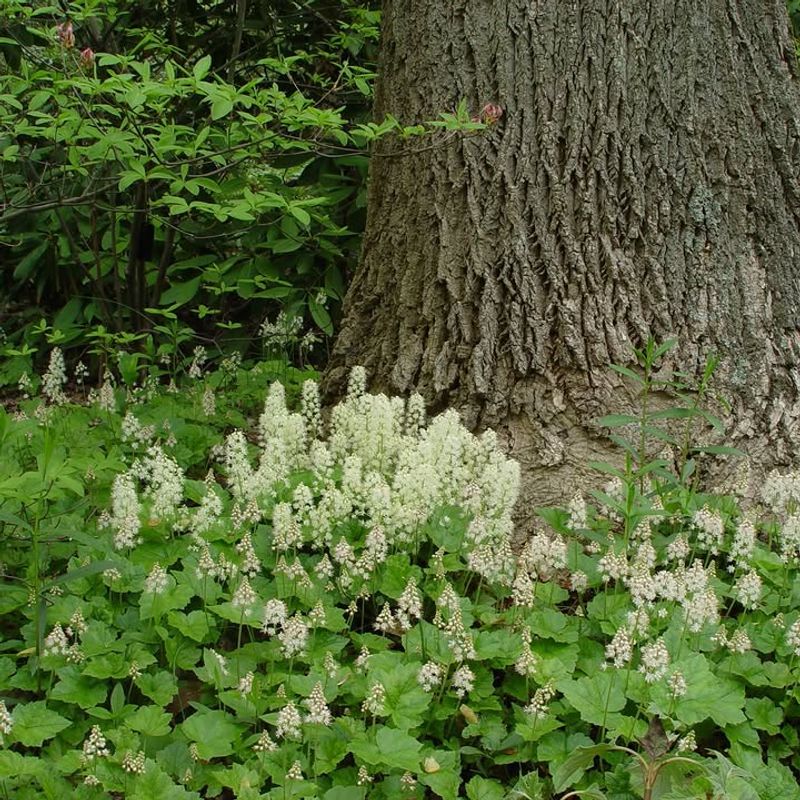
A damp shade bed can feel like the yard’s quiet puzzle. Too wet for some plants, too dark for grass, too visible to ignore. Foamflower gives that kind of spot a softer answer.
In spring, airy white to pale pink flower spikes rise over patterned leaves. The effect is gentle, not flashy, but it makes a woodland bed feel cared for and layered. After bloom, the heart-shaped foliage keeps the ground attractive.
Foamflower likes shade, moisture, and soil with plenty of organic matter. It does not want standing water, but it appreciates a bed that stays evenly damp.
Spots near downspouts, shaded slopes, or woodland edges can suit it well once drainage is reasonable.
Mulch helps keep the roots cool through Georgia heat. Pair it with ferns, hostas, wild ginger, or other shade lovers for a fuller woodland look. The plant spreads by stolons, which helps it form a low mat over time.
Set plants twelve to fifteen inches apart in spring or fall. Keep moisture steady during the first season. The plant may look delicate, but it can become reliable in the right place.
Foamflower is the quiet friend who brings snacks and fixes the vibe. It may not shout, but that damp shady bed suddenly looks intentional.
7. Try Moss In Damp Shade
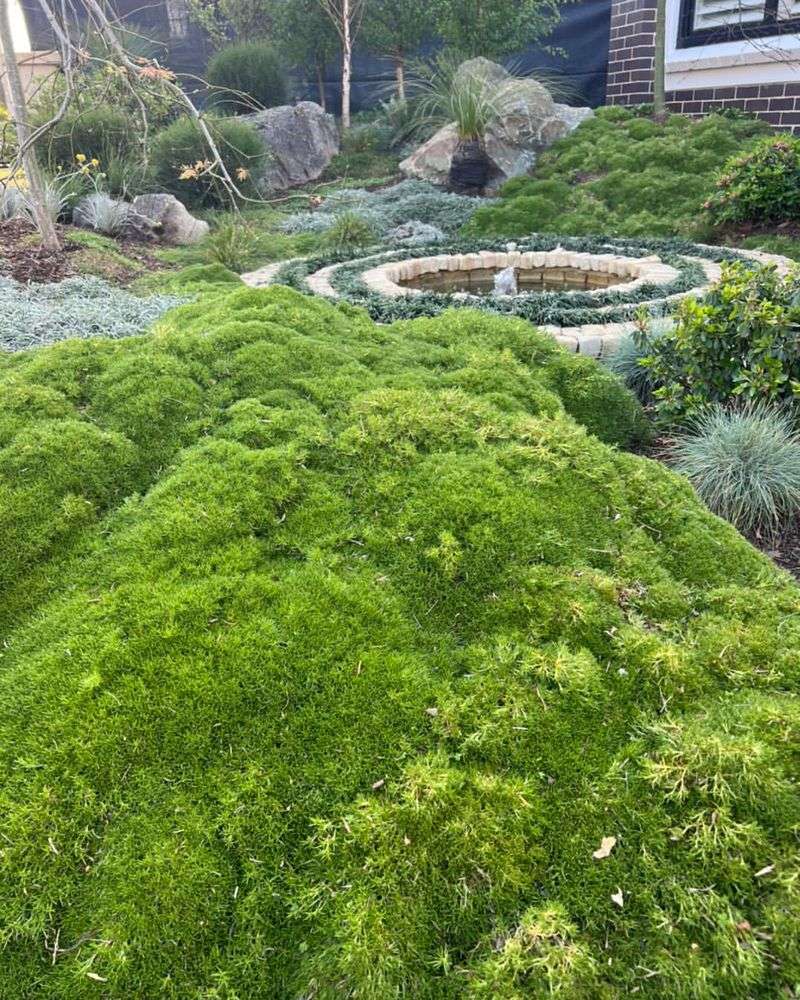
Sometimes the green answer already arrived without permission. Moss often shows up in damp Georgia shade where grass keeps failing, then gardeners spend years trying to remove the one plant that actually likes the spot.
A mossy patch can be a beautiful groundcover in the right place. It needs no mowing, no fertilizer, and very little fuss once conditions suit it. The texture feels soft and calm, especially under trees, near stones, or on north-facing slopes.
It prefers shade, moisture, acidic soil, and low foot traffic. That last part matters. Moss is not a path for daily boots, pets, or wheelbarrows. It is better as a visual carpet in a quiet corner.
Encourage what is already there by removing grass competition and weeds by hand. Keep the area moist during dry spells while the moss spreads. Avoid heavy raking, which can tear it loose from the soil.
Some gardeners use a moss slurry to speed cover on bare patches, but patience can work too. Once moss likes a spot, it tends to keep the mood.
This is nature giving you free landscaping advice. Grass refused, moss volunteered, and honestly, the little green velvet carpet may have been the classier choice all along.
8. Try Allegheny Spurge In Deep Shade
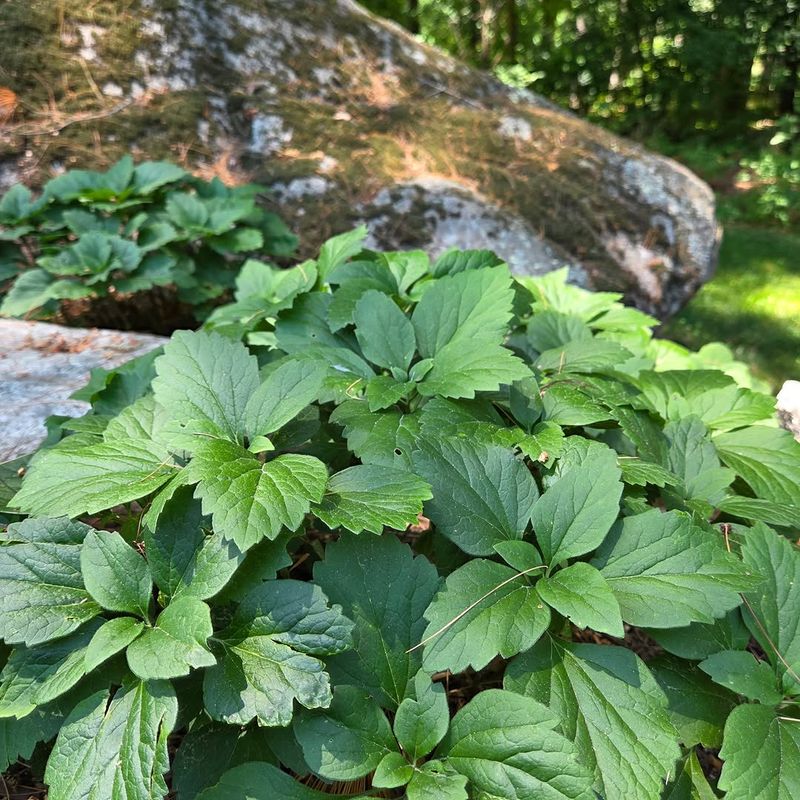
A dark corner under trees can feel like the yard’s final boss. Grass gives up there. Many flowers sulk there. Even mulch can start to look lonely after a while.
Allegheny spurge gives that kind of shade a better option.
This low native groundcover forms a soft carpet of green leaves with a slightly textured, woodland look. It does not look stiff or formal. It feels more like the forest floor decided to dress up for company.
That makes it especially useful under mature trees, along shaded paths, or in beds where roots and low light keep turf from filling in.
Spring flowers add a quiet bonus. They are not loud, but they have charm, and shaded areas need every little bit of charm they can get.
Give Allegheny spurge loose, well-drained soil with leaf mold or compost mixed in. It appreciates woodland conditions and steady moisture during its first season.
Once settled, it can handle shade with far less fuss than grass.
Space plants about twelve inches apart for a fuller look over time. It spreads slowly, so patience matters. This is not an instant carpet from a late-night garden commercial.
The payoff is a calm, native groundcover that makes difficult shade look intentional.
That stubborn bare patch gets a softer job, and your mower can stop pretending it had a plan for that spot.