Colorado’s Longest-Running Corn Maze Is Opening Seven Miles Of Trails This Month
Confusion arrives before you realize you are lost. Stalks rise past your shoulders and swallow the horizon. Colorado nights turn cold right as you arrive. Farmers near Fort Collins spent months building this puzzle for you.
Green walls stretch across acres you cannot fully see. Paths twist, split, and double back just to confuse you. Rows look nearly identical, and that disorients you quickly.
Your phone becomes your lifeline once the light fades. Friends become your navigators once confusion sets in. Shoes soak through fast, leaving your feet numb.
Dusk shifts the whole maze into something unfamiliar. Groups scatter, voices carry, and your decisions grow harder. Speed tempts you, but patience gets you out faster.
Turns multiply fast, and your confidence starts slipping. This Colorado farmland hides more twists than you expect. Momentum keeps pulling you toward the next turn. You will not find your way out without moving forward.
Anderson Farms Holds The Title For Colorado’s Longest-Running Maze
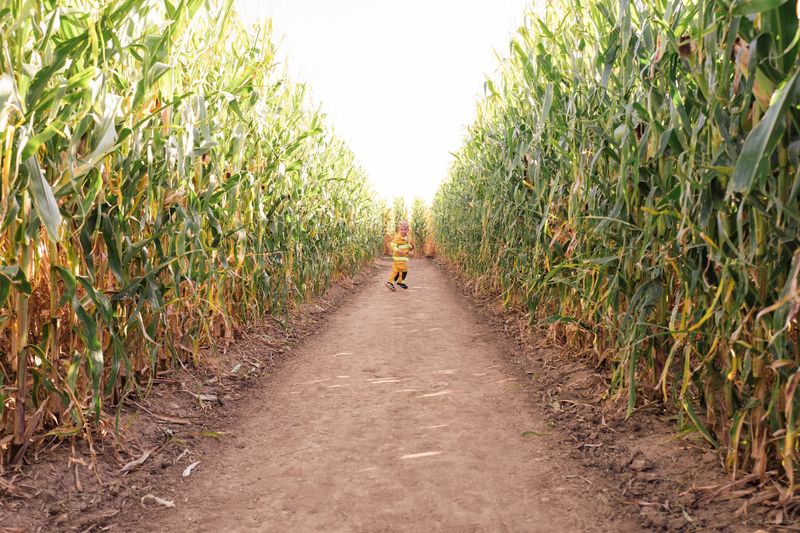
Out in Erie, Colorado, the Anderson family has been farming since 1911, with the current property acquired in 1958.
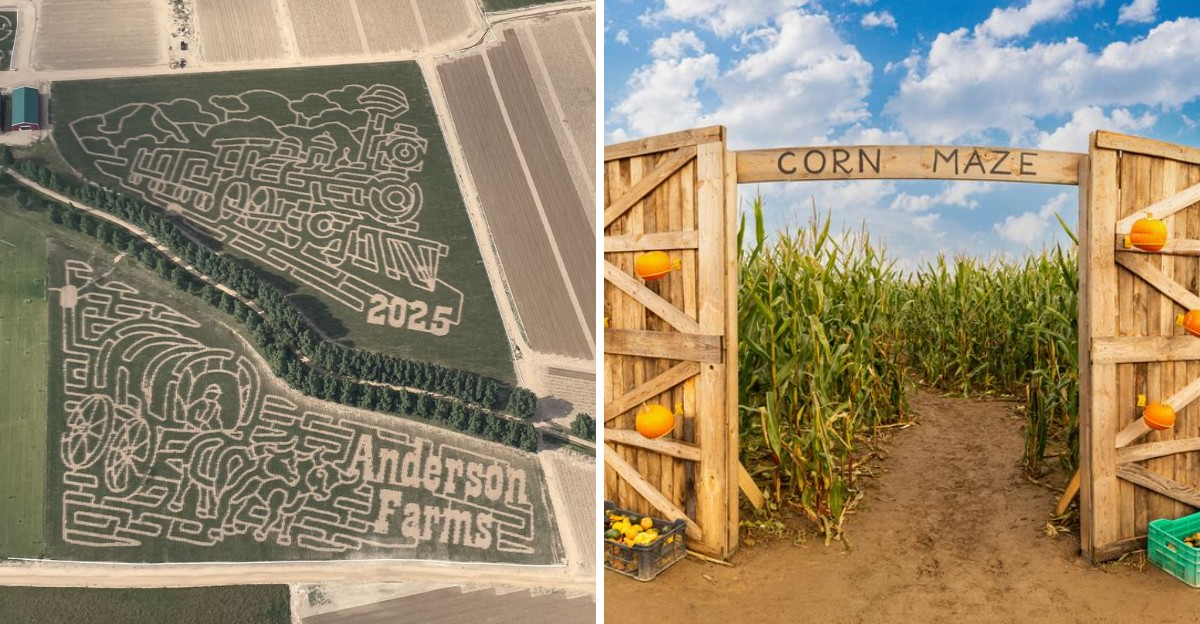
Their corn maze now stretches across roughly 16 to 25 acres depending on the year’s design, and is marketed as the state’s longest-running maze.
Inside that space, the cut trails add up to about seven miles of walking. That’s roughly half the distance of a half marathon, chopped into a grid of green hallways.
Each spring the family plants corn in a dense crisscross pattern, then waits. Once the stalks reach shoulder height, the design gets carved using GPS coordinates and a whole lot of patience.
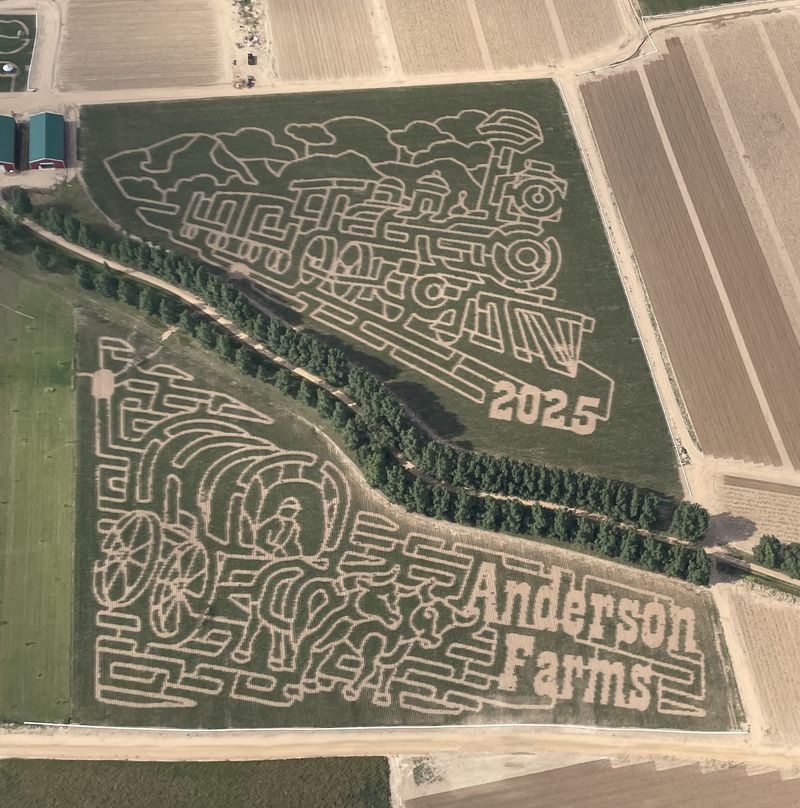
The theme changes yearly, and it’s usually something recognizable from above. Past designs have honored first responders, animals, and family milestones, all invisible to anyone standing at ground level.
Visitors rarely finish the whole seven miles, and that’s fine. Most groups pick a section, wander for an hour or two, and call it a win.
The paths are wide enough for strollers in the main corridors, though some side trails narrow considerably. Dirt turns soft after rain, so boots beat sandals on damp weekends.
Staff hand out maps at the entrance, marked with checkpoints scattered throughout. Punching all of them has become a personal challenge for repeat guests.
Fun bit of history: the Andersons started their maze as a side project in the late 1990s. It grew into one of the busiest fall attractions along the Front Range, drawing well over 100,000 people each season.
Seven Miles Of Trails Sounds Fun Until Hour Two
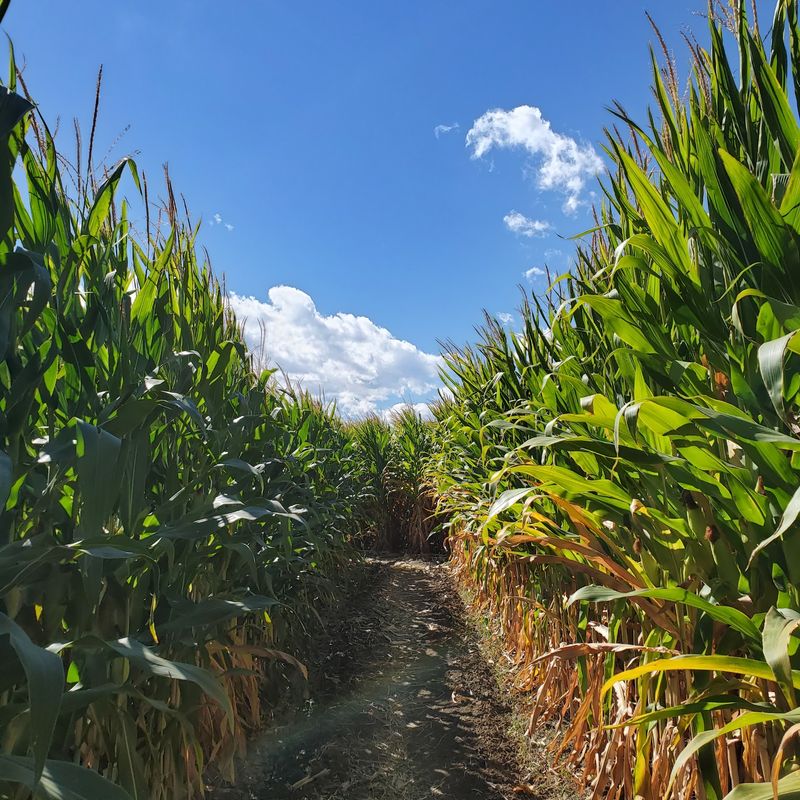
Seven miles is a real distance. Walk it end to end and you’ve covered more ground than a trip around most city parks.
Nobody expects you to conquer it all in one visit, but knowing the scale helps you plan. Groups who treat it like a casual stroll often end up sore and cranky by dusk.
Smart visitors break the maze into chunks. The layout splits into sections, so you can tackle one region, exit, grab a snack, and head back in refreshed.
Your Colorado Garden Changes Every Week. Your Plan Should Too.
Gardening in Colorado changes quickly throughout the season. Every Friday you’ll receive a simple weekly plan showing exactly what to plant, prune, fertilize, harvest, and protect so you never miss the right timing.
Comfortable shoes matter more than anything else you bring. Corn rows hide uneven dirt, small ruts, and the occasional stubborn root.
Water deserves a spot in your bag too. September afternoons in Colorado can hit the upper seventies, and there’s almost no shade once you’re between the rows.
Younger kids tire quickly, so a shorter loop works better for families with toddlers. Older children tend to sprint ahead, which is exactly why a meeting point helps.
Pick a landmark near the entrance and agree that anyone lost returns there. Cell service works in most spots, though the tall stalks muffle shouting surprisingly well.
Pace yourself and the distance becomes part of the fun rather than a chore. Plenty of people log two or three miles, find the exit, and feel genuinely accomplished.
Bragging rights go to whoever finds all the hidden checkpoints. Consider it a scavenger hunt wrapped inside a giant leafy labyrinth.
September Opening Weekend Brings Cooler Air And Shorter Lines
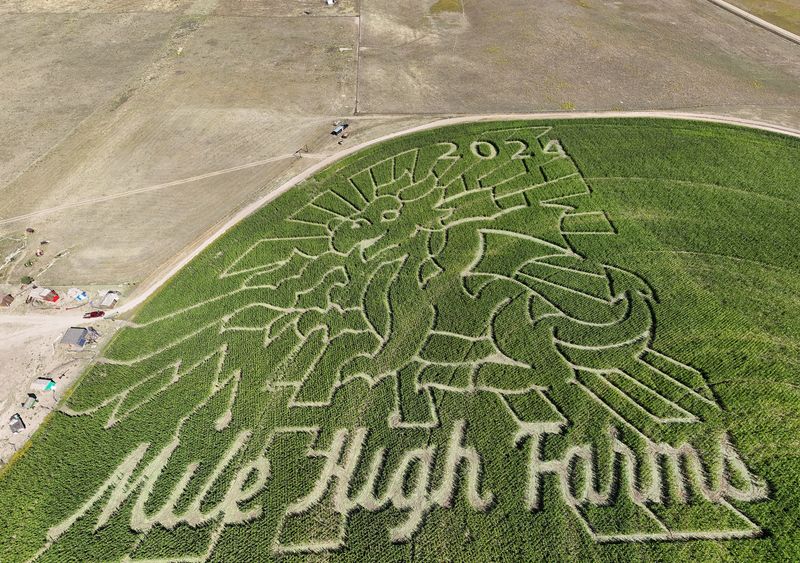
Timing changes the whole experience. Mid-September weekends carry mild temperatures, thinner crowds, and corn that’s still bright green rather than papery brown.
By late October, the same maze feels like a different place. Stalks dry out, rustle louder, and the parking lot fills up fast.
Early-season visitors get the smoothest ride. Ticket lines move quickly, hayrides run without long waits, and staff have time to answer questions.
Opening weekend typically lands in the first half of September, with hours running afternoons into the evening. Weekday visits, where available, are quieter still.
Sunset arrives around 7 p.m. as the month winds down, which affects how much maze you can cover. Arriving by 3 p.m. gives you several solid hours of daylight.
Evening guests should pack a flashlight, since the corridors darken quickly once the sun drops behind the foothills. Some nights the farm hosts flashlight sessions on purpose.
Weather in September swings hard between warm afternoons and chilly dusk. Layers solve that problem better than a single heavy coat.
Buying tickets online ahead of time saves standing around at the gate. Prices often run lower midweek, and season passes pay off for anyone planning several trips.
One small tip locals swear by: check the farm’s social feeds the morning of your visit. Rain can turn paths muddy, and updates go out fast when conditions shift.
How The GPS-Cut Design Actually Comes Together
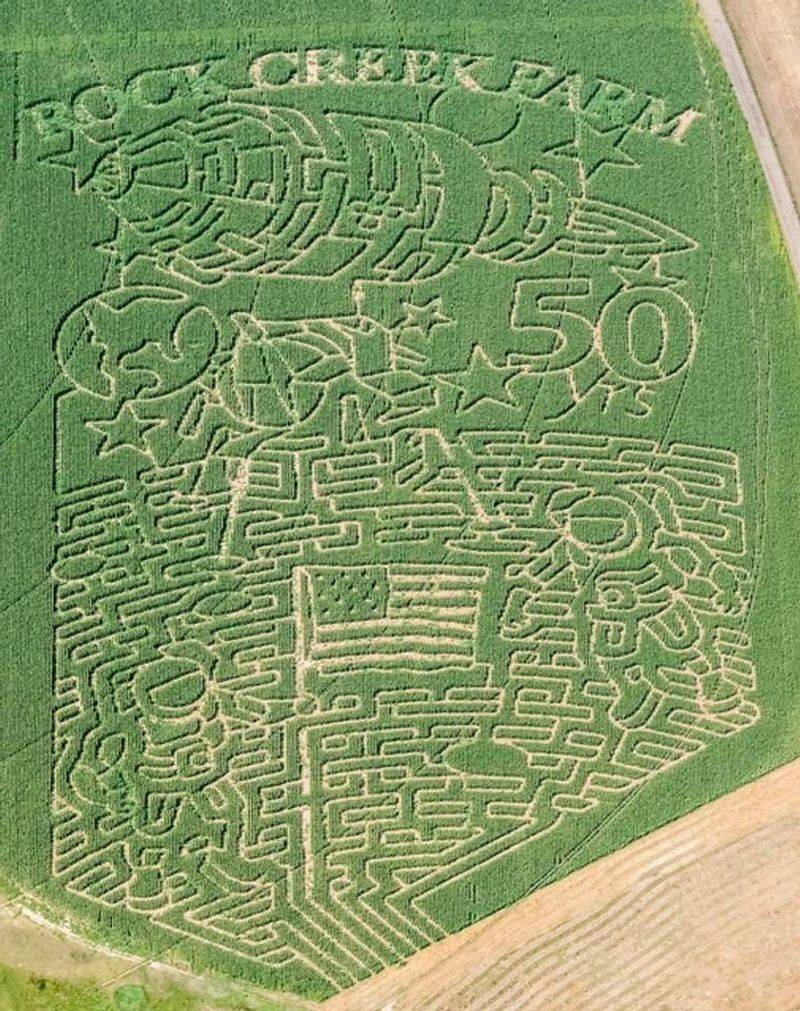
Ever wonder how anyone carves a picture into a cornfield without wrecking it? The answer involves satellites, software, and a very careful tractor driver.
Designers start with artwork on a computer, then convert the drawing into thousands of GPS points. Those coordinates get loaded into equipment that guides the cutting blade along the exact path.
Timing is everything. Cut too early and the corn grows back over the trails, cut too late and the stalks get too thick to clear cleanly.
Most farms do the work in June, when plants stand just a few inches tall. Workers walk behind to clean up edges and remove stray shoots.
The precision is impressive. A design that measures hundreds of feet across can hold details just a few feet wide, all readable from a plane.
Corn planted for mazes goes in thicker than normal field corn. Dense rows create solid walls that block sightlines, which is what makes getting turned around so easy.
After the season wraps, the whole field gets harvested like any other crop. Nothing goes to waste, and the ground rests before next spring.
Knowing the process adds a layer to your walk. Those walls didn’t happen by accident, they were engineered months before you showed up with your map.
Ask a staff member about this year’s design theme. Many keep aerial photos on hand, and seeing the shape from above makes the whole thing click.
Pumpkin Patches, Hayrides, And Barnyard Extras
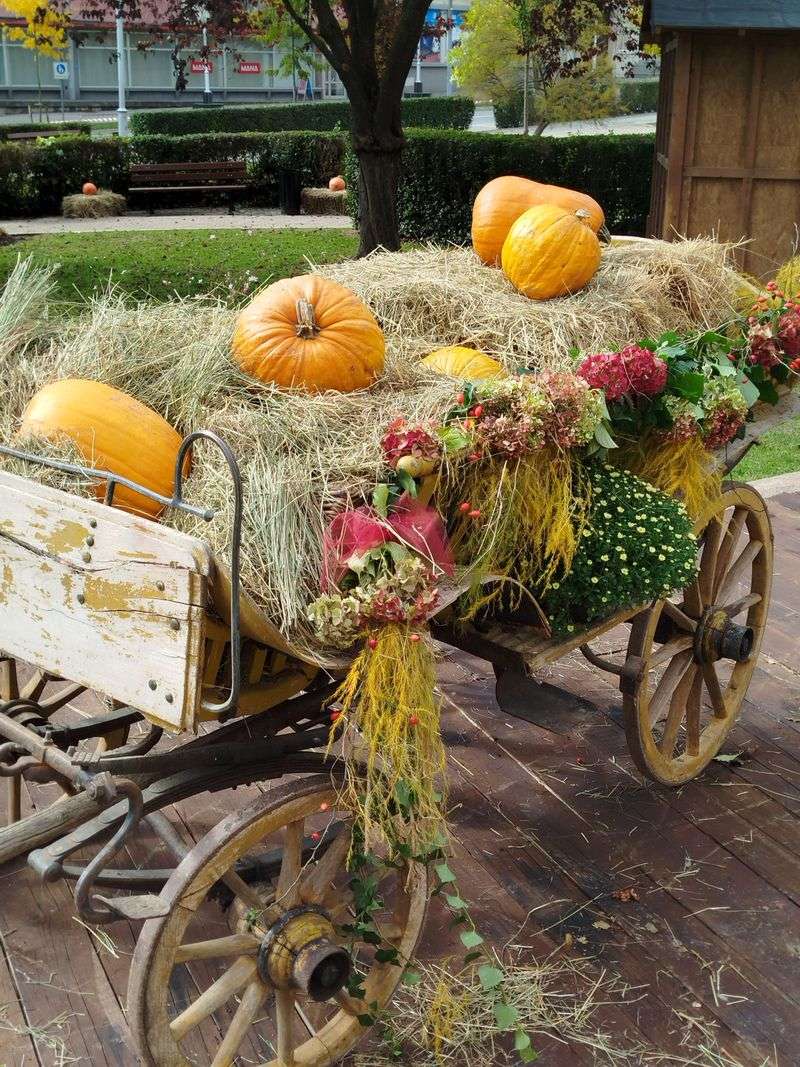
The maze grabs headlines, but plenty of visitors spend just as long on everything around it. A working farm in fall has layers.
Tractor-pulled wagons rumble out to the pumpkin patch, where you pick your own straight from the vine. Sizes range from tiny decorative gourds to squash you’ll need both arms for.
Barnyard areas let kids get close to goats, chickens, and the occasional very patient cow. Hand-washing stations sit nearby, which parents appreciate.
Giant jumping pillows, tube slides, and corn pits keep younger visitors busy while older siblings finish the maze. Most of these are included with general admission.
Food vendors serve kettle corn, roasted green chile, cider, and burgers. Prices run typical for a fall festival, so bring a card and a little cash.
Photo spots are everywhere, from hay bale pyramids to sunflower rows. Golden hour light on the plains makes almost any snapshot look intentional.
Wagon rides fill up on busy afternoons. Hopping on early in your visit beats waiting in a long queue later.
Planning a three to four hour stay lets you cover the maze plus the extras without rushing. Families with small children often stretch it to a full afternoon.
One practical note: strollers work fine on the main lawns and wagon paths, though the tighter maze corridors can get bumpy. A carrier might be easier for the leafy parts.
Nighttime Turns The Same Paths Into Something Else
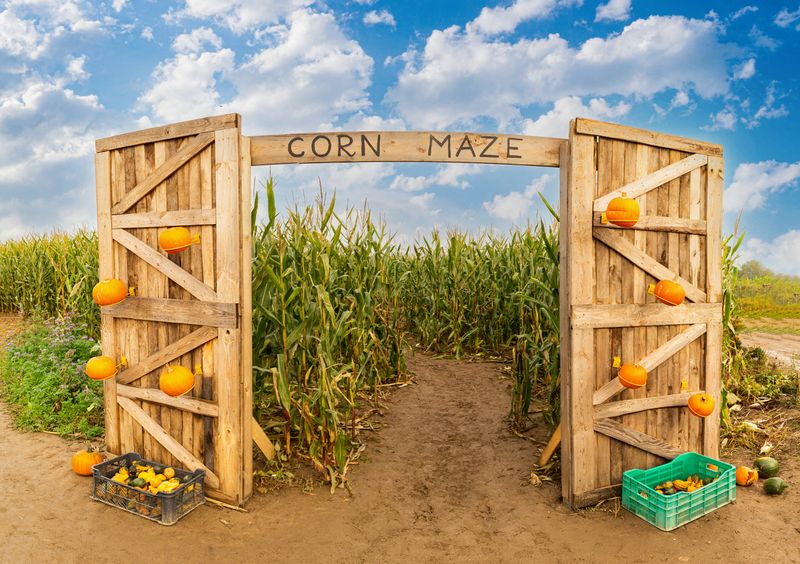
Same maze, different planet. Once the sun sets, those seven miles of trails stop feeling friendly and start feeling like a dare.
Flashlight nights run on select evenings, usually Fridays and Saturdays. You bring your own light, and the corridors you breezed through at noon suddenly look identical in every direction.
Sound changes too. Dry stalks click and shift in the breeze, and voices carry oddly, which is half the fun and half the reason people yelp.
Separate haunted attractions operate at some farms, including a terror-in-the-corn trail and a zombie-themed wagon ride. Those carry extra fees and lean scary, so check age recommendations first.
Temperatures drop quickly after dark on the Front Range. A jacket you’d skip in the afternoon becomes essential by nine.
Bring a headlamp if you can. Keeping your hands free helps when you’re holding a map, a phone, and someone’s nervous elbow.
Groups of three or four work best. Too many people and the group splinters, too few and nobody feels brave enough to explore the side trails.
Arrive with a plan for meeting up if anyone wanders off. A spot near the entrance under a light works better than trying to describe your location by phone.
Honestly, the night version deserves its own trip. Plenty of visitors do daytime with the family, then come back later with friends for the full flashlight experience.
Getting There, Parking, And Beating The Crowd
Erie sits about 25 minutes from Boulder, 35 from downtown Denver, and an hour from Fort Collins. Easy day trip territory for most of the Front Range.
Signs point you off the main road onto a gravel entrance, and attendants direct you into a dirt lot. Parking is typically free, though the lot fills by early afternoon on peak Saturdays.
Saturday between noon and 4 p.m. is the busiest window. Sunday mornings and weekday afternoons feel dramatically calmer.
Tickets sell online with timed entry during high-demand weekends. Buying ahead locks in your slot and often saves a few dollars per person.
Budget roughly 20 to 30 dollars per person for general admission, with pumpkins and specialty attractions priced separately. Little ones under three usually get in free.
Restrooms are portable units placed near the main activity areas. Lines grow around lunchtime, so plan accordingly.
Dirt lots and gravel paths mean shoes will get dusty. Keeping a towel or plastic bag in the car saves your upholstery on the drive home.
Pets generally stay home, since farm animals and crowded corridors don’t mix well with leashes. Service animals are the exception.
Go early, park close, hit the maze first while your legs are fresh, then work through the pumpkin patch and food stands. That order keeps the walking pleasant and the snacks well-earned.