The Real Meaning Of Bats Flying Around Your Indiana Yard At Dusk
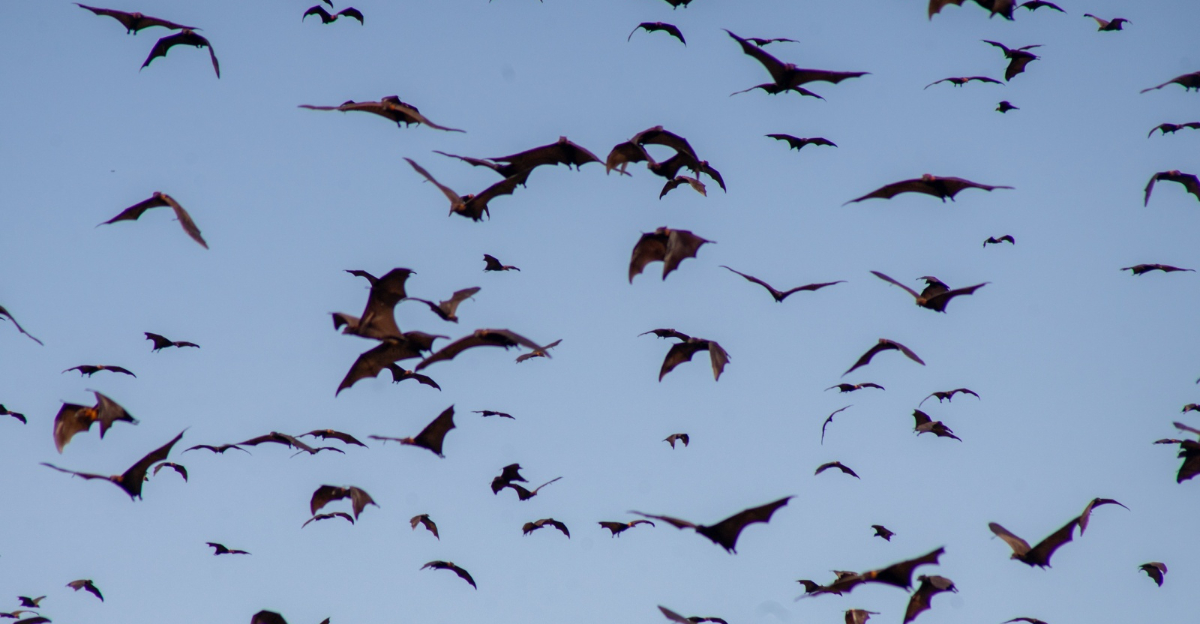
Most people never think twice about the shapes flickering above the treeline at dusk. They register them, vaguely, somewhere between the smell of cut grass and the first mosquito bite of the night.
But bats are not background detail. In Indiana, spotting them in your yard is closer to receiving a message you didn’t know was sent.
These animals are extraordinarily specific in where they hunt and roost. They don’t wander. They don’t settle for less.
If they’re circling your yard on a warm evening, your outdoor space has something they need. Something worth coming back for, night after night.
Figuring out what that is will tell you more about your land than most field guides ever could.
Your soil, your air, your local wildlife chain all get read by bats before you even step outside. The question is whether you’re paying attention.
You Have a Healthy, Active Local Ecosystem When Bats Appear in Your Indiana Yard at Dusk
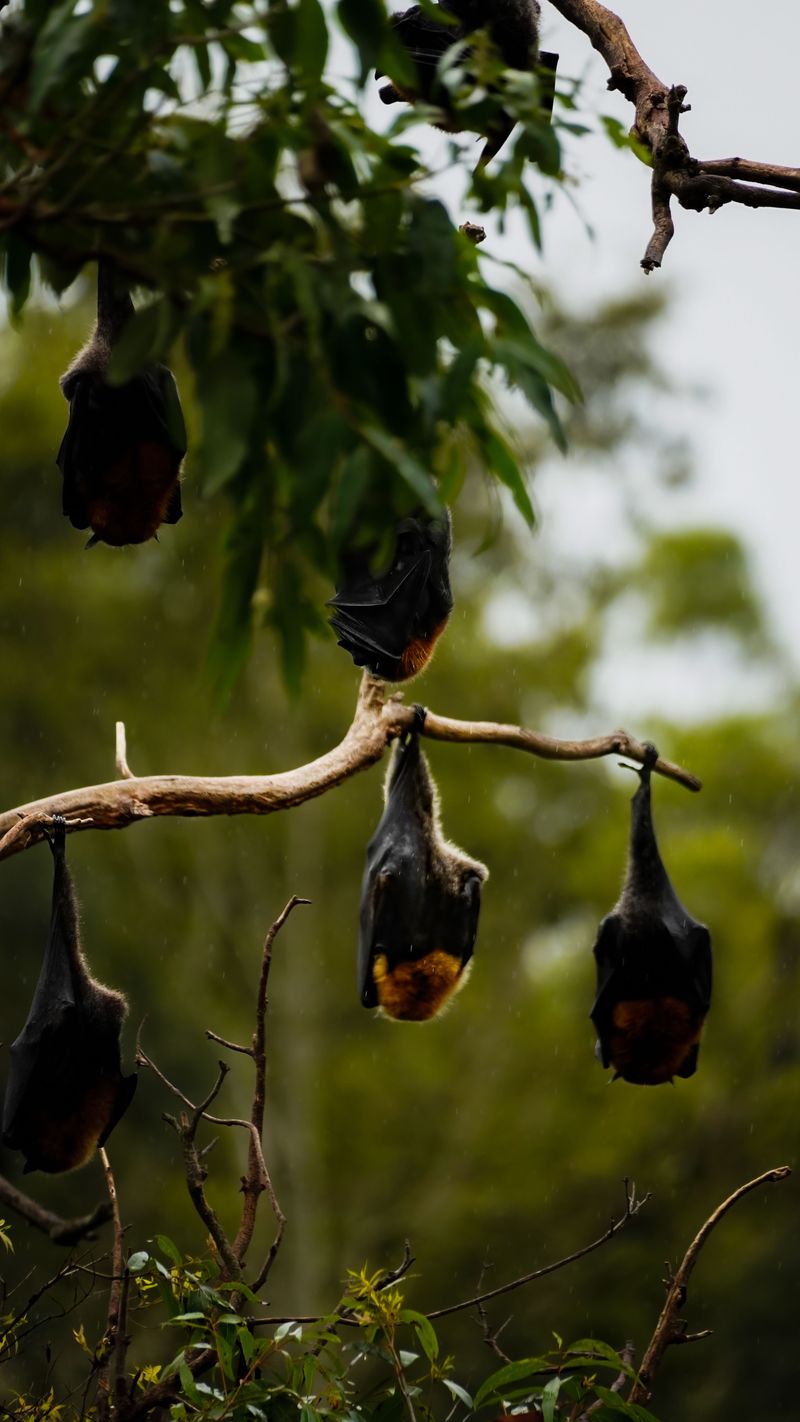
Seeing bats swoop over your yard at dusk is basically nature giving you a thumbs-up. A healthy ecosystem supports the full food chain, and bats sit right in the middle of it.
When bats flying around your Indiana yard at dusk show up regularly, it signals that insects are thriving nearby. Insects need healthy soil, clean water, and dense plant life to thrive in large numbers.
Your yard is likely providing at least some of those conditions. That alone puts you ahead of many suburban properties that have stripped away too much natural habitat.
Bats are considered an indicator species, meaning scientists use their presence to measure environmental health. If bats are comfortable enough to hunt in your yard, the local ecosystem is functioning well.
Think of them as free environmental consultants doing nightly checkups. A yard that supports bats also tends to support birds, frogs, and other insects like fireflies.
Noticing bats regularly means your yard is part of a larger, living web of nature. That connection is something worth protecting and celebrating every single evening.
Common Bat Species You’re Likely Seeing in Indiana
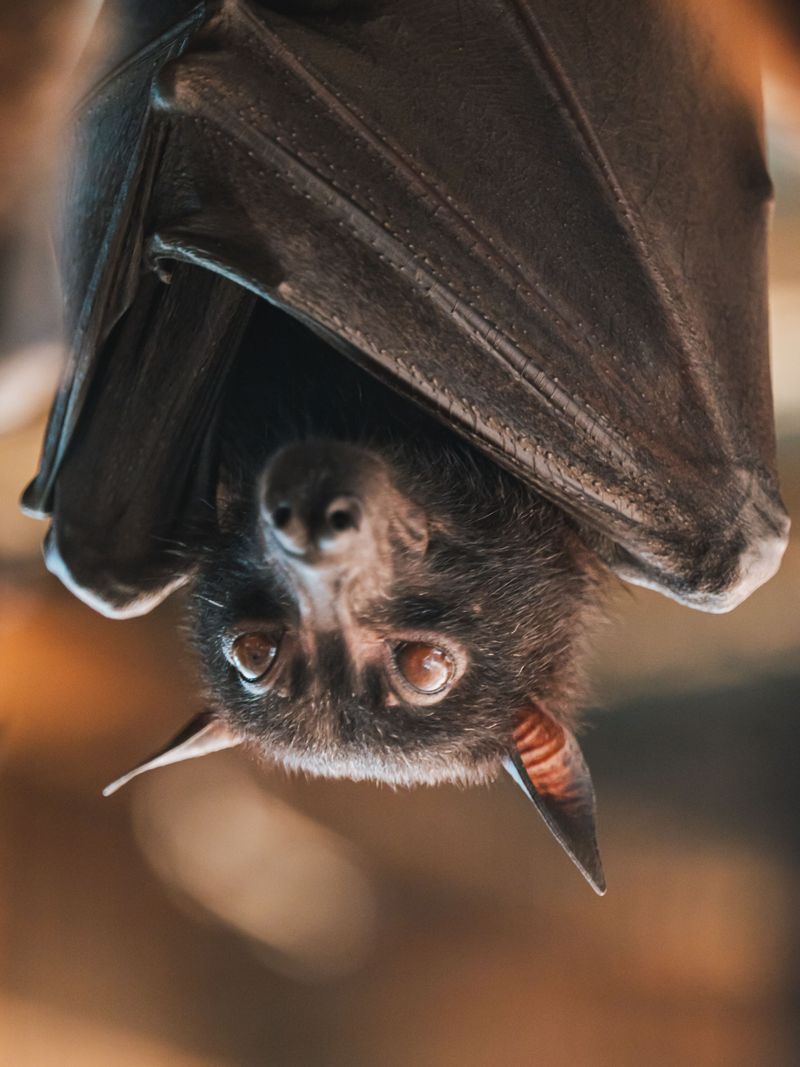
Not every bat fluttering over your yard is the same species, though they can look identical in low light. Indiana is home to several bat species, and a few are especially common in residential areas.
The Little Brown Bat is probably the most familiar face in the evening sky. These small, fast fliers weigh less than half an ounce and are expert insect hunters.
The Big Brown Bat is another frequent visitor, and despite its name, it is only slightly larger. Big Browns are hardy creatures that often roost in attics, barns, and tree cavities near homes.
Indiana also hosts the Evening Bat, which tends to emerge right at sunset. Spotting one early in the evening usually means you are watching an Evening Bat on its first hunting pass.
The Tri-Colored Bat, once called the Eastern Pipistrelle, is one of the tiniest bats in North America. Its erratic, butterfly-like flight pattern makes it easy to identify against a fading sky.
Your Indiana Garden Changes Every Week. Your Plan Should Too.
Gardening in Indiana changes quickly throughout the season. Every Friday you’ll receive a simple weekly plan showing exactly what to plant, prune, fertilize, harvest, and protect so you never miss the right timing.
Each of these species plays a specific role in keeping local insect populations balanced. Knowing which bat you are watching makes the experience even more rewarding.
Why Dusk Is the Prime Time Bats Emerge and Become Visible
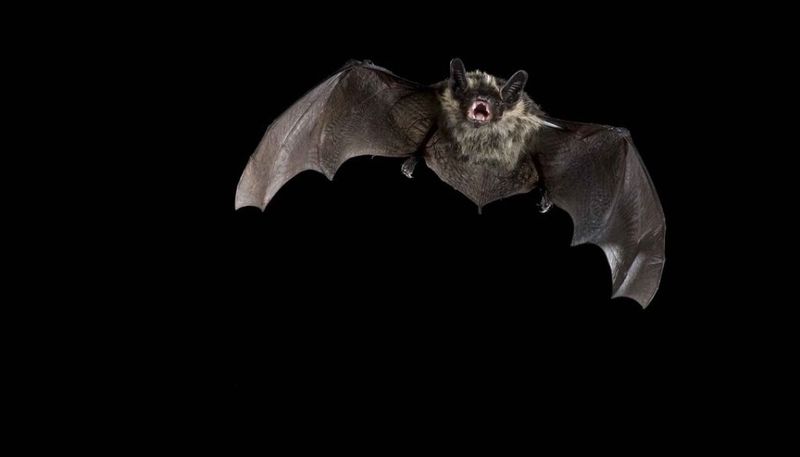
Bats are not random about their schedule. Dusk is the sweet spot when conditions align perfectly for a successful night of hunting.
As sunlight fades, flying insects rise from the ground and warm vegetation. Mosquitoes, moths, beetles, and midges all become active in that narrow window between day and full darkness.
Bats have evolved over millions of years to exploit exactly this moment. Their echolocation system, which uses sound waves to locate prey, works independently of light.
Dusk simply reduces predator activity just enough to give bats a critical edge. Emerging at dusk also gives bats a slight advantage over nighttime predators like owls.
There is still just enough light that owls have not fully shifted into hunting mode yet. Temperature plays a role too.
Warm summer evenings in Indiana keep insects airborne longer, which extends the bats’ feeding window significantly.
The first 30 minutes after sunset are often the most active period you will ever witness. During that short burst, a single bat can catch dozens to hundreds of insects depending on conditions and species.
Watching bats flying around your Indiana yard at dusk during that golden half-hour is witnessing one of nature’s most efficient feeding strategies. Set a lawn chair out and enjoy the free show.
What Bats Are Actually Doing When They Fly Around Your Yard
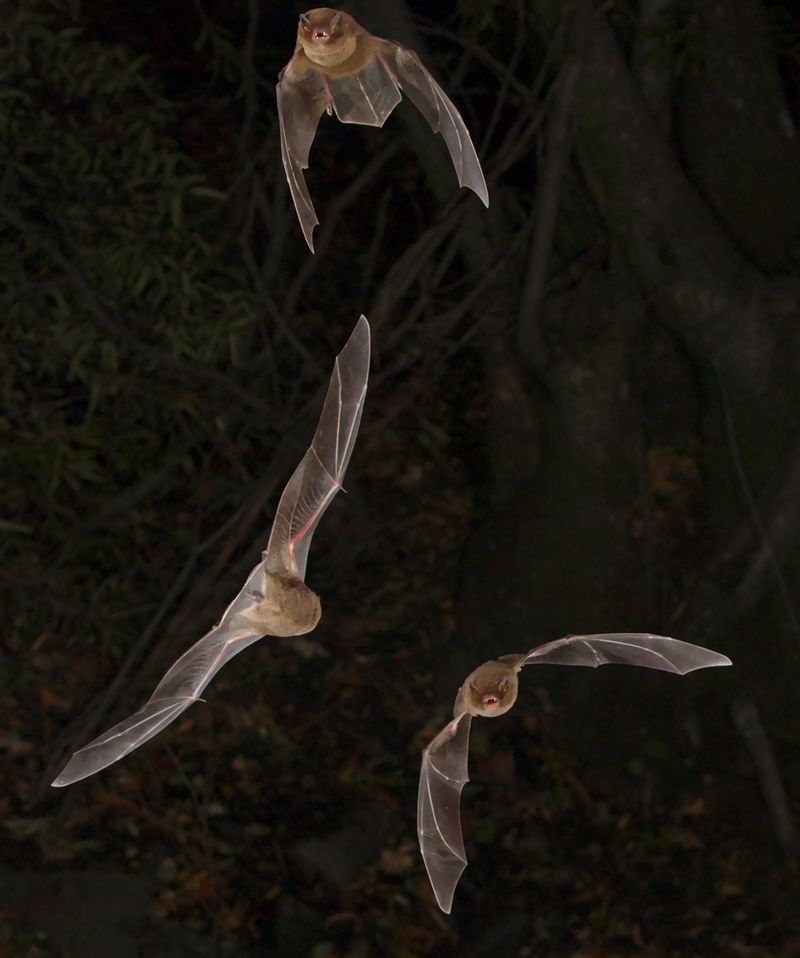
That erratic zigzagging flight looks chaotic, but there is serious precision behind every move. Bats are hunting, and they are incredibly good at it.
Each sharp turn follows an insect detected through echolocation. A bat sends out ultrasonic pulses and listens for the echo bouncing back off a moth or mosquito.
The whole process happens faster than you can blink. From detection to capture, a bat can complete a strike in under half a second.
Some bats also drink water during their evening flight. Low, sweeping passes over a pond, birdbath, or puddle often mean the bat is skimming a quick sip mid-flight.
Females with pups sometimes fly in patterns that seem almost playful. Young bats practice their flight skills close to the roost before venturing farther into open air.
Bats also use certain flight paths repeatedly each night. If you notice a bat looping the same corner of your yard, it has mapped a productive insect corridor there.
Understanding what bats are doing transforms a slightly spooky sight into something genuinely fascinating. You are watching a living, breathing pest control system work in real time.
Natural Factors That Attract Bats to Your Specific Yard Each Evening
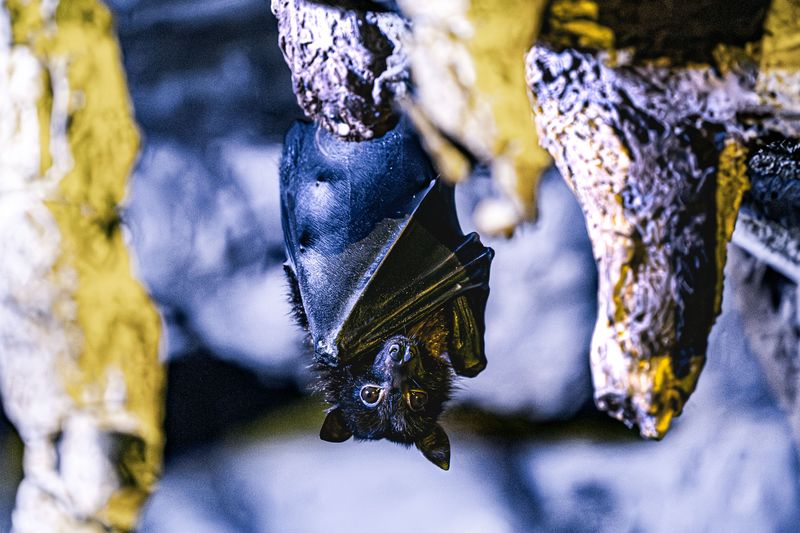
Bats do not show up randomly. Your yard has something they want, and a few specific features make certain properties far more attractive than others.
Standing water is one of the biggest draws. A birdbath, small pond, or even a drainage low spot gives bats a reliable drinking and foraging spot.
Dense trees and shrubs create insect habitat and also offer daytime roosting options nearby.
Mature oaks, maples, and hickories are especially popular with local bat populations. Native flowering plants attract moths and beetles after dark.
If your garden includes native wildflowers like coneflowers or black-eyed Susans, you are essentially running an insect buffet every evening. Outdoor lighting can be a double-edged factor.
Bright lights attract flying insects, which in turn attract bats, but overly harsh lighting can make bats more exposed to predators and may push insects away from areas where bats hunt most effectively.
Neighbors with bat houses nearby also influence which yards get regular visits. Bats roost communally and fan out across a large foraging territory each night.
Compost piles, leaf litter, and unmowed edges all support insect populations that bats depend on. A yard that feels a little wild around the edges is secretly a five-star bat restaurant.
Should You Be Concerned About Bats Flying Near Your Home
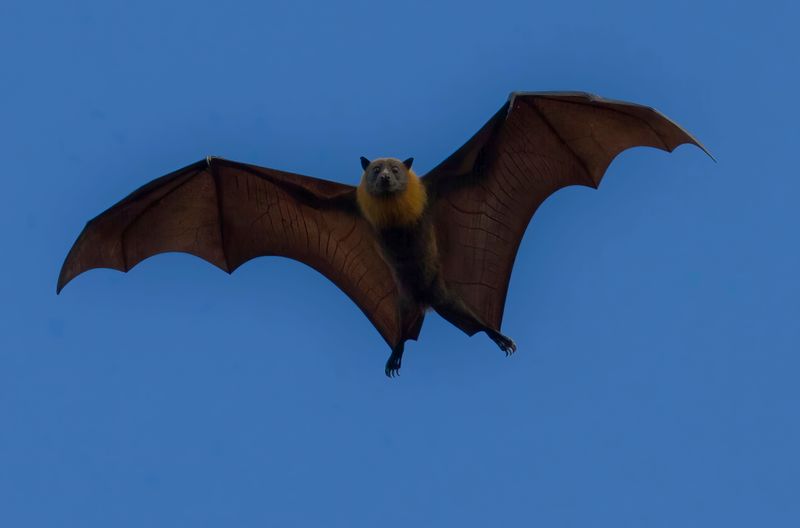
Bats get an unfair reputation, and most concerns about them are overstated or based on misunderstanding. Seeing bats fly near your home is almost always a completely harmless event.
Healthy bats avoid contact with humans and pets. They are focused entirely on insects and have no interest in landing on people or tangling in hair.
The one genuine concern worth knowing about is rabies. A bat found on the ground or behaving unusually should never be handled with bare hands.
Normal, healthy bats flying overhead at dusk present no risk to you or your family. The chance of contact with a grounded bat is low when you simply observe from a distance.
If bats are roosting inside your attic or walls, that is a separate situation from yard sightings. Inside roosting can cause odor issues and should be handled by a licensed wildlife professional.
Children and pets should be taught not to pick up any wild animal, including grounded bats. That precaution addresses the most common safety scenarios for households with children and pets.
Bats flying around your Indiana yard at dusk are neighbors, not threats. A calm, informed perspective makes sharing your outdoor space with them genuinely enjoyable.
How to Encourage or Discourage Bats From Visiting Your Indiana Yard
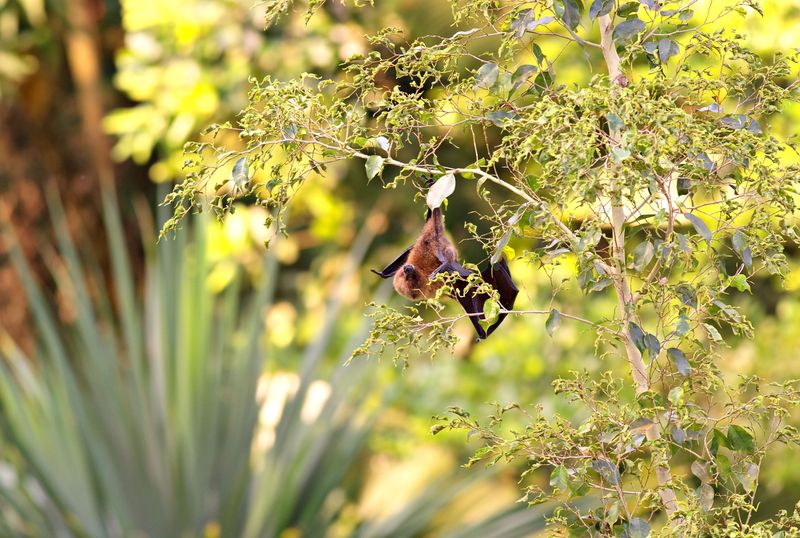
Whether you want more bats or fewer, you have real options that actually work. Managing your yard with intention gives you control over how welcoming it feels to local bat populations.
Installing a bat house is the single most effective way to encourage regular visits. Mount it on a pole or south-facing wall at least 12 feet high for best results.
Reducing pesticide use keeps insect populations healthy and gives bats a reliable food source. A pesticide-heavy yard essentially removes the buffet that draws them in the first place.
Adding a small water feature like a shallow garden pond creates a permanent attractant. Even a half-barrel water garden works well in a smaller yard space.
To discourage bats from roosting on or inside your home, seal gaps larger than a quarter inch in your roofline before late spring. Do this outside of bat maternity season, which runs May through August.
Bright motion-sensor lights aimed at entry points can also deter roosting without harming any animals. Bats prefer dark, undisturbed spots for their daytime rest.
Whether you are rolling out the welcome mat or setting boundaries, bats flying around your Indiana yard at dusk deserve a thoughtful response. A little knowledge goes a long way toward peaceful coexistence.