This Native Indiana Shrub Looks Stunning Along A Driveway And Asks For Almost Nothing In Return
Most driveways are an afterthought. You pull in, park, and never give the landscaping a second glance.
But one native shrub is quietly changing that. Homeowners across Indiana are lining their driveways with it, and the results look anything but accidental.
It handles drought, clay soil, and freezing winters without complaint. Come spring, it bursts into bloom, and it keeps turning heads all summer long.
The foliage comes in deep burgundy, chartreuse, and gold, depending on the variety. No two driveways end up looking the same.
It’s locally adapted, genuinely low-maintenance, and produces the kind of curb appeal that usually costs a landscaper’s bill.
The best part? It practically takes care of itself once it’s in the ground.
If you’ve been searching for something that looks stunning along a driveway and thrives on neglect, keep reading. Indiana’s most underrated native shrub is about to become your new favorite plant.
The Shrub That Gives Your Driveway A Professionally Landscaped Look
Your driveway already works hard enough. Adding ninebark along its edge turns a plain concrete strip into something that looks like a landscape designer spent fortune on it.
This native Indiana shrub produces arching branches that create a natural, flowing silhouette. That shape softens hard edges like pavement and fencing without looking messy or overgrown.
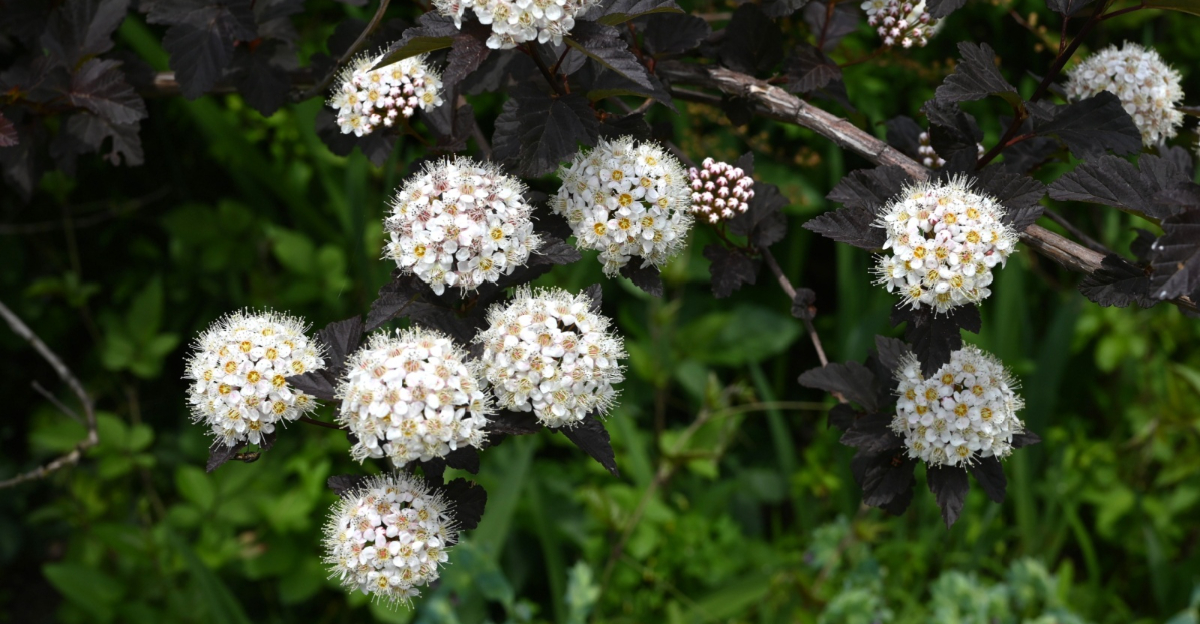
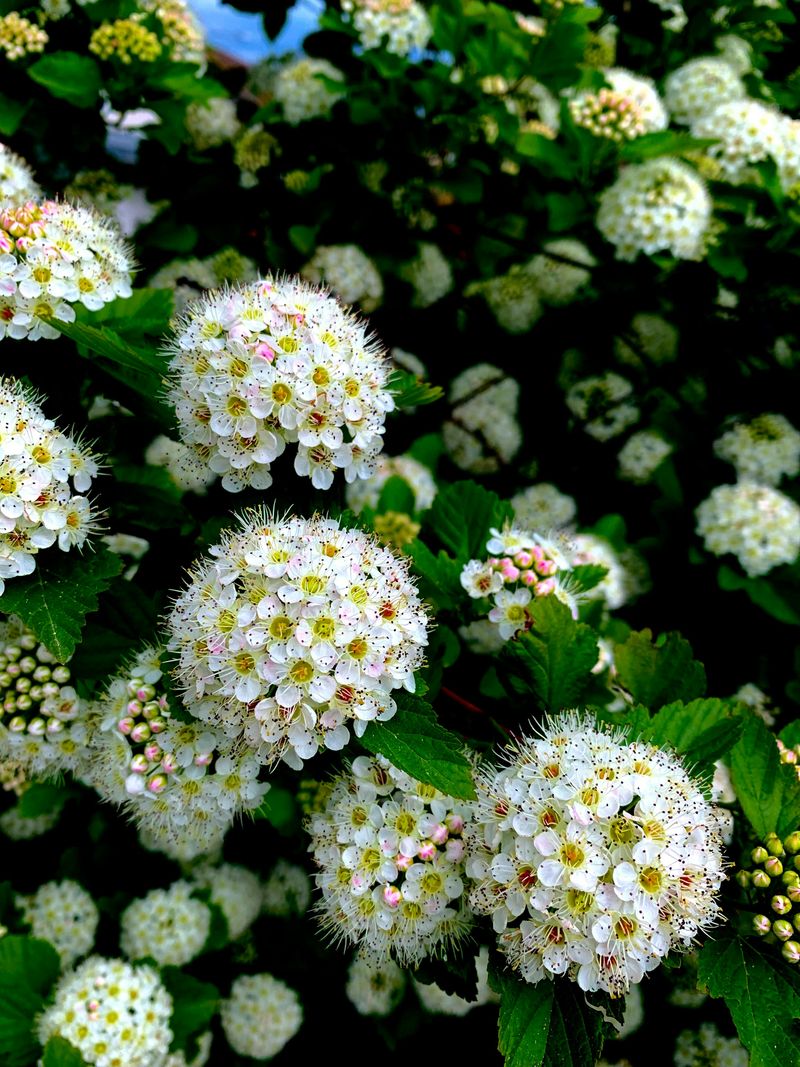
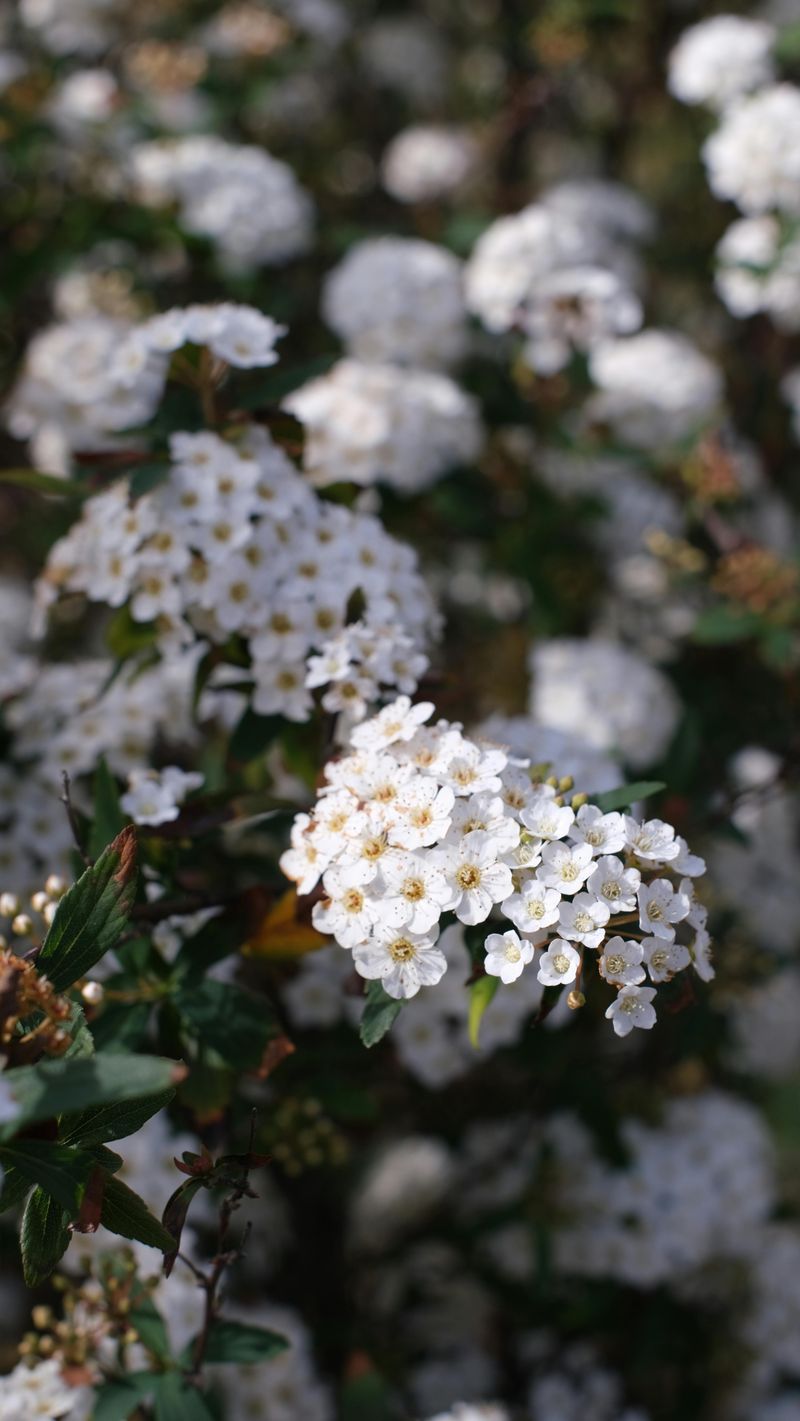
In late spring, clusters of tiny white and pink flowers appear at the tips of every branch. The blooms are dense enough to create a frothy, almost romantic look that photographs beautifully from the street.
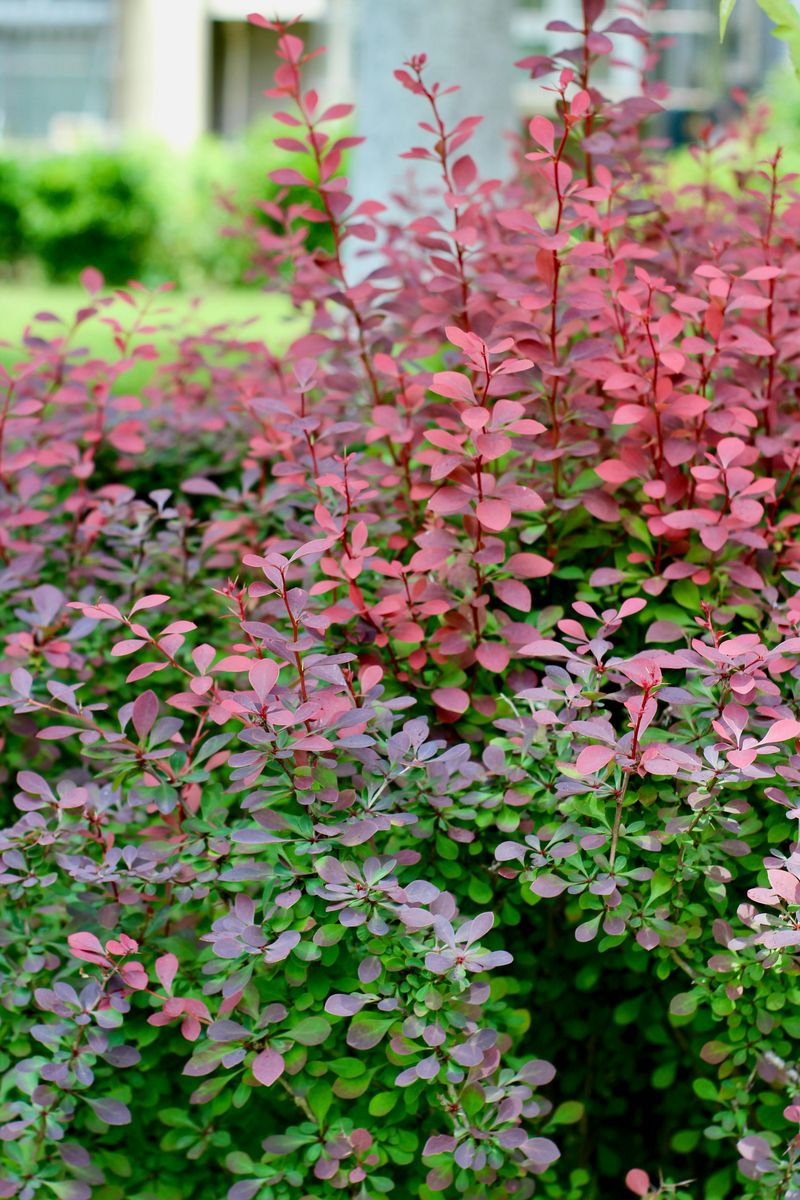
Below those flowers, the foliage does the real heavy lifting. Depending on the variety, leaves range from bright chartreuse to deep burgundy, giving your driveway a bold color anchor throughout the growing season.
Unlike ornamental grasses or annuals that need replacing, ninebark comes back stronger each year. Its mature width of four to eight feet means a single row creates a full, lush border without crowding.
Spacing plants about four to five feet apart gives each one room to arch naturally. That gentle, fountain-like shape is part of what makes a ninebark-lined driveway look so polished and intentional.
Neighbors will ask who your landscaper is. You can smile and tell them you planted it yourself on a Saturday afternoon, watered it twice, and basically walked away.
That is the real charm of this shrub.
Four Seasons Of Color, Barely Any Effort
Most shrubs give you one good season, then fade into the background. Ninebark refuses to be boring for long, cycling through four distinct looks that keep your driveway interesting year-round.
Spring brings those signature flower clusters, which bees and butterflies absolutely love. Blooms typically last two to three weeks and fade into small reddish seed capsules that add texture through early summer.
Summer is when the foliage takes center stage. Varieties like Diablo and Summer Wine hold their deep purple-red color even in full sun, which is rare among ornamental shrubs that tend to fade as temperatures climb.
Your Indiana Garden Changes Every Week. Your Plan Should Too.
Gardening in Indiana changes quickly throughout the season. Every Friday you’ll receive a simple weekly plan showing exactly what to plant, prune, fertilize, harvest, and protect so you never miss the right timing.
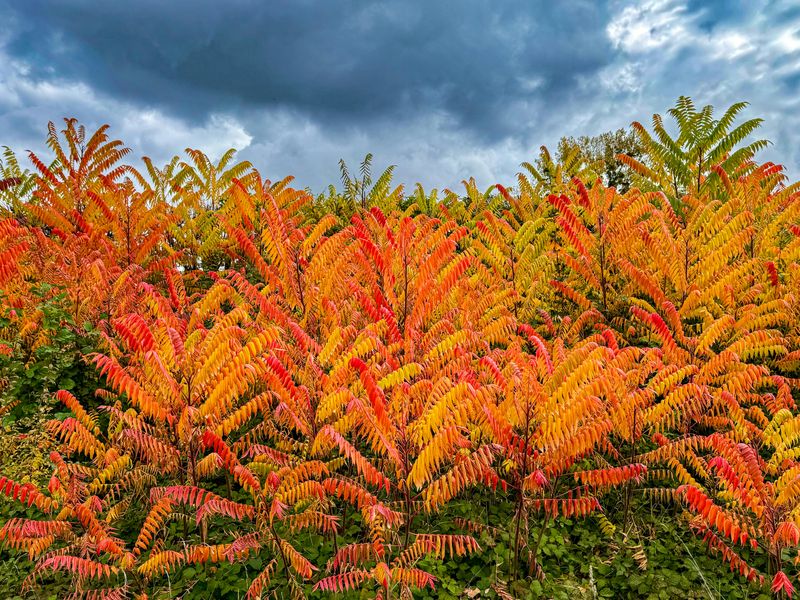
Come fall, the leaves shift toward orange and russet tones before dropping. That warm autumn palette pairs well with ornamental grasses and coneflowers if you want a layered border look along the driveway.
Winter might surprise you most. After the leaves drop, ninebark reveals its namesake feature: exfoliating bark that peels in thin, papery layers to expose cinnamon and copper tones underneath.
That peeling bark catches low winter sunlight in a way that looks almost artistic. Gardeners who discover it for the first time often say it looks like a living sculpture during the coldest months.
Getting all four of these seasonal moments costs you almost nothing in maintenance. Water it through the first season, prune lightly every other spring, and ninebark handles the rest on its own schedule.
The Indiana Conditions That Make Ninebark Thrive
Indiana soil is not always kind. Clay-heavy ground, fluctuating moisture levels, and brutal temperature swings knock out plenty of plants that look good on paper but struggle in real Midwest conditions.
It is native to the region, which means it developed alongside Indiana weather patterns over thousands of years. That deep adaptation is exactly why it thrives where imported ornamentals often fail.
Clay soil is actually fine for this shrub. It prefers well-drained ground but tolerates compacted, heavy soil better than most flowering plants you will find at a garden center.
Drought tolerance is another major advantage for Indiana gardeners. Once established after the first growing season, ninebark can go weeks without supplemental watering during dry summers.
That resilience saves both time and money on irrigation.
Cold hardiness is equally impressive. Most varieties are rated for USDA Hardiness Zones 2 through 7, meaning Indiana winters pose almost no threat to a well-planted specimen.
Full sun brings out the best foliage color, especially in dark-leaved varieties. However, ninebark also handles partial shade gracefully, making it flexible enough for driveways that receive uneven light throughout the day.
Pollution and road salt runoff, both common along driveways, do not seem to bother this shrub much either. That toughness makes it one of the most practical choices for any Indiana homeowner looking for low-drama, high-reward landscaping.
Plant It Once, Enjoy It For Decades
Some plants feel like a full-time job. Ninebark is the opposite of that, demanding almost nothing after the first year while quietly getting better-looking with each passing season.
Established plants develop a deep, wide root system that anchors them through wind, drought, and wet springs. That root network is what gives ninebark its well-documented staying power.
Pruning is the one task worth doing regularly. Every two to three years, cut one-third of the oldest stems down to the ground right after flowering.
This renewal pruning keeps the shrub full and prevents it from becoming leggy in the center.
Fertilizer is rarely needed. If your soil is reasonably healthy, a light layer of compost around the base each spring provides all the nutrition ninebark requires to put on a strong seasonal show.
Pest and disease pressure is minimal compared to roses or other popular shrubs. Powdery mildew can appear in crowded, humid conditions, but good air circulation usually keeps that in check without any spraying.
Deer generally find ninebark unappealing, though no plant is completely browse-proof in areas with heavy pressure.
A shrub you plant this fall could still be anchoring your driveway when your kids bring their own children home for the holidays. That kind of longevity is hard to put a price on.
The Varieties Worth Knowing Before You Buy
Walk into any Indiana nursery and you will likely find at least two or three ninebark varieties on the shelf. Knowing the differences before you go saves you from choosing one that outgrows your space or fades in your specific light conditions.
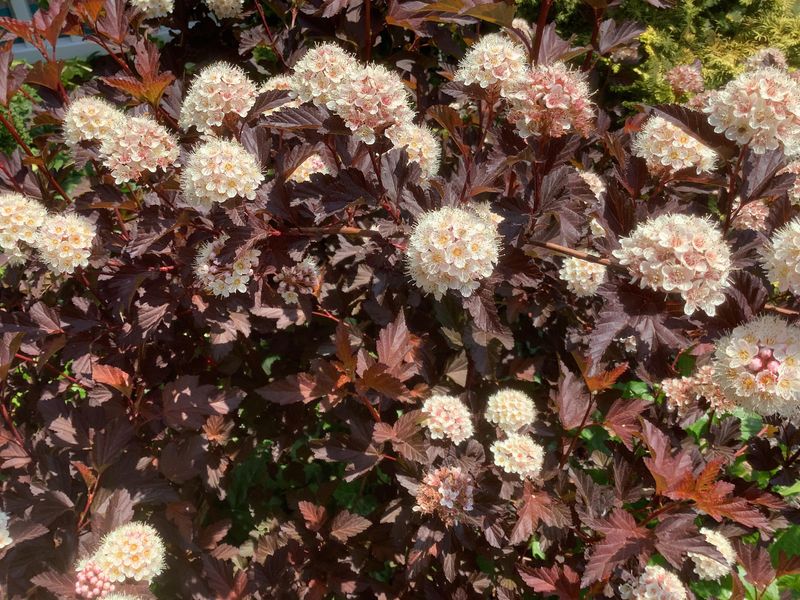
Diablo is the classic. It grows six to eight feet tall with deep purple-red foliage that holds its color through summer heat.
Plant it where you want a bold, dramatic anchor along a long driveway.
Summer Wine is a compact alternative, topping out around five to six feet. The deep burgundy leaves are slightly smaller and finer-textured than Diablo, giving it a more delicate look that suits narrower driveway borders.
Dart’s Gold flips the color palette entirely. Its leaves emerge bright yellow-green in spring, though they may soften toward green as summer heat builds.
Tiny Wine is the smallest of the popular cultivars, staying around three to four feet tall. It works well in front of taller shrubs or in spots where a full-sized plant would block windows or sight lines.
Center Glow offers a two-toned effect, with golden-orange new growth at the center of the plant fading to burgundy at the outer edges. It is one of the most visually complex varieties available.
Matching the right variety to your driveway layout is the single most important decision you will make before planting. Get that right and everything else falls into place naturally.
How To Plant Ninebark The Right Way
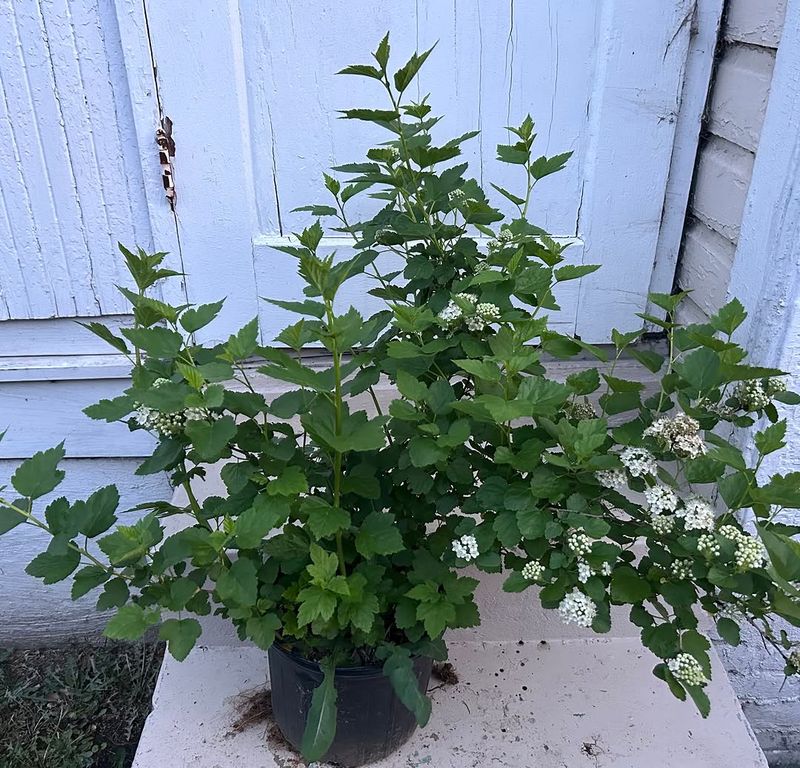
Good planting technique makes the difference between a shrub that sulks for two years and one that takes off with confidence. The process is straightforward, but a few key details matter more than most gardeners realize.
Start by digging a hole twice as wide as the root ball but no deeper than its height. Ninebark roots spread outward more than downward, so wide is far more important than deep when preparing the planting site.
Loosen the soil in the surrounding area with a garden fork before backfilling. That loosened soil makes it easier for new roots to push outward into the ground during those critical first weeks after planting.
Set the shrub so the top of the root ball sits level with or slightly above the surrounding soil. Planting too deep is one of the most common reasons shrubs struggle in their first season.
Backfill with the original soil rather than amended mix. Adding too much compost or potting soil to the hole can actually discourage roots from spreading beyond that enriched zone.
Water deeply right after planting, then again every four to five days for the first six weeks. After that, rainfall alone should be enough for most Indiana summers unless there is an extended dry spell.
Spread two to three inches of wood chip mulch around the base, keeping it away from the stem. That mulch layer holds moisture, moderates soil temperature, and gives your new ninebark the best possible start.