Your Garden Hose Could Be Doing More Harm Than Good In New Jersey’s Summer Heat
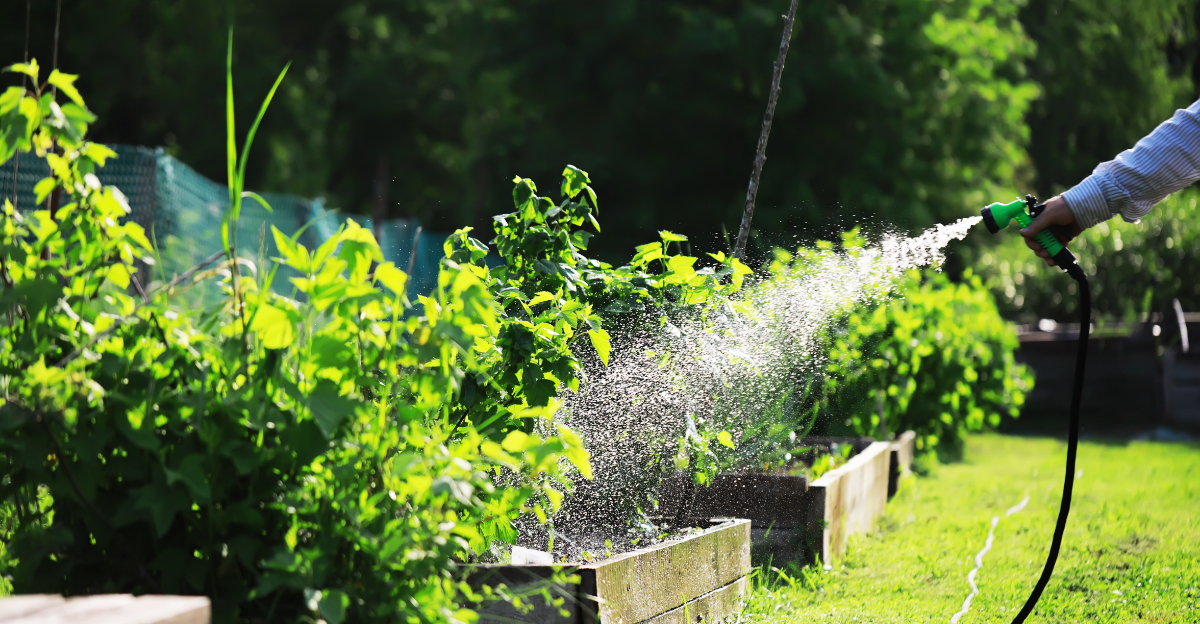
It’s a familiar scene: you grab the hose on a scorching July afternoon, point it at your drooping tomatoes, and feel like a hero. What most New Jersey gardeners don’t realize is that the hose has been baking on the driveway since morning.
The water sitting inside it can reach temperatures high enough to stress roots and scorch leaves. New Jersey summers don’t mess around.
When the mercury pushes into the 90s and humidity makes the air feel like a wet towel, your garden is already fighting hard just to stay alive.
Adding a blast of superheated water to that equation isn’t watering. It’s punishment.
Fixing this takes almost no extra effort, just a small shift in timing and habits. But first, you need to understand exactly what’s happening to your plants when that hot water hits the soil.
Why Garden Hose Water Becomes A Problem When Temperatures Climb
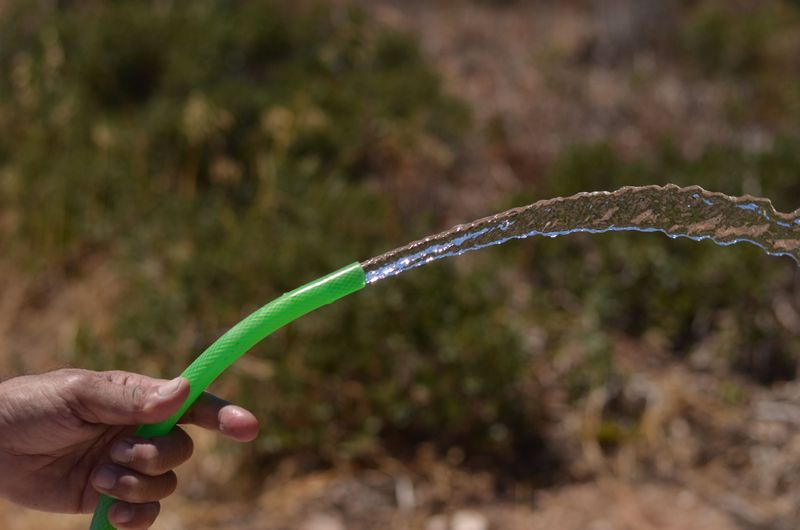
Your garden hose is basically a solar heater in disguise. When it sits in direct sun during a New Jersey summer, the water trapped inside heats up fast.
Water trapped inside a dark hose in direct sun can reach scalding temperatures within minutes, causing root stress that looks a lot like drought damage.
Most garden plants thrive when watered between 60 and 70 degrees Fahrenheit. Pouring scalding water onto roots causes immediate cellular damage that looks a lot like drought stress.
Leaves wilt, stems weaken, and the soil surface can actually repel water when hit with extreme heat. Your plants may struggle to recover from the stress, even though you just watered them.
The problem gets worse on blacktop driveways and patios where hoses coil under full sun exposure. Concrete surfaces absorb and radiate heat, pushing hose temperatures even higher throughout the afternoon.
New Jersey’s humid summer air traps heat close to the ground, giving the hose nowhere to cool off. The combination of direct sun, radiant heat, and humidity creates a perfect recipe for hot water damage.
Gardeners often blame wilting on drought or pests when the real culprit is the watering routine itself. Recognizing this pattern is the first step toward actually helping your garden survive the summer heat wave ahead.
How Hot Hose Water Affects Common New Jersey Garden Plants
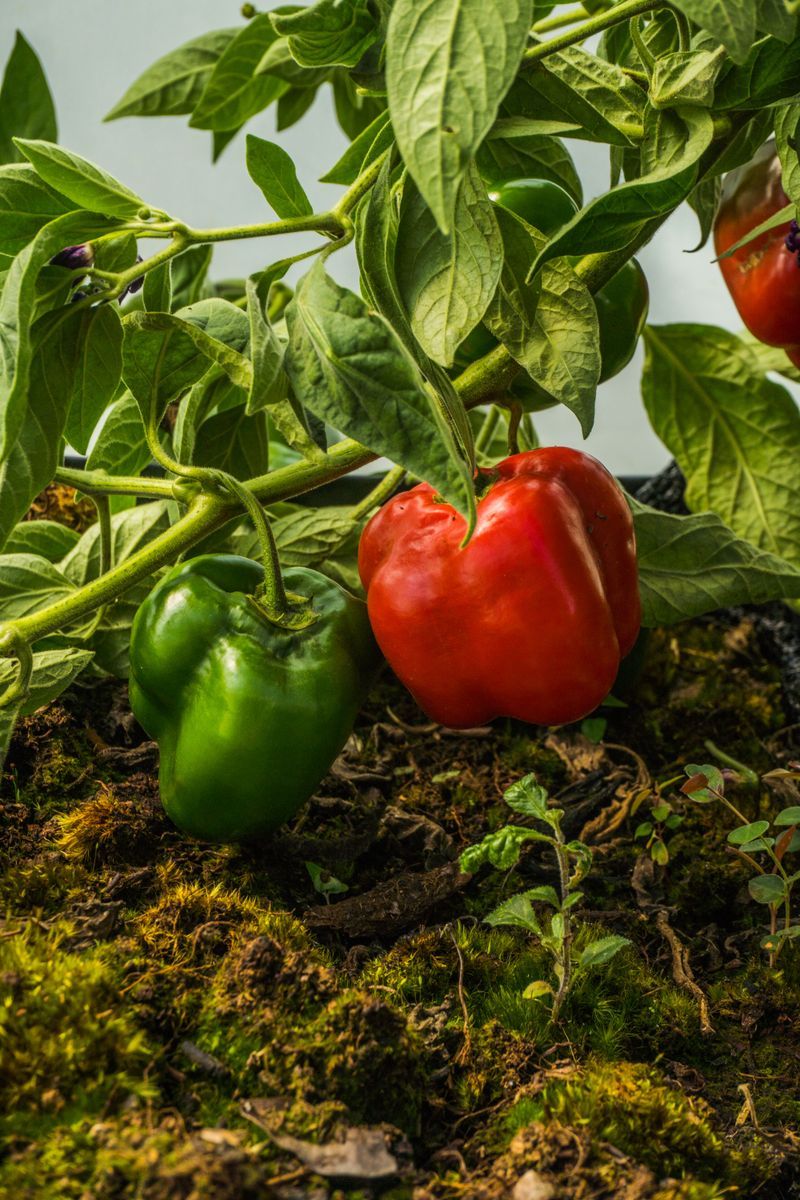
Tomatoes, peppers, and zucchini are backyard staples across New Jersey, and they are also the most vulnerable to scalding hose water. Root systems are sensitive, and sudden heat throws off the entire plant’s ability to absorb nutrients.
When roots get hit with water above 100 degrees, they essentially go into survival mode. Nutrient uptake shuts down, and the plant redirects energy away from fruit production.
Pepper plants are especially fragile during pollination season, which peaks in New Jersey around late June and July. Heat-stressed peppers drop their blossoms before setting fruit, meaning your harvest disappears before it begins.
Leafy greens like lettuce and spinach are already prone to bolting in New Jersey’s summer heat, and repeated stress from hot watering can speed up the process.
Your New Jersey Garden Changes Every Week. Your Plan Should Too.
Gardening in New Jersey changes quickly throughout the season. Every Friday you’ll receive a simple weekly plan showing exactly what to plant, prune, fertilize, harvest, and protect so you never miss the right timing.
Even hardy plants like basil and cucumbers show signs of stress after repeated hot waterings. Yellowing leaves, brown edges, and stunted growth are all signals that something in the watering routine needs to change.
Soil microbes also suffer when water temperature spikes dramatically. Beneficial bacteria that help roots absorb phosphorus and nitrogen begin to decline, leaving soil less fertile over time.
The damage compounds week after week through a long summer season. Knowing which plants are most at risk helps you prioritize care and make smarter choices before the next heat wave rolls through your backyard.
The Right Time Of Day To Water Your Garden In New Jersey’s Summer
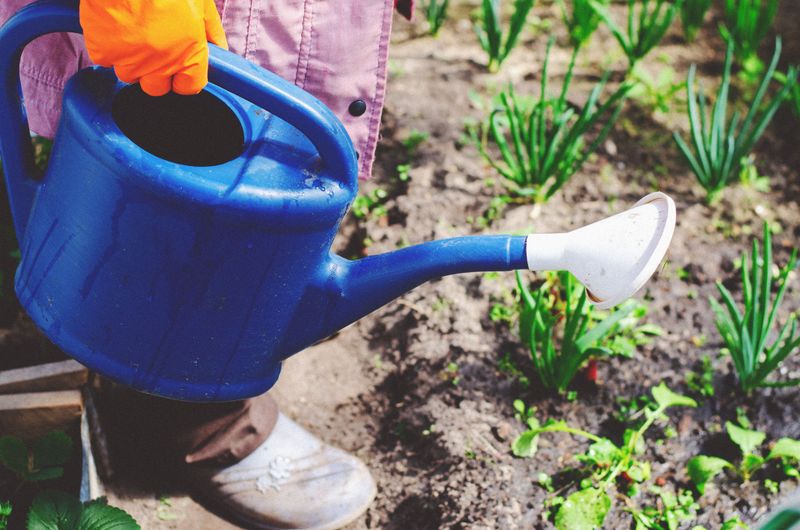
Early morning is the golden window for watering, and gardeners who nail this timing see dramatically healthier plants all season long. Between 5 a.m. and 9 a.m., soil temperatures are at their lowest and water absorbs efficiently.
Morning watering gives foliage time to dry before the afternoon sun peaks. Wet leaves sitting through midday heat become a breeding ground for fungal diseases like powdery mildew.
Watering in the evening seems logical after a scorching day, but it creates its own set of problems. Moisture sitting on leaves and soil overnight invites mold, root rot, and slugs that thrive in damp conditions.
Midday watering is the least effective option of the three. Water evaporates before it reaches roots, and wet foliage sitting under intense afternoon sun puts additional stress on already heat-taxed plants.
New Jersey summers often bring heat advisories that push afternoon temperatures above 95 degrees Fahrenheit. Watering during those hours wastes water and puts additional stress on plants already struggling with heat.
Setting a simple alarm or automating your irrigation system to run before sunrise takes the guesswork out of timing. Consistency matters more than perfection when building a summer watering schedule that actually works.
The payoff for adjusting your schedule is noticeable within just a few days. Plants perk up, color returns to leaves, and fruit production picks back up when roots finally get water at the right temperature and time.
How To Cool Down Your Hose Before You Water
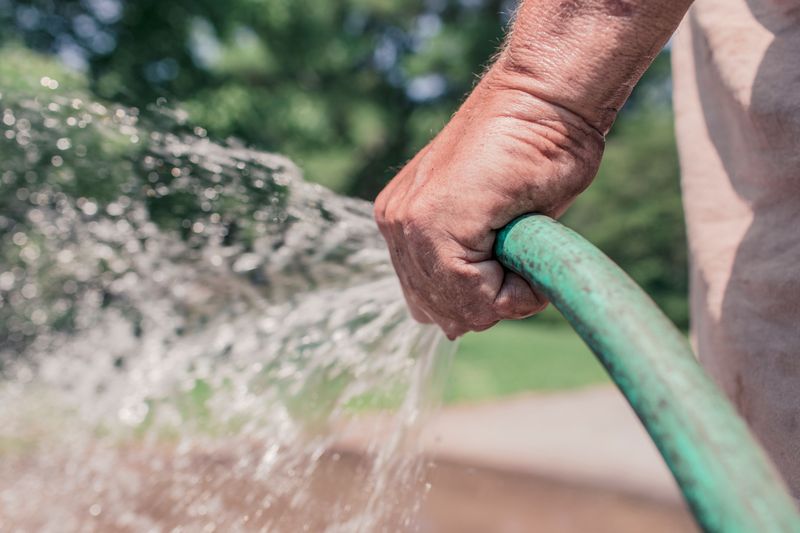
Flushing your hose before watering is one of the easiest habits you can build this summer. Run water out of the nozzle for 30 to 60 seconds until you feel the temperature drop noticeably in your hand.
That first rush of water coming out is the hottest, having sat trapped inside the hose under direct sunlight. Letting it drain onto the lawn or a non-garden area prevents it from touching your vegetable beds.
Storing your hose in a shaded spot dramatically reduces how hot it gets between uses. A hose kept under a porch, in a garage, or wrapped around a shaded fence post stays significantly cooler all afternoon.
Insulated hose covers are available at most garden centers and online retailers. They work similarly to a thermos, slowing the heat transfer from sun to water inside the hose.
Another smart trick is to fill a watering can from the hose early in the morning and let it sit in a shaded area. By the time you water in the early evening, that stored water is at a comfortable ambient temperature.
Soaker hoses buried slightly under mulch stay cool naturally because they avoid direct sun exposure. Connecting a soaker hose to your main line keeps the water delivery gentle and at a much safer temperature for roots.
Small adjustments to how you store and use your hose make a significant difference. Your garden will reward the extra effort with stronger growth and better yields through the hottest weeks of the year.
Smarter Watering Techniques That Protect Plants During A Heat Wave
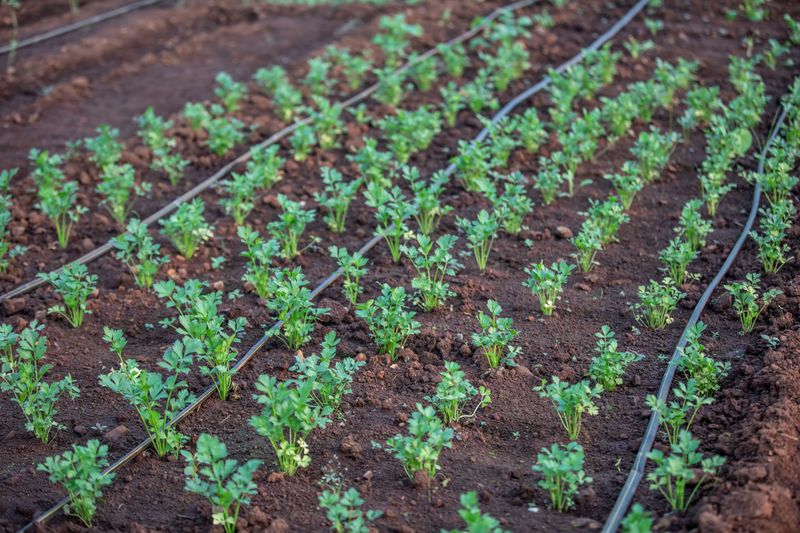
Drip irrigation is the single best upgrade a New Jersey gardener can make before summer peaks. Water goes directly to the root zone at a slow, steady rate that soil can actually absorb without runoff.
Mulching around your plants pairs perfectly with drip systems. A 3-inch layer of wood chips or straw keeps soil moisture locked in and reduces surface temperature by up to 20 degrees Fahrenheit.
Deep watering less frequently beats shallow watering every day during a heat wave. Roots follow water downward, and deep roots access cooler soil layers that insulate the plant during extreme afternoon temperatures.
Overhead sprinklers waste enormous amounts of water through evaporation during summer months. Switching to ground-level delivery systems dramatically improves efficiency and keeps foliage dry to prevent disease.
Adding a layer of compost to garden beds improves water retention naturally. Compost-rich soil holds moisture longer between watering sessions, reducing how often you need to run the hose at all.
Grouping plants with similar water needs together makes irrigation more efficient and effective. Thirsty plants like tomatoes and cucumbers clustered together allow you to focus water delivery without over-saturating drought-tolerant herbs nearby.
A rain gauge placed in the garden helps you track how much water your beds actually receive each week. Combining rainfall data with smart irrigation habits keeps your garden healthy without wasting a single drop during peak summer heat.
Signs Your Plants Are Recovering And Getting The Water They Actually Need
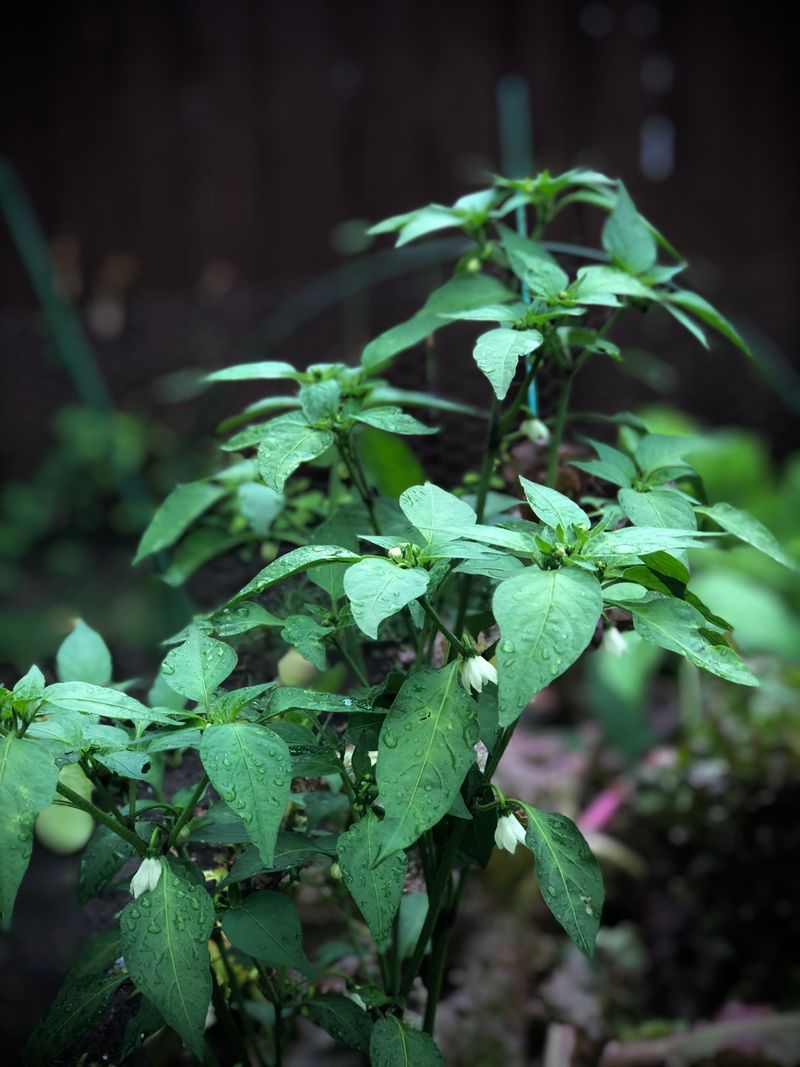
Watching a stressed plant bounce back is one of the most satisfying moments in gardening. Within 24 to 48 hours of proper watering, leaves that were drooping start to lift and regain their natural posture.
New growth is the clearest sign that a plant is recovering well. Fresh green shoots emerging from stem nodes mean the root system is actively absorbing nutrients and moisture at a healthy rate again.
Fruit-bearing plants like tomatoes signal recovery by setting new blossoms after a period of dropping them. Seeing flowers return to your pepper or cucumber plants means the internal stress response has calmed down significantly.
Soil that holds moisture for roughly a day or two after watering is a sign your technique is working. Soil drying out within hours means water is evaporating too quickly or not penetrating deep enough to reach roots.
Leaf color returning to a deep, rich green indicates chlorophyll production is back on track. Pale or yellowish leaves suggest the plant is still struggling, and watering habits may need one more adjustment.
A simple finger test helps you confirm moisture levels before watering again. Pushing your finger two inches into the soil and feeling dampness means the roots have what they need and can wait another day.
Keeping a garden journal through the summer helps you track what is working and what is not. Consistent, well-timed watering using your garden hose correctly makes all the difference for a thriving New Jersey summer garden.