These 8 Illinois Blooms Are Buzzing With Bee Activity Right Now
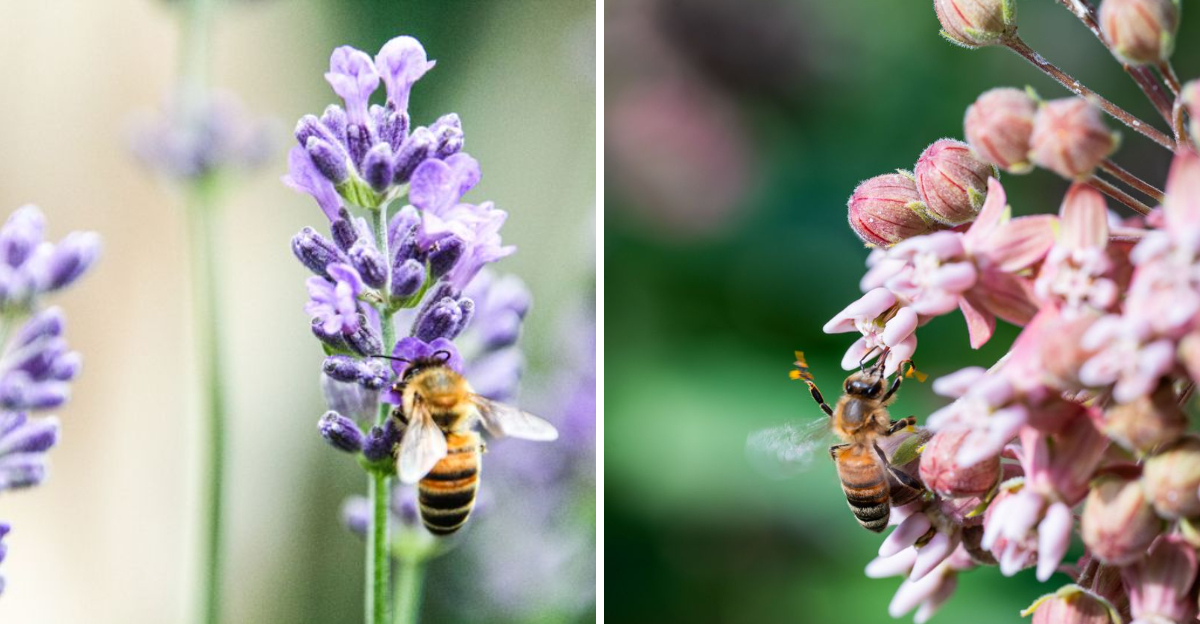
Step into any Illinois garden right now and something is already happening without you. The bees are working.
They have been since sunrise, moving plant to plant with a focus that makes most humans look distracted.
Some flowers are getting all the attention while others stand there, ignored. That gap is not random.
Bees are picky in ways that took millions of years to develop, and the blooms they keep returning to have earned that loyalty.
Whether you are gardening for color, for wildlife, or just trying to figure out why one corner of your yard buzzes and another does not, the answer starts with the flowers.
Illinois is home to around 500 native bee species, and right now, in the heat of summer, most of them are actively foraging. Eight plants are doing the heavy lifting.
1. Purple Coneflower Tops The List For A Reason
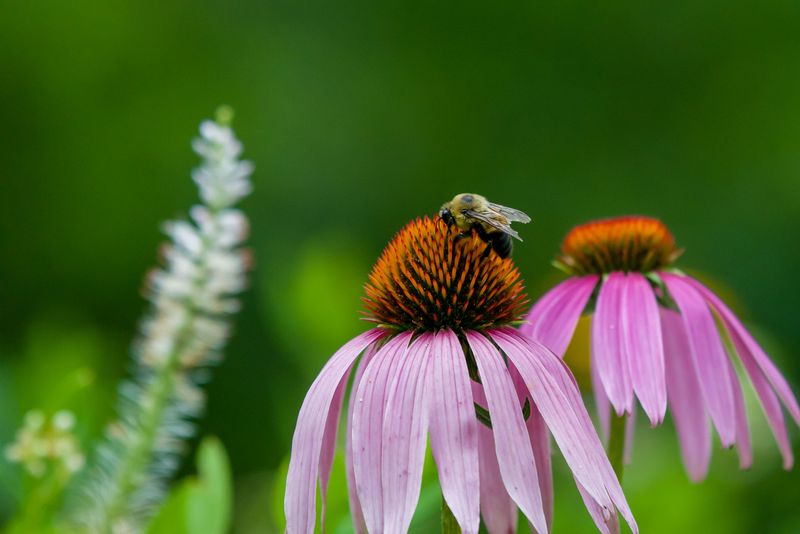
Walk past a patch of purple coneflower and you will notice the bees before anything else. These Illinois blooms are buzzing with bee activity the moment the first petals open in early summer.
Purple coneflower, known scientifically as Echinacea purpurea, is native to Illinois prairies. That nativity matters because local bees evolved alongside it for thousands of years.
The raised, spiky center cone is the star of the show. It holds tightly packed florets that release nectar over a long window, keeping bees coming back for weeks.
Bumblebees especially love this plant. Their large bodies are perfectly sized to grip the cone and vibrate loose extra pollen through a process called buzz pollination.
Gardeners love coneflower for its low maintenance and long bloom season, which stretches from June into September. That extended timeline makes it one of the most reliable nectar sources in any Illinois yard.
Plant it in full sun with well-drained soil and it will practically take care of itself. It even tolerates drought once established, which is a real win during hot Illinois summers.
Removing spent blooms encourages more flowers, but leaving some seed heads standing in fall feeds birds through winter. You get a plant that gives back in every season.
Few native perennials offer this much return for this little effort. Purple coneflower earns its top spot every single summer.
2. Black-Eyed Susan Brings Bees Back Every Summer
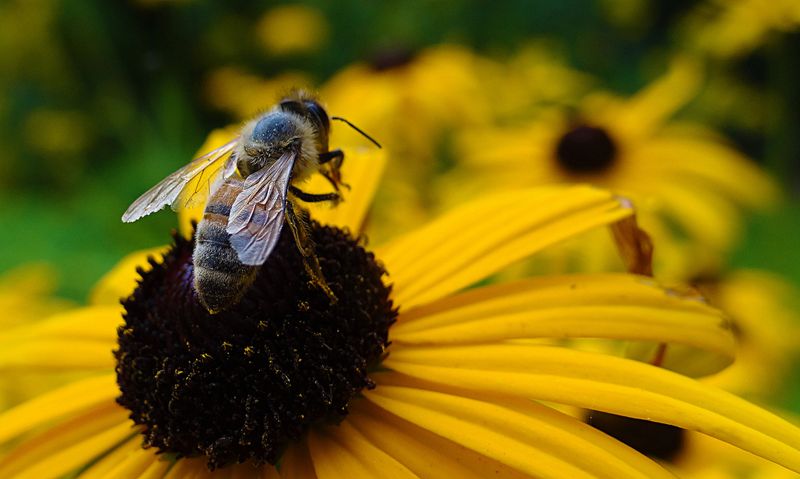
There is something almost cheerful about Black-Eyed Susan. Its bright yellow petals and dark brown center look like tiny suns scattered across a summer meadow.
Rudbeckia hirta is a tough, adaptable wildflower that thrives across Illinois. It grows in roadsides, prairies, and backyard gardens with equal enthusiasm.
Bees find this flower irresistible, and the reasons are practical. The open, flat center disk gives small and medium bees an easy landing pad with immediate nectar access.
Sweat bees, in particular, go wild for Black-Eyed Susan. These small, often metallic green insects are some of the most efficient pollinators around, and this flower suits their size perfectly.
One of the best things about this plant is how early it establishes from seed. Scatter some in fall and you will likely see blooms the following summer without any fuss.
Your Illinois Garden Changes Every Week. Your Plan Should Too.
Gardening in Illinois changes quickly throughout the season. Every Friday you’ll receive a simple weekly plan showing exactly what to plant, prune, fertilize, harvest, and protect so you never miss the right timing.
Black-Eyed Susan blooms from June through October in most parts of Illinois. That long season overlaps with multiple bee generations, making it a consistent food source across the summer arc.
It pairs beautifully with coneflower and wild bergamot in a pollinator garden. The color contrast is striking, and the combination ensures bees have varied nectar options in one spot.
If your yard feels bare in late summer when other flowers fade, this plant fills that gap reliably and without fuss. Bees have been returning to it every summer for a reason.
3. Wild Bergamot Lives Up To Its Nickname
Ask any Illinois beekeeper which native plant they would never remove from their land. Wild bergamot will almost always come up in the first breath.
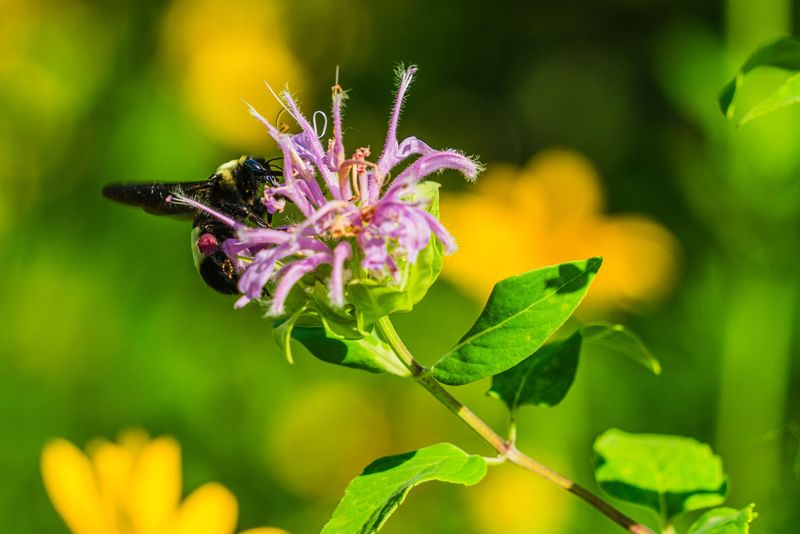
Nicknamed bee balm, Monarda fistulosa earns that title every single season. Its tubular lavender-pink flowers are practically designed for pollinators with longer tongues.
Bumblebees are the most frequent visitors, hovering and crawling across the rounded flower clusters with obvious enthusiasm. Honeybees show up too, along with clearwing moths, which are regularly mistaken for tiny hummingbirds.
Wild bergamot blooms from July into August, hitting peak activity during some of the hottest weeks of the summer. That timing is crucial when many other plants have already peaked and faded.
The plant spreads by rhizomes, forming loose colonies over time. This spreading habit can fill in a naturalized area quickly, creating dense patches that hum with activity on warm afternoons.
It grows best in full sun to light shade and handles clay soil better than most native perennials. That clay tolerance makes it especially useful in Illinois landscapes where drainage is a challenge.
Crushing a leaf releases a strong oregano-like scent that is pleasantly surprising. Indigenous communities historically used it for teas and medicinal purposes, adding a layer of cultural richness to an already impressive plant.
Plant wild bergamot near a patio or path where you can enjoy the fragrance and the bee show up close. The nickname is not just cute, it is completely earned.
4. Goldenrod Is Worth More Than You Think
Goldenrod has spent decades taking the blame for late-summer allergies it did not cause. The real culprit is ragweed, which blooms at the same time but spreads pollen through the air.
Goldenrod, by contrast, relies entirely on insects for pollination. Its heavy, sticky pollen stays put until a bee picks it up directly.
Solidago species are among the most ecologically valuable plants in Illinois. Studies suggest dozens of insect species rely on goldenrod as a food source at various life stages.
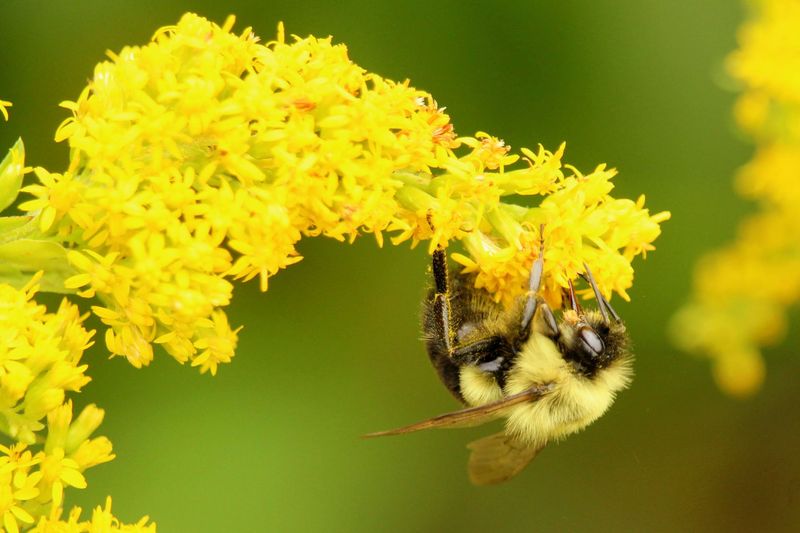
For bees specifically, the timing could not be better. Goldenrod blooms from August into October, right when colonies are building winter food stores and need massive quantities of nectar and pollen.
Bumblebee queens rely heavily on late-season goldenrod to fatten up before hibernating. Without it, some colonies struggle to survive the winter in good condition.
The plant is not fussy. It grows in full sun to partial shade, tolerates poor soil, and spreads steadily once established.
Many gardeners let it naturalize along fence lines or woodland edges.
Shorter cultivated varieties like Fireworks or Little Lemon work well in formal garden beds. They give you the ecological benefit without the aggressive spreading that wild types can produce.
Goldenrod might be the most underrated plant in the entire Illinois landscape. Give it a second look this fall and you will be stunned by the bee traffic it pulls in.
5. Common Milkweed Does Double Duty In Illinois Gardens
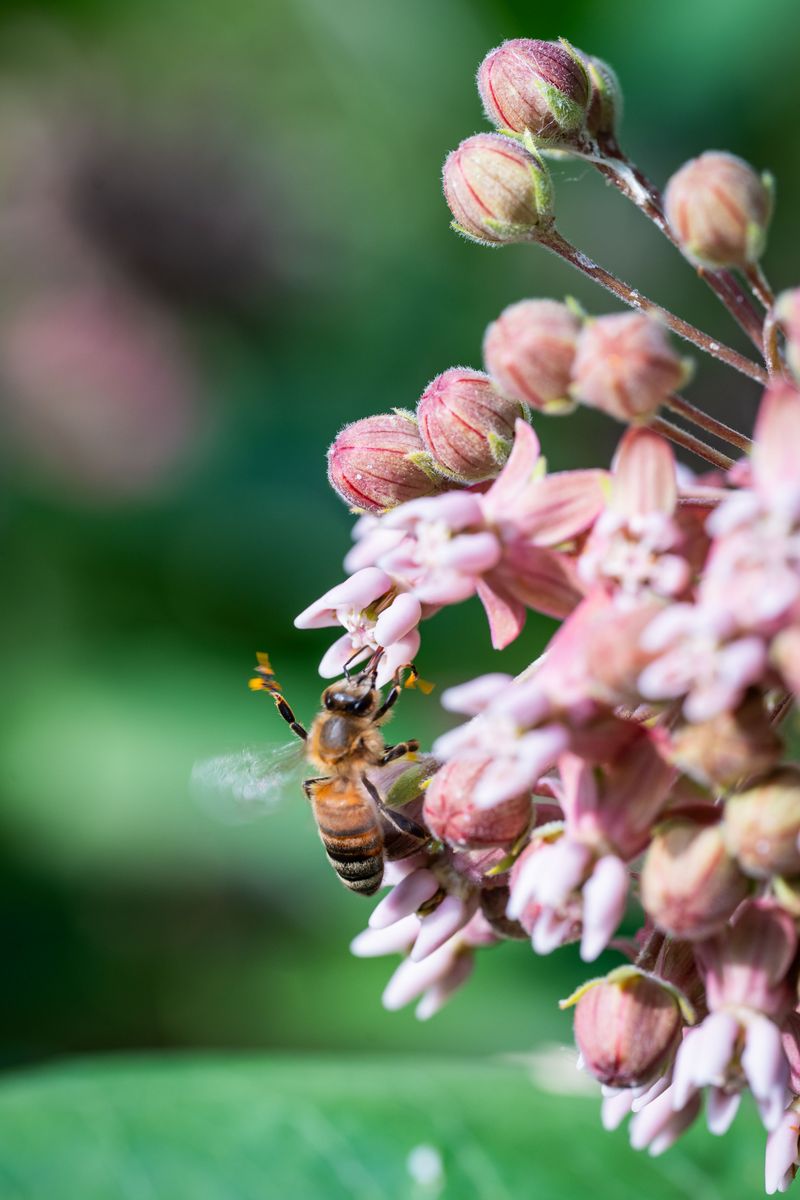
Image Credit: © Chris F / Pexels
Most people know milkweed as the monarch butterfly plant. What fewer people realize is that it is also one of the best bee plants growing wild across Illinois right now.
Asclepias syriaca produces clusters of pale pink to mauve flowers that smell faintly sweet on warm summer mornings. That fragrance is not accidental; it is a chemical invitation to pollinators.
The flower structure is uniquely complex. Bees must push their legs into small slots to access nectar, and pollen masses called pollinia attach to their legs in the process.
This mechanism means many bees that visit milkweed leave as active pollinators. The plant essentially uses visiting bees as pollen couriers with impressive precision.
Bumblebees are strong enough to work the flowers efficiently. Honeybees visit too, though they sometimes struggle with the flower mechanics and occasionally struggle to free their legs from the flower.
Common milkweed spreads by underground rhizomes and can colonize a large area over time. In a naturalized yard or meadow section, this spreading behavior creates a buzzing hotspot by midsummer.
It blooms in June and July, bridging the gap between spring ephemerals and the late-summer goldenrod surge. That mid-season timing fills a critical window in the pollinator calendar.
Planting milkweed means you are supporting monarchs and bees at the same time. That kind of double impact is rare, and Illinois gardens are better for every patch of it that grows.
6. Lavender May Not Be Native But Bees Do Not Care
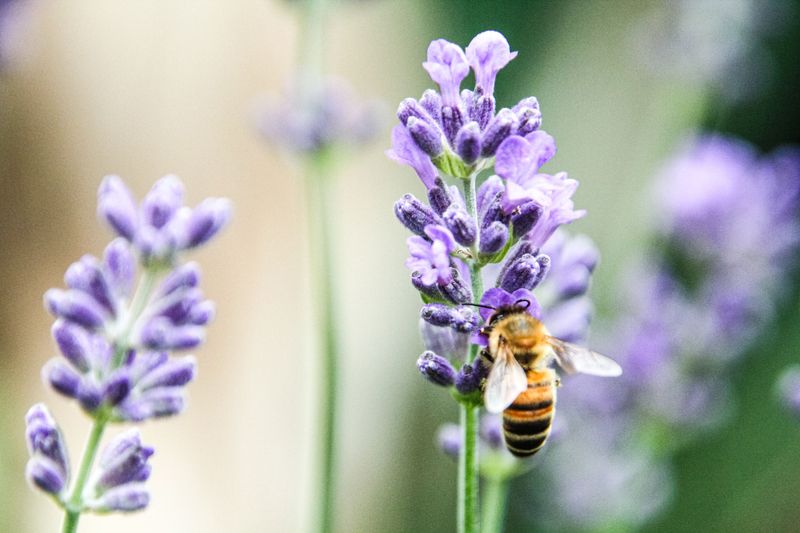
Image Credit: © Eva Kristiansson / Pexels
Lavender is not from Illinois. It is not even from North America.
But on a sunny July afternoon, you would never guess that by watching the bees swarm it.
Lavandula angustifolia produces long purple spikes loaded with tiny florets that bees find almost impossible to resist. The plant’s essential oils seem to amplify that attraction significantly.
Honeybees are the most enthusiastic visitors. They work lavender spikes methodically from bottom to top, collecting nectar so efficiently that a single plant can draw consistent bee traffic throughout the day.
The fragrance is part of the appeal for gardeners too. Planting lavender near a seating area means you get the scent and the satisfying hum of bees working nearby on warm afternoons.
Lavender blooms in June and July in most Illinois zones. Cutting back spent spikes often triggers a second flush of flowers in late summer, extending the bee season further.
It needs full sun and sharp drainage to thrive. Illinois clay soil can be a problem, so raised beds or amended borders with added gravel work much better for long-term success.
Hardy varieties like Hidcote and Munstead perform best in Illinois winters. They come back reliably year after year, building into larger clumps that attract even more pollinators over time.
Non-native status aside, lavender pulls serious weight in any pollinator garden. Bees have clearly decided that borders do not apply to good nectar sources.
7. Sunflowers Are A Magnet For Some Very Specific Bees
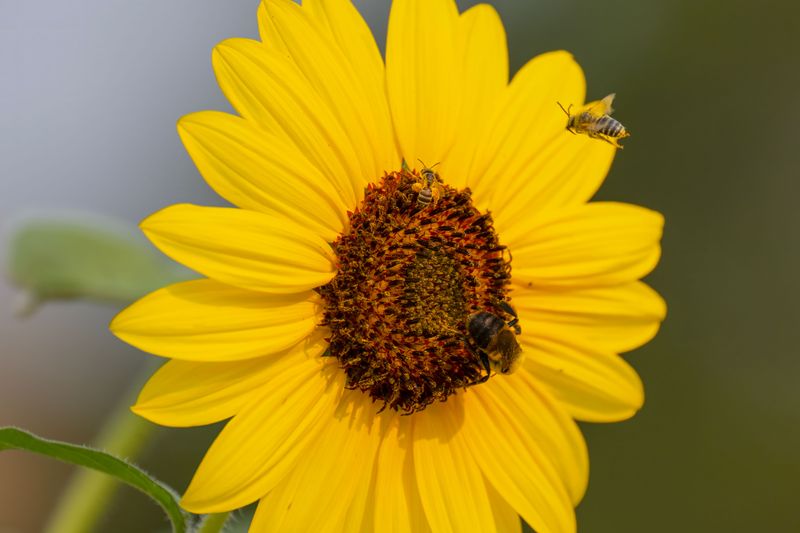
Sunflowers are one of those plants that seem almost too obvious for a pollinator list. But the bee activity they generate is specific, fascinating, and worth understanding.
Not all bee species visit sunflowers equally. Research shows that native bees, especially specialist bees in the Melissodes and Svastra genera, rely almost exclusively on sunflowers for pollen.
Many specialist bees time their adult season around sunflower bloom. They emerge, mate, and provision their nests almost entirely with sunflower pollen collected during peak bloom.
Helianthus annuus blooms from July through September in Illinois, with peak activity in August. A single large flower head can host dozens of bees simultaneously on a warm morning.
The key is choosing the right variety. Pollen-free hybrid sunflowers, bred for cut flower markets, offer no pollen and are essentially useless to bees.
Always choose open-pollinated or heirloom varieties instead.
Mammoth, Autumn Beauty, and Lemon Queen are excellent Illinois choices. They produce abundant pollen and nectar and attract the widest range of bee visitors throughout the season.
Sunflowers grow fast and produce results in a single season, making them ideal for gardeners who want immediate pollinator impact. Kids love planting them too, which adds an educational bonus to the whole project.
Watch a sunflower head on a warm August morning and you will see bees you have never noticed before. Specialist pollinators are out there, waiting for exactly this moment.
8. Asters Carry The Late-Season Shift
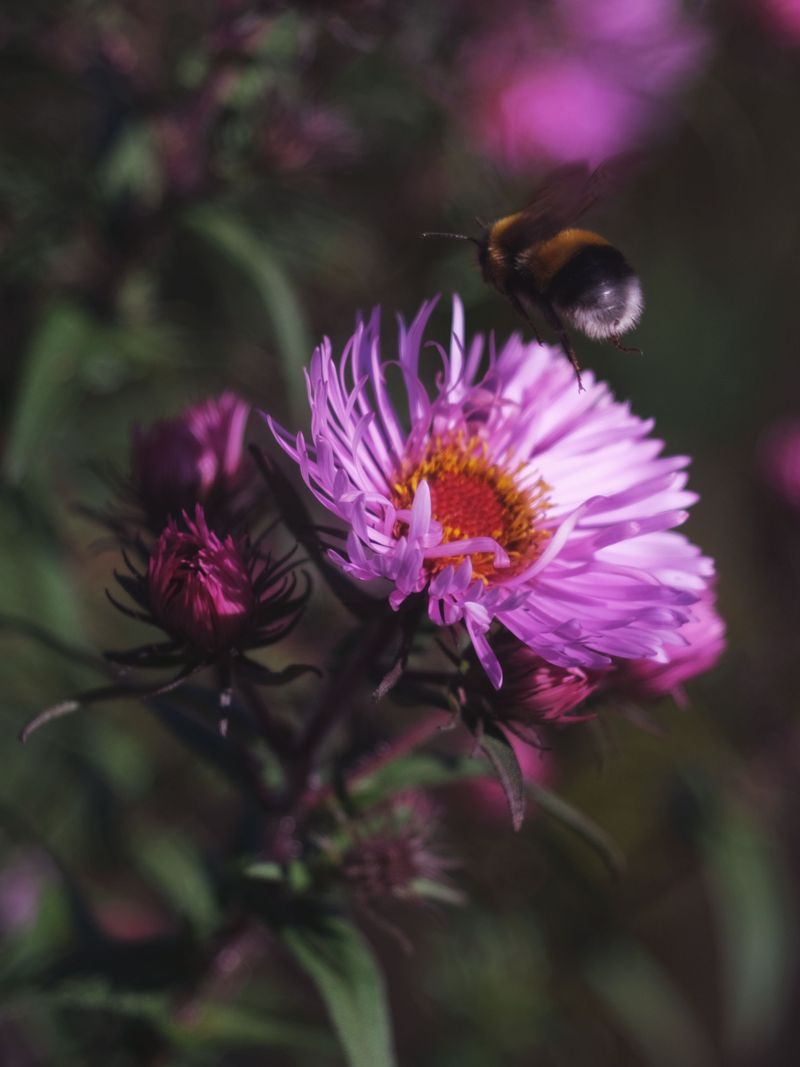
October in Illinois can feel like the end of something. But for bees still flying in the cooling air, asters are the last great feast before winter closes in.
Symphyotrichum species, the native asters of Illinois, bloom from September into November. That late timing makes them critically important for bumblebee queens preparing to hibernate.
New England aster is the showiest of the group. Its deep purple flowers with bright yellow centers cover the plant in such abundance that a single shrub can look like a purple cloud from a distance.
Honeybee colonies are also racing against the calendar in fall. Workers need to pack the hive with as much honey as possible before cold weather makes foraging impossible.
Asters provide a concentrated nectar source right when it is needed most. Many beekeepers note that asters help colonies wrap up their winter preparations.
These Illinois blooms are buzzing with bee activity well past the point when most gardeners have stopped paying attention to their yards. That persistence is exactly what makes asters so valuable.
Shorter native species like smooth aster and sky blue aster work beautifully in border gardens. They stay tidy, bloom reliably, and require almost no maintenance once settled into the right spot.
Plant asters and you are not just adding fall color to your yard. You are holding the door open for every bee still flying, giving them one last reliable food source before the season closes.