Why Lemon Balm Deserves A Spot In Every Pennsylvania Garden
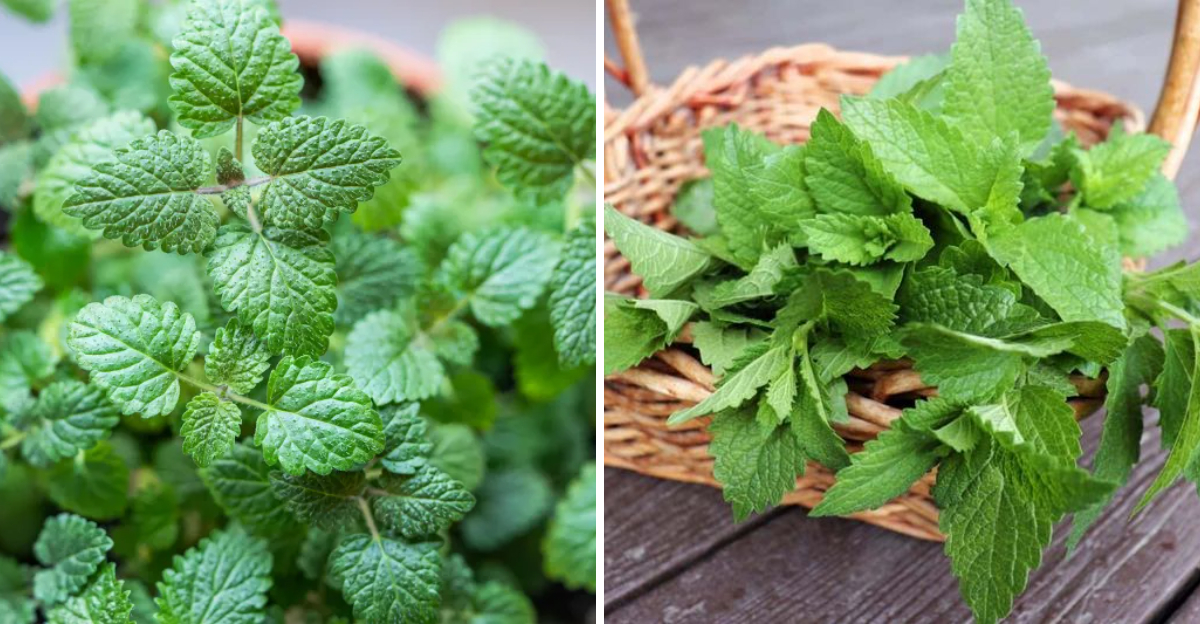
Lemon balm doesn’t get nearly the attention it deserves. Walk into most garden centers and it’s easy to overlook, sitting quietly on the shelf without much fanfare while showier plants grab all the attention.
But gardeners who know lemon balm know something the rest are missing. This unassuming little herb is one of the most useful and rewarding plants you can grow in a Pennsylvania garden.
It does a lot more than smell amazing, though it absolutely does that too. Lemon balm attracts pollinators, helps repel unwanted insects, supports mental wellness, and has a long history of medicinal and culinary uses that make it genuinely practical in everyday life.
It’s also incredibly easy to grow, thrives in Pennsylvania’s climate, and comes back reliably year after year.
Whether you’re an experienced gardener or just getting started, lemon balm is the kind of plant that quickly earns a permanent spot. Here’s exactly why it belongs in your garden.
1. Attracts Pollinators
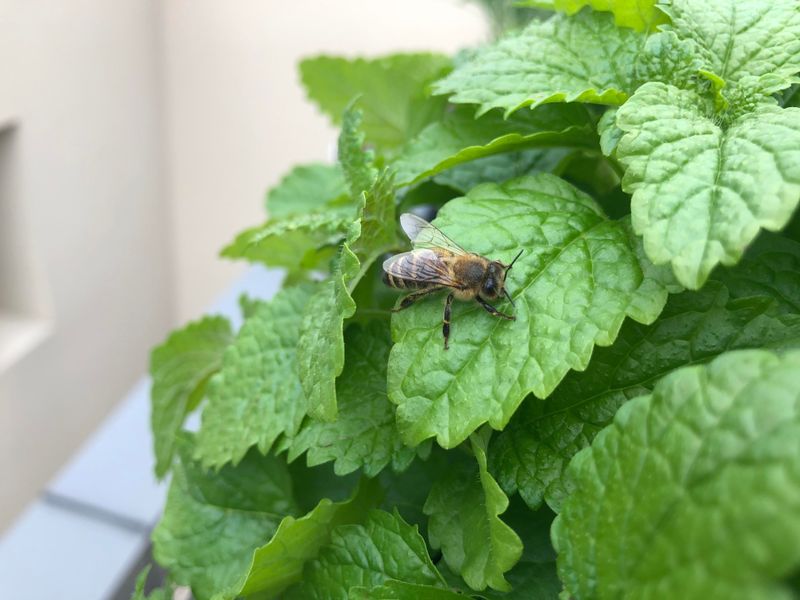
Bees go absolutely wild for lemon balm. When this herb blooms in late spring and summer, its tiny white flowers become a buzzing hub of activity.
Honeybees, bumblebees, butterflies, and even hoverflies flock to the blossoms like they have been invited to a feast. If your garden has been feeling a little quiet lately, adding lemon balm might be just the thing to bring it back to life.
Pollinators are incredibly important for any garden. Without them, many vegetables, fruits, and flowers simply cannot produce a good harvest.
Tomatoes, squash, peppers, and berry bushes all depend on pollinators to carry pollen from flower to flower. By planting lemon balm nearby, you are essentially rolling out a welcome mat for the very insects your garden needs most.
Pennsylvania summers can be unpredictable, but lemon balm blooms reliably from June through August. That long bloom window means pollinators have a consistent food source throughout the growing season.
Planting it near your vegetable beds or fruit trees is a smart and natural way to boost your overall garden productivity.
Fun fact: Beekeepers have used lemon balm for hundreds of years to attract swarms and calm their hives. The plant contains compounds that mimic bee pheromones, which is why bees find it so irresistible.
That ancient relationship between lemon balm and bees is still working beautifully in modern gardens today. You do not need a beehive to benefit from this connection.
Simply growing a patch of lemon balm near your garden beds will draw in more pollinators and help every plant around it thrive all season long.
2. Easy To Grow
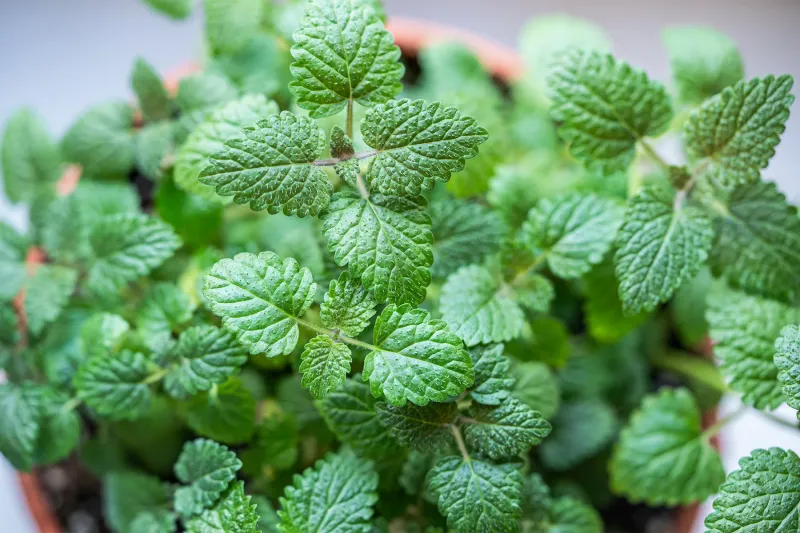
Not every gardener has a green thumb, and that is perfectly okay. Lemon balm is one of those rare plants that seems to thrive no matter what you do.
It grows in full sun or partial shade, tolerates poor soil, and does not demand much water once it gets established. For busy Pennsylvania gardeners juggling work, family, and weekend activities, this kind of low-maintenance plant is a true gift.
Your Pennsylvania Garden Changes Every Week. Your Plan Should Too.
Gardening in Pennsylvania changes quickly throughout the season. Every Friday you’ll receive a simple weekly plan showing exactly what to plant, prune, fertilize, harvest, and protect so you never miss the right timing.
Pennsylvania has a mixed climate with cold winters, warm summers, and plenty of rainfall. Lemon balm handles all of it with ease.
It is a hardy perennial in most of Pennsylvania, meaning it comes back year after year without replanting. You put it in the ground once, and it rewards you with fresh growth every spring like clockwork.
Starting lemon balm is simple too. You can grow it from seed, buy a small transplant from a garden center, or ask a neighbor to share a division from their existing plant.
It roots easily and establishes quickly. Within just a few weeks of planting, you will have a bushy, leafy plant ready to harvest.
One thing to keep in mind is that lemon balm can spread aggressively if left unchecked. Cutting it back regularly and removing seed heads before they scatter will keep it from taking over your garden beds.
Growing it in containers is another great option for keeping it contained while still enjoying all its benefits. With just a little attention, lemon balm stays manageable and productive.
It is genuinely one of the most forgiving herbs you can ever choose to grow in a Pennsylvania garden.
3. Fragrant And Culinary Uses
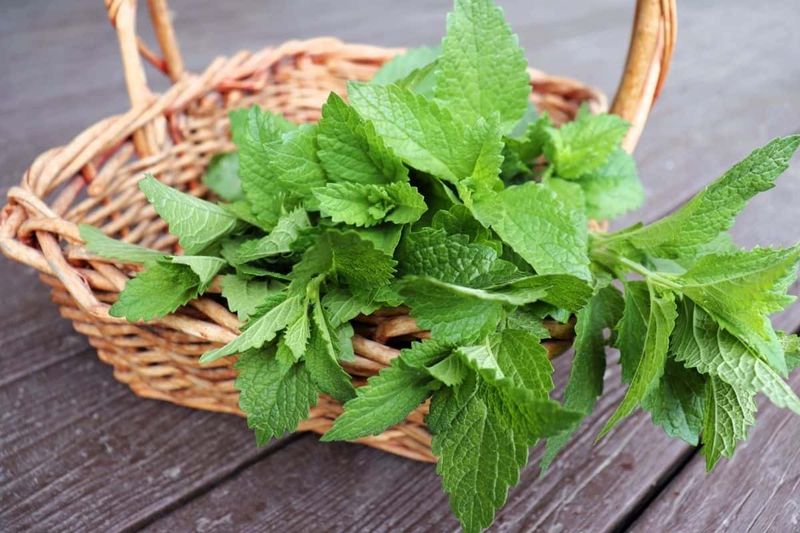
Walk past a lemon balm plant on a warm afternoon and brush a leaf with your fingers. That burst of fresh, citrusy scent is enough to make anyone stop and smile.
The fragrance is clean, uplifting, and unmistakably lemony without being sharp or overwhelming. It is one of those garden scents that just makes you feel good, and that alone is reason enough to grow it.
Beyond smelling wonderful, lemon balm is genuinely useful in the kitchen. The fresh leaves can be chopped and added to green salads for a subtle citrus flavor.
They pair beautifully with fish, chicken, and summer fruit salads. You can also blend them into homemade salad dressings, stir them into yogurt, or use them as a garnish for desserts like panna cotta and lemon cake.
Lemon balm tea is probably the most popular way to enjoy this herb. Simply steep a handful of fresh or dried leaves in hot water for about five minutes, add a little honey, and you have a soothing, flavorful drink that beats anything from a store-bought tea bag.
It also makes a refreshing cold drink when brewed and poured over ice with fresh mint. Growing your own lemon balm means you have a fresh, organic supply right outside your door all summer long. Drying it for winter use is easy too.
Just cut stems, bundle them loosely, and hang them upside down in a dry, airy spot. Within a couple of weeks, your dried lemon balm will be ready to store in a jar and use in recipes or teas for months to come.
4. Natural Pest Repellent
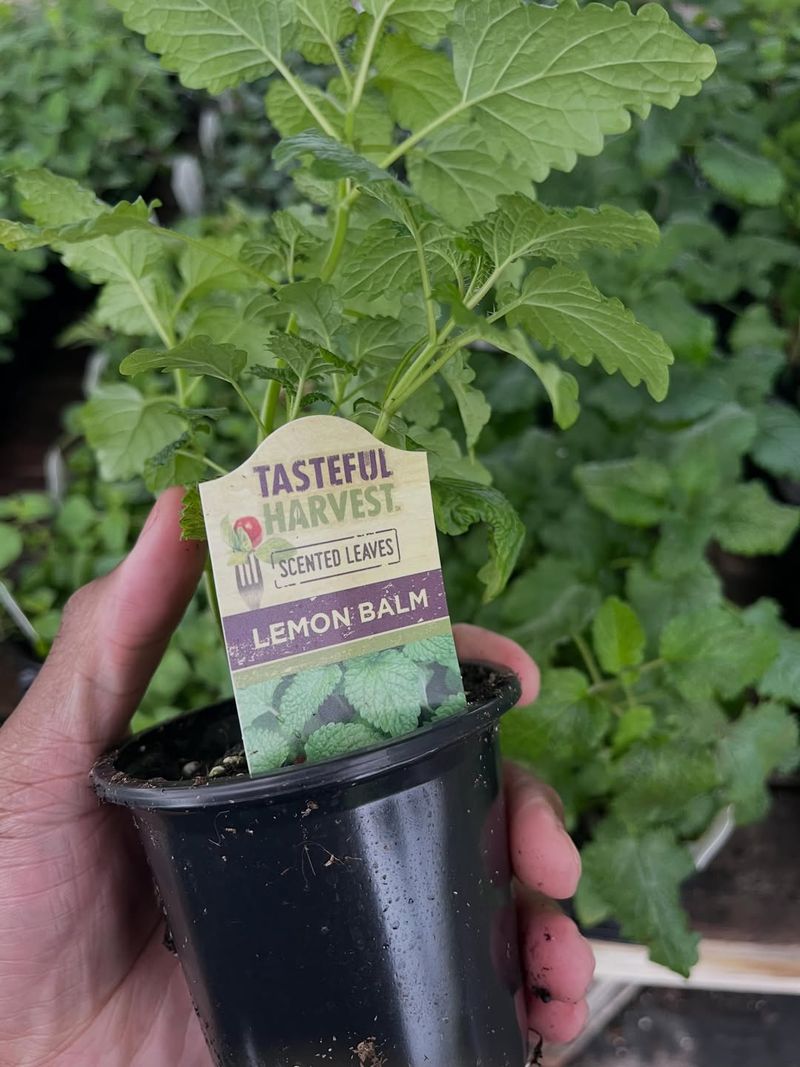
Nobody wants mosquitoes crashing their backyard barbecue. Lemon balm contains a compound called citronellal, which gives the plant its lemony scent and also happens to be a natural mosquito repellent.
Crushing a few leaves and rubbing them on your skin can help keep mosquitoes away during outdoor activities. It is not as powerful as commercial sprays, but it is a natural and pleasant-smelling option that many people prefer.
Beyond mosquitoes, lemon balm can help deter other unwanted garden visitors. Its strong scent confuses and discourages certain insects that would otherwise munch on your vegetables and flowers.
When planted as a companion near tomatoes, peppers, or beans, it can help mask the scent of those crops from pests that locate plants by smell. That makes lemon balm a smart addition to any vegetable garden layout.
Companion planting is a gardening strategy that uses the natural properties of plants to benefit their neighbors. Lemon balm is one of the best companion plants you can choose because it offers multiple benefits at once.
It attracts helpful pollinators while simultaneously discouraging harmful pests, striking a balance that supports the whole garden ecosystem.
Pennsylvania gardeners deal with aphids, squash bugs, whiteflies, and plenty of other pesky insects throughout the growing season. While no single plant can solve every pest problem, lemon balm is a valuable tool in your natural pest management toolkit.
Planting it in borders around your garden beds or tucking it between rows of vegetables adds both beauty and function. Over time, you may notice fewer pest problems in the areas where lemon balm grows, making it well worth every inch of space it takes up.
5. Medicinal And Wellness Benefits
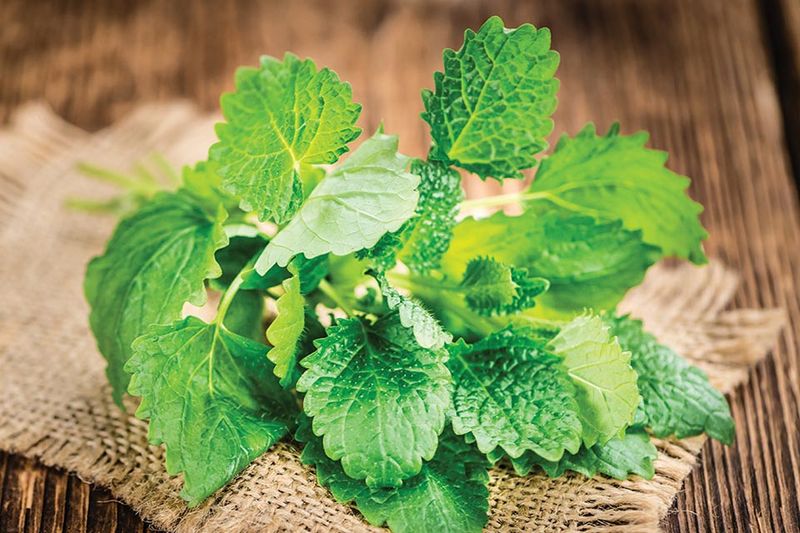
Long before modern medicine, people across Europe and the Middle East were brewing lemon balm tea to calm their nerves and settle upset stomachs. The ancient Greeks called it melissa, meaning honeybee, and prized it for its soothing properties.
Centuries later, science has caught up with tradition and confirmed that lemon balm does contain compounds that support relaxation and digestive comfort.
Feeling stressed after a long day? A warm cup of lemon balm tea might be exactly what you need.
Studies suggest that lemon balm can help reduce anxiety, ease mild insomnia, and promote a general sense of calm. It works gently and naturally, without the grogginess that sometimes comes from other sleep aids.
Many Pennsylvania herb enthusiasts keep a jar of dried lemon balm on hand specifically for winding down in the evening.
Lemon balm also supports digestive health. It has traditionally been used to relieve bloating, gas, and indigestion.
Some herbalists combine it with other soothing herbs like chamomile or peppermint for a blended tea that targets multiple digestive complaints at once. Whether you use it alone or in a blend, it is a gentle and effective option for everyday tummy troubles.
Harvesting lemon balm for medicinal use is straightforward. Pick leaves in the morning after the dew has dried but before the heat of the day sets in.
Use them fresh for teas or tinctures, or dry them slowly at a low temperature to preserve their beneficial oils.
Storing dried lemon balm in an airtight glass jar away from light and heat keeps it potent for up to a year, giving you a reliable homegrown wellness resource all winter long.
6. Versatile Landscaping Plant
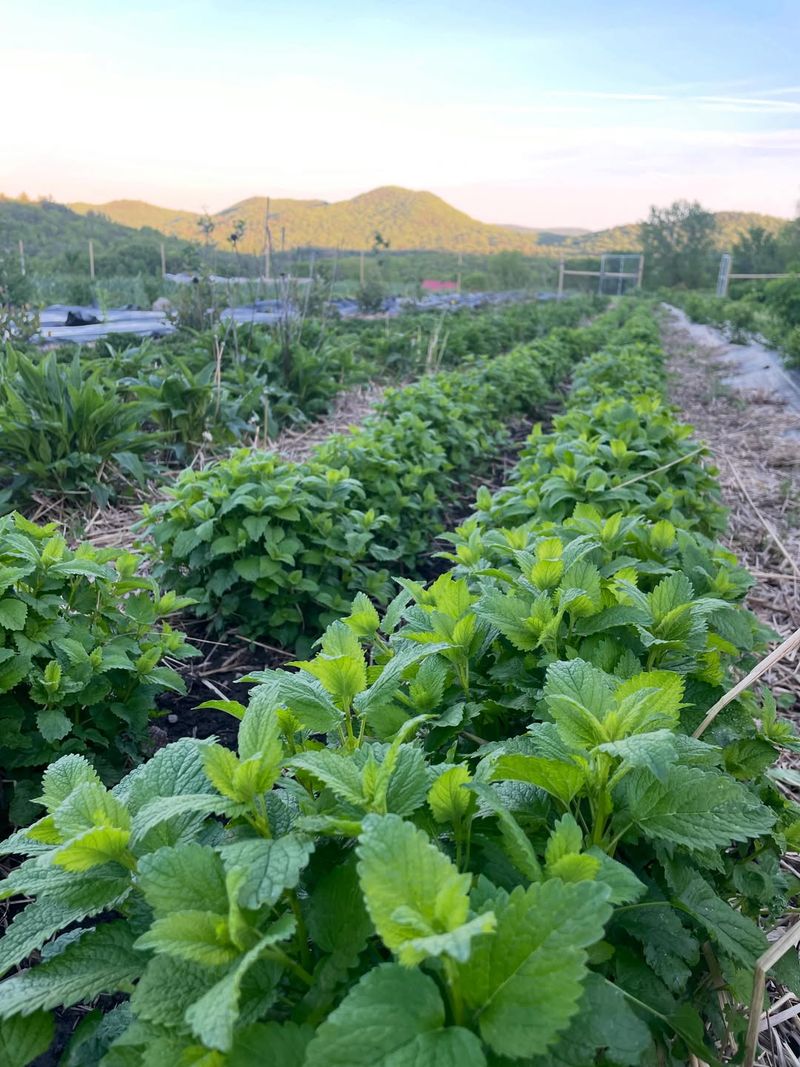
Some plants are beautiful but fussy, demanding exactly the right conditions to look their best. Lemon balm is the opposite.
It fits comfortably into almost any garden style or space, from formal herb knot gardens to casual cottage borders to urban container gardens on apartment balconies. That flexibility makes it one of the most useful plants a Pennsylvania gardener can have in their arsenal.
In the ground, lemon balm works beautifully as a border plant. Its rounded, textured leaves and upright growth habit create a lush, green edge along pathways and garden beds.
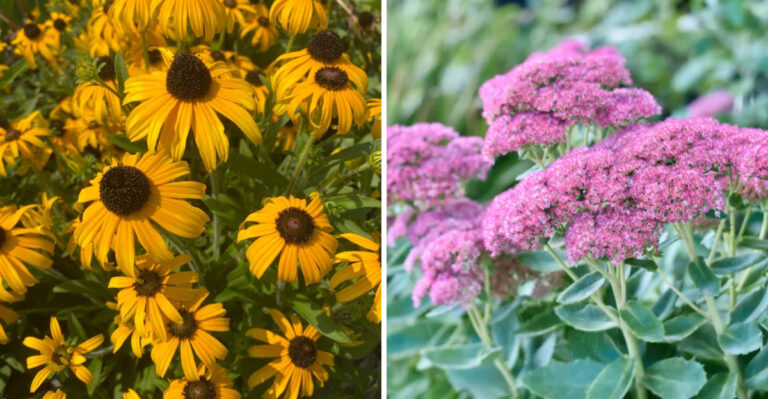
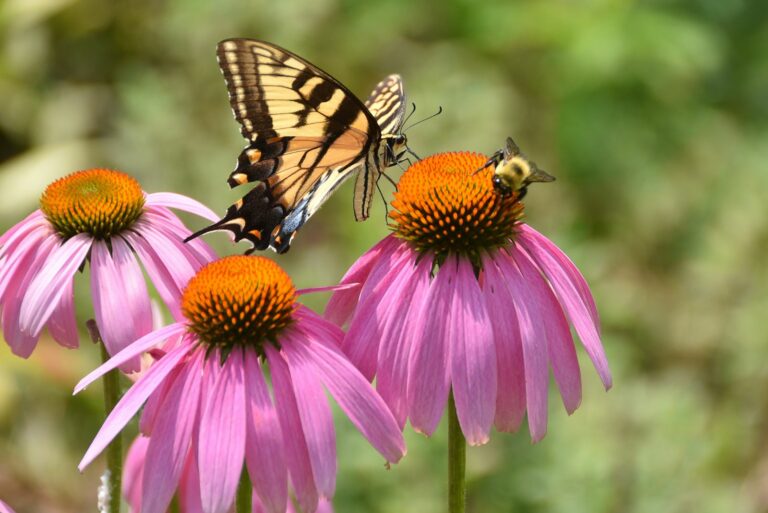
It fills in spaces quickly and provides a soft backdrop for showier flowering plants like coneflowers, black-eyed Susans, and lavender. The contrast between its bright green leaves and colorful blooms nearby is genuinely lovely to look at.
Container growing is another fantastic option, especially for gardeners who want to control how much the plant spreads. A large pot or half-barrel planter gives lemon balm plenty of room to grow while keeping its roots contained.
Containers can be moved around the patio or deck to wherever you want that fresh lemony fragrance most. They also make it easy to bring the plant indoors before Pennsylvania winters arrive.
Pollinator gardens are trending across Pennsylvania right now, and lemon balm is a natural fit for these wildlife-friendly spaces.
Paired with other pollinator favorites like bee balm, anise hyssop, and native wildflowers, it creates a buzzing, beautiful habitat that benefits both the garden and local ecosystems.
Pruning lemon balm a couple of times each season keeps it tidy, prevents excessive spreading, and actually encourages fresh, fragrant new growth to emerge, making maintenance easy and rewarding every single time.