Do This To Ohio Blueberry Bushes Right After Harvest And Double Next Year’s Crop
Most Ohio blueberry growers walk away from the bushes the moment the last berry comes off. The harvest is done, the season feels finished, and attention shifts to everything else the late summer garden is asking for.
That walkaway is costing them next year’s crop in ways that show up slowly and get blamed on everything except the real cause.
What happens to blueberry bushes in the weeks right after harvest sets the foundation for what those same bushes produce twelve months later.
The plant is still working hard after the fruit is gone. What it gets during that window determines how well it performs when the next season arrives.
One task done consistently after harvest makes a measurable difference in yield. Ohio blueberry growers who do it tend to notice the results by the second year and never skip it again.
Next year’s crop is decided right now.
1. Water Blueberries Deeply After The Last Harvest
The berry bowl is empty, but the bush is far from finished. Blueberry plants keep their leaves well into fall, and those leaves are still pulling energy from sunlight and sending it back down into the root zone.
That process depends on consistent moisture in the soil.
Blueberry roots are shallow, often sitting just a few inches below the surface. They dry out faster than deeper-rooted plants, especially during the warm weeks that follow a summer harvest.
Skipping water after the last picking is one of the fastest ways to stress a bush heading into bud development.
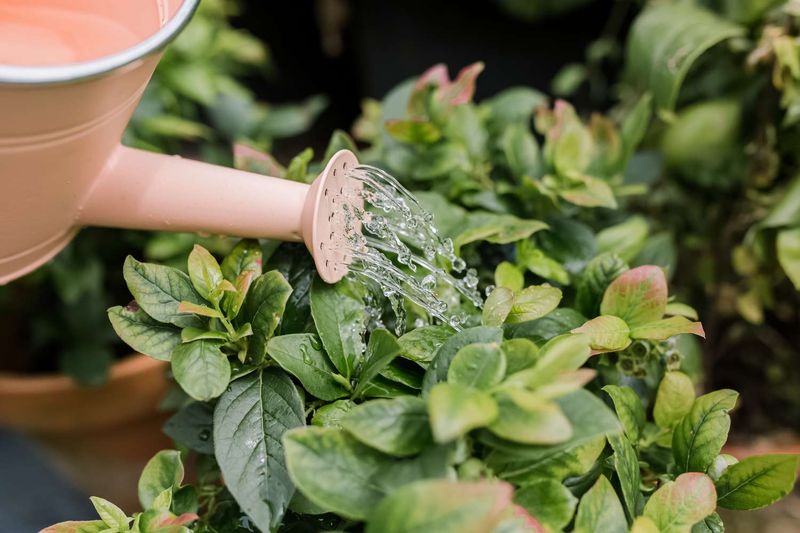
Deep, thorough watering is more useful than a light daily sprinkle. Water slowly and allow moisture to soak down into the root zone rather than running off the surface.
Check the soil a few inches down before watering. If it feels dry, the bush needs a drink.
Avoid keeping the soil soggy. Blueberries do not tolerate standing water, and waterlogged roots cause problems just as quickly as drought stress.
Aim for steady, even moisture. Consistent watering through late summer and early fall gives the plant the foundation it needs to form strong flower buds for next year.
2. Protect Next Year’s Buds Before They Form
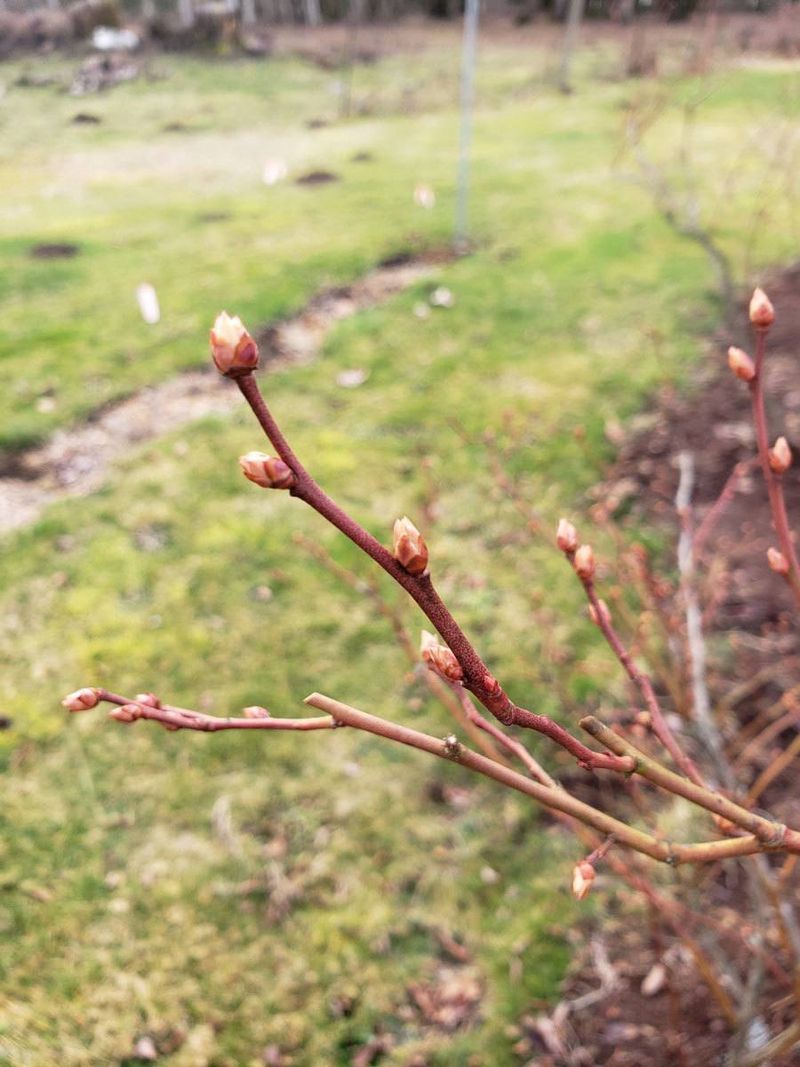
Most Ohio gardeners think about flower buds in spring, right before they open. The truth is that blueberry bushes begin building those buds much earlier, often starting the process in late summer after harvest wraps up.
What happens during that window matters more than most people realize.
Stress after harvest can pull resources away from bud development. A bush that is short on water, fighting heavy weed competition, or dealing with leaf damage has less energy to invest in forming fruiting wood for next year.
Healthy leaves are part of that equation. They keep feeding the plant through photosynthesis long after the fruit is gone.
Protecting the plant during this period does not require anything complicated. Keep moisture steady, reduce competition from weeds, and avoid anything that causes sudden stress to the foliage or root zone.
Your Ohio Garden Changes Every Week. Your Plan Should Too.
Gardening in Ohio changes quickly throughout the season. Every Friday you’ll receive a simple weekly plan showing exactly what to plant, prune, fertilize, harvest, and protect so you never miss the right timing.
Avoid heavy pruning right after harvest unless you are removing clearly broken or damaged wood.
Think of this post-harvest window as a quiet investment period. The plant is building its future crop from the inside out.
Supporting that process with steady care, rather than benign neglect, gives next year’s harvest a better starting point than it would have without your attention.
3. Refresh Mulch Without Burying The Crown
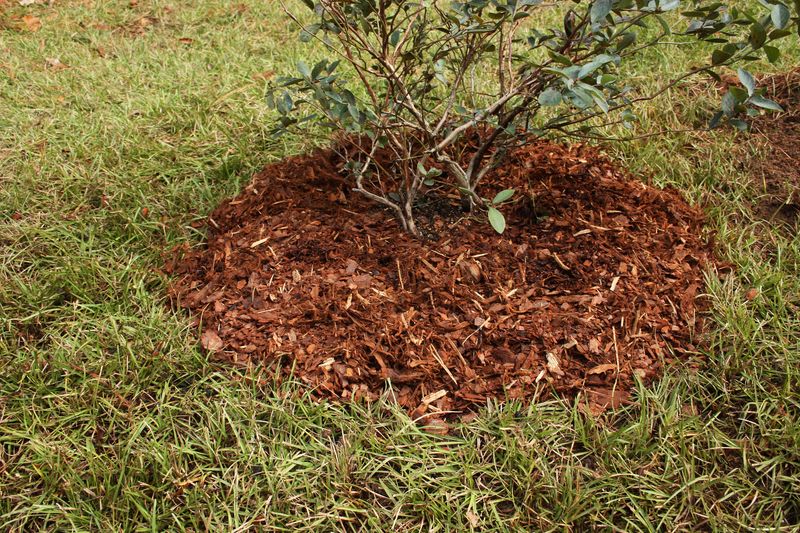
A good mulch ring around a blueberry bush does a lot of quiet work. It slows moisture loss from the soil, moderates root-zone temperature, and reduces the number of weeds that push up through the ground.
After harvest, checking the mulch layer is one of the most practical things you can do for the plant.
Mulch breaks down over time. A layer that looked thick in spring may be thin and patchy by late summer.
Adding fresh material after harvest helps restore that protection heading into the drier weeks of fall. Pine bark, wood chips, and shredded leaves are commonly used for blueberries.
Check with your local extension office if you are unsure which materials work best in your situation.
One rule matters above all others here. Keep the mulch away from the crown of the plant.
Piling mulch directly against the main stems holds moisture against the bark and can cause problems over time. Leave a few inches of clear space around the base of the bush.
A mulch layer of roughly two to four inches is a reasonable target for most home plantings. Shallow roots benefit from that buffer.
Consistent mulch management after harvest is one of the lowest-effort ways to protect the plant through the rest of the growing season.
4. Check Soil pH Before Adding Anything
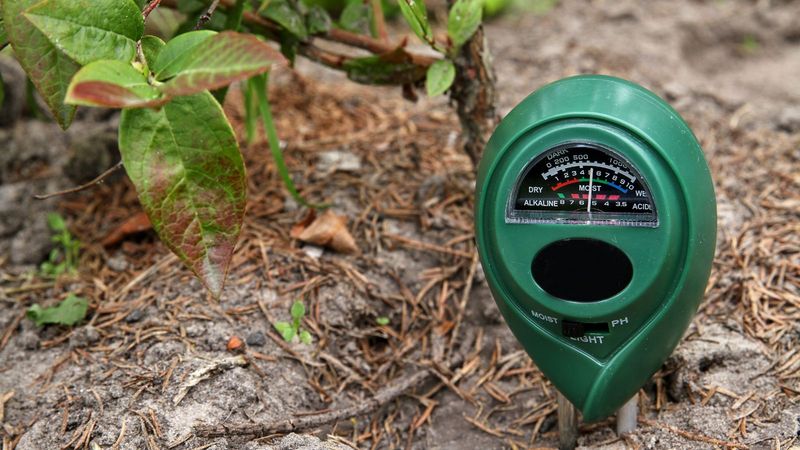
Blueberries are one of the most pH-sensitive fruit crops grown in Ohio home gardens. They need acidic soil, typically in the range of 4.5 to 5.5, to absorb nutrients properly and stay vigorous.
Outside that range, even well-fed plants can struggle to perform.
The problem with guessing is that adding sulfur, acidifiers, or any soil amendment without knowing your current pH can easily create new problems. Soil that is already at the right level does not need correction.
Pushing it lower than necessary can cause its own set of issues for the plant.
A simple soil test takes the guesswork out of the process. Ohio State University Extension recommends testing soil before making any amendments, and local extension offices can often help interpret results.
Home test kits are widely available and easy to use, though a lab test gives more detailed information.
Post-harvest is a practical time to collect a soil sample. The growing season is winding down, and any corrections made in fall have time to work before the following spring.
If the pH is already in the right range, skip the amendment and focus your energy on moisture and mulch instead. Test first, then act on what the results actually show.
5. Skip Heavy Nitrogen After Harvest
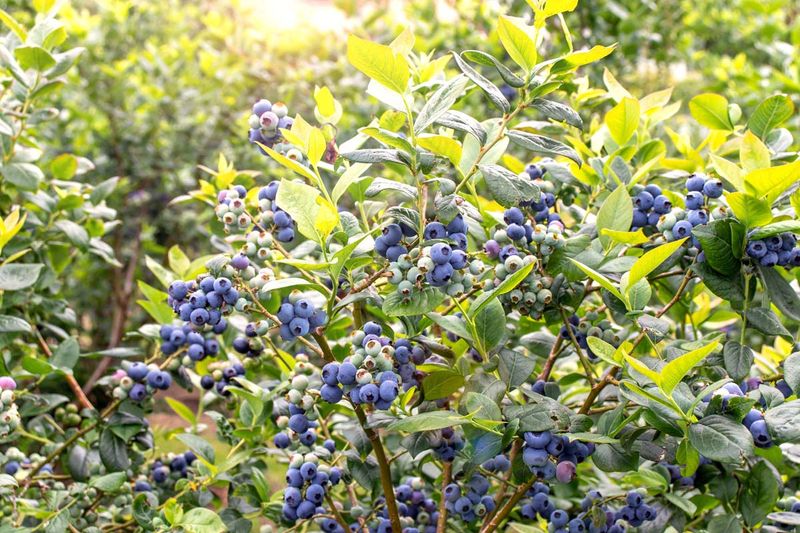
Fertilizer feels productive. Pouring something into the soil after harvest gives the impression that you are doing something useful for next year.
But late-season nitrogen is one of the most common post-harvest mistakes made in home fruit gardens.
Heavy nitrogen late in the growing season can push a flush of soft new growth at exactly the wrong time. That tender growth has little chance to harden off before temperatures drop.
Instead of building flower buds and storing energy for spring, the plant is spending resources on growth it cannot sustain.
Most extension recommendations for blueberries suggest applying fertilizer in early spring, before or during bloom, rather than after harvest. If a soil test reveals a specific deficiency, follow the test results and the product label carefully.
Do not apply fertilizer based on habit or assumption.
If you have not had your soil tested recently, that is the more useful step to take right now. A test tells you what the soil actually needs, which may be nothing at all.
Skipping unnecessary fertilizer after harvest is not neglect. It is restraint based on how blueberry plants actually work.
Let the plant focus on bud development rather than chasing a late burst of leafy growth it does not need.
6. Remove Weak Or Crowded Canes At The Right Time
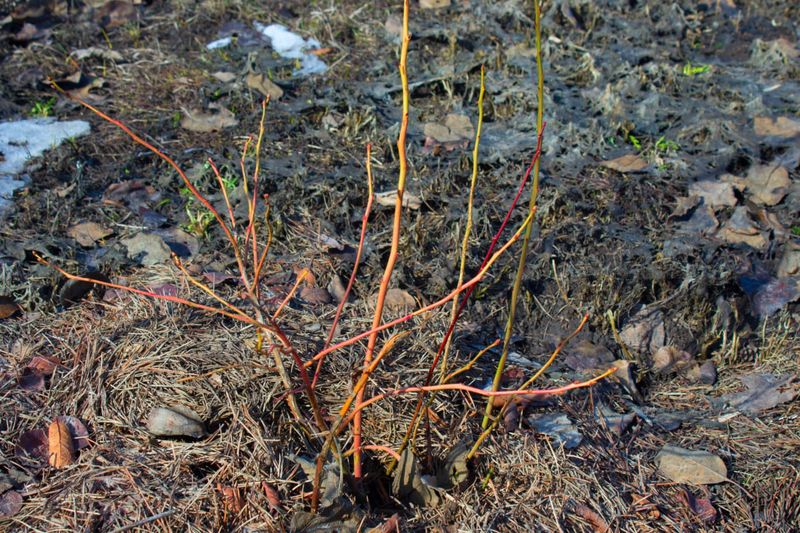
Pruning blueberry bushes is not a one-time event. It is an ongoing process that shapes how productive the plant becomes over the years.
After harvest, the bush is still leafed out and actively growing, which makes it a good time to look at the cane structure without committing to major cuts.
Walk through your planting and look for canes that appear weak, spindly, or growing in a direction that crowds the center of the bush. Take note of any wood that looks unhealthy or failed to carry fruit this season.
This inspection gives you a clear picture of what the bush needs.
Major pruning is generally recommended during dormancy, in late winter or early spring before growth resumes. That timing allows you to see the cane structure clearly and make clean cuts without interrupting the plant’s post-harvest bud development.
Removing too much wood right after harvest can reduce the leaf canopy the plant needs to keep building energy.
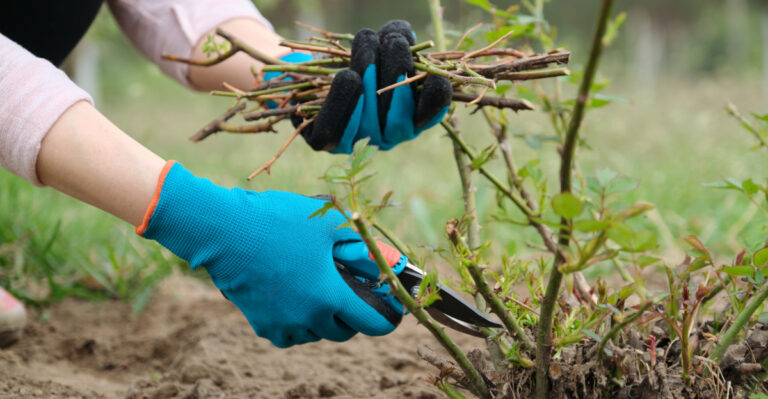
Light cleanup is reasonable after harvest. Broken branches, clearly damaged wood, or canes rubbing against each other can be removed without major impact.
For anything more significant, wait until the plant is dormant. A well-timed pruning program over several years builds a more open, productive bush than aggressive cuts made at the wrong moment.
7. Keep Weeds From Stealing Shallow Root Moisture
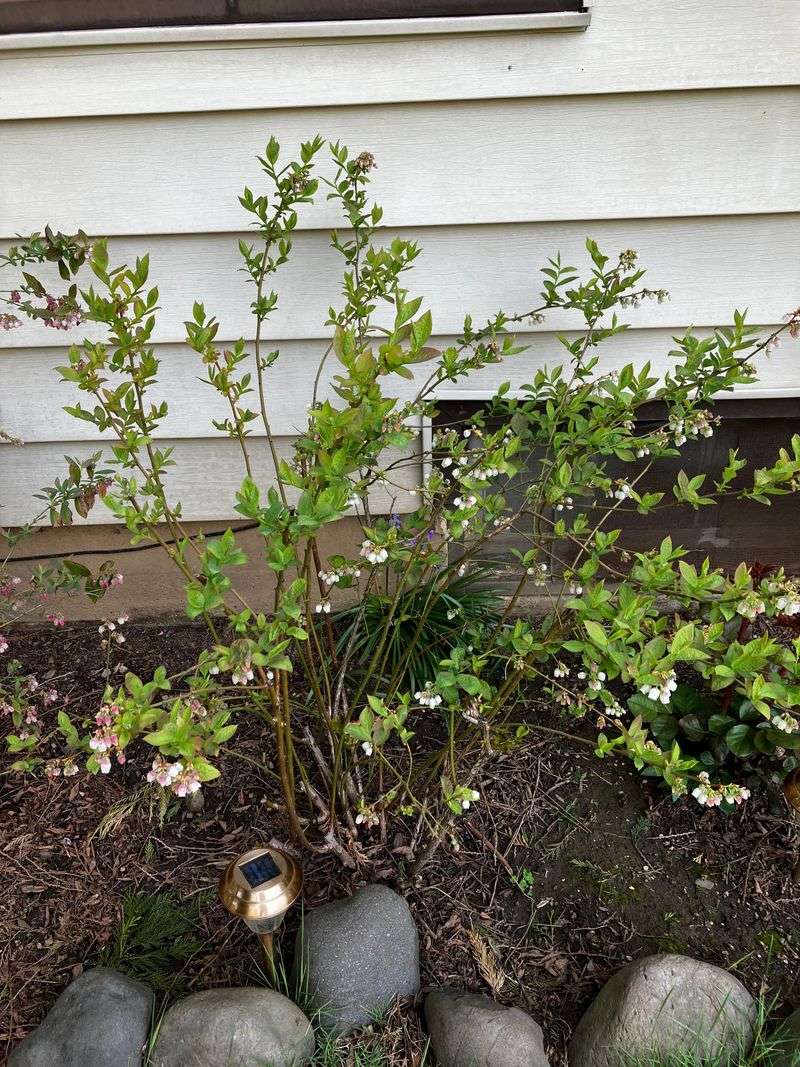
A weedy row of blueberries might not look like a serious problem from a distance. Up close, it is a different story.
Blueberries have some of the shallowest root systems of any common fruit crop. Those roots share the same few inches of soil with every weed that moves in around the base of the bush.
Weeds pull moisture and nutrients from exactly the zone where blueberry roots are most active. After harvest, when the plant is working to build next year’s flower buds, that competition can quietly reduce the resources available for bud development.
A clean root zone matters more than it might appear.
Hand-weeding is the safest approach around blueberry plants. Avoid using a hoe or cultivator close to the bush.
Shallow cultivation can slice through feeder roots without you even knowing it. Pull weeds by hand or use a sharp tool carefully, staying well away from the drip line.
Maintaining a consistent mulch layer is one of the most effective ways to keep weeds from returning. A well-maintained mulch ring reduces germination and makes hand-pulling easier when weeds do appear.
Post-harvest weed control is not glamorous work, but it protects the root zone at a time when the plant has little energy to spare for competition.
8. Help Bushes Recover Before Winter Sets In
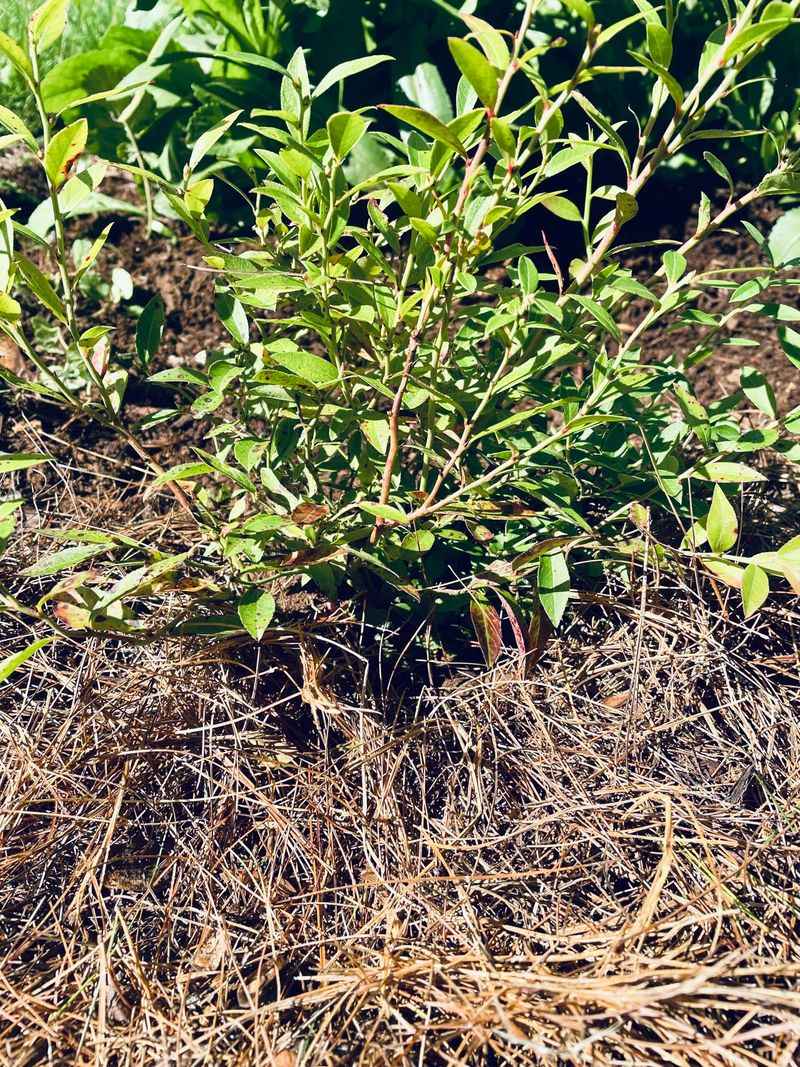
By the time temperatures start dropping in the fall, your blueberry bushes should already be in good shape. The work done in the weeks right after harvest builds the foundation that carries the plant through the cold months and into the following spring.
A bush that finishes the season with steady moisture, a clean root zone, good mulch coverage, and proper soil pH is better positioned to handle cold. It is stronger than one that was neglected after picking.
Strong, well-fed canes harden off more effectively. Flower buds that formed under low-stress conditions are more likely to survive winter and open reliably in spring.
This state can bring cold snaps earlier than expected in northern regions, and late-season dry spells are not uncommon in any part of the state. Staying consistent with watering through early fall helps the plant finish the season with stored energy.
This is especially important during dry stretches, so it can push through dormancy and come back strong.
Post-harvest care is not about dramatic interventions. It is about staying present for the plant during a window that most gardeners overlook.
The bushes that get steady attention after harvest tend to perform better the following year. That is not a promise of doubled yields, but it is a realistic picture of what consistent care can build over time.