Why Ohio Gardeners Have Been Noticing Dragonflies In Gardens (And The Old Midwestern Explanation For That)
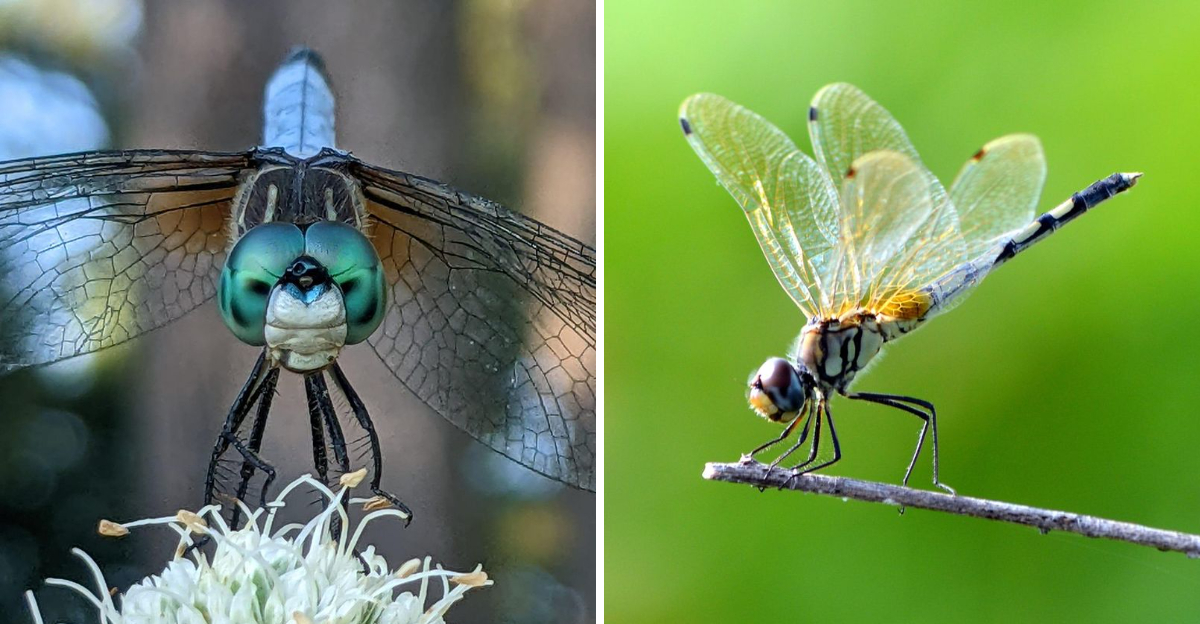
A dragonfly landed on a tomato cage in an Ohio backyard this summer and stayed there for twenty minutes.
The gardener who noticed it did not think much of it at first. Then it came back the next day. And the day after that.
Ohio gardeners have been noticing this more often lately, and most of them have the same reaction. They watch the dragonfly for a moment, feel something like satisfaction, and go back to weeding without quite understanding what they just witnessed.
Dragonflies are not random visitors. They show up for specific reasons tied directly to what is happening in your yard at a biological level.
The old Midwestern belief about what a dragonfly visit means has been passed down for generations, and the interesting part is how close that folk wisdom sits to what the science actually says.
There is an explanation behind every dragonfly that perches on your garden fence this season. So, have you been watching them without knowing what they are trying to tell you?
1. Every Dragonfly In Your Yard Traces Back To Water Somewhere Nearby
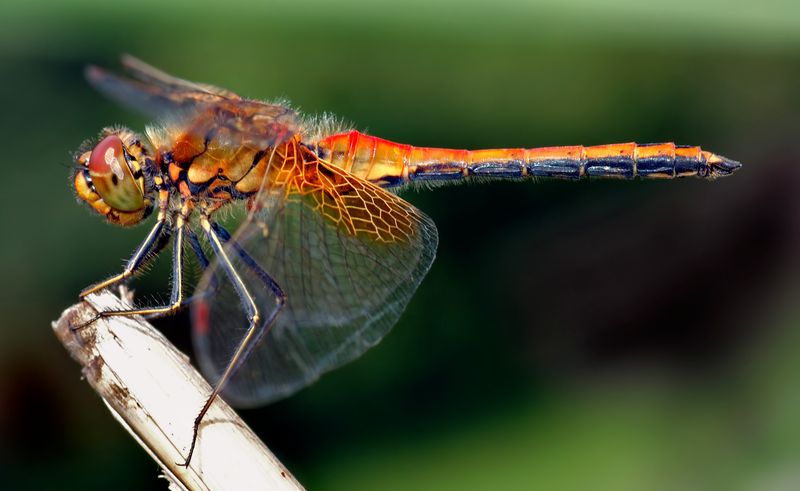
Dragonflies do not appear in Ohio gardens by accident. Water pulls them in, and the connection between these insects and water is more direct than most gardeners realize.
Dragonflies spend the earliest and longest part of their lives underwater as nymphs. That stage can last two to four years depending on the species.
Ponds, rain gardens, shallow birdbaths, and even low-lying wet patches after a heavy Ohio rain can all attract dragonfly activity.
Adults emerge from the water and often fly only a short distance from where they hatched, which is why certain yards see them consistently while neighboring yards rarely do.
Rain gardens are particularly effective at supporting dragonfly populations because they hold water just long enough for aquatic insects to thrive without becoming stagnant mosquito breeding zones.
A well-planted rain garden with native sedges and rushes along the edges gives nymphs places to cling and hunt before emerging as adults. Even a half-barrel water garden on a patio can support a surprisingly active small ecosystem.
Ohio gardeners who notice dragonflies regularly should take a slow look around for any wet habitat they may have overlooked.
A clogged downspout, a low corner of the yard that stays damp after rain, or a neighbor’s pond just over the fence can all explain the visits.
Water is the starting point for every dragonfly you see hovering above your marigolds. The insect overhead is essentially a flying reminder of the ecosystem living just below the surface somewhere nearby.
2. Rising Mosquito Activity Is What Draws Dragonflies Into The Garden
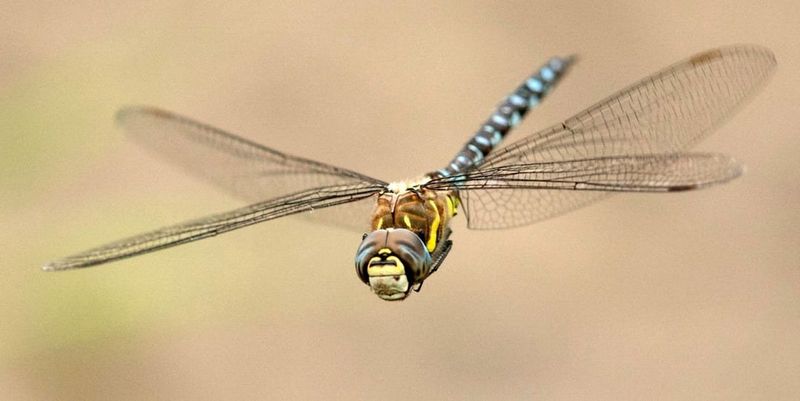
Dragonflies follow the food, and the food follows conditions in your yard.
When mosquitoes and midges start buzzing in noticeable numbers, dragonflies tend to show up not long after. They are aerial hunters, and a yard full of small flying insects is an open buffet with no reservation required.
Research confirms that dragonflies are highly effective predators of mosquitoes and other small flying insects.
Your Ohio Garden Changes Every Week. Your Plan Should Too.
Gardening in Ohio changes quickly throughout the season. Every Friday you’ll receive a simple weekly plan showing exactly what to plant, prune, fertilize, harvest, and protect so you never miss the right timing.
A single adult dragonfly can catch and consume dozens of mosquitoes in one day. They hunt entirely on the wing, snatching prey mid-air with a success rate that rivals any other predatory insect operating in a garden environment.
Ohio summers bring humid stretches that push mosquito populations up sharply, especially near standing water.
Gardeners who notice more bites in late June and July often start spotting dragonflies patrolling their spaces around the same time. The timing reflects a natural predator-prey relationship playing out directly above the raised beds.
Paying attention to this pattern reveals something genuinely useful about what is happening in your yard’s insect community.
A spike in dragonfly visits means small flying insect populations are rising. Before reaching for a spray can, watch what the dragonflies do with that situation first.
They may handle the problem faster and more precisely than anything available on a store shelf, and they charge absolutely nothing for the service.
3. Sunny Spots Are What Keep Dragonflies Hunting In Your Yard
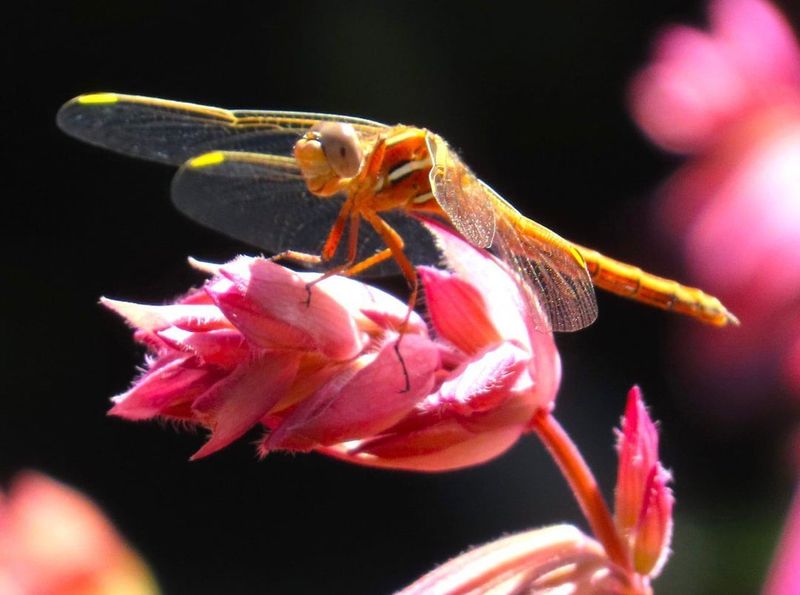
Walk through any garden where dragonflies visit regularly and the pattern becomes obvious. They always seem to land on the same kinds of spots: a tall bamboo stake, a fence post, a smooth flat rock sitting in the afternoon sun.
That is not random behavior. Dragonflies are ectothermic, meaning they rely on outside heat sources to regulate their body temperature.
A warm perch in a sunny location is not optional for them. It is how they stay flight-ready and maintain the energy needed for fast aerial hunting.
Sunny perching spots serve two purposes simultaneously. They help dragonflies maintain the body temperature required for efficient flight, and they provide an elevated vantage point to scan for prey.
A dragonfly sitting on top of a tomato cage is not resting. It is actively watching, positioned to launch at the first small insect that crosses its path.
Adding a few simple perching options to the garden space encourages more visits and longer stays.
Tall wooden stakes, smooth river rocks placed in full sun, and upright dried flower stalks left standing through the season all make excellent landing pads. Placement near water or open sunny patches works best.
Leaving some vertical structure in the garden rather than clearing everything to a flat, tidy surface pays off in ways most gardeners do not anticipate.
A slightly wilder edge with standing stems and sun-warmed stones signals that the space is a productive hunting ground.
That small gesture of intentional messiness brings more pest management value than most products can match.
4. Native Plants Turn Into Productive Dragonfly Habitat
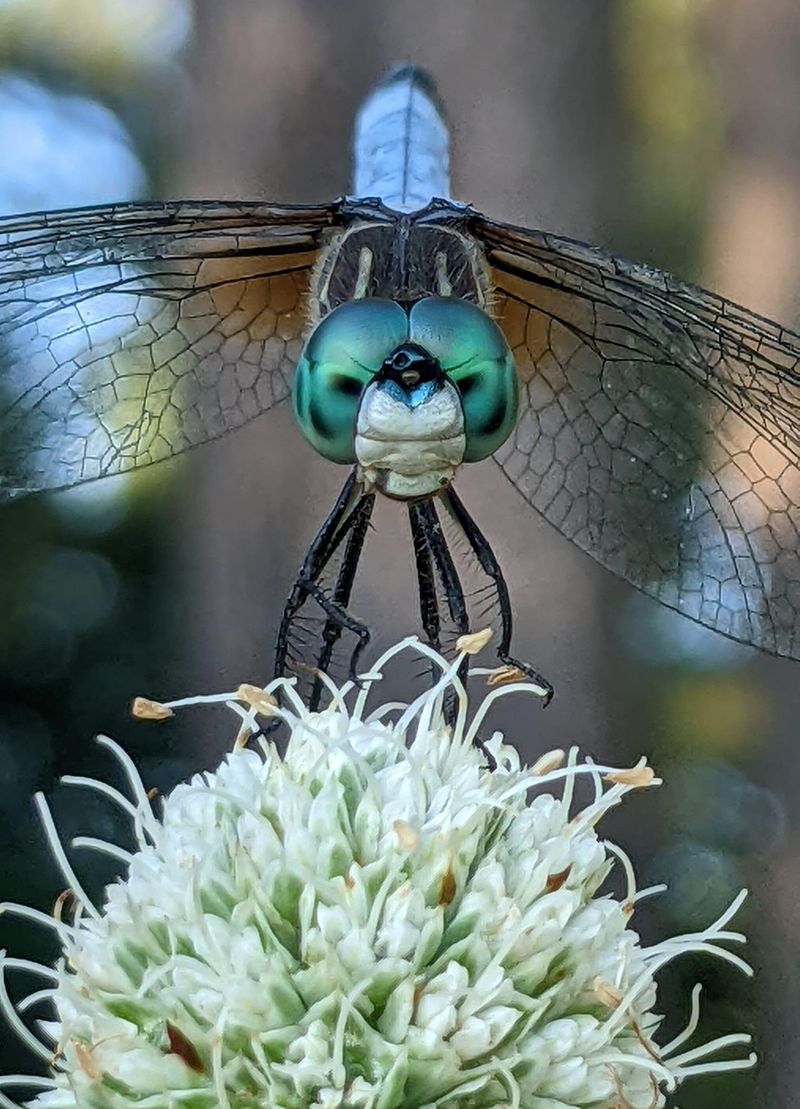
A pond without plants along its edges is a dragonfly motel with no furniture.
The water attracts visitors, but without the right plant structure, nymphs have nowhere to hide, hunt, or climb when it is time to emerge as adults.
Native aquatic edge plants are the missing piece that turns a basic water feature into genuine, functional habitat.
Ohio native plants like blue flag iris, softstem bulrush, and common rush are strong choices for pond margins.
These plants give dragonfly nymphs vertical stems to grip as they crawl out of the water during emergence, which is one of the most vulnerable moments in the entire life cycle.
Without that structure, the transition from aquatic nymph to flying adult becomes considerably harder to complete successfully.
Above the waterline, native plants along pond edges support the broader food web that dragonflies depend on between hunting sessions.
Midges, mayflies, and other small aquatic insects breed among plant roots and decomposing leaf litter. That ongoing activity keeps the prey base strong, which keeps dragonflies returning season after season.
Gardeners with a small water garden can apply this same principle. A half-barrel pond with a few native sedge clumps planted around the rim and a submersed aquatic plant inside can support surprising insect diversity.
Start with two or three native edge plants and watch what shows up over the following weeks. The visitors tend to arrive faster than most gardeners expect once the habitat conditions are right.
5. Dragonflies Choose Clean Water Without Chemical Runoff
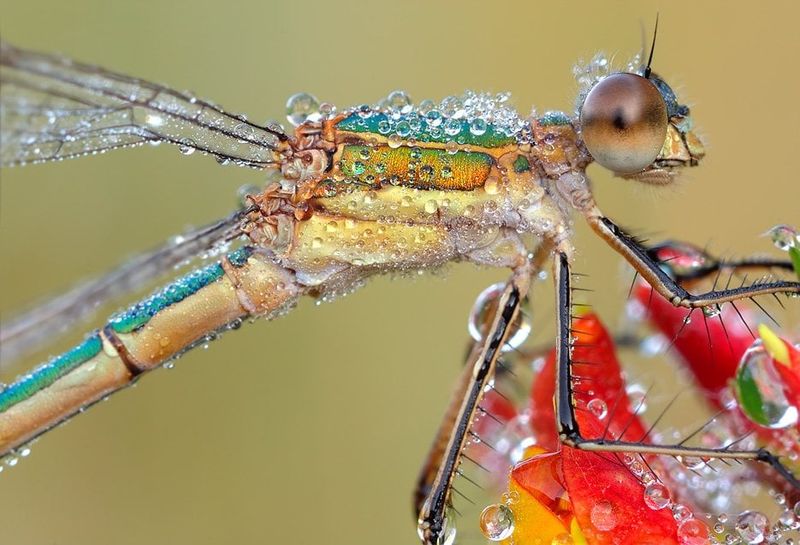
One of the most common mistakes near water features is treating a pest problem the same way you would treat one in the middle of a raised bed.
Spraying insecticides close to ponds, rain gardens, or standing water causes serious harm to dragonfly nymphs and other aquatic beneficial insects living just below the surface.
Dragonfly nymphs are highly sensitive to chemical runoff. Products labeled as safe for general garden use can become toxic when they wash into water.
Pyrethrin-based sprays are effective on flying pests but severely harmful to aquatic invertebrates, including the nymph stage of dragonflies, damselflies, and mayflies.
The damage happens below the waterline and never announces itself visibly until a significant portion of the aquatic community is already affected.
The buffer zone matters more than most Ohio gardeners realize. Spray drift from a hand pump sprayer travels several feet, particularly on a breezy afternoon.
Runoff after a rain event carries chemicals from treated soil into a nearby pond or rain garden even when the application site looked safely distant.
Keeping all spray applications at least ten feet from any water feature is a practical starting point. Choosing spot treatments using targeted biological controls, and supporting natural predators all reduce the pressure to reach for chemical solutions near water in the first place.
Protecting the aquatic environment protects the dragonflies hunting above it. The two halves of that ecosystem depend on each other, and disrupting the bottom half empties the sky above it fairly quickly.
6. They Love An Active Flying Pest Population
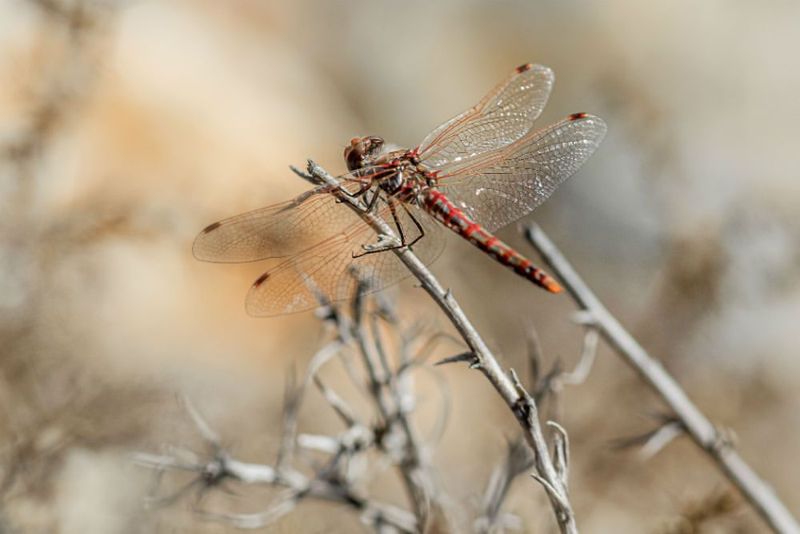
Ladybug garden signs get a lot of wall space in garden centers. Bee houses get dedicated sections near the checkout.
Dragonflies get almost no attention at all from the decorative garden market, which is genuinely strange given what they actually do.
Adult dragonflies feed on mosquitoes, gnats, midges, whiteflies, and small moths.
Some larger species have been observed catching small butterflies, though they focus primarily on the pest species that make summer gardening unpleasant for both the gardener and the plants.
Their hunting strategy involves calculating the future position of moving prey mid-flight, which researchers have described as one of the more sophisticated predatory behaviors found in the insect world.
For Ohio vegetable gardeners dealing with whitefly clouds on tomatoes, persistent fungus gnat problems near containers, or general flying pest pressure, dragonflies offer a form of natural pest management that requires almost zero ongoing effort.
The key is not attracting them with feeders or bait. Dragonflies are not drawn to flowers or scent. They are drawn to habitat: water nearby, sunny perching spots, vertical structure, and an active prey base to hunt from.
Build those four elements into the garden design and the pest patrol shows up on its own schedule.
No subscription required. No refills. Just good habitat and a gardener patient enough to let the process work at its own pace.
7. Dragonfly Visits Are One Of The Signs A Garden Ecosystem Is Working
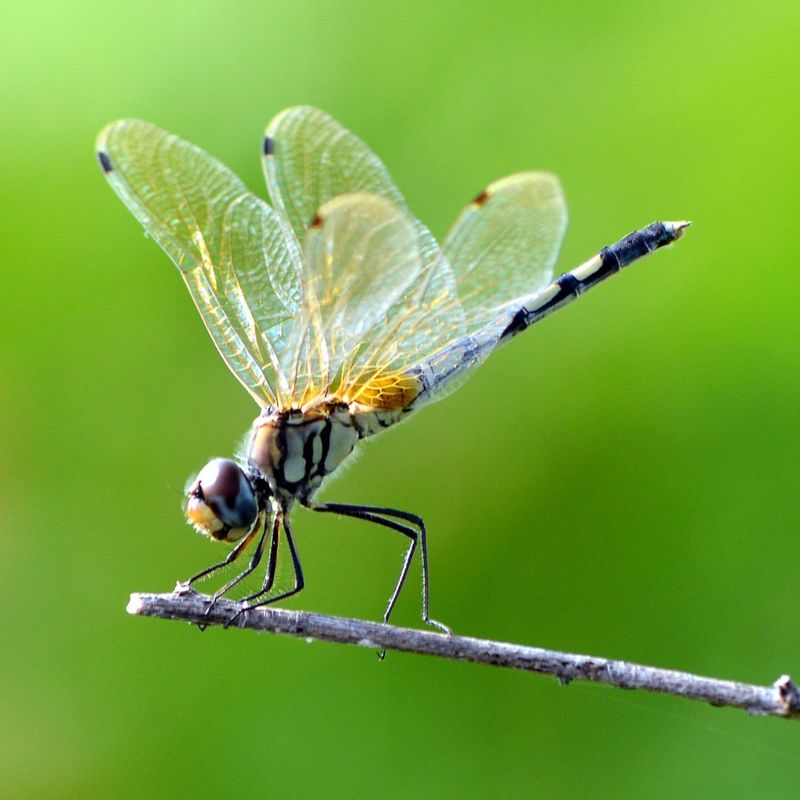
Seeing a dragonfly once is a pleasant surprise. Watching them return to the same spot day after day is something worth paying closer attention to.
Repeat visits from dragonflies indicate a yard that reliably meets several conditions at once: accessible water nearby, active insect populations, good sunlight exposure, and enough plant diversity to support multiple layers of the food web.
That combination is harder to achieve than it sounds in a typical suburban Ohio yard, which makes consistent dragonfly activity a genuine signal of progress for any gardener working toward a more habitat-supportive space.
Dragonflies sit near the top of the flying insect food chain in most garden environments. Their sustained presence suggests the layers below them are functioning well too.
Midges, mayflies, small beetles, and aquatic invertebrates all need to be active and accessible for dragonflies to return with any consistency. When the top predator shows up regularly, it reflects health throughout the system below.
Keeping a simple garden journal to track when and where dragonflies appear reveals seasonal patterns that a casual glance misses entirely.
Some Ohio gardeners have noticed their dragonfly activity peaks in July and again in late August, which often aligns with mosquito population spikes.
Tracking those patterns builds a richer picture of what is actually happening in the yard beyond what a single afternoon observation captures.
A dragonfly returning to the same tomato cage every morning is not a coincidence. It is a review, and the rating is genuinely favorable.
8. The Old Midwestern Belief And The Science Behind It
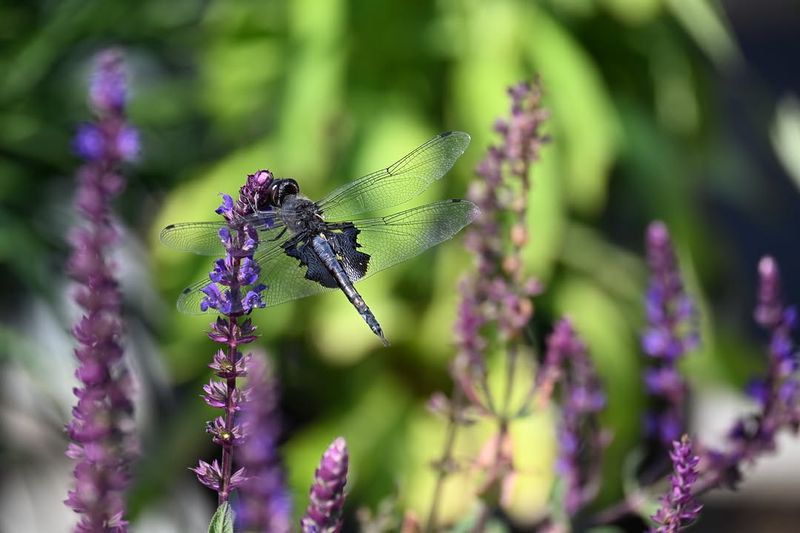
Long before anyone published a guide on beneficial insects, Midwestern farmers and gardeners were already paying close attention to dragonflies.
The old belief, still shared in parts of Ohio, Indiana, and Illinois, holds that a dragonfly hovering near your home or garden signals good luck, positive change, or a healthy season ahead.
It is a piece of living folklore rather than a scientific claim. The interesting part is how well the two align.
Many Indigenous communities across North America have long held dragonflies as symbols of transformation and renewal.
European settlers brought their own insect folklore into the Midwest, and over generations the stories blended into regional traditions.
The specific Midwestern version tends to emphasize dragonflies as a sign that the land around a home is in good shape, that water is clean nearby, and that the growing season ahead will be generous.
Separating folklore from science does not require dismissing the old belief. A yard healthy enough to attract dragonflies regularly probably does have cleaner water, richer plant diversity, and fewer chemical inputs than the average suburban lot.
The old-timers were reading the land in their own way, and their conclusions tracked the biology more closely than most of them knew.
Honoring a tradition like this costs nothing and adds a layer of meaning to something already worth noticing.
Next time a dragonfly perches on the garden fence and stays for a few minutes, the science and the old story are both saying something similar.
The land around you is in reasonably good hands. Both sources would agree on that.