How To Save A California Tree After Lawnmower Or Weed Trimmer Damage
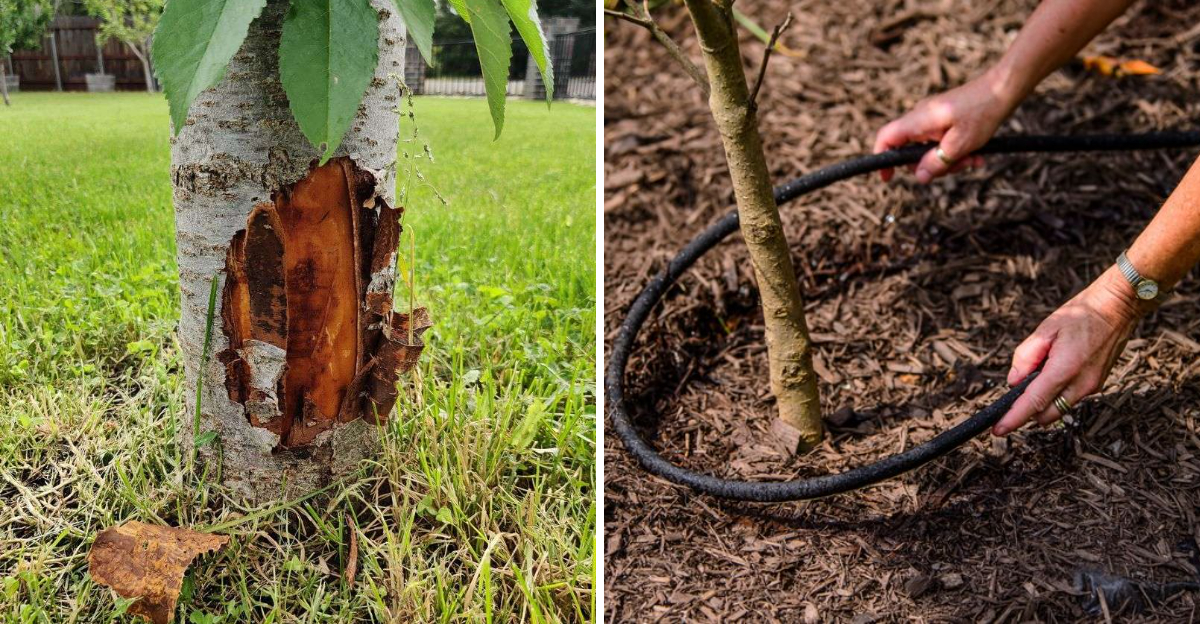
It happens in about three seconds. A lawnmower swings a little too close, a weed trimmer catches the base of the trunk, and suddenly there is a scrape or groove in the bark that looks minor enough to ignore.
The problem is that it is not minor at all.
Just beneath that outer bark layer sits the cambium, a thin band of living tissue that is essentially the tree’s main transportation highway, moving water, sugars, and nutrients up and down the whole structure.
When that tissue gets cut or stripped away, the tree cannot patch it up the way skin heals over a scrape. The bark stays compromised.
The good news is that with careful cleanup, consistent care, and a firm commitment to keeping equipment away from the trunk going forward, a California tree has a genuine chance to seal the wound and keep thriving.
1. Assess How Much Bark Was Damaged
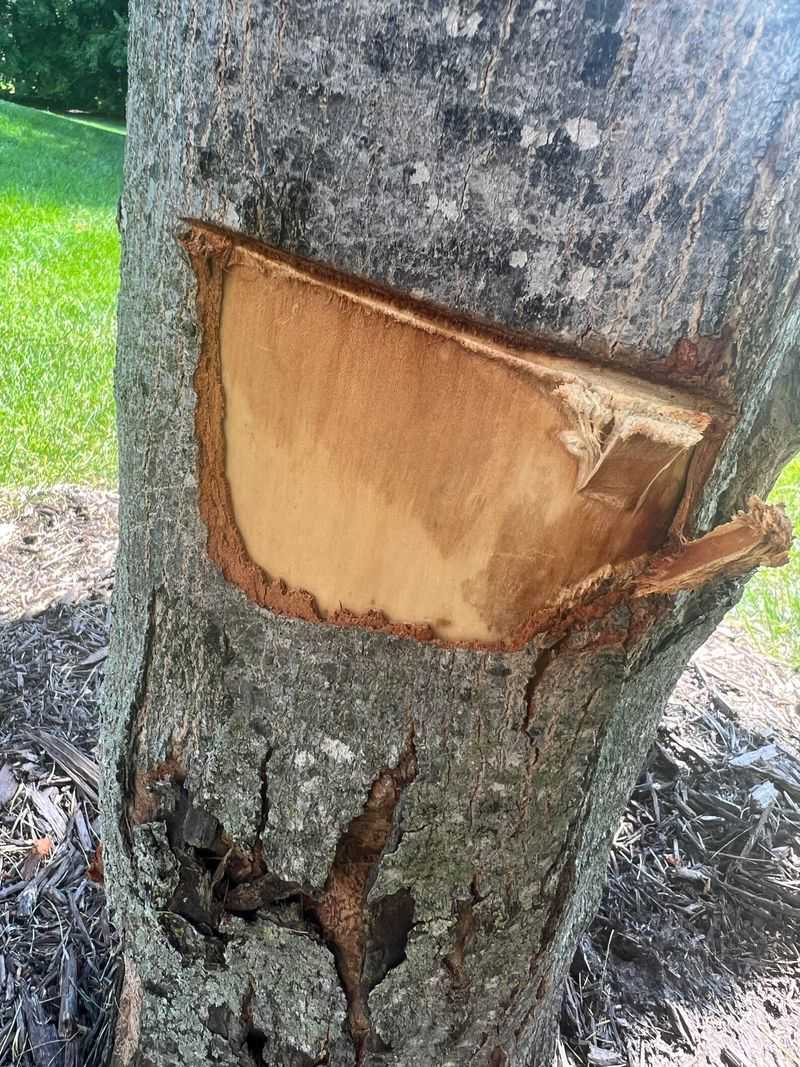
Fresh scrapes on a tree trunk have a way of looking smaller than they actually are, especially right after the mower or trimmer makes contact. Before doing anything else, take a close look at the wound and figure out how much bark was actually removed.
Gently press around the edges of the scraped area to feel whether the bark nearby is still firmly attached to the wood beneath.
What you are really trying to understand is how much of the outer bark and the thin living layer just beneath it were affected. A small nick that barely grazes the surface is very different from a deep gouge that exposes raw, pale wood.
On young California fruit trees or slender ornamental trees, even a modest wound that circles a significant portion of the trunk can become a serious concern over time.
Look at the wound from a few angles in good light. If you see a greenish or cream-colored layer just under the scraped bark, that living tissue was likely exposed or injured.
Note whether the damage runs along one side of the trunk or wraps partway around it. Wounds that stretch more than halfway around the circumference carry a greater risk of disrupting the movement of resources through the tree.
Measuring the wound roughly, even just estimating its width and height in inches, gives you a useful starting point for deciding how much care the tree may need going forward.
2. Check Whether The Trunk Was Girdled
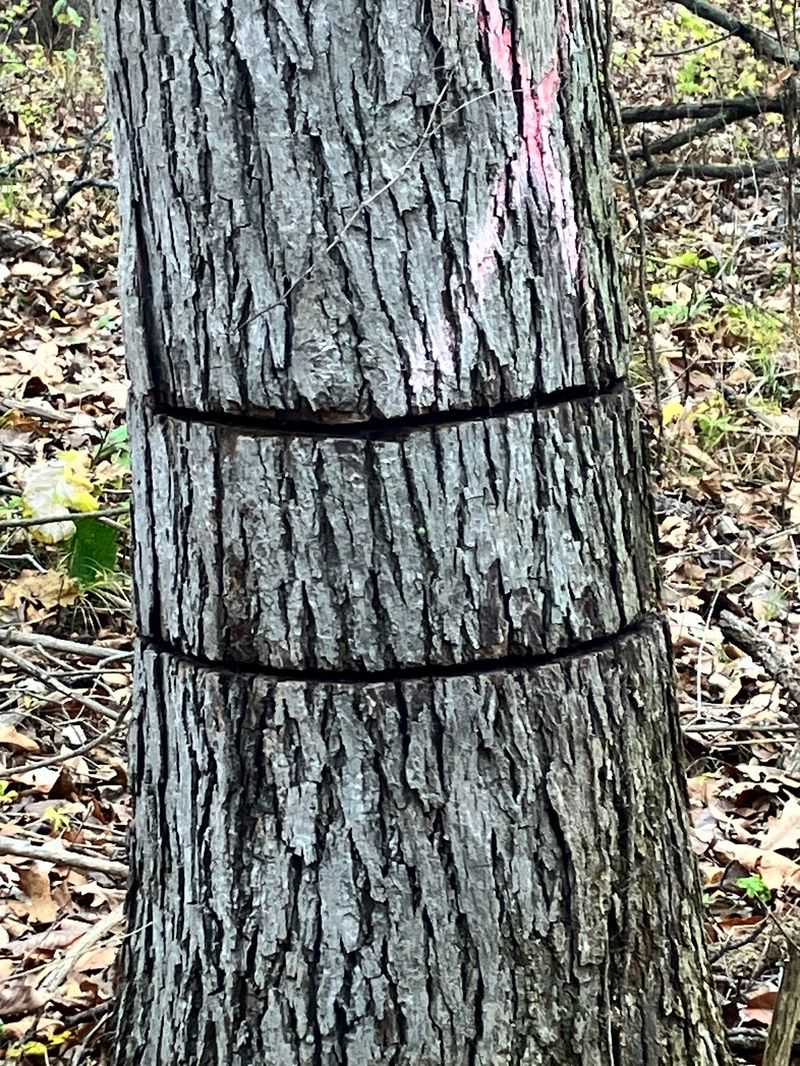
String trimmers are one of the most common causes of girdling injury in home landscapes, and many California homeowners do not notice the pattern until it has repeated itself over several seasons.
Girdling happens when damage circles enough of the trunk to interrupt the flow of water, sugars, and nutrients moving through the living tissues just beneath the bark.
A single deep wound that wraps all the way around the trunk is the most obvious version, but gradual buildup from repeated trimmer contact can have a similar effect over time.
To check for girdling, walk slowly around the trunk and look for a ring or band of scraped, discolored, or sunken bark.
Your California Garden Changes Every Week. Your Plan Should Too.
Gardening in California changes quickly throughout the season. Every Friday you’ll receive a simple weekly plan showing exactly what to plant, prune, fertilize, harvest, and protect so you never miss the right timing.
On smooth-barked trees, this pattern often shows up as a pale or brownish stripe at a consistent height, right around where a trimmer head would swing.
On rougher-barked mature trees, the damage may be harder to spot at first glance, so run your fingers along the lower trunk to feel for soft, loose, or recessed areas.
Partial girdling, where the damage covers more than half the trunk circumference, is worth taking seriously even if the tree still looks healthy right now.
Trees in warm inland California areas or drought-stressed yards may show signs of stress more quickly than trees in mild coastal gardens with regular irrigation.
Catching potential girdling early gives the tree its best chance to seal the wound and recover with consistent care and protective measures put in place right away.
3. Leave Firm Attached Bark In Place
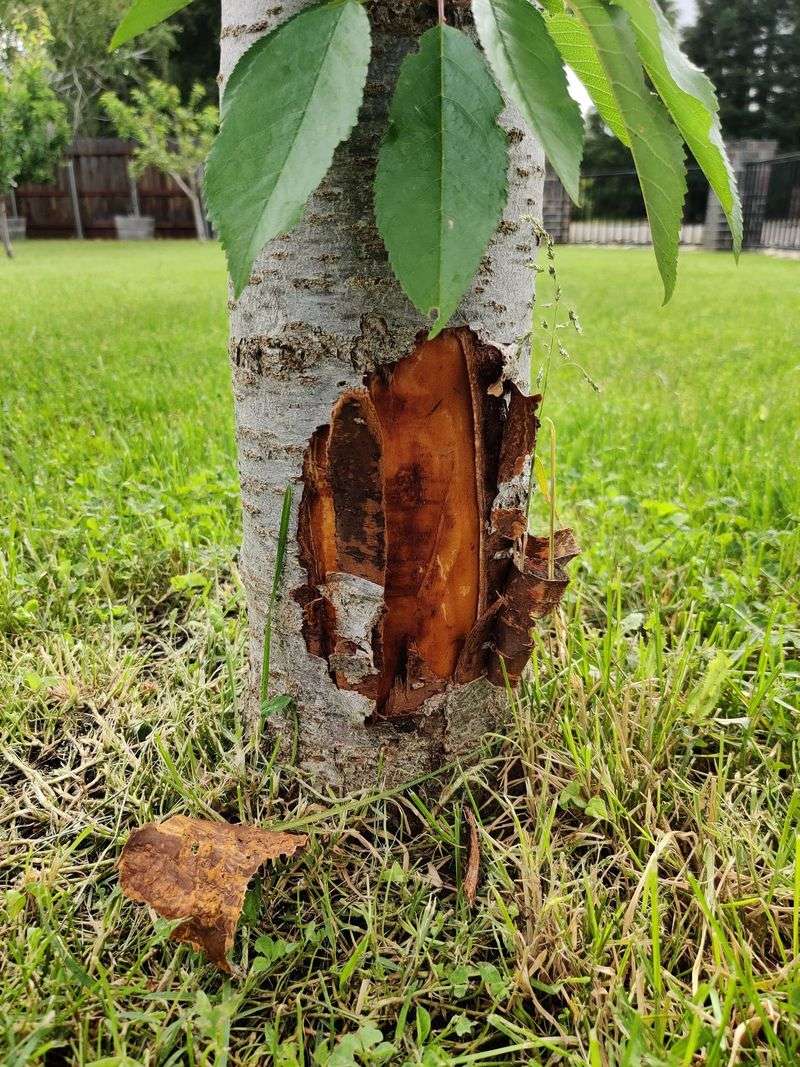
One of the most common instincts after finding a bark wound is to pull off the loose-looking pieces to make the area look cleaner. For bark that is still firmly bonded to the wood beneath it, that instinct can actually cause more harm than good.
Bark that feels solid when you press it gently is still doing its job of protecting the living tissue underneath, and removing it unnecessarily only enlarges the exposed wound area.
Run your fingers carefully around the edges of the damaged zone and press lightly on the surrounding bark. If a section does not move, does not feel spongy, and does not separate from the wood when you apply gentle pressure, leave it exactly where it is.
The tree will work to seal the wound from the edges inward, and intact surrounding bark supports that process by keeping the cambium covered and protecting the wood from drying out or being exposed to pests.
In California’s warm inland valleys and sun-baked suburban yards, exposed wood can dry out faster than it would in cooler or more humid climates.
Keeping attached bark in place helps slow that moisture loss while the tree begins its natural compartmentalization process.
Young backyard shade trees, newly planted street trees, and ornamental trees in irrigated California gardens are especially worth handling gently at this stage.
Resist the urge to peel, scrape, or tidy up the wound more than necessary, because less interference tends to give the tree a better environment for sealing the damage on its own timeline.
4. Trim Only Ragged Loose Bark Carefully
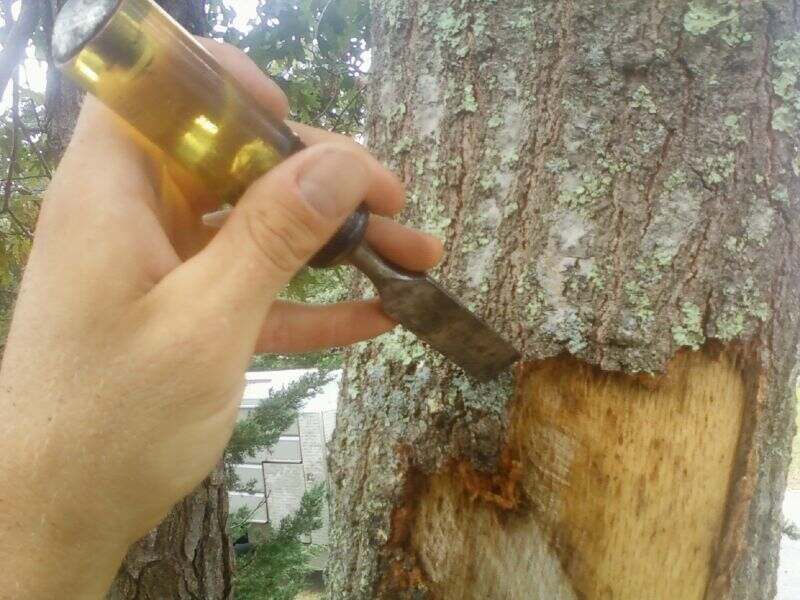
Loose bark hanging around the edges of a wound is a different situation from bark that is still firmly attached.
Ragged flaps that are clearly separated from the wood beneath them can trap moisture, harbor insects, and make it harder for the tree to form a clean callus edge as it seals the wound.
Carefully removing only the truly loose pieces is a reasonable step that can support the tree’s natural response.
Use a clean, sharp knife or pruning blade and work slowly. The goal is to trim away bark that is genuinely detached, not to carve a decorative shape or smooth out the entire wound edge.
Some guidance suggests trimming to a clean vertical ellipse shape, but what matters most is that you remove only what is already loose and avoid cutting into bark or wood that is still firmly attached and alive.
Sanitize the blade before and after using it near the wound to reduce the chance of introducing pathogens into exposed tissue.
In California gardens where oak root fungus, bacterial canker, or other tree pathogens are present in the soil, this step is worth taking seriously.
Keep cuts shallow and stay within the already-damaged zone. Once the loose bark is removed, step back and let the tree take over.
Wound edges will gradually roll inward as the tree grows new tissue around the damaged area, and that process works best when the wound is clean and the surrounding bark remains undisturbed.
5. Skip Wound Paint And Sealers
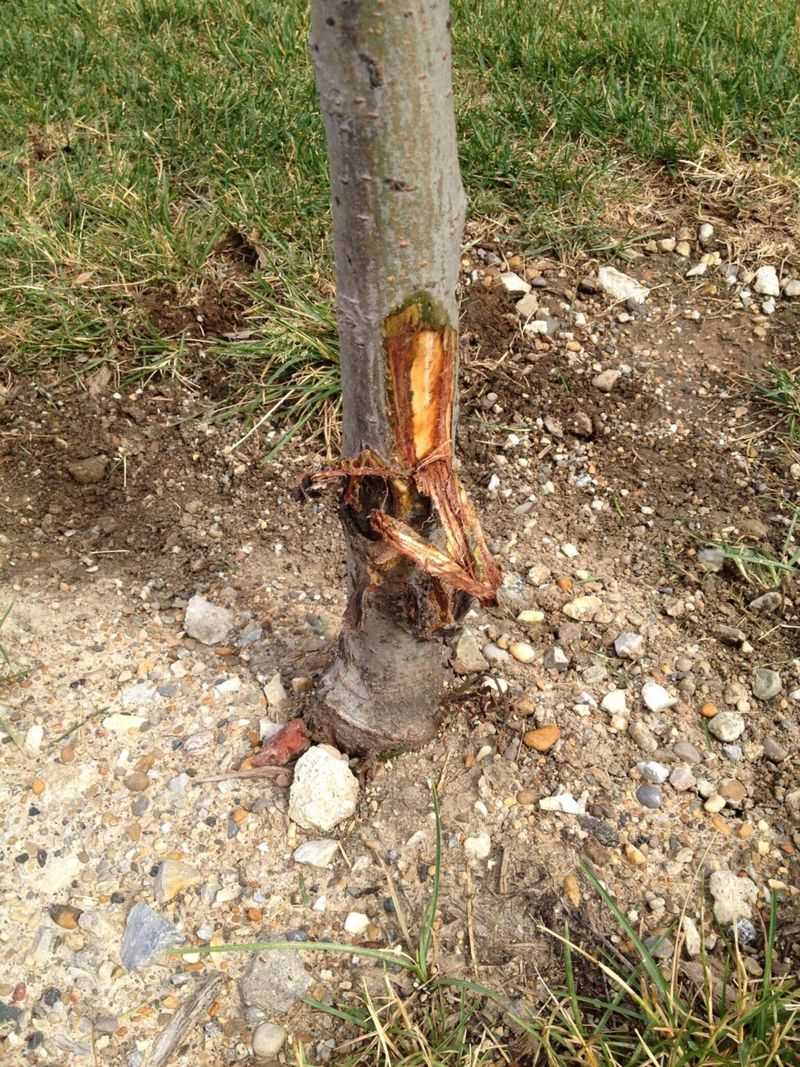
For generations, gardeners were told to paint tree wounds with black pruning sealant or wound dressing to protect the exposed wood.
That advice has been widely reconsidered by tree-care researchers, and most university extension programs and certified arborists no longer recommend applying wound paint or sealers to bark injuries from mowers or trimmers.
The core problem with wound sealers is that they can actually slow down the tree’s natural compartmentalization process rather than helping it.
Sealing the wound surface traps moisture against the wood, which can encourage fungal growth and decay beneath the coating.
It also creates a barrier that may interfere with the callus tissue the tree tries to form along the wound edges.
Trees in California’s warm, dry summers may seem like they need extra protection from sun and heat, but exposed wood typically dries to a stable surface on its own without sealant assistance.
Wound paints and sealers are still sold at many California garden centers, and it can be tempting to reach for them when a fresh wound looks raw and vulnerable.
Skipping them entirely is the current recommendation from credible horticultural and arborist sources, and it is a straightforward step that costs nothing and removes a potential obstacle to recovery.
If the wound is clean, the loose bark has been carefully removed, and the tree is otherwise healthy and well watered, the best thing in the wound area is simply open air and time for the tree to do what it does naturally.
6. Create A Grass-Free Mulch Ring
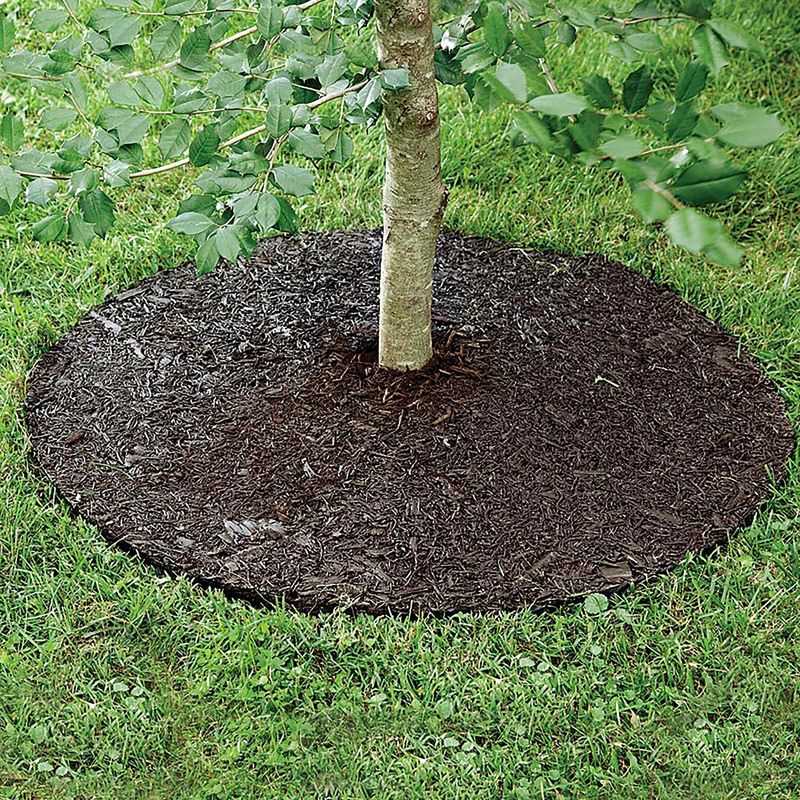
Grass growing right up to a tree trunk is one of the main reasons mowers and trimmers end up so close to the bark in the first place.
When turf covers the root flare, the only way to keep it neat is to run equipment directly against the trunk, and that repeated contact is exactly how so many California landscape trees end up with bands of trimmer damage year after year.
Creating a grass-free mulch ring around the base of the tree solves both problems at once.
It removes the need to run a trimmer near the trunk, and it also improves growing conditions for the tree by reducing competition from grass roots, moderating soil temperature, and helping the soil hold moisture during California’s dry summer months.
A mulch ring that extends several feet out from the trunk in all directions gives the root flare room to breathe and makes the tree far easier to care for without risking further bark damage.
Use wood chip mulch or shredded bark and apply it to a depth of roughly two to four inches across the ring.
Pull the mulch back a few inches from the actual trunk so it does not sit directly against the bark, which can hold moisture and cause its own problems over time.
In both irrigated suburban lawns and drier California yards, a well-maintained mulch ring is one of the most practical and lasting improvements a homeowner can make after a bark injury, reducing the chance of repeat damage while supporting overall tree health.
7. Water Deeply During Recovery
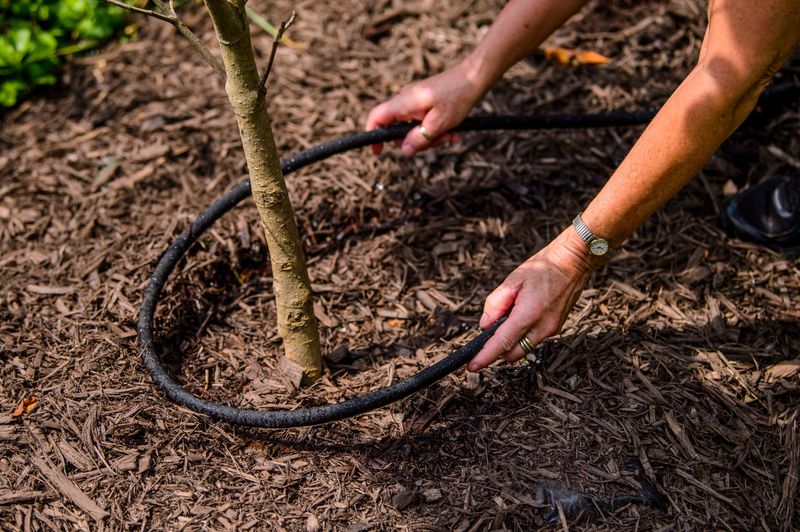
Dry soil during a California summer puts extra stress on any tree, and a tree that is already working to seal a bark wound has even less margin for drought stress than a healthy, undamaged one.
Keeping the root zone adequately moist during the weeks and months after a trimmer or mower injury gives the tree the resources it needs to form callus tissue and maintain its overall vigor.
Deep, infrequent watering tends to work better for most California landscape trees than frequent shallow irrigation.
When water soaks into the soil slowly and reaches the deeper root zone, it encourages roots to grow downward rather than staying near the dry surface.
A slow trickle from a hose left at the base of the tree for an extended period, or a soaker hose laid around the outer edge of the mulch ring, can help water reach where it is most useful without saturating the area right against the trunk.
Pay attention to how the tree looks in the weeks after the injury. Wilting foliage, early leaf drop, or unusually pale leaves during the growing season can signal that the tree is under stress and may need more consistent moisture.
In warm inland California regions where summer temperatures regularly climb high, trees recovering from bark wounds may need watering attention from late spring through early fall.
Adjusting irrigation based on actual soil conditions rather than a fixed schedule tends to give trees a more supportive environment for working through the recovery process at their own pace.
8. Call An Arborist For Severe Trunk Damage
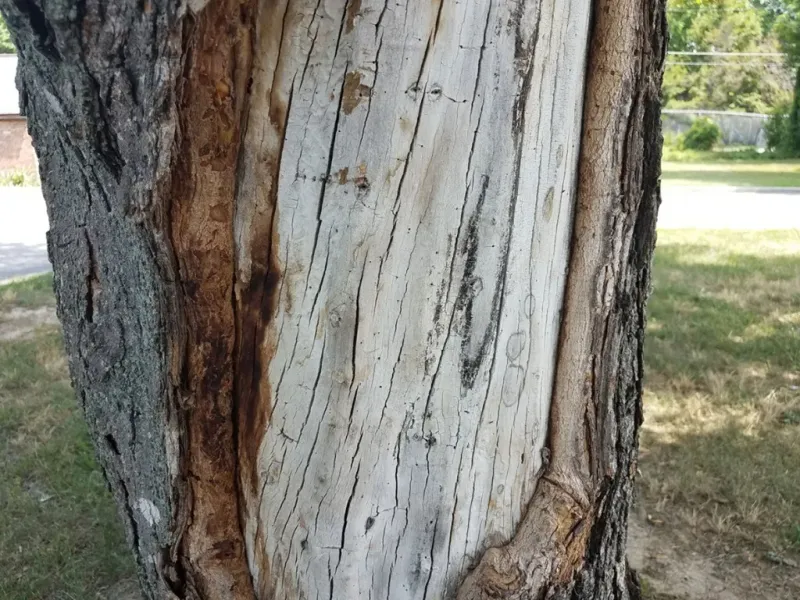
Some trunk wounds go beyond what careful home care can address on its own.
A deep gouge that exposes a wide section of bare wood, damage that wraps most of the way around the trunk, or a wound that appears to have reached into the wood itself are situations where getting a professional opinion makes a real difference for the tree’s long-term outcome.
A certified arborist can assess the extent of the damage in ways that are difficult to judge from the outside.
They can evaluate whether the wound is likely to seal successfully based on the tree’s species, age, overall health, and the size of the injury relative to the trunk diameter.
For mature California shade trees, large street trees, or older fruit trees in a home orchard, a professional assessment can help a homeowner understand what realistic recovery looks like and what ongoing care the tree may need.
An arborist visit is also useful if the tree shows signs of stress in the months after the injury, such as unusual leaf loss, branches that stop producing, bark discoloration spreading beyond the original wound, or any signs of pest activity around the damaged area.
In California, where bark beetles and other opportunistic insects can move into stressed trees, early professional attention can help catch developing problems before they become harder to manage.
Finding a certified arborist through a recognized professional organization and asking for a written assessment gives homeowners a clear picture of where the tree stands and what steps are worth taking next.