Why Georgia Hostas Look Burned By July And What To Do Before They Get Worse
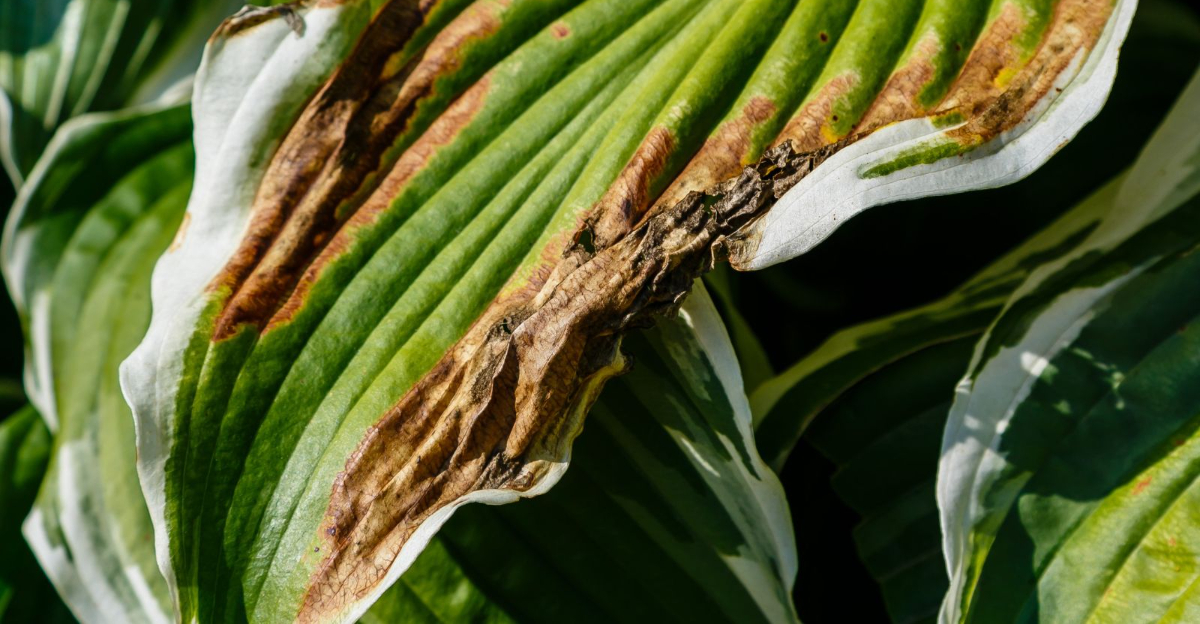
There’s a specific kind of gardening disappointment that hits when you walk out in July and find your hostas looking brown-edged, crispy, and completely over it.
These are plants that genuinely shine in spring, and then Georgia summer shows up with its blazing afternoon sun, dry soil, and relentless heat and starts making things very difficult very fast.
What makes hosta stress tricky to fix is that it’s almost never one single problem.
It’s usually a combination of too much sun, not enough water, thin mulch, tree roots pulling moisture away, and drainage that isn’t quite doing its job, all working against the plant at the same time.
The encouraging news is that a few well-chosen adjustments made now can still help your hostas recover and hold on through the rest of the season.
1. Too Much Afternoon Sun Scorches Hosta Leaves
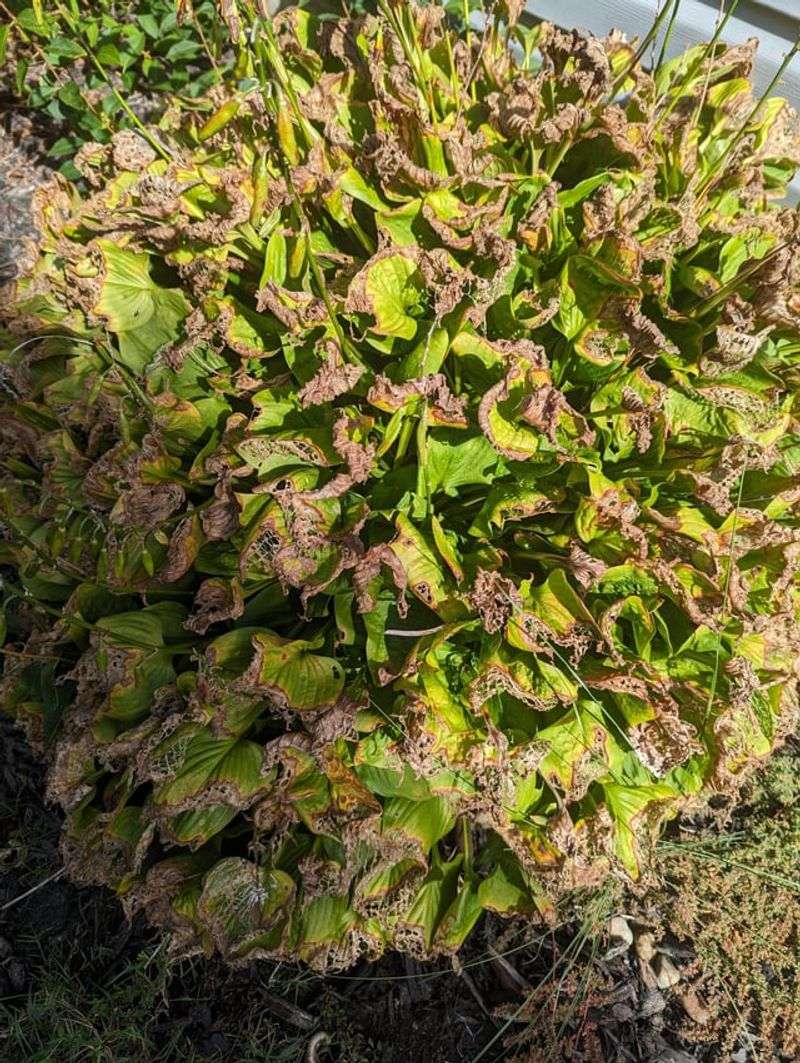
Browned, papery patches spreading across hosta leaves in midsummer are one of the clearest signs that afternoon sun is doing real damage.
In Georgia, the sun between noon and five o’clock carries intense heat that most hosta varieties simply were not bred to handle.
What starts as a slight yellowing along leaf edges can quickly turn into widespread bleaching or crispy brown tissue across the entire blade.
Hostas are woodland plants by nature. They evolved under tree canopies where light was filtered and temperatures stayed cooler throughout the day.
When planted in spots that receive full western or southwestern sun exposure, Georgia’s July heat becomes overwhelming, especially for larger-leafed varieties with thinner foliage.
Checking the sun pattern in your garden beds during mid-afternoon is one of the most practical first steps. If your hostas are sitting in direct sun for more than two or three hours after noon, that exposure is likely the main driver of the scorch you are seeing.
Adding a shade cloth temporarily, trimming nearby shrubs to allow more overhead shade, or repositioning taller plants to block the western sun can reduce heat stress before the foliage deteriorates further through August.
2. Dry Soil Makes Leaf Edges Turn Brown
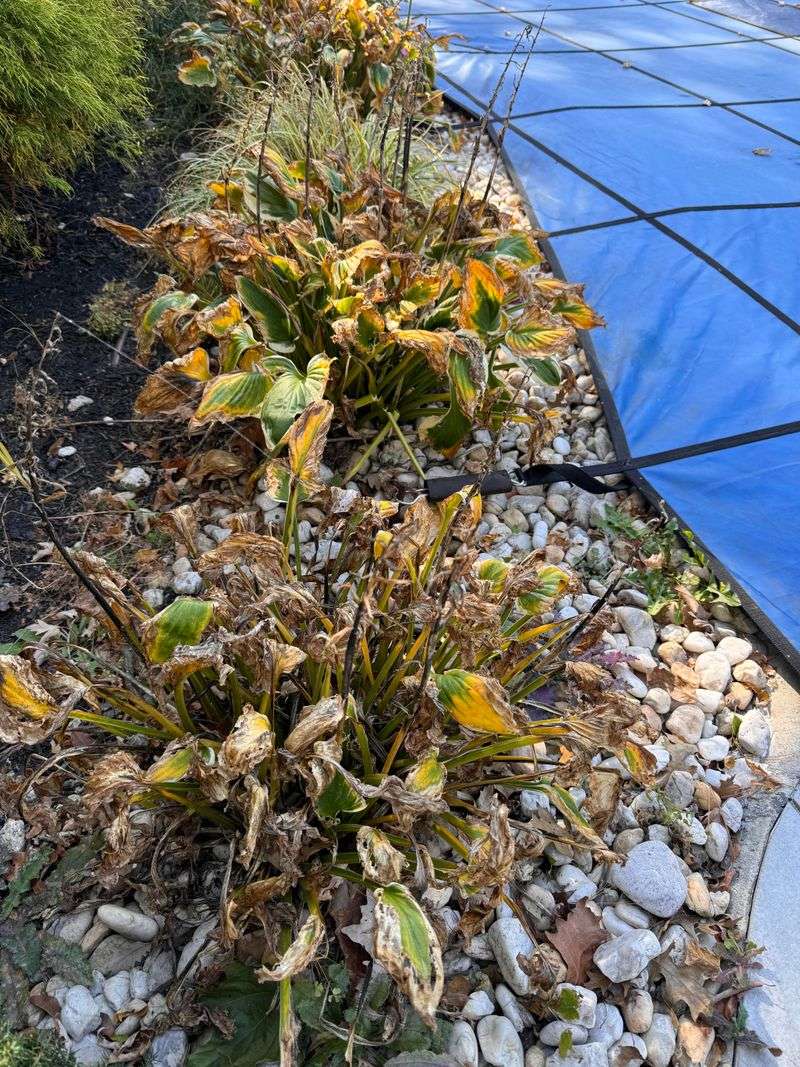
Leaf edges that look dry and brown, almost like the tips were singed, are a classic sign of soil moisture stress. Even hostas planted in shaded spots can run short on water during Georgia’s hot, dry stretches in June and July.
When the soil dries out repeatedly without recovering, the plant starts pulling moisture away from the leaf edges first, and that tissue turns brown quickly.
Georgia summers can bring weeks where rainfall is sparse and temperatures stay above ninety degrees for days at a time. Shaded beds under large trees are sometimes the driest spots in the yard because the canopy intercepts rainfall before it reaches the ground.
A hosta sitting in that kind of dry shade may look like it has enough cover, but the soil beneath it can be surprisingly parched.
Checking soil moisture by pressing a finger about two inches into the ground near the plant gives a much better picture than looking at the surface alone. If the soil feels dry that far down, the hosta is likely already stressed.
Your Georgia Garden Changes Every Week. Your Plan Should Too.
Gardening in Georgia changes quickly throughout the season. Every Friday you’ll receive a simple weekly plan showing exactly what to plant, prune, fertilize, harvest, and protect so you never miss the right timing.
Watering deeply and consistently, rather than lightly and often, helps the roots stay hydrated during Georgia’s most demanding summer weeks and reduces the chance of additional browning.
3. Dappled Shade Helps Hostas Handle Georgia Heat
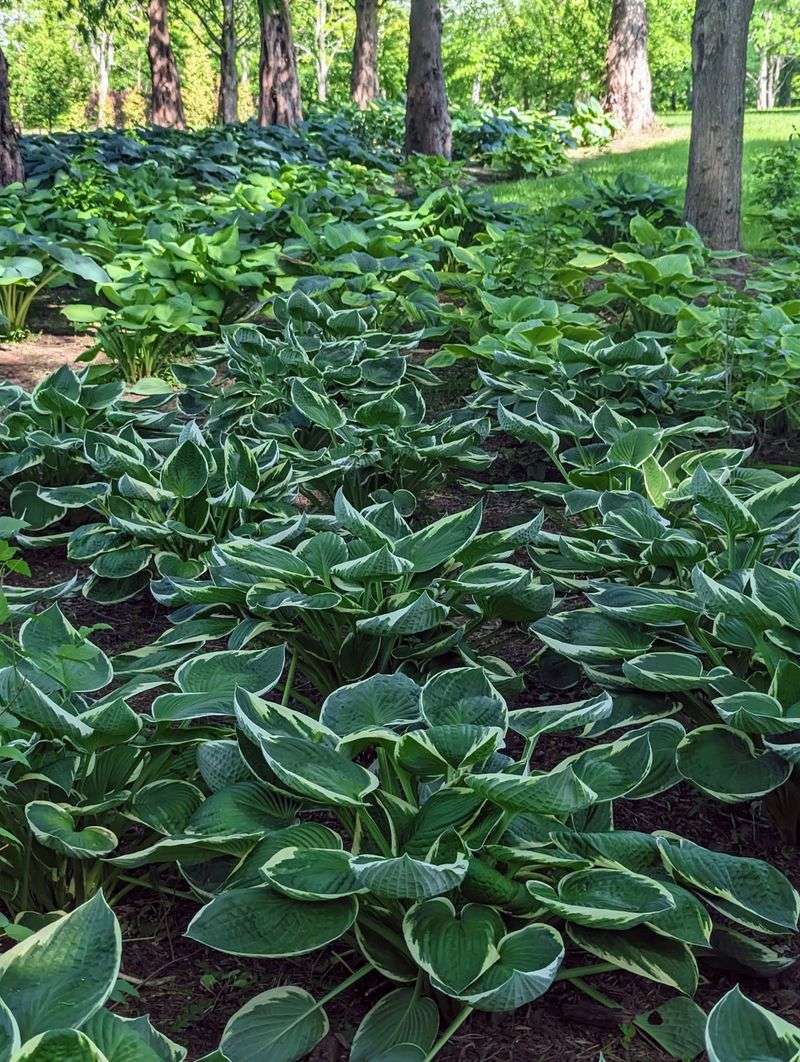
Filtered light coming through a tree canopy creates the kind of growing environment where hostas can genuinely thrive, even during Georgia’s punishing summer months. Dappled shade is different from dense, unbroken shade or harsh direct sun.
It shifts gently throughout the day, giving hostas brief moments of soft light without exposing them to the full intensity of a Georgia afternoon.
Spots under large oaks, maples, or tall pines often produce this kind of light naturally. The leaves overhead break up the sun into moving patches that warm the foliage gently without baking it.
Hostas planted in these locations tend to hold their color longer into summer and show far less edge browning than those sitting in open beds with afternoon exposure.
If your current hosta bed lacks this kind of overhead filtering, it may be worth looking at the tree coverage nearby. Even planting a fast-growing shrub layer between the hostas and the western sun can start to replicate the dappled effect.
In Georgia landscapes where summers arrive hard and early, finding or creating that filtered light environment is one of the most reliable ways to keep hostas looking full and healthy well past July without constant intervention.
4. Morning Sun Is Safer Than Harsh Afternoon Light
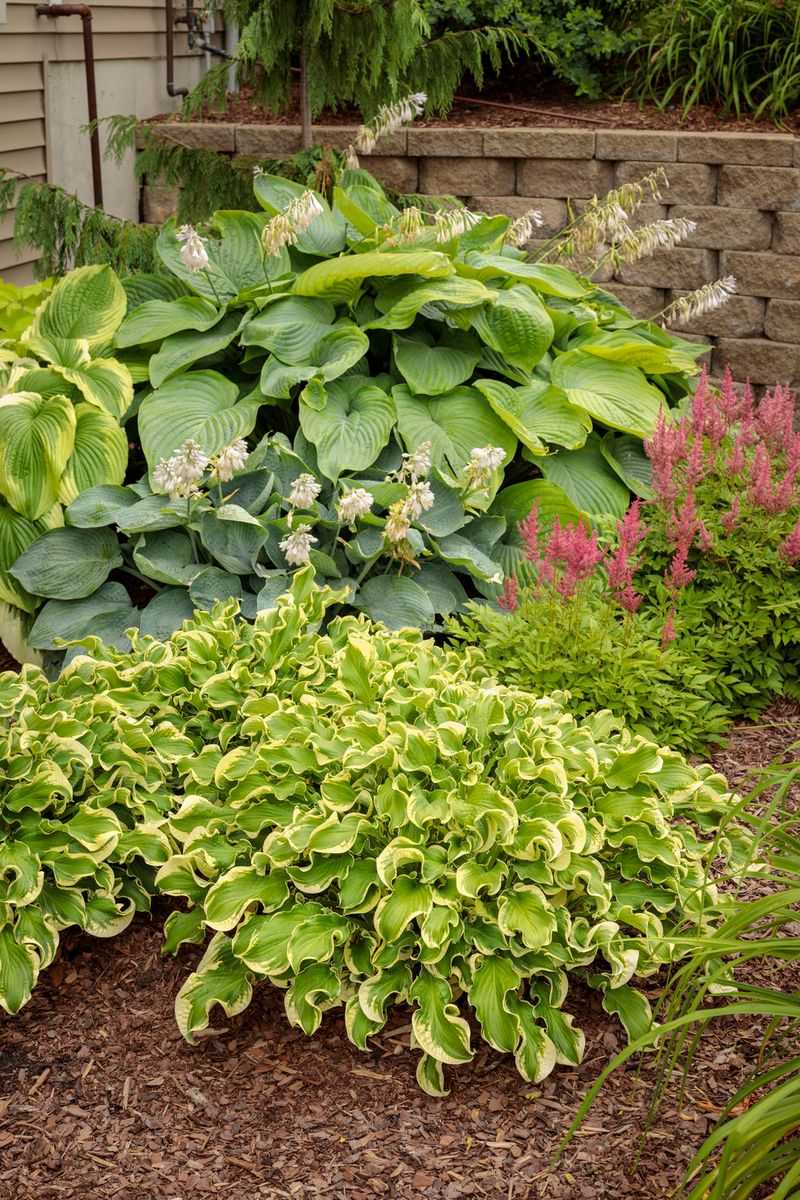
Not all sun exposure is created equal, and for hostas in Georgia, the timing of that light matters enormously.
Morning sun, especially the soft early light between seven and ten o’clock, is far gentler on hosta foliage than the sharp, heat-loaded rays that arrive after noon.
A bed that gets a couple of hours of morning sun and then transitions into shade for the rest of the day can actually support strong hosta growth without the scorching that afternoon exposure causes.
East-facing beds along the side of a house or along a fence line often catch that ideal morning light before shade takes over.
Many gardeners find their hostas in those spots stay greener and more upright through Georgia’s summer compared to plants in west-facing beds that bake every afternoon.
The difference in leaf condition by mid-July can be striking.
When planning where to move or add hostas, it helps to observe a planting spot throughout the day before committing. Morning sun with afternoon shade is a reliable setup that reduces scorch risk significantly.
For hostas already struggling in afternoon sun, adding a shade structure or moving nearby containers to block western exposure can help shift the light balance toward something the plants can manage through the hottest weeks.
5. Mulch Helps Keep Soil Moist Longer
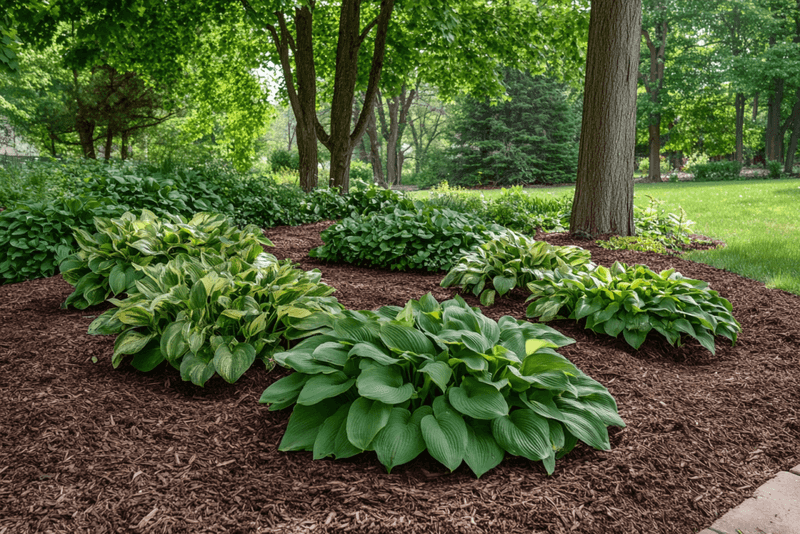
A thin layer of mulch in a Georgia summer garden is not much protection at all. When temperatures climb and the sun heats up the soil surface, a half-inch of old mulch breaks down quickly and stops doing its job.
Hostas sitting in beds with inadequate mulch coverage lose soil moisture far faster than they should, and that moisture loss shows up quickly as browning along the leaf edges.
Fresh mulch applied two to three inches deep around hostas creates a genuine barrier between the hot air and the soil below. It slows evaporation, moderates soil temperature, and gives roots a more stable environment to draw from during dry spells.
Shredded hardwood bark, pine bark mini nuggets, or pine straw all work well in Georgia shade beds and break down gradually to improve soil structure over time.
Keeping mulch pulled back slightly from the hosta crown prevents moisture from sitting against the base of the plant, which can cause rot.
Refreshing mulch in late spring before Georgia’s heat peaks is ideal, but adding it in early July is still worthwhile if beds are looking thin.
Even a mid-season top-up can meaningfully reduce soil stress and slow the leaf deterioration that builds through the rest of summer.
6. Deep Watering Supports Stressed Roots
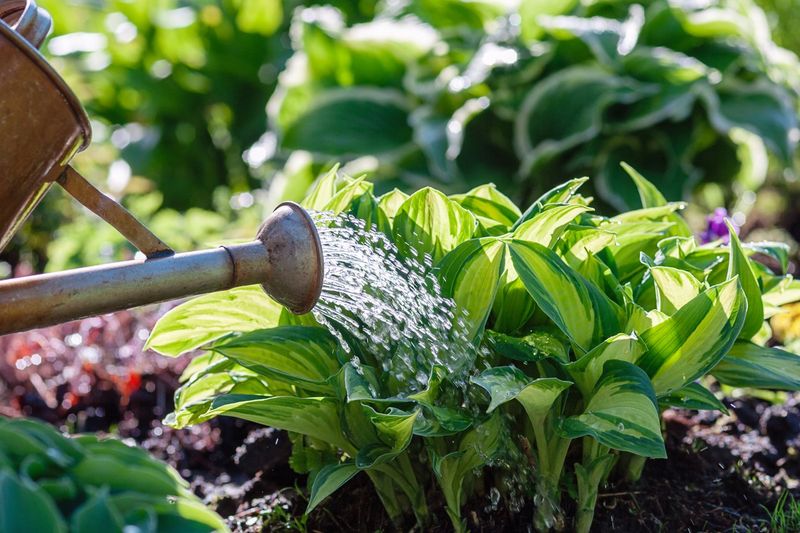
Watering a little bit every day might seem helpful, but shallow watering actually trains roots to stay near the surface where they dry out fastest. In Georgia’s summer heat, that surface soil can go from damp to bone dry within hours on a hot afternoon.
Hostas that rely on shallow moisture become vulnerable quickly once a dry stretch sets in.
Deep watering means applying enough water to soak down several inches into the soil, reaching the deeper root zone where moisture stays available longer.
Letting the soil dry out slightly between waterings encourages roots to grow downward in search of moisture, which makes the plant more resilient during Georgia’s unpredictable summer dry spells.
A slow, steady soak at the base of the plant is more effective than a quick spray across the foliage.
Early morning is the most efficient time to water hostas. The soil absorbs moisture before midday heat speeds up evaporation, and the foliage has time to dry off before evening, reducing the chance of fungal issues.
During peak Georgia summer weeks, deep watering two to three times per week may be needed to keep stressed hostas from declining further. Watching the soil rather than following a fixed schedule gives the best results.
7. Crowded Tree Roots Can Leave Hostas Too Dry
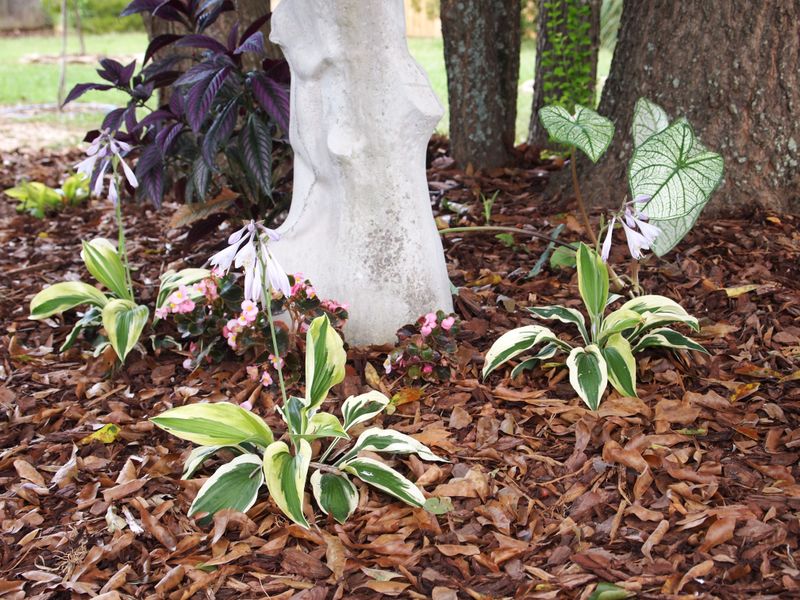
Planting hostas under large, established trees seems like a natural fit, and in many Georgia yards it works well.
But mature trees – especially oaks, maples, and sweet gums – develop dense, shallow root systems that compete aggressively for every drop of soil moisture.
When summer arrives and both the tree and the hostas need water, the tree wins almost every time.
Hostas growing in heavy root competition often look dry and stressed even when the surrounding soil has received rain recently. The tree roots absorb available moisture so efficiently that the hosta roots simply cannot keep up.
Leaf edges start browning, the foliage may cup or curl slightly, and the plant looks like it needs water even right after a good rain event.
Improving conditions in these spots takes a little creativity. Adding several inches of quality compost on top of the soil before refreshing mulch can help build a layer above the densest tree roots where hostas can establish better.
Watering more deeply and frequently than you might in an open bed is also necessary. In some cases, raised planting areas built up with added soil and mulch above the root zone give hostas a fighting chance without harming the tree or disrupting its root system.
8. Scorched Leaves Will Not Turn Green Again
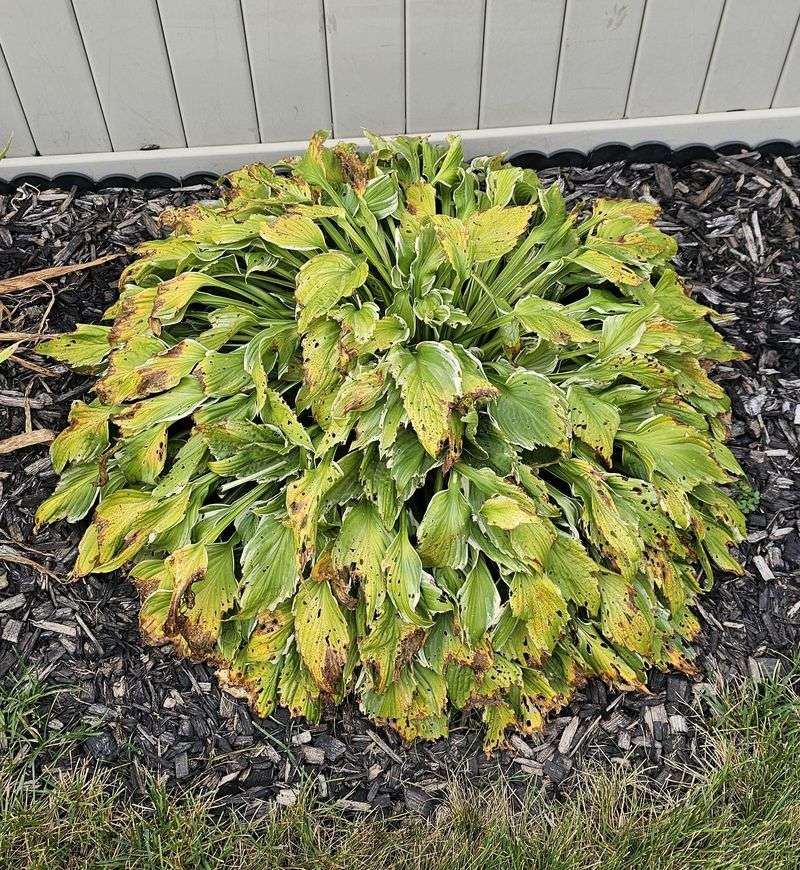
Once a hosta leaf turns brown and papery from heat or sun scorch, that tissue is gone for good. No amount of watering, shade adjustment, or fertilizing will bring color back to damaged leaf cells.
Many Georgia gardeners make the mistake of waiting to see if burned leaves recover on their own, and while waiting, the underlying stress continues to affect the rest of the plant.
Removing badly scorched leaves is a reasonable step once conditions have been improved. Cutting them off cleanly at the base reduces the visual damage and removes tissue that can sometimes attract fungal issues in humid Georgia summers.
The plant will not produce new leaves mid-season to replace what was lost, but the remaining healthy foliage will look better and the plant’s energy stays focused on what is still viable.
The more important goal is protecting the new growth that emerges after any intervention.
If shade, moisture, and mulch are improved before conditions get worse, the plant has a better chance of holding its remaining leaves through August and recovering more fully the following spring.
Scorched foliage is a signal that something in the site needs to change – treating the symptom alone without addressing the cause means the same damage will repeat next July.
9. Moving Hostas May Be Better Than Fighting The Site
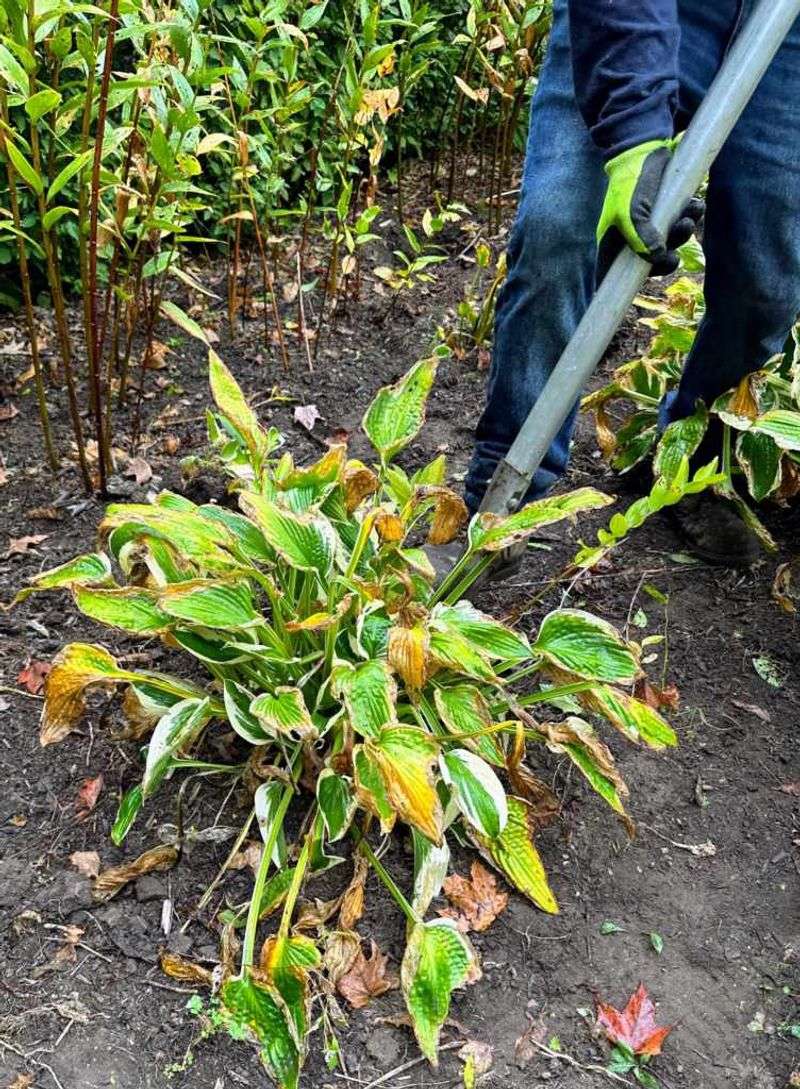
Some spots in a Georgia yard just are not going to work for hostas, no matter how much mulch or water gets added.
When a planting site has relentless afternoon sun, terrible drainage, heavy root competition, and rocky or compacted soil all at once, fighting those conditions season after season is exhausting and rarely produces good results.
At some point, moving the plant to a better location makes more sense than continuing to manage a difficult situation.
Transplanting hostas in Georgia is best done in early spring before heat arrives or in early fall when temperatures drop back down. Moving them in the middle of a hot July is stressful for the plant and may cause more damage than staying put through summer.
If the current site is clearly wrong, marking it mentally now and planning a fall move gives the hosta time to settle into its new location before the following summer.
A spot with morning sun and afternoon shade, decent soil drainage, and some protection from the western sun exposure is a meaningful upgrade for a struggling plant.
Hostas are surprisingly resilient and can bounce back well after a thoughtful relocation.
Choosing the right site from the start – or making the move before another rough summer – often produces far better results than any amount of mid-season patching in a bad location.
10. Good Drainage Still Matters In Shady Beds
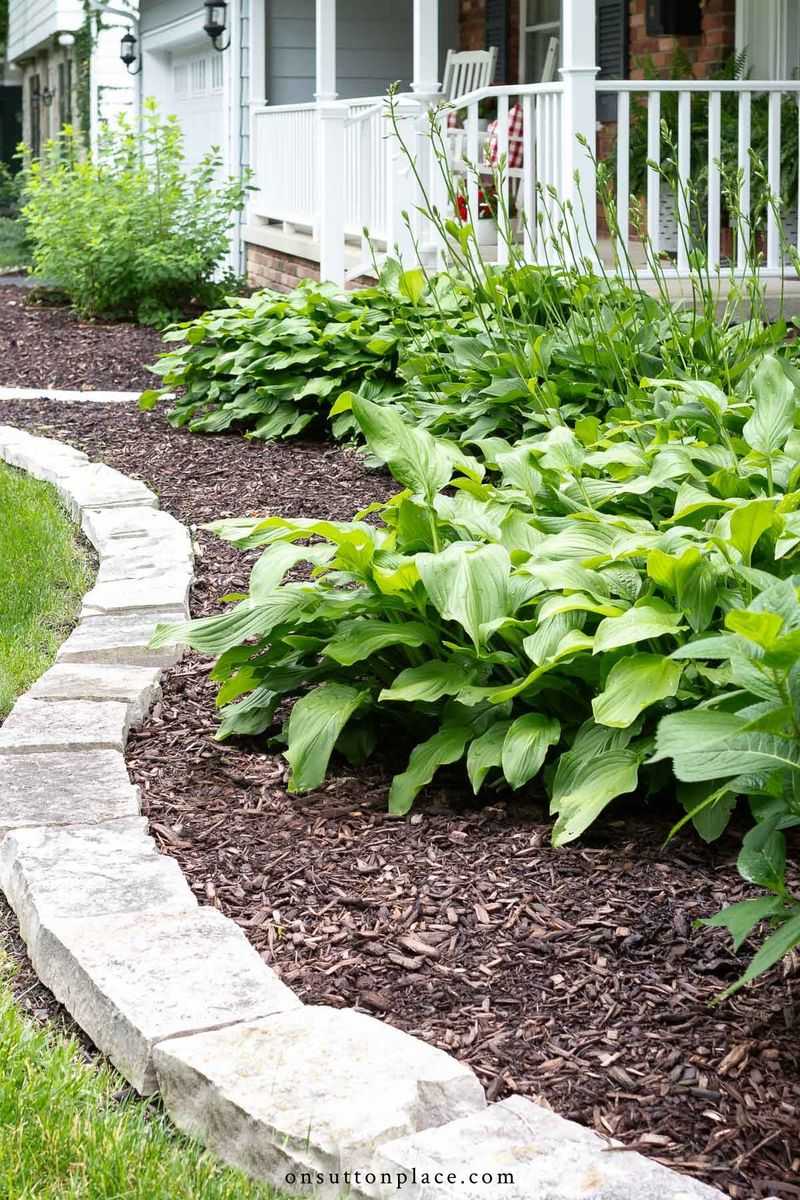
Shade and moisture are often the focus when troubleshooting hosta problems, but drainage is just as important and easier to overlook. A shaded bed that holds water too long can cause root stress just as surely as dry soil does.
In Georgia, where summer rainstorms can be intense and brief, poorly draining beds can go from dry to waterlogged within a single afternoon.
Hostas sitting in soggy soil develop root problems that look similar to drought stress from above. Leaves may yellow, edges may brown, and the plant looks tired even though the soil is wet.
The roots are not absorbing water properly because waterlogged conditions reduce oxygen in the soil, and roots need both moisture and air to function well. This is a common issue in low-lying Georgia beds or areas where clay soil slows drainage significantly.
Improving drainage in established beds can be done gradually by working compost into the surrounding soil to open up the texture, or by raising the bed slightly with added soil and organic matter over time.
Avoiding heavy mulch that packs down and seals the surface also helps.
In Georgia landscapes where both summer heat and heavy rain are regular realities, beds that drain well while retaining reasonable moisture give hostas the most stable environment to grow through the season without added stress.