Native Georgia Perennials That Spread Through Beds And Crowd Out Weeds Better Than Any Barrier
A garden bed can look nearly perfect at the start of the season. Fresh growth fills in, flowers begin to bloom, and everything seems to be heading in the right direction.
Then the weeds arrive. What looked tidy a few weeks earlier suddenly needs constant attention, and the same unwanted plants keep showing up no matter how often they are removed.
That frustration is familiar to gardeners who are tired of spending weekends pulling weeds instead of enjoying their landscapes.
It is also the reason more attention is being given to plants that naturally fill empty spaces before weeds have a chance to move in.
Some native Georgia perennials are especially good at this. As they spread through beds and mature over time, they create dense growth that helps limit open ground.
The result is a fuller landscape, fewer gaps, and much less room for weeds to become a problem.
1. Allegheny Spurge Forms A Dense Evergreen Carpet
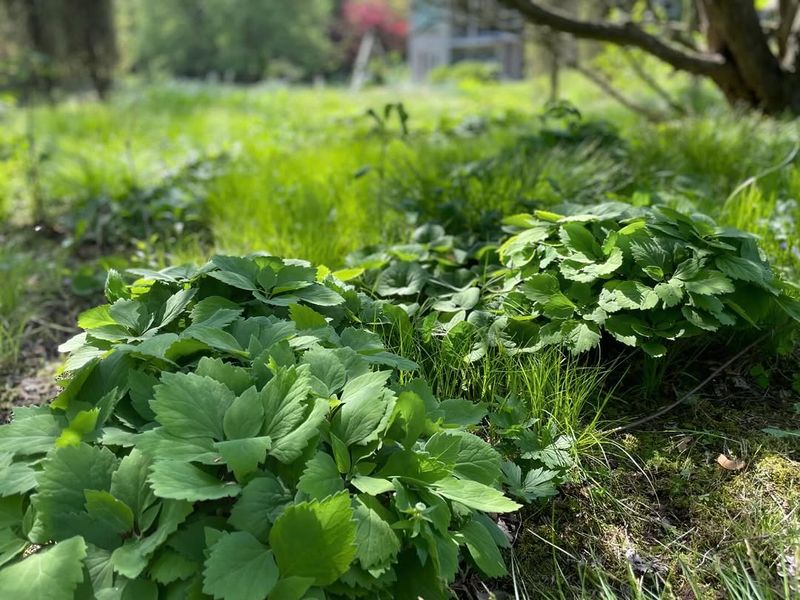
Allegheny Spurge is the kind of plant that quietly takes over a shaded bed and never lets a weed win. Native to the southeastern woodlands, it forms a tight mat of glossy, dark green leaves that stay evergreen through most winters in the South.
Once established, it spreads slowly but steadily through underground runners. Planting it about 12 inches apart gives it room to fill in without overcrowding itself too fast.
Deer tend to avoid it, which is a big bonus in suburban yards near wooded areas. Slugs can occasionally be a problem in very wet seasons, so watch for that in damp spots.
It thrives in part to full shade, making it ideal under large trees where grass refuses to grow. Sandy or clay-heavy soils can slow its spread, so amending with compost at planting helps.
Spring brings small white flower spikes that pollinators enjoy. After blooming, the foliage takes back over and stays tidy without much trimming needed.
Watering regularly during the first growing season helps it root deeply. After that, it handles dry spells reasonably well, though it looks its best with consistent moisture.
One patch planted now can turn into full ground coverage within two to three seasons. Few plants deliver that kind of return with so little maintenance.
2. Green And Gold Fills Gaps Before Weeds Take Hold
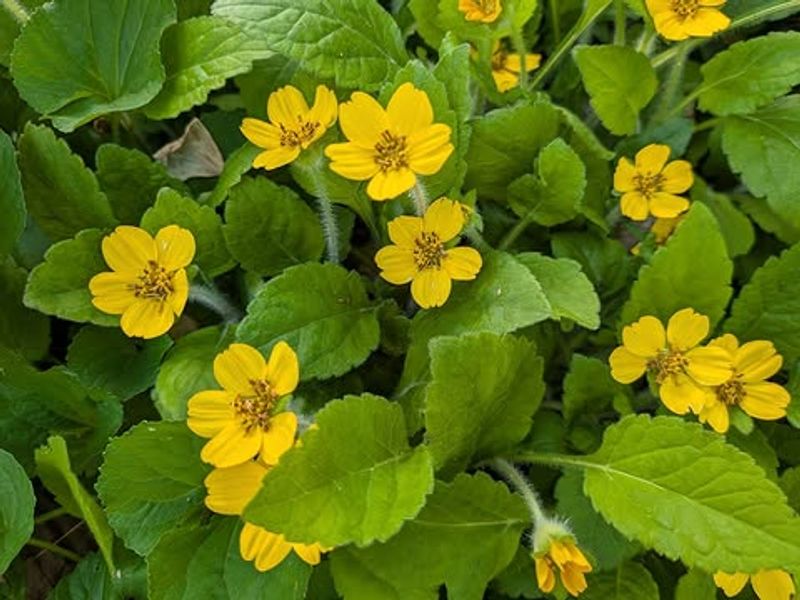
Few native plants work as fast as Green and Gold when you need bare ground covered quickly. Chrysogonum virginianum is a low-growing spreader that pushes out cheerful yellow flowers from early spring well into summer.
Weed seeds need light to germinate. Green and Gold closes off that light fast by forming a dense, overlapping mat of foliage that barely leaves an opening.
It handles part shade and full shade equally well, which makes it useful in spots that stay dim most of the day. Full sun can work too, but the plant may need more water to stay lush in hot, dry summers.
Spreading happens through above-ground stolons, so you can actually watch it creep outward over the season. Dividing clumps every few years keeps growth vigorous and lets you expand coverage to new areas for free.
Your Georgia Garden Changes Every Week. Your Plan Should Too.
Gardening in Georgia changes quickly throughout the season. Every Friday you’ll receive a simple weekly plan showing exactly what to plant, prune, fertilize, harvest, and protect so you never miss the right timing.
Soil quality does matter here. Rich, well-drained soil with organic matter produces the fullest, most competitive mats.
Poor compacted ground slows it down considerably.
Pollinators love the flowers, especially native bees in early spring when food sources are limited. Adding this plant near vegetable gardens can support beneficial insect populations nearby.
Maintenance is minimal once established. Occasional watering during drought and a light layer of leaf mulch in fall are usually all it needs to stay healthy and aggressive through the following spring.
3. Wild Ginger Thrives Where Grass Struggles
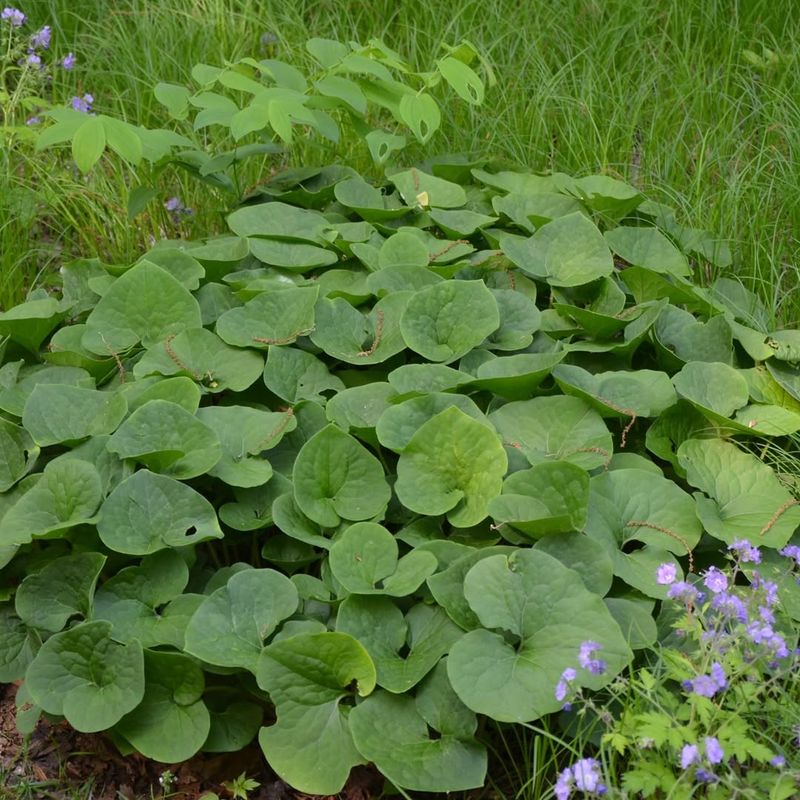
Grass gives up under dense tree canopies. Wild Ginger does not.
Asarum canadense and its southern relative Asarum arifolium are built for deep shade and root competition from large trees.
The broad, heart-shaped leaves grow close together, creating a canopy at ground level that smothers anything trying to sprout beneath. Weeds simply cannot compete once a healthy colony establishes itself.
Growth is slower compared to some other spreaders on this list. Patience pays off though, because once a colony is established, it is remarkably self-sufficient and long-lived.
Wild Ginger prefers moist, humus-rich soil. Leaf litter from deciduous trees works as a natural mulch and keeps the soil conditions just right without any extra effort.
Hidden beneath the leaves in early spring are small, dark reddish-brown flowers shaped like jugs. Most gardeners never see them, but certain insects that crawl along the ground are the primary pollinators.
Deer generally leave Wild Ginger alone, which adds to its appeal in wooded suburban neighborhoods. Slug damage is possible in very wet years, but usually not severe enough to set back a healthy patch.
Dividing clumps in early fall is the easiest way to spread coverage to new areas. Water new divisions consistently for the first season to help them root well before winter arrives.
4. Golden Ragwort Expands Rapidly In Moist Soil
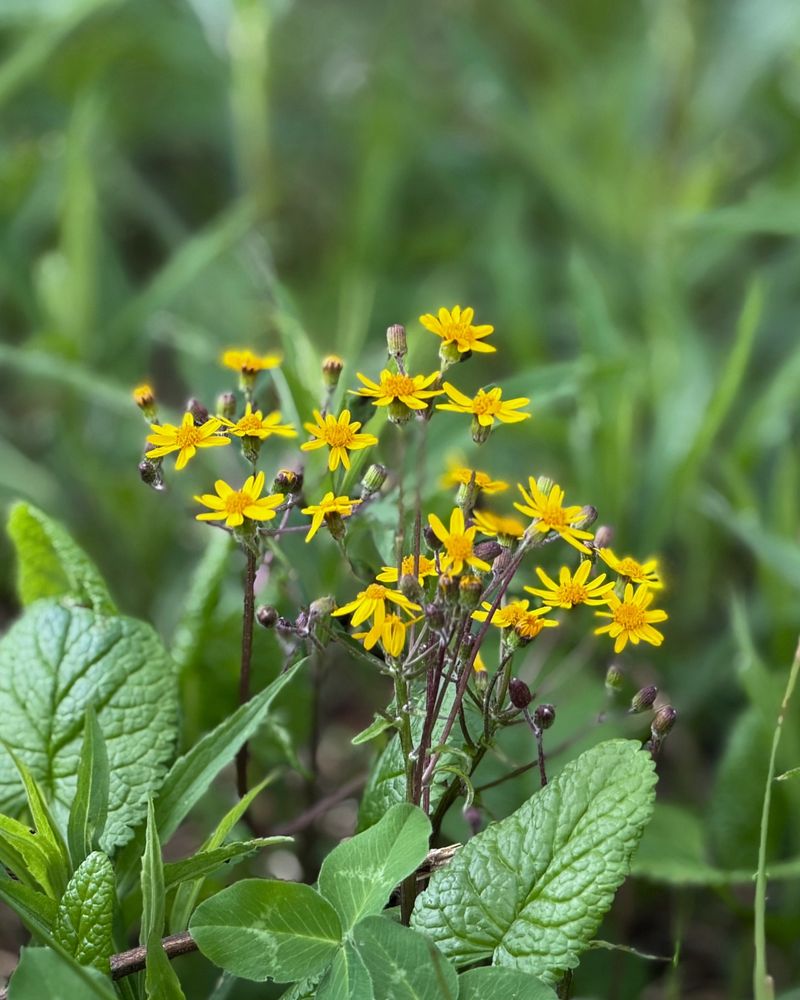
Golden Ragwort is one of the fastest-spreading native ground covers available to Southern gardeners. Packera aurea does not creep slowly.
It runs, filling in moist low spots and shaded rain garden edges faster than almost anything else.
Bright yellow flowers bloom in early to mid-spring, often before most other plants wake up. That early color is a bonus, but the real value is what happens after blooming when the foliage takes over and shuts weeds out completely.
Moist, slightly acidic soil is where Golden Ragwort performs best. Poorly drained spots near downspouts or low spots in the yard that stay damp after rain are perfect placements.
Dry conditions limit its spread significantly. In well-drained raised beds or sandy soil, growth slows and the plant may struggle to cover ground effectively without supplemental watering.
It spreads through both rhizomes and self-seeding. Seed heads should be left in place after flowering if faster naturalization is the goal, though the plant spreads through roots alone at a solid pace.
Native bees and small butterflies visit the flowers heavily in early spring. Adding Golden Ragwort near water features or pond edges creates both functional ground coverage and a reliable pollinator stop.
Dividing large clumps every three years keeps the colony vigorous. Overcrowded patches can thin out in the center, so periodic division maintains dense, even coverage across the whole bed.
5. Blue Mistflower Takes Over Empty Spaces Fast
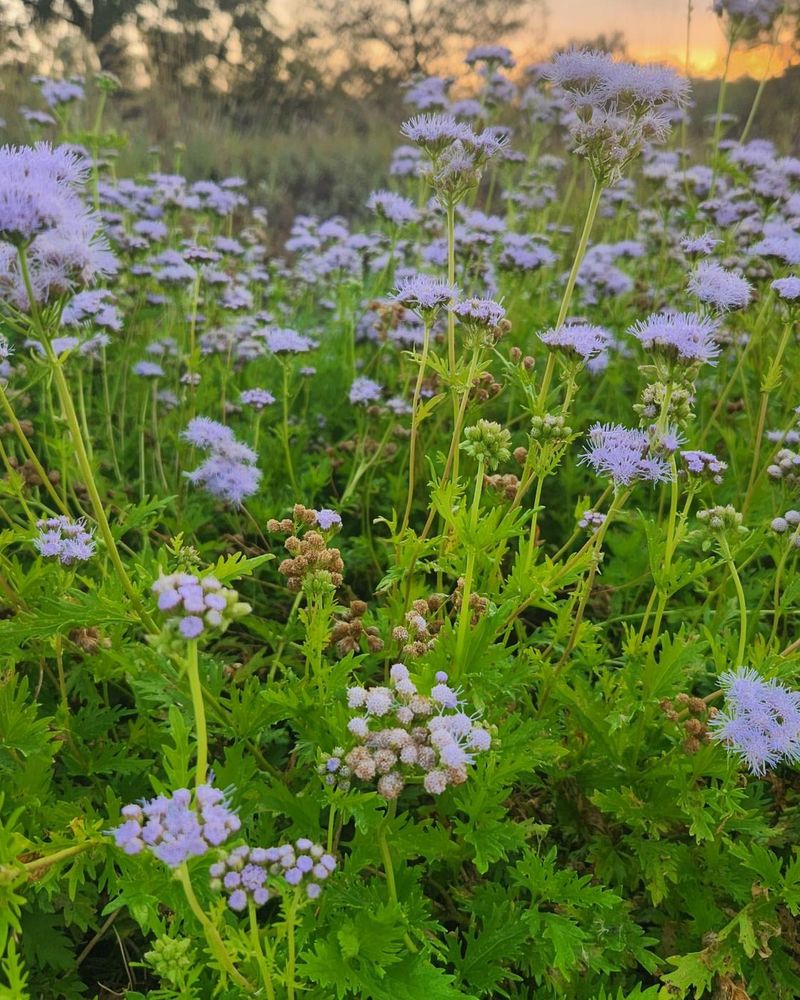
Empty spots in a garden bed are basically open invitations for weeds. Blue Mistflower accepts that challenge and covers bare ground faster than most gardeners expect.
Conoclinium coelestinum spreads aggressively through rhizomes, especially in moist, fertile soil.
Late summer and fall blooms are a major draw. Clusters of fuzzy blue-purple flowers appear right when most other perennials are winding down, giving pollinators a valuable late-season food source.
Monarch butterflies and native bees visit Blue Mistflower heavily during migration season. Planting it near other fall bloomers creates a corridor of late-season resources that supports insect movement through the yard.
Control is worth thinking about before planting. Blue Mistflower spreads enthusiastically, and in small beds, it can crowd out neighboring plants if not divided or edged back each spring.
Larger naturalized areas, woodland edges, and rain gardens are ideal settings where aggressive spreading is actually an advantage. Letting it run in those spaces means almost zero weed pressure within a season or two.
Full sun to part shade both work well. Plants in full sun tend to be shorter and bushier.
Those in shadier spots grow taller and may need light staking in windy areas.
Cutting plants back hard in early spring before new growth emerges keeps colonies looking fresh. Without that annual cutback, older stems can get woody and the patch may look messy heading into the growing season.
6. Creeping Phlox Creates Dense Ground Coverage
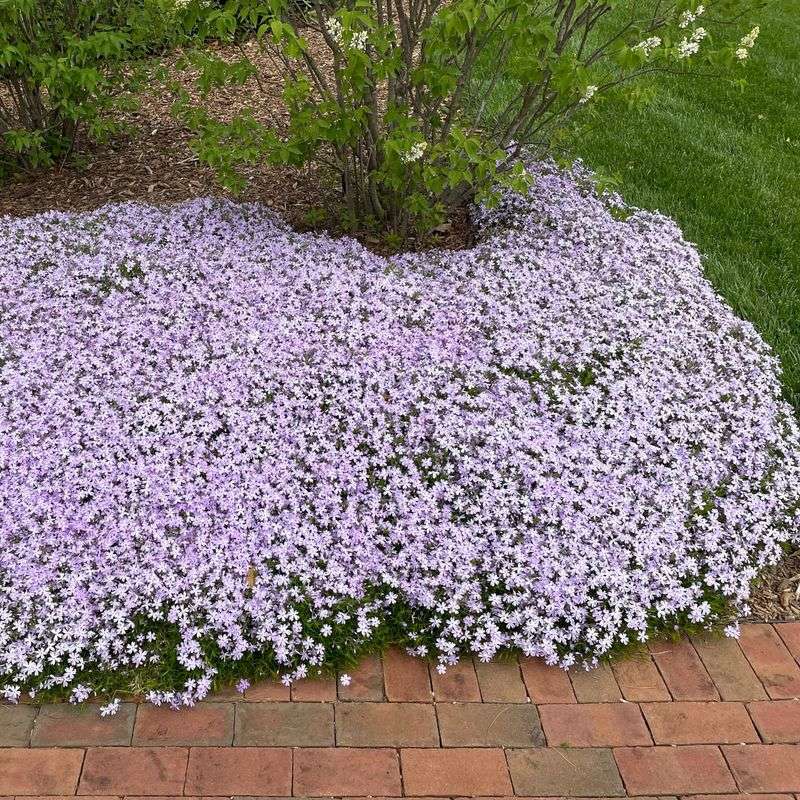
Slopes and sunny bed edges are tough spots to keep weed-free. Creeping Phlox locks onto those areas and holds them with a tight, needle-leaved mat that weeds can barely penetrate.
Phlox subulata is one of the most reliable sun-loving ground covers in Southern gardens.
Spring blooms are spectacular. Dense masses of pink, purple, or white flowers cover the plant so completely that the foliage nearly disappears beneath them for several weeks.
After flowering, the evergreen mat stays low and dense all year. That year-round coverage is what makes it so effective against weeds, since bare soil is almost never exposed.
Well-drained soil is essential. Wet feet cause root problems, so avoid low spots or areas where water pools after heavy rain.
Raised beds, slopes, and rock gardens suit it perfectly.
Spacing plants about 18 inches apart at planting gives each one room to spread outward without immediate competition. Full coverage typically happens within two growing seasons under decent conditions.
Shearing the mat back by about one-third right after blooming keeps growth compact and encourages new branching. Skipping this step occasionally is fine, but plants can get woody and open in the center over several years without it.
Creeping Phlox is widely available and relatively inexpensive, which makes it easy to plant in quantity. Buying in bulk and spacing properly from the start produces faster, more even coverage than spacing too far apart.
7. Lyreleaf Sage Gradually Fills Bare Areas
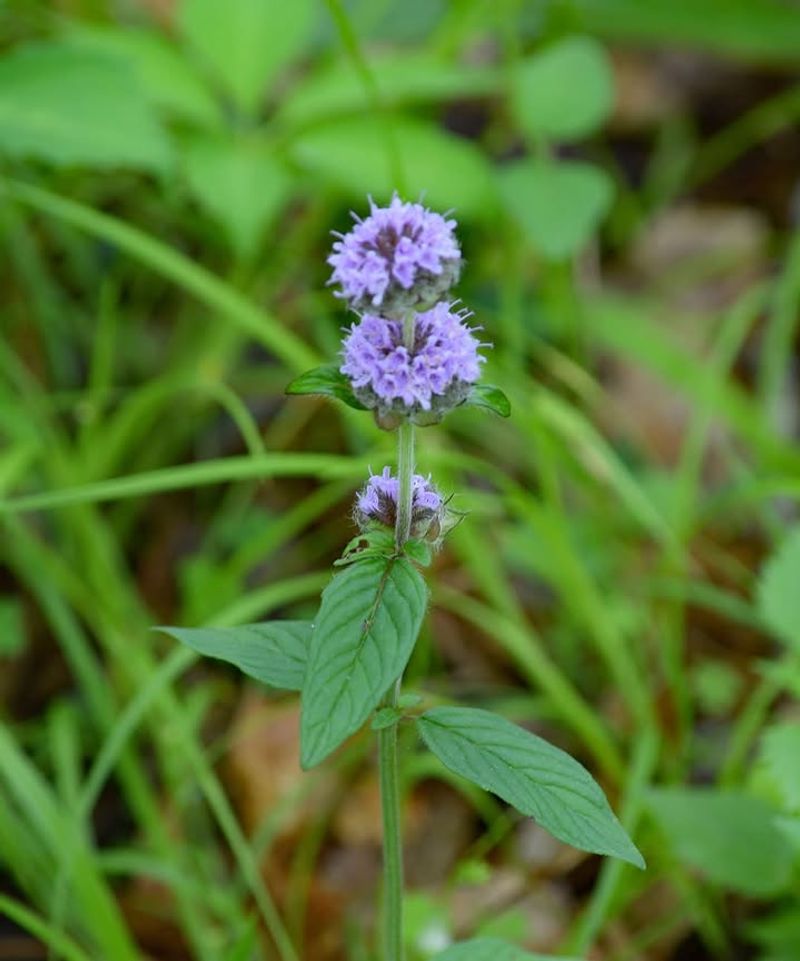
Lyreleaf Sage does not rush, but it gets the job done. Salvia lyrata is a native biennial to short-lived perennial that self-seeds freely and gradually turns bare, dry areas into dense, weed-resistant patches over a few seasons.
It handles poor, dry soil better than almost anything else on this list. Sandy, compacted, or nutrient-poor ground that defeats other plants is where Lyreleaf Sage actually thrives.
Rosettes of deeply lobed leaves form at ground level and stay low. That low growth pattern covers soil effectively and blocks light from reaching weed seeds trying to sprout underneath.
Tall flower spikes rise in spring, reaching up to two feet high with small lavender-blue blooms. Native bees and bumblebees visit the flowers consistently during bloom season.
After flowering, seed heads mature and drop. New seedlings appear nearby the following season, which is how colonies expand gradually over time without any replanting effort from the gardener.
Pulling a few seedlings each spring prevents overcrowding in smaller beds. In larger naturalized areas or wildflower meadows, letting it spread freely is perfectly manageable.
Drought tolerance is genuinely strong once plants are established. Supplemental watering is rarely needed after the first season in most parts of the Southeast, making it one of the lowest-maintenance spreaders available to gardeners in the region.
Lyreleaf Sage pairs well with other dry-tolerant natives like native grasses and Black-eyed Susans for a layered, self-sustaining bed.
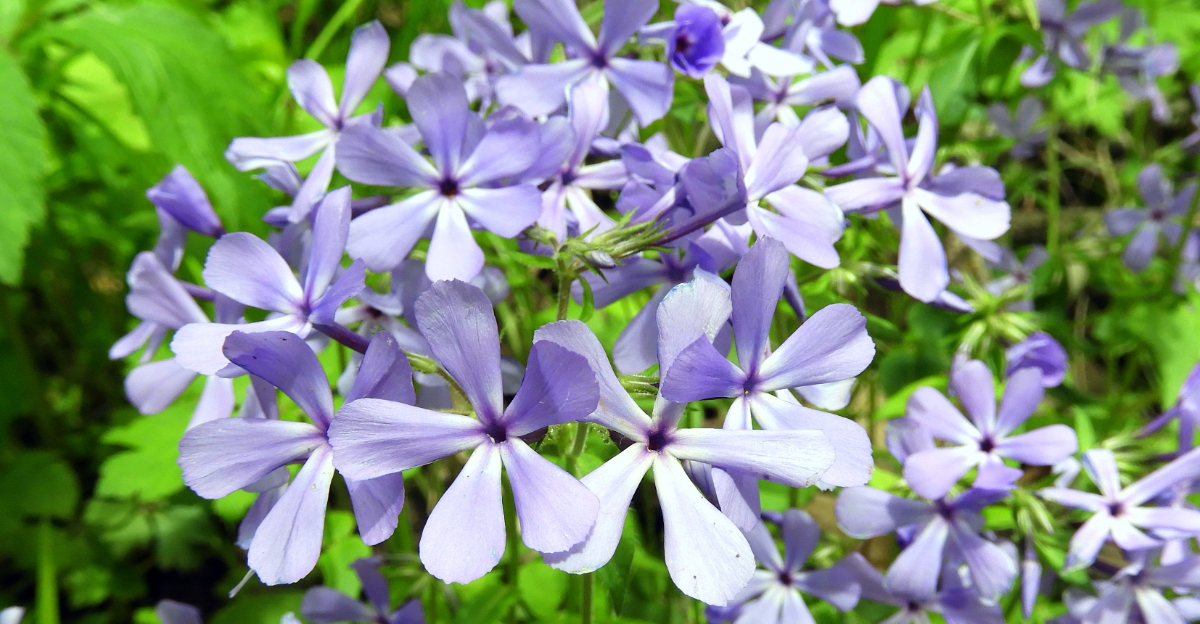
8. Woodland Phlox Spreads Through Shady Beds With Ease
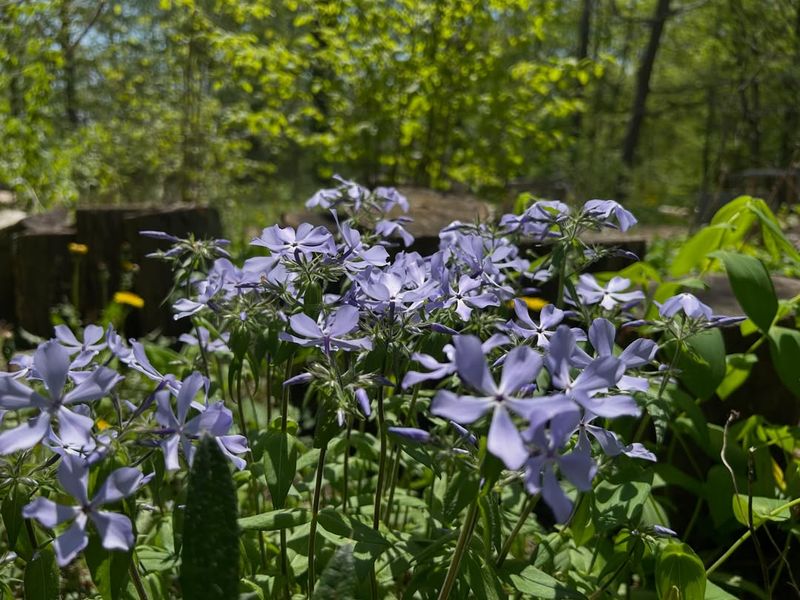
Woodland Phlox brings color and coverage to shaded beds in a combination that is hard to beat. Phlox divaricata blooms in soft shades of lavender, blue, and white every spring, then settles into a low, spreading mat of green for the rest of the season.
It spreads through a mix of stolons and self-seeding, which means coverage expands steadily without needing much help from the gardener. Gaps between clumps fill in naturally within a season or two.
Partial shade is ideal. Deep shade slows blooming noticeably, though the foliage still spreads and provides weed suppression even without flowers.
Soil moisture matters during the first year. Once rooted, Woodland Phlox handles brief dry spells without major setbacks, especially under tree canopies where soil stays somewhat protected.
Spring blooms attract butterflies and hummingbirds reliably. Planting near early-blooming shrubs creates a layered pollinator habitat that supports wildlife through multiple seasons.
Powdery mildew can appear in late summer, especially in humid years. Improving air circulation by thinning crowded patches reduces the problem without needing chemical treatments.
Shearing plants back lightly after blooming encourages denser regrowth and keeps the mat looking tidy. Skipping this step is fine too, but plants may get a bit leggy by midsummer without it.
Affordable and widely available at native plant nurseries, Woodland Phlox is one of the most practical investments for shaded bed coverage in the Southeast.