7 Native Michigan Shrubs That Work Better Than Arborvitae Along Tight Side Yards
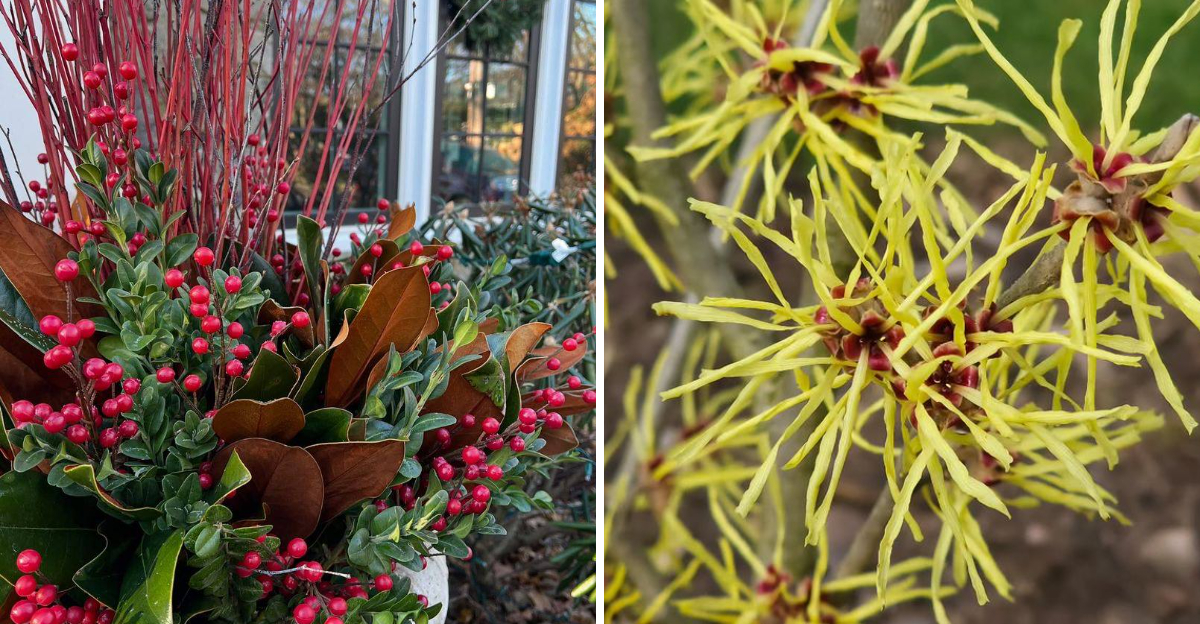
Arborvitae is the default answer for a narrow side yard, and it is easy to understand why. Tall, green, tidy at the garden center, and available everywhere.
The problems nobody mentions at checkout are that arborvitae struggles in Michigan’s heavy clay, attracts bagworms, and can turn into brown columns after a rough winter.
Meanwhile, the plants that actually evolved here handle wet feet, drought, deer pressure, and tight spaces without complaining every spring.
Michigan native shrubs bring flowers, berries, fall color, and wildlife value that a row of evergreens simply cannot match, and they do it in the same difficult conditions that send arborvitae into decline.
Few of them work especially well in narrow side yards, and once you see what they offer across all four seasons, the standard answer starts looking like a missed opportunity.
1. Ninebark
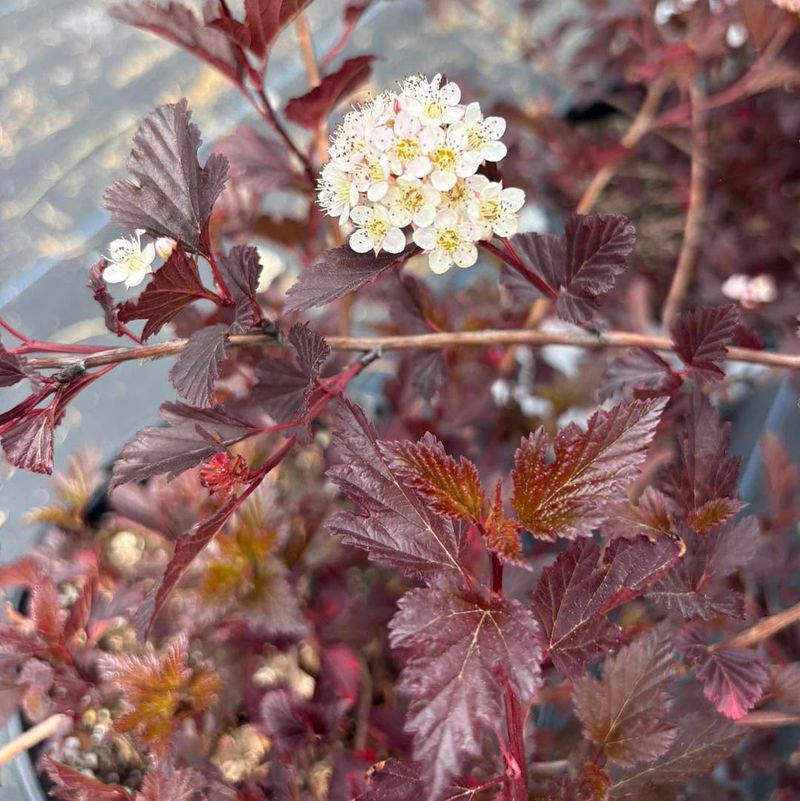
Ninebark earns its keep without asking for much in return.
Native across Michigan, Physocarpus opulifolius handles clay, sand, drought, and occasional flooding better than almost any other landscape plant available. That kind of toughness is exactly what a side yard demands from a screening shrub.
The exfoliating bark peels back in layers, which is where the name comes from and where the real winter interest lives.
Even when everything else looks bare and forgettable, ninebark brings structure and texture to a narrow space.
Clusters of white or pink flowers appear in late spring and attract native bees enthusiastically. Reddish seed capsules follow and provide late-season color that birds work through well into fall.
Compact cultivars like ‘Nanus’ stay around four to five feet tall and wide, making them manageable in tight side-yard beds without constant pruning.
The species form can reach eight feet or more, so choosing the right cultivar based on actual available space rather than optimistic estimates matters here.
Purple-leafed varieties like ‘Diabolo’ add bold contrast against light-colored fencing or siding and look genuinely striking in a narrow bed.
Michigan State University Extension recommends ninebark as one of the most adaptable native shrubs for urban and suburban landscapes because it simply refuses to quit under tough conditions.
Plant it once, give it a season to settle, and it delivers for decades without much attention required.
2. Serviceberry
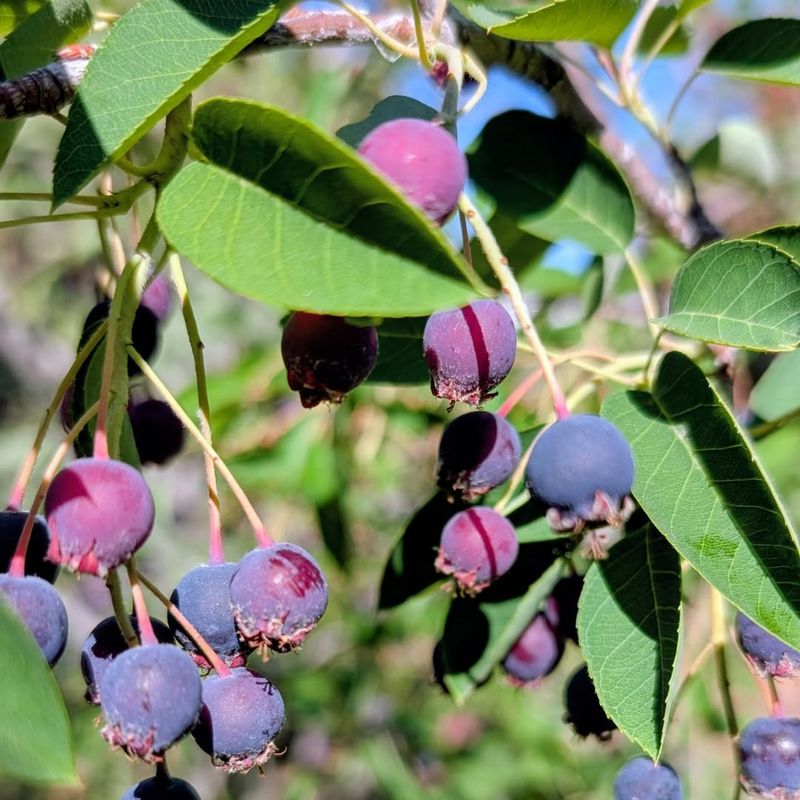
Before most trees even think about leafing out, serviceberry is already putting on a show.
Amelanchier species native to Michigan burst into clouds of white blossoms in early April, sometimes while snow is still on the ground.
That early bloom is not just beautiful. It is a critical food source for pollinators waking up from a long Michigan winter.
Serviceberry grows as a large multi-stemmed shrub or a small tree, typically reaching ten to fifteen feet tall with a spread of six to ten feet.
That upright, airy habit works well in narrow side yards where height is needed without bulk. It screens sightlines without swallowing the space entirely, which is exactly the balance a tight side yard requires.
By June, small purple-red berries ripen on the branches and the competition begins immediately. Cedar waxwings, robins, and catbirds show up fast, and the berries are sweet enough that getting there first is worth the effort.
Your Michigan Garden Changes Every Week. Your Plan Should Too.
Gardening in Michigan changes quickly throughout the season. Every Friday you’ll receive a simple weekly plan showing exactly what to plant, prune, fertilize, harvest, and protect so you never miss the right timing.
Fall foliage turns orange and red, delivering a third season of interest beyond flowers and fruit.
Amelanchier canadensis and Amelanchier laevis are both excellent Michigan native choices with slightly different growth habits.
Both tolerate part shade, which is common in side yards squeezed between buildings. Plant serviceberry where it gets at least four hours of sun, keep it watered during the first two summers, and then step back. It handles the rest on its own.
3. Black Chokeberry
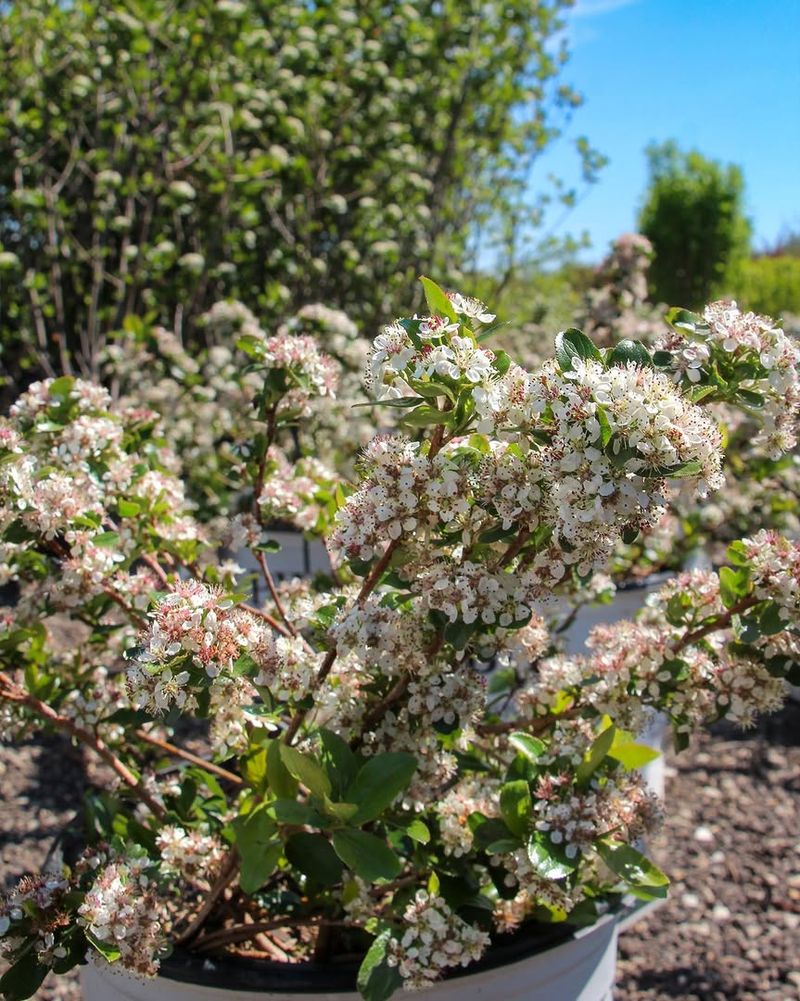
Compact, tough, and loaded with seasonal interest, black chokeberry deserves far more attention than it gets in Michigan landscapes.
Aronia melanocarpa fits naturally into tight spaces, typically maturing at three to six feet tall with a similar spread. That size makes it one of the most practical choices for side yards where width is genuinely limited.
Spring brings clusters of white flowers that attract native bees and small butterflies. By late summer, glossy black berries develop in heavy clusters along the stems.
The berries are astringent fresh, but birds find them irresistible, especially after the first frost softens the flavor. Cedar waxwings, bluebirds, and thrushes all stop by for a meal and tend to linger.
Fall color is where black chokeberry genuinely surprises people. The foliage turns a brilliant scarlet red that rivals ornamental shrubs at several times the cost and maintenance level.
For a plant that requires almost no attention, that fall display feels like a bonus that was never advertised on the tag.
Black chokeberry tolerates wet soil, dry soil, full sun, and part shade with equal patience, which is rare and genuinely valuable in side yards where conditions vary significantly from one end to the other.
The cultivar ‘Viking’ is widely available and stays on the smaller end of the size range. Plant it in groups of three for a denser privacy effect and you have a screen that earns its space every season.
4. Red Twig Dogwood
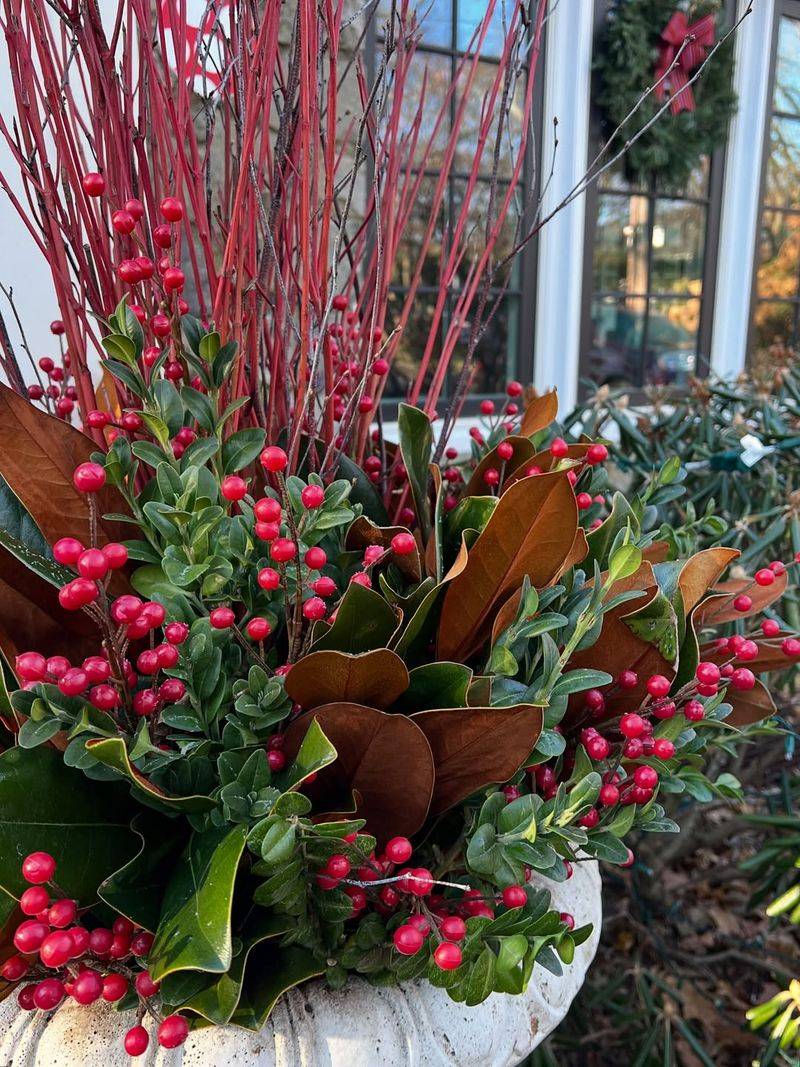
Most shrubs spend winter looking like a pile of sticks. Red twig dogwood spends winter looking like a deliberate design choice.
Cornus sericea is a Michigan native that transforms a dull, frozen side yard into something worth looking at from inside the house on a gray January afternoon, which is a quality almost nothing else can offer.
The bright red stems glow against snow, pale fencing, or light-colored siding. Younger stems carry the most vivid color, which means cutting a few of the oldest canes to the ground each spring keeps the display sharp year after year.
New growth comes back quickly and the color stays brilliant. It is one of the simplest maintenance tasks in the garden with one of the most visible payoffs.
Beyond winter, red twig dogwood delivers white flower clusters in late spring that attract native bees and butterflies.
White berries follow in summer and disappear fast because birds are enthusiastic about them. Foliage turns soft burgundy red in fall, giving you color across three full seasons without significant effort.
Moisture tolerance is one of this shrub’s strongest selling points.
Red twig dogwood grows naturally along stream banks and wetland edges across Michigan, so it handles the soggy, compacted side yards that form between houses where drainage is poor and no other shrub will cooperate.
Compact cultivars like ‘Kelseyi’ stay around two to three feet for very narrow beds. Either way, you get privacy and winter color in one reliable native package.
5. Nannyberry Viburnum
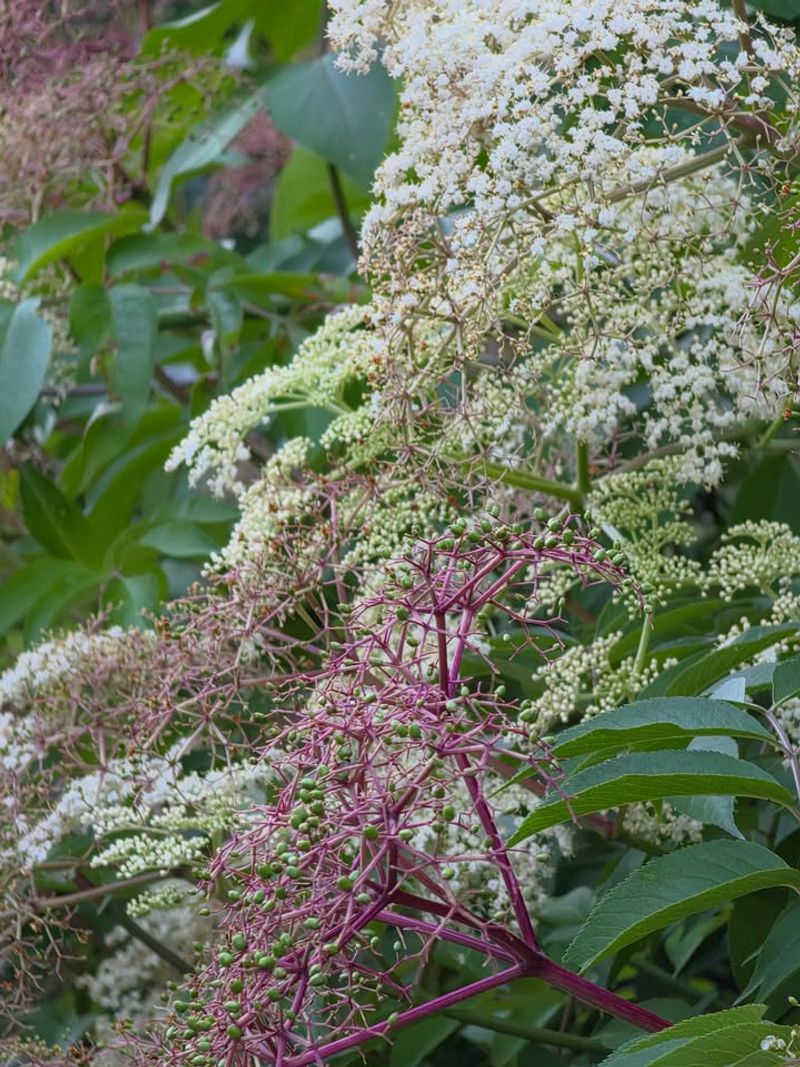
For genuine privacy screening in a tight side yard, nannyberry viburnum is one of the most underrated native plants in Michigan.
Viburnum lentago grows naturally across the state in woodlands and forest edges, bringing that same layered, dense habit to residential landscapes where screening is the primary goal.
Nannyberry reaches ten to eighteen feet tall with a spread of six to twelve feet.
That upright, multi-stemmed form creates a living wall that blocks sightlines from neighboring windows or fences without the constant attention a formal hedge demands.
It grows the way you want it to, naturally and thickly, without requiring intervention every season to maintain the effect.
Flat-topped clusters of creamy white flowers appear in May and June, attracting a wide range of native pollinators.
By fall, blue-black berries ripen in drooping clusters that birds find irresistible during fall migration. Robins, cedar waxwings, and thrushes feed heavily on nannyberry fruit.
Providing food for wildlife while creating privacy is a combination that few plants manage this well simultaneously.
Fall foliage shifts to glossy red-purple, adding one more season of visual appeal before winter. Nannyberry tolerates part shade well, handles clay soil, and manages occasional wet periods without complaint.
Plant it at the back of a narrow bed and let it grow upward rather than outward. The screen develops without sacrificing precious side-yard width in the process.
6. Buttonbush
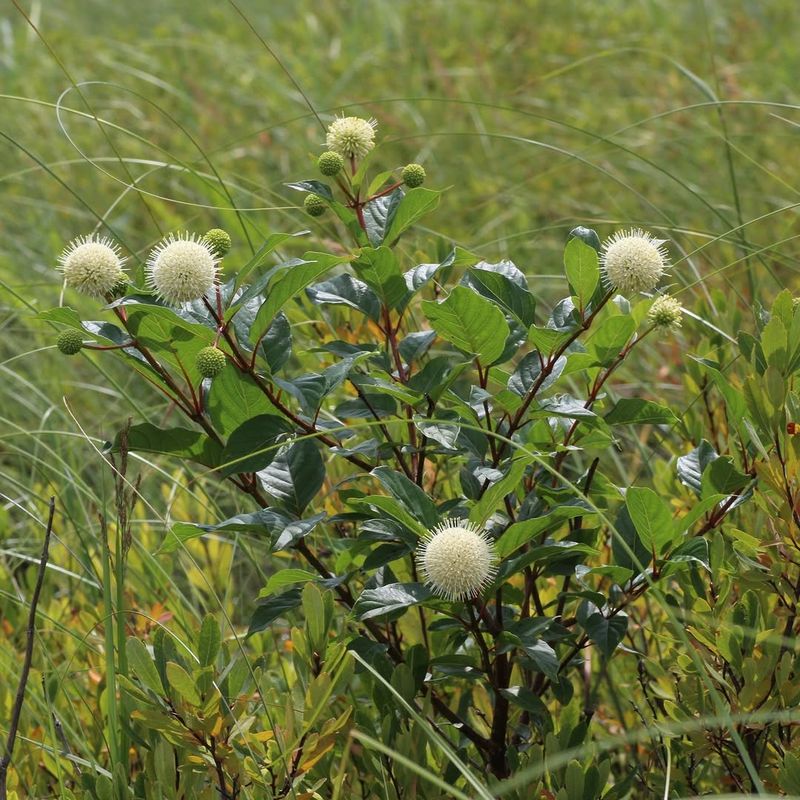
Not every side yard is dry and well-drained. Some collect water from downspouts, slope toward the house, or sit in heavy clay that stays soggy for weeks after a rainstorm.
Most shrubs struggle in those conditions. Buttonbush was practically designed for them.
Cephalanthus occidentalis is a Michigan native that grows naturally along pond edges, river banks, and wetland margins across the state.
In a waterlogged side yard, it does not just manage. It actively thrives, putting on steady growth and filling space that other plants refuse to occupy.
Turning a drainage problem into a planting opportunity is one of gardening’s most satisfying moves.
The flowers are genuinely one of a kind. Round, white, pincushion-like blooms appear in midsummer and attract an impressive mix of native bees, butterflies, and hummingbirds.
Few native shrubs bloom as late in the season as buttonbush, making it a valuable late-summer food source when other flowers have already faded. It is the kind of plant that makes pollinators stop mid-flight and reconsider their plans.
Buttonbush grows six to twelve feet tall and wide in ideal wet conditions, so planning for its mature size matters when placing it in a side yard.
It responds well to selective pruning in late winter if size needs managing. Foliage is glossy and deep green through summer, giving it a lush look that feels surprisingly rich for a Michigan native.
If the side yard drains poorly, stop fighting the moisture and start working with it.
7. Witch Hazel
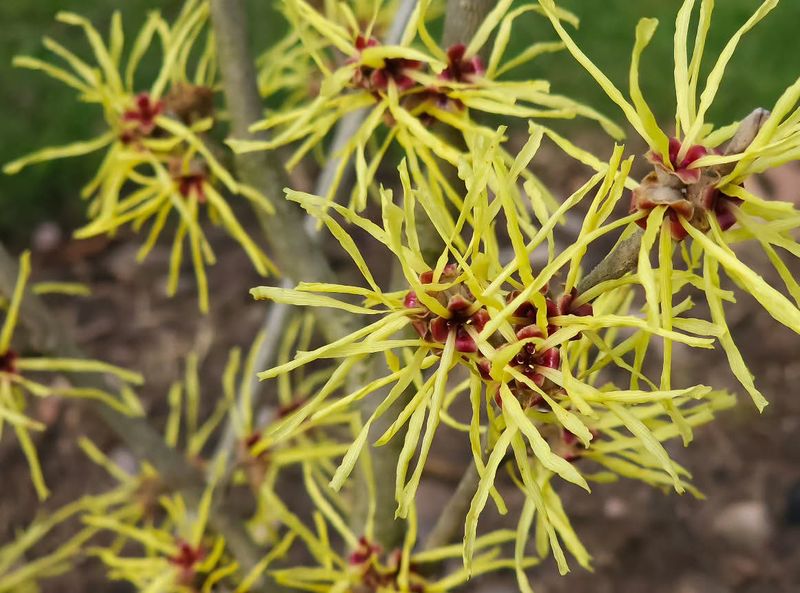
Witch hazel has a trick no other Michigan native shrub can match.
It blooms in November, sometimes into December, when everything else in the garden has gone quiet for the year.
Those spidery, ribbon-like yellow flowers appear on bare branches and carry a light, spicy fragrance that feels completely out of place in a Michigan November. In the best possible way.
Hamamelis virginiana is the species native to Michigan, growing naturally in forest understories and woodland edges across the Lower Peninsula.
That woodland origin means it is perfectly comfortable in the part-shade conditions most side yards experience between buildings. It does not need full sun to perform well, which immediately sets it apart from most screening options.
Mature plants reach twelve to fifteen feet tall with a similar spread, creating a layered, arching form that provides natural visual screening without a wall-like appearance.
The branching structure is open enough to feel relaxed rather than formal, which suits the irregular shapes of most side yards.
Fall foliage turns golden yellow before the flowers appear, so color and blooms arrive almost simultaneously in a sequence that rewards anyone paying attention.
Wildlife value rounds out the picture.
The seed capsules following the flowers are eaten by birds through winter, and witch hazel supports specialist native bees that emerge late in the season specifically for its pollen.
Plant it toward the back of a side-yard bed where the height works as a natural backdrop. Give it room to arch and it delivers privacy, fragrance, and flowers at the time of year when the garden needs them most.