Why Ohio Milkweed Is More Important In July Than Any Other Month
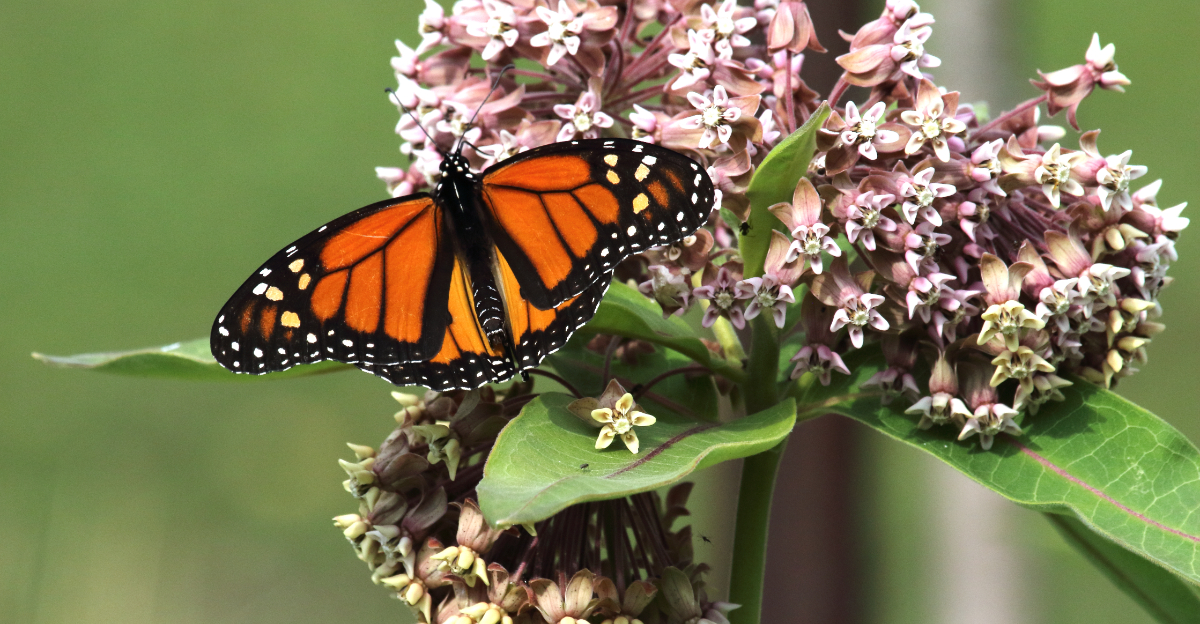
Milkweed gets most of its attention in spring, when planting guides come out and everyone is thinking about monarch conservation. July gets far less coverage.
It is arguably the more important month for what milkweed actually does in an Ohio yard. Monarch migration timing, larval development cycles, and the late summer population push all converge in July.
Milkweed availability during this window is critical, not just beneficial. A yard with milkweed in July is doing something that matters beyond aesthetics or casual wildlife support.
It is filling a gap in a biological chain that has become fragile enough that individual Ohio yards genuinely move the needle. Most people who planted milkweed did the right thing.
Understanding why July specifically is the month it earns its place changes how that plant gets treated for the rest of the season.
1. July Milkweed Feeds The Caterpillars That Need It Most
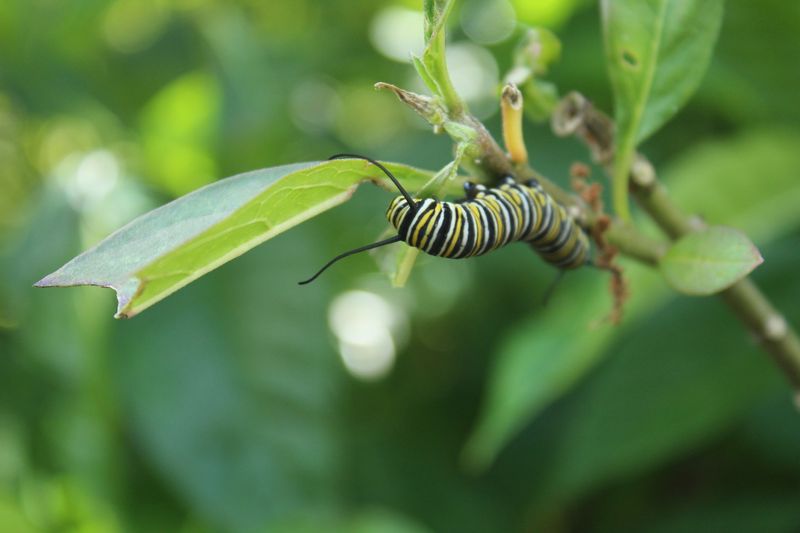
A ragged stem in July can be doing more for monarchs than the neatest flower bed on the block. Monarch caterpillars depend entirely on Ohio milkweed leaves for food.
Without those leaves, they cannot grow, develop, or complete their life cycle. Milkweed is not just a plant in your yard.
It is a feeding station that cannot be replaced by anything else.
July often falls during a period when monarchs moving through this state may be laying eggs on available milkweed. When those eggs hatch, the caterpillars begin eating immediately.
They start small and grow fast, moving through several growth stages called instars. Each stage requires more leaf material than the last.
Not every milkweed plant will host caterpillars in July. That is realistic and worth knowing.
But the ones that do carry caterpillars need their leaves intact and undisturbed. Cutting stems or stripping leaves during active feeding removes the food source those caterpillars depend on completely.
Keeping milkweed healthy through July means letting it grow without interference when possible. Check stems before doing any garden work near your patch.
A few minutes of careful looking can protect something that took weeks to develop.
2. Fresh Leaves Matter More Than Perfect Looking Plants
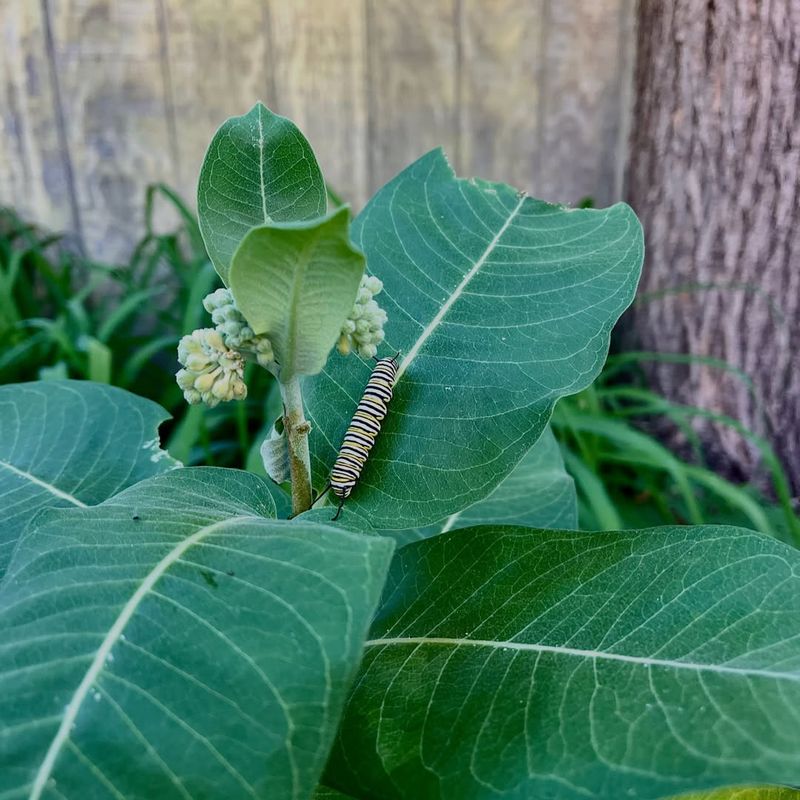
Chewed leaves, torn edges, and patchy stems are not signs that something went wrong. They can be signs that something went very right.
A milkweed plant with ragged growth in July may be actively feeding monarch caterpillars. Judging your milkweed patch by how tidy it looks can lead to removing plants that are doing their most useful work.
New leaf growth is especially valuable to caterpillars in early instars. Younger, softer leaves are easier for small caterpillars to chew and digest.
Plants that push out fresh growth through July give caterpillars more options as they move through feeding stages. That fresh growth matters more than whether the plant looks ornamental.
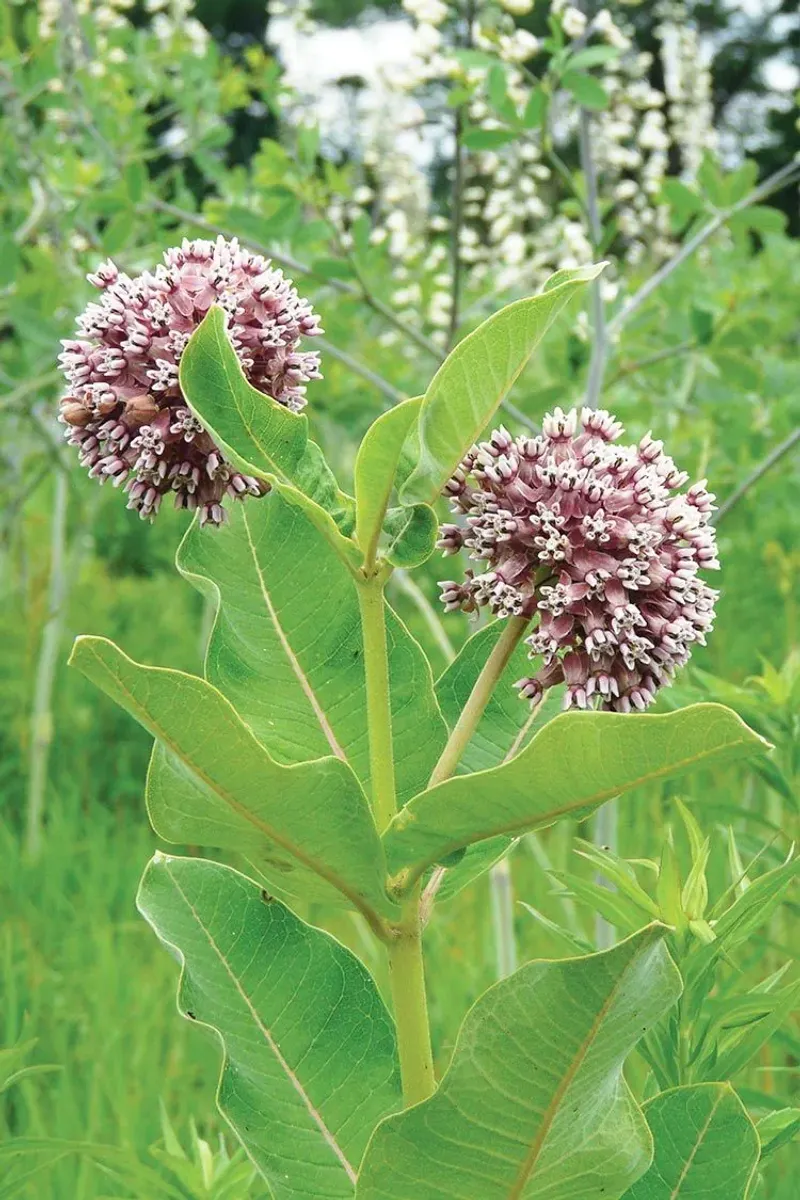
Common milkweed, swamp milkweed, and butterfly weed all grow in this state and all serve as host plants for monarchs. Each species has a slightly different leaf texture and growth habit.
What they share is the ability to support caterpillar feeding when left alone to grow.
Your Ohio Garden Changes Every Week. Your Plan Should Too.
Gardening in Ohio changes quickly throughout the season. Every Friday you’ll receive a simple weekly plan showing exactly what to plant, prune, fertilize, harvest, and protect so you never miss the right timing.
Resist the urge to trim, or tidy milkweed stems just because they look worn. An imperfect patch in July is often a productive one.
Let the plant look a little rough if that is what the season calls for.
3. Monarch Eggs Can Hide On The Undersides Of Leaves
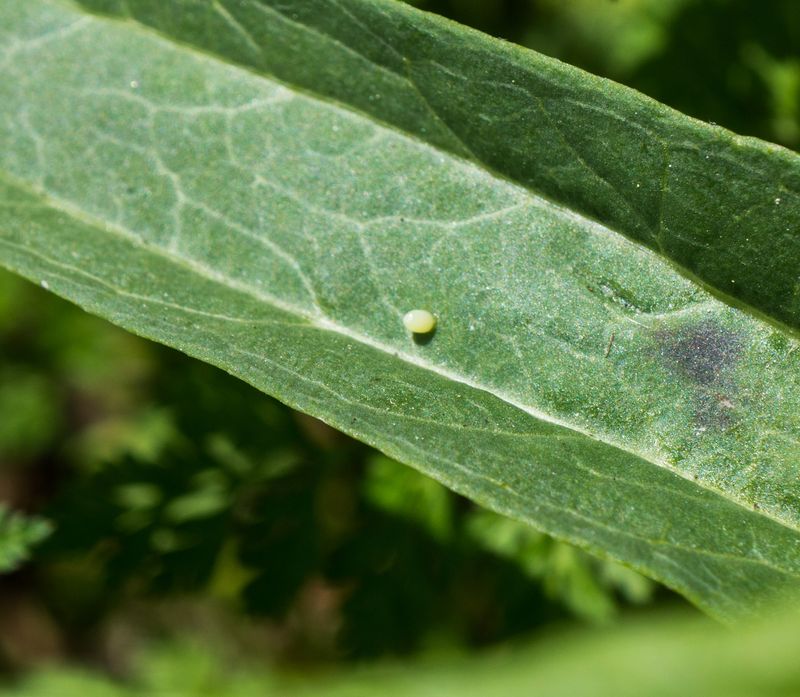
A tiny pale dot on the underside of a milkweed leaf might be easy to overlook. That dot could be a monarch egg.
Female monarchs often place their eggs on leaf undersides or on tender new growth near the top of the plant. The eggs are small, roughly the size of a pinhead, and creamy white to pale yellow in color.
Checking for eggs before cutting, mowing, or removing stems takes only a minute or two. Gently lift a few leaves and look at the surface underneath.
You do not need to handle the eggs or disturb the leaf. Just look carefully before making any cuts near your milkweed.
Eggs are present for only a few days before hatching. That short window means a stem you cut today could have been hosting eggs that were days away from becoming caterpillars.
A quick visual check before garden work near milkweed is a simple habit that costs almost nothing.
Not every plant will have eggs on any given day. But during July, when monarchs may be moving through and laying, the odds of finding eggs on healthy milkweed go up.
Slow down and check before reaching for the clippers.
4. Avoid Cutting Milkweed When Caterpillars Are Feeding
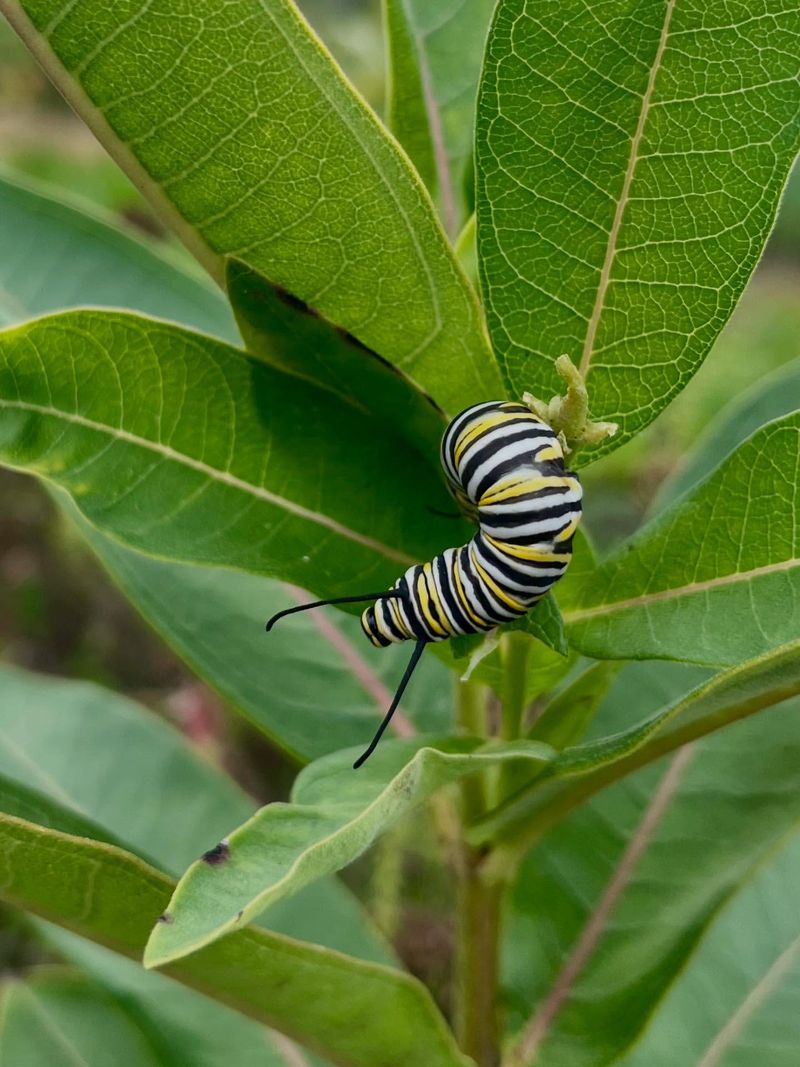
Along a fence line or at the edge of a meadow, milkweed can start to look overgrown by midsummer. The instinct to trim it back is understandable.
But cutting milkweed during active caterpillar feeding removes the leaves those caterpillars need to survive. Once a caterpillar loses its food source, it cannot simply move to another plant and pick up where it left off.
Before trimming any milkweed in July, walk the patch slowly and look at each stem. Caterpillars can be easy to spot once you know what to look for.
The yellow, black, and white banding is distinctive. Smaller instars can look like tiny specks, so look closely at leaf surfaces and stems near the base of leaves.
If caterpillars are present, delay cutting until they have moved on or completed their feeding. Caterpillars move off to pupate when they are ready.
Waiting a week or two is often all it takes. For beds where milkweed is getting crowded, consider trimming only stems that show no signs of eggs or feeding activity.
Mowing near milkweed patches along roadsides or meadow edges carries the same risk. If you manage a larger property, flag or mark milkweed stems before mowing season to protect them through the most active months.
5. Keep Common Milkweed From Taking Over Small Beds
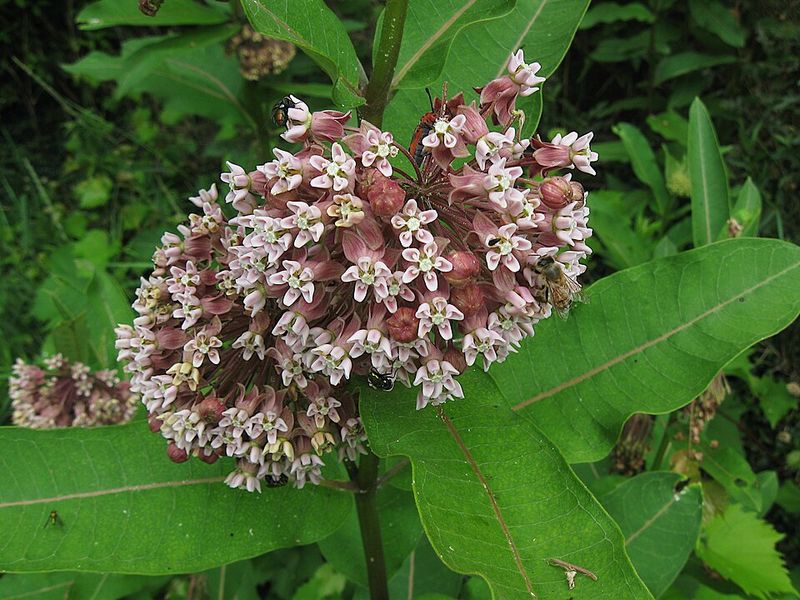
Common milkweed is a native plant with real value for monarchs. It is also a spreader.
The underground rhizomes can push new shoots several feet from the original plant in a single season. In a small garden bed, that spreading habit can become a challenge if it is not managed with some planning.
Giving common milkweed its own space along a fence line, meadow edge, or open corner of the yard works better than tucking it into a tight perennial bed. When it has room to spread, it can form a productive colony without crowding out other plants.
That colony structure can actually be useful for caterpillars, who move between stems as they feed.
If space is limited, swamp milkweed and butterfly weed are native alternatives that tend to stay in a clump rather than spreading aggressively. Both support monarch caterpillars.
Swamp milkweed handles wetter spots well, and butterfly weed handles dry, sunny spots with good drainage. Choosing the right species for your space makes management easier long term.
Managing spread is not the same as removing milkweed. The goal is thoughtful placement, not elimination.
A well-placed patch, even a small one, can support monarch-caterpillar habitat through the heart of summer.
6. Water New Milkweed During Long Dry Spells
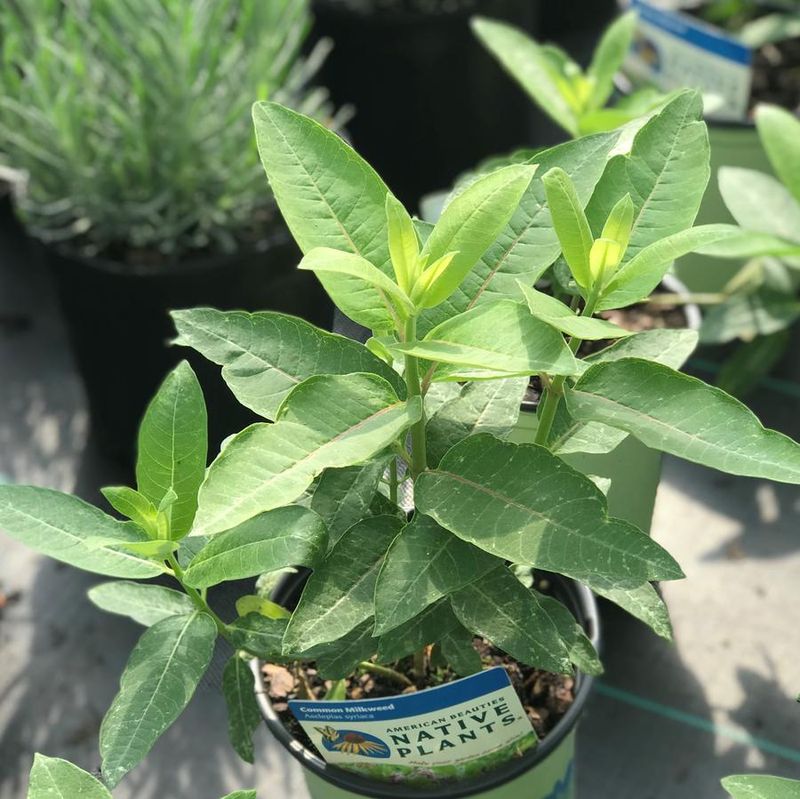
Established milkweed that has been in the ground for two or more years develops a deep root system that helps it handle summer heat without much extra help. First-year plants are a different story.
Newly planted milkweed has not had time to push roots deep enough to access consistent moisture during hot, dry stretches.
July heat in this state can be intense, and dry spells of a week or more are not unusual. During those stretches, check first-year milkweed every few days.
If the top inch or two of soil is dry and the leaves are starting to droop, give the plant a slow, deep watering. This can help it recover and keep leaf quality up for any caterpillars feeding on it.
Avoid keeping the soil soggy. Milkweed generally prefers well-drained conditions, and overwatering can cause root problems.
The goal is consistent moisture during establishment, not constant wetness. A layer of mulch around the base of new plants can help hold moisture between waterings without creating standing water.
Once milkweed clears its first full growing season, it typically becomes much more self-sufficient. Getting plants through that first summer in good shape sets up a healthier, more productive patch for the years ahead.
7. Skip Sprays Around Milkweed And Nectar Flowers
A caterpillar feeding on a leaf does not know the difference between a targeted spray and a drifting one. Pesticide applications near milkweed can affect eggs and caterpillars directly, even when the spray is aimed at something else entirely.
Insecticides, fungicides, and even some herbicides can move with wind or water and land on leaves that caterpillars are actively using.
The same concern applies to nectar flowers growing near milkweed. Adult monarchs need nectar to fuel their movement through this state.
Spraying nearby flowering plants with broad-spectrum insecticides can affect adult butterflies and other beneficial insects visiting those blooms.
If pest problems arise in the garden, start with careful identification before reaching for any product. Many pest issues can be managed by removing affected plant material, adjusting watering, or waiting for natural predator populations to catch up.
Ohio State University Extension and Ask Extension offer reliable, pollinator-safe guidance for common garden pest problems.
When a spray is truly necessary, apply it in the evening when pollinators are less active. Target only affected plants and keep applications away from milkweed and open blooms.
Protecting a spray-free zone around your milkweed patch through July is one of the most direct ways to support caterpillars and adults at the same time.
8. Let July Milkweed Carry The Next Monarch Generation
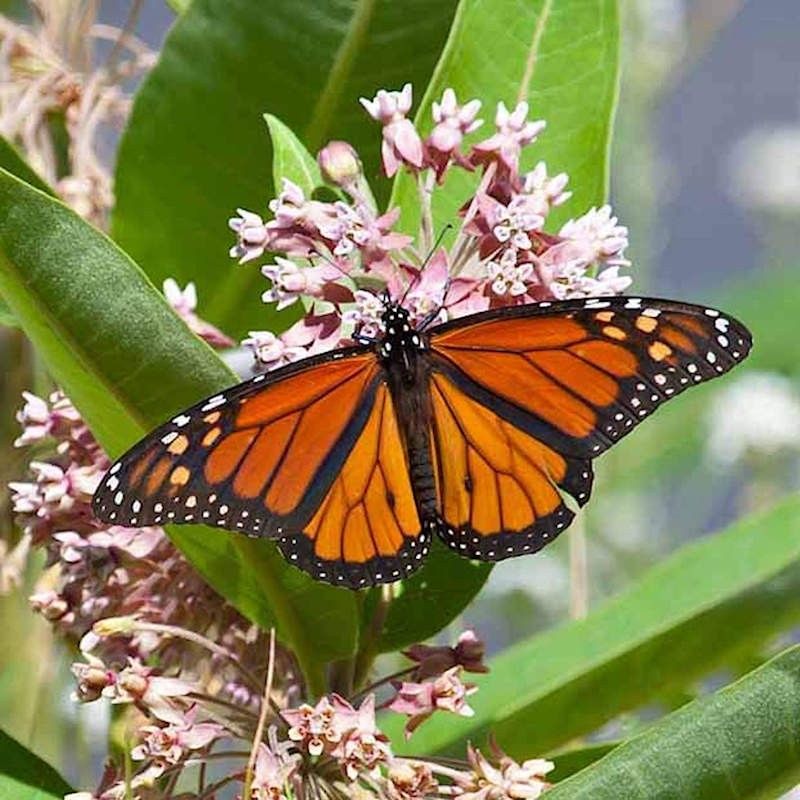
By the end of July, some of the monarchs that passed through Ohio will have laid eggs. Some of those eggs will have become caterpillars working toward the next stage of the monarch cycle.
The milkweed patch that stayed intact through the heat, the dry spells, and the urge to tidy up played a real role in that process.
Monarchs also need nectar sources near their host plants. Planting July-blooming native flowers alongside milkweed gives adult butterflies fuel while they search for egg-laying sites.
Purple coneflower, wild bergamot, and native milkweeds in bloom all provide nectar that supports adults moving through local gardens and meadow edges.
No single garden patch guarantees monarch recovery. The challenges monarchs face are large and span many states and countries.
What happens in local gardens through July adds up across thousands of home landscapes in this state. That includes whether milkweed leaves are protected, sprays are avoided, and nectar is nearby.
Protecting your milkweed through the rest of July is a practical, realistic contribution. Keep the patch safe, check before cutting, skip the sprays, and let those leaves do the work they were always meant to do.
The next wave of monarchs may depend on exactly that kind of quiet, careful attention.