8 Bird Bath Mistakes That Are Silencing Your Kentucky Backyard
You did everything right. You picked a spot, filled the bath, and waited. Nothing. The Kentucky sky stayed empty, and the only visitor was a leaf that blew in from next door.
Most people blame the location. Some blame the season. Almost nobody blames the bird bath itself, and that is exactly the problem.
Bird baths fail quietly. There is no obvious sign, no warning. Birds simply stop showing up, and you are left wondering what changed.
The answer is usually hiding in plain sight, something so small that most people walk past it every single day without a second glance. Kentucky birds are not picky. They are just smart.
Give them one reason to doubt your bath, and they will find somewhere else to land before you even notice they are gone. The difference between an empty bath and a busy one is smaller than you think.
1. Letting The Water Sit Stagnant Without Refreshing It Daily
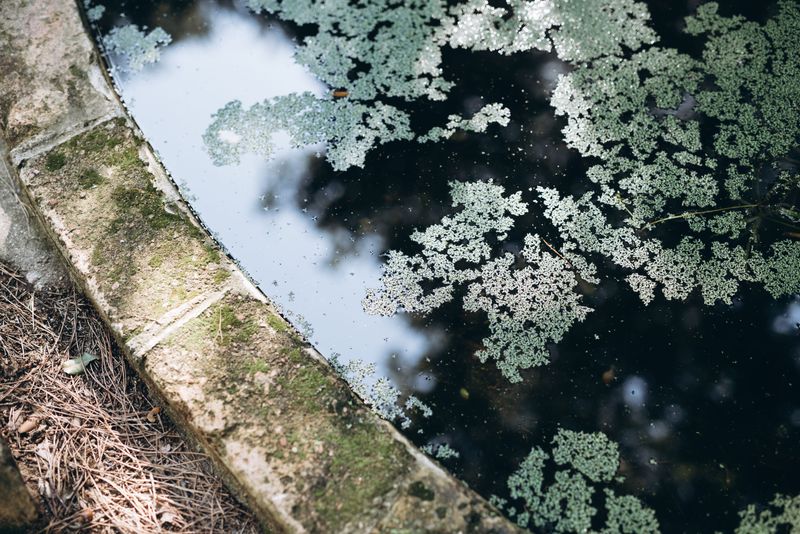
Stagnant water is a silent bird repellent. Birds have sharp instincts, and they can spot unsafe water from the air.
When you skip daily refreshing, that water quickly becomes a soup of bacteria, mosquito larvae, and algae. Most birds will detect the problem from above and fly past without landing.
Think about how fast a glass of water left on your porch changes in summer heat. Now imagine that sitting in a shallow basin for three or four days straight.
The smell alone is enough to send birds searching for cleaner sources nearby. Your neighbor with the dripping hose might be winning all your birds simply by accident.
Fresh water signals safety to birds. A clean, clear bath tells them the environment is healthy and worth trusting.
Refreshing your bird bath daily takes about thirty seconds with a garden hose. That tiny habit creates a massive shift in how many birds notice your yard.
Kentucky summers are brutal, and water quality drops fast in the heat. A quick daily dump and refill is the single easiest upgrade you can make.
Bird bath habits like this one are so simple to fix, yet so commonly ignored. Start refreshing daily this week and watch how quickly your yard comes back to life.
2. Placing The Bath In Full Afternoon Sun All Day

Afternoon sun in Kentucky is no joke. Temperatures can push past ninety degrees on a typical July afternoon.
When your bird bath sits in full sun all day, the water heats up fast. Hot water feels uncomfortable and even dangerous to small birds trying to cool down.
Imagine stepping into a hot tub when you just wanted a cool shower. That is exactly what birds experience when a bath bakes in direct sunlight all afternoon.
Beyond comfort, hot water evaporates quickly. You could fill your bath in the morning and find it nearly empty by noon.
Algae also grows much faster in warm, sun-soaked water. That means more cleaning work for you and less appeal for passing birds.
Your Kentucky Garden Changes Every Week. Your Plan Should Too.
Gardening in Kentucky changes quickly throughout the season. Every Friday you’ll receive a simple weekly plan showing exactly what to plant, prune, fertilize, harvest, and protect so you never miss the right timing.
The ideal placement gets morning sun and afternoon shade. A spot near a tree or on the east side of a shrub works beautifully.
Morning light warms the water just enough to be inviting. Then shade kicks in before the heat of the day turns the bath into a solar oven.
Moving your bath even three feet can make a dramatic difference in water temperature and cleanliness. Scout your yard in the afternoon and notice where the shade falls naturally.
Fixing bird bath habits around sun placement costs nothing and takes minutes. Your birds will thank you with daily visits you can watch from the kitchen window.
3. Using A Metal Bath That Overheats In Summer
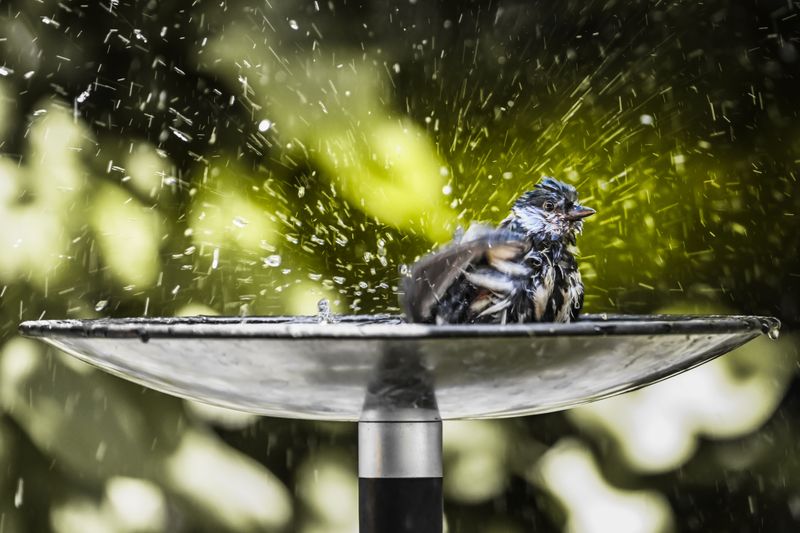
Metal bird baths look sharp in a garden catalog. Out in a Kentucky summer, though, they turn into something closer to a skillet.
Metal conducts heat with alarming efficiency. By midday, the basin can reach temperatures that would burn a small bird’s feet on contact.
Birds learn quickly which baths are safe and which ones hurt. Once a bird finds a bath uncomfortable or painful, it will not return to it.
A copper or galvanized steel bath might seem durable and stylish. But durability means nothing if birds avoid it entirely from June through August.
The water inside a metal bath heats up just as fast as the basin itself. You end up with warm, evaporating water that feels more like a punishment than a refreshment.
Switching to a light-colored concrete, ceramic, or resin bath changes everything. These materials stay cooler longer and keep the water at a temperature birds actually enjoy.
If you love your metal bath and do not want to replace it, shade is your best friend. Positioning it under a tree canopy can cut surface temperature significantly.
You can also add a small solar-powered fountain to keep water moving. Moving water attracts more bird species than a still, stagnant surface and resists algae growth better than water that sits undisturbed.
Bird bath habits around material choice matter more than most people realize. Choosing the right basin is one of the fastest ways to bring your backyard chorus back.
4. Filling It Too Deep For Small Birds To Wade Safely
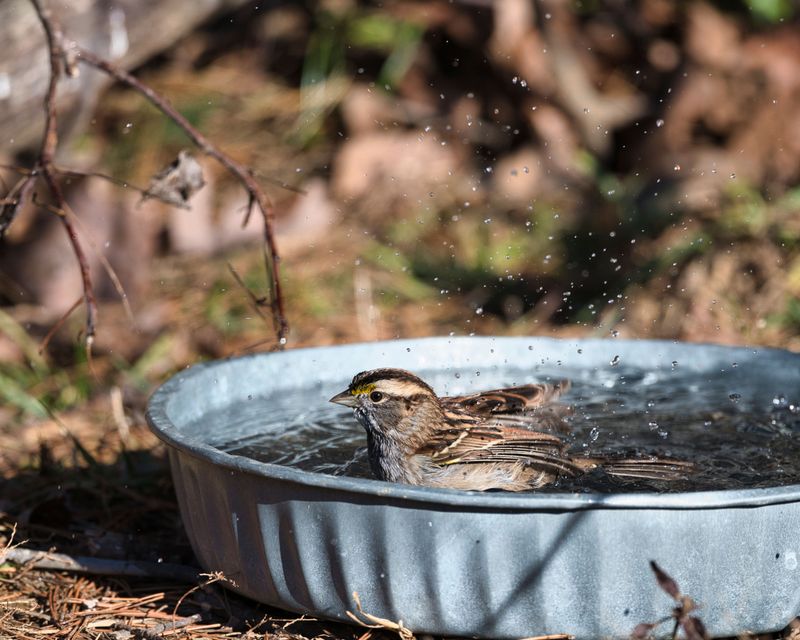
Picture a tiny chickadee standing at the edge of a bird bath, peering down into water that reaches its chest. It will not jump in.
Small birds need shallow water to bathe safely. Most species prefer water that is only one to two inches deep at the center.
When you fill a bath to the brim, you are essentially building a pool with no shallow end. Smaller birds simply skip it and keep flying.
Only larger birds like grackles or pigeons wade confidently into deeper water. If those are not the guests you want, depth matters a lot.
The good news is that fixing this bird bath habit is almost laughably easy. Just fill your bath less, or add flat stones to raise the floor.
Flat river rocks or smooth pebbles placed in the center create a perfect wading zone. Birds can stand on them, splash around, and feel completely safe.
Rocks also give birds something to grip when the basin gets slippery. A wet, smooth bowl can send a bird tumbling, and they remember that experience.
Aim for water that is about one inch deep at the edges and no more than two inches at the deepest point. That range welcomes the widest variety of species.
Adjusting water depth is one of the simplest bird bath habits to correct. Make this change today and notice which new visitors show up by the weekend.
5. Skipping Regular Cleaning And Letting Algae Build Up
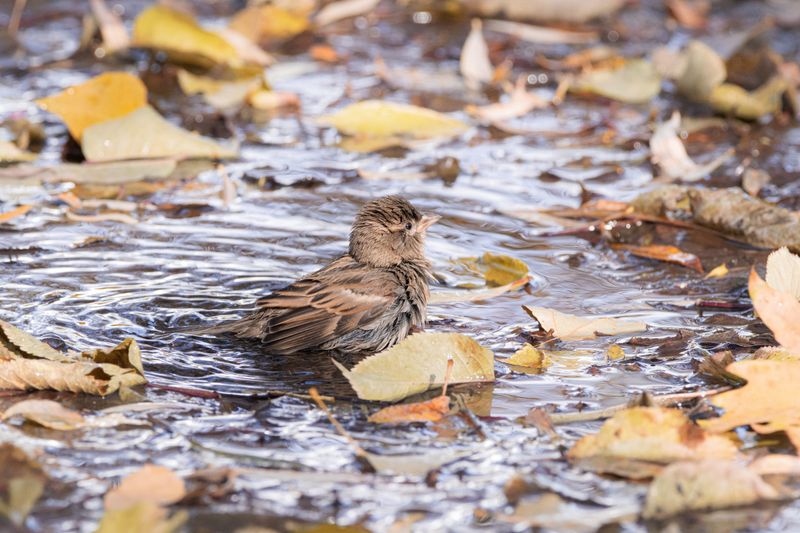
Green slime in a bird bath is not just ugly. It is a health hazard that sends birds straight to your neighbor’s yard.
Algae grows fast in warm, still water, especially during Kentucky’s humid summers. Within days, a clean bath can turn into a green, slimy mess.
Birds do not just avoid algae because it looks bad. The bacteria that thrive alongside algae can make birds genuinely sick.
Sick birds stop visiting, and other birds observing the avoidance will follow suit and skip the bath as well. Birds that encounter algae-filled water once will avoid that bath on future visits.
Cleaning your bird bath does not require fancy products. A stiff brush and plain water handle most buildup with minimal effort.
For stubborn algae, a diluted white vinegar solution works wonders. Scrub, rinse thoroughly, and refill with fresh water in about five minutes flat.
Avoid bleach unless you rinse extremely well. Residue from harsh chemicals can harm the birds you are trying to attract.
Aim to scrub your bath at least once a week during warm months. In cooler seasons, every ten days or so keeps things fresh enough.
Consistent cleaning is one of the most impactful bird bath habits you can build. A sparkling clean basin is practically an open invitation that birds cannot resist stopping to accept.
6. Positioning It Too Close To Dense Shrubs Where Cats Can Hide
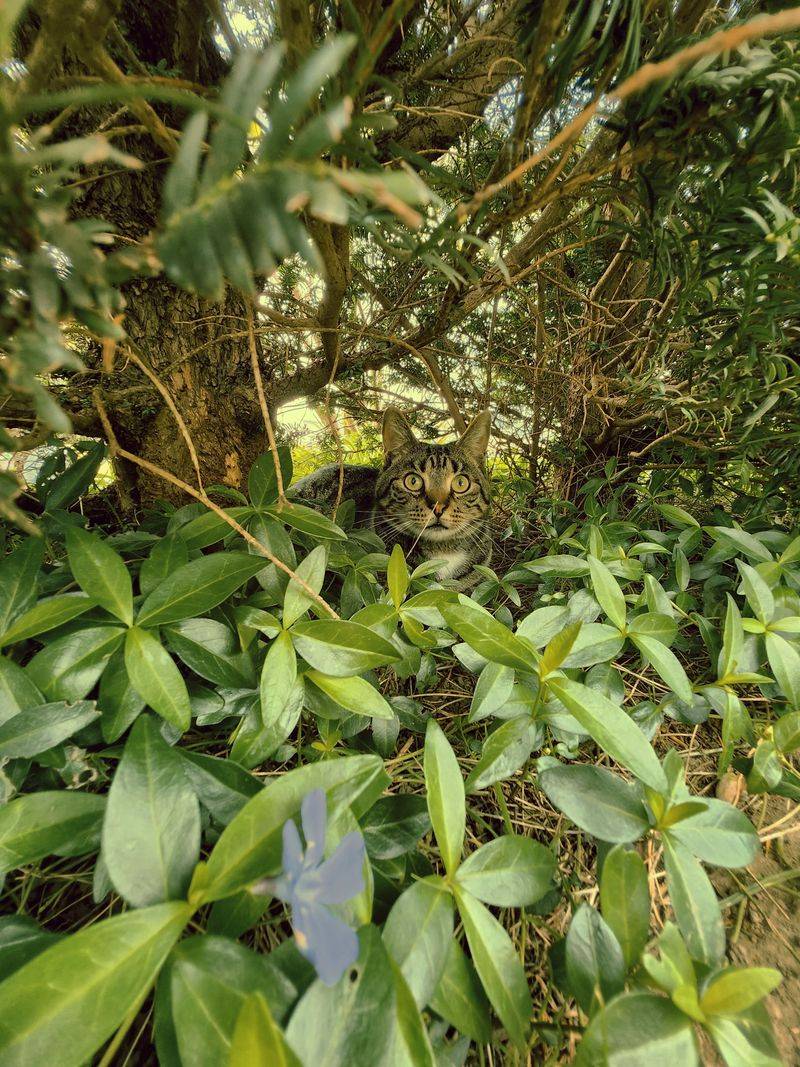
Cats are patient hunters. A dense shrub three feet from your bird bath is basically a free ambush station for every neighborhood cat.
Birds are hardwired to scan for predators before landing anywhere. If they sense danger near the water source, they simply do not land.
Even if no cat is present at the moment, the scent left behind on nearby plants puts birds on high alert. That invisible warning keeps them away long after the cat has moved on.
The safest placement for a bird bath is in an open area. Birds need clear sightlines in every direction so they can spot threats and escape fast.
Aim for at least ten feet of open space around the bath as a general guideline. No dense shrubs, tall grass, or stacked objects nearby where a predator could crouch unseen.
Some gardeners add a shepherd’s hook to place the bath up high. Elevation helps, but open surroundings matter even more than height.
You can still have beautiful shrubs in your yard. Just keep them at a distance from the bath so birds feel confident while splashing.
Planting thorny bushes like holly further away actually helps. Birds use those for safe perching between bath visits, which keeps them coming back.
Smart placement is one of the most underrated bird bath habits a backyard birder can master. Give birds the open space they need and watch your yard transform into a busy, confident flock gathering spot.
7. Never Adding Rocks Or Perches For Birds To Grip Onto
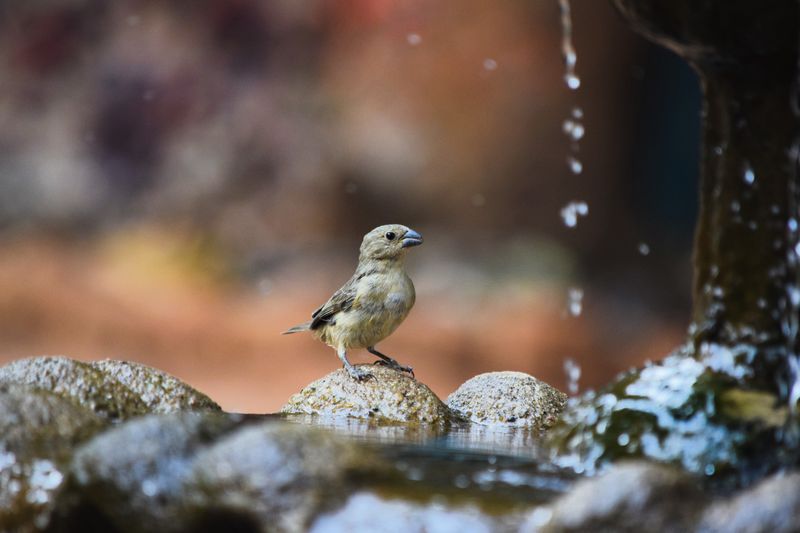
A smooth, empty basin looks clean to human eyes. To a bird, it looks slippery, unstable, and a little bit terrifying.
Birds need traction when they wade and splash. Without rocks or rough surfaces, small species lose their footing and avoid the bath altogether.
Think about how you feel walking on wet tile in socks. Birds feel something similar when they step onto a glassy-smooth wet basin.
Adding a few flat stones or rough pebbles changes the experience completely. Suddenly, the bath has texture, grip, and a place to stand confidently.
Rocks also create varying water depths in a single basin. A bird that wants to stand in shallow water can find a stone near the surface, while another can wade deeper nearby.
Perches near the bath matter just as much as what is inside it. A nearby branch or garden stake gives birds a place to land, check for danger, and then drop in.
Without a safe perch nearby, many birds will not commit to landing. They circle, hesitate, and then fly on to somewhere that feels more secure.
You do not need to buy anything special for this fix. Natural river rocks from a garden center or even smooth stones from your driveway work perfectly.
Improving bird bath habits with simple rocks is one of those changes that costs almost nothing. Yet the difference in bird activity can be dramatic and nearly immediate once you make it.
8. Forgetting To Refill It As Water Evaporates In The Heat
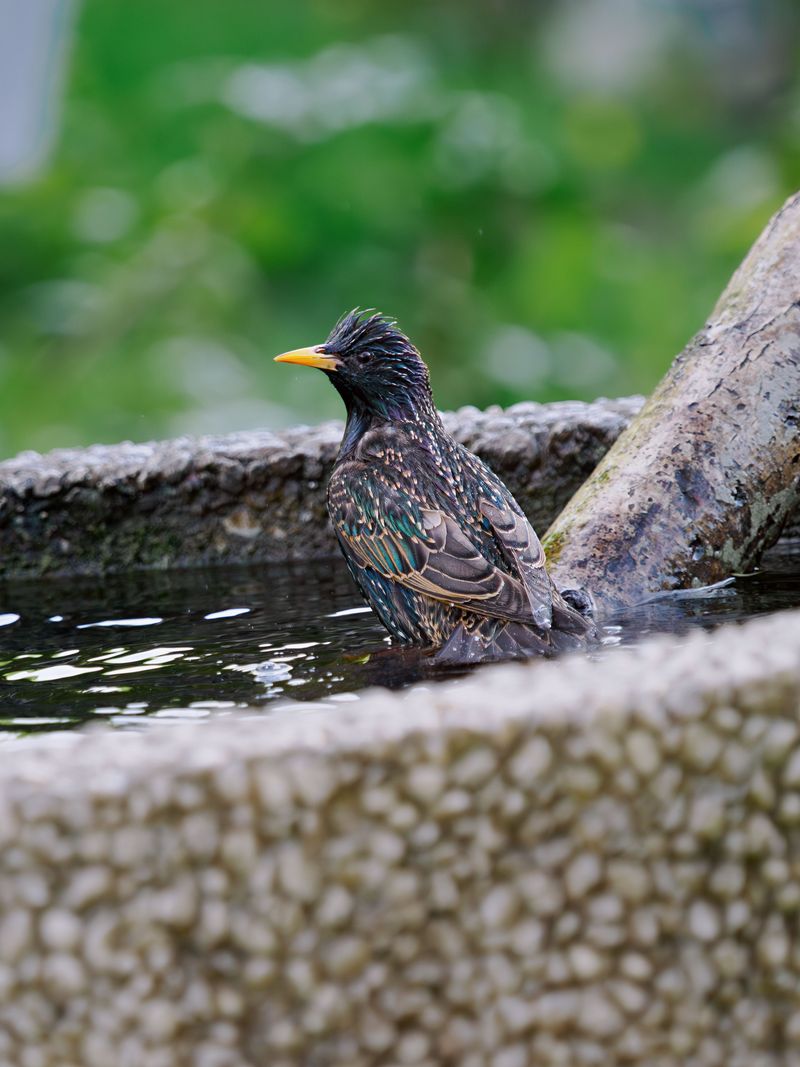
An empty bird bath is worse than no bird bath at all. Birds that arrive to find no water will move on and begin relying on other sources in the area.
In Kentucky’s peak summer heat, water evaporates faster than most people expect. A full bath in the morning can drop to a dangerously low level by early afternoon.
Birds that arrive to find an empty or near-empty basin do not wait around. Once birds stop visiting, it takes time to rebuild that routine. Consistency is everything when it comes to keeping a loyal backyard flock.
Checking water levels once in the morning and once in the afternoon is a solid habit during hot months. A thirty-second glance and a quick refill keep things running smoothly.
Some birders add a small drip system or solar fountain to slow evaporation and keep water moving. Moving water also attracts more species than a still surface does.
You can also choose a deeper basin during summer to hold more water between checks. Just remember to add rocks so smaller birds can still wade safely at the edges.
Placing the bath in partial shade also slows evaporation dramatically. Shade plus daily monitoring is a powerful combination for keeping water levels consistent all season long.
Staying on top of bird bath habits like refilling might seem small. But reliable, fresh water is the single biggest gift you can offer the birds counting on your yard.