What Makes Kentucky Yellow Jackets So Aggressive In Late July, And How To Keep Them Out Of Your Yard
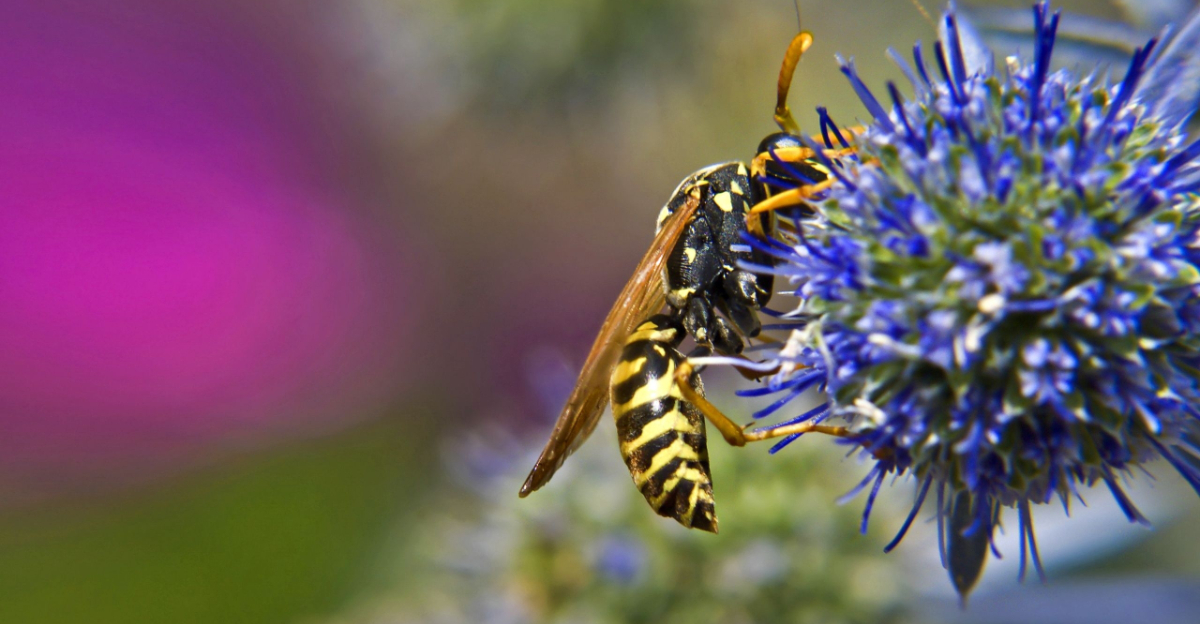
Late July in Kentucky means humidity, heat, and yellow jackets that have completely lost their patience. These stingers are not the occasional nuisance you swat away at a picnic.
They are aggressive, territorial, and operating at full colony strength. A nest that started with a handful of workers in spring can house several thousand individuals by the time summer peaks.
More colony members means more foragers, more defenders, and a much shorter fuse. Food sources thin out fast, and yellow jackets start showing up everywhere.
Kentucky homeowners often do not connect the dots until someone gets stung. Knowing what is driving this late-season aggression puts you one step ahead.
The Reason Behind Late July Aggression In Kentucky Yellow Jackets
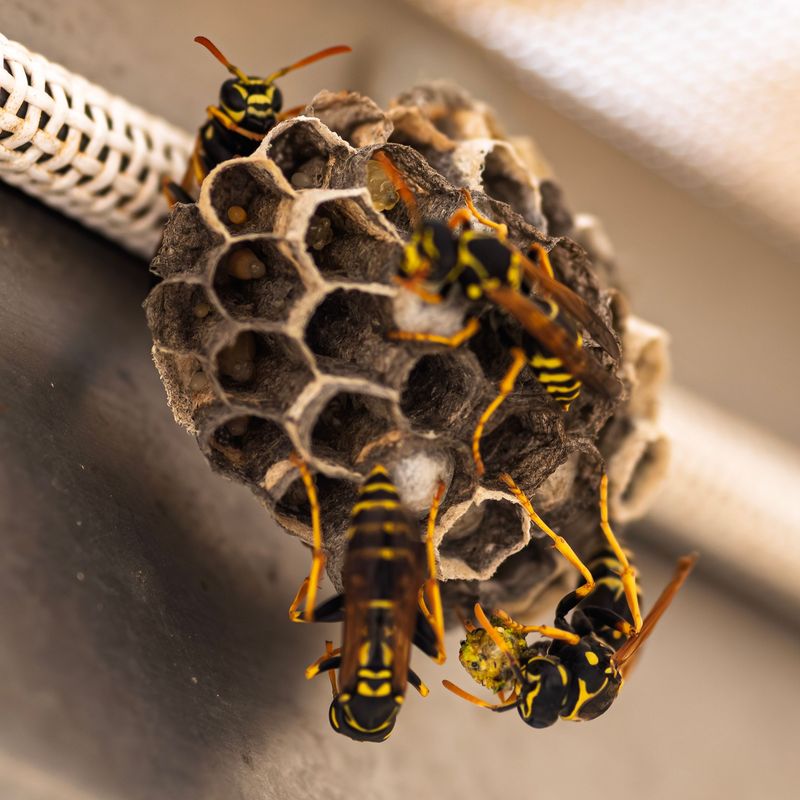
By late July, yellow jacket colonies are at their absolute peak. A single nest can hold thousands of workers buzzing around at once.
The colony started small in spring with just one queen. Now, months later, that nest is a packed, high-pressure operation.
Food competition gets fierce as summer rolls on. Natural sugar sources like ripe fruit and flower nectar start to thin out.
Workers grow more territorial when resources shrink. They guard the nest harder and react faster to any perceived threat.
Temperature plays a role too. Hot, dry spells in late summer intensify yellow jacket foraging activity and increase the likelihood of defensive stinging.
Kentucky’s humid summers create ideal nesting conditions. Yellow jackets thrive in warm, sheltered spots, under decks, along fence lines, and in ground burrows that are easy to miss.
Colonies also shift focus in late summer. They stop raising new workers and start protecting future queens instead.
That shift changes their behavior entirely. The nest becomes something they will defend at almost any cost.
Missing a nest early is one of the biggest mistakes Kentucky homeowners make. By the time you notice the activity, the colony is already operating at full force.
Yellow jacket aggression in Kentucky peaks because of this perfect storm: huge colony size, shrinking food, and intense nest protection instincts. Your yard becomes their battleground, not your hangout spot.
Signs Of A Yellow Jacket Nest In Your Yard
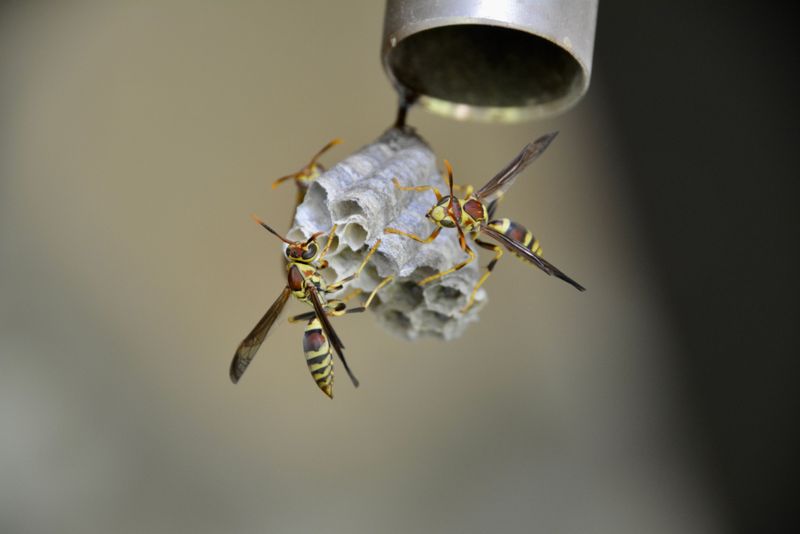
Spotting a nest before you mow over it can save you a world of pain. Yellow jackets love to hide their homes in sneaky spots.
Ground-level nests are the most common in residential yards. You might notice a small hole in the soil with constant wasp traffic around it.
Watch for repeated flight patterns near a single point. If wasps keep returning to one spot, a nest is almost certainly nearby.
Eaves, wall gaps, and old tree stumps are also favorite hiding places. These spots offer shelter and warmth that colonies crave.
You might hear a faint buzzing sound inside a wall or shed. That hum often means a hidden colony is growing behind the surface.
Early morning is the best time to scout for nests. Yellow jackets are slower and less active before the day heats up, which makes spotting entry points much safer.
Your Kentucky Garden Changes Every Week. Your Plan Should Too.
Gardening in Kentucky changes quickly throughout the season. Every Friday you’ll receive a simple weekly plan showing exactly what to plant, prune, fertilize, harvest, and protect so you never miss the right timing.
Chewed wood pulp is another clue to look for. Yellow jackets scrape wood fibers to build their papery nest walls.
Look for small gray or tan papery structures tucked under decks or in dense shrubs. These are classic nest shapes that blend into outdoor surroundings.
Finding a nest early gives you options before the colony grows massive. Acting fast, while the nest is still small, makes dealing with Kentucky yellow jackets much more manageable and far less risky.
Common Yard Habits That Attract Yellow Jackets
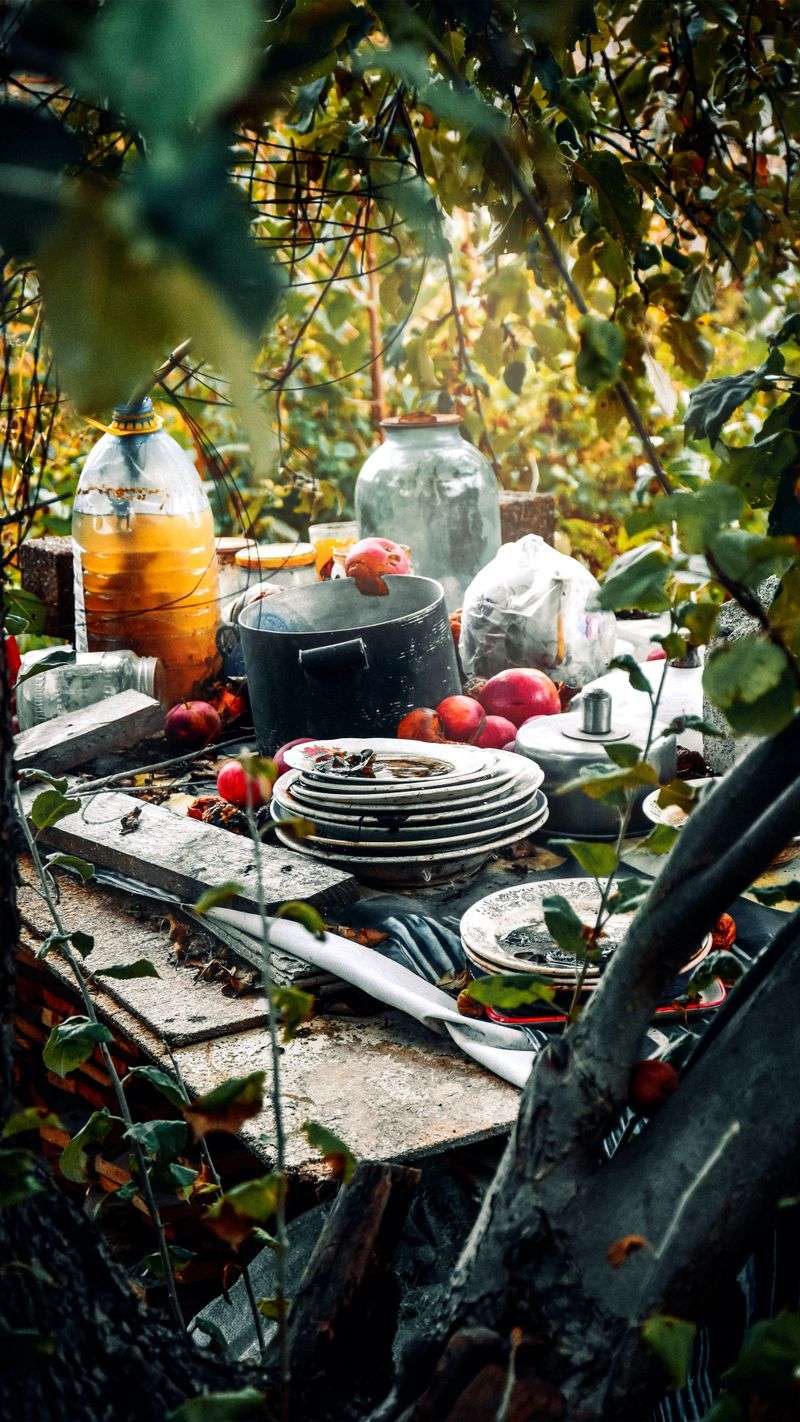
Your backyard habits might be rolling out the welcome mat for yellow jackets without you even knowing. Small changes can make a big difference fast.
Open trash cans are one of the biggest attractants around. Sweet food waste and meat scraps send out a signal that wasps cannot resist.
Leaving pet food bowls outside is another common mistake. The protein in dog or cat food is exactly what foraging workers are hunting for in late summer.
Sugary drinks left in open cups or cans are an instant lure. A single forgotten soda can become a yellow jacket magnet within minutes.
Fallen fruit from trees is a major problem in July and August. Rotting apples, pears, or berries break down quickly and release sweet smells that draw wasps in fast.
Outdoor grills with leftover grease also attract foraging workers. Cleaning your grill after each cookout removes one more thing pulling them toward your space.
Bird feeders with nectar or sugary seed mixes can bring wasps in too. Switching to safflower seed or thistle reduces the sweetness that attracts them.
Even floral-scented soaps or perfumes can trigger curiosity in foraging yellow jackets. Keeping your yard clean and your outdoor meals covered goes a long way toward reducing unwanted visits from these aggressive summer insects.
Plants And Landscaping Choices That Deter Yellow Jackets
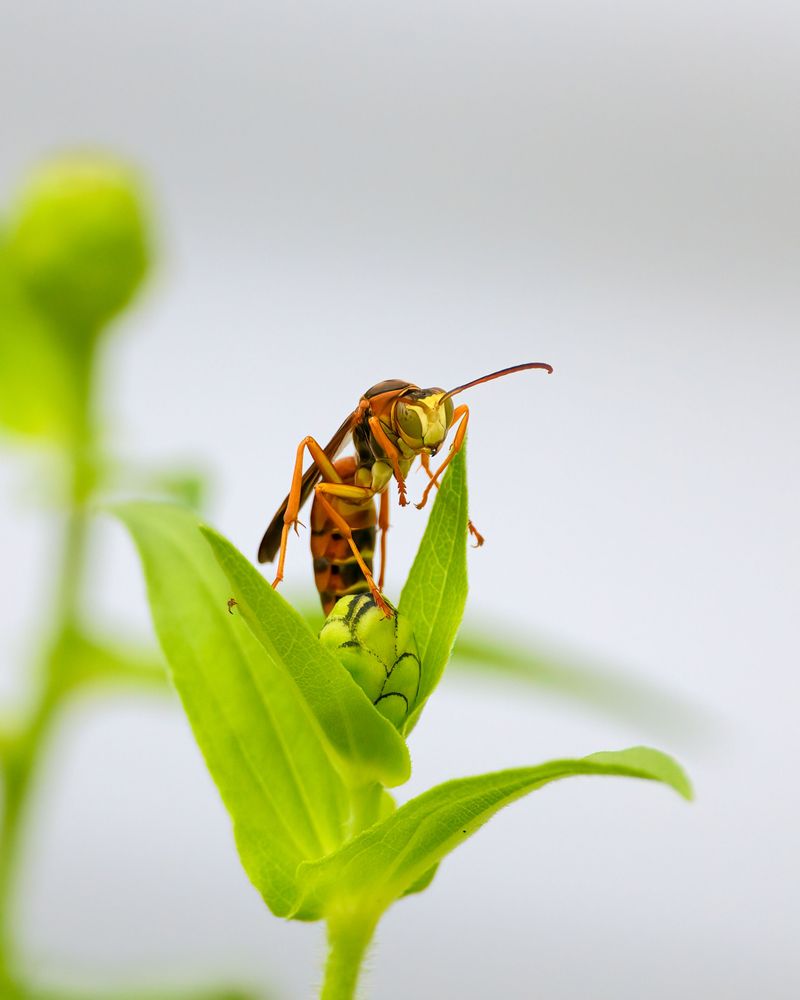
Your garden layout can actually work against yellow jackets. Certain plants send out scents that wasps genuinely want to avoid.
Spearmint is one of the most effective natural repellents available. Its strong, sharp scent overwhelms the wasp sensory system and keeps them moving along.
Wormwood is another powerhouse plant for deterrence. Its bitter oils make nearby areas far less appealing to foraging insects of all kinds.
Thyme and eucalyptus also carry strong aromatic compounds. Planting them near outdoor seating areas creates a natural buffer zone around your favorite spots.
Avoid planting heavily sweet-smelling flowers right next to your patio or deck. Honeysuckle, for example, is beautiful but acts like a neon sign for nectar-hunting wasps.
Dense ground cover can hide potential nesting spots and discourage burrowing. Keeping soil areas covered with mulch or low plants reduces the bare patches yellow jackets prefer for ground nests.
Trim back overgrown shrubs and dense hedges regularly. Thick, tangled vegetation gives wasps the hidden, sheltered spots they love for building late-season nests.
A thoughtfully planted yard is more than just pretty, it becomes a natural line of defense. Strategic landscaping choices make your outdoor space far less inviting to Kentucky yellow jackets without using a single chemical spray.
Safe Ways To Discourage Yellow Jackets Around Your Property
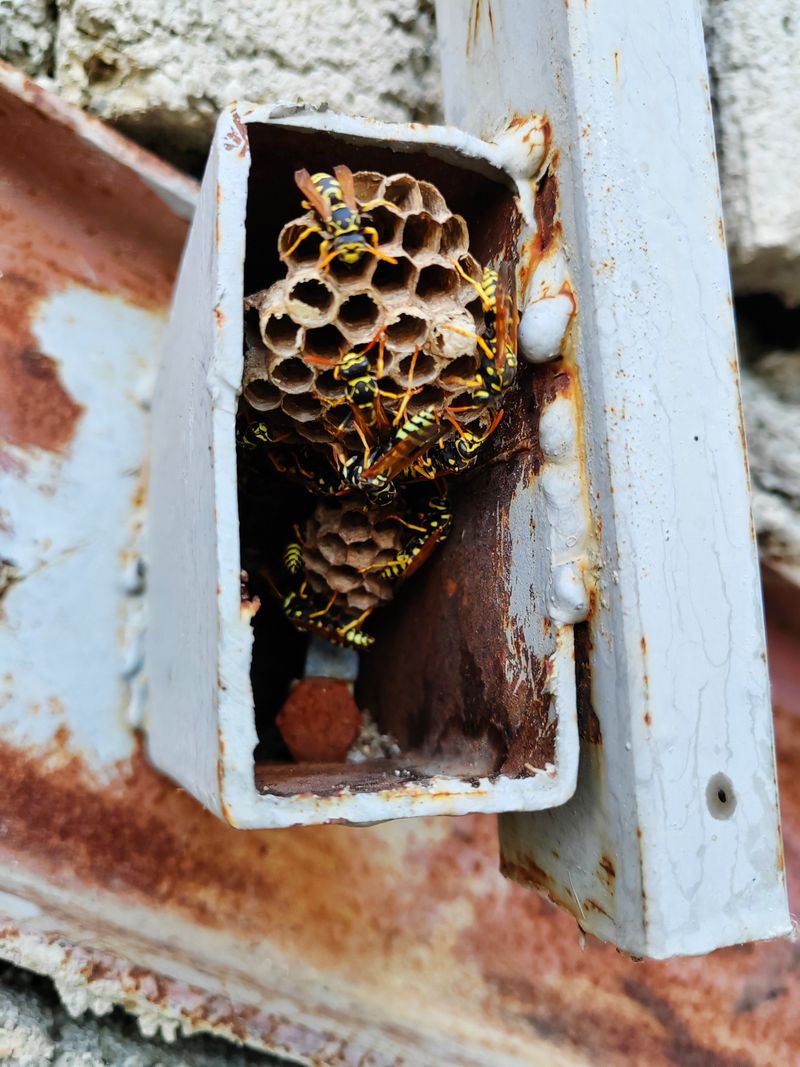
You do not need heavy chemicals to push yellow jackets away from your yard. Several safe, low-effort methods work surprisingly well.
Fake decoy nests are sometimes marketed as a hands-off solution for stinging insects. They may have limited effect on paper wasps, but yellow jackets do not reliably respond to visual decoys.
For yellow jackets, sealing entry points and removing food sources is a far more effective approach. A clean, well-sealed yard gives them far fewer reasons to stay.
Peppermint oil is a widely used natural deterrent that actually works. Mixing it with water and spraying it around nest-prone areas creates a barrier wasps strongly dislike.
Clove and lemongrass oil blends work in a similar way. These scents are pleasant for people but deeply off-putting to foraging yellow jackets.
Yellow jacket traps using sweet bait can help reduce worker populations near outdoor dining areas. Place them away from the spots you use most to draw wasps in the opposite direction.
Keeping standing water sources covered or eliminated also helps. Wasps need water, especially during dry July heat, and a birdbath or puddle can become a regular stop on their foraging route.
Sealing gaps in fences, walls, and outdoor structures removes potential nesting spots before colonies move in. Safe deterrence is about making your property the least attractive option for Kentucky yellow jackets in your neighborhood.
Practical Steps To Keep Yellow Jackets Out Of Your Yard
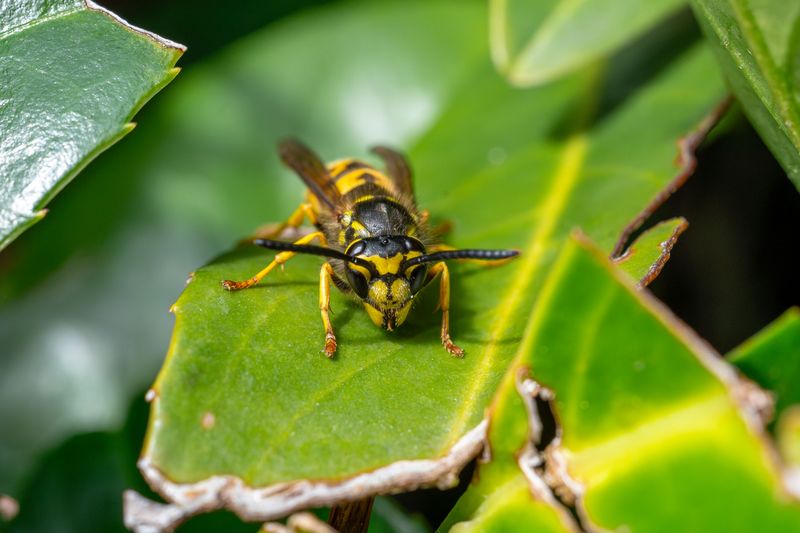
Taking action now beats dealing with a full-blown infestation in August. A few consistent habits can dramatically reduce yellow jacket pressure on your yard.
Start by doing a full perimeter check of your property every two weeks. Look for early nest activity near the ground, under eaves, and around any wooden structures.
Keep all outdoor trash cans tightly sealed with locking or weighted lids. Even a small gap is enough to attract foraging workers looking for a protein or sugar source.
Pick up fallen fruit from trees immediately after it drops. Letting it sit even one day gives yellow jackets enough time to discover and claim that food source.
Cover all food and drinks during outdoor meals without exception. A mesh food cover costs just a few dollars and blocks access to the sweet smells that draw wasps in fast.
Seal any cracks or gaps in your home’s exterior, fence posts, and outbuildings. These small openings are prime real estate for a colony looking to settle in for the season.
Rinse recycling bins and compost containers weekly to eliminate sticky residue. Sugar and protein buildup in these containers is one of the most overlooked attractants in residential yards.
Staying consistent with these habits throughout the summer season is the real key. Keeping Kentucky yellow jackets out of your yard is not a one-time fix, it is a simple, steady routine that pays off all season long.