Container Plants That Survive A Florida Porch In The Middle Of Summer
Keeping porch containers looking good through a Florida summer is a genuine challenge, and the plants that made it through spring are not automatically the right ones for June through September.
Blazing afternoon sun, reflected heat off concrete, fast-drying pots, and the unpredictable swings of rainy season all add up to a tough environment that not every container plant can handle.
Location matters a lot here too. A covered lanai with bright shade plays by completely different rules than a sunny front entry or a pool deck sitting in full afternoon sun all day.
Picking plants that actually match the conditions of your specific spot is the move that separates a porch that looks great all summer from one that needs constant replacing.
These eight plants are built for exactly this kind of heat.
1. Pentas Keep Blooming In Porch Heat
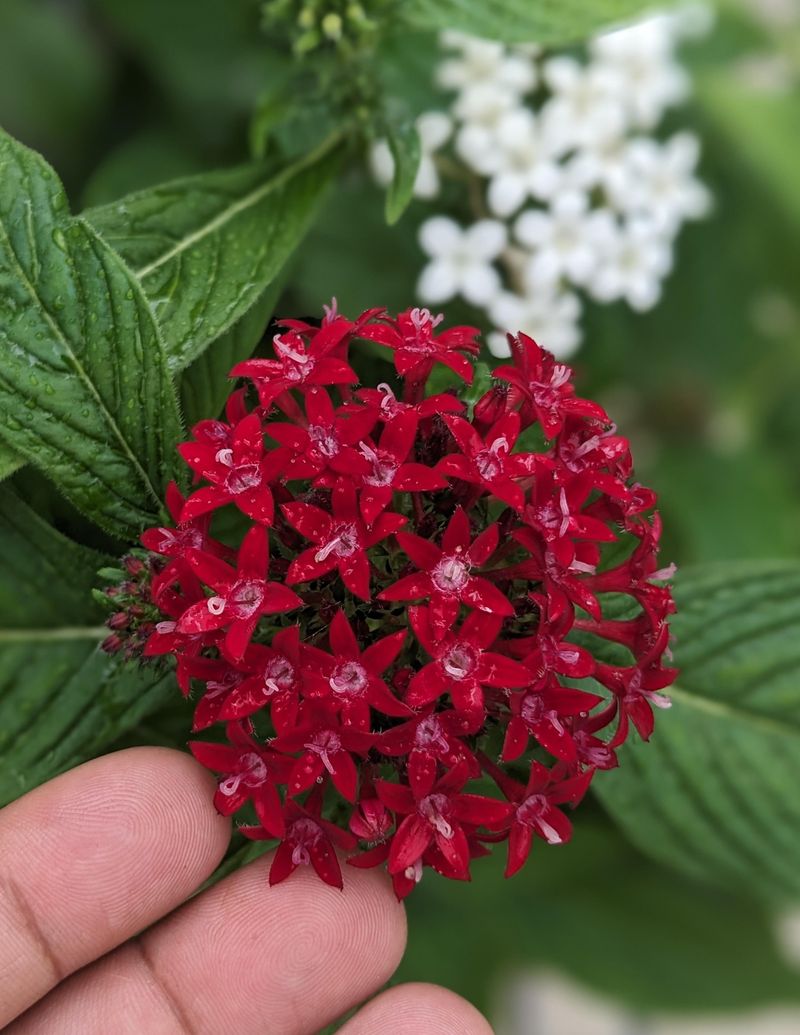
Sunbaked front entries and south-facing steps can be brutal on flowering plants, but pentas handle that kind of heat with surprising ease.
This cheerful tropical perennial produces clusters of star-shaped flowers in shades of red, pink, white, and lavender, and it keeps pushing out blooms even when temperatures climb well into the nineties.
Florida gardeners have long relied on pentas as a go-to summer annual for containers because it does not sulk in the heat the way many other flowers do.
Pentas need good light to perform well in a porch pot. A container placed where it gets at least five or six hours of direct sun will produce far more blooms than one tucked under a deep covered porch with little light.
If your porch is partly shaded, pentas may still bloom, but the flower count will likely be lower. Matching the pot location to the plant’s light needs makes a real difference in how the plant looks through the season.
Watering matters too. Let the top inch of the potting mix dry slightly between waterings, and make sure the container has drainage holes so roots are not sitting in water.
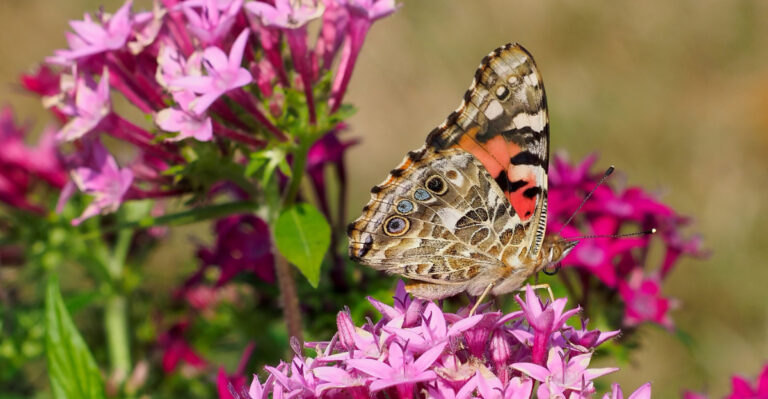
During Florida’s rainy season, natural rainfall may be enough on many days. Pollinators, especially butterflies and hummingbirds, are strongly attracted to pentas, which makes a blooming porch pot even more rewarding to enjoy.
2. Vinca Handles Sunny Summer Pots
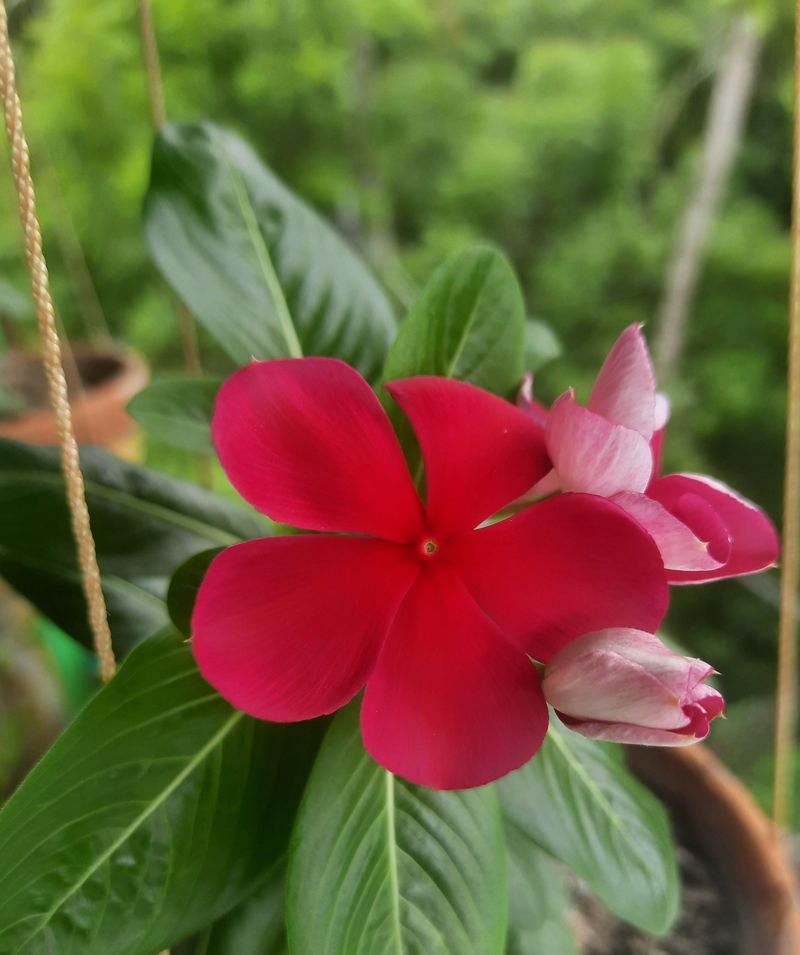
Few flowering annuals can match vinca when it comes to tolerating a hot, sun-drenched container through a Florida summer. Known by some gardeners as annual vinca or Catharanthus roseus, this plant was practically built for warm climates.
The glossy foliage stays tidy, the flowers come in a wide range of colors, and the plant keeps going even when the pavement around it is radiating serious heat.
Good drainage is one of the most important factors for vinca in a container. Soggy potting mix is one of the quickest ways to run into trouble with this plant, especially during Florida’s rainy season when heavy afternoon downpours can saturate a pot quickly.
Containers with drainage holes and a well-draining potting mix help prevent the root problems that soggy conditions can cause. Raised pots or pot feet that allow water to escape freely are a practical choice for vinca on a covered porch or patio.
Your Florida Garden Changes Every Week. Your Plan Should Too.
Gardening in Florida changes quickly throughout the season. Every Friday you’ll receive a simple weekly plan showing exactly what to plant, prune, fertilize, harvest, and protect so you never miss the right timing.
Too much shade is another issue to watch for. Vinca grown in low light tends to stretch, produce fewer flowers, and look less tidy overall.
A spot that receives direct sun for most of the day suits this plant well. Watering deeply when the top inch or two of the potting mix feels dry, rather than watering on a rigid schedule, keeps vinca healthier through the long Florida summer months.
3. Coleus Brightens Filtered Porch Light
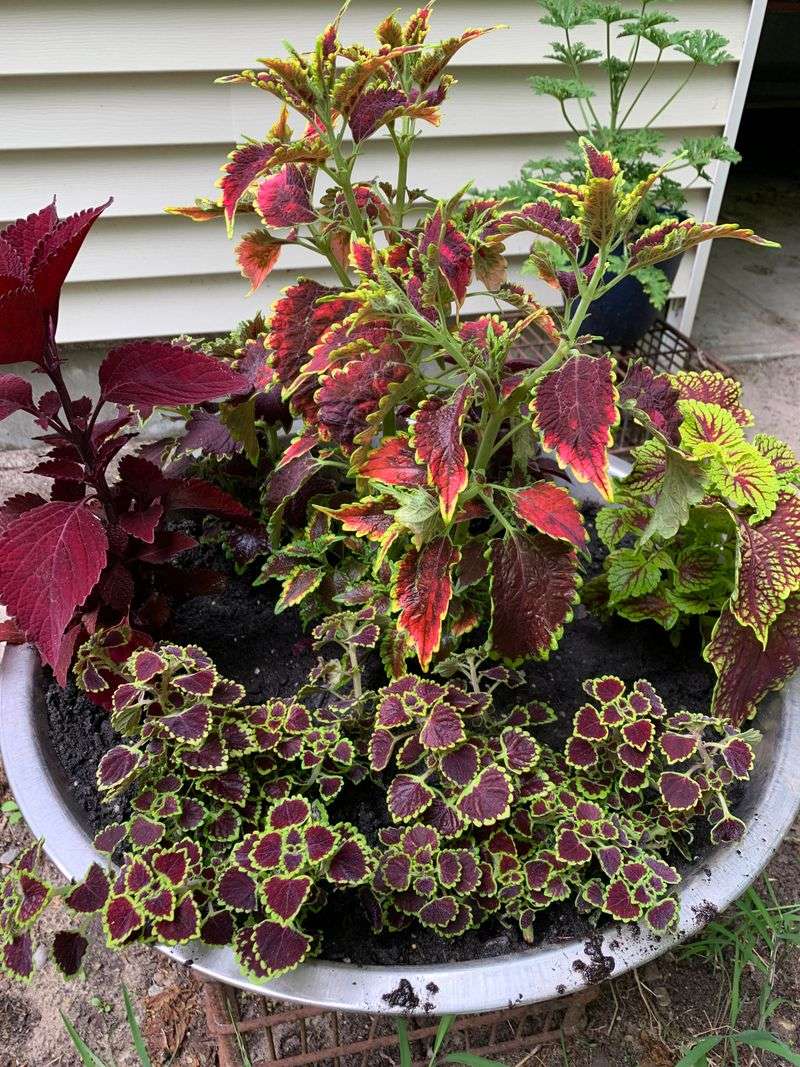
Walk onto almost any well-planted Florida lanai in July and there is a good chance you will spot coleus tucked into a pot, spilling color without asking for much in return.
Grown almost entirely for its foliage rather than its flowers, coleus brings bold patterns, rich textures, and a wide range of colors that hold up through the humid summer months.
Reds, purples, chartreuse, bronze, and combinations of all of these are common, and the variety of cultivars available today is genuinely impressive.
Coleus traditionally thrives in filtered light or partial shade, making it a strong candidate for covered porches, screened lanais, or spots that receive bright indirect light for most of the day.
Some newer cultivars have been developed with improved sun tolerance, but even those tend to look their best when protected from the harshest afternoon rays in Florida.
Checking the cultivar information before placing a plant in full exposure helps avoid leaf scorch.
Keeping coleus looking neat through the summer means pinching off flower spikes as they appear. Once the plant starts to flower heavily, the foliage often loses some of its color intensity and the plant can become leggy.
Regular pinching encourages bushier, more compact growth. Water consistently, avoid letting the pot dry out completely, and make sure drainage is adequate so roots stay healthy through Florida’s rainy season.
4. Caladiums Love A Shady Summer Porch
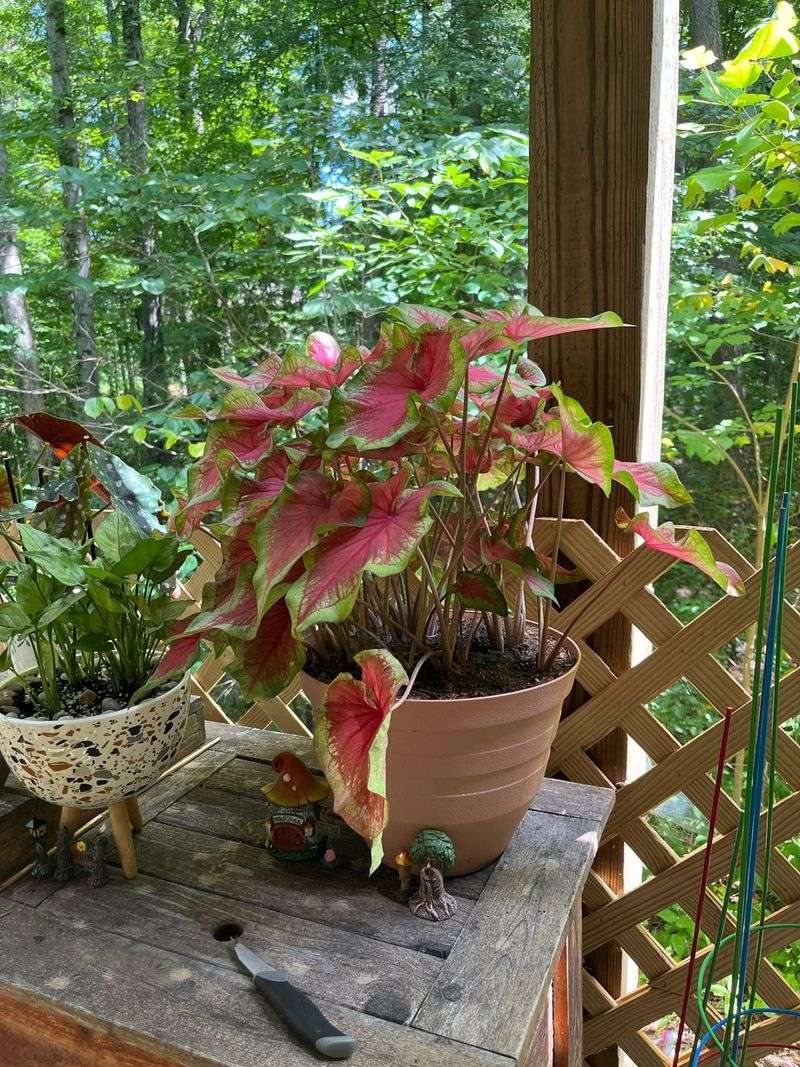
Bold, tropical-looking leaves in combinations of white, pink, red, and green make caladiums one of the most visually striking container plants for a shaded Florida porch.
They thrive during the warm, humid months that most other plants struggle through, which makes summer in Florida actually ideal timing for growing them.
The bigger the leaves, the more dramatic the display, and caladiums in a well-sized container can fill a shaded corner beautifully.
Most caladium varieties prefer partial shade and genuinely struggle when placed in full sun for extended periods. Leaf edges can bleach or develop a washed-out look when the plant receives too much direct light.
A covered porch, screened lanai, or spot under a roof overhang that gets bright but indirect light tends to suit most standard caladium types well.
Some newer sun-tolerant cultivars have been developed and may handle more exposure, but confirming the cultivar’s light preference before placing it in a bright spot is a smart step.
Caladiums grow from tubers and prefer consistently moist but not waterlogged soil. During Florida’s rainy season, containers without adequate drainage can hold too much water, which can cause tuber problems over time.
Pots with drainage holes and a quality potting mix help keep moisture levels balanced. Fertilizing lightly and regularly through the growing season supports strong, colorful leaf production all summer long.
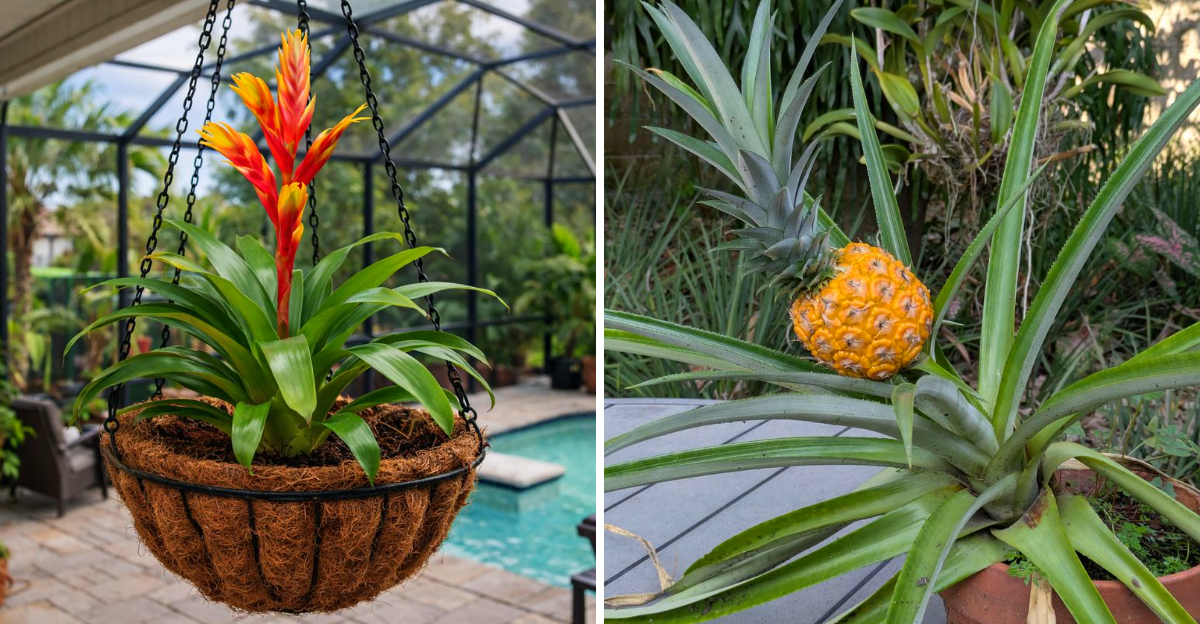
5. Bromeliads Fit Covered Florida Porches
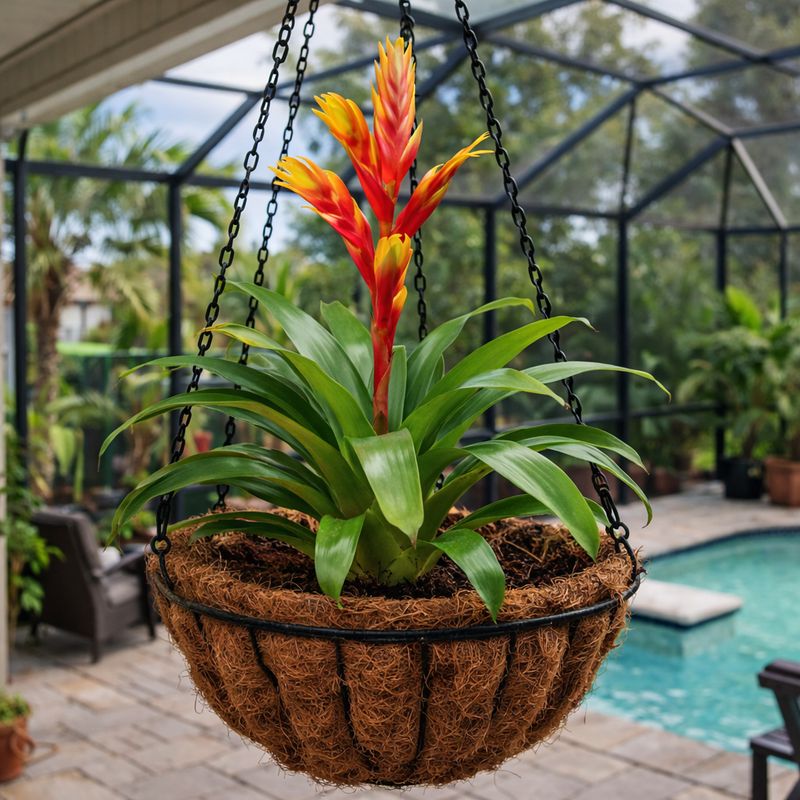
Covered porches and screened lanais across Florida are home to some impressive bromeliad displays, and it is easy to understand why.
These tropical plants bring structure, color, and a distinctly Florida feel to a porch container without demanding constant attention.
Many bromeliads grow naturally in conditions where light is filtered through a tree canopy, which translates well to the bright but diffused light found on a covered porch or under a roof overhang.
One of the most interesting things about many bromeliad types is that they hold water in a central cup formed by their overlapping leaves.
This cup naturally collects rainwater and keeps the plant hydrated between waterings, which is a useful trait during Florida’s sometimes unpredictable summer weather.
Flushing that central cup occasionally with fresh water helps prevent debris buildup. Potting mix for bromeliads should drain quickly, as the roots are not meant to sit in soggy soil.
Light matching is important with bromeliads because the group includes a wide range of species with different light needs. Some tolerate lower light levels, while others need brighter conditions to hold their color and produce their showy bracts.
Researching the specific type before placing it on a porch helps avoid faded foliage or slow growth. With the right light and a well-drained container, bromeliads can look striking on a Florida porch for an extended period through summer.
6. Aloe Vera Likes Dry Bright Containers
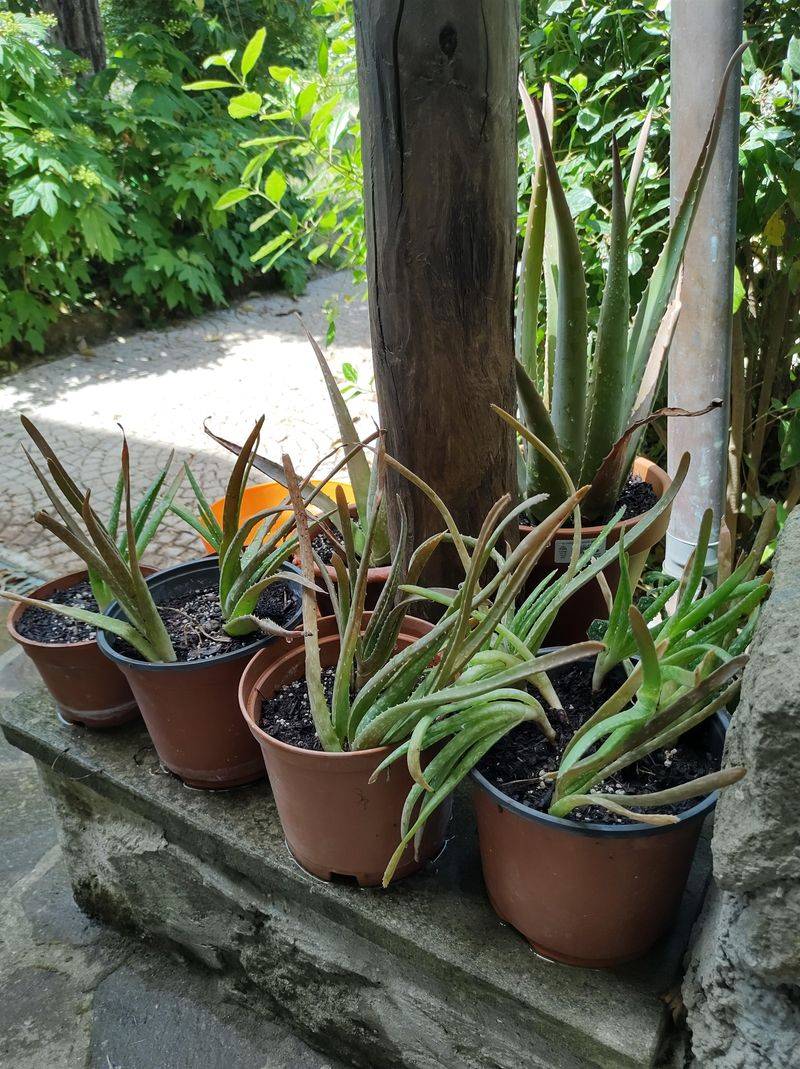
A pot of aloe vera sitting near a sunny porch door is a practical and low-fuss choice for Florida homeowners who do not want to water on a strict daily schedule.
Aloe vera is a succulent that stores water in its thick, fleshy leaves, which allows it to handle periods without watering far better than most flowering annuals.
That built-in drought tolerance makes it a sensible option for a bright container where the potting mix dries out quickly between rains.
Drainage is genuinely non-negotiable for aloe vera in a container.
Pots without drainage holes or potting mixes that retain too much moisture can lead to soft, mushy roots, especially during Florida’s rainy season when the plant may receive more water than it can use.
A gritty, well-draining potting mix designed for cacti and succulents works better than standard potting soil. Terra cotta pots are a popular choice because the porous material allows moisture to evaporate through the sides.
Bright light suits aloe vera well, and a spot that receives several hours of direct sun tends to produce a compact, healthy plant. Deep shade can cause the leaves to stretch and the plant to look floppy over time.
One practical bonus of keeping aloe vera on a porch: the gel inside the leaves is commonly used to soothe minor skin irritation, making it as useful as it is ornamental for many Florida households.
7. Agave Needs Sun And Sharp Drainage
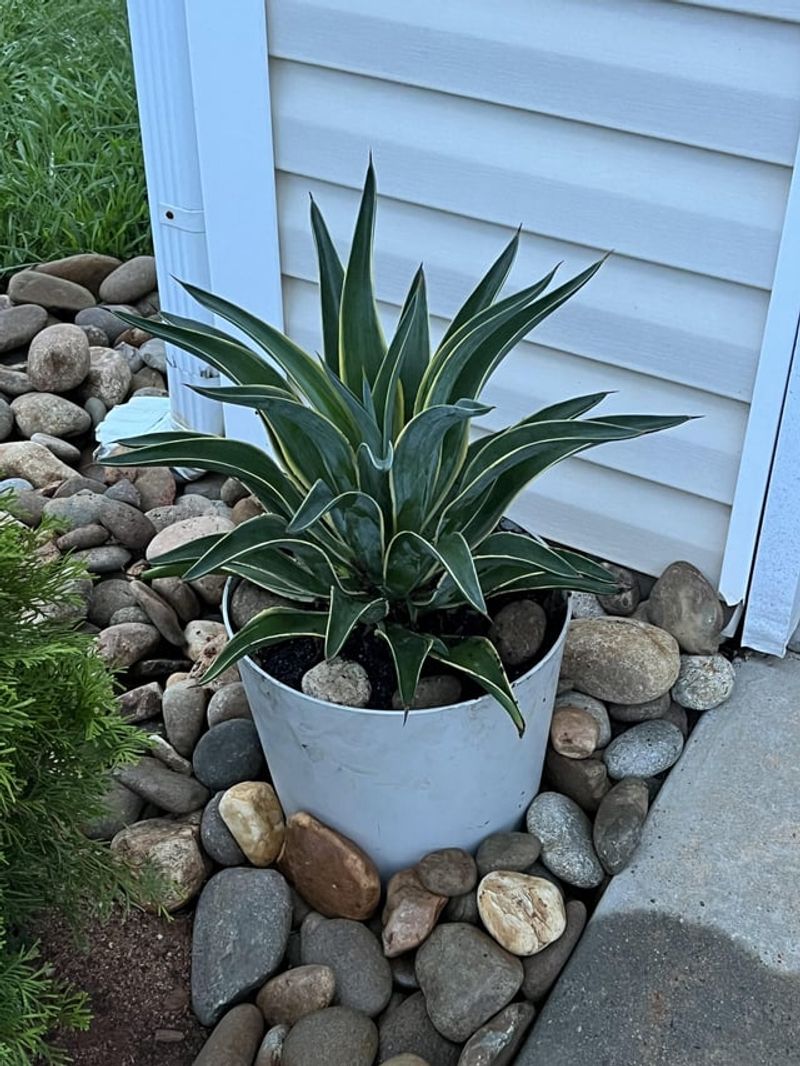
Architectural and bold, agave brings a strong visual presence to a sunny porch container in a way that few other plants can match.
The rosette form, stiff leaves, and structural quality give agave a look that works well as a standalone statement plant near an entry, on a pool deck, or along a sunny balcony railing.
Florida’s warm winters mean that many agave types can stay outdoors year-round without needing to be moved inside when temperatures drop.
Full sun and sharply drained soil are the two conditions agave needs most in a container. A potting mix that stays wet for long periods is likely to cause root problems, particularly during Florida’s rainy season when heavy downpours can drench a pot quickly.
Mixing coarse sand or perlite into a standard potting mix improves drainage significantly. Pots with large drainage holes and a layer of gravel at the bottom can also help water move through more efficiently.
Choosing the right agave type for a porch container matters for practical reasons. Some agave species grow quite large and develop very sharp terminal spines that can be hazardous near walkways or seating areas.
Smaller or spineless cultivars are generally more manageable in a container setting close to foot traffic.
Agave does not need frequent watering once established, and overwatering is a more common mistake than underwatering for this tough, sun-loving plant.
8. Pineapple Makes A Fun Porch Container
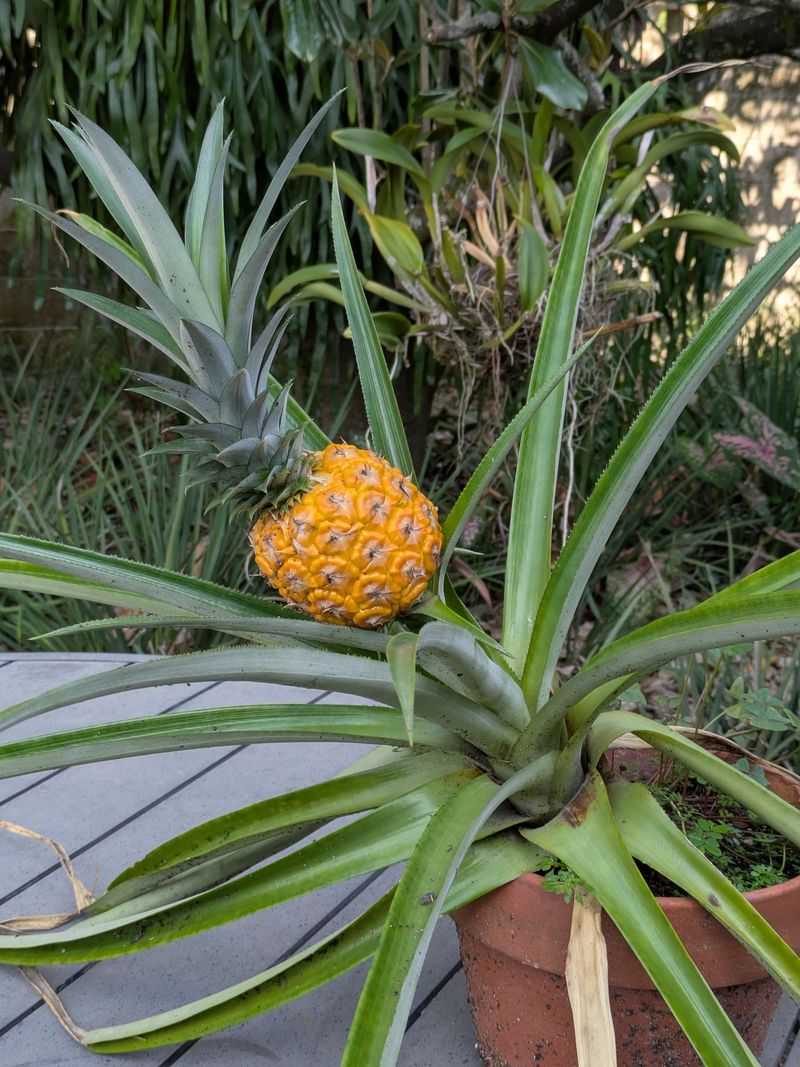
Growing a pineapple in a container on a sunny Florida porch is one of those ideas that sounds quirky until you actually try it and realize how well it works.
Pineapple is a bromeliad, which means it shares the same general family as those colorful tropical plants sold in garden centers, but it adds the extra bonus of being edible.
The spiky rosette of foliage looks undeniably tropical, and spotting a small fruit developing at the center of a mature plant is genuinely exciting.
Full sun is a firm requirement for a pineapple container. A spot that receives six or more hours of direct sunlight suits this plant well, and a shaded porch is unlikely to produce a healthy, fruiting plant.
A south-facing or west-facing porch with minimal overhead obstruction is a strong location. Potting mix should drain well, as pineapple roots do not tolerate soggy conditions for extended periods, especially during Florida’s rainy season.
Pineapple plants are relatively slow growers, so patience is part of the process. Starting a new plant from the leafy crown of a store-bought pineapple is a popular and low-cost method that many Florida gardeners enjoy.
The crown is allowed to dry for a day or two, then planted in a well-draining mix and watered lightly until roots establish. Container size matters too, as a larger pot gives the plant room to develop properly and supports better overall growth.