How To Landscape Your Florida Yard So Ticks Have Nowhere To Hide
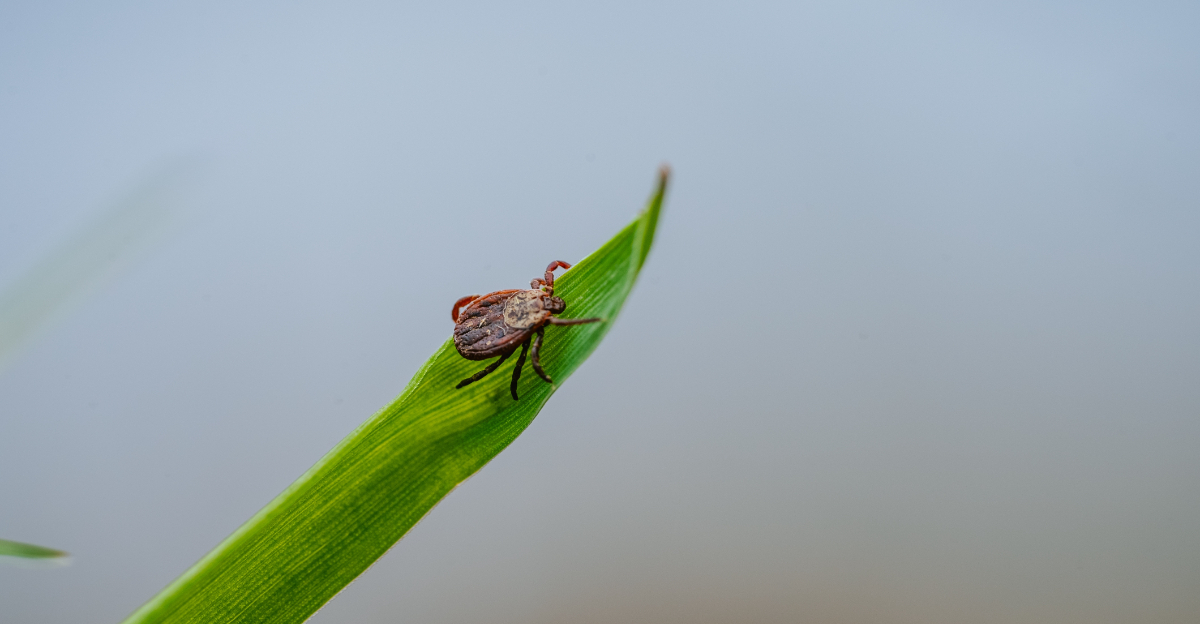
Florida yards are beautiful, but they come with some uninvited guests.
Ticks love the warm, humid climate here and are happy to set up camp in overgrown grass, shady corners, and leafy piles right outside your back door.
The frustrating part is that many people never think about ticks until they find one, and by then the problem has already been developing in the yard for an entire season without anyone noticing.
Florida has several tick species that are active year-round, including the American dog tick and the lone star tick, both of which can carry diseases.
That year-round activity window is what makes this state different from places where cold winters naturally knock populations back.
The good news is that smart landscaping can make your yard significantly less welcoming to these tiny hitchhikers.
You do not need to overhaul your entire property to see real results.
Small, consistent changes to how you manage your outdoor spaces can dramatically lower the chance of a tick crawling onto you, your children, or your pets.
Ticks prefer moisture, shade, and tall vegetation, so your landscaping choices matter more than most people ever realize.
1. Keep Grass Short Near Walkways
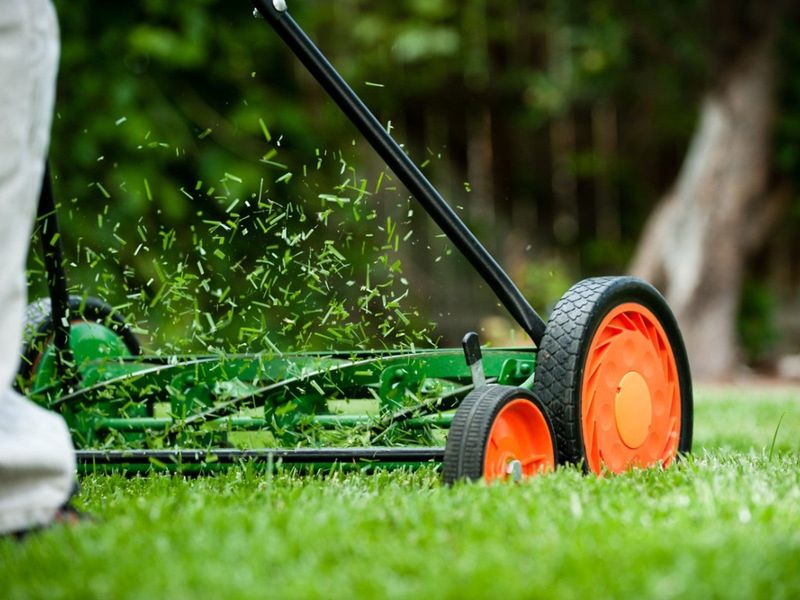
Short grass is one of the simplest weapons you have against ticks.
Ticks do not like open, sunny, dry spaces. They need moisture and shade to survive, and a well-mowed lawn near your walkways takes away both of those things at once.
Ticks tend to rest in tall grass and then latch onto a passing host.
Keeping grass at or below three inches in high-traffic areas near sidewalks, driveways, and garden paths dramatically reduces the chance of contact. Trimming the welcome mat right out from under them is exactly the goal.
Focus your mowing efforts on the areas your family uses most.
The stretch of lawn between your front door and the street, the path to your mailbox, and the route from your back door to a play area all deserve regular attention.
Mow at least once a week during Florida’s rainy season when grass grows fast.
A sharp mower blade gives a clean cut that keeps grass healthier and less prone to the kind of dense, clumpy growth ticks love.
Bag your clippings if the grass is tall, since piles of cut grass can hold moisture. Edge your walkways cleanly so there is no fringe of overgrown blades creeping onto the path.
Consistent mowing is one of the most low-cost, high-impact habits you can build for a tick-smart yard.
2. Clear Leaf Litter From Busy Areas
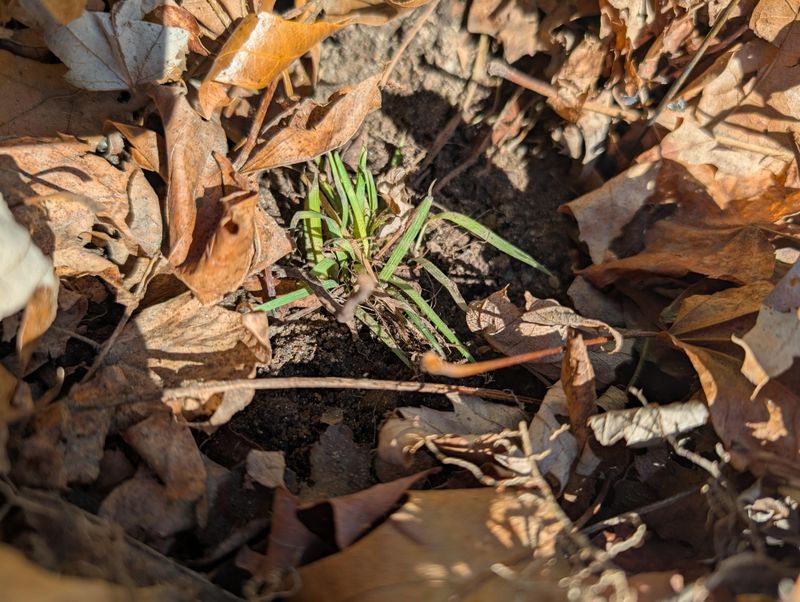
Leaf litter is like a five-star hotel for ticks.
Damp, dark, and full of organic material, piles of fallen leaves near your patio or play area create exactly the kind of microhabitat ticks seek out.
Florida’s year-round warmth means leaves fall in waves across multiple seasons, so this is not a one-time autumn chore.
Ticks do not just hide in leaf piles waiting for a snack.
They actually need the moisture in decomposing leaves to keep from drying out. Removing leaf litter from around homes is consistently recommended as a key step in reducing tick exposure.
Your Florida Garden Changes Every Week. Your Plan Should Too.
Gardening in Florida changes quickly throughout the season. Every Friday you’ll receive a simple weekly plan showing exactly what to plant, prune, fertilize, harvest, and protect so you never miss the right timing.
Clearing leaves from patios, garden beds near seating, and children’s play areas can make a real difference.
Make it a habit to rake or blow leaves away from high-use areas at least every two weeks during peak leaf drop.
Do not let piles sit along the edge of a path or under a bench. Move cleared material to a compost area far from where your family spends time, or bag it for yard waste pickup.
Pay extra attention to spots where leaves tend to collect naturally, like corners of fences, under low shrubs near the porch, and along the base of garden borders.
These tucked-away spots stay damp longer and are easy to overlook during a quick cleanup pass.
Staying on top of leaf removal is one of the fastest ways to reduce tick-friendly real estate right next to where you relax and play.
3. Open Brushy Edges To More Sun
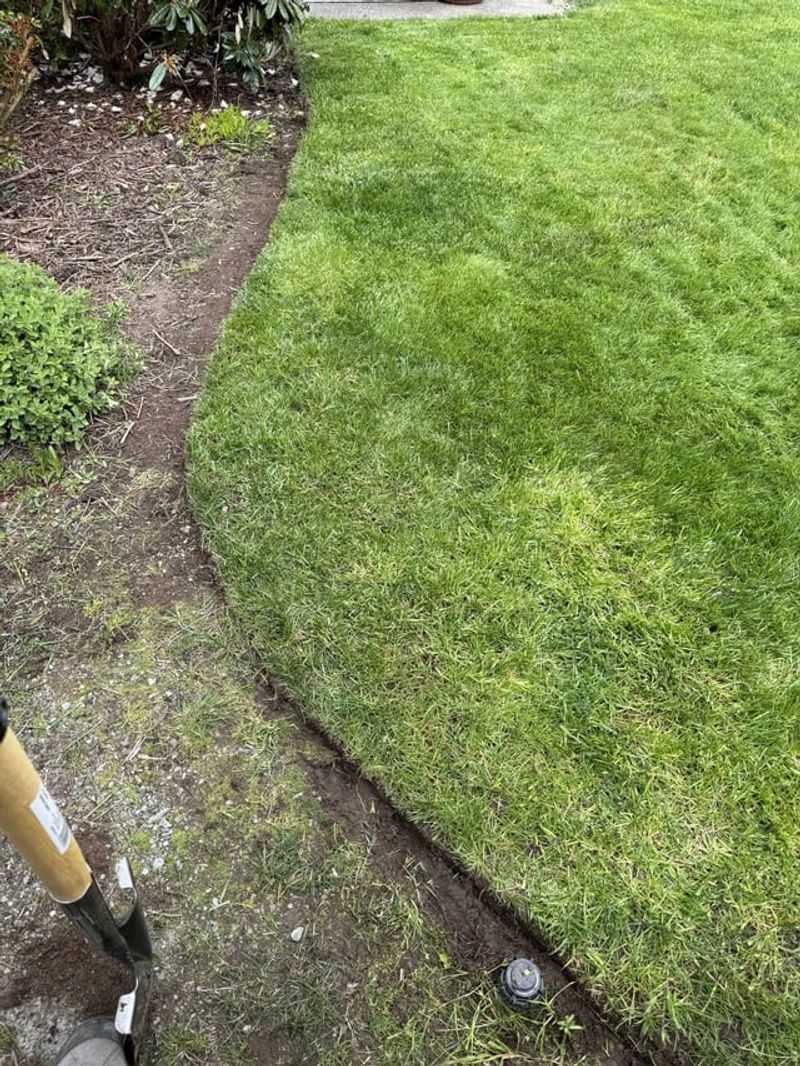
Brushy, overgrown edges are tick territory.
That tangled stretch of shrubs and vines between your lawn and a fence line or neighbor’s yard is exactly where ticks wait for a host to walk by.
They climb to the tips of low vegetation and stretch out their front legs in a behavior called questing, ready to grab onto anything warm that passes.
Opening those edges to more sunlight changes everything.
Sun dries out the soil, reduces humidity, and makes the environment far less hospitable to ticks.
Managing the transition zones between maintained lawn and wilder growth is one of the most effective ways to reduce pest pressure naturally.
Start by cutting back overgrown shrubs along fence lines and property borders.
Remove dead branches, tangled vines, and any vegetation that has grown into a thick, shady mass. You do not need to strip the area bare.
Thinning the growth enough to let sunlight reach the ground is the goal.
Once you have opened the canopy, keep up with trimming every few weeks.
Fast-growing Florida plants can close back up quickly, especially during summer rains. Consider replacing dense, sprawling shrubs with more open, upright varieties that allow airflow and light at ground level.
Pruning brushy edges is not just tidying up. It is actively reshaping your yard’s microclimate so ticks have a much harder time surviving anywhere near your family.
4. Add A Dry Border Near Woods
If your yard backs up to woods, a field, or any area of dense natural vegetation, you have a tick superhighway running right to your back door.
Ticks do not travel far on their own, but they hitch rides on deer, raccoons, and other wildlife that wander from wooded areas into suburban yards every night.
One of the most well-supported strategies is creating a dry buffer zone between your maintained lawn and the wild edge.
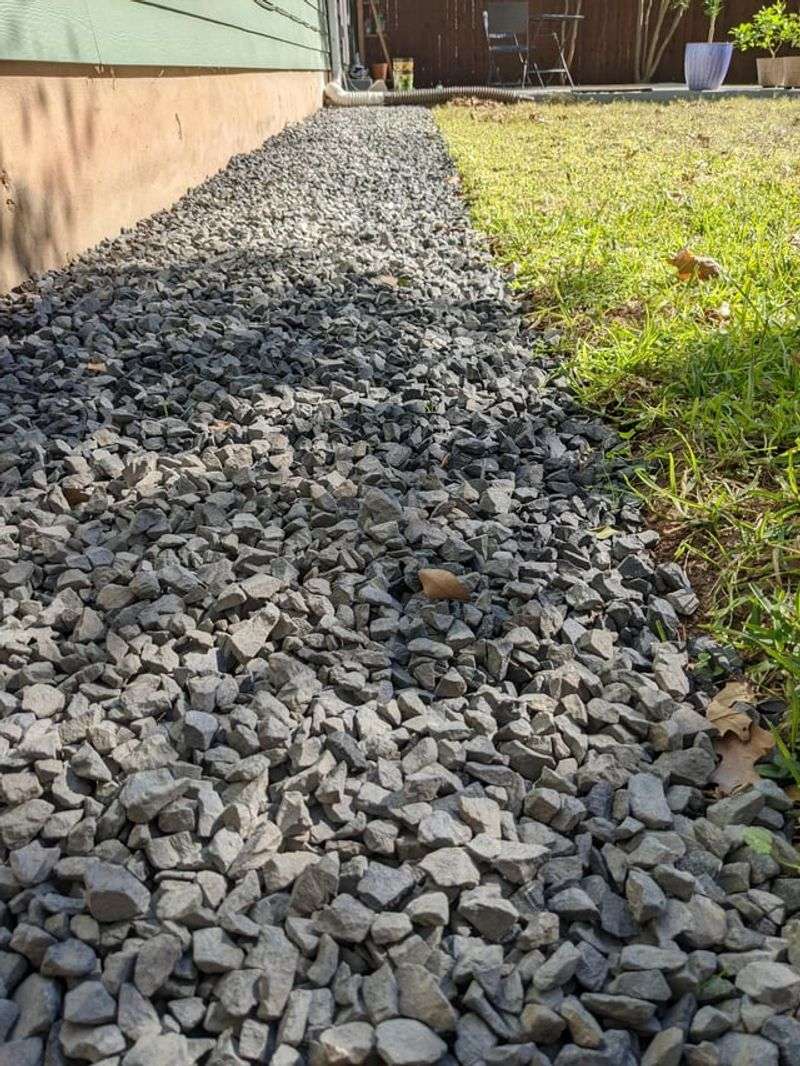
A border of wood chips, gravel, or mulch that is at least three feet wide acts as a transition zone ticks are reluctant to cross.
Ticks prefer moist, organic ground cover and tend to avoid dry, loose material like gravel or cedar mulch.
Choose materials that stay dry and do not mat down easily.
Fine pine bark mulch holds moisture and may not be as effective as coarser options. Pea gravel or river rock works well and stays dry even after Florida’s heavy afternoon storms.
Cedar mulch has some natural tick-deterring properties, though it should not be treated as a guarantee on its own.
Keep the border clear of leaves and debris that could collect moisture and defeat the purpose.
Rake it out periodically so it stays loose and dry. Mark the edge cleanly with a border stone or edging strip so it stays distinct from the lawn.
A well-maintained dry border is like a no-trespassing sign posted right at the wood’s edge, and ticks tend to respect it.
5. Move Seating Away From Tall Growth
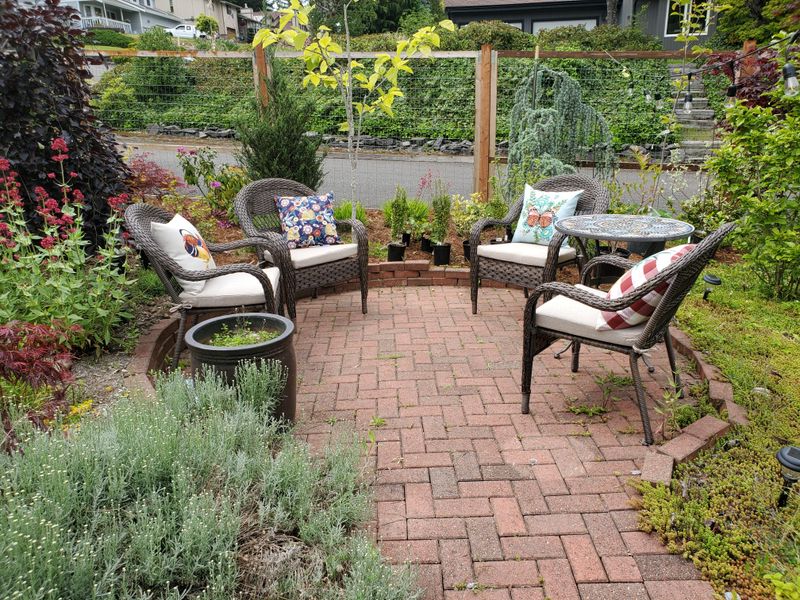
Your favorite lawn chair tucked right up against a lush hedge might feel like a perfect spot.
But from a tick standpoint, you are sitting right at the checkout counter. Ticks resting in that hedge can easily drop or crawl onto you without you ever walking through tall grass.
Seating placement matters more than most people realize.
Patios, chairs, hammocks, and play equipment positioned close to dense shrubs, tall ornamental grasses, or overgrown borders put your family in regular close contact with prime tick habitat.
Moving your seating areas into more open, sunny parts of the yard is one of the smartest low-effort adjustments you can make.
Aim for at least a few feet of open, mowed lawn between any seating or play structure and the nearest tall vegetation.
Sunlight and airflow in an open area are naturally unfriendly to ticks. Swing sets, sandboxes, and outdoor chairs should be placed well away from fence lines with heavy growth, tree lines, and garden beds with dense plantings.
If your patio is fixed and cannot be moved, manage the vegetation around it aggressively.
Keep shrubs near the patio trimmed low and open. Remove any ground cover or leaf litter directly adjacent to where people sit.
Add a strip of dry mulch or gravel between the patio edge and the nearest planting bed.
Your outdoor living space should feel relaxing, not like a spot where something small is sizing you up from the shrubbery.
6. Keep Wildlife Food Sources Limited
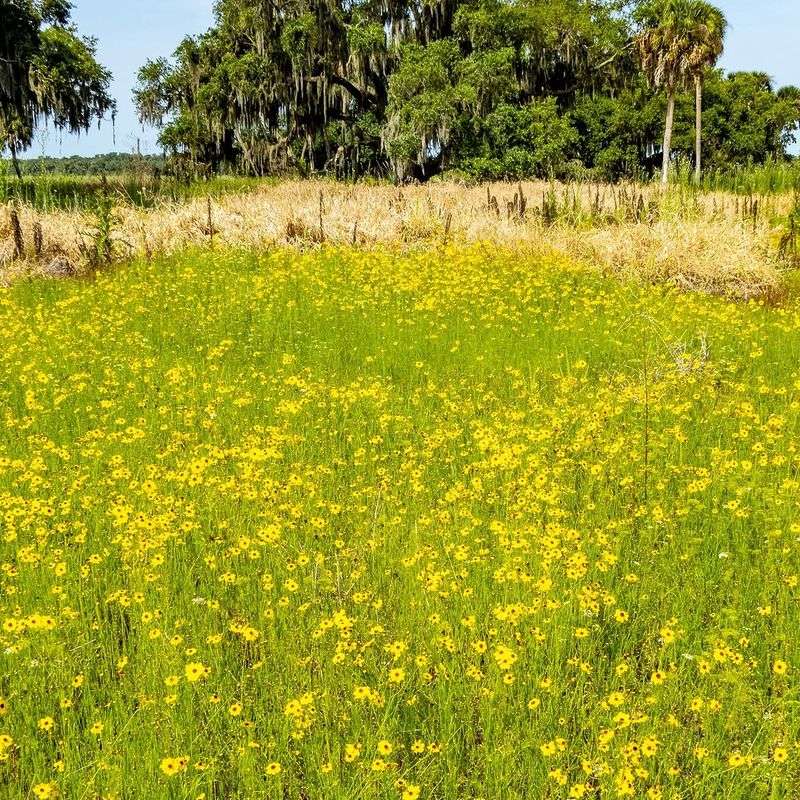
Ticks do not just appear in your yard on their own. They arrive on wildlife.
Deer, raccoons, opossums, squirrels, and rats are all common tick carriers in Florida, and they are drawn to yards that offer easy food.
Birdseed spilled on the ground, fallen citrus or mangoes, pet food left outside, and accessible compost bins are all open invitations.
Reducing wildlife traffic through your yard is one of the most effective ways to lower tick pressure over time.
Fewer deer and rodents mean fewer ticks being dropped off right outside your back door.
This does not mean eliminating every bird feeder or pulling up your fruit trees. It means being thoughtful about what you leave accessible and when.
Pick up fallen fruit daily during fruiting season.
Store birdseed in sealed containers and use feeders that reduce spill onto the ground. Bring pet food and water bowls inside at night, since that is when most wildlife foraging happens.
Use a compost bin with a secure lid rather than an open pile.
Deer are particularly significant tick carriers in Florida. If deer regularly visit your yard, consider deer-resistant plantings around the perimeter and motion-activated sprinklers to discourage regular visits.
Rodents like rats and mice are also major tick hosts, so keeping wood piles elevated, sealing gaps under sheds, and removing clutter that offers nesting spots all help reduce the local rodent population and, by extension, the tick population too.
7. Use Low Open Planting Near Paths
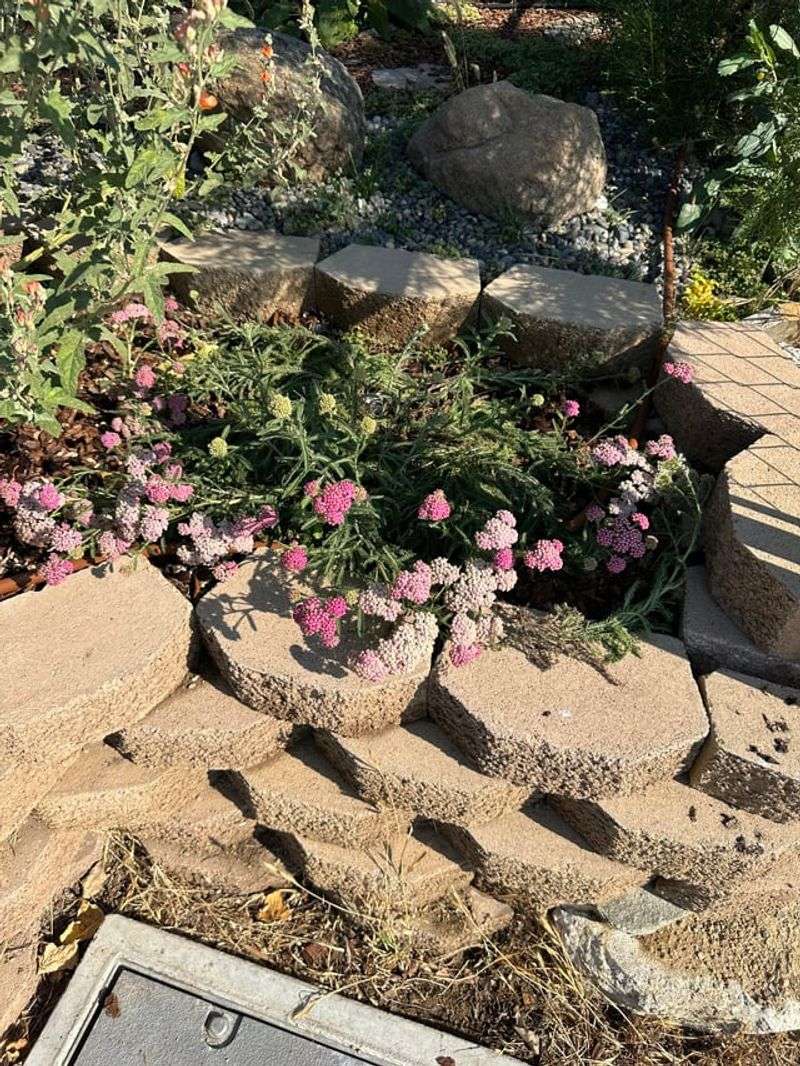
Tangled, overgrown planting beds along garden paths are like tick highways leading straight to your ankles.
Dense ground covers, sprawling shrubs, and thick ornamental plantings that spill onto walkways create exactly the kind of humid, shaded environment where ticks thrive and wait for a passing host.
Swapping out unruly borders for low, open plantings is a straightforward way to make your paths safer.
Florida-Friendly Landscaping guidance encourages choosing plants that are appropriately sized for their space so they do not require constant cutting back to stay tidy.
Plants that naturally stay low and open, like liriope, coontie, or dwarf ornamental grasses, offer a cleaner look with less tick-friendly density at ground level.
Spacing matters just as much as plant choice.
Crowded plantings trap moisture and block sunlight from reaching the soil. Giving plants room to breathe improves airflow, keeps the ground drier, and makes it easier to spot problems before they get out of hand.
Aim for planting arrangements where you can see the soil between plants rather than a solid mat of foliage.
Keep borders along paths trimmed so they never overhang the walking surface.
A plant that drapes across a path is a plant that is brushing against everyone who walks by, and that is exactly the kind of contact that puts ticks onto people.
Tidy, low borders are not just easier to manage. They are genuinely smarter from a yard health standpoint, and your paths will look sharper for it too.
8. Check After Working In Edge Areas
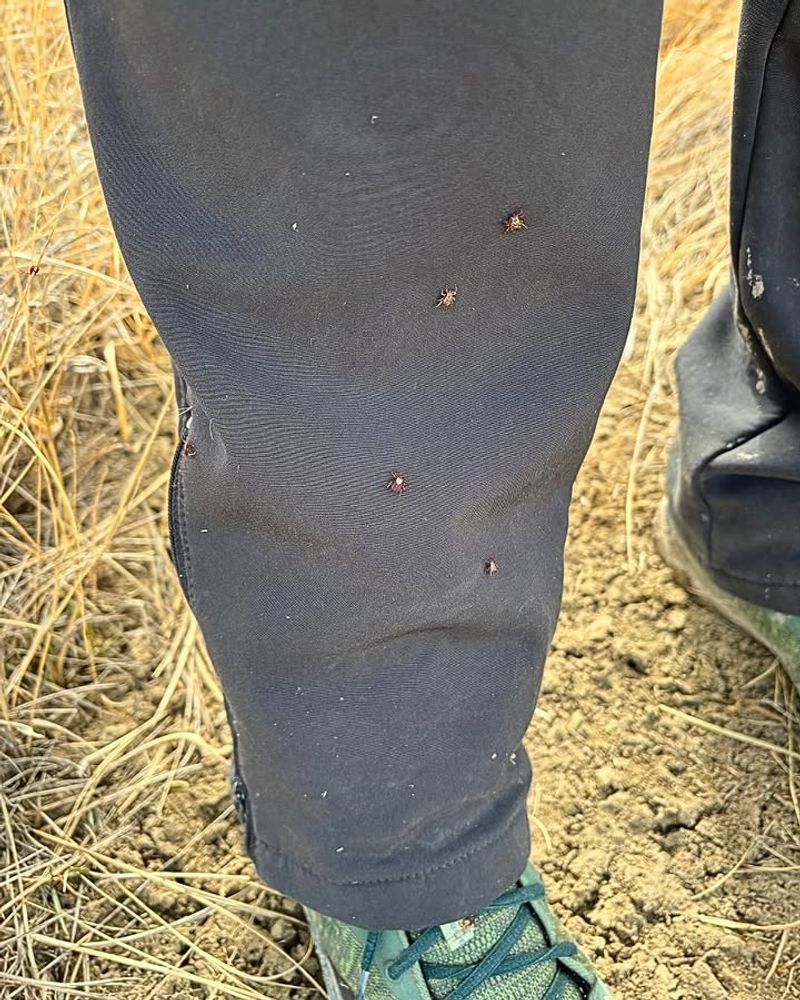
No matter how well you manage your yard, spending time near edges, wooded borders, or dense garden beds means you may pick up a tick along the way.
Landscaping reduces the risk, but a thorough personal check after working in those areas is one of the most important habits you can build. It is your last line of defense.
Checking your entire body for ticks after spending time outdoors is strongly recommended, especially in areas with vegetation.
Ticks are small and can be easy to miss, particularly in nymph stage when they are barely the size of a poppy seed.
Common spots to check include the scalp, behind the ears, the back of the neck, underarms, behind the knees, between the toes, and around the waistband.
Make tick checks a routine after any gardening session near edges or wooded spots.
Do it before coming inside so you do not bring ticks into your home. Shower within two hours of outdoor activity, which has been shown to reduce the risk of tick-borne illness by washing off unattached ticks and making it easier to spot any that are attached.
Toss your gardening clothes into a hot dryer for ten minutes before washing them.
Heat removes ticks more effectively than washing alone.
Keep a fine-tipped tweezers in your garden kit so you are always ready to remove a tick promptly and properly.
Building this quick check into your post-gardening routine takes less than five minutes and is one of the smartest personal health habits a Florida yard owner can have.