What Your Florida Yard Has That Keeps Armadillos Coming Back
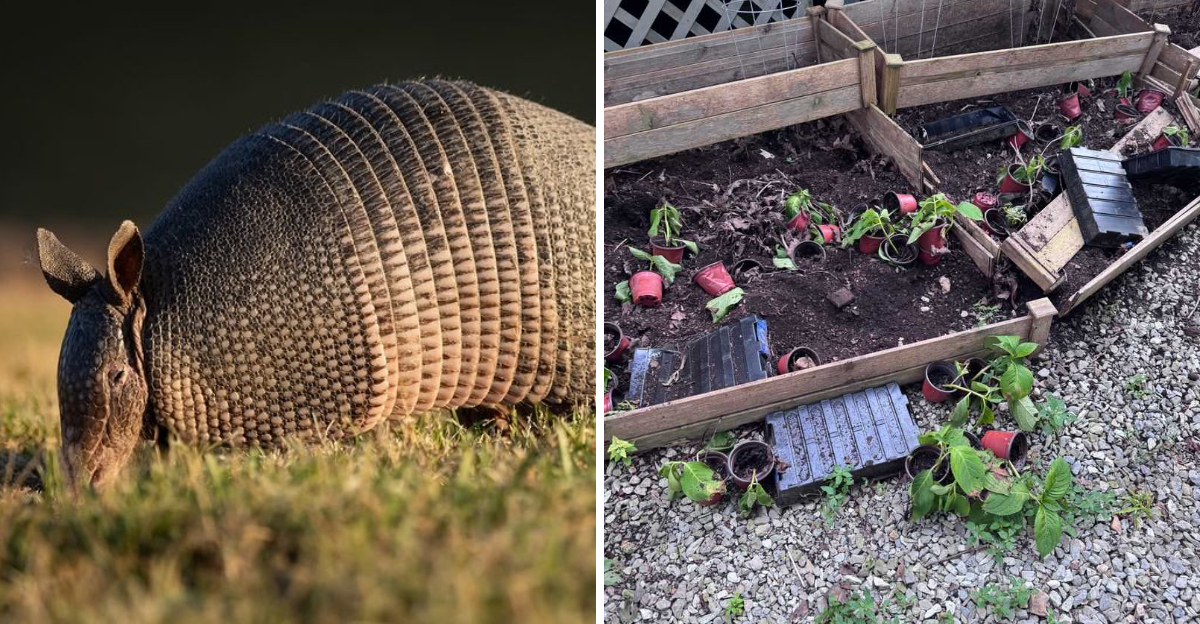
If you have noticed small cone-shaped holes scattered across your lawn, you already know the frustration of an armadillo visit.
These armored wanderers are not random. They are following a very specific trail of clues your yard is leaving out every single night.
Florida yards, with their warm climate, sandy soil, and lush landscaping, are basically a five-star buffet for armadillos, and unlike most restaurant guests, they do not make a reservation or clean up after themselves.
The damage tends to appear overnight, which makes it feel mysterious until you understand what is actually happening below the surface of your lawn.
Armadillos are following scent signals, moisture cues, and soil conditions that your yard produces whether you intend it to or not.
The frustrating part is that most of the things drawing them in are also signs of a healthy, well-maintained yard. Good soil, healthy turf, and productive mulch beds are all things armadillos find highly attractive.
The good news is that once you understand which specific features are acting as the loudest invitation, you can make targeted adjustments that significantly reduce their motivation to return.
Understanding what draws them in is the first step to keeping them out for good.
1. Grubs Hide Under The Lawn
Beneath that green carpet of St. Augustine or Bahia grass, something is moving.
White grubs, the larvae of beetles like June bugs and masked chafers, spend months tunneling through the top few inches of soil.
Armadillos can smell them from several inches underground, and their long claws make short work of any lawn standing between them and a meal.
Grubs are packed with protein and fat, making them one of the most calorie-rich snacks an armadillo can find.
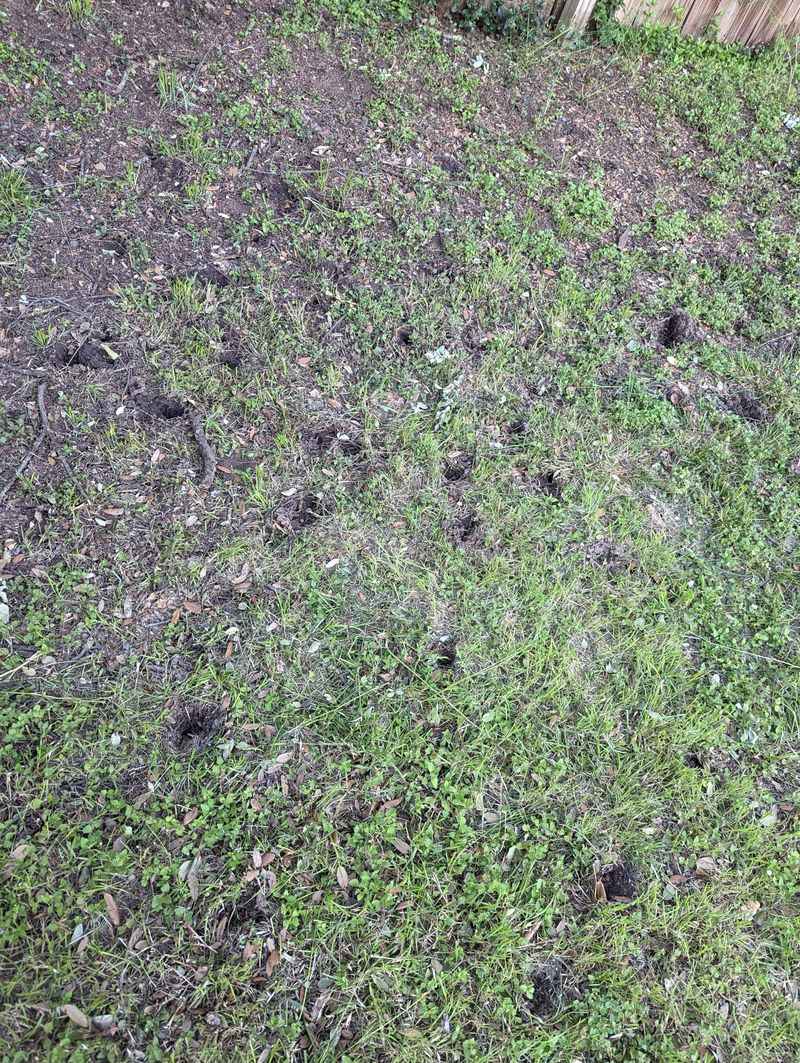
A single yard with a moderate grub infestation gives an armadillo enough reason to return night after night. The digging you see is not random. Each hole is a targeted excavation aimed at a specific scent signal.
Grub populations tend to spike in summer and early fall, which lines up perfectly with peak armadillo activity in Florida.
If you notice fresh holes appearing in clusters, grubs are almost certainly the cause.
Treating your lawn for grubs using a licensed pest control professional or an approved lawn insecticide can reduce armadillo interest significantly.
Healthy, thick turf also naturally discourages grub settlement.
Keeping your grass properly fertilized and watered at appropriate levels helps your lawn fight back from the roots up, quite literally.
2. Earthworms Bring Them Back After Rain
Rain changes everything for an armadillo.
The moment a summer storm rolls through Central or South Florida, earthworms begin migrating toward the surface to avoid drowning in saturated soil.
That movement sends vibrations and scent signals upward, and armadillos pick up on both with impressive accuracy.
Earthworms are a top food source for armadillos, right alongside grubs and beetles.
After a heavy rain, a Florida yard can feel like an all-you-can-eat situation for a hungry armadillo making its nightly rounds.
If your yard holds moisture well or has low spots that stay damp after storms, you are likely seeing more armadillo activity in those exact locations.
Your Florida Garden Changes Every Week. Your Plan Should Too.
Gardening in Florida changes quickly throughout the season. Every Friday you’ll receive a simple weekly plan showing exactly what to plant, prune, fertilize, harvest, and protect so you never miss the right timing.
Improving yard drainage can make a real difference.
French drains, grading adjustments, and strategic landscaping can redirect standing water away from areas where you want to discourage digging. Aerating your lawn also helps water absorb faster, reducing the surface moisture that brings worms up.
Earthworms are incredibly beneficial to your soil, so the goal is not to remove them but to manage the conditions that make your yard an easy hunting ground.
Armadillos are remarkably persistent, but reducing post-rain moisture pooling takes away one of their biggest motivators for making a return trip to your property.
Even small drainage fixes can shift their nightly route elsewhere.
3. Moist Soil Makes Digging Easier
Armadillos are not lazy diggers, but they are smart ones.
They prefer soil that gives way easily under their claws, and nothing softens ground faster than a well-irrigated Florida lawn.
If your sprinkler system runs on a nightly schedule, you may be unknowingly rolling out a welcome mat right before armadillos start their evening patrol.
Moist soil does two things that attract these animals.
First, it makes physical digging far less work, allowing them to root more ground in less time. Second, soft soil releases stronger scent signals from the invertebrates living below, making buried food sources easier to detect from the surface.
It is a double reward that makes irrigated yards almost irresistible.
One of the simplest adjustments you can make is shifting your irrigation schedule.
Running sprinklers in the early morning rather than at night means the soil has time to partially dry out by the time armadillos become active after sunset.
Watering Florida lawns between 4 a.m. and 8 a.m. is recommended for optimal plant health anyway, so this change benefits your grass and your armadillo situation at the same time.
You do not have to sacrifice a healthy lawn to discourage armadillo activity.
A small schedule shift can go a long way toward making your yard feel less like prime digging territory and more like hard work.
4. Loose Sand Feels Like An Open Door
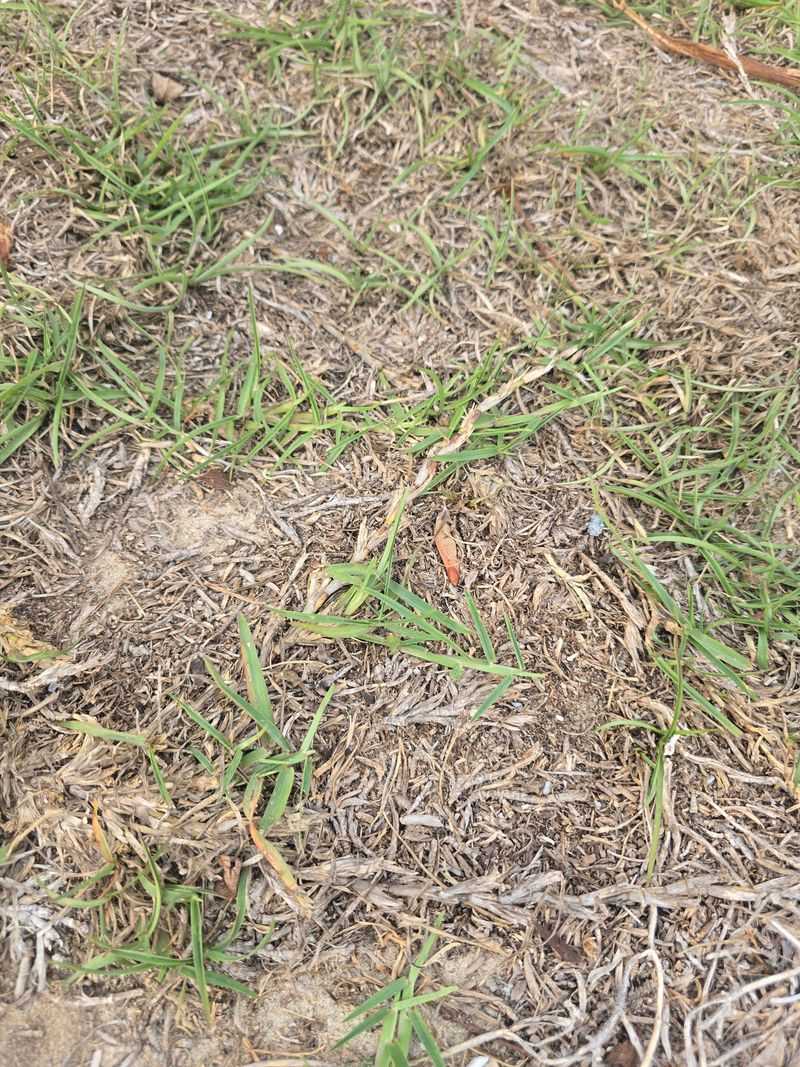
Florida sits on top of one of the sandiest soil profiles in the entire country.
For most plants, that means extra work to establish roots. For armadillos, it means effortless excavation.
Sandy soil requires almost no force to penetrate, making Florida yards dramatically easier to dig through than the clay-heavy soils found in other parts of the South.
This geological reality is a big reason why Florida has such a high concentration of armadillo activity compared to other states.
An armadillo that wanders into a sandy yard is not fighting against compacted earth. It is practically gliding through the ground.
Yards with thin grass cover, bare sandy patches, or recently disturbed soil are especially attractive because there is even less resistance between the animal and whatever it smells below.
Improving soil structure with organic matter, compost amendments, and proper ground cover can add density that slows armadillo digging.
Planting thick, healthy turf grass that develops a strong root mat also creates a natural barrier.
Physical deterrents like hardware cloth buried several inches deep along garden bed borders can block access to the softest digging zones.
Loose sand near fence lines, garden edges, or foundation plantings is worth addressing first.
Armadillos are opportunists, and a yard that offers the path of least resistance will always win their attention over one that requires a little more effort to work through.
5. Mulch Beds Hold More Invertebrates
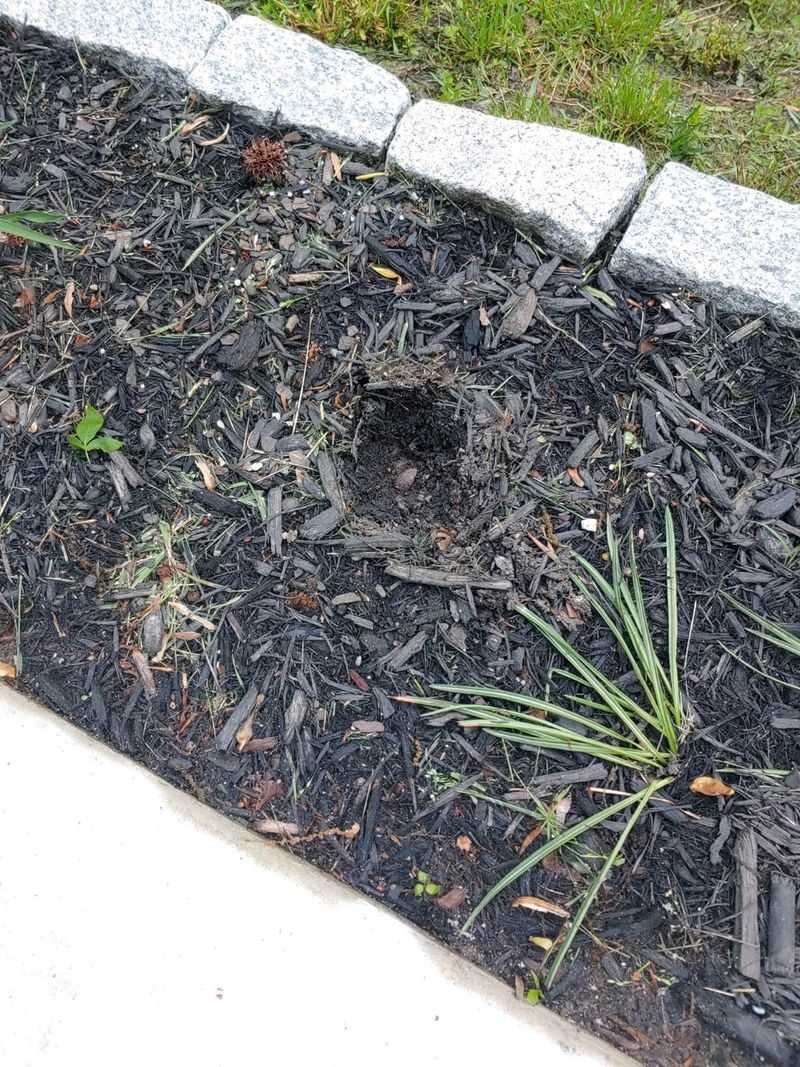
Walk past a fresh mulch bed on a warm Florida evening and take a slow breath.
That earthy, rich smell is not just pleasant to humans. It signals decomposition, moisture, and biological activity, which to an armadillo translates directly to food.
Mulch beds are some of the most productive foraging zones in any Florida yard.
Wood chip mulch holds moisture longer than bare soil, creates a warm microclimate just below the surface, and breaks down into organic matter that feeds a thriving community of beetles, millipedes, pill bugs, earthworms, and larvae.
All of those creatures are on an armadillo’s menu. A well-maintained mulch bed around your trees or foundation plants may look tidy from the outside, but underneath it is a miniature ecosystem that armadillos are very motivated to explore.
You do not have to give up mulching to solve this problem.
Switching to rubber mulch or gravel in high-activity areas removes the biological appeal while still protecting your plants.
Keeping organic mulch layers thinner, around two to three inches rather than four to six, reduces the habitat value without eliminating it entirely.
Installing a physical border using hardware cloth or metal edging buried at least four inches deep along bed edges adds a meaningful obstacle.
Armadillos tend to test the easiest entry point first. Making your mulch beds slightly harder to access often redirects them toward softer targets elsewhere, ideally someone else’s yard.
6. Compost Areas Smell Like Opportunity
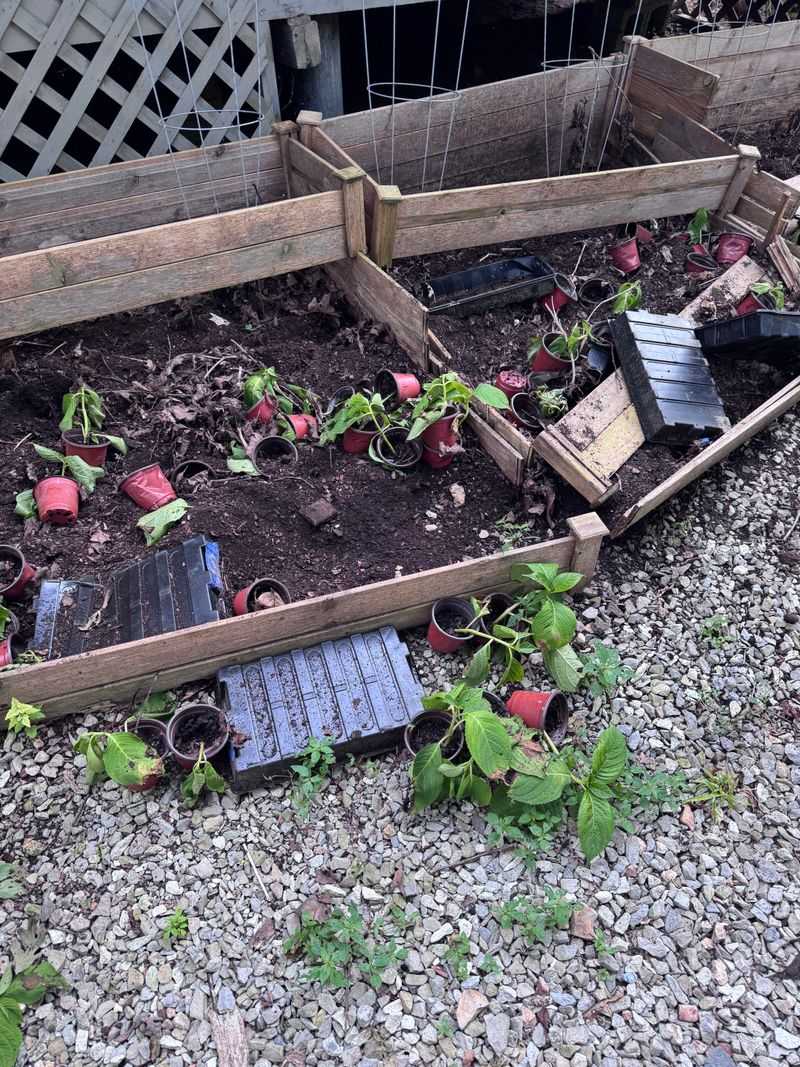
A backyard compost pile is one of the most environmentally responsible things a Florida homeowner can maintain.
It reduces waste, builds soil health, and supports a greener garden. It also broadcasts a powerful, complex scent that travels far on a warm Florida night, and armadillos follow scent trails the way some people follow GPS directions.
Compost generates heat and odor as organic material breaks down.
That combination mimics exactly what armadillos detect when they sniff out a food-rich patch of soil. They are not necessarily after the compost itself.
They are responding to the biological signals it releases, which suggest that invertebrates and soft digging conditions are nearby.
A compost pile near a fence line or garden edge essentially marks your yard on their mental map.
Keeping your compost in a sealed, hard-sided bin rather than an open pile makes a significant difference.
Tumbler-style composters contain odors more effectively and eliminate the loose, accessible soil around an open heap that invites rooting.
Positioning your compost bin on a concrete pad or hardware cloth base removes the soft ground access point armadillos look for.
Turning your pile regularly also speeds up decomposition, which reduces peak odor output over time.
Composting is worth keeping up. With a few smart adjustments to how and where you manage it, you can maintain your garden practice without advertising your yard as a destination worth revisiting every night.
7. Gaps Under Structures Offer Shelter
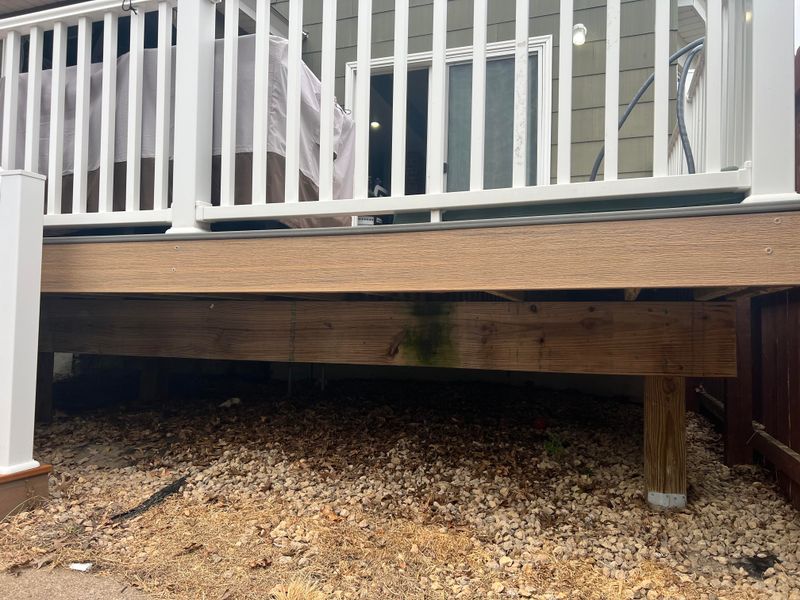
Food brings armadillos to your yard. Shelter is what makes them stay.
Gaps under decks, sheds, porches, and air conditioning units give armadillos exactly the kind of dark, protected resting space they prefer during daylight hours.
Once an armadillo establishes a daytime burrow on your property, nightly yard damage becomes a consistent pattern rather than an occasional visit.
Armadillos are capable diggers, but they also love a ready-made space.
An open gap under a deck requires zero effort and offers protection from the Florida sun and from predators.
Even a gap as small as four inches can be enough for an armadillo to squeeze through and begin expanding the space with their own digging once inside.
Exclusion is the most effective long-term solution.
Hardware cloth with openings no larger than three by three inches, attached to a solid frame and buried at least six inches below ground, prevents access without harming the animal.
Make sure you inspect the space before sealing it to avoid trapping an animal inside.
One-way exclusion doors are available and recommended by wildlife professionals when an animal may already be present.
UF IFAS guidance supports exclusion as a primary humane strategy over trapping and relocation, which carries legal restrictions in Florida.
Blocking access under structures removes the shelter piece of the equation and gives armadillos one less reason to treat your yard as home base.
8. Fruit Drop Creates A Nightly Feast
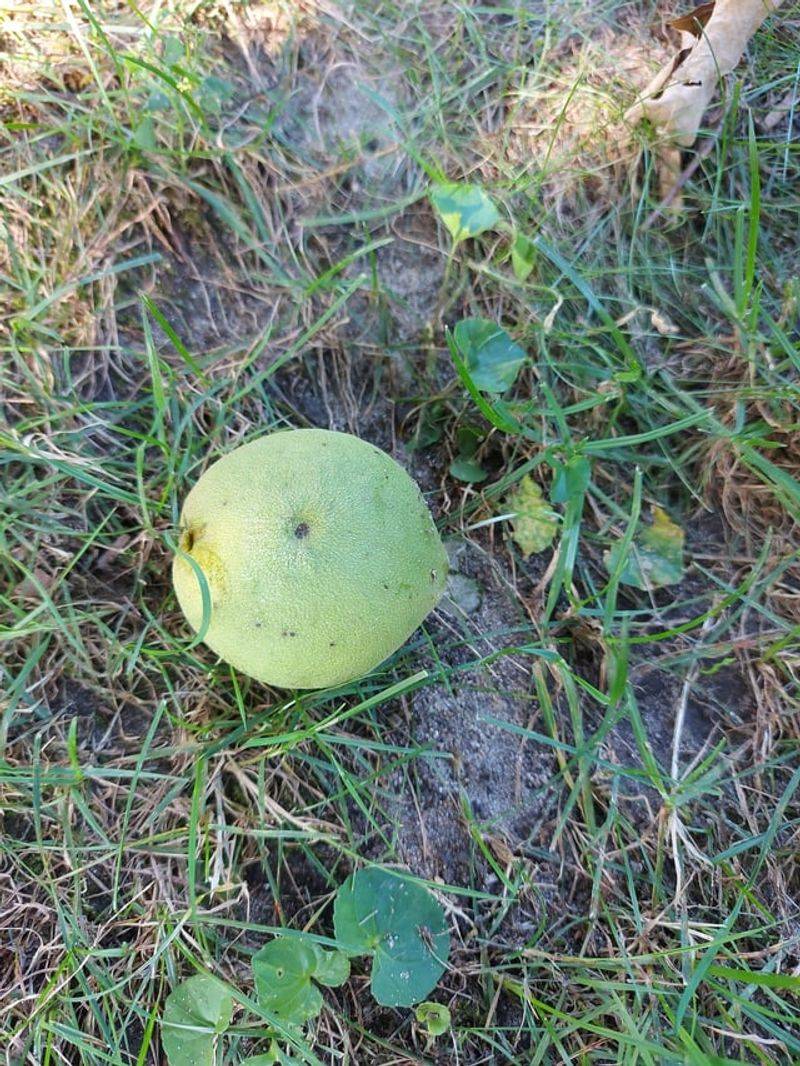
Florida yards produce an extraordinary amount of fruit, and not all of it makes it into the kitchen.
Fallen citrus, mangoes, avocados, figs, and berries that drop to the ground and begin decomposing create exactly the kind of rich, fermenting scent trail that armadillos follow with remarkable precision.
A single fallen mango softening on the grass overnight can attract an armadillo from considerable distance.
The fruit itself is not always the primary target.
As fruit decomposes on the ground, it draws in beetles, fruit flies, and other invertebrates that feed on the organic material.
That insect activity concentrates directly below and around the fallen fruit, essentially creating a pre-packaged foraging spot that armadillos can detect through the soil.
By the time you notice the holes, the armadillo has already been working that spot for several nights.
Picking up fallen fruit daily during active fruiting seasons is one of the most direct interventions available for yards with citrus, mango, or fig trees.
It removes both the scent signal and the insect congregation that follows.
Pay particular attention to areas under trees where fruit tends to accumulate in the same spots night after night, since those locations become reliable stops on an armadillo’s nightly route.
Composting fallen fruit in a sealed bin rather than leaving it in an open pile or on the ground keeps the biological activity contained.
Florida’s fruiting seasons are long and staggered across multiple tree species, which means this is not a one-month problem.
Managing fruit drop consistently across the entire growing calendar is the only approach that actually holds.