Florida Plants That Attract Dragonflies And Reduce Mosquito Activity
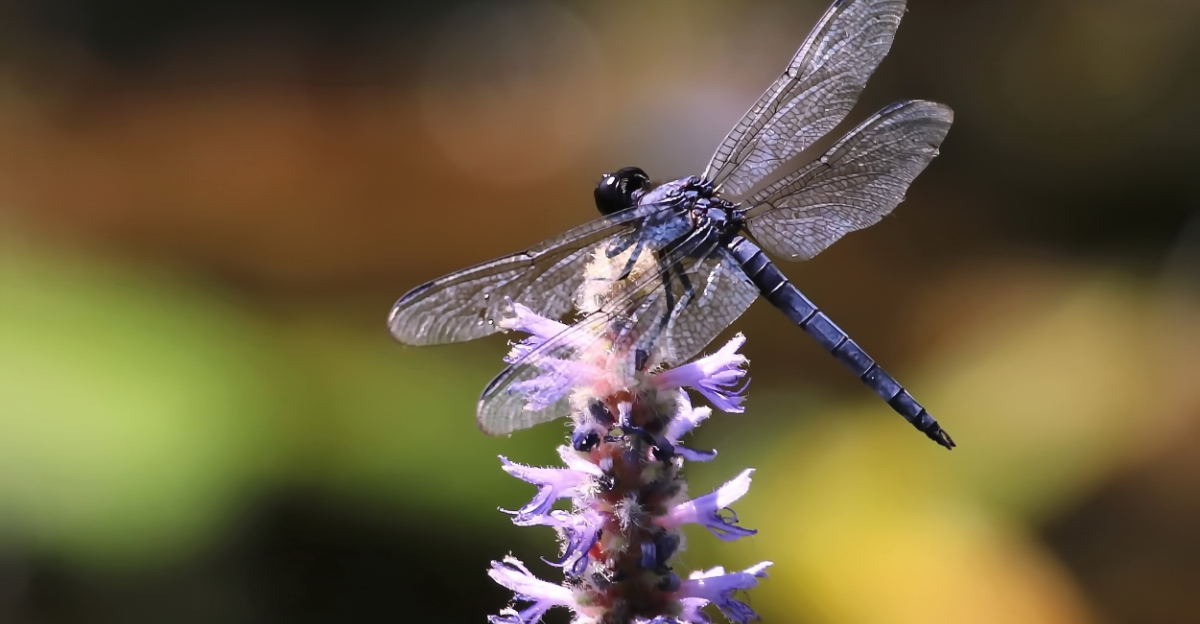
Dragonflies have been eating mosquitoes long before any spray bottle existed. They are genuinely good at it, and they do it on their own schedule without any help from you.
Most Florida yards see a few dragonflies pass through without ever becoming the kind of habitat that holds them. That is a missed opportunity, but not a complicated one to address.
Certain plants create the conditions dragonflies actually look for when they are hunting, resting, and patrolling a space. No grand promises here.
Planting natives will not turn your yard into a mosquito-free zone. Florida humidity guarantees that is never fully on the table.
But gardeners who pay attention notice a difference in yards with consistent dragonfly activity versus yards without it. So what plants are actually pulling that weight?
A handful of Florida natives keep coming up in that conversation and they earn their spot for reasons worth knowing.
1. Plant Pickerelweed Along Managed Pond Edges
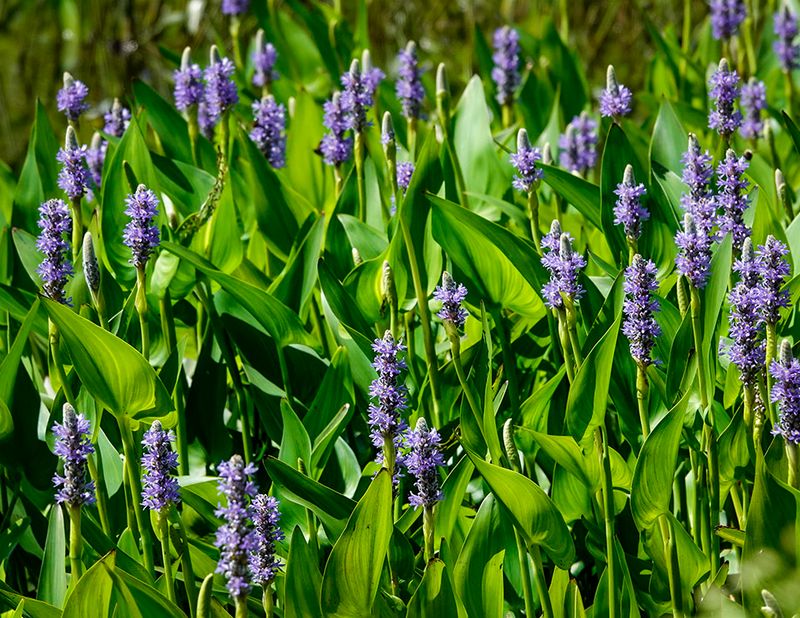
Picture a warm afternoon at a managed pond edge, dragonflies darting low over the water and landing on tall, upright stems near the shore. That kind of scene does not happen by accident.
Pickerelweed, with its bold purple flower spikes and broad green leaves, is one of the Florida native plants that can help make it possible.
Pickerelweed grows naturally along pond margins, lake shores, and slow-moving waterways across this state. According to UF/IFAS, it is a native aquatic plant suited to shallow water and wet shoreline areas.
Dragonflies use shoreline vegetation to perch, hunt, and patrol for prey. Females lay eggs in or near water, where immature dragonflies spend part of their lives before emerging as adults.
Because pickerelweed grows in wet conditions, it belongs at a real pond edge or managed water margin. It does not belong in a small decorative container or a neglected low spot in the yard.
In the right setting, it can spread aggressively, so managed placement matters. Regular monitoring keeps it from crowding out other native plants along the shoreline.
Southern regions, with longer warm and wet seasons, may see faster spread than northern regions, where seasonal changes can slow growth. Pickerelweed also attracts pollinators, adding more wildlife value to any pond planting.
Pair it with a commitment to removing stagnant water elsewhere in the yard, because no shoreline planting replaces source reduction as the foundation of mosquito control. A healthy pond with movement, maintenance, and native plants is the goal.
2. Use Duck Potato In True Shallow Water
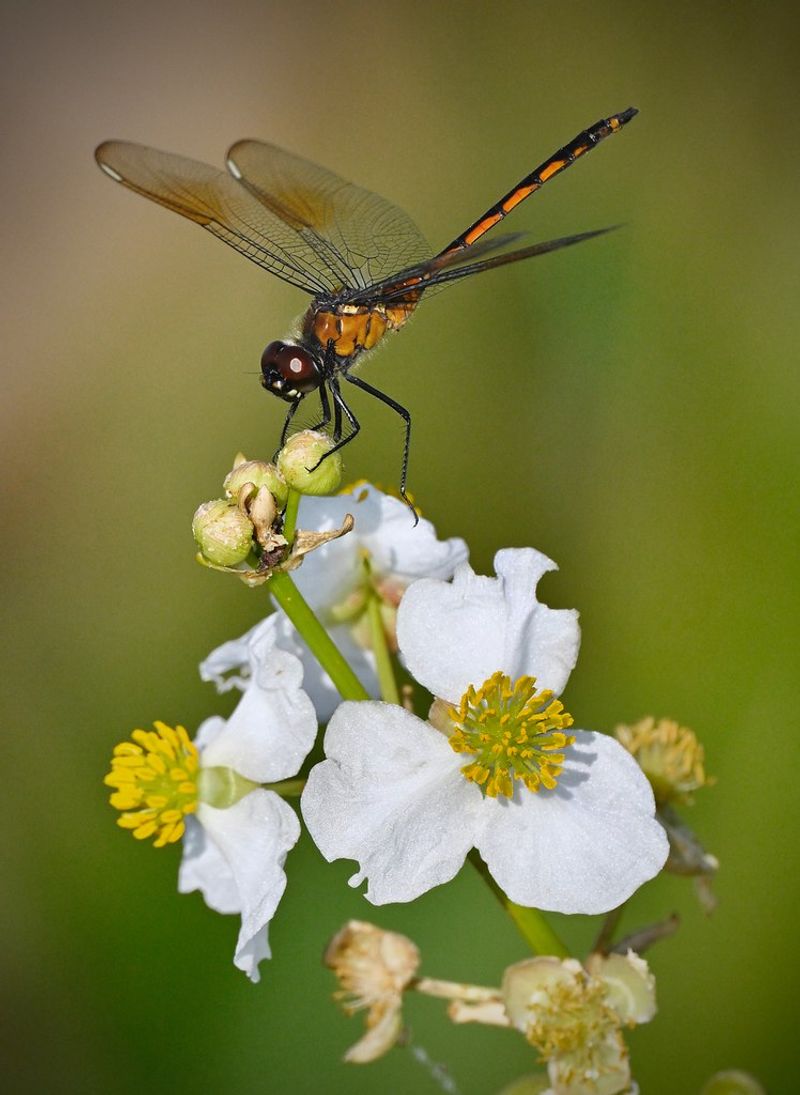
A healthy pond shelf planted with native aquatics looks nothing like a forgotten container of water sitting behind the shed. That contrast matters a lot when choosing plants like duck potato, which belongs in one setting and absolutely not the other.
Duck potato, known botanically as Sagittaria lancifolia, is a native aquatic and wetland plant suited to pond margins, shallow water, marshes, ditches, and swampy areas. UF/IFAS recognizes it as a native species well adapted to wet conditions across this state.
Its arrow-shaped leaves rise above the waterline, and its white flowers add seasonal interest to naturalized water edges.
Your Florida Garden Changes Every Week. Your Plan Should Too.
Gardening in Florida changes quickly throughout the season. Every Friday you’ll receive a simple weekly plan showing exactly what to plant, prune, fertilize, harvest, and protect so you never miss the right timing.
For dragonflies, aquatic and shoreline plants like duck potato provide structural complexity near water. Dragonfly nymphs, the immature stage, live underwater and benefit from the cover and habitat that rooted aquatic plants can create.
A more natural water edge supports the full dragonfly life cycle, from egg to nymph to adult hunter.
Homeowners should not try to grow duck potato by creating shallow stagnant puddles or unmanaged depressions in the yard. Stagnant water is a mosquito breeding site, not a habitat improvement.
Use this plant only in existing managed ponds, water features with movement, or appropriate wetland-style plantings where water quality is maintained. In southern regions, warm wet conditions extend the growing season considerably.
In northern regions, some seasonal dormancy is possible. Always pair aquatic plantings with regular checks for standing water in containers, gutters, and other spots around the property.
Plant habitat and source reduction work together, not separately.
3. Choose Native Blue Flag Iris For Wet Garden Spots
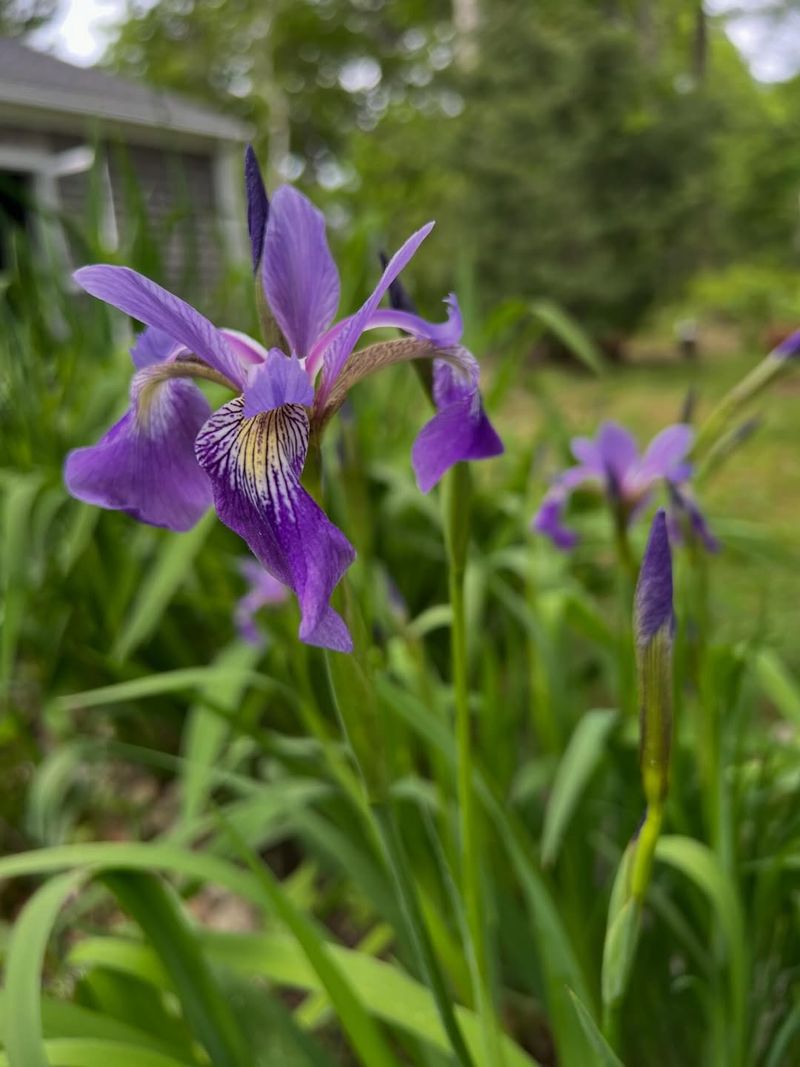
A wet garden corner that sits soggy after every summer rain can feel like a problem spot, but with the right plant, it becomes a feature.
Native blue flag iris brings color, structure, and wildlife value to damp areas that most ornamental plants simply cannot handle.
The native species to look for is Iris virginica, sometimes called Virginia iris or southern blue flag. UF/IFAS includes it among native plants suited to wet soils, pond edges, rain gardens, and moist garden areas.
Its blue-purple flowers with yellow and white markings appear in spring, and its upright foliage adds vertical structure through the growing season.
Nursery tags can be confusing because the name blue flag is used loosely for several iris species, not all of which are native to this region. Ask specifically for Iris virginica or confirm the botanical name before purchasing.
Non-native iris varieties may not offer the same habitat value and may not be adapted to local wet conditions.
Blue flag iris contributes to dragonfly-friendly habitat through its structure and its role in layered wet-edge planting. Dragonflies use vertical stems and shoreline vegetation to rest and hunt.
A rain garden or pond edge planted with natives like this one becomes more useful to wildlife than a bare or purely ornamental space. Soil should stay moist but should not be a neglected puddle or unmanaged low spot.
In southern regions, it may grow more vigorously through a longer warm season. Pair this plant with consistent standing-water checks throughout the yard for meaningful mosquito management.
4. Grow Soft Rush Around Rain Gardens And Bioswale
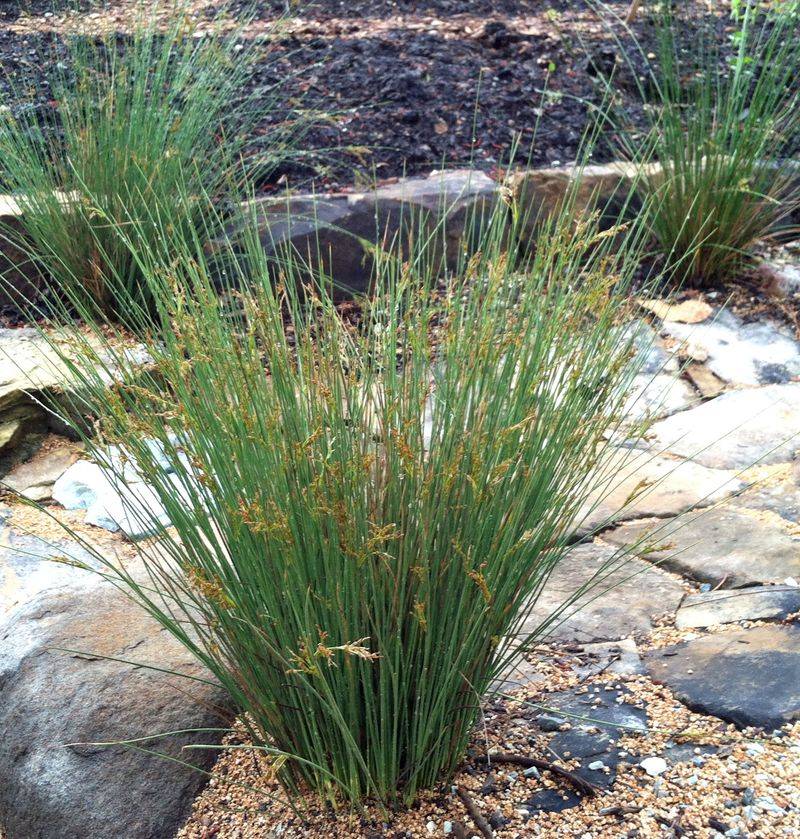
After a heavy summer storm, water moves fast through a well-planted swale. It slows down as it passes through clusters of native grasses and rushes before soaking into the ground.
Soft rush is one of the plants that can make that process look good while also supporting the kind of wet-edge habitat that dragonflies use.
Soft rush, Juncus effusus, is a native wetland plant recognized by UF/IFAS as suitable for moist sites, pond edges, rain gardens, and bioswales. Its narrow, upright stems grow in dense clumps and add a fine-textured, natural look to wet landscape areas.
The plant stays green through much of the year in warmer parts of this state, making it a reliable structural element in managed wet plantings.
Dragonflies benefit from shoreline cover and habitat complexity. Dense upright stems near water give adult dragonflies places to perch between hunting runs.
Vegetation near water edges also supports the layered habitat structure that healthy dragonfly populations need. Soft rush is not a plant for dry beds or average garden soil.
It needs consistent moisture and performs best in intentional wet-site plantings where its spread can be managed.
In some pasture or lawn settings, rushes can become persistent and unwanted, so placement matters. Use it where a naturalized, clumping wet-edge plant makes sense, and monitor for spread into areas where it is not welcome.
In northern regions, some seasonal changes in appearance are possible. Regional differences in rainfall, sandy soils, and local water restrictions can all affect how well the plant establishes.
Source reduction for mosquitoes remains essential alongside any habitat planting.
5. Use Maidencane Only Where It Has Room To Spread
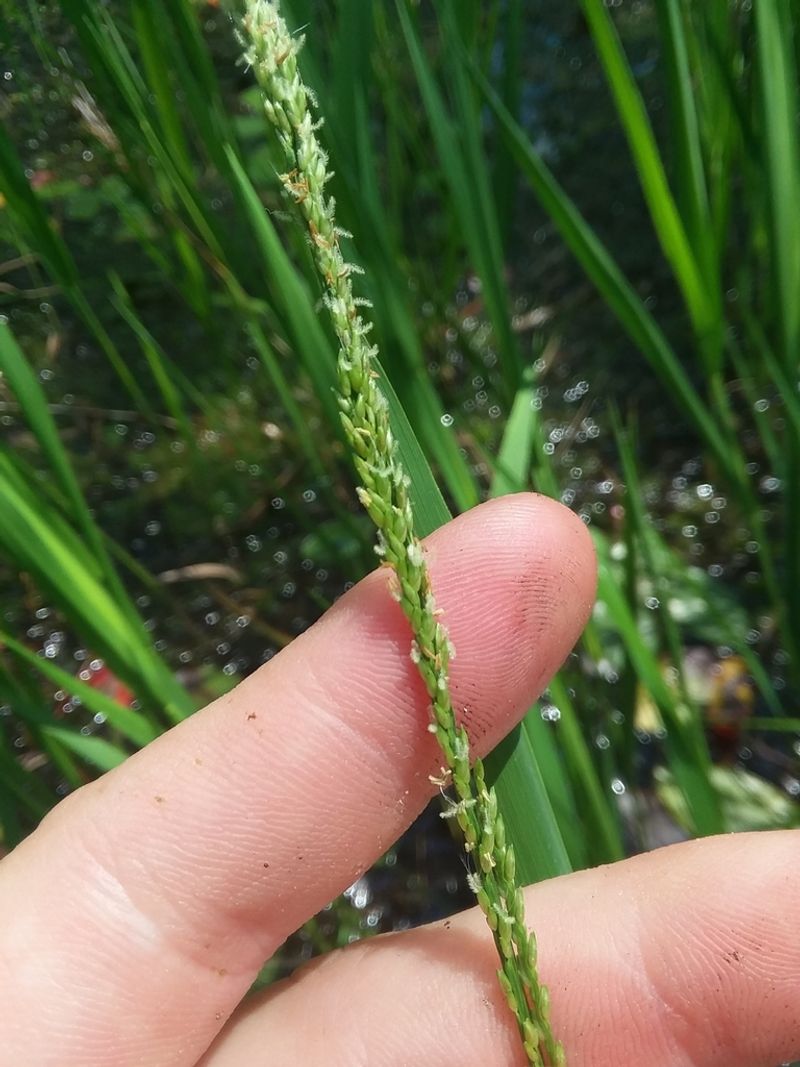
Some shoreline plants are genuinely helpful in the right place and genuinely problematic in the wrong one.
Maidencane falls firmly into that category, and any homeowner thinking about adding it to a small patio pond or narrow garden bed should reconsider before planting.
Maidencane, Panicum hemitomon, is a native wetland grass recognized by UF/IFAS as suited to larger pond edges, marshy margins, and restoration-style plantings. It spreads by rhizomes and can form dense, spreading stands over time.
That growth habit is actually useful in the right context. It provides cover and structural complexity along water edges that support wildlife, including dragonflies hunting near the shoreline.
For homeowners with a larger managed pond, a restoration planting, or a naturalized wet area with room to expand, maidencane can be a practical choice.
The dense stands it forms near water can create habitat cover that benefits dragonfly nymphs and adults alike.
However, placing it near a small ornamental pond, a tight patio design, or a narrow planted bed is likely to create more frustration than habitat value.
Regional differences matter here. In southern regions, the warm, extended growing season means maidencane can spread more aggressively and more quickly than in northern regions.
Sandy soils and high summer rainfall across much of this state can also accelerate spread. Always plan for where the plant will be in three to five years, not just the day it goes in the ground.
And as always, mosquito control depends first on eliminating standing water, not on adding plants alone.
6. Plant Lizard’s Tail In Moist Naturalized Edges
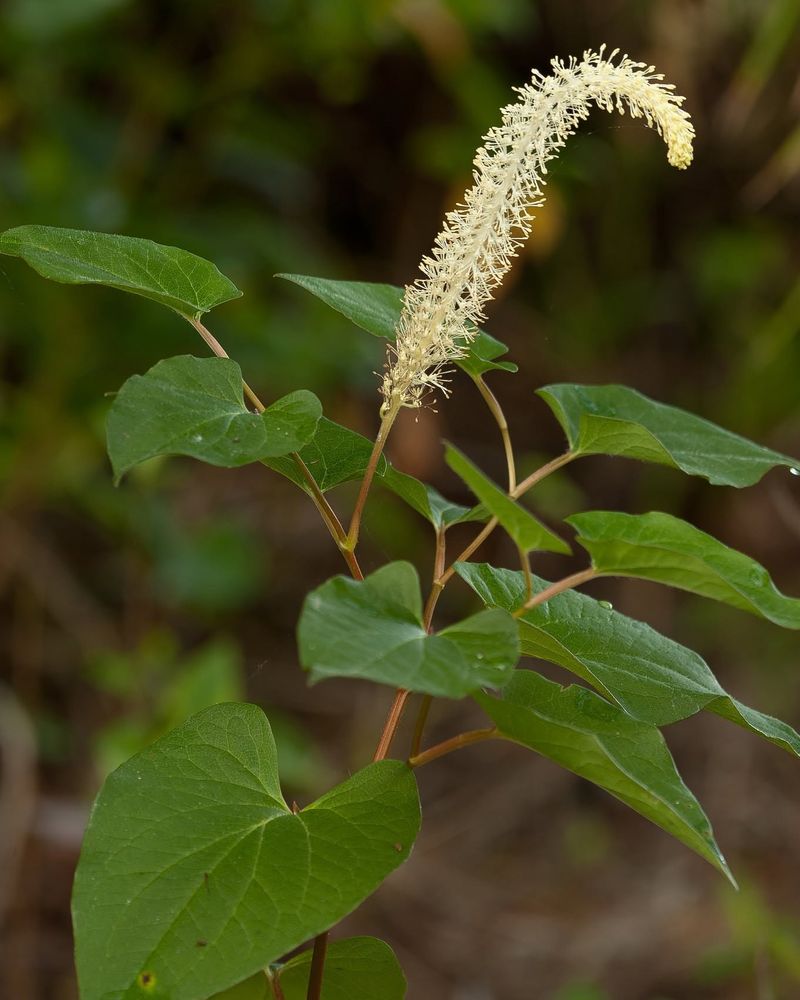
There is a certain kind of quiet, shaded, damp corner in a yard that feels underused and a little forgotten. The soil stays wet, the light is filtered, and most garden plants refuse to cooperate.
Lizard’s tail is a native plant that actually belongs in a spot like that.
Lizard’s tail, Saururus cernuus, is a native wetland plant that UF/IFAS recognizes as suited to moist soil, shallow wet areas, and naturalized water edges. Its white, arching flower spikes have a soft, graceful look that fits naturally into pond borders and shaded wet gardens.
The broad, heart-shaped leaves fill in nicely around water features and along moist naturalized edges where a more formal plant would struggle.
Like several plants on this list, lizard’s tail spreads through underground runners and can form colonies over time.
That spreading habit is actually an asset along a naturalized pond border or a wetland-style garden where a filling, low-maintenance groundcover near water makes sense.
In a tight formal bed or a small contained space, though, that same tendency can become a management challenge. Place it where a colony is welcome.
For dragonflies, layered wet-edge vegetation near water creates a more functional habitat than bare or sparse shoreline. The more structure and cover available near a managed water feature, the more useful that feature becomes for wildlife.
Lizard’s tail adds that layer in shaded, moist settings where other plants fall short. In southern regions, the longer warm season can extend its active growth considerably.
Pair any wet-edge planting with regular standing-water inspections around the full property.
7. Choose Native Swamp Milkweed Instead Of Tropical Milkweed
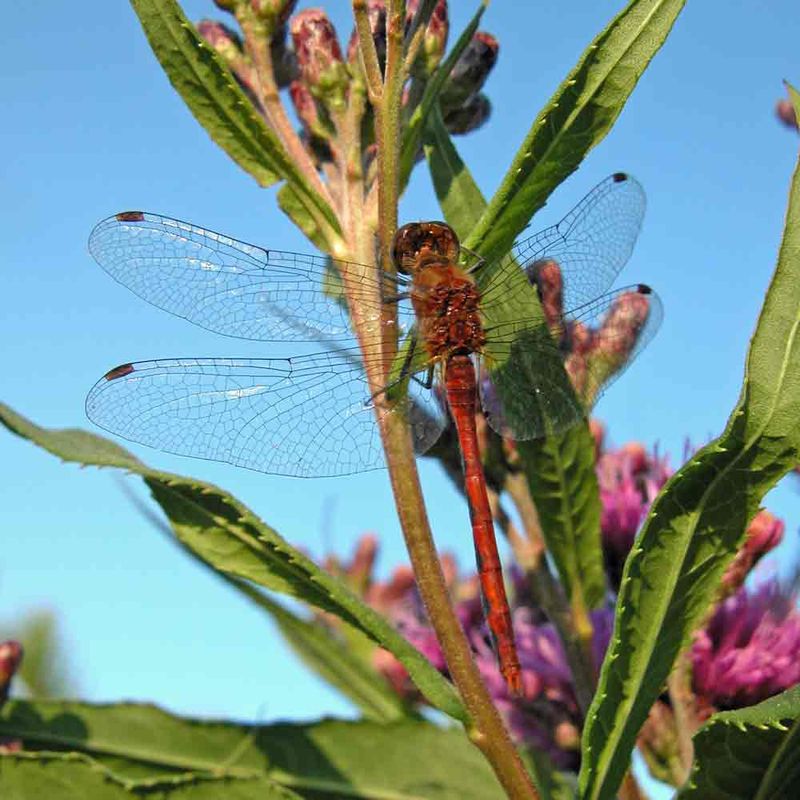
Standing at a nursery display with two plants that look almost identical can lead to a costly mistake, especially when one of them has a documented downside.
That is exactly the situation with swamp milkweed and tropical milkweed, and the difference matters more than most shoppers realize.
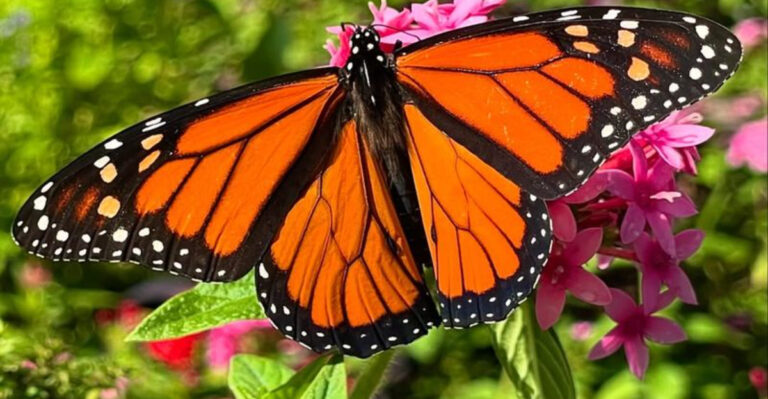
Native swamp milkweed, Asclepias incarnata, is the plant to choose. UF/IFAS does not recommend tropical milkweed because it can create health concerns for monarch butterflies.
It also does not behave the way native milkweeds do in local conditions. Swamp milkweed, by contrast, is native and suited to damp soils, rain gardens, and moist sunny areas where its needs are met by the site rather than by extra irrigation.
Its pink-mauve flower clusters bloom in summer and attract pollinators alongside any dragonflies patrolling nearby.
A yard with layered, diverse native plantings near managed water features supports a healthier overall ecosystem. Dragonflies benefit from that kind of habitat complexity, even if no single plant is responsible for drawing them in.
Swamp milkweed alone does not reduce mosquitoes. Saying so would be misleading.
Real mosquito management still starts with eliminating standing water from every container, gutter, saucer, tarp, tire, birdbath, and bromeliad cup on the property.
In southern regions, warm wet conditions can support mosquito breeding year-round, making consistent source reduction even more critical.
Northern regions may see a shorter active season, but standing-water checks remain important whenever temperatures are warm enough for mosquito activity.