9 Petunia Mistakes That Are Costing You A Full Bloom Season
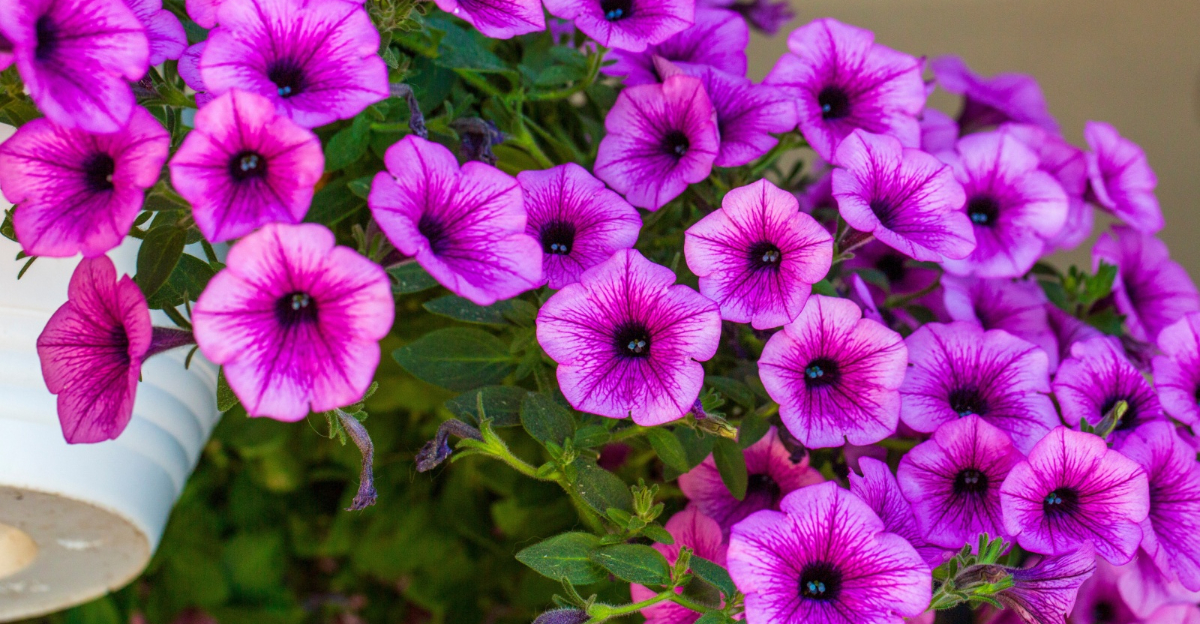
Nobody buys petunias expecting failure. Yet somehow, failure finds most of us anyway. The blooms thin out by July, the stems go wiry and long, and the plant that looked so promising in May turns into something you are quietly embarrassed about by August.
Here is the thing though: petunias are not difficult. They are just specific. They have a short list of needs that look obvious but are easy to get slightly wrong, and slightly wrong is all it takes.
These mistakes show up in gardens everywhere, from first-time balcony growers to people who have been planting petunias for twenty years.
Some of them will surprise you. At least one will explain something that has been bothering you for seasons.
Make the adjustments, and these plants will repay you in ways that make everything you did before look like a warm-up.
1. Skipping Regular Removing Of Spent Flowers
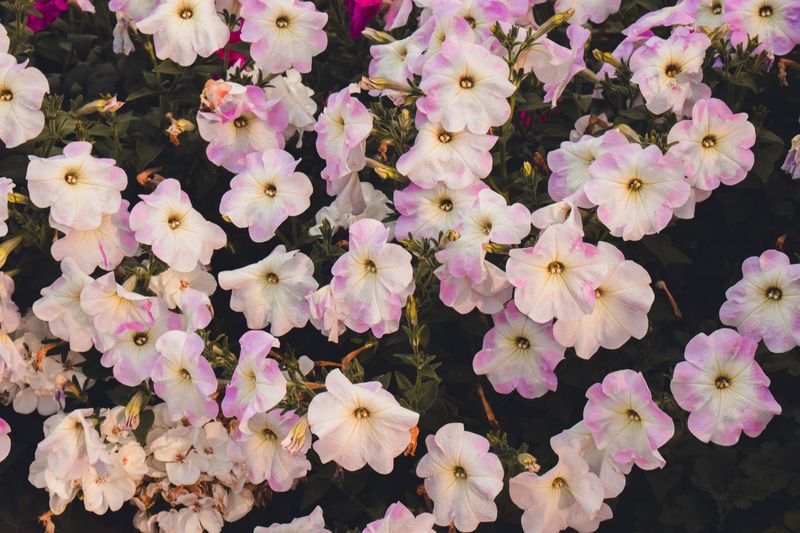
Brown, papery petunia blooms clinging to the vine are not just ugly. They are actually telling the plant to stop producing new flowers.
This means removing spent blooms before they set seed. When a petunia thinks its job is done, it shifts energy away from flowering and into seed production.
That is the last thing you want in the middle of summer. Snipping or pinching off faded flowers tricks the plant into thinking it still needs to bloom.
Make it a habit every two to three days. Grab a pair of small scissors or just use your fingers to pinch right below the old flower head.
It takes five minutes and the payoff is enormous. Petunias that get regular removing can produce significantly more blooms than neglected ones.
You will notice a difference within a week. New buds start forming almost immediately once the old ones are cleared away.
Think of it like clearing out your inbox so new messages can come through. The plant needs that signal to keep going.
Set a reminder on your phone if you have to. Your petunia mistakes shrink fast when removing becomes part of your weekly routine.
2. Overwatering Instead Of Letting Soil Dry Slightly Between Waterings
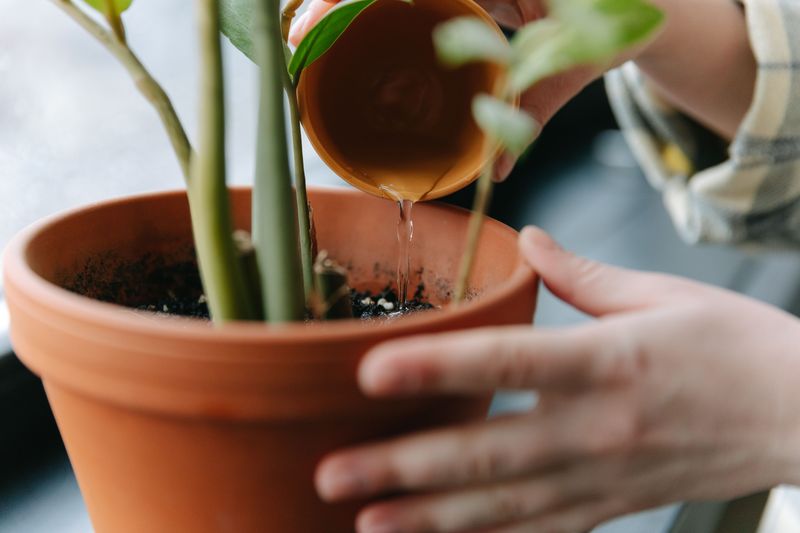
Soggy roots are a common problem that is easy to overlook, even for experienced gardeners. Petunias do not tolerate sitting in wet soil, and overwatering is one of the top reasons they fail.
Most people see a wilting plant and immediately reach for the hose. But wilting can actually mean too much water, not too little.
When roots stay soaked, they cannot absorb oxygen. Without oxygen, they start to rot, and a rotting root system cannot feed the plant above it.
The fix is straightforward: stick your finger about an inch into the soil. If it still feels damp, walk away and check again tomorrow.
Petunias prefer soil that dries out slightly between waterings. That slight dry period keeps roots healthy and actively searching for moisture.
Container petunias dry out faster than those in the ground, so check them more often during heat waves. But still let the top inch dry before adding more water.
Drainage holes in your pots are non-negotiable. If water cannot escape freely, no watering schedule in the world will save the plant.
Breaking the overwatering habit feels counterintuitive at first. Once you do, your petunias will reward you with thicker stems and far more color.
3. Planting In Spots With Less Than 6 Hours Of Sunlight
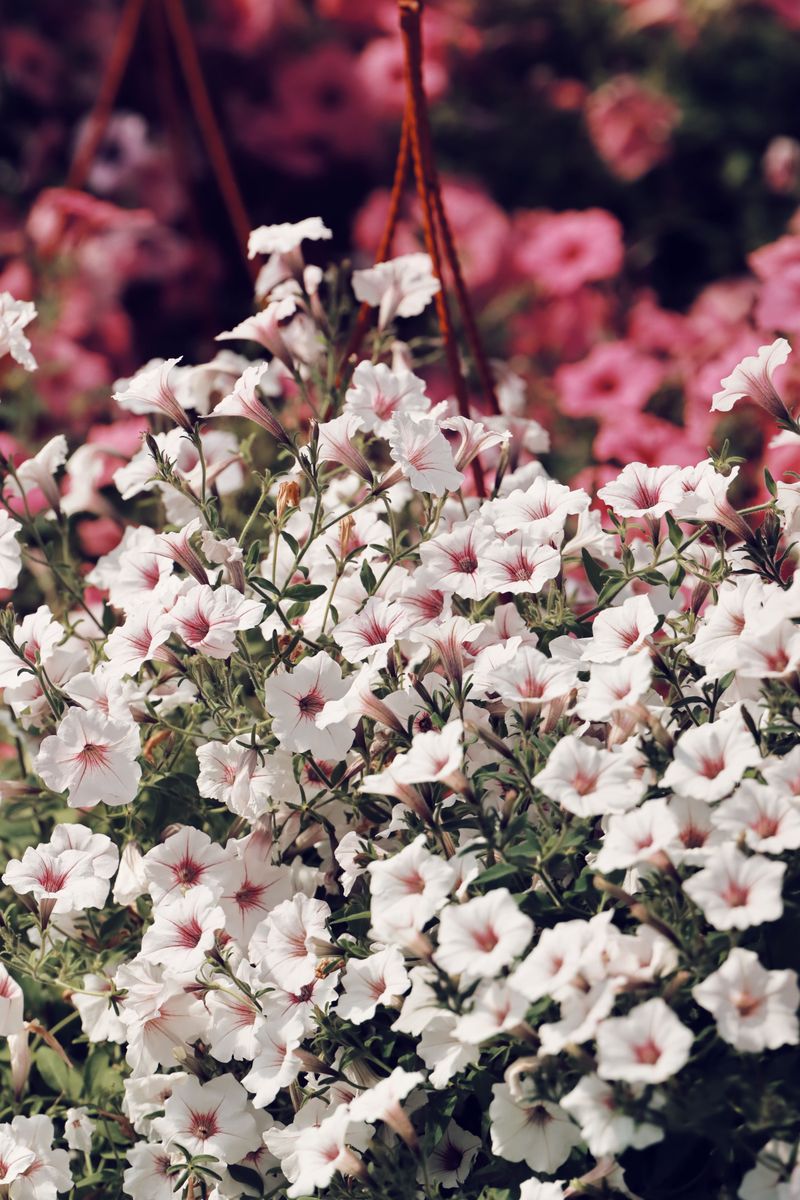
Petunias are sun worshippers, plain and simple. They need at least six full hours of direct sunlight each day to perform the way you are hoping.
Planting them in a shady corner because it looks pretty is one of the most common petunia mistakes gardeners make. Low light leads to long, stringy stems and almost no flowers.
The plant is not being stubborn when it refuses to bloom in shade. It simply does not have enough energy from the sun to fuel flower production.
Before you plant, spend a day watching how sunlight moves across your yard. Count the hours a specific spot actually receives direct sun, not just bright sky.
Six hours is the minimum, but eight or more is where petunias truly shine. South-facing beds and west-facing containers usually offer the best light exposure in the Northern Hemisphere.
If your only sunny spot is a balcony or driveway edge, use containers and move them as needed. Flexibility is a huge advantage when working with light-hungry bloomers.
Partial shade varieties do exist, but even they perform better with more sun. When in doubt, always choose the brighter location.
Giving petunias the light they crave is the single fastest way to go from sparse to spectacular. Sunshine is free, so use every bit of it.
4. Forgetting To Fertilize Every 1 To 2 Weeks
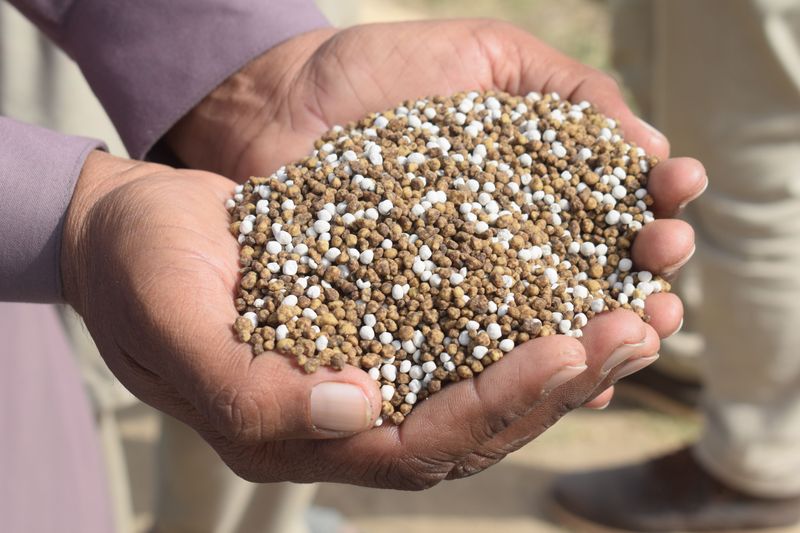
Petunias are heavy feeders, and they will let you know when they are hungry. Pale leaves, fewer blooms, and stunted growth are all signs the plant is running on empty.
Unlike some perennials that can coast on basic soil nutrition, petunias burn through nutrients fast. They bloom so aggressively that they need consistent fuel to keep the show going.
A balanced liquid fertilizer applied every one to two weeks is the standard recommendation. Look for something with equal parts nitrogen, phosphorus, and potassium on the label.
Nitrogen feeds leafy green growth, while phosphorus supports strong root development and flowering. Potassium helps the overall plant stay resilient through heat and stress.
Slow-release granular fertilizers can work too, but they can run out faster than expected during heavy watering seasons. Liquid feeding gives you more control.
Container petunias need even more frequent feeding than in-ground plants. Every time you water a pot, nutrients wash out through the drainage holes.
Skipping even two or three weeks of fertilizing during peak summer can set your blooms back significantly. Consistency matters more than any single application.
Think of fertilizer as the gas in the tank. Without regular fill-ups, even the most enthusiastic petunia eventually sputters out.
5. Crowding Plants Too Close Together
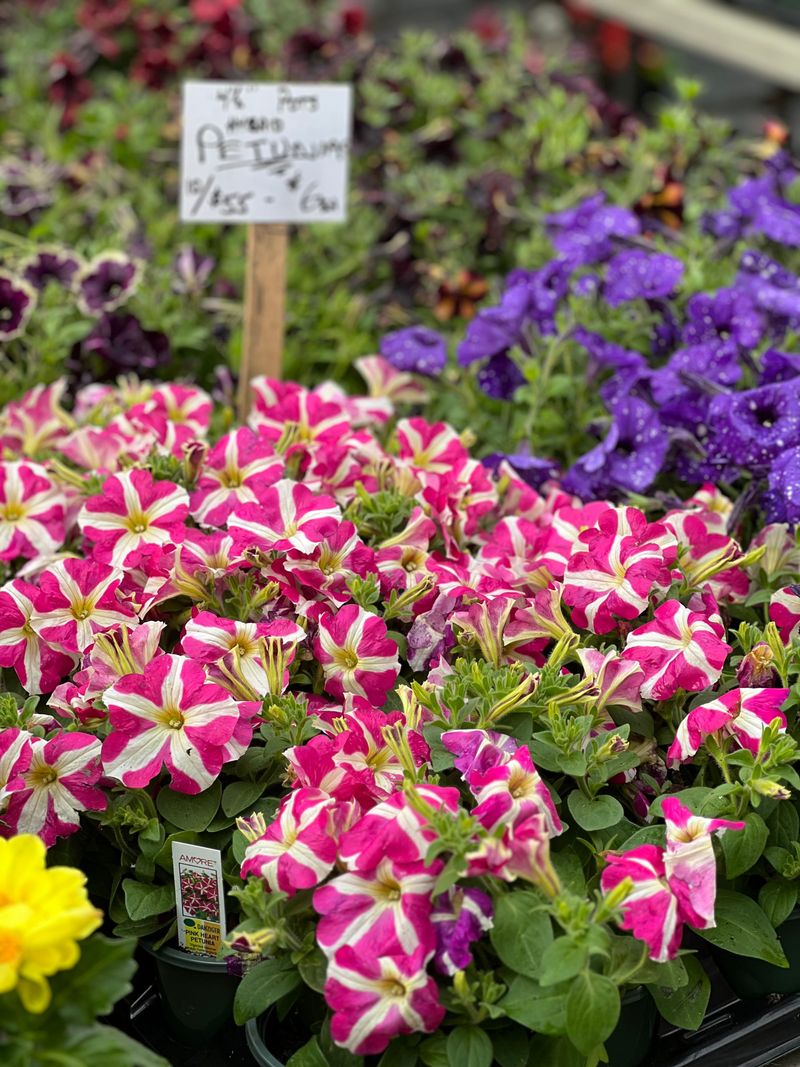
It is tempting to pack a planter full of petunias because more plants should mean more flowers, right? Sadly, the opposite tends to happen when spacing is ignored.
Crowded petunias compete fiercely for water, nutrients, and light. When resources are spread too thin, every plant in the group underperforms.
Poor airflow between crowded stems also creates a humid microclimate. That trapped moisture invites fungal diseases like botrytis and powdery mildew to take hold quickly.
Standard petunias need about twelve inches of space between plants. Spreading and trailing varieties may need even more room to cascade properly.
When you space plants correctly, each one gets full access to sunlight on all sides. That even light exposure leads to bushier, more balanced growth.
Better airflow also means leaves dry out faster after rain or watering. Dry foliage is far less attractive to the mold and fungal spores floating around your garden.
If you already have an overcrowded container, consider thinning a few plants out. It feels wasteful, but the remaining ones will respond with noticeably stronger growth.
Giving each petunia its own space is an act of respect for the plant’s natural growth habit. A little breathing room goes a very long way toward a full, healthy display.
6. Never Pinching Back Leggy Stems To Encourage Bushing
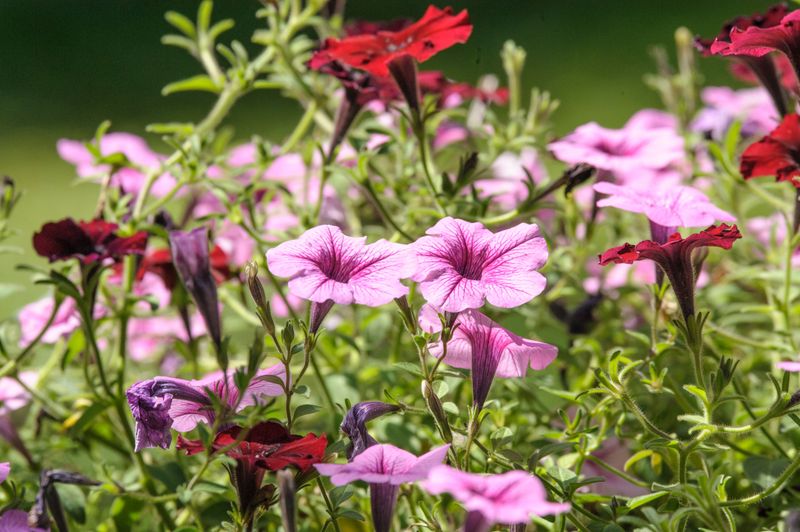
Long, bare stems with a single flower at the tip are a sign the plant is losing density and energy. Pinching back those stems is the remedy, and it works surprisingly well.
Snip or pinch the stem tip just above a leaf node to trigger new side shoots. Each cut you make encourages the plant to branch in two directions instead of one.
Do that a dozen times and suddenly you have a much fuller, bushier plant. Many gardeners hesitate to cut back a plant that is already struggling.
But leaving leggy stems alone only allows the problem to get worse over time. Early in the season is the best time to start pinching, even before the plant gets too stretched.
Getting ahead of legginess prevents a lot of frustration later. Mid-season pinching is also effective, though it temporarily reduces bloom count.
Within two weeks, the new branches fill in and the flower count rebounds strongly. Use clean, sharp scissors to make each cut precise and clean.
Ragged cuts can invite bacteria and slow the plant’s recovery time. Pinching is one of those petunia mistakes you only need to make once. After seeing the results, you will never skip it again.
7. Using Soil That Drains Poorly
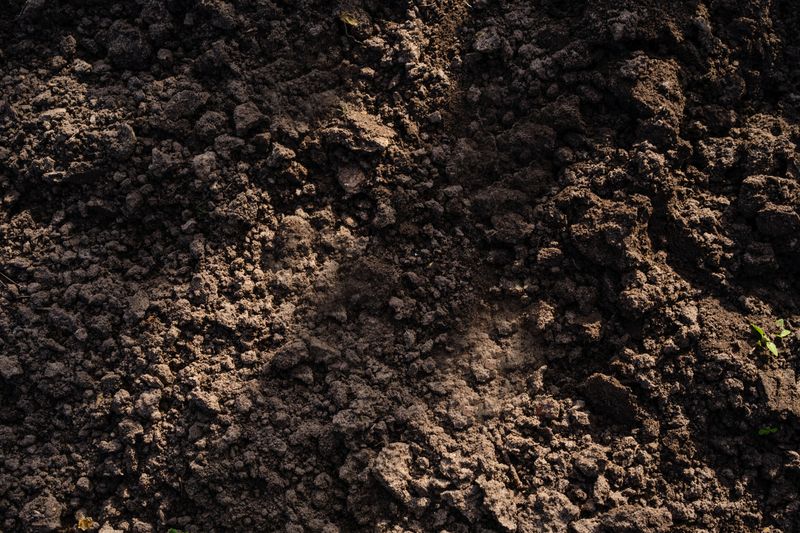
Not all soil is created equal, and petunias are quick to show their displeasure when planted in the wrong kind. Heavy, dense soil that holds water like a sponge is a recipe for root problems.
Garden soil straight from the ground is often too compacted for container planting. It squeezes out the air pockets that roots need to breathe and expand.
A high-quality potting mix designed for containers is the right starting point for most petunia growers. These mixes typically include perlite or vermiculite to keep things loose and airy.
For in-ground beds, amending native soil with compost and coarse sand improves drainage dramatically. Even one good round of soil prep can transform a struggling bed into a productive one.
You can also test your drainage by digging a small hole and filling it with water. If it takes more than an hour to drain, the soil needs improvement before planting.
Raised beds are another smart solution for gardeners dealing with persistently heavy or clay-heavy ground. Filling them with a custom mix gives you total control over soil quality.
Soil quality is one of those foundational factors that affects everything else you do in the garden. Getting it right from the start saves a lot of troubleshooting later.
Well-draining soil is not a luxury for petunias; it is a basic requirement for survival and bloom success.
8. Ignoring Signs Of Aphids And Other Pests
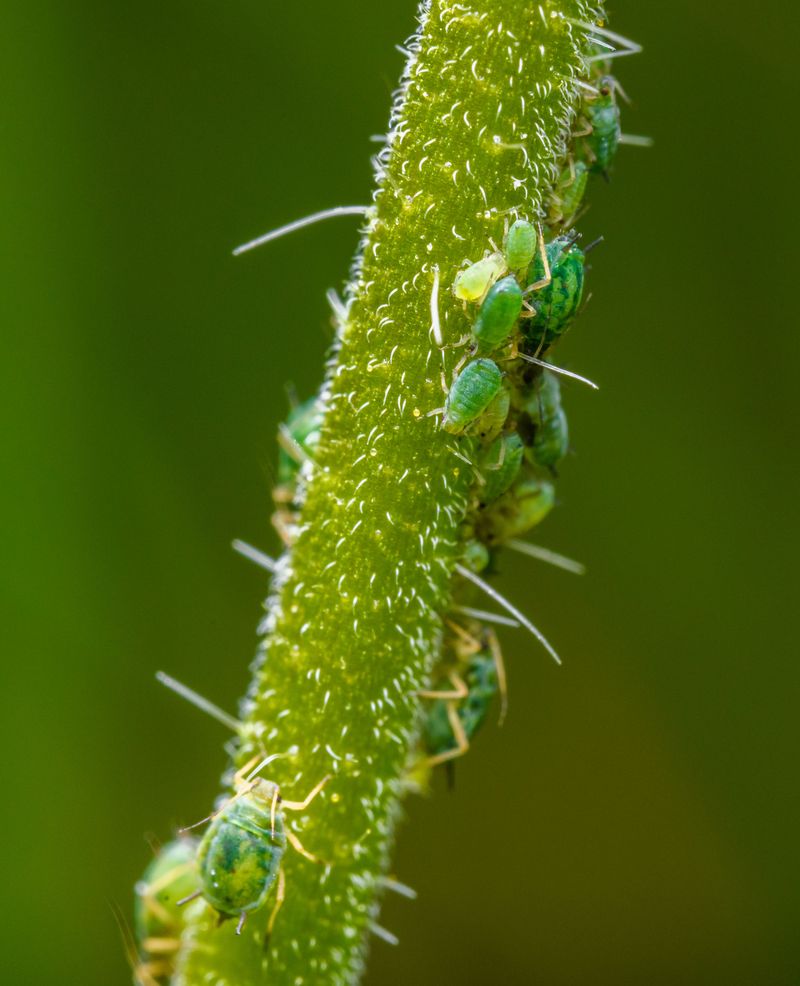
Aphids are sneaky little pests that often go unnoticed until the damage is already done. They cluster on the undersides of leaves and stems, sucking out plant sap and weakening growth.
A light aphid infestation might not look alarming at first glance. But these insects reproduce fast, and a small colony can double in size within just a few days.
Sticky residue on leaves, curled or yellowing foliage, and stunted new growth are classic warning signs. Catching them early makes treatment much simpler and more effective.
A strong blast of water from the hose is often enough to knock aphids off the plant. Repeat every two to three days until the population drops significantly.
Insecticidal soap spray is another reliable option that is safe for most beneficial insects when applied carefully. Coat the undersides of leaves where pests tend to hide.
Thrips, spider mites, and budworms also target petunias, especially during hot dry spells. Each pest leaves slightly different damage, so take a close look before choosing a treatment.
Encouraging natural predators like ladybugs and lacewings helps keep pest populations in check naturally. Planting companion flowers nearby can attract these helpful garden allies.
Ignoring early pest signs is one of the easiest petunia mistakes to avoid with a simple weekly check. A quick weekly inspection keeps small problems from becoming big ones.
9. Transplanting During The Hottest Part Of The Day
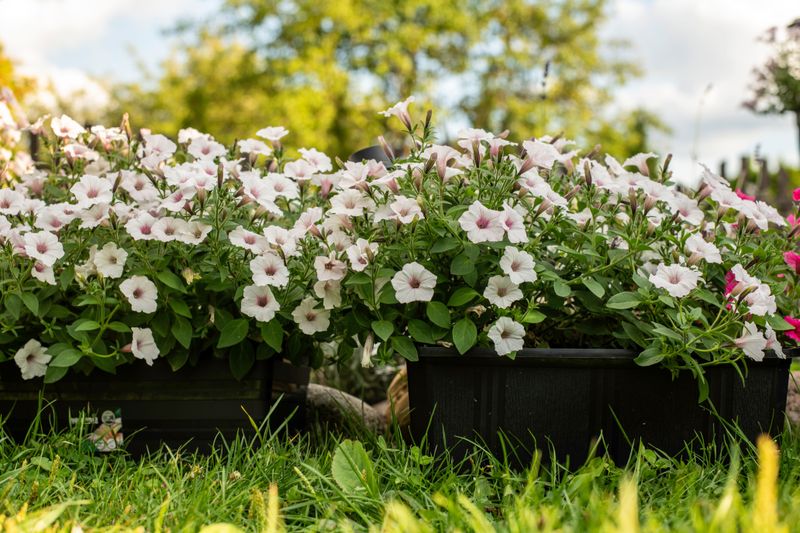
Transplanting petunias under a blazing noon sun is a shock the plant rarely handles gracefully. Heat stress during transplanting can set a seedling back by weeks or more.
The roots are already disturbed from being moved, and then hot sun hits the leaves before the plant can draw up enough water. That combination leads to wilting, leaf scorch, and slow recovery.
Early morning is the best window for transplanting, ideally before nine in the morning. Cooler temperatures and higher humidity help the plant settle in without extra stress.
Late afternoon, after the worst heat has passed, is another solid option. Soil temperatures drop as the sun lowers, and plants have overnight hours to stabilize.
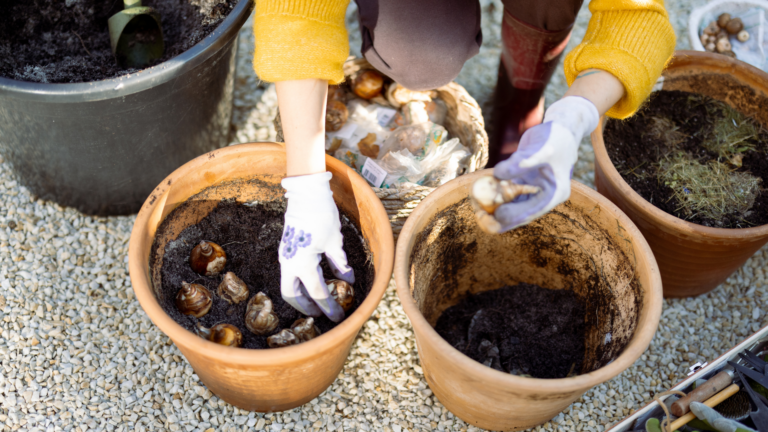
Water the transplant in thoroughly right after planting, no matter what time of day you choose. Moist soil helps roots make contact with surrounding particles and begin absorbing nutrients.
Shading new transplants for the first two or three days with a cloth or container also helps. That temporary protection reduces moisture loss while roots get established.
Avoid transplanting on days when temperatures are forecast to exceed ninety degrees. Even morning planting on extreme heat days can be tough on young plants.
Timing your transplanting wisely is one of the simplest petunia mistakes to avoid. A little patience at planting time pays off with stronger, faster-establishing plants all season long.