7 Texas Flowers You Can Plant Once And Enjoy For Weeks
Texas summers are no joke.
The sun blazes, the ground bakes, and most plants wave a white flag by July. Gardeners who chose the wrong flowers spend half the summer replacing what the heat finished off and wondering why they bothered.
The right flowers change everything.
Texas has a lineup of heat-tolerant bloomers that do not just survive the summer, they perform through it.
Some of them flower for weeks without stopping. Others attract hummingbirds and butterflies while everything else in the neighborhood looks tired and scorched.
The trick is knowing which ones actually belong in Texas conditions rather than which ones looked promising on a nursery tag.
These seven flowers have proven themselves across Texas gardens in real heat, real drought, and real summer humidity.
They come back reliably, reward consistent care with long bloom seasons, and make the kind of visual impact that turns a struggling summer yard into something genuinely worth stepping outside to see.
Ready to stop replacing plants every August?
1. Zinnias Bloom From Spring Through Fall
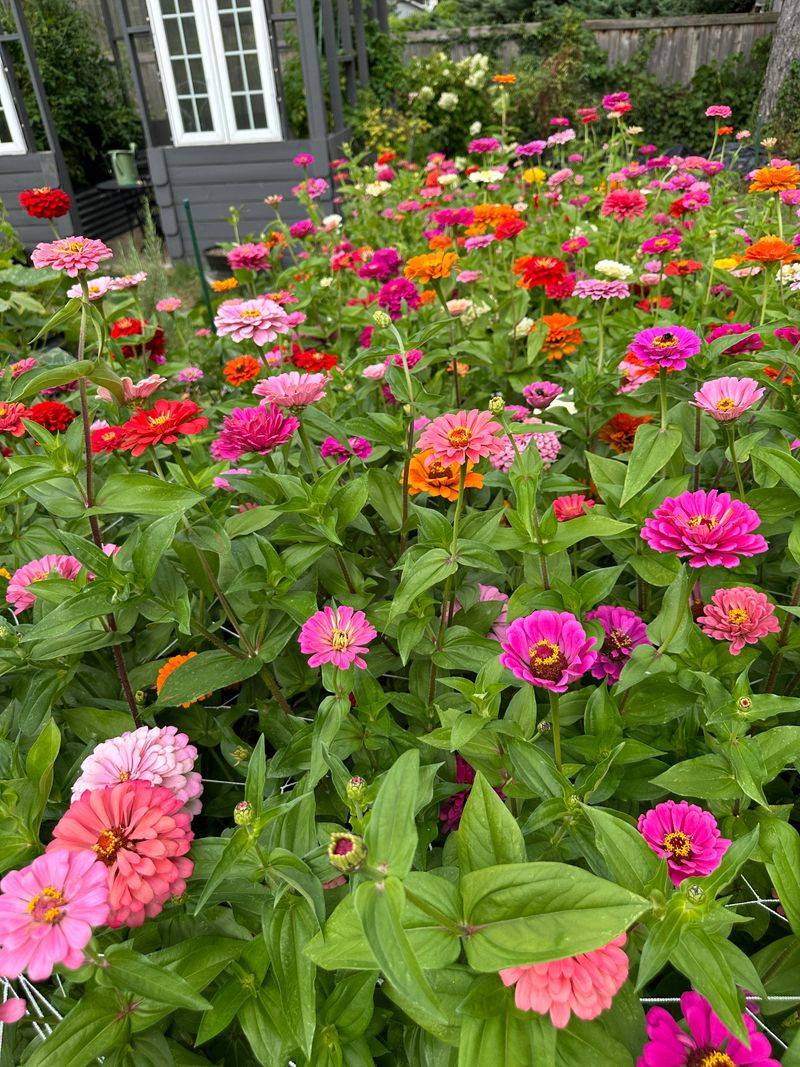
Out of every annual you could plant in Texas, zinnias earn their keep without asking for much in return.
Native to Mexico and Central America, they have been thriving in hot, dry climates for centuries. Texas gardeners have been counting on them ever since they arrived in American gardens in the 1800s.
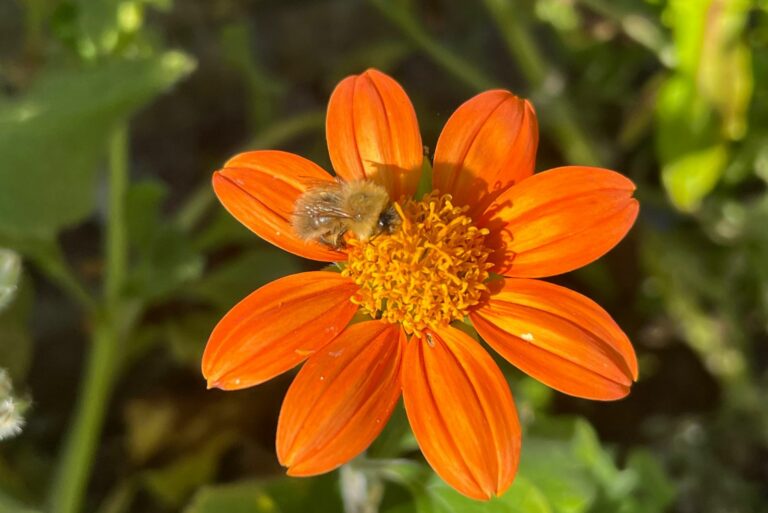
Zinnia elegans comes in single, semi-double, and double-bloom forms. Colors range from white and pale yellow all the way to deep red, hot pink, and electric orange. Some varieties grow only a foot tall, while others shoot up to three feet or more.
What makes zinnias such a smart first choice is their flexibility.
Direct sow seeds straight into your garden bed, or buy transplants if you want a head start. Seeds sprout fast, often within five to seven days under the right conditions.
Zinnias are one of the few annuals that genuinely thrive in intense Texas heat rather than struggling through it.
Most cool-season flowers tap out when temperatures climb past 90 degrees. Zinnias just keep producing.
The more you cut them, the more they bloom. That built-in reward system makes them one of the most satisfying flowers a Texas gardener can grow, especially when everything else in the bed is starting to look worn out by midsummer.
2. Turk’s Cap Flowers Through The Hottest Months
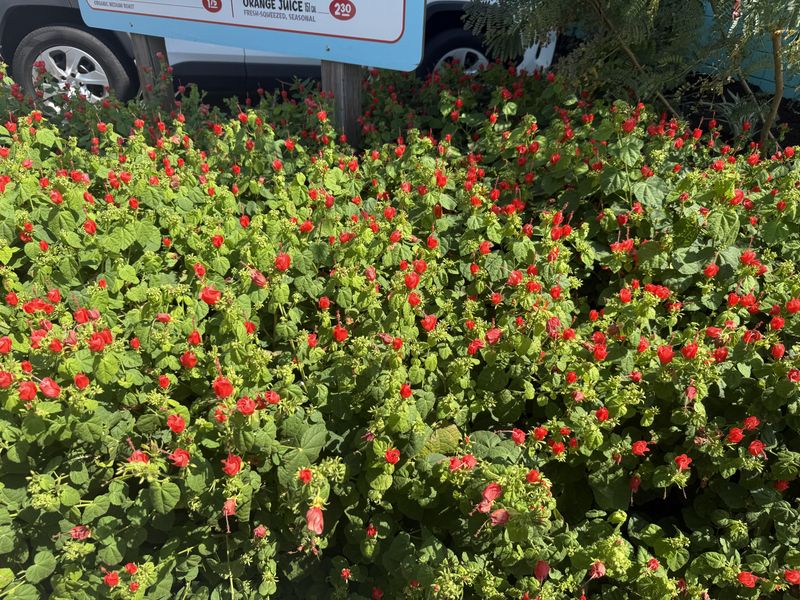
Most red-flowering plants tap out when Texas summers peak. Turk’s Cap does not even flinch.
This native Texas perennial produces its distinctive twisted red blooms from late spring through the first frost, which in many parts of Texas means months of continuous color without a break.
Turk’s Cap, known scientifically as Malvaviscus arboreus, handles partial shade to full shade as easily as it handles full sun.
That flexibility makes it one of the most useful flowering plants available to Texas gardeners dealing with difficult spots under trees or along north-facing fence lines.
It tolerates poor soil, clay, and rocky ground without complaint.
Once established, it needs almost no supplemental water, which becomes a significant advantage when summer temperatures push past 100 degrees for weeks at a stretch.
Your Texas Garden Changes Every Week. Your Plan Should Too.
Gardening in Texas changes quickly throughout the season. Every Friday you’ll receive a simple weekly plan showing exactly what to plant, prune, fertilize, harvest, and protect so you never miss the right timing.
Hummingbirds and butterflies are strongly attracted to the blooms.
The small red fruits that follow are edible and attract birds through winter, which means the plant earns its space across multiple seasons rather than just one.
Plants typically grow three to six feet tall and wide.
Cut them back hard in late winter and they bounce back fresh and green by spring.
For Texas gardeners looking for a reliable native perennial that handles heat, shade, poor soil, and drought while still producing months of blooms, Turk’s Cap is one of the strongest options available in the state.
3. Black-Eyed Susans Return Every Summer
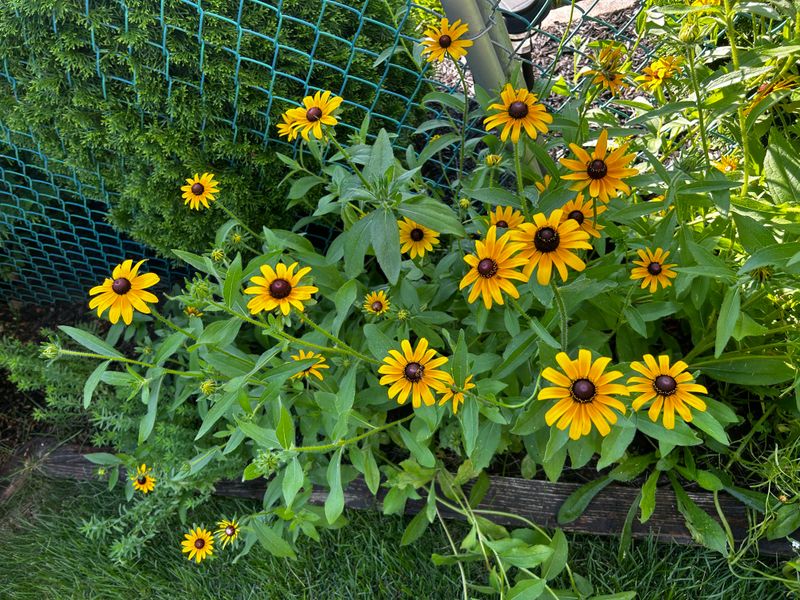
Black-eyed Susans are the definition of a dependable Texas garden plant.
Rudbeckia hirta produces golden yellow petals surrounding a dark brown center that makes each flower look almost like a small sunflower, and it does this reliably across a wide range of Texas growing conditions without requiring intensive care.
The plants grow one to three feet tall and bloom from early summer through fall, providing a long season of warm color that holds up through heat, occasional drought, and the kind of sporadic summer rains that Texas delivers unpredictably.
Black-eyed Susans thrive in full sun with well-drained soil.
They handle lean, rocky, or sandy conditions better than many ornamental plants because they evolved in open meadows and roadsides where soil fertility is not particularly high.
Heavy, amended garden soil is not necessary and can actually produce floppy, overgrown plants that bloom less prolifically than those grown in leaner conditions.
Native bees, butterflies, and beneficial insects visit the blooms consistently throughout the season.
Leaving the seed heads standing after bloom provides winter food for goldfinches and other small seed-eating birds.
The short-lived perennial nature of Rudbeckia means plants often self-seed reliably, creating new plants each season without requiring replanting.
A well-established stand of black-eyed Susans essentially maintains itself, filling in gaps and expanding gradually into a drift of summer color that looks completely natural and effortlessly maintained.
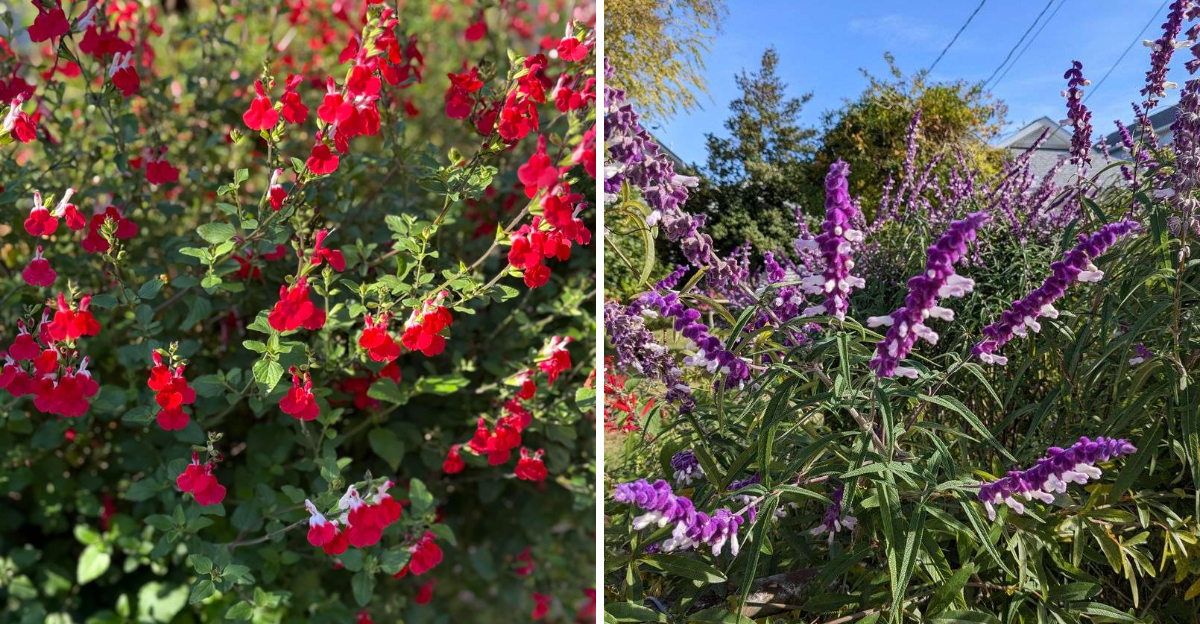
4. Salvia Greggii Blooms Without Stopping
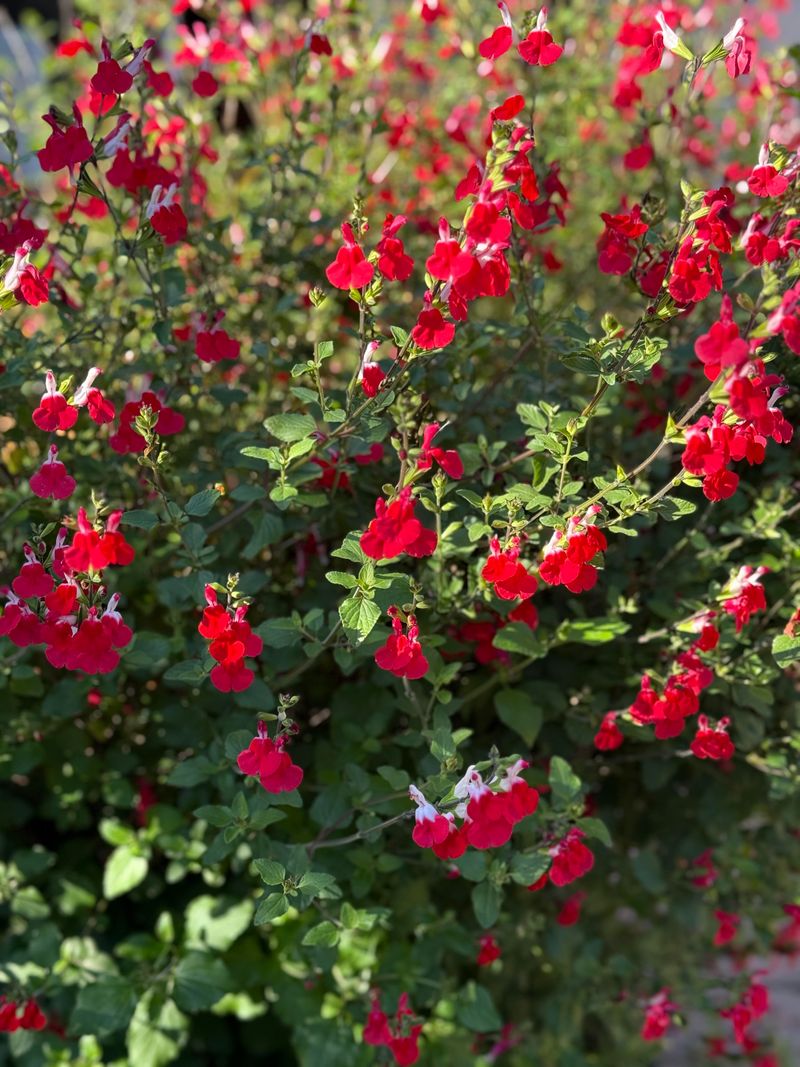
Few plants match the consistency of Salvia greggii in a Texas summer garden.
This native Texas sage produces tubular flowers in red, pink, coral, and white from spring through fall with a reliability that most other flowering plants simply cannot match across the full range of Texas heat conditions.
Salvia greggii grows naturally in the rocky limestone soils of the Texas Hill Country, which tells you everything you need to know about its toughness.
It handles drought, poor drainage, alkaline soil, and intense afternoon sun without significant stress. Once established, it survives on rainfall alone in most parts of Texas, making it genuinely low maintenance after the first growing season.
Hummingbirds are strongly attracted to the tubular blooms.
Native bees also visit regularly, and the plant supports beneficial insect populations throughout its long bloom season.
Plants typically reach two to three feet tall and wide.
Cutting them back by about a third in midsummer after the first heavy flush of blooms encourages a fresh round of growth and a second strong bloom period in fall.
The combination of native origin, hummingbird value, drought tolerance, and continuous color across multiple seasons makes Salvia greggii one of the highest-performing flowering plants available to Texas gardeners at any budget level.
5. Lantana Covers Ground With Nonstop Color
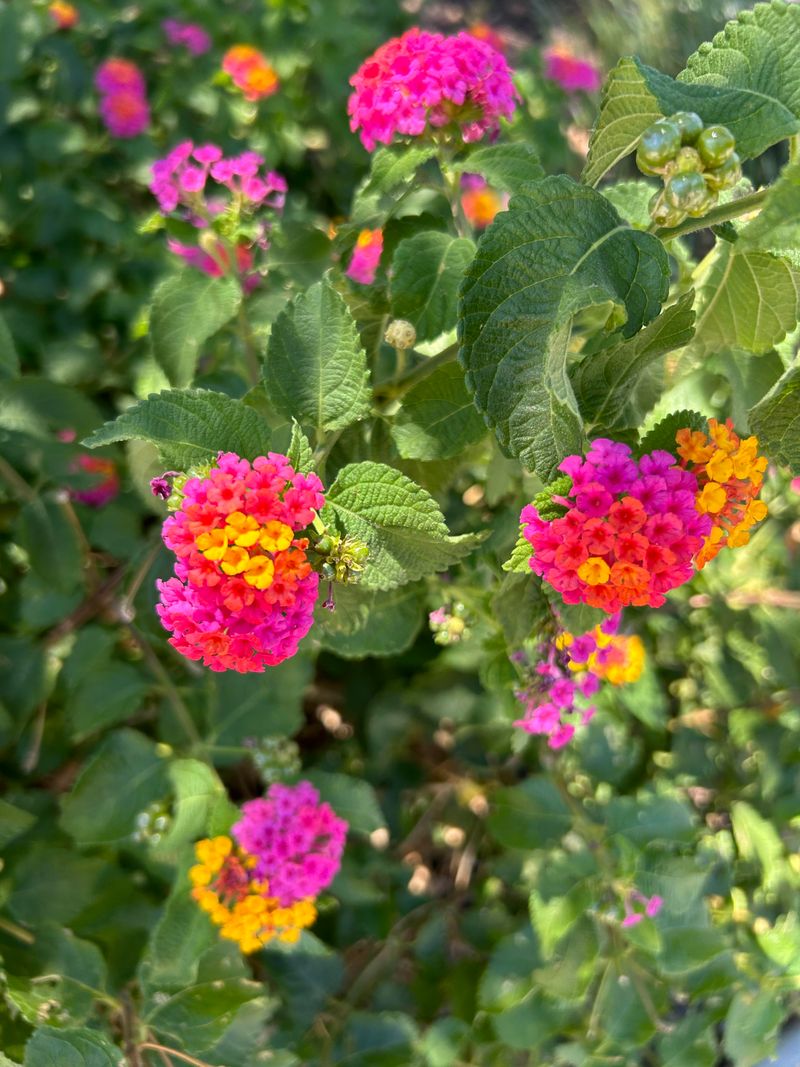
Lantana is everywhere in Texas for a simple reason: it works.
This heat-loving, drought-tolerant plant produces dense clusters of small flowers in combinations of yellow, orange, red, pink, and white from late spring through the first frost, and it does so with almost no encouragement from the gardener.
For Texas gardens specifically, the native Lantana involucrata is the most ecologically appropriate choice.
It supports pollinators and hummingbirds without the invasive spread concerns associated with some non-native lantana species.
If purchasing from a nursery, asking specifically for the native species or a confirmed sterile cultivar ensures you are getting the ecological benefits without contributing to spread into natural areas.
Lantana thrives in full sun with well-drained soil and handles the kind of extended dry periods that Texas summers regularly produce.
Established plants can go weeks without supplemental irrigation and still maintain active bloom production. That drought resilience is one of the primary reasons it performs so consistently when other flowering plants are struggling.
Butterflies, particularly monarchs and swallowtails, visit lantana blooms heavily during migration periods.
The combination of long bloom season, butterfly value, heat tolerance, and low maintenance makes lantana a practical anchor plant for any Texas summer garden.
Cutting plants back by about half in midsummer refreshes the foliage and encourages a strong second flush of blooms heading into fall.
6. Coneflowers Feed Pollinators All Season
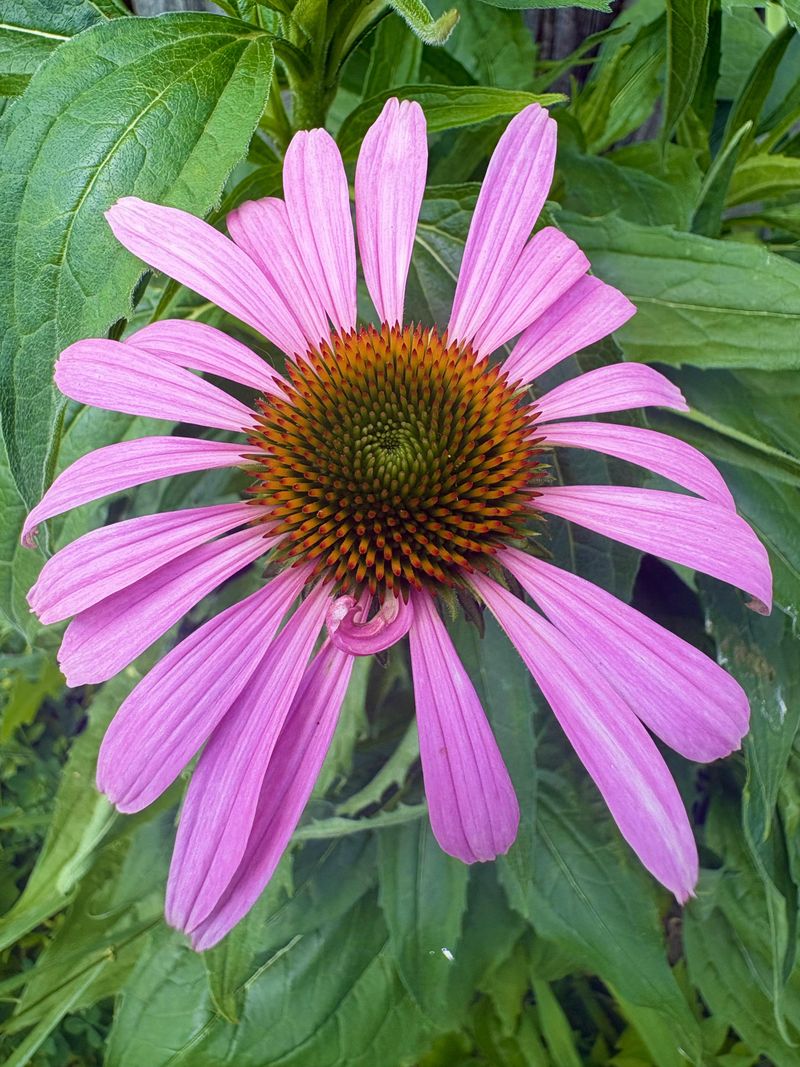
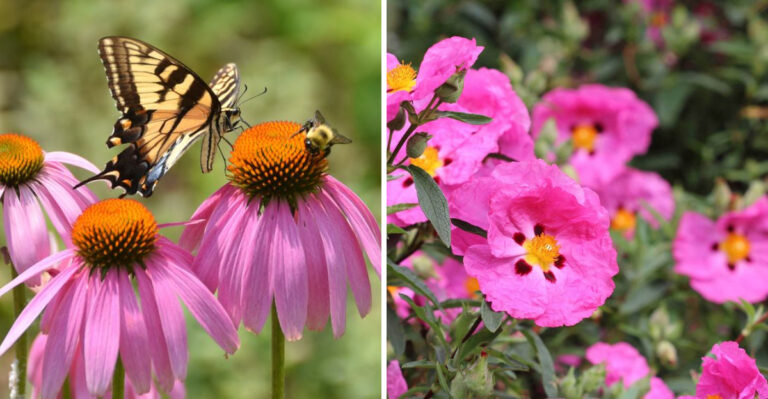
Purple coneflower, Echinacea purpurea, belongs in almost every Texas garden that has room for a perennial.
It produces distinctive pink-purple petals surrounding a raised, spiky orange-brown center that gives each bloom a bold, architectural quality unlike most other garden flowers.
Plants bloom from early summer into fall, returning reliably each year from an established root system that deepens and strengthens over time.
Coneflowers thrive in full sun with well-drained soil.
They tolerate Texas heat and periodic drought reasonably well once established, though they perform best with occasional deep watering during extended dry stretches.
Rich, heavily amended soil is not necessary and can produce overly tall, floppy plants that require staking.
Native bee species, bumblebees, and butterflies visit coneflower blooms consistently throughout the bloom season.
The raised center of the flower provides stable footing for larger bees, which makes coneflowers particularly accessible to a wide range of pollinator species compared to flowers with more complex structures.
Leaving seed heads standing after bloom is one of the best decisions a Texas gardener can make.
Goldfinches are strongly attracted to the seeds and will work through a stand of dried coneflower heads repeatedly through fall and winter, providing ongoing wildlife activity long after the blooming season has ended.
Dividing established clumps every three to four years keeps plants vigorous and blooming at full capacity.
7. Mexican Bush Sage Peaks In Late Summer
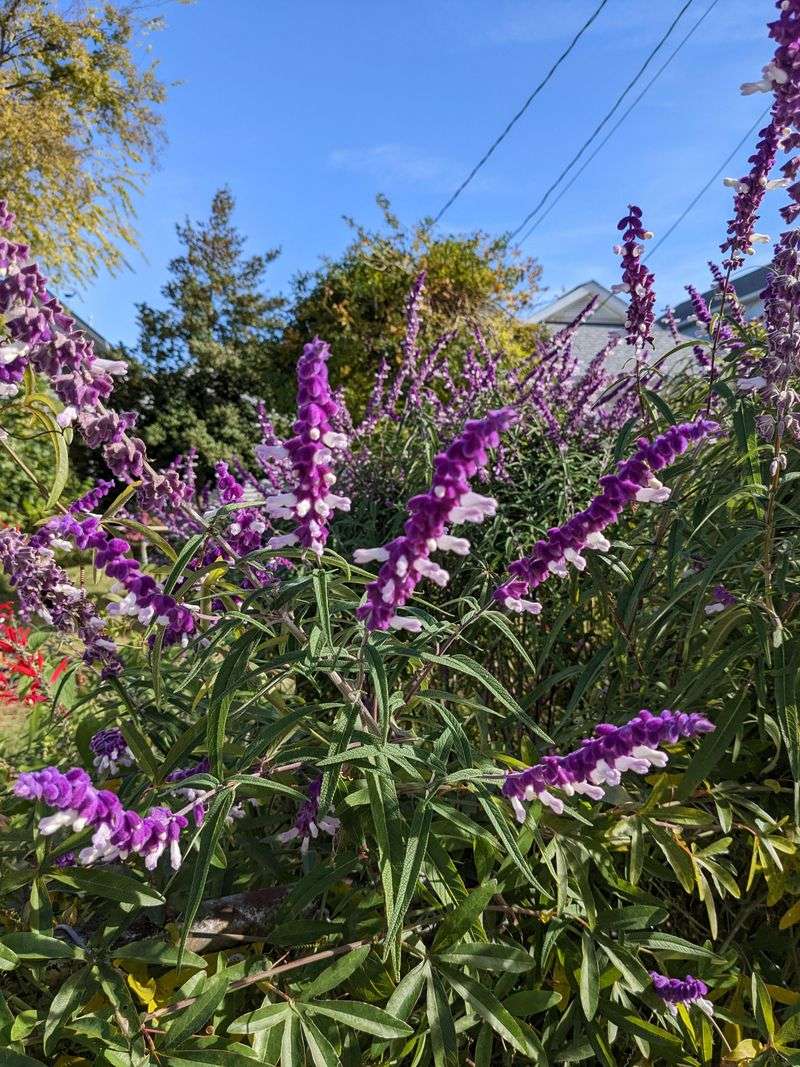
Most Texas gardens start looking tired by August. Mexican bush sage looks better in August than it did in June.
Salvia leucantha is a large, dramatic perennial that saves its best performance for late summer and fall. It produces long, velvety purple flower spikes that rise above silvery-green foliage in a combination that photographs beautifully and looks even better in person.
Plants typically grow three to four feet tall and equally wide, making them a genuine presence in any garden bed.
They bloom most heavily from August through the first frost, which fills the seasonal gap when most other flowering perennials are winding down.
That late-season peak is one of the most valuable qualities a Texas garden plant can have.
Mexican bush sage thrives in full sun with well-drained soil.
It handles drought well once established and tolerates the intense afternoon heat of Texas summers without stress. Alkaline and rocky soils common across central and west Texas suit it well.
Hummingbirds visit the blooms heavily during fall migration, making this plant a genuine wildlife asset during one of the most active migration periods of the year in Texas.
Cutting plants back to about six inches in late winter encourages vigorous new growth and the strongest possible bloom display the following season.
For Texas gardeners who want a reliable late-season anchor that delivers drama when the rest of the garden is fading, Mexican bush sage earns its spot every single year.