These Texas Blooming Plants Love Baking Soda
It sounds a little odd at first, but some of the most useful garden tips are the ones that make you stop and say, wait, really? Baking soda falls into that category.
Most people think of it as something for cookies, cleaning, or freshening up the fridge, not as a helper for blooming plants in a Texas garden.
Still, gardeners have been using it in simple ways for years, and certain flowering plants seem to respond especially well when it is used properly.
Part of the appeal is how easy it is. You do not need anything fancy, expensive, or hard to find.
In a place like Texas, where heat, humidity, and plant stress can all pile up fast, practical little tricks have a way of getting people’s attention. Of course, baking soda is not some cure-all, and using too much can do more harm than good.
The value comes from knowing which blooming plants may benefit and why gardeners keep reaching for that familiar orange box.
For anyone who enjoys smart, budget-friendly garden ideas, this is one of those surprising tips that is worth a closer look.
1. Geraniums Benefit From Mild Alkalinity
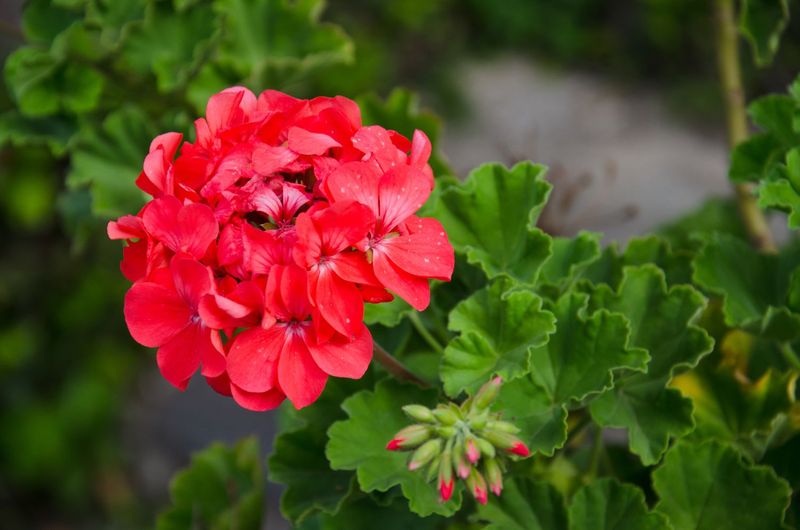
Geraniums are one of those flowers that seem to reward every bit of care you give them. In Texas, where summers stretch long and hot, these cheerful bloomers can really shine when their soil conditions are just right.
Baking soda helps create that slightly alkaline environment that geraniums absolutely love, and the results are hard to miss.
When the soil pH sits between 6.0 and 7.0, geraniums tend to push out more blooms and grow with noticeably stronger stems. Baking soda nudges the pH in the right direction without harsh chemicals.
Texas gardeners in areas like San Antonio and Austin have found that applying a diluted baking soda solution once a month keeps their geraniums looking full and vibrant all season long.
Mix one tablespoon of baking soda into two quarts of water and pour it gently around the base of your geraniums. Avoid soaking the leaves, because too much moisture on the foliage can invite problems.
Doing this regularly through the growing season gives the plant a steady, mild boost that supports healthy root function and flower development.
Baking soda also has a bonus effect for geraniums: it helps ward off powdery mildew, a common fungal issue in Texas gardens during humid months. Spraying a light mist of the solution on leaves can keep that white powdery coating from taking hold.
Healthy geraniums in Texas can bloom from spring all the way through fall with proper care and the right soil balance.
2. Calendula Grows Stronger With A Little Help
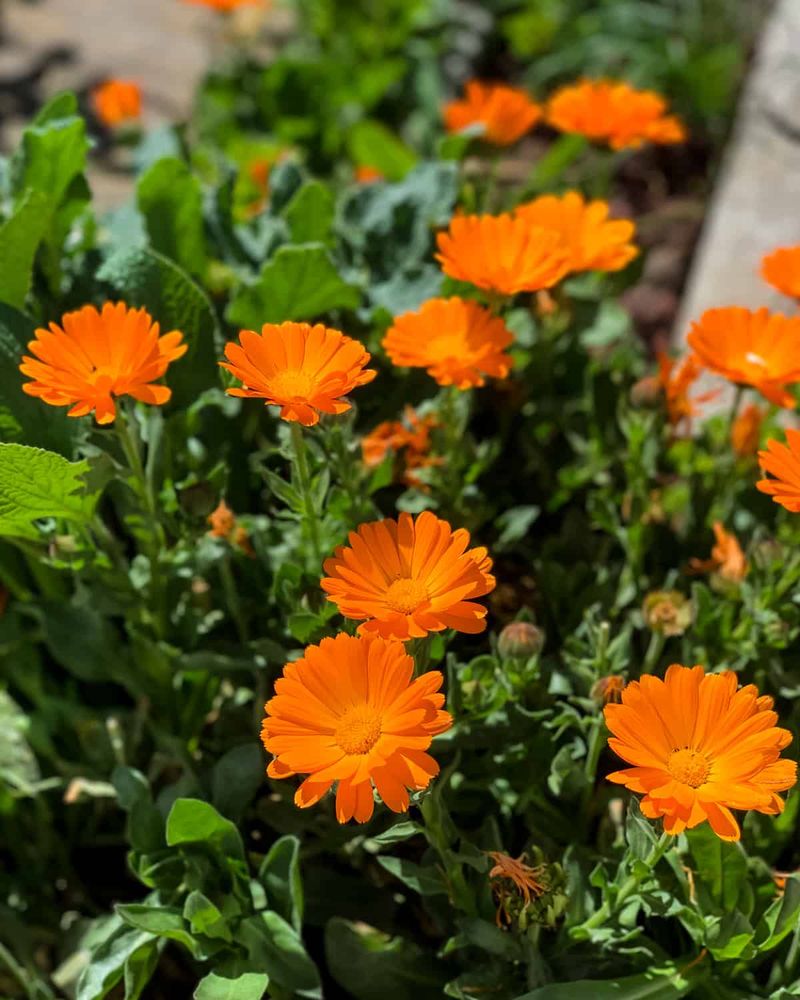
Calendula has been used in gardens for centuries, and it is easy to see why. Its bold orange and yellow blooms bring a burst of color to any Texas yard, and it is surprisingly tough for such a cheerful-looking flower.
What many gardeners do not realize is that baking soda can take calendula from good to great.
Your Texas Garden Changes Every Week. Your Plan Should Too.
Gardening in Texas changes quickly throughout the season. Every Friday you’ll receive a simple weekly plan showing exactly what to plant, prune, fertilize, harvest, and protect so you never miss the right timing.
Calendula prefers soil that leans slightly alkaline, which makes baking soda a natural match. In Texas, where heavy clay soils or overly acidic conditions can slow plant growth, a monthly baking soda treatment helps balance things out.
The result is a plant that stands taller, resists stress better, and puts out blooms that are richer in color and longer-lasting.
One of the standout benefits is improved resistance to fungal diseases. Texas humidity, especially in coastal areas like Houston and Corpus Christi, can make plants vulnerable to mold and mildew.
Calendula treated with a light baking soda spray tends to hold up much better against these common threats. Think of it as a gentle shield for your flowers.
To apply, mix one tablespoon of baking soda in a gallon of water and use it as a foliar spray or a soil drench every three to four weeks. Do not overdo it, because too much sodium can build up in the soil over time.
Test your soil pH first, then adjust your routine based on what the results show. Calendula in Texas can bloom from fall through early spring in many regions.
3. Petunias Produce Vibrant Flowers With Balanced PH
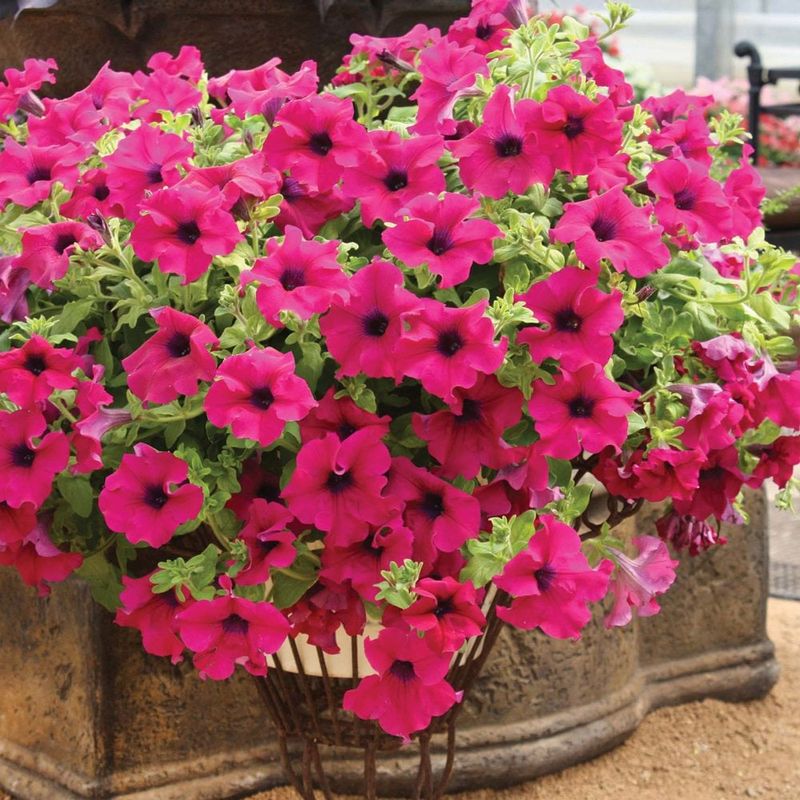
Walk through any Texas neighborhood in the spring, and chances are you will spot petunias spilling out of pots, window boxes, and flower beds. They are a Texas gardening staple for good reason.
Petunias are bold, fast-growing, and absolutely stunning when they are happy. Balanced soil pH is one of the biggest keys to keeping them that way.
Petunias thrive in a pH range of about 6.0 to 7.0. When soil becomes too acidic, the flowers can turn pale, growth slows down, and the plant just looks tired.
Baking soda gently corrects that imbalance. Texas gardeners who apply a diluted baking soda solution once a month often notice their petunias developing deeper, more saturated colors and producing more blooms per plant.
The antifungal benefit matters here too. Petunias are prone to botrytis blight and powdery mildew, both of which thrive in warm, humid Texas conditions.
A light baking soda spray applied to the foliage acts as a preventive measure, helping keep the leaves clean and the plant energized. Prevention is always easier than trying to fix a problem after it has already spread.
For best results, mix one tablespoon of baking soda with a gallon of water and apply it to the soil around your petunias every three to four weeks. You can also lightly mist the leaves during the early morning so the plant dries out before temperatures peak.
Petunias in Texas love full sun, regular watering, and that little pH boost that baking soda provides throughout the growing season.
4. Clematis Thrives When You Know The Secret
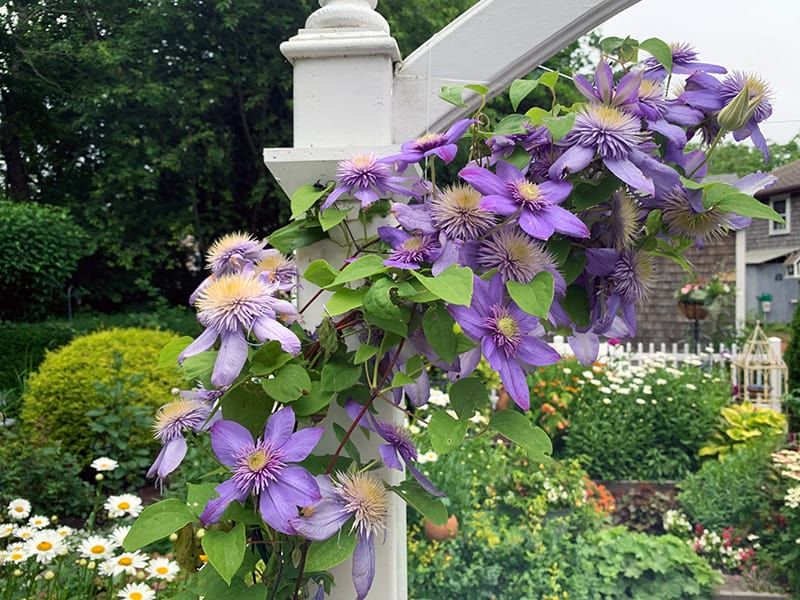
Clematis is one of the most dramatic flowering vines you can grow in Texas. Those big, star-shaped blooms in shades of purple, pink, and white climbing up a fence or trellis are genuinely breathtaking.
But clematis can be a little particular about its growing conditions, and soil pH plays a huge role in how well it performs.
Clematis strongly prefers slightly alkaline soil, ideally in the 7.0 range. In Texas, where soil types vary widely from the sandy soils of East Texas to the limestone-rich ground of the Hill Country, pH levels can be unpredictable.
Baking soda is a simple and affordable way to keep the soil conditions where clematis wants them to be, supporting both root health and flower production.
Apply a baking soda solution around the base of your clematis once a month during the growing season. Mix one tablespoon of baking soda into a gallon of water and pour it slowly around the root zone.
Avoid getting the solution on the stems or leaves in large amounts. The goal is to feed the roots a stable, slightly alkaline environment where the plant can focus its energy on climbing and blooming.
Fungal diseases like powdery mildew can also affect clematis, especially during Texas summers when nighttime humidity stays high. Lightly spraying the foliage with a diluted baking soda solution can help prevent those issues before they start.
Pair this practice with proper pruning and support, and your clematis will reward you with stunning blooms from spring into early summer across Texas gardens.
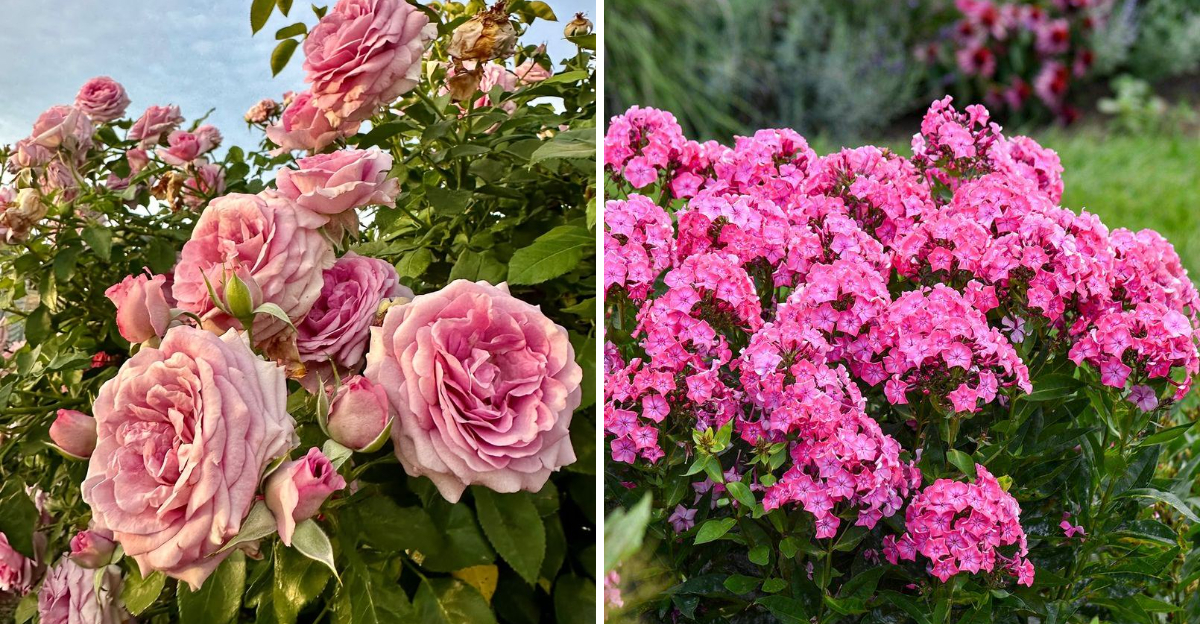
5. Roses Bloom More Abundantly Across Texas
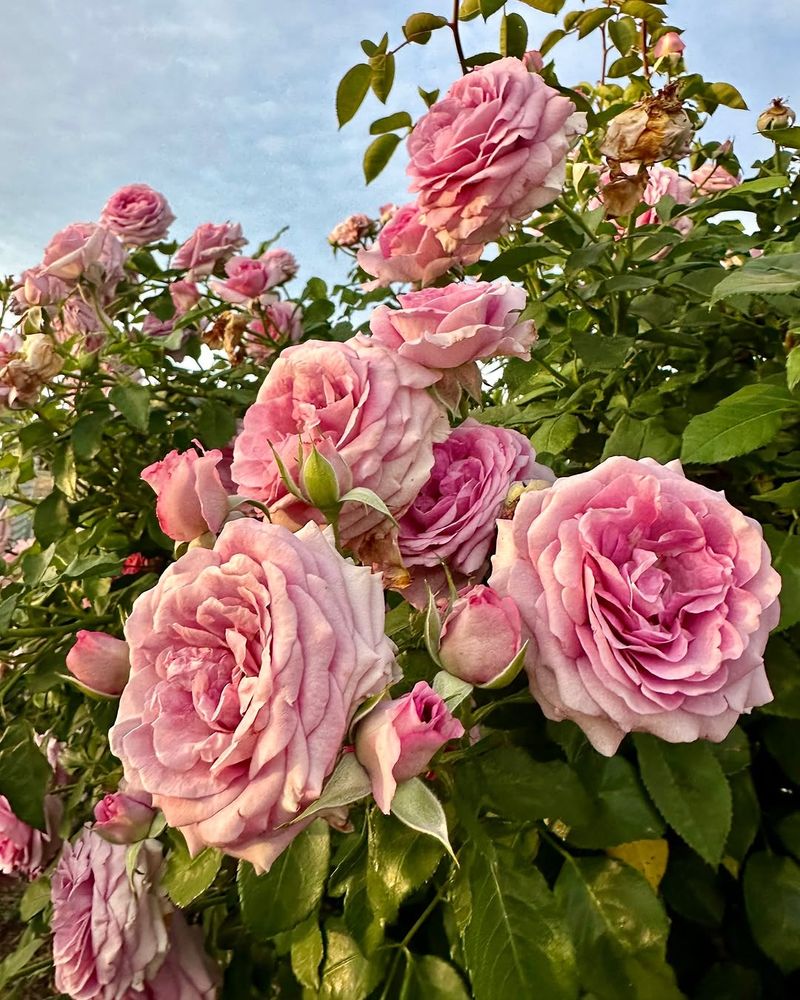
Roses and Texas go together like sweet tea and summer. The state even has its own beloved rose, and cities like Tyler are famous for their stunning rose gardens.
But getting roses to bloom their best takes more than just water and sunshine. Soil health and disease prevention are just as important, and baking soda can help with both.
One of the most well-known uses of baking soda in the garden is fighting black spot, a fungal disease that loves to attack roses.
In Texas, where warm temperatures and occasional rain create perfect conditions for fungal growth, black spot can spread fast and strip a rose bush of its leaves.
A regular baking soda spray mixed with a few drops of dish soap and a gallon of water creates a protective barrier on the leaves that fungi struggle to penetrate.
Beyond disease control, baking soda also supports a slightly alkaline soil pH that many rose varieties prefer.
Texas roses treated with a monthly soil drench of diluted baking soda often produce more flower buds, and those buds open into fuller, more fragrant blooms. The difference can be noticeable after just a few weeks of consistent application.
Start by testing your soil to know your current pH level. If it is running acidic, a tablespoon of baking soda per gallon of water applied monthly can gradually bring it into a healthier range.
For disease prevention, spray the leaves in the early morning and let them dry in the Texas sun. Roses are resilient plants, and with a little baking soda support, they can thrive all season long.
6. Zinnias Develop Healthier Blooms In Texas Heat
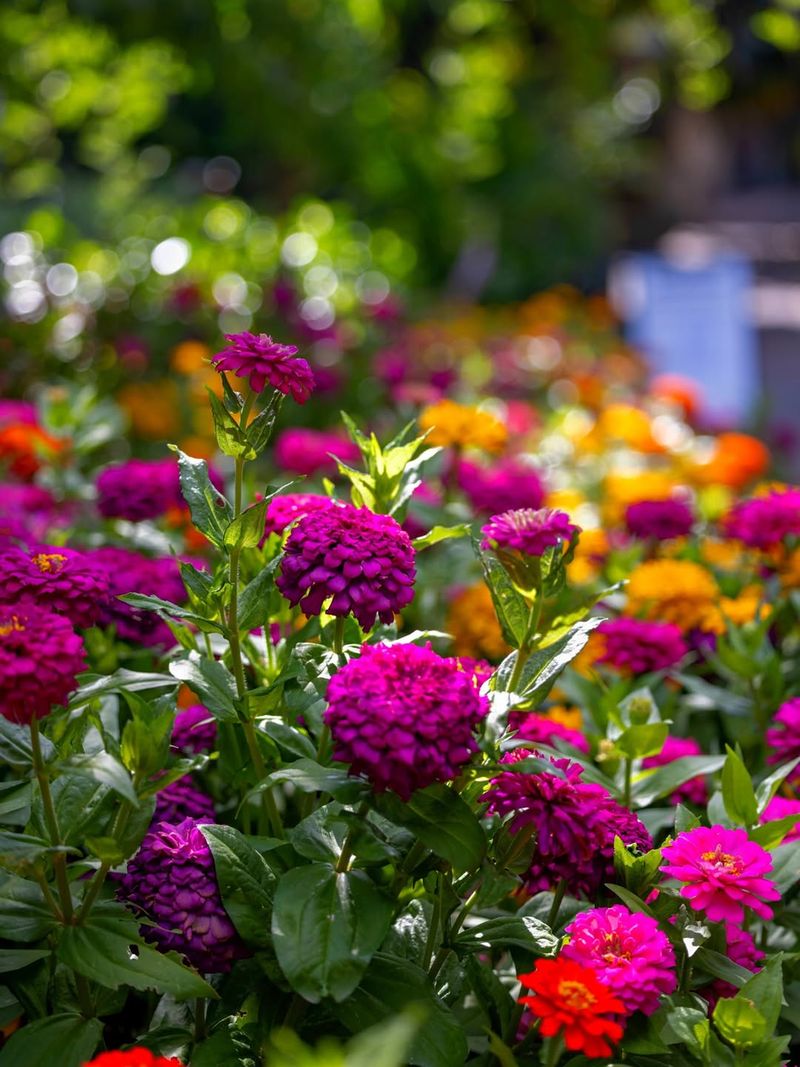
Few flowers are as cheerful and easy to love as zinnias. They come in almost every color imaginable, they grow fast, and they absolutely love the Texas sun.
Zinnias are a favorite for backyard gardens, pollinator patches, and cut flower arrangements all across the state. And with a little baking soda, they can look even more spectacular.
Zinnias grow best in soil with a pH between 5.5 and 7.0. When the soil leans too acidic, zinnias can struggle to absorb the nutrients they need for strong growth and rich color.
Baking soda helps nudge the pH into that sweet spot, giving the plant easier access to nutrients and supporting more vigorous blooming throughout the long Texas growing season.
Powdery mildew is probably the most common problem zinnia growers face in Texas. The warm days and cooler nights of late summer create ideal conditions for this fungal issue to appear on zinnia leaves.
A baking soda foliar spray applied every two weeks can dramatically reduce powdery mildew outbreaks and keep your plants looking clean and healthy well into fall.
To keep your zinnias at their best, mix one tablespoon of baking soda with a gallon of water and apply it as both a soil drench and a foliar spray. Use it in the morning so the leaves have time to dry before evening.
Zinnias in Texas can bloom from late spring through the first frost, and with consistent care and the right soil pH, those blooms will be fuller, brighter, and more resilient than ever before.
7. Garden Phlox Stays Vibrant All Season Long
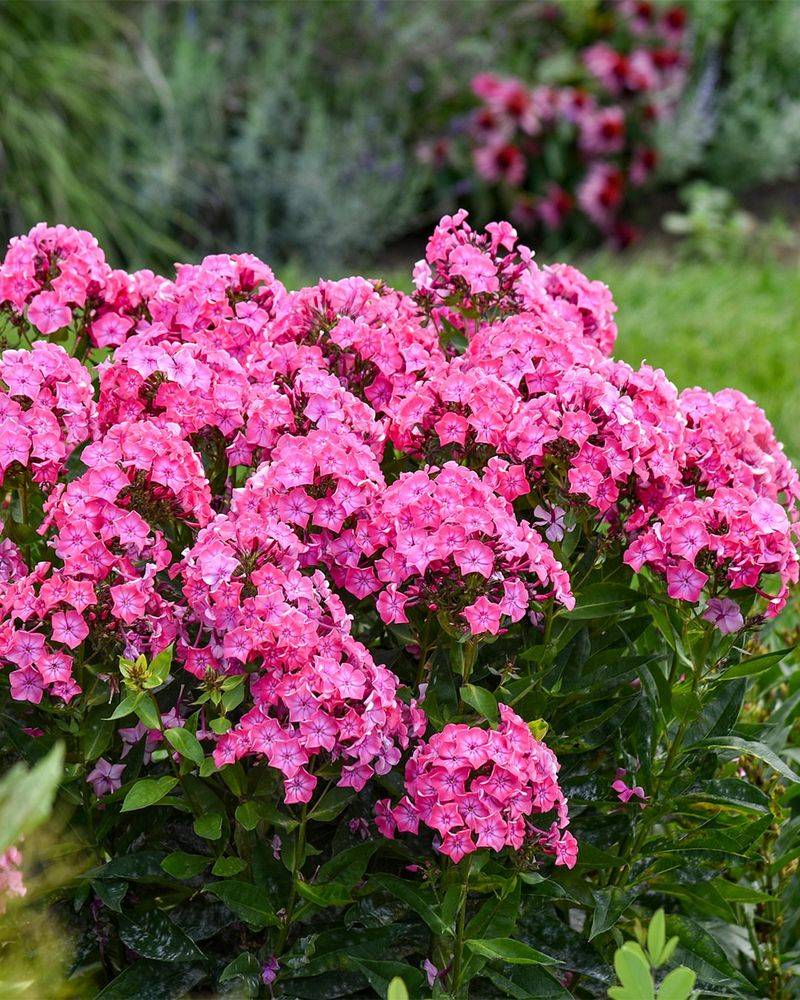
Garden phlox is one of those plants that transforms a yard into something truly special. Tall clusters of fragrant flowers in shades of pink, lavender, red, and white create a stunning display that draws butterflies and hummingbirds all season.
In Texas, garden phlox can really put on a show from late spring through summer when it gets the right support.
Phlox tends to prefer a soil pH on the slightly alkaline side, which makes it a great candidate for baking soda treatment. Texas soils in many regions can be variable, and acidic patches can limit how well phlox performs.
A monthly baking soda application helps maintain the kind of soil balance that keeps phlox roots healthy and encourages consistent, colorful blooming.
Powdery mildew is one of the most common challenges for garden phlox, and Texas gardeners know this struggle well. The combination of heat and humidity in places like Dallas, Houston, and Waco creates the perfect storm for this fungal issue.
Baking soda spray applied to the foliage every two weeks acts as a natural deterrent, helping the plant maintain its vibrant green leaves and full flower clusters without resorting to harsh chemical treatments.
For the best outcome, mix one tablespoon of baking soda into a gallon of water and use it as both a soil treatment and a foliar spray. Apply it in the morning so moisture does not linger on the leaves overnight.
Pair this routine with good air circulation and regular watering at the base, and your garden phlox will stay lush, colorful, and disease-resistant throughout the entire Texas growing season.