Pennsylvania Gardeners Are Getting Weeks Of Blooms From These 8 Flowers With Almost No Effort
Pennsylvania has a gardening problem that nobody talks about enough.
Most yards look incredible in May and then slowly fade into a green blur by July, with nothing particularly interesting happening until the whole thing shuts down in October.
The flowers that fix this problem are not the ones crowding the front of the garden center in spring.
They are the ones that hit their stride in the middle of summer, keep going through August, and sometimes outlast the first light frost without any encouragement from the gardener.
Pennsylvania summers are warm, humid, and long enough to support flowers that most people never consider planting.
The state sits in growing zones 5 and 6, which means a wide range of annuals and perennials can thrive here without the coddling they might need in colder regions.
Seven flowers have proven themselves in Pennsylvania conditions specifically, not just in general gardening guides, but in actual Pennsylvania yards, trials, and gardens across the state.
These are the ones worth knowing about.
1. Cosmos Fill Gaps With Airy Color
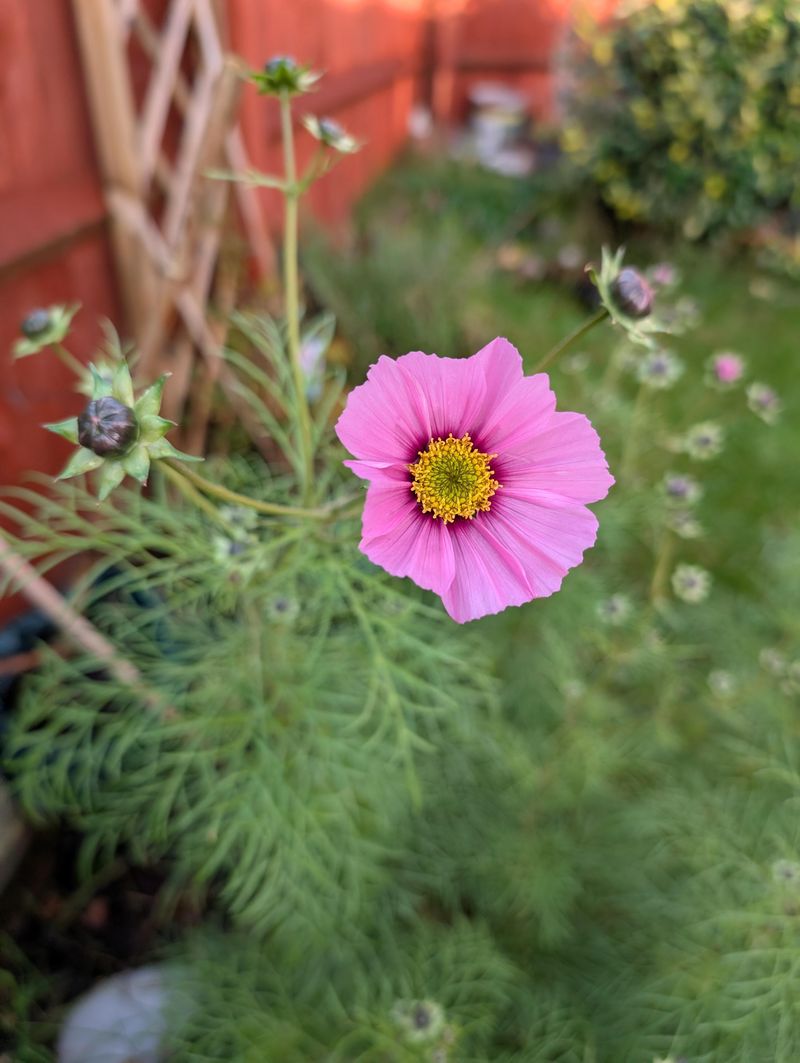
Cosmos is the flower that looks like it took months of planning but actually started from a seed tossed directly into the ground in May.
Cosmos sulphureus and Cosmos bipinnatus both perform beautifully in Pennsylvania, producing daisy-like blooms in pink, white, red, and orange on feathery fine-textured foliage that moves in the lightest breeze.
Seeds germinate within five to seven days after the last frost date passes and soil warms up.
Plants reach blooming size in about seven weeks from sowing, which means even a late start in early June still produces a full season of color before Pennsylvania’s first fall frost.
Cosmos actually prefer lean soil, which surprises most gardeners.
Rich, heavily amended beds produce lush foliage and fewer flowers. Plants grown in average or slightly poor soil bloom more prolifically and stay more compact, which also means less staking required after summer thunderstorms.
The feathery foliage adds texture to the garden even between bloom flushes.
Butterflies and native bees visit consistently, and the light airy structure makes it easy for smaller insects to access the flowers.
Cosmos reseed readily in Pennsylvania conditions, which means a single planting frequently returns the following year without any effort on your part.
2. Calendula Blooms Through Cool Spells
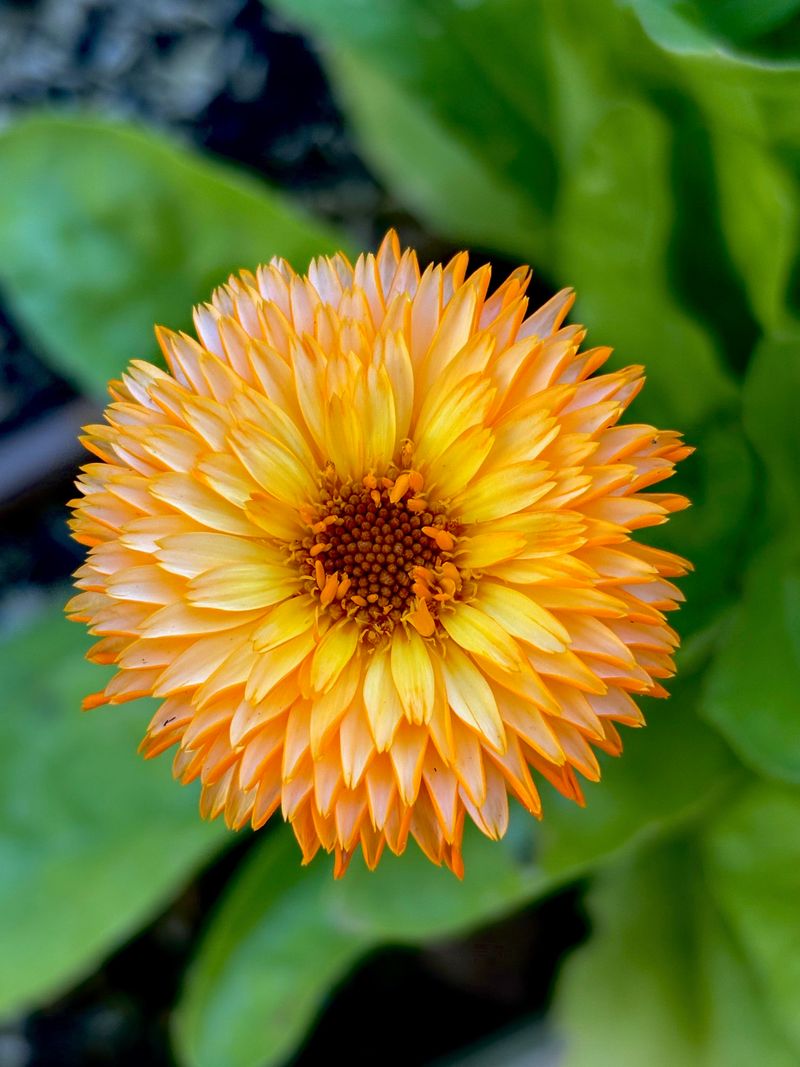
Most summer flowers struggle when temperatures drop in early fall. Calendula thrives in exactly those conditions.
Penn State Extension lists calendula among the varieties best suited for Pennsylvania growers, and the reason is straightforward: Pennsylvania’s shoulder seasons are calendula’s prime time.
This annual produces dense, daisy-like flowers in rich shades of orange, yellow, and gold that hold up through the kind of cool, cloudy September weeks that shut down most summer annuals.
Plant calendula after the last frost in spring for an early summer display, then sow a second batch in late July or early August for a strong fall showing.
The two-wave planting approach gives Pennsylvania gardeners color from late spring through October, which covers almost the entire growing season with a single flower species.
Your Pennsylvania Garden Changes Every Week. Your Plan Should Too.
Gardening in Pennsylvania changes quickly throughout the season. Every Friday you’ll receive a simple weekly plan showing exactly what to plant, prune, fertilize, harvest, and protect so you never miss the right timing.
Calendula performs best in full sun with well-drained soil and actually slows down during the hottest stretch of Pennsylvania summer.
That summer pause is not a failure. It is the plant conserving energy for a spectacular fall return when temperatures moderate and the garden needs color most.
The flowers are edible, which adds an extra dimension of usefulness that most ornamental annuals cannot match.
3. Rudbeckia Triloba Lights Up Late Summer
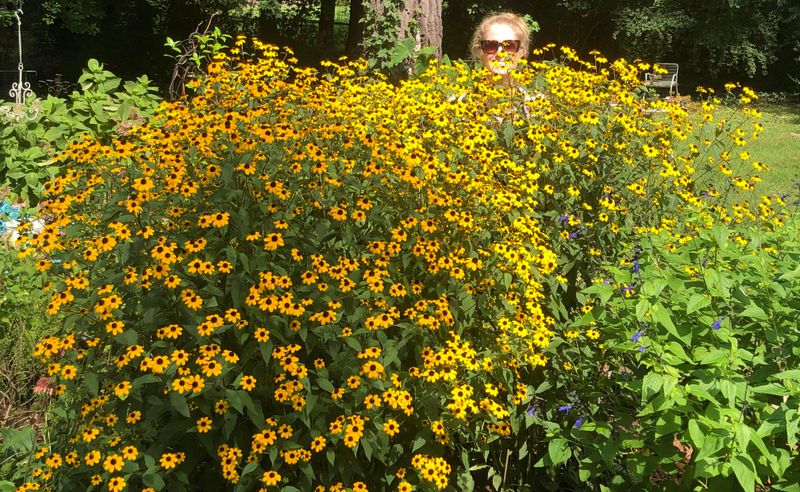
While many people plant the standard black-eyed Susan, Rudbeckia triloba offers something genuinely different for Pennsylvania gardens.
This native Pennsylvania wildflower, sometimes called brown-eyed Susan or thin-leaved coneflower, produces masses of small golden yellow flowers with dark brown centers from midsummer through late fall.
The bloom quantity sets it apart from its more famous relative.
Where standard Rudbeckia produces a few dozen flowers per plant, Rudbeckia triloba produces hundreds of smaller blooms that cover the entire plant in a cloud of yellow from August through October.
It thrives in average Pennsylvania soil with full sun to light shade and handles the humidity of Pennsylvania summers without developing the leaf diseases that sometimes affect other members of the Rudbeckia family.
Native bees and butterflies swarm the blooms during late summer migration periods.
The plant self-seeds reliably, which means a single planting establishes a self-sustaining colony that fills in gradually over several seasons without any additional effort or expense.
Cut it back hard in late winter and fresh growth returns vigorously every spring.
4. Liatris Creates Vertical Drama In Summer
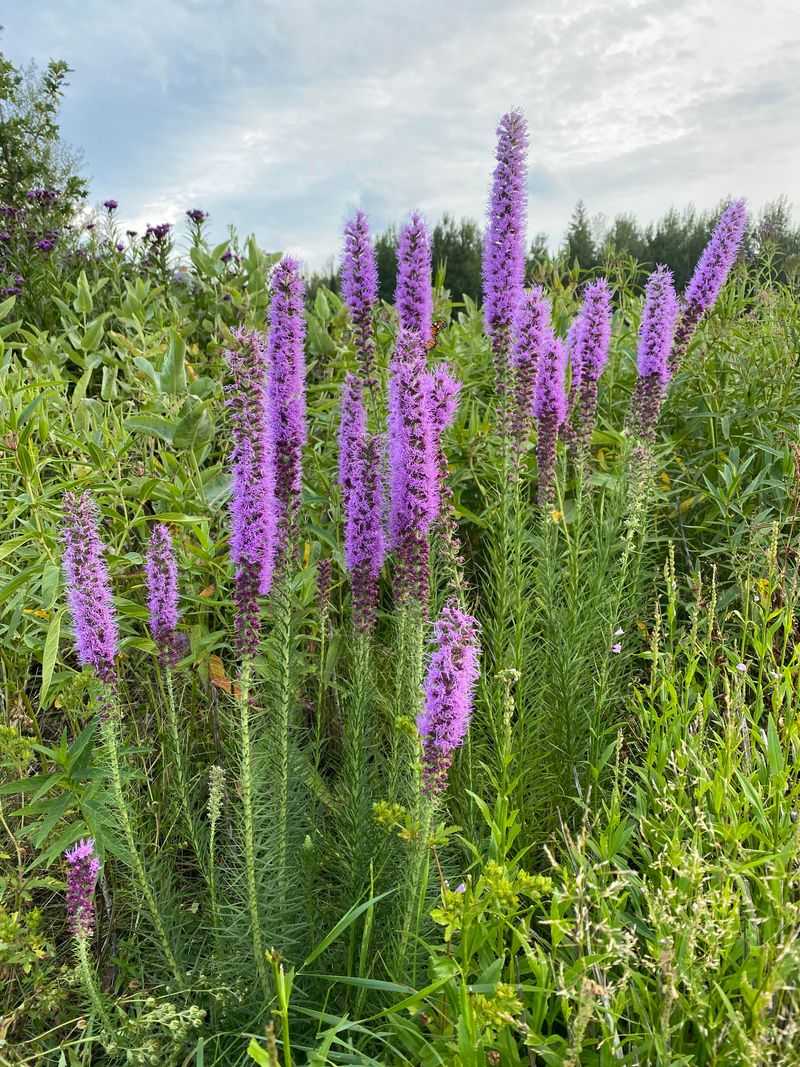
Most flowering plants spread horizontally. Liatris shoots straight up, which is exactly what a mixed Pennsylvania garden bed needs for visual contrast.
Dense blazing star, Liatris spicata, produces tall spikes of vibrant purple to magenta flowers that open from the top down, which is the opposite of most spike flowers and creates an interesting, slightly unexpected visual effect.
It blooms from July through August in most Pennsylvania locations, landing squarely in the midsummer gap when many spring bloomers have finished and fall flowers have not yet started.
Liatris grows from corms planted in spring in full sun with well-drained soil.
Once established, it handles Pennsylvania’s summer heat and humidity without irrigation, making it genuinely low maintenance after the first growing season when consistent watering helps roots develop.
Monarch butterflies are strongly attracted to liatris blooms during late summer migration through Pennsylvania.
Native bumblebees work the flower spikes consistently throughout the bloom period. The combination of vertical structure, mid-season bloom timing, and exceptional wildlife value makes liatris one of the most useful gap-fillers available to Pennsylvania gardeners.
The dried seed heads attract birds through fall and winter, extending the plant’s visual contribution well past its bloom period.
5. Sunflowers Feed Wildlife Through Fall
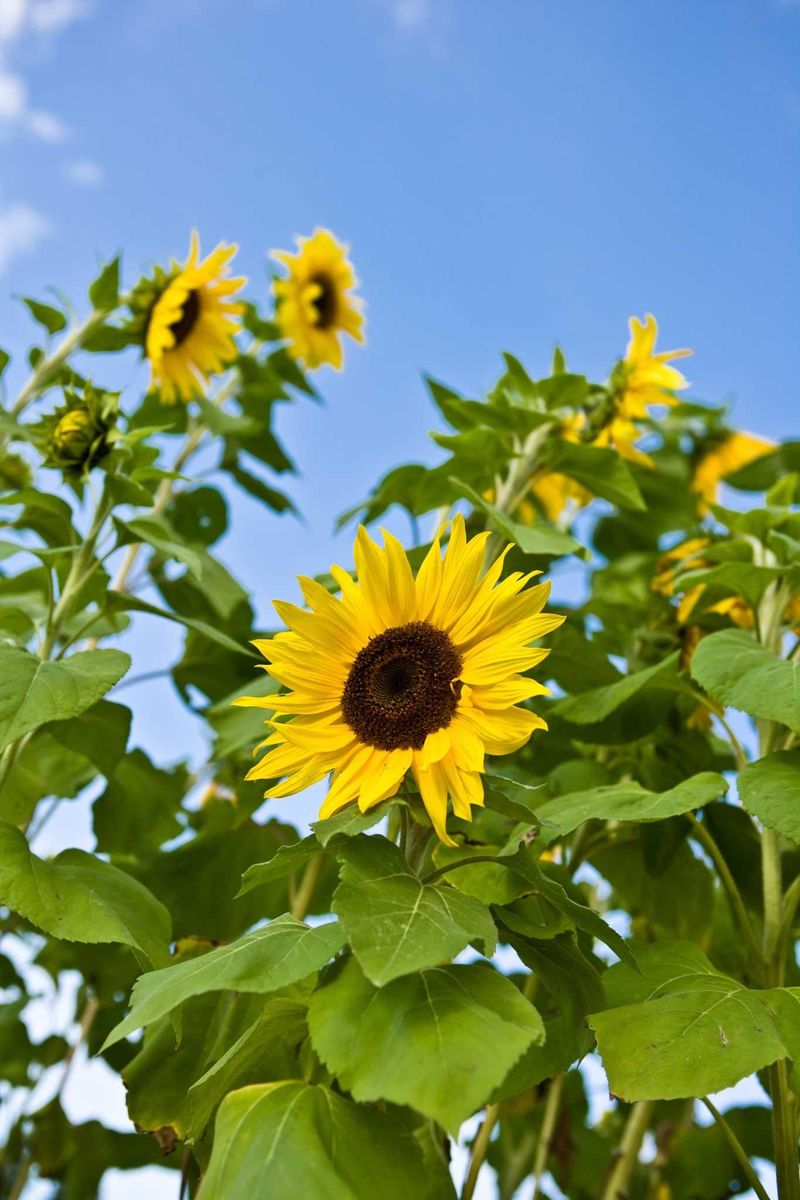
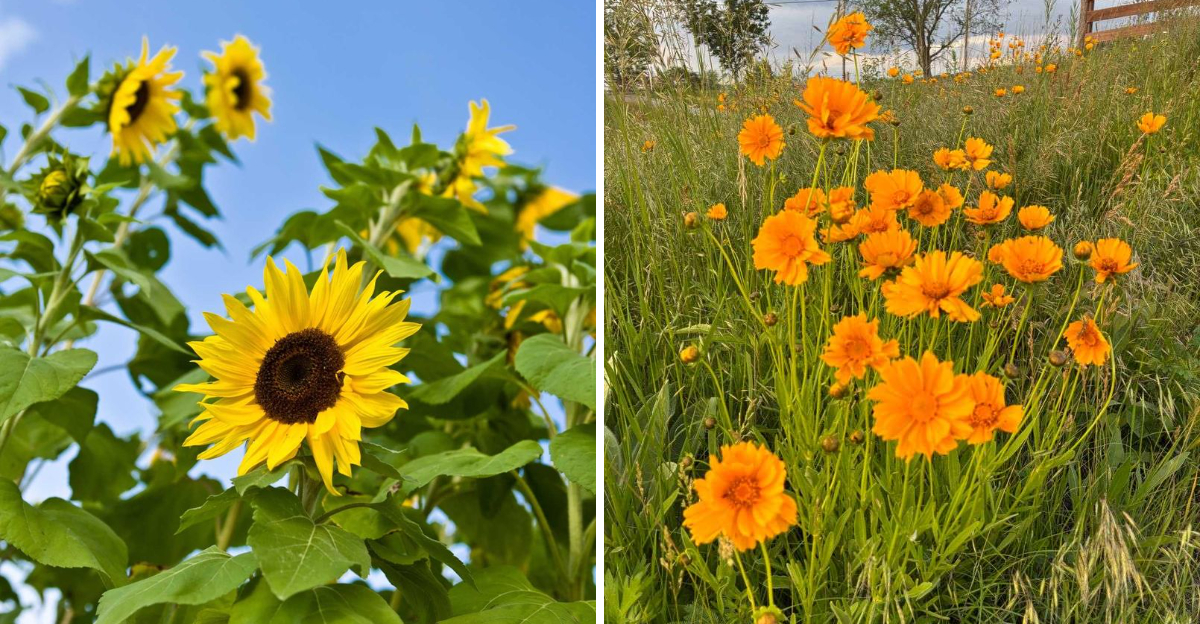
Penn State Extension recommends sunflowers as one of the flowers best suited for Pennsylvania growers, and the reasons extend well beyond their obvious visual impact.
Helianthus annuus comes in a remarkable range of sizes and colors, from compact eighteen-inch varieties suited to container growing to ten-foot giants that create a dramatic temporary privacy screen along a fence line.
Direct sow seeds after the last frost date into full sun with any decent soil.
Sunflowers are genuinely unfussy about soil quality and tolerate both the clay-heavy soils of central Pennsylvania and the sandier soils found in other parts of the state.
They germinate quickly and grow fast, reaching blooming size in sixty to seventy days depending on the variety.
The ecological value peaks after the blooms fade.
Goldfinches, chickadees, nuthatches, and house finches all harvest sunflower seeds heavily in late summer and fall, turning a single planting into weeks of bird activity visible from the kitchen window.
Leaving seed heads standing through winter rather than cutting them down provides food through the lean months when natural seed sources are buried under snow.
Succession planting every two to three weeks from May through early July keeps fresh blooms coming continuously rather than producing one single flush that finishes all at once.
6. Yarrow Handles Neglect Better Than Attention
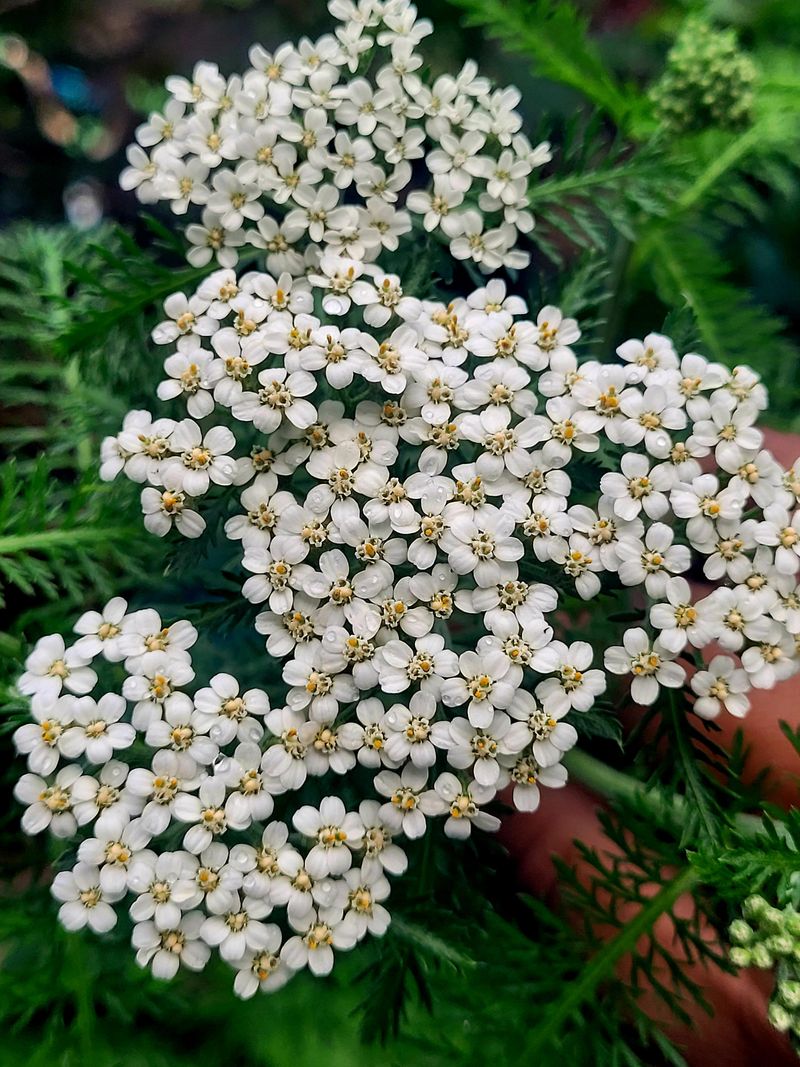
Yarrow is the flower for Pennsylvania gardeners who get busy in July and cannot always keep up with regular maintenance.
Achillea millefolium produces flat-topped flower clusters in yellow, white, pink, and red above feathery silver-green foliage that stays attractive even when the plant is not in bloom.
It thrives in full sun with lean, well-drained soil and actively performs better when not fertilized or heavily watered.
Rich soil and frequent irrigation produce floppy, overgrown plants that need staking. Lean soil and infrequent watering produce compact, upright plants that bloom prolifically and hold their shape through Pennsylvania’s summer thunderstorms.
Penn State Extension highlights yarrow as a long-blooming perennial that contributes to garden appeal across several months of the year.
The flat-topped flower clusters provide excellent landing surfaces for small beneficial insects, parasitic wasps, and native bees that need accessible nectar sources.
Deadheading spent flower clusters encourages a second flush of blooms in late summer.
The dried flower heads also make excellent additions to autumn arrangements, extending yarrow’s useful life well past the growing season.
Divide established clumps every three years to maintain vigor and prevent the center of the plant from dying out.
7. Joe-Pye Weed Anchors The Late Season
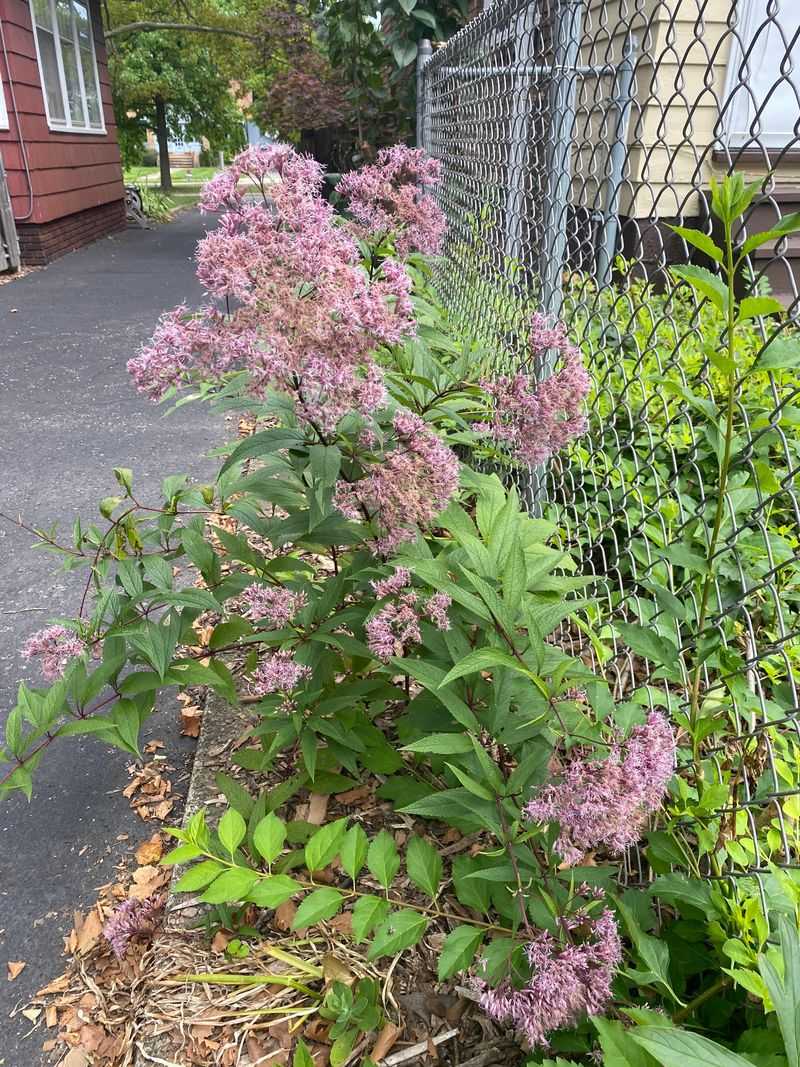
Joe-Pye weed has spent decades being overlooked in favor of showier imports, and Pennsylvania gardeners who discovered it have been quietly grateful ever since.
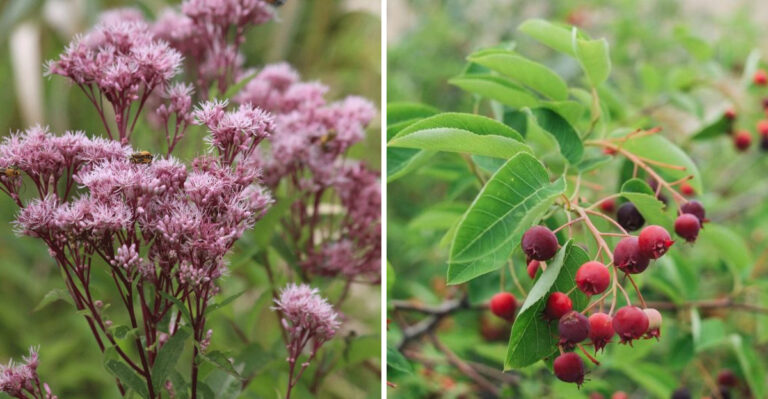
Eutrochium purpureum produces large, domed clusters of dusty pink-purple flowers on tall stems that reach four to seven feet, creating a dramatic late-season presence that few other native plants can match in scale or wildlife value.
It blooms from August through September in most Pennsylvania locations, covering the critical late-summer window when migrating monarchs and native bees are searching for nectar before the season ends.
Joe-Pye weed thrives in full sun to partial shade with consistently moist soil, making it one of the few tall flowering perennials that actually performs well in the low spots and damp areas that frustrate most Pennsylvania gardeners.
The plant requires no deadheading, no staking despite its height, and no division for many years once established.
It simply returns each spring, grows to its full height, and produces its late-season flower display without asking for anything beyond adequate moisture and reasonable sunlight.
Pairing Joe-Pye weed with goldenrod and New England aster creates a late-season native planting that covers August through October with continuous color and exceptional pollinator value through the final weeks of Pennsylvania’s growing season.
8. Coreopsis Blooms For Months Without Stopping
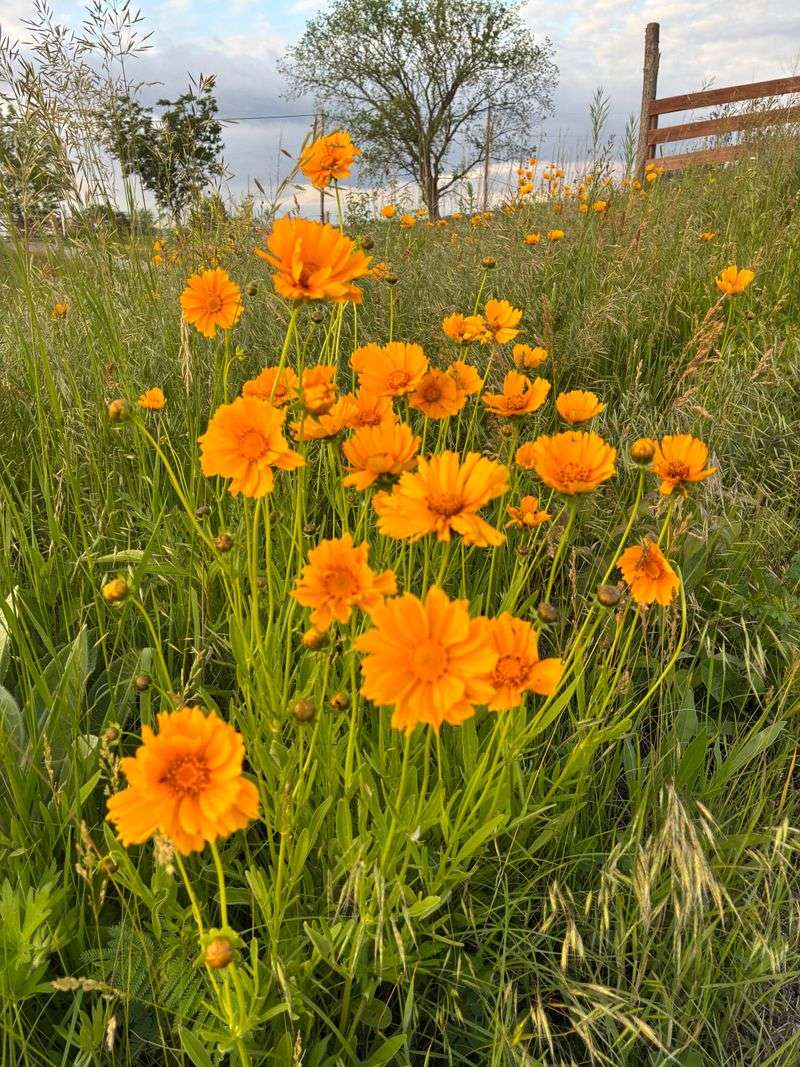
Few flowers match coreopsis for sheer bloom duration in a Pennsylvania summer garden.
Coreopsis verticillata, commonly called tickseed, produces cheerful yellow or gold daisy-like flowers on fine, thread-like foliage from early summer through fall, often blooming for three to four months without any significant pause in production.
The Moonbeam variety is particularly well suited to Pennsylvania conditions.
Its pale yellow flowers are smaller than some other coreopsis varieties, but the plant produces them in such abundance that the overall display is consistently impressive through heat, humidity, and the occasional summer drought.
Coreopsis thrives in full sun with well-drained soil and actually performs better without heavy feeding or supplemental watering once established.
It tolerates the lean, rocky soils found in many parts of Pennsylvania and handles the state’s summer humidity without the leaf disease problems that affect some other long-blooming perennials.
Deadheading is helpful but not strictly necessary for continued bloom production.
Plants that are trimmed back by about a third in midsummer when bloom production slows slightly tend to push out a fresh flush of flowers that carries the display through September and often into October.
Native bees visit coreopsis blooms consistently throughout the long flowering period.
The fine, needle-like foliage adds texture to the garden even between bloom cycles, which means the plant earns its space visually across the entire growing season rather than just during its flowering window.
Divide established clumps every three years to keep the center of the plant vigorous and blooming at full capacity.