Pennsylvania Gardeners Who Switch To These Ground Covers Never Pull Another Weed Again
Weeding is the task most Pennsylvania gardeners never fully escape, and for a lot of people it takes up more time and energy than anything else in the garden.
Mulch helps for a season, but it breaks down, thins out, and needs to be topped up while weeds keep working their way through. The more lasting solution is not something you apply. It is something you grow.
Certain groundcovers spread densely enough across the soil surface that weeds simply cannot get a foothold, and once they are established, the need to pull anything from those areas drops dramatically.
Pennsylvania gardeners who have made this shift describe it as one of the most freeing changes they have made to their outdoor space.
The right groundcover handles weed suppression automatically, improves with age, and asks for almost nothing in return. Getting there takes one good planting season, and after that the weeding in those areas is largely finished.
1. Pennsylvania Sedge (Carex Pensylvanica)
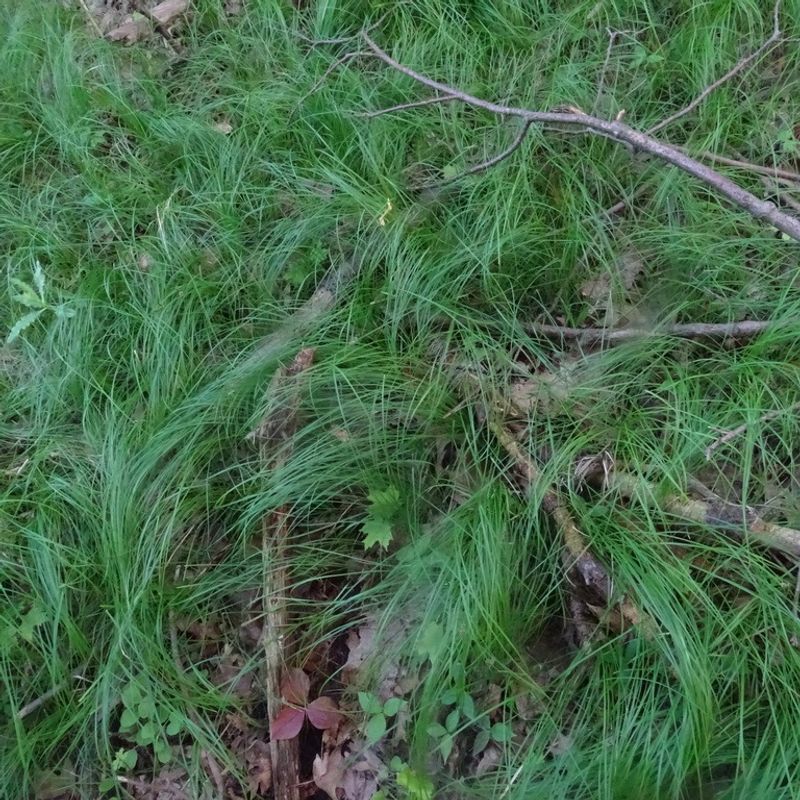
Not many plants can claim to be named after the very state where they thrive best, but Pennsylvania Sedge wears that honor well.
This native grass-like plant grows naturally across Pennsylvania’s shaded forests and woodland edges, making it perfectly suited for local gardens.
It forms a soft, fine-textured mat that stays low to the ground, usually reaching only about six to twelve inches tall. That low, dense growth is exactly what makes it such a powerful weed fighter.
Once Pennsylvania Sedge gets established, it spreads steadily through underground rhizomes, slowly filling in bare patches of soil. As it fills in, it blocks sunlight from reaching the ground, which stops weed seeds from sprouting.
You end up with a smooth, green carpet that looks tidy without much effort at all. It works especially well under trees where grass struggles to grow.
This sedge handles shade and part-sun beautifully, and it is surprisingly drought-tolerant once it settles in. It stays green through much of the year, even into late fall, which gives your yard long-lasting color.
It needs very little fertilizer and rarely requires mowing. Planting it is straightforward: space plugs about six to twelve inches apart, water regularly at first, and let nature do the rest.
Pennsylvania Sedge is one of those quiet, reliable plants that simply gets the job done season after season without any fuss.
2. Wild Ginger (Asarum Canadense)
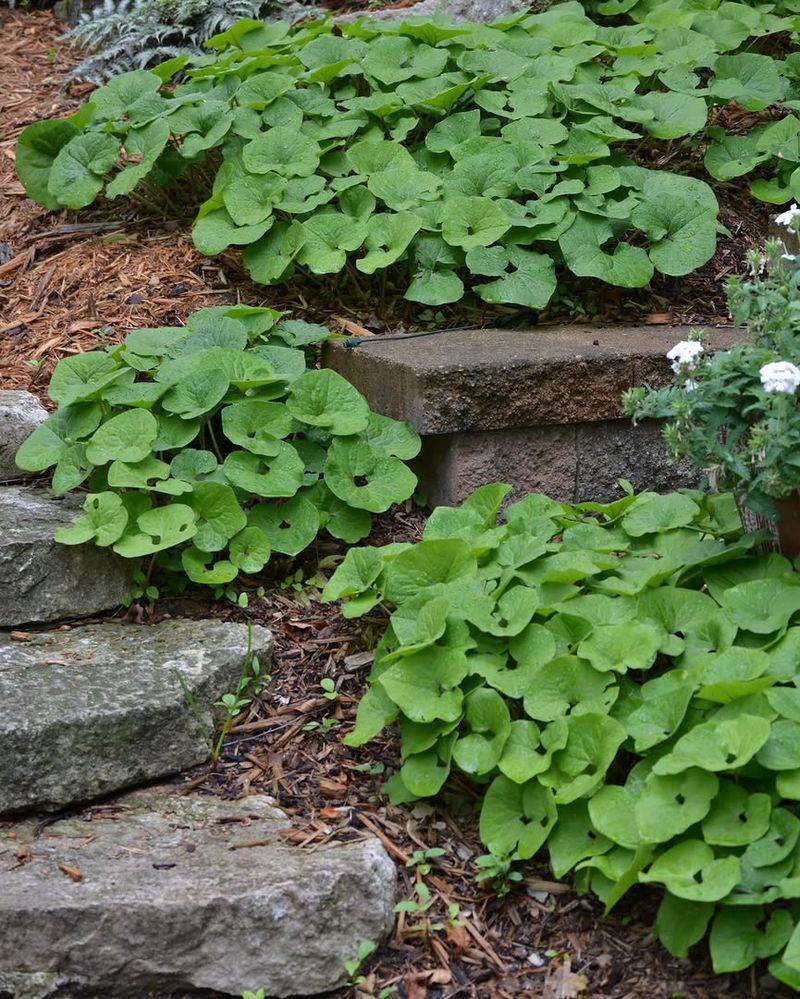
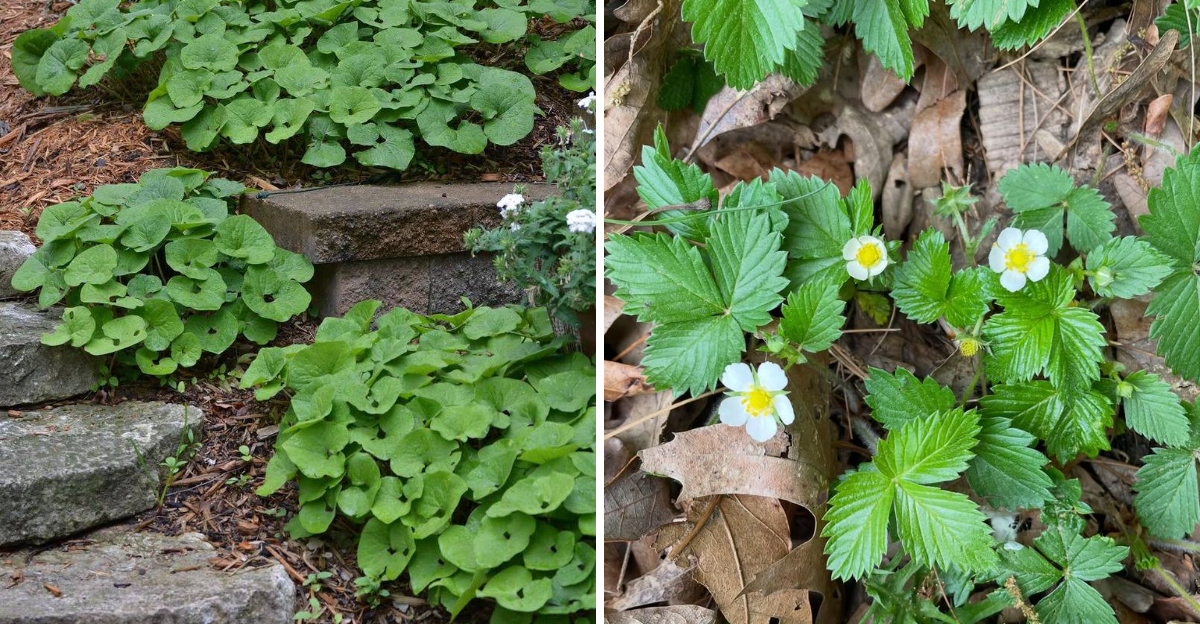
There is something almost magical about Wild Ginger. Walk through a Pennsylvania woodland in spring and you might spot its broad, heart-shaped leaves covering the forest floor like a living green quilt.
That same lush, overlapping leaf pattern is exactly what makes it such an outstanding weed blocker in home gardens. The leaves grow so thick and close together that weeds simply cannot get the light they need to grow underneath.
Wild Ginger thrives in shady and woodland-style garden spots, making it a go-to choice for those tricky areas under large trees or along north-facing fences.
It spreads at a moderate pace through underground rhizomes, gradually expanding its territory without becoming invasive or aggressive.
Your Pennsylvania Garden Changes Every Week. Your Plan Should Too.
Gardening in Pennsylvania changes quickly throughout the season. Every Friday you’ll receive a simple weekly plan showing exactly what to plant, prune, fertilize, harvest, and protect so you never miss the right timing.
Each year, the patch grows a little larger, covering more bare soil and crowding out more weeds along the way. It is a slow and steady approach that pays off beautifully over time.
One fun detail many gardeners do not know: Wild Ginger does have a faint ginger-like scent when the leaves or roots are crushed, which is how it got its name. The plant also produces small, hidden flowers in spring, tucked beneath the leaves close to the ground.
Birds and small insects enjoy them. Wild Ginger prefers moist, rich soil and performs best when given a layer of compost at planting time.
Once established, it is highly low-maintenance and genuinely stunning in shaded garden beds throughout Pennsylvania’s growing season.
3. Creeping Thyme (Thymus Serpyllum)
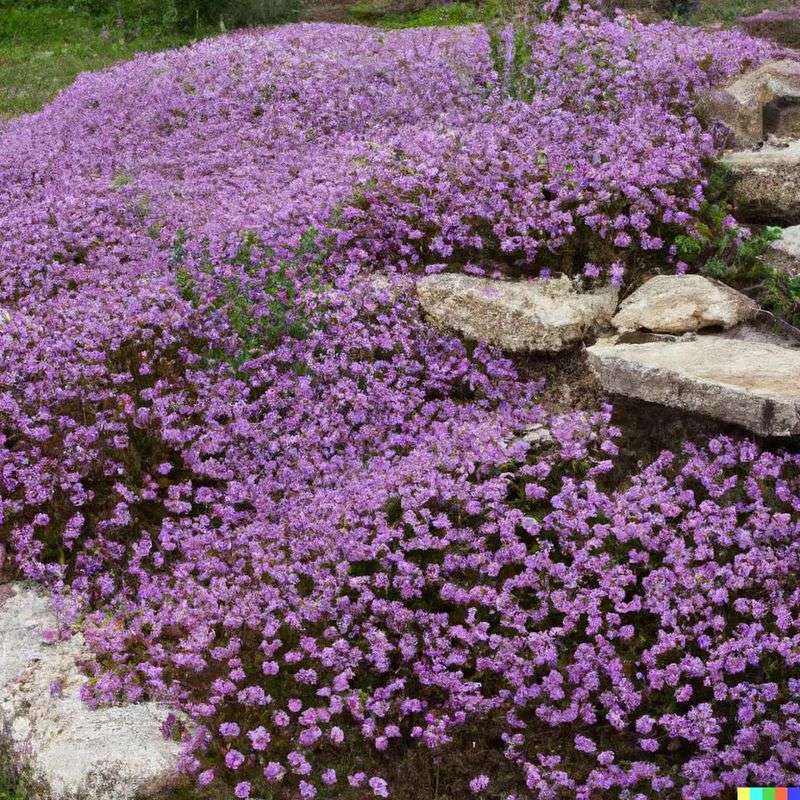
Imagine a ground cover that smells incredible every time you brush against it. That is Creeping Thyme in a nutshell.
This cheerful, sun-loving plant spreads low and flat across the ground, forming a thick, fragrant mat that is tough enough to handle foot traffic on garden paths and stepping stone areas.
It is a favorite among Pennsylvania gardeners who want something both beautiful and practical working hard in their sunny beds and borders.
Creeping Thyme grows only about two to three inches tall, which means it stays nicely out of the way while still covering soil so thoroughly that weeds have no room to squeeze in.
In late spring and early summer, it bursts into tiny pink, purple, or white flowers that attract bees and butterflies like crazy.
Pollinators absolutely love it, which is a bonus for any vegetable or flower garden nearby. After the bloom period, the dense foliage keeps right on doing its weed-suppressing job.
This plant loves full sun and well-drained soil, making it ideal for Pennsylvania’s sunnier garden spots, slopes, and rocky areas where other plants struggle. It handles dry spells well once established and rarely needs watering beyond its first growing season.
Planting is easy: space plants about twelve inches apart, press them into loosened soil, water them in, and watch them spread.
Creeping Thyme is also deer-resistant, which is a major win for Pennsylvania gardeners dealing with hungry visitors from the woods. Few plants offer this much beauty and function in one tidy, fragrant package.
4. Creeping Phlox (Phlox Subulata)
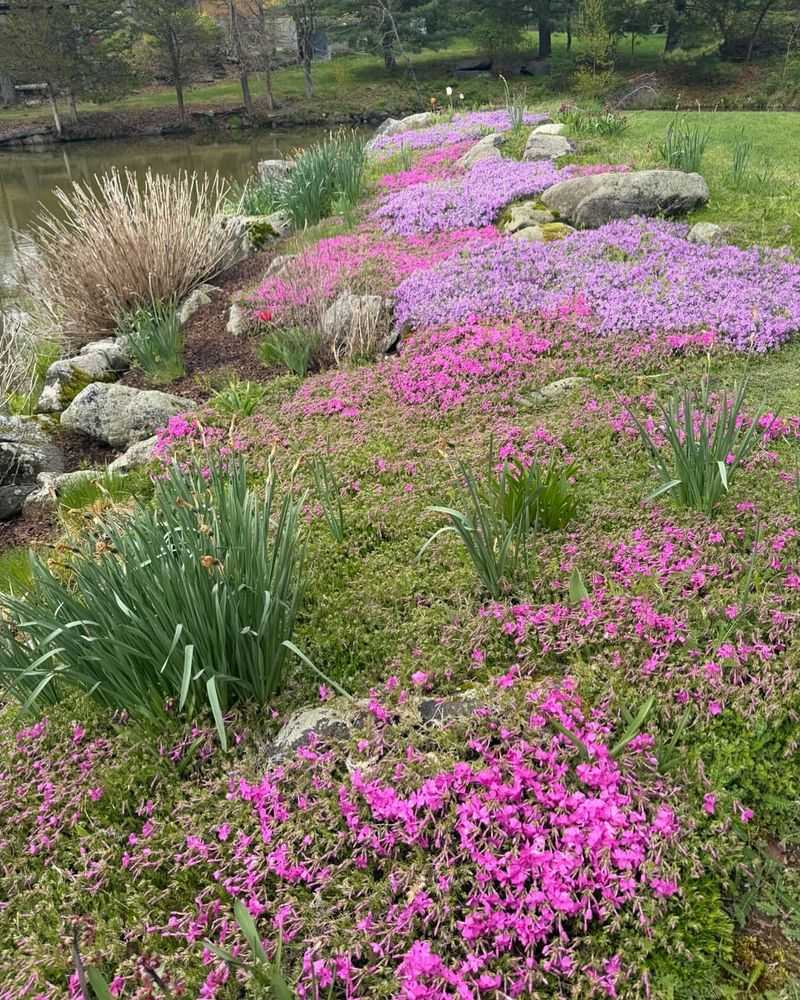
Every spring in Pennsylvania, something remarkable happens in gardens where Creeping Phlox has taken root.
The plant erupts into a stunning waterfall of color, covering the ground with masses of pink, purple, white, or lavender flowers so thick you can barely see the foliage underneath.
It is one of the most jaw-dropping spring displays any ground cover can offer, and gardeners who plant it once tend to become lifelong fans almost immediately.
Beyond its showstopping blooms, Creeping Phlox is a genuinely hard-working weed suppressor. It forms a dense, needle-like mat of evergreen foliage that stays in place year-round, keeping the soil covered even in winter when most plants have gone dormant.
That constant coverage means weed seeds never get the open soil they need to take hold. Bare spots in sunny areas of your yard become lush, colorful ground cover patches within just a season or two of planting.
Creeping Phlox grows best in full sun with well-drained soil, making it a natural fit for slopes, rock gardens, and front-of-border areas across Pennsylvania.
It spreads about two feet wide per plant over time, so spacing plants eighteen to twenty-four inches apart gives them room to fill in without crowding.
After the spring bloom fades, a light trim encourages fresh growth and keeps the mat looking neat.
It is drought-tolerant, deer-resistant, and extremely winter-hardy throughout Pennsylvania’s climate zones, meaning it comes back stronger every single year with almost zero extra effort on your part.
5. Bugleweed (Ajuga Reptans)
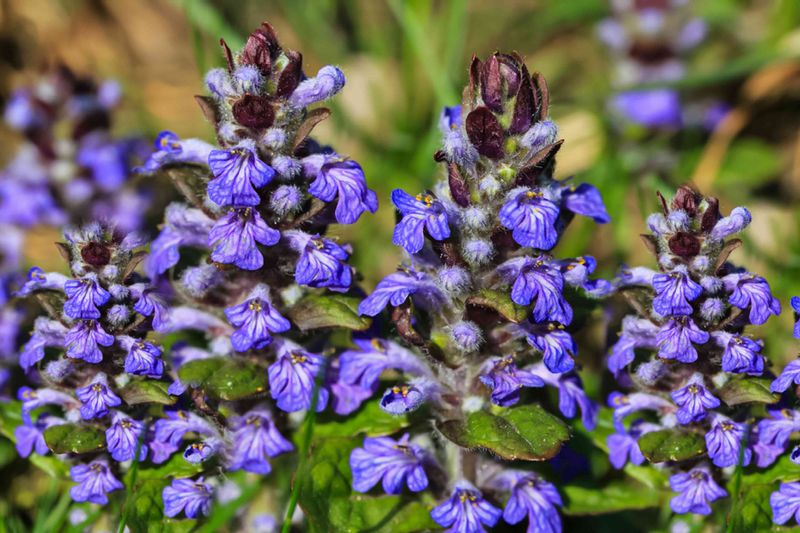
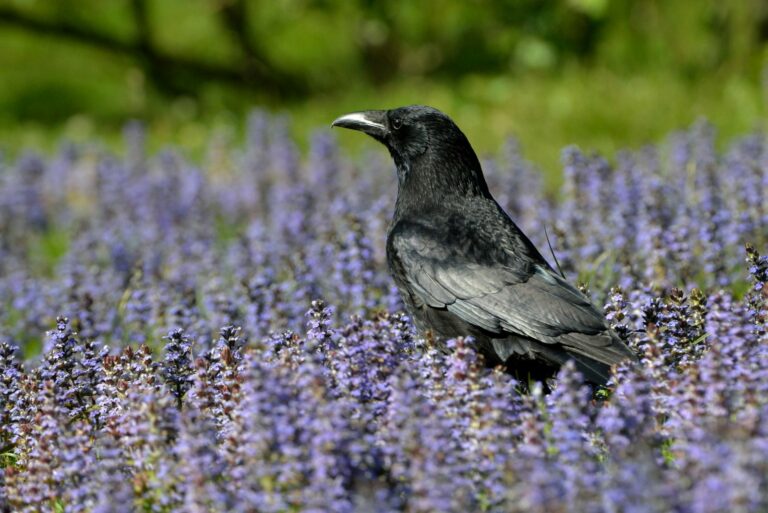
Bugleweed is the kind of plant that earns its keep without ever asking for much in return. It spreads quickly and confidently through shaded and part-sun garden beds, producing dense rosettes of foliage that lie flat against the soil and block weeds with impressive efficiency.
If you have a shady spot under a tree or along a fence where nothing else seems to want to grow, Bugleweed will show up and take charge without hesitation.
One of the most appealing things about Ajuga reptans is the variety of foliage colors available. Depending on the cultivar you choose, leaves can range from deep green to rich bronze, burgundy, or even a striking mix of purple and silver.
That colorful foliage adds genuine visual interest to garden beds even when the plant is not in bloom. Come spring, Bugleweed sends up short spikes of bright blue or purple flowers that are absolutely loved by bees and other early-season pollinators searching for food.
Bugleweed spreads through surface runners called stolons, similar to how strawberries spread, which means it fills in bare ground relatively fast compared to many other ground covers.
It handles clay soil, which is common in many parts of Pennsylvania, better than most plants.
It also tolerates occasional foot traffic and bounces back well after a rough winter. To keep it from spreading into lawn areas, simply trim the edges each spring.
Bugleweed is tough, attractive, and wonderfully low-maintenance, which is exactly what busy gardeners are looking for season after season.
6. Wild Strawberry (Fragaria Virginiana)
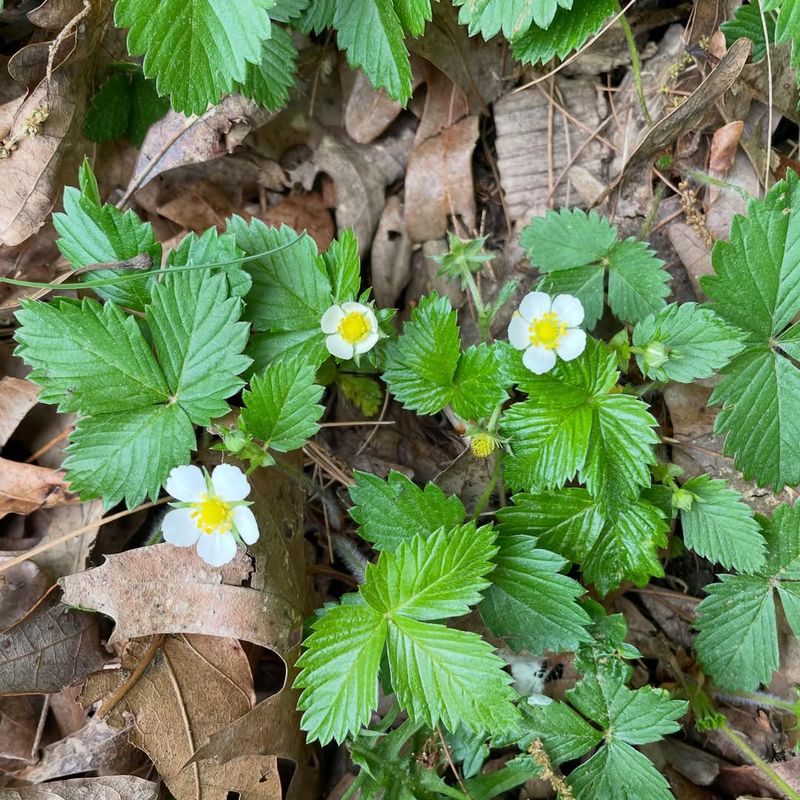
Who says a ground cover cannot also be delicious? Wild Strawberry brings a playful, productive energy to the garden that most other ground covers simply cannot match.
Native to Pennsylvania and much of eastern North America, this cheerful plant spreads by sending out long runners that root wherever they touch the ground, gradually weaving a low, green mat across sunny garden beds and open spaces.
As it spreads, it naturally crowds out weeds by taking up the space they would otherwise claim.
The foliage stays relatively low, usually around four to six inches tall, which means it covers soil effectively without blocking views or crowding taller plants nearby. In spring, small white flowers appear and attract native bees in impressive numbers.
Those flowers eventually turn into tiny, bright red strawberries that are genuinely sweet and flavorful. Birds love them too, so your yard becomes a little wildlife haven without any extra effort on your part.
Wild Strawberry performs best in full sun to light shade and handles a wide range of soil types, including the somewhat rocky or clay-heavy soils found across much of Pennsylvania.
It is naturally drought-tolerant once established and needs very little fertilizer to stay healthy and spreading.
Unlike cultivated strawberries, the wild variety is much more aggressive at spreading, which is actually a feature rather than a flaw when your goal is weed suppression. Plant starts about twelve inches apart and let them run.
Within one or two growing seasons, you will have a lush, productive carpet that takes care of itself beautifully.
7. Foamflower (Tiarella Cordifolia)
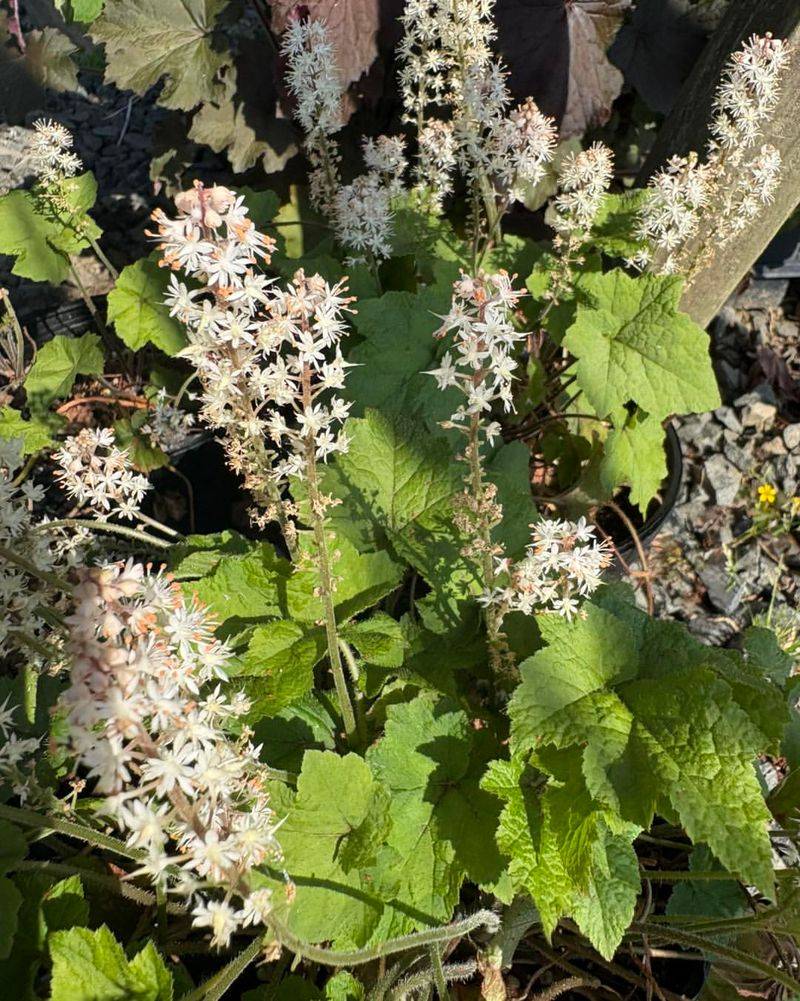
Some plants seem like they were designed specifically for Pennsylvania’s shady, moist woodland gardens, and Foamflower is absolutely one of them.
Native to the eastern United States, Tiarella cordifolia grows naturally in the kind of cool, humid forest understory that Pennsylvania has in abundance.
In a home garden, it brings that same woodland charm to shaded borders, rain gardens, and any moist spot that gets little to no direct sun. It is the kind of plant that makes a shady corner feel intentional and polished rather than neglected.
Foamflower earns its name from the feathery, foam-like spikes of white or pale pink flowers it produces each spring.
Those blooms rise above the foliage on slender stems, creating a soft, airy display that feels truly special in shaded spots where color is often hard to come by.
After the flowers fade, the broad, lobed leaves remain, forming a thick, attractive mat that covers soil so completely that weeds rarely stand a chance of breaking through.
The plant spreads through short runners and slowly expands its coverage over several growing seasons, making it a reliable long-term investment in your garden’s health and appearance.
It prefers consistently moist, organically rich soil and benefits from a layer of mulch to hold in moisture during drier stretches.
Foamflower pairs beautifully with Wild Ginger, ferns, and hostas in shaded beds, creating a layered woodland look that feels natural and effortless.
For Pennsylvania gardeners with tricky shady spots, Foamflower is a genuinely rewarding and practical solution worth planting right away.