8 Ohio Plants That Support Ground-Nesting Bees Many Gardeners Did Not Know Were There
Ohio gardens hide a tiny drama underfoot. You see leaves, blooms, mulch, maybe a few weeds with confidence issues.
Below that, small native bees carve little rooms into bare soil and race against the season. They need food close by, not a floral buffet three houses away.
That is where the right plants change the whole story. A spring flower can wake up the first bees. A midsummer bloom can keep new nest cells supplied. A fall aster can help the last foragers finish strong before cold settles in.
The surprise is how ordinary some of these plants look at first glance.
A soft pink woodland bloom. A sunny yellow daisy. A purple flower that smells like a meadow after rain. Each one plays a part in the underground neighborhood many gardeners never notice.
Want a yard that supports more than pretty petals?
Start above the soil, leave a little bare ground nearby, and watch the quiet buzz become the best secret in the garden right beneath your own shoes.
1. Spring Beauty
The first bee meal of the year often looks almost too small to matter.
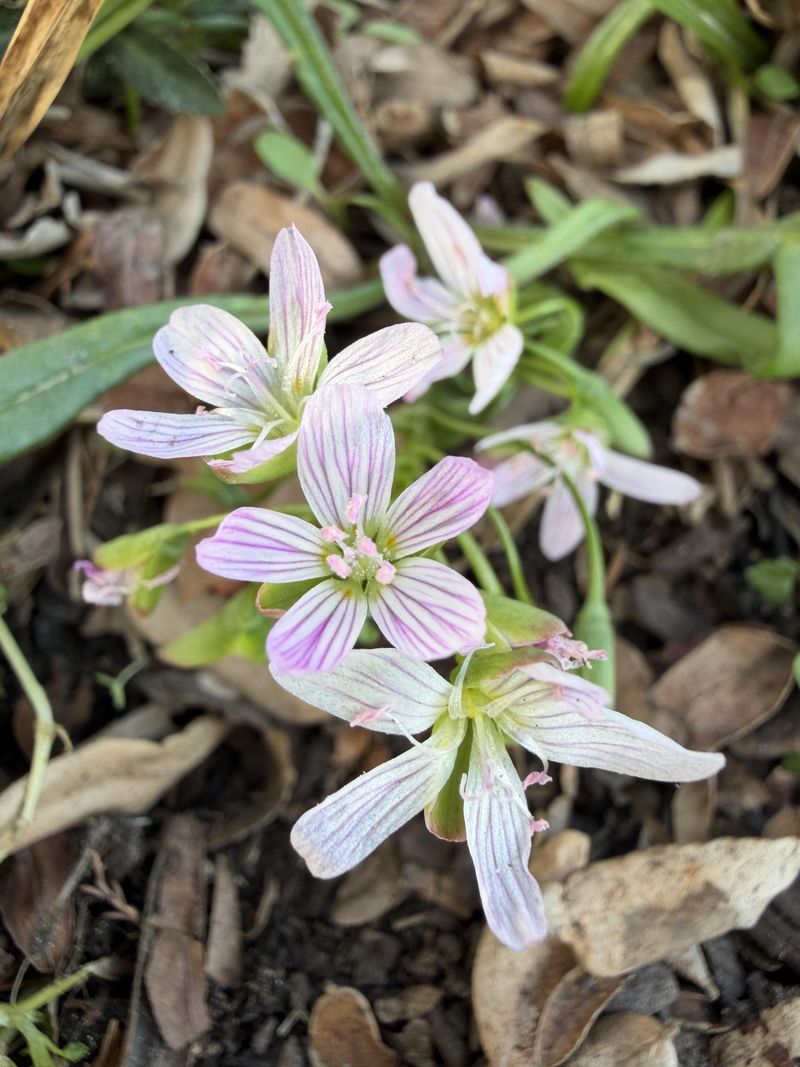
Spring Beauty shows up when the garden still feels half-asleep. Pale pink flowers with darker veins open low to the ground in March or April, right when some of Ohio’s earliest mining bees begin to emerge.
That timing is the whole magic. Early ground-nesting bees do not have weeks to search for food. They come out hungry, cold, and ready to work.
A patch of Spring Beauty near bare soil can give them nectar and pollen without a long commute.
This plant grows from small underground corms, which helps it return after winter with very little drama. It suits woodland edges, open shade, and lawns that do not get treated like golf courses.
Let it spread in a quiet corner, and it can form a soft spring drift over time.
Do not rush to mow the patch after the first flowers fade. The leaves need time to feed the corms for next year. Give them a few weeks to yellow naturally.
This is a tiny plant with big early-season value. It does not shout. It whispers breakfast to the bees, and honestly, that is pretty adorable.
2. Wild Geranium
Late spring can leave bees in an awkward food pause.
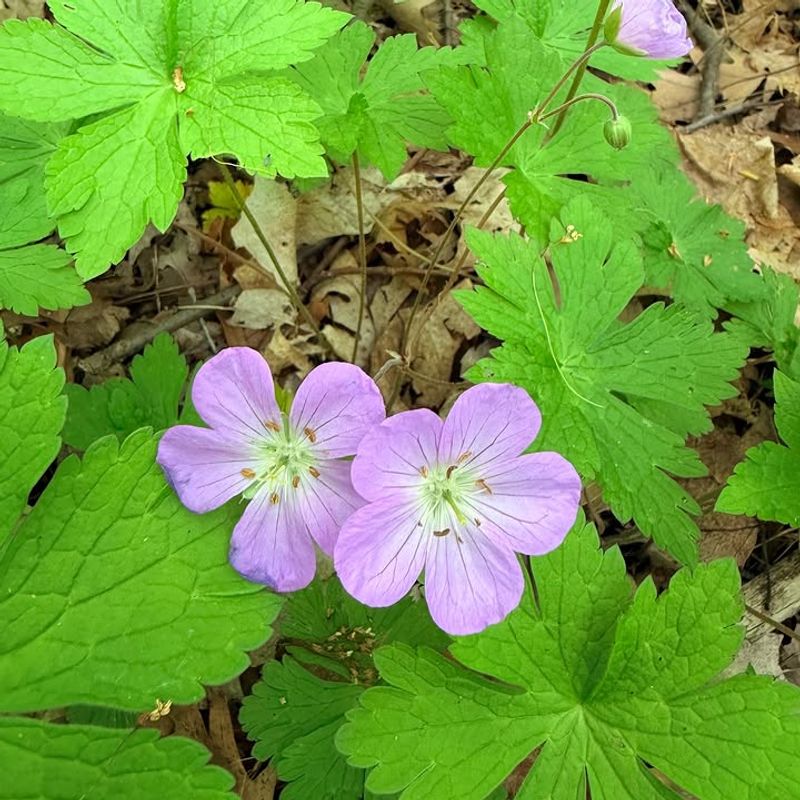
The earliest flowers fade, summer plants still hold back, and ground-nesting bees keep working anyway. Wild Geranium steps into that gap with soft rosy-purple flowers and a steady supply of pollen and nectar.
This Ohio native works well in woodland edges, part shade, and garden beds with morning sun. The leaves look deeply cut and handsome even after the flowers pass, so the plant earns its place beyond bloom time.
Bees appreciate patches more than lonely singles. A group of five or more plants gives foragers a useful stop where they can move from flower to flower without wasting energy.
That matters for small bees that make trip after trip to stock nest cells underground.
Your Ohio Garden Changes Every Week. Your Plan Should Too.
Gardening in Ohio changes quickly throughout the season. Every Friday you’ll receive a simple weekly plan showing exactly what to plant, prune, fertilize, harvest, and protect so you never miss the right timing.
Wild Geranium spreads slowly by seed and can build a colony over several seasons. It behaves more like a polite guest than a garden takeover artist. Very refreshing. We all know one plant that missed that etiquette lesson.
Keep soil evenly moist during the first season. After that, the plant can handle normal Ohio woodland conditions with less fuss.
Place it near a sunny bare patch or along the edge of a mulched bed with some open soil. The bees get nearby food, and your spring garden gets color right when it needs a bridge.
3. Foxglove Beardtongue
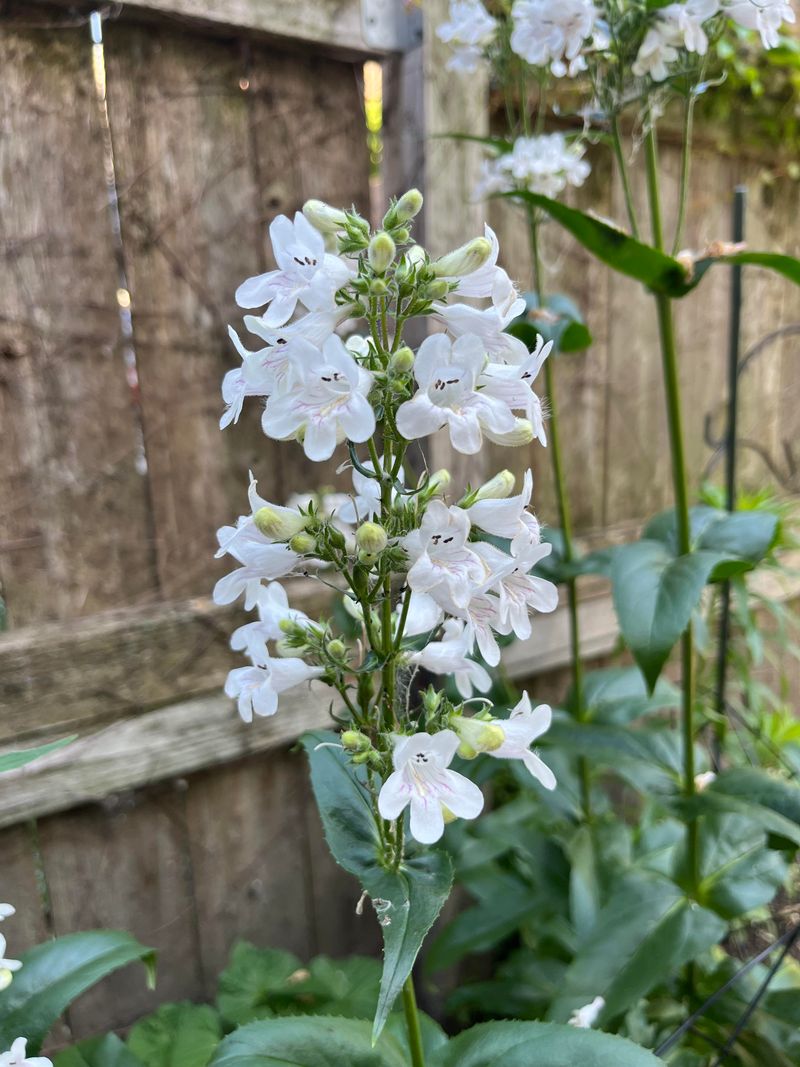
A white flower spike can look simple until bees start using it like a doorway.
Foxglove Beardtongue produces tubular blooms sized well for bumblebees, mining bees, and other native bees. They crawl into the flowers, collect pollen, and move through the patch with impressive focus.
This plant usually blooms in late spring into early summer, which keeps the food supply moving after woodland bloomers slow down.
It grows upright, often two to four feet tall, with clean green foliage and tall stems that look good in sunny borders.
The shape matters. Many native bees can handle these flowers better than less specialized visitors. That makes the plant especially useful in a habitat garden, where flower form can matter as much as flower color.
Give it full sun to part shade and average soil. It handles Ohio clay better than many perennials, which feels like a small miracle for anyone who has ever bent a trowel in June.
Plant several together near an open soil edge. Ground-nesting bees save energy when food and nest space sit close together. That short flight path is like moving the grocery store next door.
After bloom, leave some stems standing for structure, then trim as needed later. Foxglove Beardtongue gives height, bee value, and a tidy look without asking the gardener to become a full-time plant assistant.
4. Black-Eyed Susan
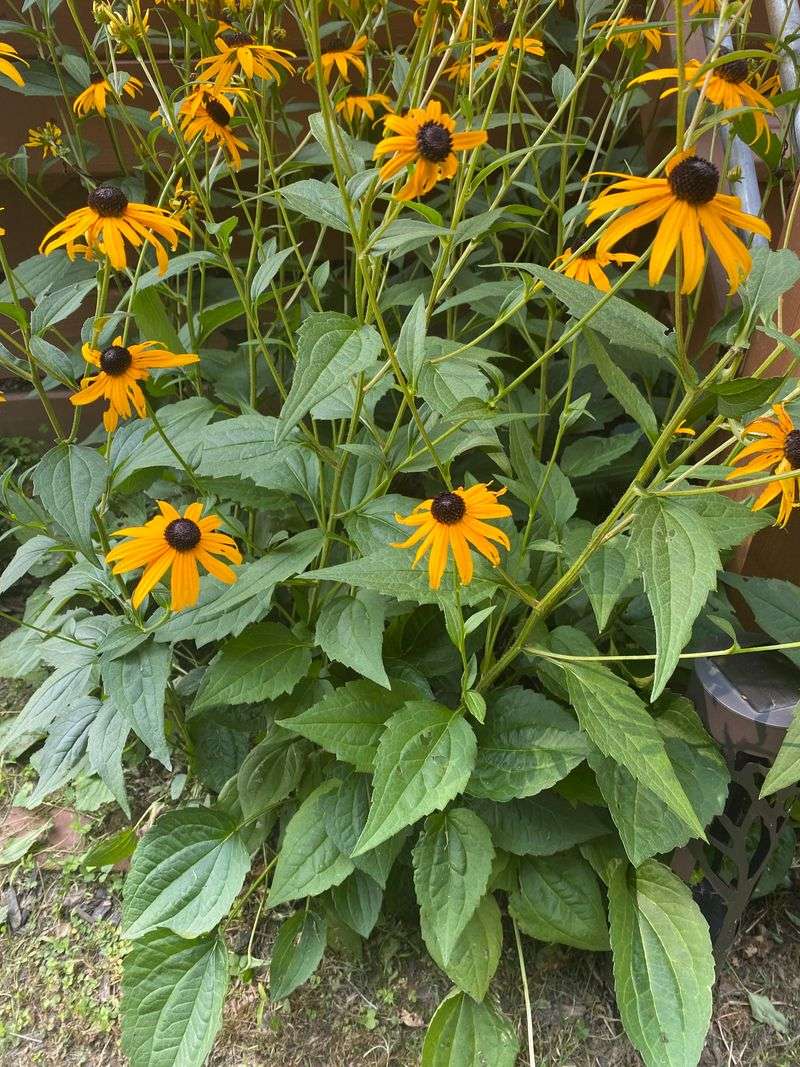
A summer bee garden needs a reliable yellow workhorse.
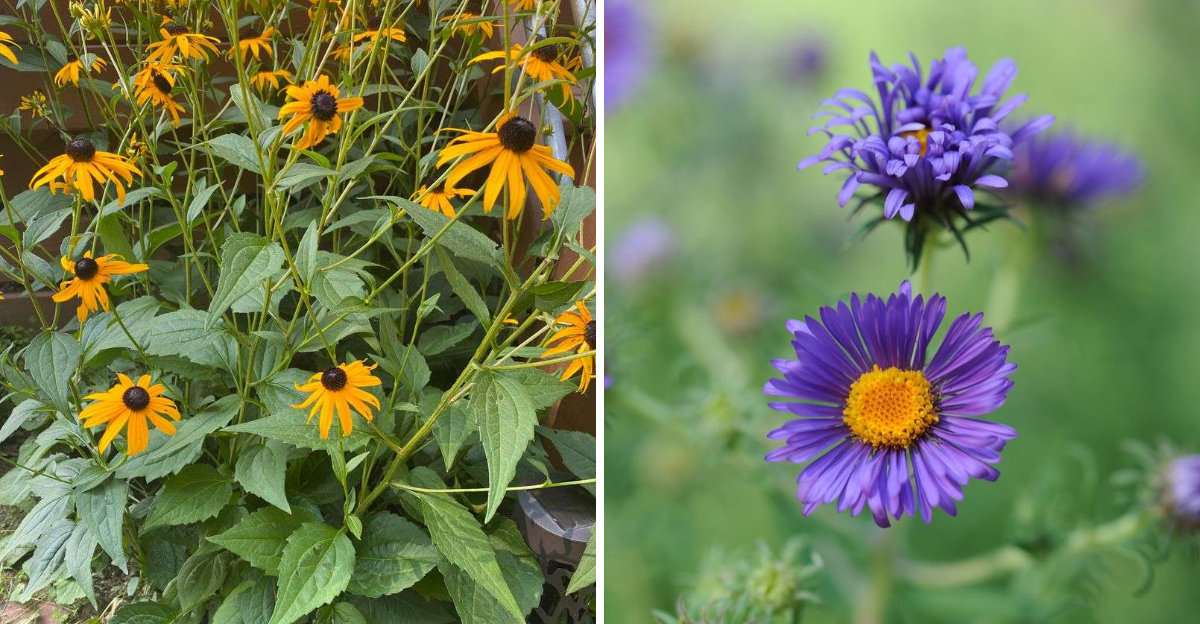
Black-eyed Susan brings golden petals, dark centers, and pollen that many native bees can use through July and August. It looks cheerful, but it is also practical in the way busy bees appreciate.
This plant handles full sun, dry spells, and average Ohio soil with very little fuss. It can grow one to three feet tall and usually produces plenty of blooms once established.
That gives small sweat bees and mining bees many landing spots in a compact area.
Plant it in groups. A mass of ten plants does more for foragers than scattered singles hiding across the yard.
Bees work efficiently when flowers sit close together. Less flight, more pollen. Honestly, that sounds like the bee version of good errands.
Black-eyed Susan also helps gardeners who do not want delicate plants with long complaint lists. It can tolerate rougher spots, sunny edges, and meadow beds where a neat formal perennial might look out of place.
Trim for a tidier look and more bloom, or leave some seed heads later in the season for birds. Both choices have value.
Set this plant near open, sunny soil and the habitat picture improves quickly. It gives the garden bright summer color, and it gives bees a dependable place to clock in.
5. Goldenrod
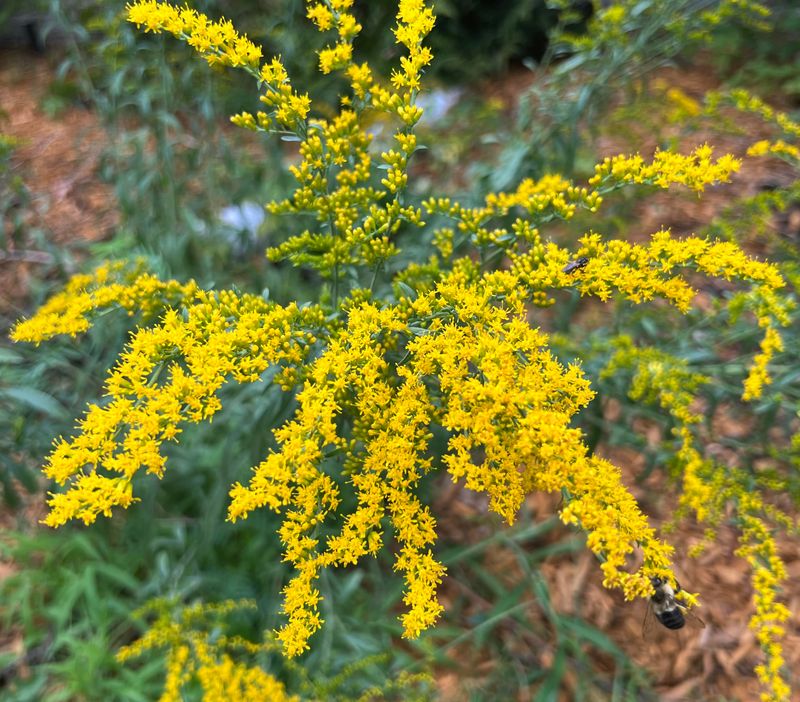
Goldenrod deserves a better reputation and maybe an apology basket.
People often blame it for fall allergies, but its pollen is heavy and sticky. Bees move that pollen, not the wind. Ragweed causes much of the sneezy trouble nearby, while goldenrod quietly feeds late-season pollinators.
Ohio has several native goldenrods, and many bloom in August and September. That timing matters because bees still active late in the season need nectar and pollen before cold weather takes over.
Ground-nesting bees near the end of their season may still provision nest cells. A strong goldenrod patch can help them finish that work with less wasted flight. It functions like the late café that stays open when the rest of the block goes dark.
Give goldenrod full sun and average soil. Some types spread by rhizomes, so place them where a little expansion is welcome. Meadow edges, fence lines, and naturalized borders work well.
Cut stems back in late spring for a shorter, bushier plant. That helps prevent flopping and keeps the patch easier to manage. No one wants a goldenrod jungle blocking the mailbox.
Pair it with asters for a fall pollinator combo that looks great and works hard. Goldenrod brings the yellow, asters bring the purple, and the bees get a proper autumn send-off.
6. Asters
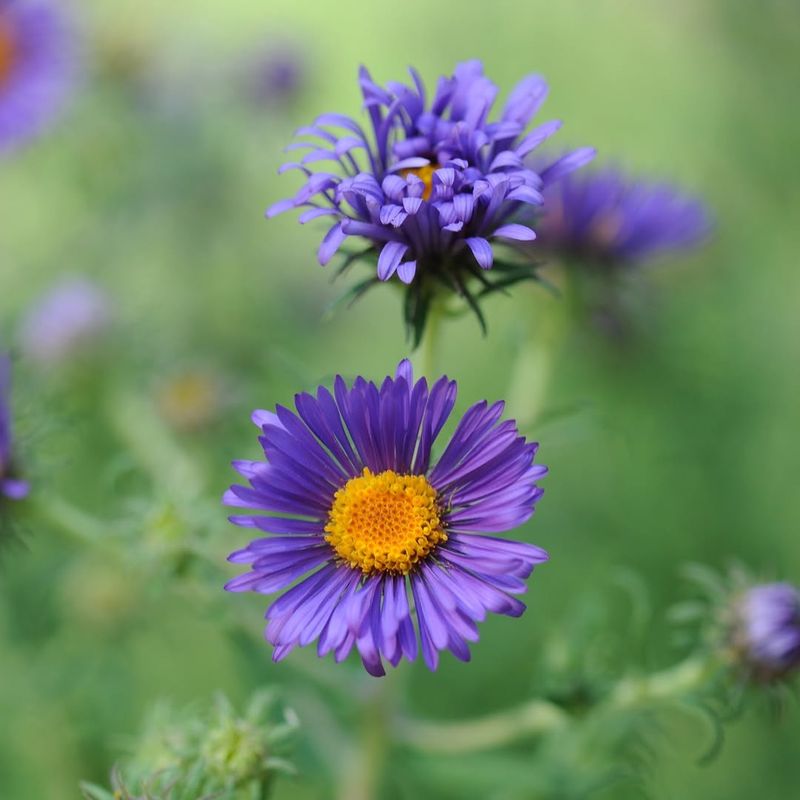
The late garden can look tired, then asters arrive with fresh energy.
Native asters bloom from late September into October in many Ohio gardens, sometimes later during mild years. For bees still active in fall, those flowers can be more than pretty. They can be the final pantry.
New England Aster and Smooth Blue Aster both offer abundant pollen and nectar. Their purple to lavender flowers stand out when many summer blooms have faded.
Bees, flies, butterflies, and other pollinators may crowd the flowers on warm autumn afternoons.
Some mining bees are especially tied to fall flowers, so asters help support a very specific seasonal crowd. That makes them one of the most valuable late plants in a pollinator bed.
Plant asters in full sun to light shade. Leaner soil can help them stay sturdier. Rich soil may push tall, floppy stems, which leads to the classic gardener ritual of tying plants while pretending that was the plan all along.
Cut stems back by half in late June for a bushier shape and more compact flowers. This small trim can make the fall display easier to manage.
Leave stems standing through winter when possible. Birds may use the seed heads, and insects may shelter in the stems. Asters finish the floral year with color, food, and a little habitat after the petals fade.
7. Wild Bergamot Keeps Midsummer Buzzing
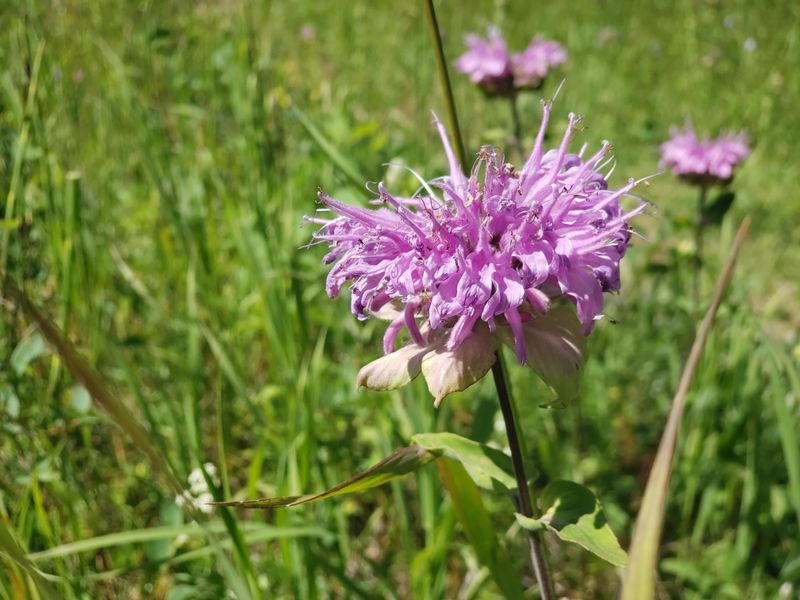
Midsummer needs a flower with personality.
Wild Bergamot brings lavender-pink blooms that look like tiny fireworks and smell lightly herbal when the leaves are brushed. Bees notice it fast, and the plant can turn a sunny patch into a busy little airport.
This native perennial usually blooms in July through September, right when many ground-nesting bees still need steady food.
Bumblebees visit often, and smaller native bees may work the flowers too. The bloom heads hold many small tubular flowers, which gives bees plenty to check on one stop.
Plant it in full sun to part shade with dry to medium soil. Good air movement helps keep the foliage cleaner, especially during humid Ohio stretches.
Crowded plants can get leaf issues, so give each clump enough room to breathe.
Wild Bergamot spreads by clumps and seed, but it usually feels manageable in a meadow-style bed or pollinator border.
It pairs beautifully with Black Eyed Susan, coneflowers, grasses, and asters. The whole group looks like summer decided to put on a casual concert.
Cut back a few stems early in the season for bushier growth, or let it rise taller for a looser meadow look.
Near bare soil, Wild Bergamot gives bees a strong midsummer food stop. It also makes the garden smell like it has better plans than you do.
8. Purple Coneflower
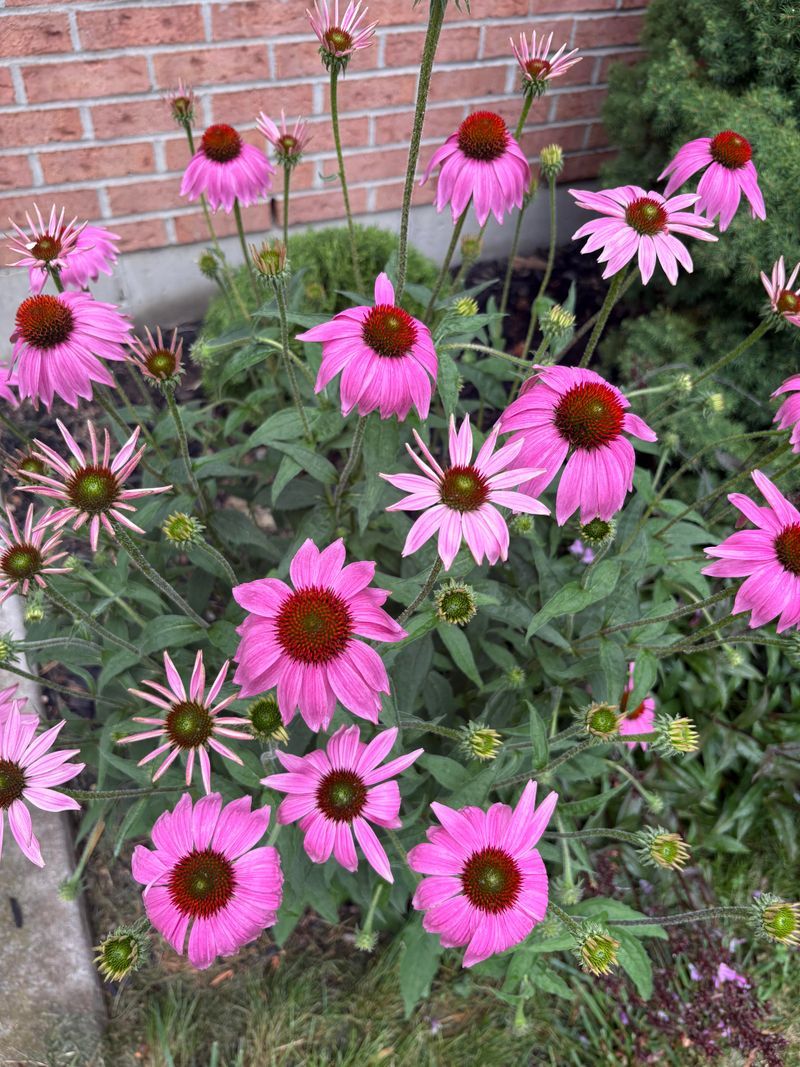
A sturdy purple bloom can do more than look pretty beside the patio.
Purple Coneflower offers broad landing pads, raised orange-brown centers, and a long summer bloom window that bees can use again and again. It fits sunny Ohio beds where ground-nesting bees need reliable food close to open soil.
The flowers usually appear from early summer into early fall, depending on weather and site. Bees gather pollen from the central cones, while butterflies may stop for nectar.
The whole plant has that relaxed prairie look that makes a bed feel alive rather than overdesigned.
Full sun gives the best bloom. Average, well-drained soil suits it well. It can handle dry spells after establishment, but young plants appreciate steady moisture during their first season.
Plant in groups of three, five, or more. A small cluster creates a clearer target for foragers and looks better from a distance. Single plants can still help, but a patch feels more like an actual destination.
Leave some seed heads after bloom. Goldfinches may visit, and the dried cones add winter texture. Cut only the stems that look messy near paths or seating areas.
Purple Coneflower brings color, structure, and a useful midsummer food source. It is not fancy in a fussy way. It is dependable, which bees and gardeners both tend to appreciate.