Ohio Firewood And Brush Pile Habits That Create Tick Habitat Right Next To Your House

Most Ohio homeowners stack firewood with one thought in mind. Keep it dry, keep it close, keep it accessible.
Nobody stacks a brush pile thinking about what moves in underneath it. But certain habits around firewood and yard debris create some of the most concentrated tick habitat on a residential property.
Location matters. Height matters.
What surrounds the pile and how long it sits undisturbed all factor into how attractive that spot becomes for ticks. These are not exotic mistakes.
They are the default habits of most Ohio homeowners who have never had a reason to think about their woodpile in these terms. A few changes to where and how debris gets stored make that spot significantly less hospitable.
Nothing about how the yard functions has to change. Just where things get stacked and how they get managed once they are there.
1. Stacking Firewood Too Close To The House
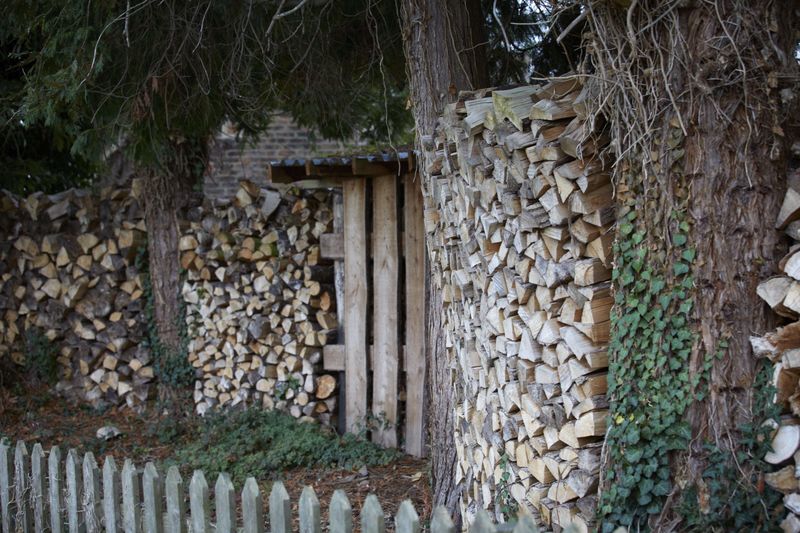
A woodpile pressed against the garage wall or tucked beside the back porch can look tidy and convenient. But the ground beneath and behind it often stays shaded, damp, and hard to inspect.
That kind of sheltered spot is exactly what creates edge habitat close to doors and high-use areas.
Ticks do not move into an Ohio yard on their own. They arrive on wildlife, birds, and occasionally on pets or clothing.
When a firewood stack sits near a foundation, patio, or entry path, it can pull that sheltered edge habitat much closer to the places your family uses every day.
Moving your wood stack to a drier, more open location away from main entry routes makes practical sense. You do not need a specific number of feet, but more open ground between the pile and the house generally means better airflow and easier inspection.
Choosing a sunny, well-drained spot for your stack also helps the wood dry faster. Dry wood burns better and keeps the surrounding ground from staying soggy.
A practical placement is good for the wood and good for the yard at the same time.
2. Letting Brush Piles Sit Along Entry Paths

A brush pile left beside a side-yard walkway or near porch steps creates a shaded, protected corridor right where people and pets pass most often. Brush piles naturally collect moisture and debris.
They also give small animals a reason to travel along that same route.
When wildlife moves through brushy cover near an entry path, any ticks they carry can drop off along that route. Pets sniffing the pile or people brushing against it while carrying groceries or garden tools can make contact with that edge habitat without realizing it.
Moving brush piles away from walkways, patio edges, and narrow side-yard routes is one of the more straightforward adjustments you can make.
Relocating the pile to a back corner of the property, away from daily foot traffic, reduces the overlap between high-use paths and sheltered cover.
Clearing or chipping brush regularly also reduces how long a pile sits in one spot. A fresh, compact pile is less established than one that has been sitting and settling for a full season.
Your Ohio Garden Changes Every Week. Your Plan Should Too.
Gardening in Ohio changes quickly throughout the season. Every Friday you’ll receive a simple weekly plan showing exactly what to plant, prune, fertilize, harvest, and protect so you never miss the right timing.
Keeping entry paths open and clear on both sides helps everyone move through the yard without brushing against low vegetation.
3. Leaving Leaf Litter Under Wood Stacks
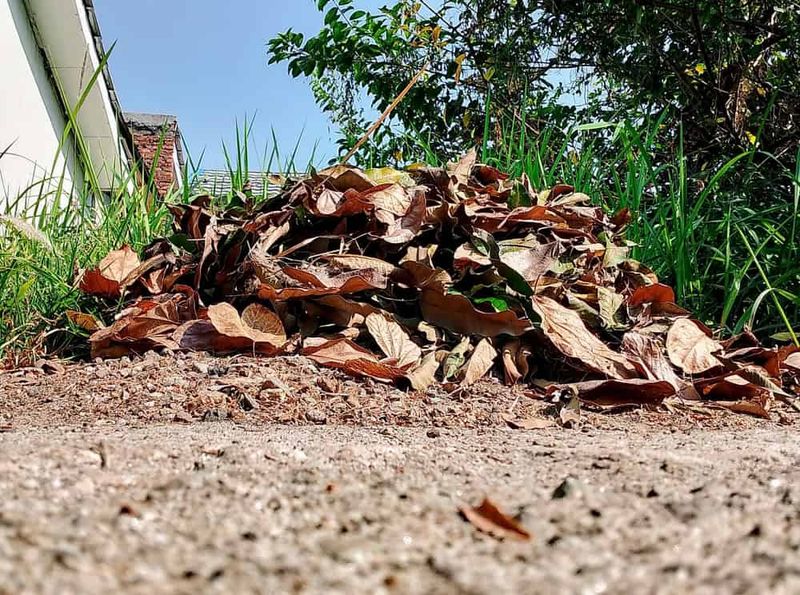
Leaf litter under a wood stack does something most people do not notice at first. It holds moisture against the ground, creates a soft protected layer, and keeps sunlight from drying out the soil beneath.
That combination of shade and dampness is exactly what makes certain spots more attractive to the conditions ticks prefer.
Leaves are a natural and important part of yard ecology in many areas. Removing all leaf litter from every corner of the property is not realistic or even necessary.
The focus should be on high-use areas, especially around wood stacks near doors, patios, and pet areas.
Clearing leaves from the immediate base of a firewood stack keeps the ground drier and easier to see. It also removes the soft layer where small animals like to nest or forage.
A clean base around the stack makes the area less inviting for the wildlife that can carry ticks into the yard.
In lower-use areas of the yard, leaving natural leaf cover in place supports local habitat and is perfectly reasonable. The goal is not to strip every yard bare.
It is to reduce sheltered, damp pockets in the spots where people and pets spend the most time each day.
4. Keeping Firewood Directly On Damp Soil
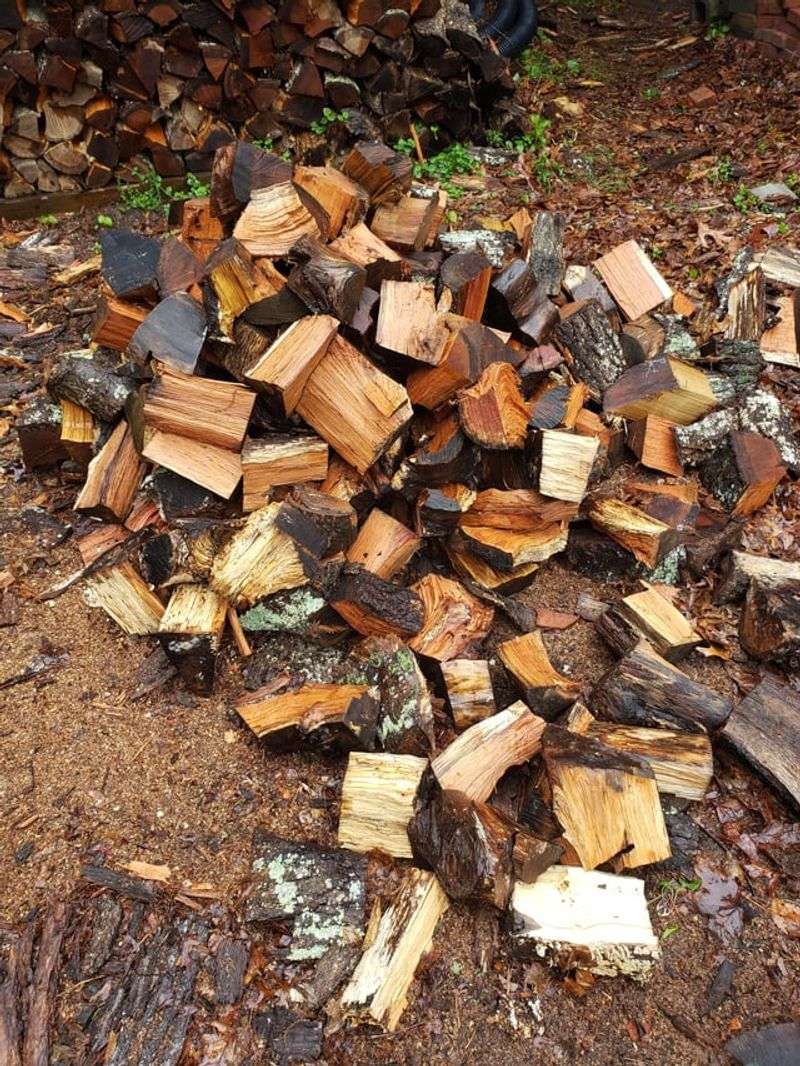
Wood stacked flat on wet ground creates a problem in two directions at once. The soil stays shaded and humid because the stack blocks sunlight and airflow.
The wood itself absorbs moisture from below, which makes it harder to burn and more likely to attract insects and small animals looking for shelter.
A damp, shaded patch of ground near the house is the kind of microhabitat that supports the conditions ticks need to survive. Ticks do not thrive in dry, sunny, open ground.
They prefer the cool, moist edges that a ground-level stack can quietly produce over time.
Elevating firewood on a rack, pallets, or a dry base allows air to circulate under the stack. This helps the ground beneath stay drier and makes the area easier to keep clear.
It also makes it simpler to inspect the base of the stack when you go out to collect wood.
Keeping the area around an elevated stack mowed, raked, and free of debris takes only a few extra minutes but makes the spot more open and less protected.
Dry, well-maintained firewood storage areas are practical for the wood and less hospitable to the conditions that support tick survival near the house.
5. Allowing Weeds To Grow Around The Pile
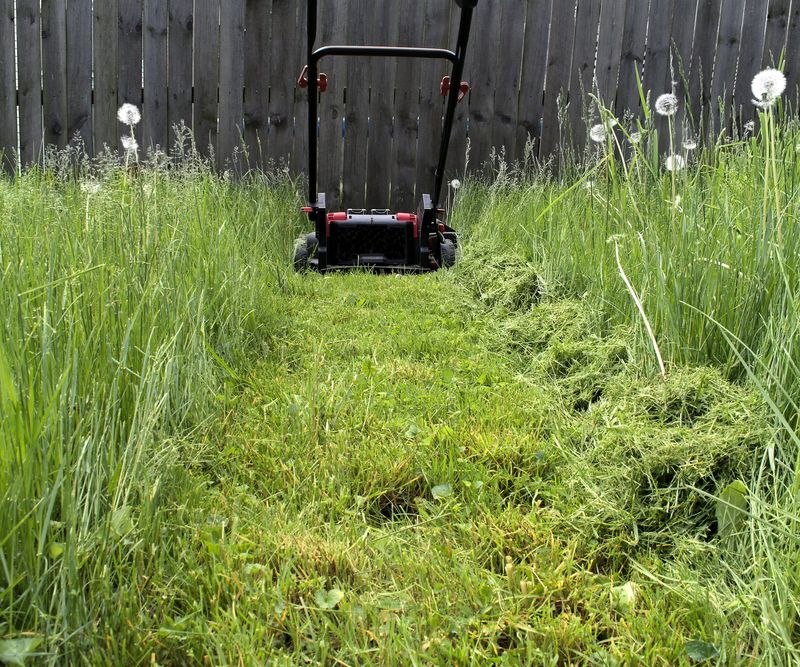
Tall weeds and overgrown grass around a firewood stack or brush pile create something that is easy to overlook. Low, dense vegetation along the edges of a pile forms a shaded corridor at ground level.
That kind of cover gives wildlife a reason to move through the area and gives ticks a place to wait on passing hosts.
Ticks do not jump or fly. They position themselves on the tips of grass blades and low vegetation and wait for a warm-blooded host to brush past.
Weedy, overgrown edges around a firewood stack create the perfect setup for that kind of contact, especially if you or a pet regularly walk past to collect wood.
Trimming the vegetation around a firewood pile takes very little time and makes a noticeable difference in how the area looks and functions. Keeping a mowed or cleared border around the pile reduces the amount of low cover available near the stack.
This is especially worth doing along the routes you walk most often, including the path from the back door to the woodpile.
Short, well-maintained grass dries faster after rain, stays warmer in sunlight, and is much easier to walk through without picking up hitchhikers on your pants or socks.
6. Placing Brush Piles Beside Pet Routes
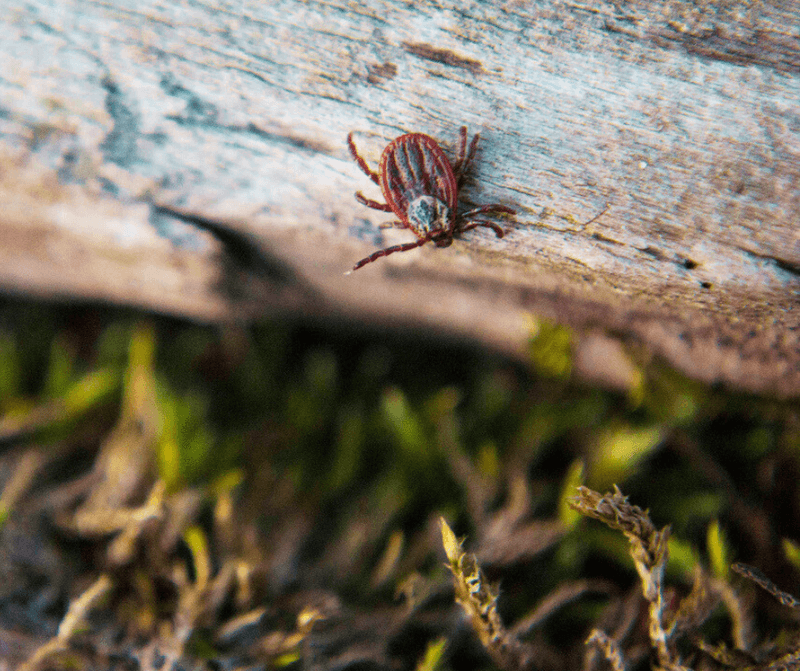
Dogs love to investigate brush piles. A pile of sticks, leaves, and yard debris is exactly the kind of spot a curious pet will push through, sniff around, and roll against.
If that pile sits right along the route your dog uses to reach the yard or the gate, the chance of tick contact goes up with every trip outside.
Pets can pick up ticks in tall grass, leaf litter, brush, and wooded edges. They can also carry ticks back into the house on their fur without showing any obvious signs.
Checking your pet after outdoor time is a smart habit, especially during warmer months when ticks are most active.
Talk to your veterinarian about tick prevention products that are appropriate for your specific pet. There are several reliable options available, and a vet can help you choose one that fits your pet’s size, age, and health.
Do not use products designed for dogs on cats or other animals without veterinary guidance.
Relocating brush piles away from the main pet route through the yard is a simple adjustment. Moving the pile to a back corner, behind a shed, or along a fence line that pets do not use regularly reduces daily contact with that sheltered edge.
Pair that with regular grooming checks for the best results.
7. Skipping A Dry Clear Zone Around The Stack
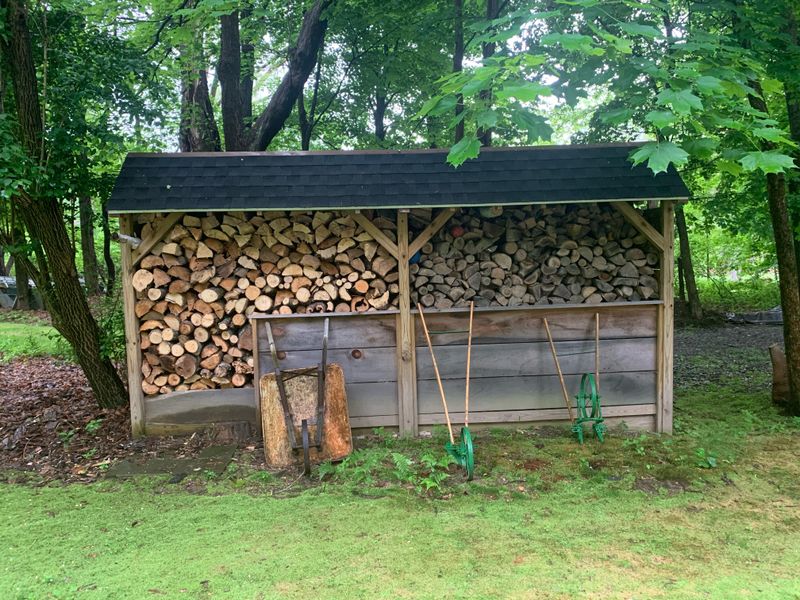
A dry, open strip around a firewood stack serves a practical purpose beyond just looking tidy. Open ground that gets regular sunlight dries out faster after rain, stays warmer, and is much easier to walk through and inspect.
That kind of maintained border makes the area around a stack less sheltered and more visible.
University extension resources and public health guidance often mention creating a barrier between wooded or brushy areas and high-use yard spaces. That kind of barrier can help reduce tick exposure.
Gravel, mowed grass, or a clean mulched border can all serve that purpose depending on the layout of your yard.
A clear zone does not need to be elaborate. Even a consistently mowed strip of a few feet around the base of the stack makes a difference.
The key is keeping it maintained so it does not gradually fill in with weeds, leaves, and debris over the season.
Checking the area around your stack periodically, especially before you let kids or pets play nearby, keeps you aware of what is accumulating. A clear zone is not a guarantee against every yard pest.
It is one practical layer of yard management that supports a drier, more open environment around a spot you visit regularly throughout the colder months.
8. Forgetting That Wildlife Carries Ticks Into Yard Edges

Ticks do not march across the lawn toward the house. They move through the landscape on the animals that carry them, including deer, raccoons, opossums, mice, and birds.
When those animals travel through your Ohio yard, they may drop ticks along their route, including near brush piles and wood stacks that offer cover or food.
Brush piles and wood stacks placed near the yard edge or along fence lines can attract small animals looking for shelter. Mice in particular are well-documented hosts for immature ticks in their early life stages.
A brush pile near a foundation or shed provides exactly the kind of protected space that small mammals prefer.
Keeping brush piles and wood stacks away from the yard edge, wooded borders, and areas where you regularly see wildlife activity is a reasonable step. You cannot eliminate wildlife from the landscape, and most wildlife plays a valuable ecological role.
The goal is to reduce overlap between wildlife travel routes and the spots where your family spends time.
Staying aware of where animals move through the yard helps you make smarter choices about pile placement. Seasonal checks of the area around your stack are especially useful in spring and fall, when wildlife is most active.
They give you a clearer picture of what is happening in your yard edges throughout the year.