The One Native Ohio Plant You Need If You Want Ticks To Find Your Yard Less Attractive
Ticks can make an Ohio yard feel harder to enjoy, especially around garden edges, tall grass, wood piles, and the shady spots pets love to explore.
No plant can turn a property into a tick-free zone, but one native perennial may help make the landscape less inviting.
It brings a strong, clean scent, clusters of pollinator-friendly flowers, and a tough nature that fits right into Ohio gardens. Instead of relying only on sprays or constant cleanup, you can add another layer to a smarter outdoor plan with a plant that earns its space.
It softens sunny borders, draws bees and butterflies, and adds a crisp herbal presence near paths, patios, and planting beds. Ticks may be the reason this plant gets your attention, but its garden value goes well beyond pest pressure.
1. Plant Mountain Mint In Sunny Tick-Prone Edges
A weedy fence line full of tall grass and damp leaf litter gives ticks far more cover than most gardeners realize. Ticks thrive in humid, shaded, brushy zones where moisture stays trapped and wildlife moves through regularly.
That kind of edge, left unmanaged, becomes some of the most tick-friendly habitat in a residential yard.
Mountain mint works best when planted directly in those problem spots. Sunny edges, fence lines, and overgrown borders along paths or property lines are ideal locations.
The goal is to replace tangled, damp, weedy growth with a more structured native planting that stays open and visible.
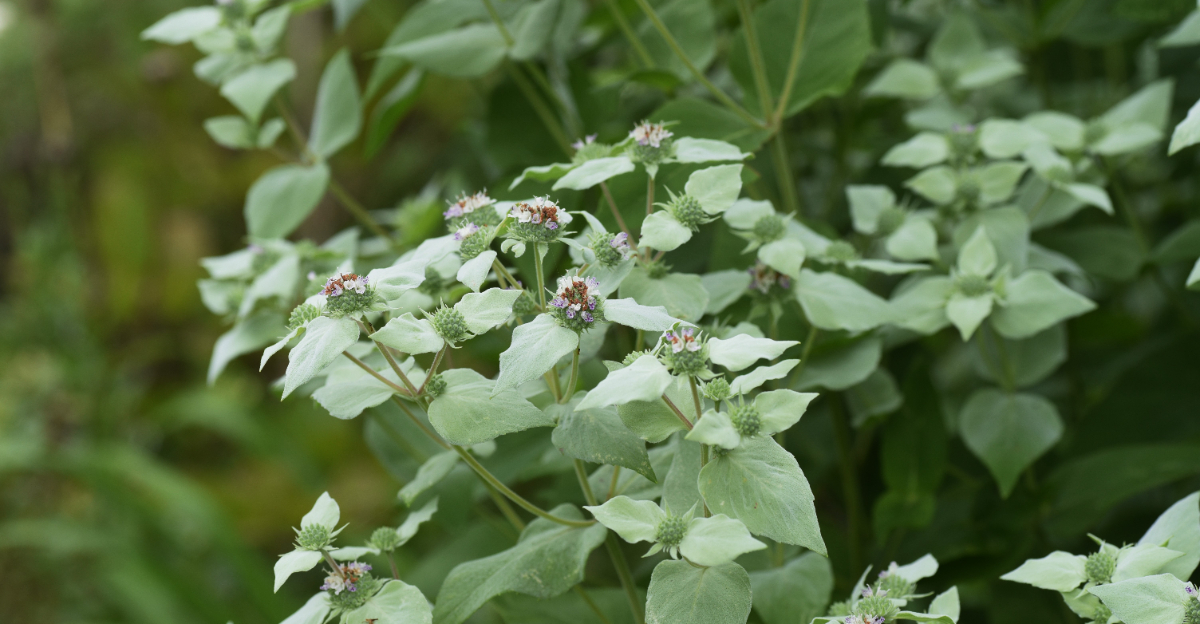
Clustered mountain mint, known as Pycnanthemum muticum, is one of the most widely recommended species for home landscapes in Ohio. Narrowleaf mountain mint, Pycnanthemum tenuifolium, is another solid native option.
Both prefer full sun and tolerate a range of soil types. Neither is a tick repellent.
Their value here is habitat replacement, not chemical defense.
Replacing a brushy, weedy edge with a planned sunny patch makes it easier to mow nearby and monitor for activity. It also keeps the area from becoming the kind of sheltered, cluttered zone where ticks prefer to wait.
Start with a small patch and build from there.
2. Use Aromatic Foliage As Part Of A Smarter Yard Strategy
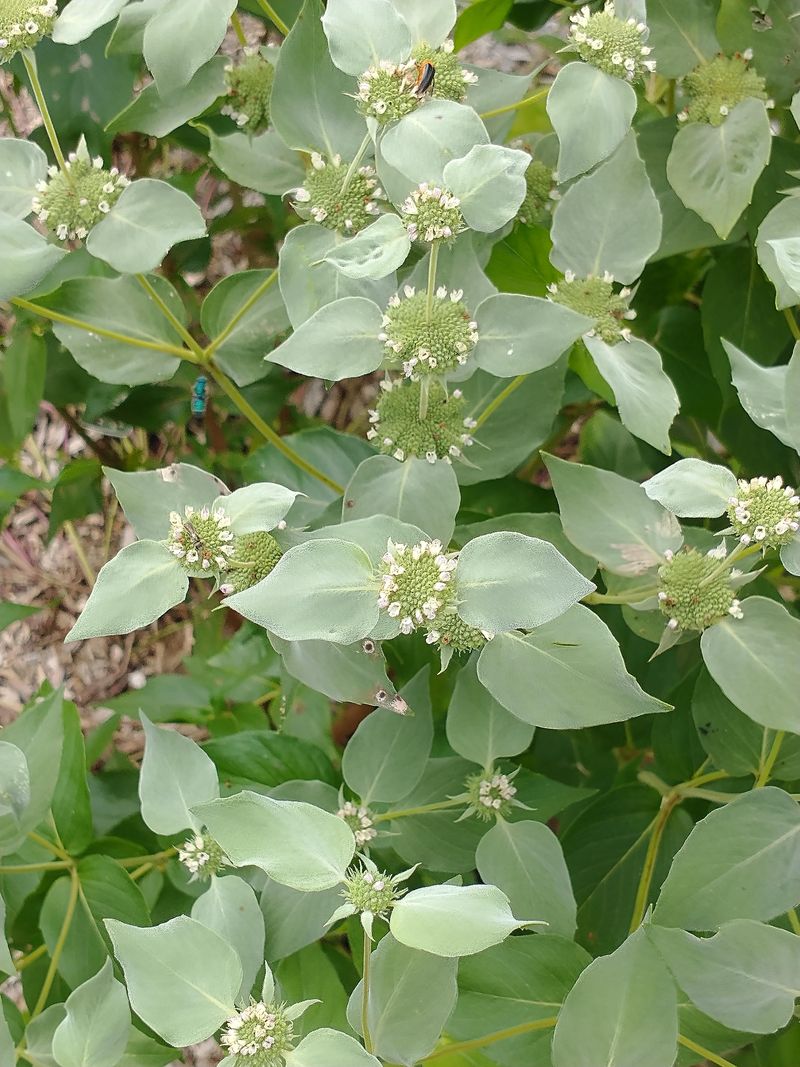
Crush a leaf of mountain mint between your fingers and you will notice the scent immediately. It is sharp, clean, and minty in a way that stands out from most garden plants.
That strong aroma is one of the reasons mountain mint often gets linked to tick and insect discussions, but the connection deserves some careful explanation.
Mountain mint’s aromatic foliage does not form a scent barrier around your yard. Ticks are not reliably repelled by plant smells across open spaces.
The foliage is a genuine feature of the plant, but its garden value is broader than any single pest-related claim.
The real strategy is using mountain mint as part of a thoughtful yard design. Aromatic, densely growing native plants can replace weedy, moist, cluttered edges that are harder to monitor and maintain.
A patch of mountain mint along a sunny border is easier to walk past, trim around, and inspect than a tangle of wild brush.
Your Ohio Garden Changes Every Week. Your Plan Should Too.
Gardening in Ohio changes quickly throughout the season. Every Friday you’ll receive a simple weekly plan showing exactly what to plant, prune, fertilize, harvest, and protect so you never miss the right timing.
The scent also makes the planting less appealing to deer and rabbits compared to softer garden plants. That is a practical bonus, though it is not a guarantee.
Pair the aromatic foliage with regular mowing, cleared paths, and dry barriers for a genuinely smarter yard-edge approach.
3. Replace Damp Brush With A Managed Native Patch
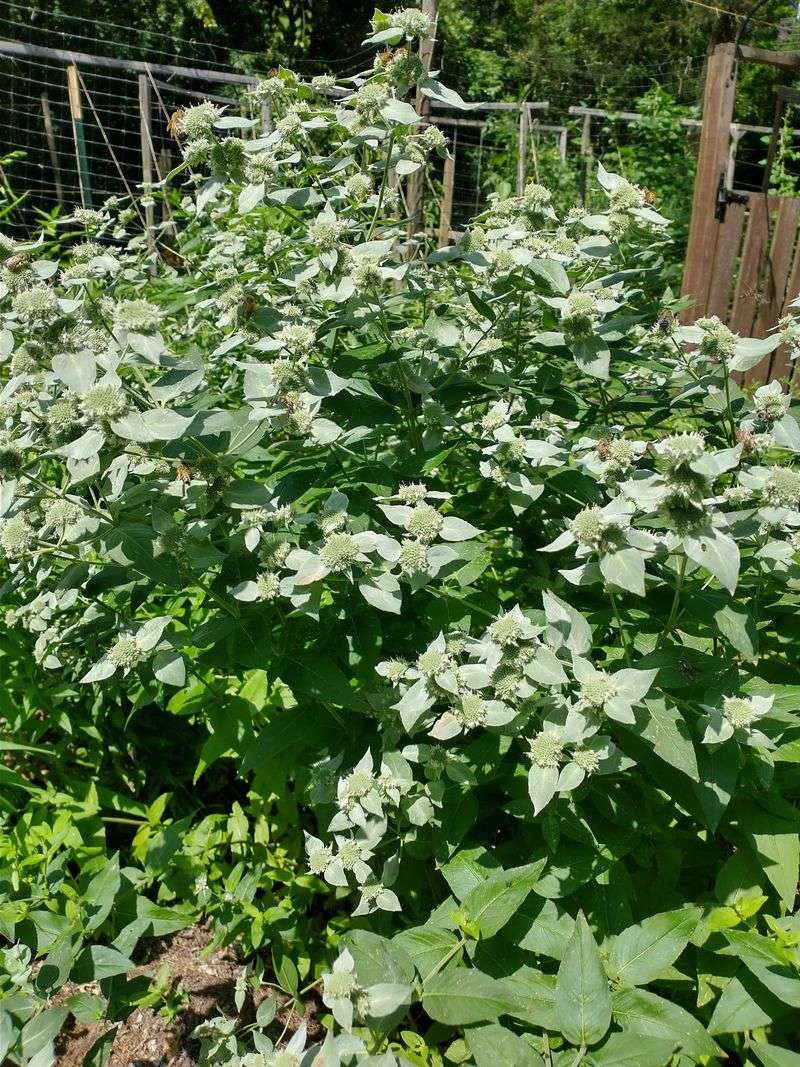
Ticks are not random. They concentrate in spots that give them the right conditions, and damp, brushy, shaded edges with heavy leaf litter are some of their preferred hiding places.
A forgotten corner behind the shed or a weedy strip along the back fence can quietly become a tick-friendly zone without much notice.
Clearing that kind of growth and replacing it with a managed native planting changes the character of the space. Mountain mint fills in steadily, grows upright, and keeps a patch looking intentional rather than neglected.
That openness makes a real difference in how easy the area is to maintain.
Managed does not mean low-effort. A mountain mint patch still needs attention.
Edges need trimming, excess spread needs checking, and nearby soil should stay reasonably clear of deep leaf buildup in high-use zones. The point is that a planted, tended patch is easier to monitor than a wild tangle.
This is not a claim that mountain mint removes ticks from a yard. It does not.
What it does is give gardeners a practical reason to clear a problematic edge and replace it with something structured, native, and genuinely useful. That replacement is where the habitat benefit comes from, not from the plant itself acting as a repellent.
4. Keep The Base Open So Ticks Have Less Cover
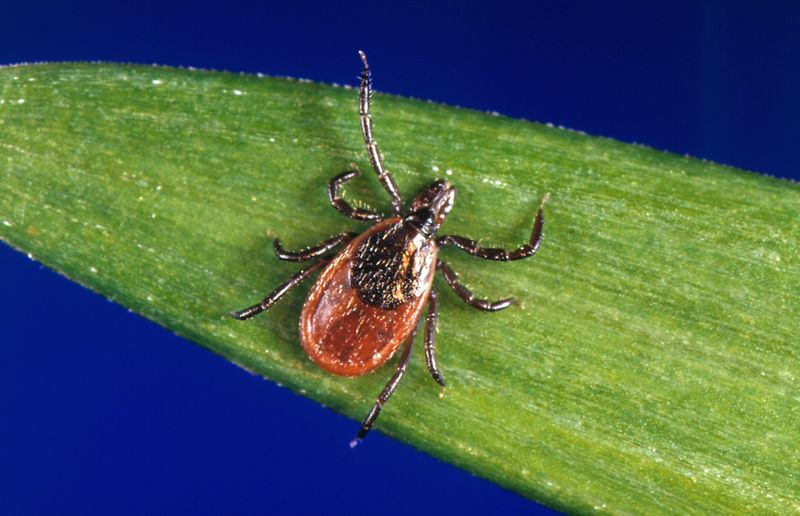
Even a well-chosen native plant can create tick-friendly conditions if it is left to grow into a dense, damp, tangled mess. Mountain mint spreads over time, and without some attention to the base of the planting, the lower stems can trap moisture and leaf debris.
That kind of buildup is exactly what ticks look for.
Keeping the base of a mountain mint patch open is one of the most practical things a gardener can do. Space plants well when installing them.
Give each one enough room so air moves through the planting rather than getting trapped. Rake out leaf litter from the base in fall and again in early spring, especially along edges that get heavy foot traffic or wildlife activity.
Clear paths alongside the patch matter too. A mowed strip or gravel edge between the planting and a lawn or walkway creates a drier, more open transition zone.
Ticks generally avoid crossing dry, sunny, exposed surfaces. That kind of dry barrier is a recognized part of tick-habitat management recommended by extension sources.
Mountain mint is not maintenance-free, and that is fine. A tended planting with an open base and clear surroundings gives you far better control over what the edge looks like than an overgrown patch ever would.
Regular attention is what makes the habitat strategy actually work.
5. Let Pollinators Work The Flowers All Summer
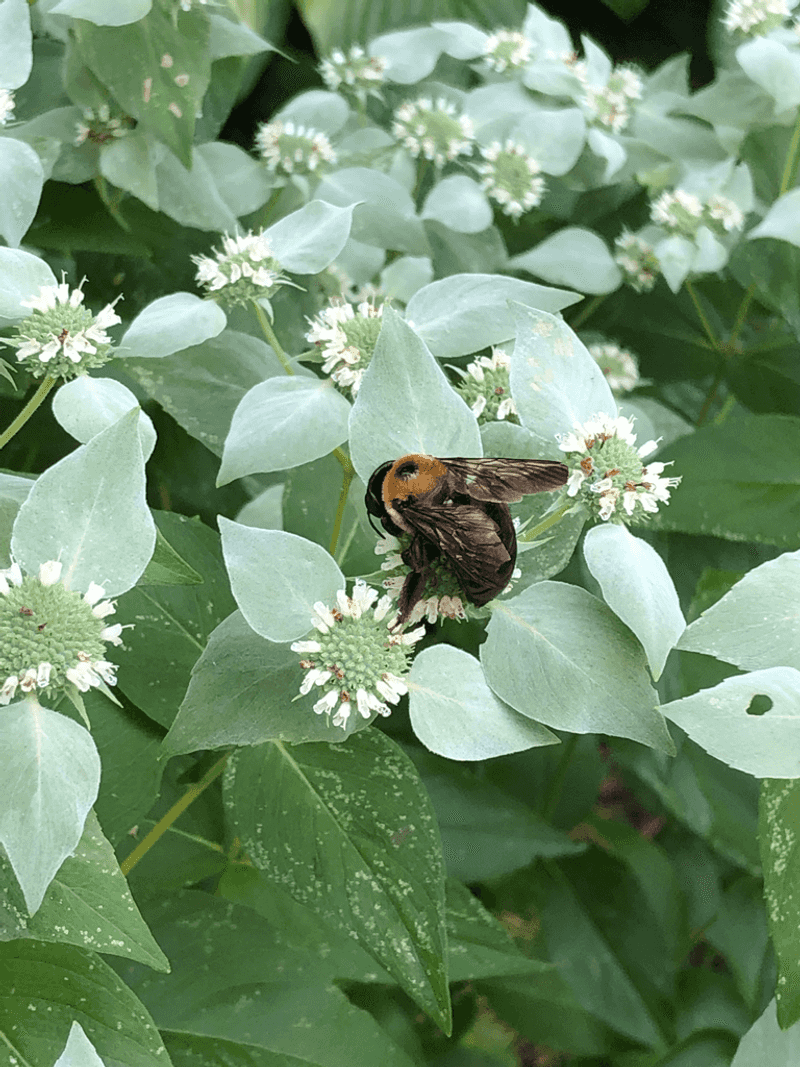
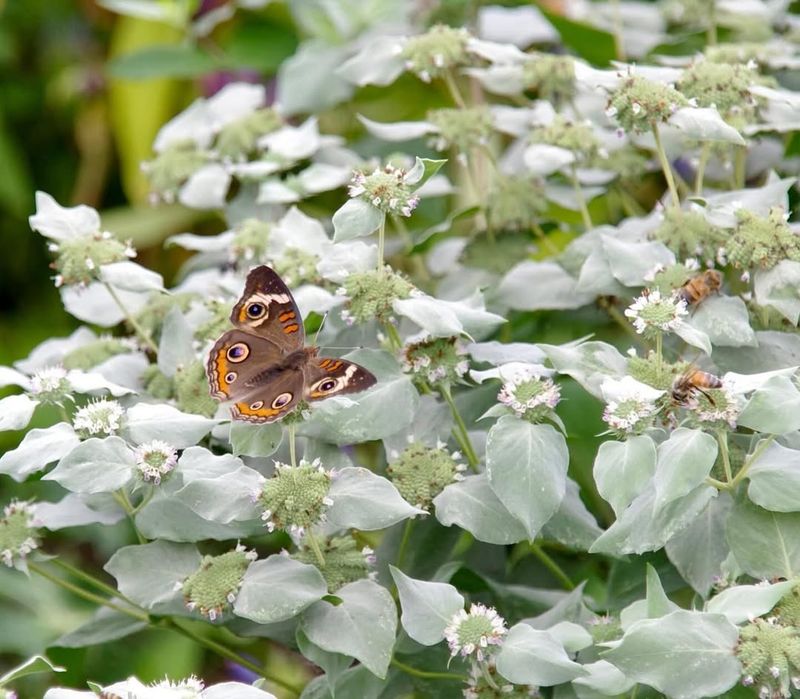
Walk past a blooming mountain mint patch on a warm July afternoon and the sound alone tells you something is happening. Bees, native wasps, small butterflies, and other beneficial insects move steadily through the flower clusters during the bloom period.
The activity is consistent enough that mountain mint has become a recommended plant in pollinator-focused native garden plans across Ohio.
Pycnanthemum species bloom from roughly midsummer into early fall. That gives pollinators a reliable food source during a period when some other native flowers have already finished.
That extended bloom window is one of the reasons this plant shows up on Xerces Society and native plant organization lists for pollinator support.
It is worth being clear about what pollinator activity does and does not do. A yard full of bees does not reduce tick populations.
Pollinators and ticks occupy very different parts of the yard and the food web. The pollinator value of mountain mint stands on its own as a genuine reason to plant it.
Watching the flower clusters during peak bloom is one of the more rewarding parts of growing this plant. The diversity of insect visitors is often surprising.
Follow current public health and extension guidance for tick prevention regardless of what is blooming in your yard. Pollinators are a benefit, not a tick-control tool.
6. Give Mountain Mint Room To Spread
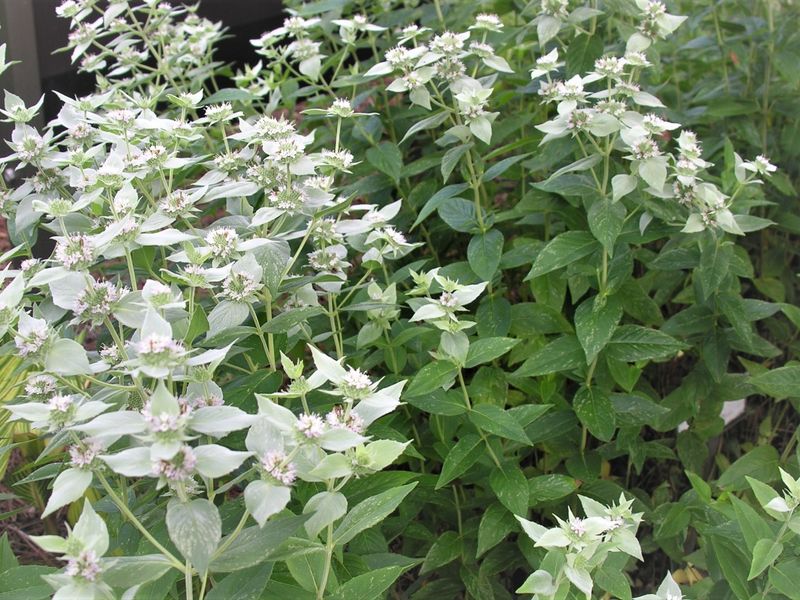
A single mountain mint plant rarely stays a single plant for long. Given reasonable soil and full sun, it spreads steadily by rhizomes and can fill a patch over several seasons.
For a gardener trying to cover a weedy edge or convert a brushy border, that spreading habit is genuinely useful.
Clustered mountain mint tends to spread more assertively than narrowleaf mountain mint. Both are manageable, but knowing the difference helps with placement.
A wide sunny border, a fence line, or a naturalized edge along a back property line gives spreading plants the room they need. It also keeps them from crowding out smaller, more delicate neighbors.
Tiny formal beds or mixed perennial borders with carefully spaced plants may not be the right fit. Mountain mint can move into neighboring spaces if edging is not maintained.
That is not a flaw in the plant. It is simply how a vigorous native perennial behaves, and it works well in the right setting.
The spreading habit also means the patch can gradually replace weedy growth without requiring replanting year after year. Once established, mountain mint holds its ground reliably.
Give it space, let it fill in, and the result is a dense, upright, aromatic native planting that covers ground far better than bare soil or struggling annuals ever could.
7. Cut It Back If The Patch Gets Too Pushy
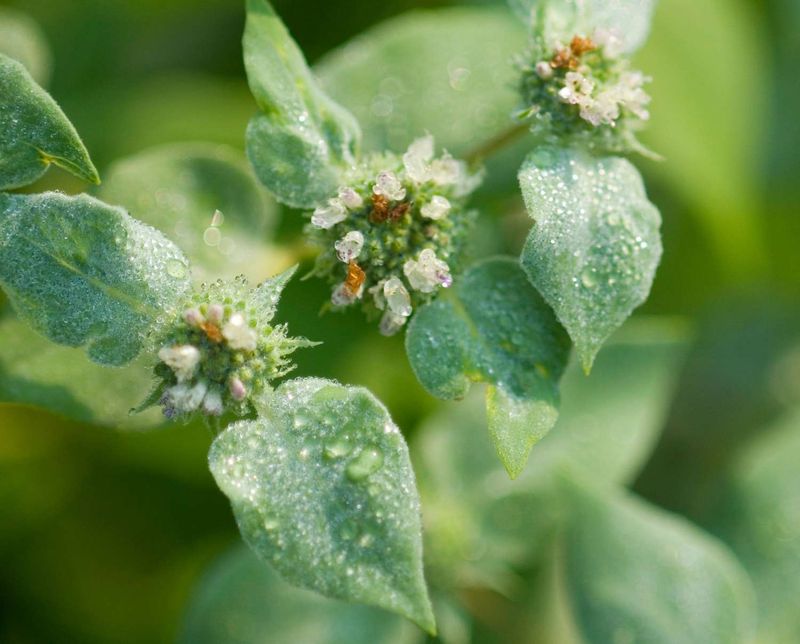
Strong native perennials earn their reputation partly by being hard to ignore. Mountain mint is no exception.
Once it gets established and starts spreading, it can push into lawn edges, crowd neighboring plants, or extend further than originally planned. That kind of growth is a normal part of managing a vigorous native plant.
Cutting it back is straightforward. Edge the patch in spring before new growth gets tall.
Dig out rhizomes along the margins where the plant is moving beyond its intended zone. Divide clumps every few years to keep the patch at a manageable size and to share divisions with other spots in the yard or with neighbors.
Trimming spent flower stems after bloom can keep the planting looking tidy and may encourage some additional flowering late in the season.
It also prevents the patch from becoming a wall of dry stems that traps leaf litter and moisture at the base, which is worth avoiding along tick-prone edges.
None of this is complicated. It is just the kind of seasonal attention a productive native planting needs.
Mountain mint responds well to cutting back and tends to bounce back quickly. Treating it as a managed perennial rather than a plant-and-forget solution keeps the patch looking intentional and the yard edge staying open and clean.
8. Treat It As Habitat Help, Not Tick Repellent
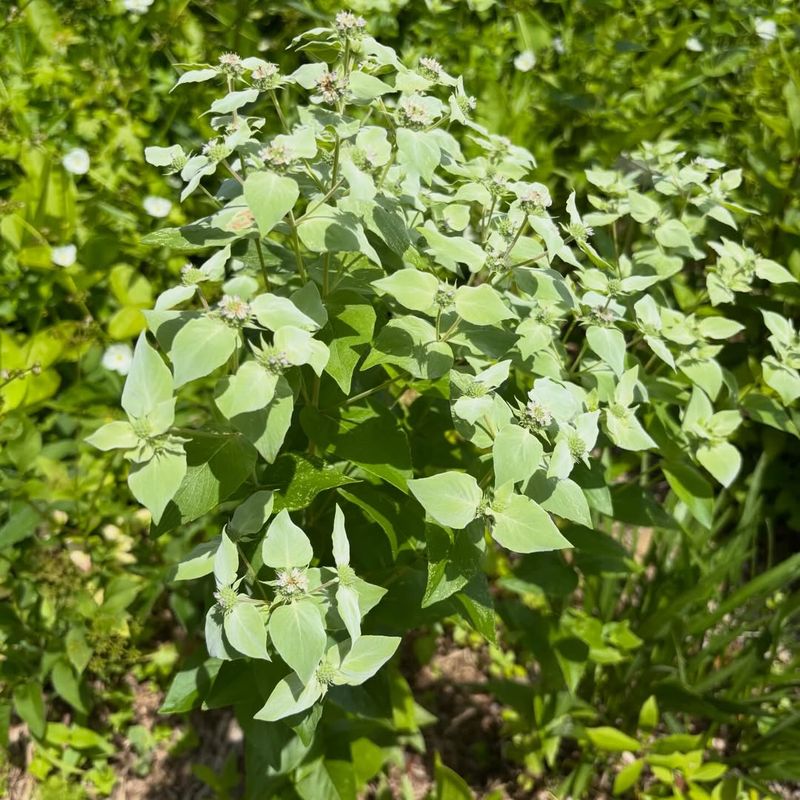
The honest case for mountain mint does not need exaggeration. It is a native, aromatic, pollinator-supporting perennial that thrives in full sun and fills difficult yard edges with structured, manageable growth.
That is already a strong resume for any garden plant, and it does not require tick-repellent claims to be worth planting.
Ticks are a real concern in residential yards across Ohio, especially along edges where lawn meets brush, woods, or unmowed growth. The best tick-prevention approach combines several strategies.
Mow regularly, remove leaf litter from high-use zones, and create dry barriers between lawn and natural areas. Check yourself and pets after outdoor time, and follow current guidance from public health and extension sources.
Mountain mint fits into that broader strategy as a habitat tool. Replacing a damp, weedy, cluttered edge with a sunny, managed native planting removes some of the conditions ticks prefer.
It does not guarantee tick-free spaces. It does make the edge easier to monitor, maintain, and keep from becoming the kind of forgotten corner where problems quietly build up.
Plant it because it is tough, fragrant, genuinely native, and good for the insects that share your yard. Manage it because a tended planting works better than a neglected one.
And handle tick prevention the way extension and public health professionals recommend, with layered, practical habits that go well beyond any single plant.