What It Means When A Hawk Circles Low Over Your Ohio Property
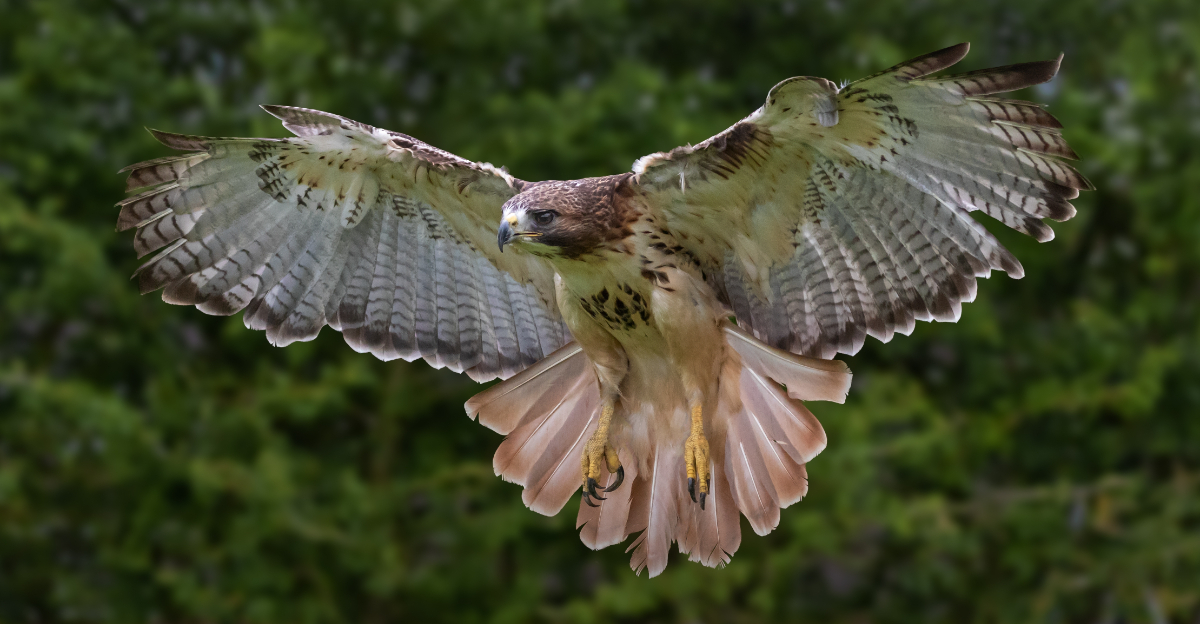
A hawk circling low over an Ohio property is the kind of thing that pulls your eyes up and keeps them there. Something about that slow, deliberate spiral commands attention in a way that a passing bird rarely does.
Most people watch until it moves on and spend the next few minutes wondering what, exactly, just happened overhead. Hawks do not circle without reason.
Low circling in particular is purposeful behavior. What drives it says something real about the land below, the prey activity at ground level, and the ecological health of the property the hawk chose to work.
Ohio has several hawk species that behave this way, and the meaning shifts depending on the season, the time of day, and what the bird does after it circles. Folklore adds another layer to what natural history already makes interesting.
What circled your property is worth understanding from both angles.
1. A Low-Circling Hawk Means Your Yard Has Its Attention
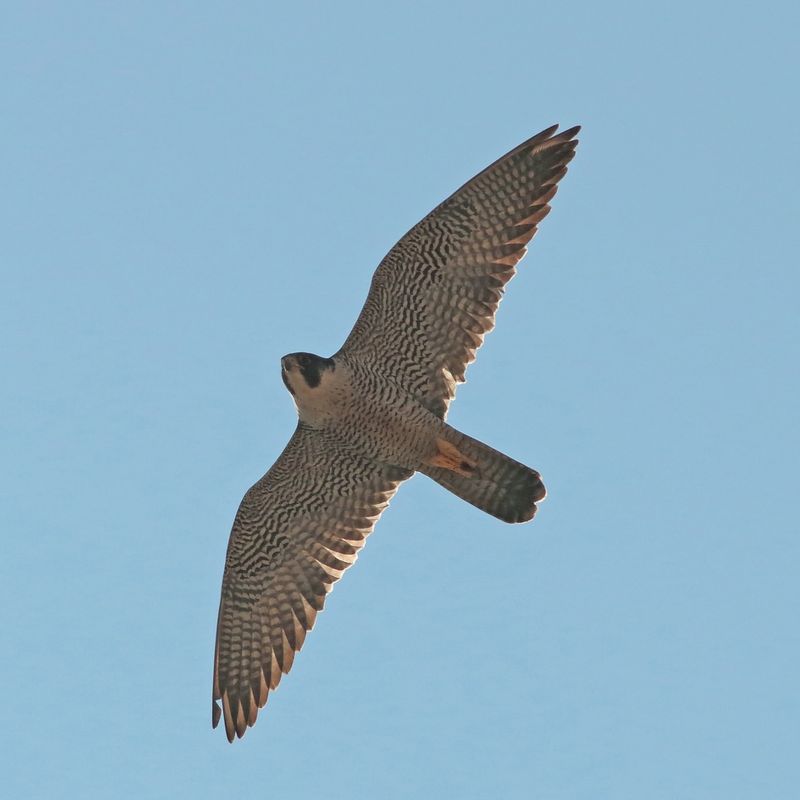
A shadow crossing the grass can make everyone look up before the bird ever makes a sound. When a hawk circles low over a property, the most straightforward explanation is that something below caught its eye.
Hawks have extraordinary vision, roughly four to eight times sharper than human eyesight, according to the Cornell Lab of Ornithology.
A slight rustle in the grass, a vole darting under a shrub, or a small bird moving along a fence line can register clearly from a surprising height.
Low circling usually means the bird is actively reading the ground beneath it. The hawk may be narrowing its search pattern, checking a specific patch of lawn, or deciding whether movement it spotted earlier is worth a closer pass.
This is focused behavior, not random drifting.
Your yard may have drawn its attention simply by offering the right conditions at the right moment. Open lawn areas give the bird a clear view of the ground.
Garden edges, brush piles, and unmowed corners can hold the kind of small animal activity that hawks rely on. The bird is not targeting your yard specifically out of preference.
It is following cues that any experienced predator uses to work a landscape efficiently. Watching it circle is a front-row view of that process in action.
2. Open Lawn Or Field Edges May Be Helping It Hunt
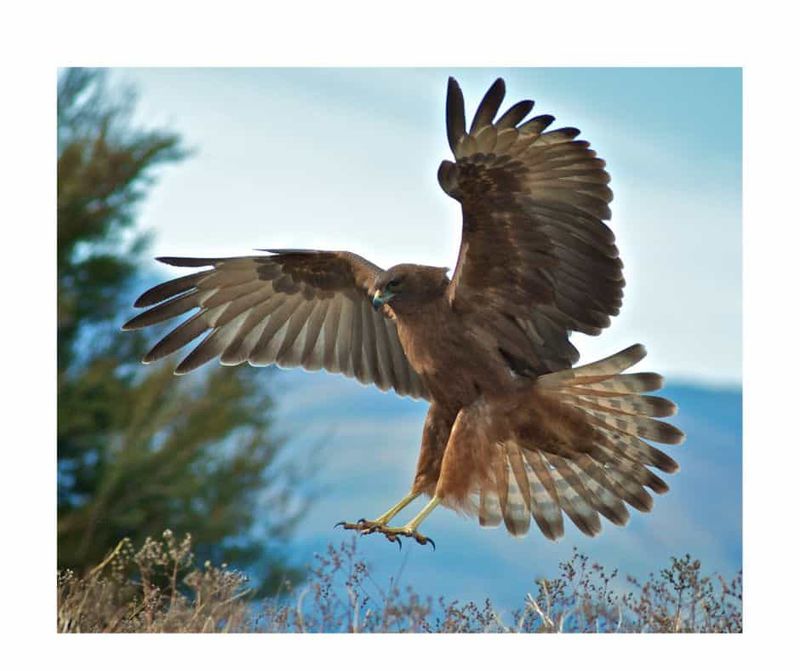
Field edges hold a kind of quiet energy that most people walk past without noticing. The border between mowed lawn and taller grass is exactly the kind of habitat that concentrates small animal movement.
The same is true where a garden bed meets a brushy fence row or a cleared lot meets a wooded strip. Hawks know this well.
Open ground makes it easier to spot prey from above, and prey animals tend to move along edges where cover is nearby.
Red-tailed Hawks, one of the most commonly spotted raptors across this state, are well known for working open fields and farm edges. They scan for small mammals like mice, voles, and chipmunks.
Cooper’s Hawks and Sharp-shinned Hawks tend to focus more on small birds and may work yard edges near feeders or dense shrubs. The species you are watching may give a clue about what it is hunting.
Your Ohio Garden Changes Every Week. Your Plan Should Too.
Gardening in Ohio changes quickly throughout the season. Every Friday you’ll receive a simple weekly plan showing exactly what to plant, prune, fertilize, harvest, and protect so you never miss the right timing.
A positive identification often requires binoculars and a good look at the tail, wing pattern, and overall size.
A low pass along a field edge is often the hawk following the logic of the landscape. Unmowed borders, garden margins, and weedy fence rows are productive hunting corridors.
If a hawk keeps returning to the same part of your property, that edge is likely worth a closer look at what might be living there.
3. Thermals Can Let Hawks Circle Without Wasting Energy
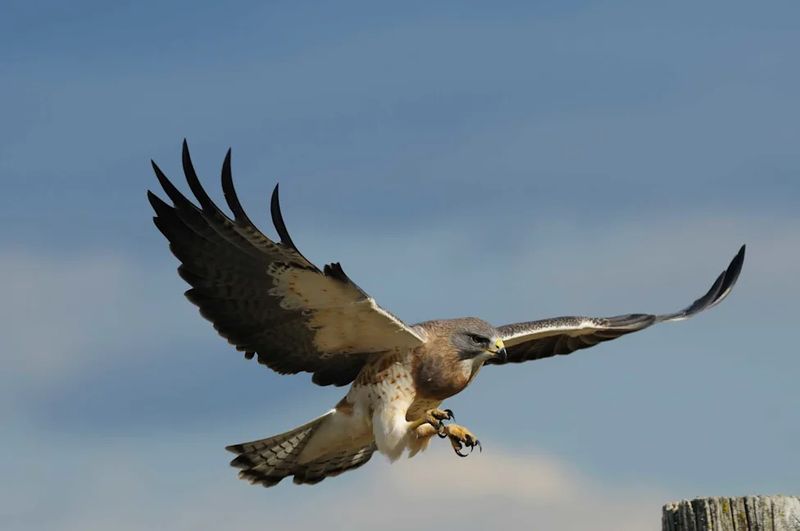
Not every circling hawk is hunting. Some are simply riding the air.
Thermals are columns of warm air that rise from sun-heated surfaces like dark rooftops, open pavement, mowed lawns, and bare fields. Hawks and other large birds use these invisible elevators to gain altitude without flapping.
Circling in a rising thermal takes far less energy than powered flight, and skilled birds can cover long distances by moving from one thermal to the next.
When a hawk circles with slow, steady wingbeats or holds its wings flat and barely moves them at all, it may be using a thermal beneath it. The circling motion follows the shape of the rising air column.
The bird is not necessarily focused on the ground below. It may be positioning itself to move across the landscape, gaining height before gliding toward the next perch or hunting area.
This kind of energy-saving flight is especially common on warm, sunny days when ground surfaces heat up quickly. Afternoon hours tend to produce stronger thermals than early morning.
If you notice a hawk circling calmly above your property on a bright afternoon without diving or hovering, it may be using a thermal. There is a reasonable chance the bird is not actively hunting.
It may drift away on its own once it reaches a useful height. This is completely normal raptor behavior.
4. Nearby Trees Or Poles May Be Serving As Lookout Perches
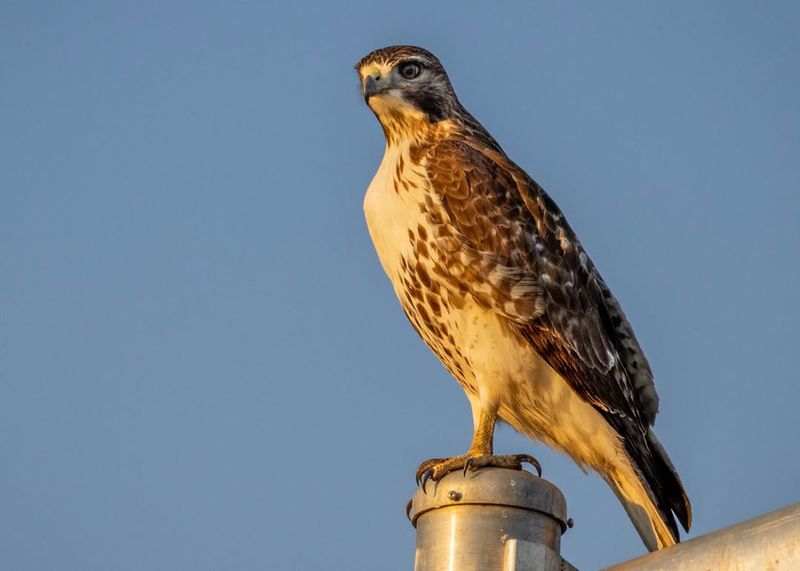
Tall utility poles along country roads are some of the most productive hawk-watching spots in Ohio, and there is a simple reason for that. Hawks are perch hunters as much as they are aerial hunters.
A high vantage point lets them scan a wide area without burning energy. Fence posts, rooflines, withered tree snags, mature oaks, and cell towers all serve the same purpose.
When a hawk circles low over a property, it may be moving between perch sites or positioning itself near one it plans to use.
Red-tailed Hawks in particular are closely associated with tall perches along open areas. They will return to the same pole or tree repeatedly if the hunting nearby is productive.
A low circle near a tall tree or utility pole may simply be the bird approaching its preferred lookout. From that spot, it can watch a much larger area than any single low pass would reveal.
Checking the tall trees, poles, and fence rows on your property after a low-circling hawk moves on can be worthwhile. You may find the bird sitting quietly, watching the ground below with a patience that most people never expect from a wild animal.
These perch sites are key parts of a hawk’s daily routine. Noticing which spots a hawk prefers on your property can help you understand how the bird is using the landscape around your home.
5. Small Mammals Or Birds Could Be Drawing It Closer
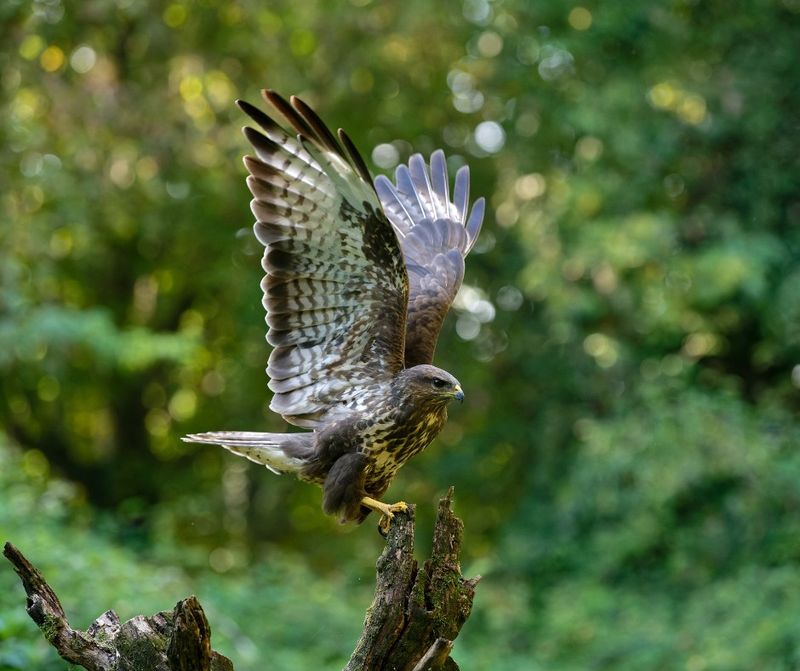
A yard that supports a busy bird feeder, a brush pile, a compost area, or an overgrown garden corner is often a yard that also supports small mammals and birds. Mice and voles are drawn to spilled seed beneath feeders.
Chipmunks work along stone walls and garden edges. Sparrows, finches, and other small birds gather near dense shrubs and low cover.
All of that activity can register on a hawk’s radar from a considerable distance.
Cooper’s Hawks are well known for hunting near backyard feeders, targeting the small birds that gather there. Sharp-shinned Hawks use similar tactics, especially during fall migration when their numbers spike across this region.
A Red-tailed or Red-shouldered Hawk working low over the yard may be following signs of small mammal activity below the lawn surface. Vole tunnels and runways are often invisible to human eyes but obvious in the way the grass sits.
One sighting is only a clue, not a confirmed diagnosis of a rodent issue. Hawks cover large territories and visit many properties in a single day.
A single low pass may simply mean the bird was investigating something that turned out to be nothing. Still, if a hawk returns to the same spot repeatedly, the area beneath it is probably worth a closer look.
Something small and active may be living there.
6. A Hawk Overhead Does Not Mean Your Yard Is Unsafe
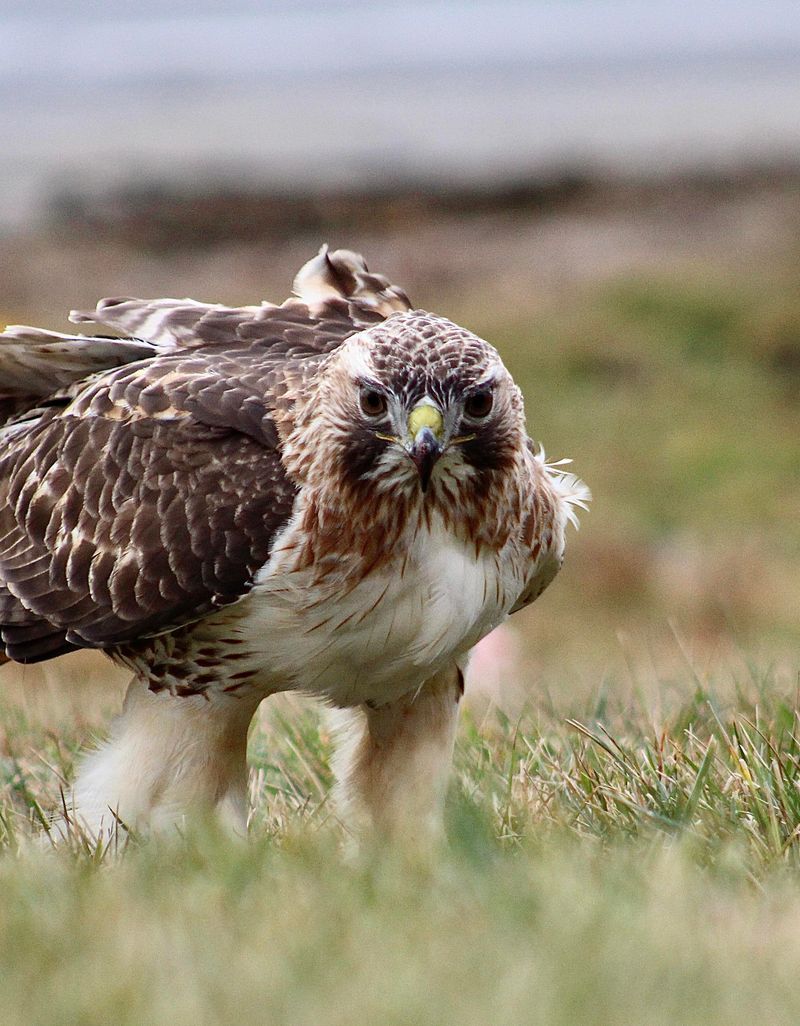
Seeing a large bird of prey circle the yard can feel alarming, especially if you have never watched one up close before. The instinct to worry makes sense.
Hawks are predators, and a predator overhead naturally triggers a moment of caution. However, a hawk circling a property is not a threat to the people living there.
These birds are built to hunt animals that are roughly proportional to their own body size, and healthy adult humans are nowhere on that list.
Hawks generally avoid direct contact with people. They prefer open space, clear sightlines, and minimal disturbance.
A yard with regular human activity is often less attractive to a hawk for extended hunting, not more. The bird may pass over precisely because it is reading the landscape, not because it is drawn to the people in it.
Local raptors are also protected under federal law. The Migratory Bird Treaty Act covers hawks and other raptors, which means it is illegal to harm, trap, or harass them in any way.
The right response when a hawk circles nearby is to observe it calmly and let it do what it came to do. Most sightings last only a few minutes before the bird moves on.
Watching from a respectful distance is both the legal and the most rewarding way to experience a wild raptor up close.
7. Keep Small Pets Close When Raptors Are Active
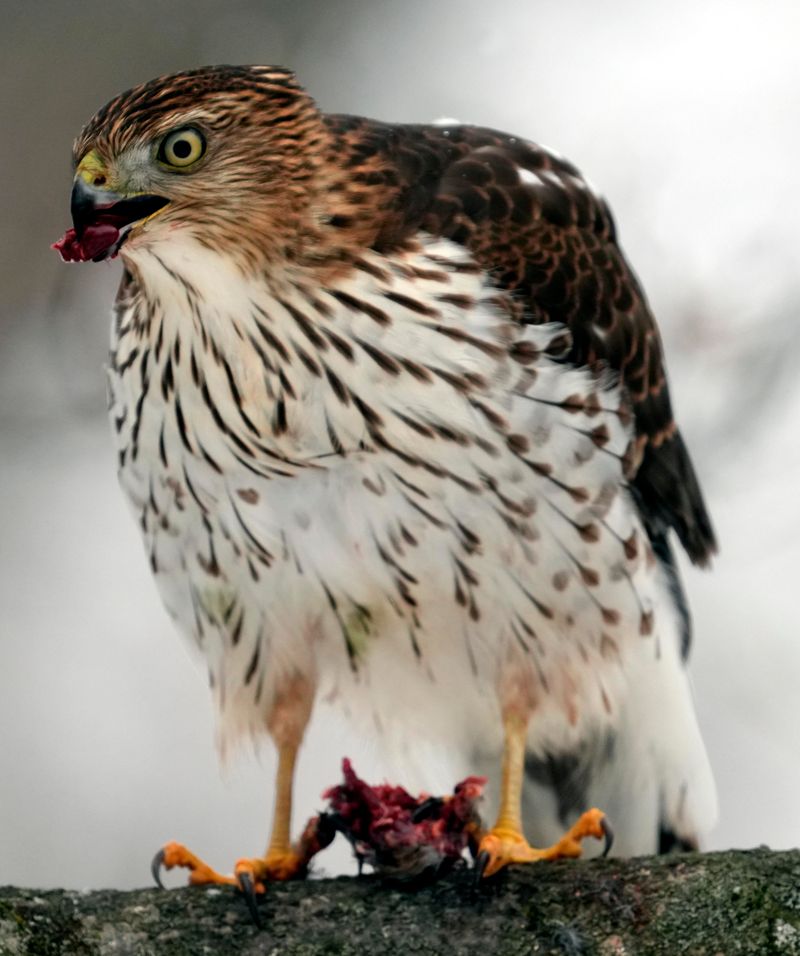
A two-pound dog left alone in an open yard is a very different situation from a forty-pound dog doing the same thing. Size matters when raptors are active nearby.
Large hawks like Red-tailed Hawks are capable of taking prey up to roughly the weight of a squirrel or small rabbit. Very small pets, including toy-breed dogs, small cats, and young rabbits, fall within a range that some hawks could attempt to investigate.
That is especially true if the animal is moving in an open area away from cover.
The Ohio Department of Natural Resources and wildlife experts generally recommend supervising very small pets outdoors when raptors are visibly active.
Staying close to a small dog rather than letting it roam freely in an open yard is a reasonable precaution.
Keeping cats indoors is widely recommended for many reasons beyond raptor activity, including road safety and impacts on local bird populations.
Backyard chickens and small ducks also benefit from covered runs or enclosed areas during times when hawks are regularly spotted nearby. A simple hardware cloth roof over a chicken run provides solid protection without harming any wildlife.
These steps are practical and proportionate. The goal is sensible awareness, not fear.
Most hawks that circle a yard with pets present will move on without incident. Staying attentive during those moments is simply good pet ownership.
8. One Circling Hawk Points To A Working Food Web
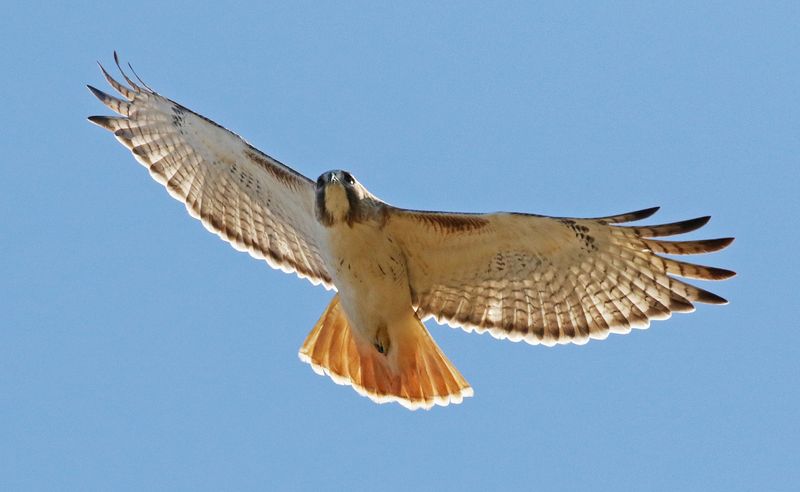
A yard that draws a hawk overhead is a yard that is doing something right ecologically. Hawks sit near the top of the local food web, and their presence depends on the layers below them.
Healthy insect populations feed small birds and reptiles. Abundant plant cover supports mice, voles, and chipmunks.
Those small animals attract the raptors that keep their numbers in check. A hawk circling your property is one visible sign that this chain is functioning.
Mature trees, brushy edges, open lawn patches, and nearby wild corridors all contribute to the kind of habitat that supports raptor activity.
Ohio properties that back up to woodlots, creek edges, farm fields, or natural areas are especially likely to see regular hawk activity.
This state offers a strong mix of those habitat types, which is part of why so many hawk species move through or reside here year-round.
Watching a hawk work your property is an invitation to see your yard as part of something larger than the fence line. The bird did not appear by accident.
It found something useful there, whether that was a thermal, a perch, a hunting corridor, or a combination of all three. That connection to a living, working landscape is genuinely worth appreciating.
A circling hawk is a sign that your corner of the natural world is still in motion.