These Are The Yard Mistakes Pennsylvania Homeowners Make That Attract More Mosquitoes
Every summer in Pennsylvania follows a pretty predictable pattern.
You spray the yard, you light the citronella candles, you maybe even try one of those clip-on repellent things, and somehow you are still slapping mosquitoes off your arms at every backyard cookout.
It is genuinely maddening. The problem is that sprays and candles are working on adult mosquitoes, which is a bit like mopping the floor with the faucet still running.
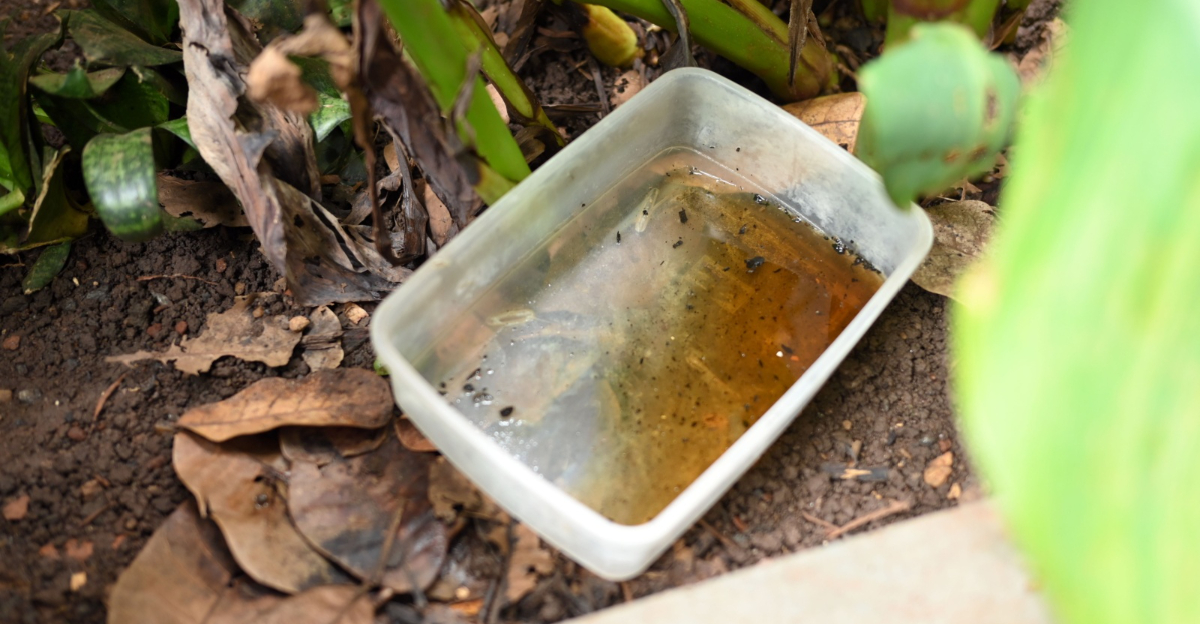
The real issue is the water. Specifically, all the small, easy-to-overlook spots around a Pennsylvania yard where water sits undisturbed long enough for mosquitoes to lay eggs and keep the whole cycle going.
Flowerpot saucers, clogged gutters, kiddie pools, storage bins, corrugated downspout extensions. The list is longer than most people expect, and some of the biggest offenders are hiding in plain sight.
1. Letting Water Sit In Flowerpot Saucers
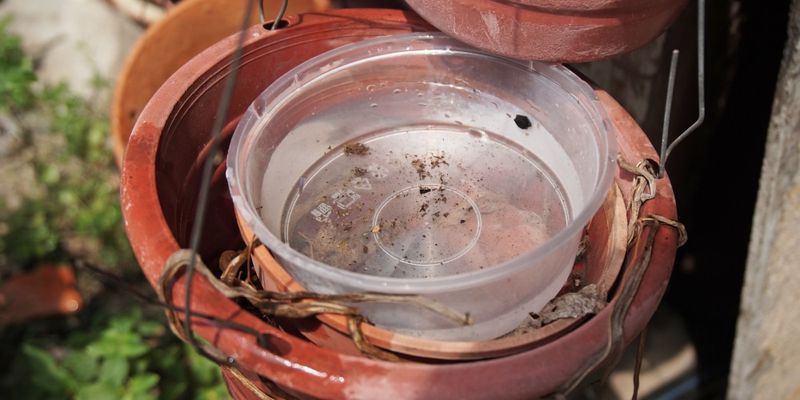
That shallow dish sitting under your favorite patio pot might look harmless, but wet saucers on Pennsylvania porches and patios are one of the most overlooked mosquito breeding spots around a home.
After a summer rain, those small plastic or clay saucers collect water quickly and can hold it for days if nobody empties them.
Mosquitoes do not need a pond or a puddle the size of a bucket to lay eggs. Even a small amount of standing water in a saucer is enough to support a new generation of mosquitoes.
Pennsylvania summers bring frequent afternoon storms that refill saucers faster than most homeowners expect. If you have a porch or patio lined with container plants, each saucer underneath is a potential breeding spot.
The water warms up quickly in direct sun, which can speed up mosquito development cycles and make the problem worse as the season goes on.
Checking saucers every few days during warm months is a practical habit worth building. You can empty them after rain, fill them with sand to prevent pooling, or switch to self-watering pots that do not require saucers at all.
Sprays applied around the yard perimeter will not reach the water sitting in those saucers, so the breeding continues even when the rest of the yard has been treated.
Small changes in how you manage container plants can make a noticeable difference in how many mosquitoes show up around your outdoor living spaces.
2. Leaving Birdbath Water Unchanged Too Long
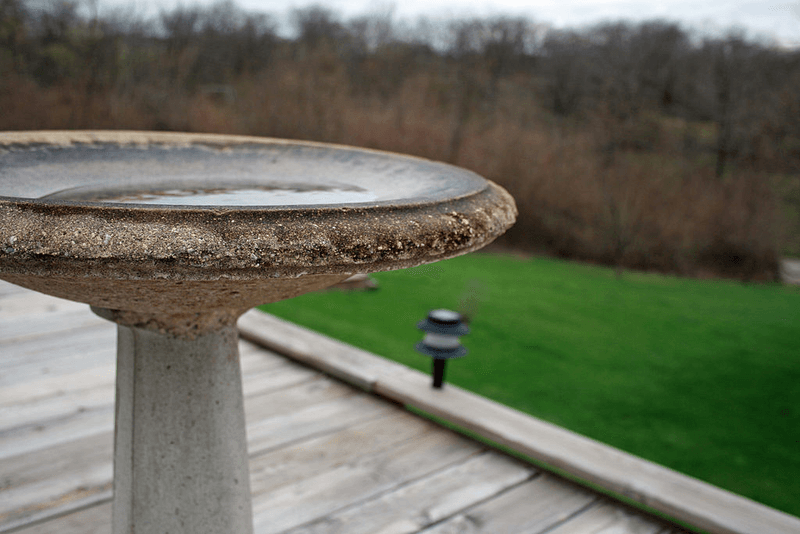
Cloudy birdbath water with a slight green tinge is a familiar sight in many Pennsylvania backyards by midsummer, and it is a reliable sign that the water has been sitting too long.
Birdbaths are wonderful for attracting songbirds, but when the water goes unchanged for more than a few days, it becomes an appealing spot for mosquitoes to lay eggs.
The combination of warm temperatures, organic debris like bird droppings and fallen leaves, and still water creates conditions that mosquitoes tend to favor.
The good news is that keeping a birdbath mosquito-unfriendly does not require removing it from the yard. Changing the water every two to three days during warm months is one of the simplest ways to disrupt the egg-laying cycle before it gets started.
Your Pennsylvania Garden Changes Every Week. Your Plan Should Too.
Gardening in Pennsylvania changes quickly throughout the season. Every Friday you’ll receive a simple weekly plan showing exactly what to plant, prune, fertilize, harvest, and protect so you never miss the right timing.
Scrubbing the basin when you refill it helps remove any eggs or algae buildup that could attract more insects.
Some Pennsylvania homeowners add a small solar-powered fountain or agitator to their birdbaths, which keeps water moving and makes it less inviting for mosquitoes that prefer still, calm surfaces for laying eggs.
Birds actually tend to prefer moving water too, so it is a practical option for both goals.
Sprays applied nearby will not treat the water inside the birdbath basin, which means a neglected birdbath can quietly keep producing mosquitoes throughout the entire summer season regardless of what else is being done around the yard.
3. Ignoring Clogged Gutters

Leaves packed into gutters after a Pennsylvania fall or spring storm do more than cause drainage problems. When gutters get clogged, water pools inside the channel and can sit there for days or even weeks without anyone noticing.
From ground level, a clogged gutter just looks like a gutter, so it is easy to forget about until water starts spilling over the edge or seeping behind the fascia board.
What is harder to see is that the standing water collecting inside that debris-filled channel can become a productive mosquito breeding area.
Pennsylvania’s mix of deciduous trees means gutters tend to fill up fast, especially in neighborhoods with mature oak, maple, or sweet gum trees nearby.
Even a small section of clogged gutter can hold enough water to support mosquito development if it stays wet between rain events.
Because the water is elevated and out of direct reach, it rarely gets treated and rarely gets noticed during routine yard maintenance.
Cleaning gutters at least twice a year, and checking them after heavy storms, is one of the most useful things a Pennsylvania homeowner can do to reduce hidden breeding spots. Installing gutter guards can also help reduce how quickly debris accumulates.
Sprays applied at ground level around the foundation will not reach water sitting in second-story gutters, so treating the adult population without addressing the source tends to produce limited results over the course of a full summer season.
4. Leaving Kids’ Toys And Kiddie Pools Outside
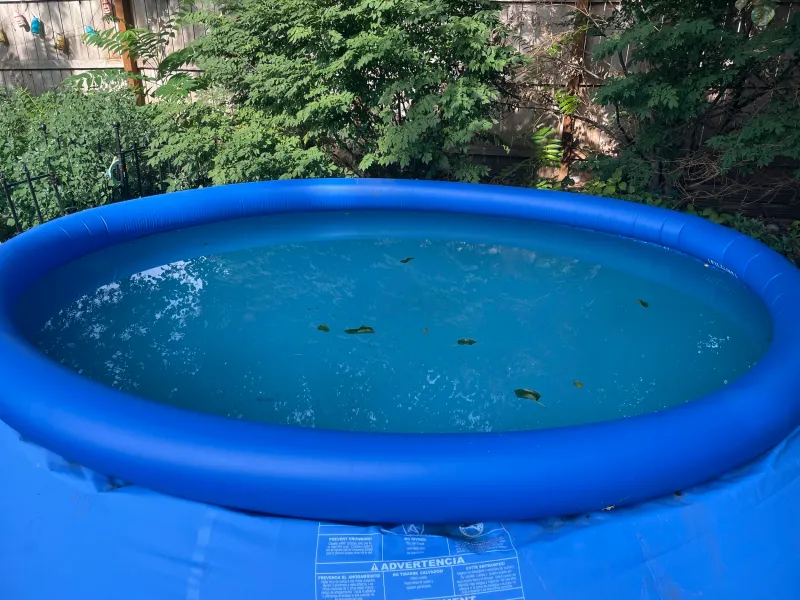
After a summer storm rolls through a Pennsylvania neighborhood, the toys scattered across the backyard become a collection of small water traps.
Plastic dump trucks, buckets, sandbox lids, and the bowl of a ride-on toy can all hold rainwater for days if they are left outside between uses.
These items are easy to overlook during a busy week, and the water inside them warms up quickly in the sun, which can make conditions more favorable for mosquito eggs and larvae.
Kiddie pools present a similar challenge on a slightly larger scale. A small inflatable pool that gets used on Friday afternoon and then sits filled with water until the following weekend gives mosquitoes several days of undisturbed, warm, shallow water.
Pennsylvania summers are long enough that this kind of oversight can repeat itself many times between June and September, adding up to a significant source of backyard mosquitoes over the course of a season.
The practical fix is straightforward: empty kiddie pools after each use and store them upside down or indoors when not in active use. Toys with any kind of cup or cavity should be stored in a shed, garage, or covered bin so they do not collect rain.
Teaching kids to flip over their outdoor toys before coming inside is a small habit that can make a real difference. Sprays will not address water sitting in a toy left in the corner of the yard, so regular cleanup remains the more reliable approach.
5. Keeping Storage Bins, Buckets, Or Containers Open
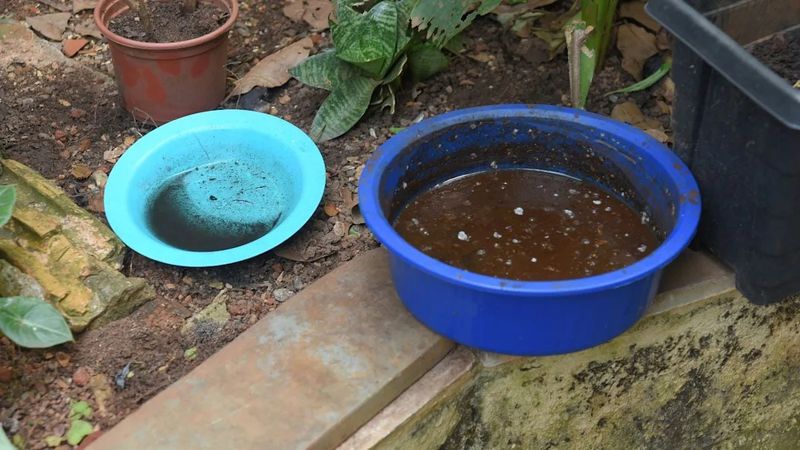
Walk around the side of almost any Pennsylvania home and you are likely to find a five-gallon bucket sitting next to the shed, a plastic storage bin with its lid slightly askew, or an old trash can that has been repurposed for yard tools.
These containers are practical and useful, but when left open, they collect rainwater and hold it in a shaded, undisturbed spot that is easy for mosquitoes to find.
The water inside tends to stay cool and still, which suits certain mosquito species quite well.
What makes open containers especially problematic is how quickly they fill up. Pennsylvania can receive several inches of rain in a single summer week, and a wide-mouthed container can accumulate a significant amount of water with just one storm.
Once the water sits for a few days without being disturbed, the conditions for egg-laying improve, and the cycle can get established before anyone thinks to check.
Keeping lids on storage bins and buckets when they are not in use is a simple adjustment that costs nothing.
Drilling a small drainage hole in the bottom of decorative pots or rarely used bins is another option for containers that tend to accumulate water even with a lid.
Storing buckets upside down when empty is one of the easiest habits to build.
Treating the lawn and shrubs with sprays will not affect standing water inside a sealed or semi-open container tucked beside the foundation, so physical prevention tends to matter more in these spots.
6. Overlooking Corrugated Downspout Extensions
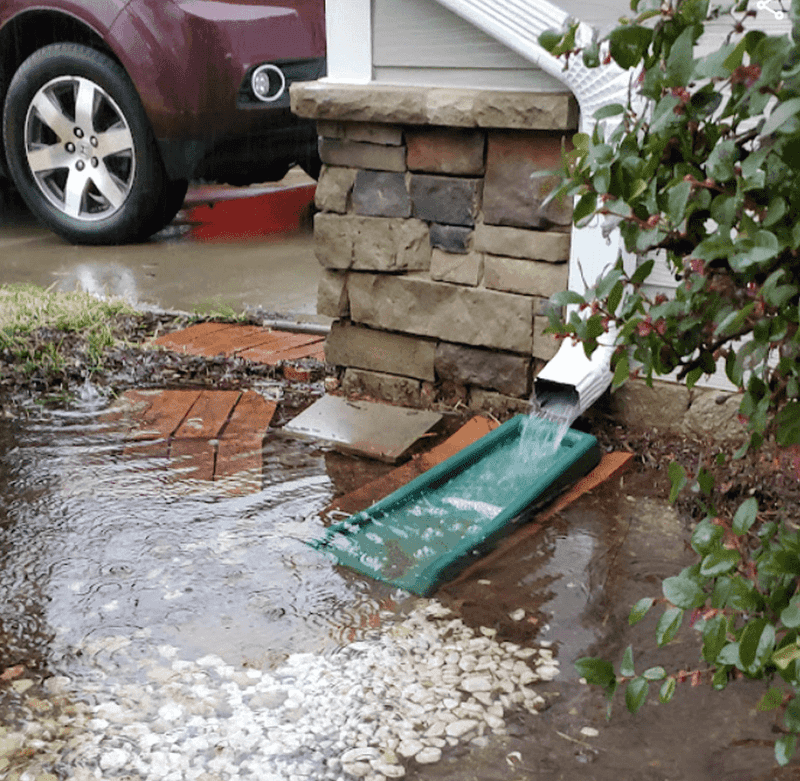
Those flexible black corrugated tubes attached to the bottom of downspouts are designed to move roof runoff away from the foundation, and they do that job reasonably well.
What most homeowners do not realize is that the ridged interior of a corrugated extension traps small pockets of water inside every groove after a rain event.
The tube lies flat against the ground, stays shaded for much of the day, and rarely gets moved or inspected. That combination of moisture, shade, and low disturbance is exactly what certain mosquito species seek out when looking for a place to lay eggs.
Pennsylvania homes in areas with clay-heavy soil or low-lying yards tend to rely heavily on downspout extensions to prevent foundation flooding, which means these tubes are common across the state.
A single corrugated extension running several feet along the foundation can hold water in its ridges for days after a storm, especially if the tube has a slight sag in the middle that prevents full drainage.
Replacing corrugated extensions with smooth-walled solid pipe is one option that eliminates the water-trapping ridges entirely.
If replacement is not practical, checking extensions after heavy rain and adjusting the slope so water drains fully can reduce how long moisture sits inside.
Lifting and shaking out the tube occasionally during summer months is a quick way to check whether water is collecting inside.
Sprays applied near the foundation will not reach water held inside a closed tube lying on the ground, making physical inspection the more effective approach here.
7. Letting Pool Covers Or Unused Pools Hold Water
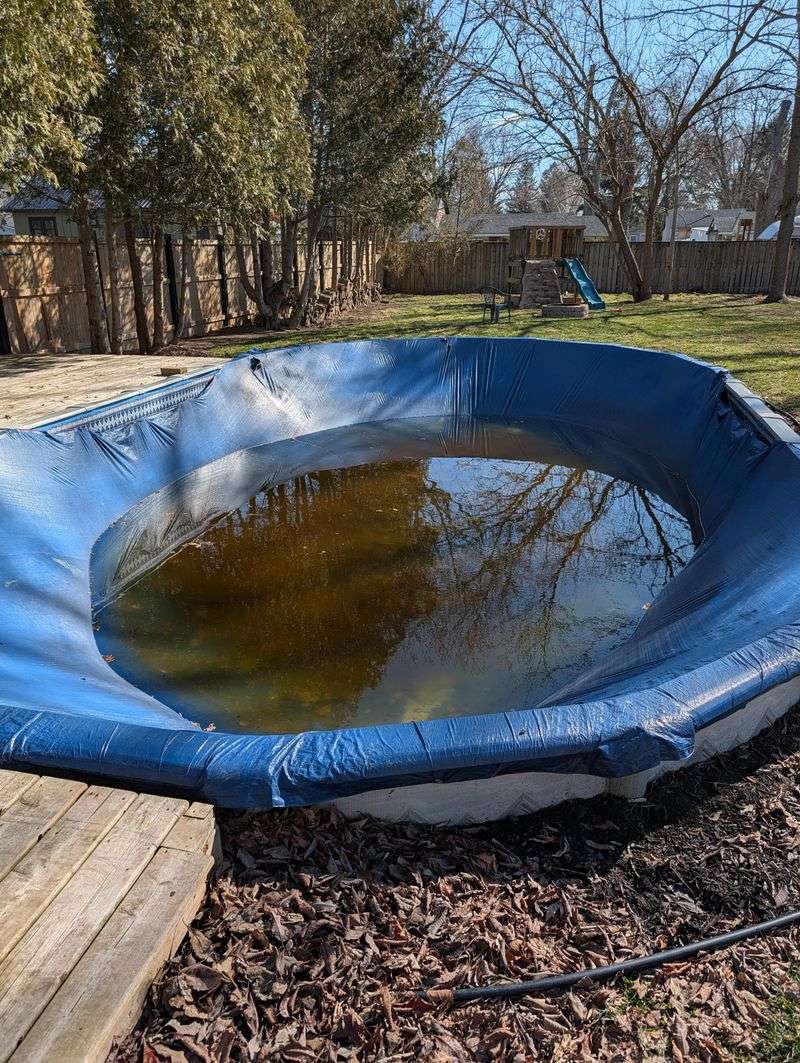
A pool cover that sags in the middle after a heavy Pennsylvania rainstorm can hold a surprising amount of water on its surface, and that collected water is often left alone for days or even weeks at a time.
Unlike the pool water underneath, which is typically treated with chlorine or other chemicals, the water sitting on top of the cover is untreated, still, and exposed to whatever organic material blows in from surrounding trees and landscaping.
That combination makes it a much more hospitable environment for mosquito egg-laying than the pool itself.
Unused or abandoned pools present a more significant version of the same problem. A pool that has not been filled or maintained, or one that has gone green from algae, can become a large-scale breeding area if the water is left stagnant for an extended period.
Pennsylvania homeowners who close pools for winter sometimes find that water has accumulated on the cover by spring, creating a head start on mosquito season before the yard has even been opened up for use.
Pumping water off pool covers regularly, especially after storms, is one of the most effective ways to address this issue.
Using a cover pump on a timer during rainy stretches of Pennsylvania summer can help prevent buildup from accumulating unnoticed.
For unused pools, draining them fully or maintaining water treatment are the most practical options.
Sprays applied around the pool area will not treat the water sitting on the cover, so physical removal of that water is the step that actually interrupts the cycle.
8. Leaving Yard Debris And Litter That Holds Water
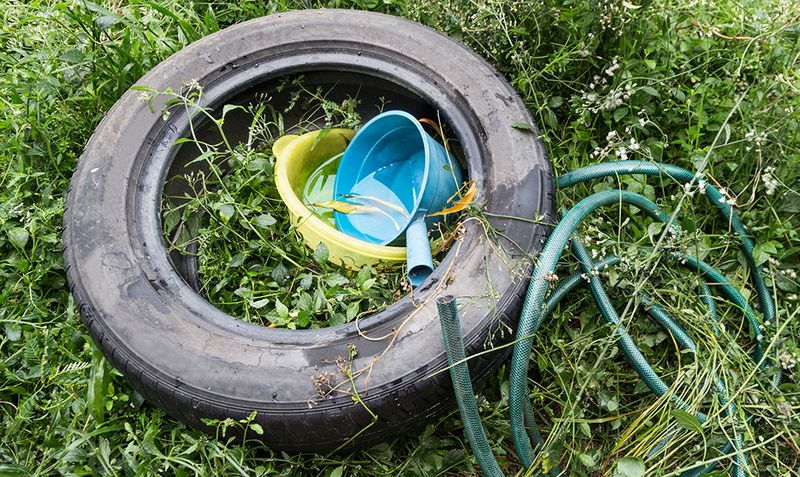
A bottle cap sitting in the grass after a backyard gathering might seem too small to matter, but even that tiny amount of standing water can be relevant in the broader picture of a yard full of similar small items.
Fallen leaves that form a shallow cup shape, a torn plastic bag caught against the fence, a forgotten frisbee, a chip bag left near the fire pit, or a cracked flower pot shard can all collect a small amount of water after Pennsylvania’s frequent summer rains.
Individually, each item seems insignificant. Spread across a yard with a dozen similar pieces, the cumulative effect adds up.
Yard debris like piles of leaves, stacks of old wood, or sections of decomposing mulch can also hold moisture in ways that are not immediately obvious.
Wet leaf piles in shaded corners of the yard stay damp between rain events and create microenvironments that some mosquito species find appealing.
Pennsylvania’s humid summers mean that debris does not dry out as quickly as it might in drier climates, which extends the window during which moisture-holding materials remain a concern.
Walking the yard after a storm and collecting any litter or debris that could hold water is a habit that takes only a few minutes but can reduce the number of small breeding opportunities available around the property.
Bagging leaves promptly, keeping the lawn clear of forgotten items, and checking low spots near fences or sheds where debris tends to collect are all practical steps.
Sprays will not treat water sitting inside a crumpled chip bag on the lawn, so regular yard walkthroughs remain one of the more reliable prevention habits a homeowner can maintain.