This Native Florida Wildflower Is Replacing Annual Beds In Florida HOA Communities
Florida HOA communities are quietly moving away from high-maintenance annual beds, and one native wildflower is a big reason why. It delivers the kind of color boards love, the tidy growth neighbors expect, and the easy care landscapers appreciate.
Instead of ripping out tired seasonal flowers every few months, more communities are turning to a tougher plant. It can handle heat, humidity, sandy soil, and sudden dry spells without constant fuss.
Its bright blooms bring a polished look to entrances, medians, clubhouse borders, and sidewalk beds, while pollinators treat it like a tiny neighborhood buffet. The real appeal comes from its balance of beauty and practicality.
It looks intentional, stays manageable, and supports a more Florida-friendly landscape plan. For HOAs under pressure to cut costs, conserve water, and keep curb appeal high, this native wildflower feels like the upgrade annual beds were waiting for.
1. Tropical Sage Gives Annual Beds Color Without Starting Over Each Season
Picture a bed of annual impatiens that looked great in March but by July has melted into mush. Replanting is expensive, time-consuming, and frustrating.
Tropical sage (Salvia coccinea) offers a different kind of color bed that does not ask you to start completely over each season.
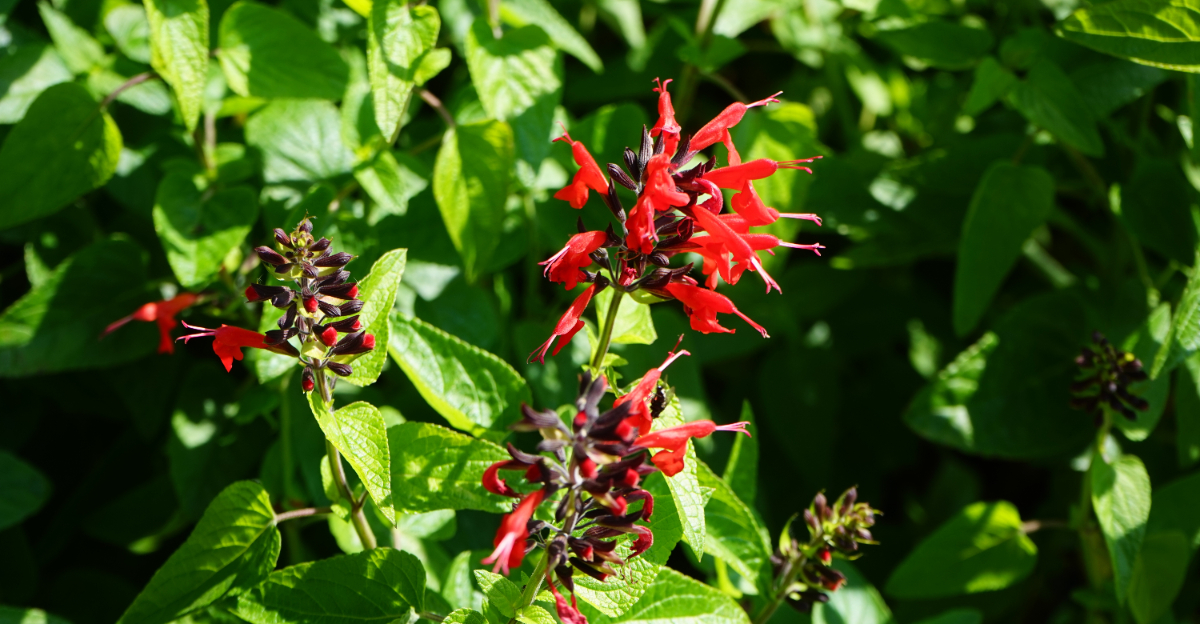
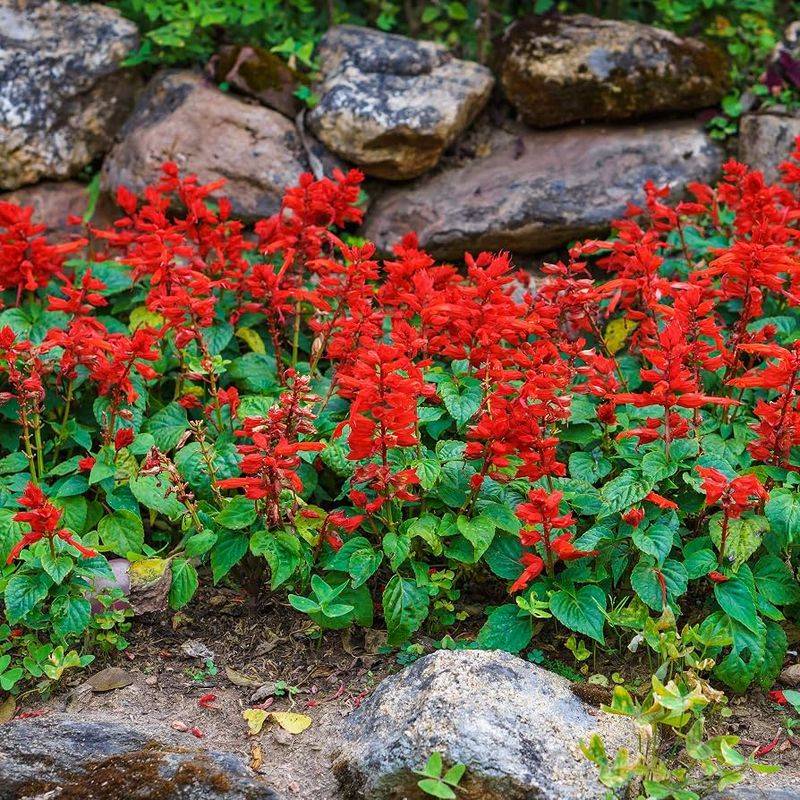
This native wildflower blooms in warm weather with upright spikes of red tubular flowers. Pink and white forms also exist, though red is the most common in native plant nurseries and seed mixes.
According to UF/IFAS, tropical sage is native to this state and grows well in sunny to partly shaded beds across most of the state.
Unlike a flat of petunias, tropical sage reseeds in favorable conditions. That means new plants can appear in the same bed without a full replanting.
The plant has a looser, more upright habit than typical bedding plants, so it does not mimic the look of a tightly packed annual flat.
Gardeners should expect to water during establishment, thin seedlings that crowd the pattern, and edit spent stems to keep the bed looking fresh. Tropical sage is not a set-it-and-forget-it plant.
It is a living, reseeding wildflower that rewards regular attention with season-long color and genuine pollinator activity.
2. A Native Wildflower Can Still Look Neat Enough For HOA Streetscapes
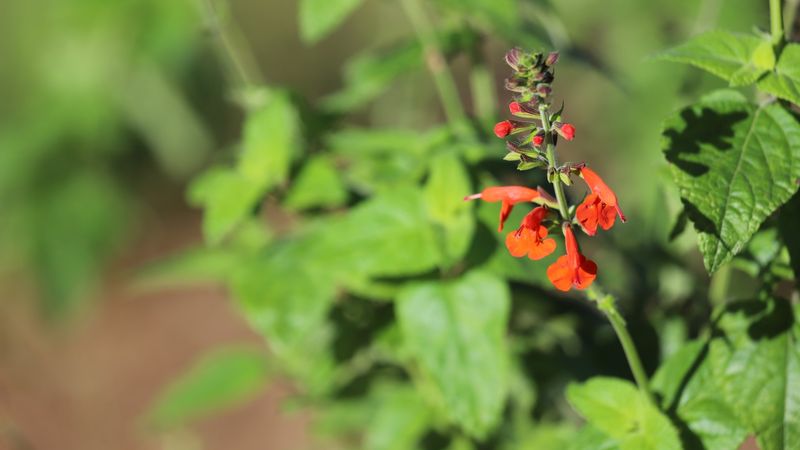
A red flower spike poking up near a sidewalk does not automatically signal a neglected yard. Native wildflowers, including tropical sage (Salvia coccinea), can look intentional and well-kept when the bed itself is designed with structure in mind.
Clean edging is the first signal to any HOA board or passing neighbor that the bed is managed, not forgotten.
Straight or gently curved edges, consistent mulch depth, and visible bed boundaries help tropical sage read as a designed planting rather than a patch of volunteers.
Grouping plants in repetition, rather than scattering them randomly, also adds visual order.
Tropical sage works well in defined beds near entryways, mailboxes, neighborhood signs, clubhouse areas, and front yard borders where curb appeal matters.
Spacing plants consistently and keeping the surrounding turf cleanly mowed reinforces the message that someone is paying attention.
Your Florida Garden Changes Every Week. Your Plan Should Too.
Gardening in Florida changes quickly throughout the season. Every Friday you’ll receive a simple weekly plan showing exactly what to plant, prune, fertilize, harvest, and protect so you never miss the right timing.
HOA approval may still be required before swapping out any visible annual bed. Some communities have architectural review rules that cover plant selection, bed formality, and even color palette.
Before changing a streetscape bed, check the community documents and ask the management office. Consider submitting a simple planting plan with plant names, spacing, mulch type, and maintenance notes.
A polished proposal often goes further than a surprise installation.
3. Red Blooms Bring Hummingbird Energy To Front Yard Beds
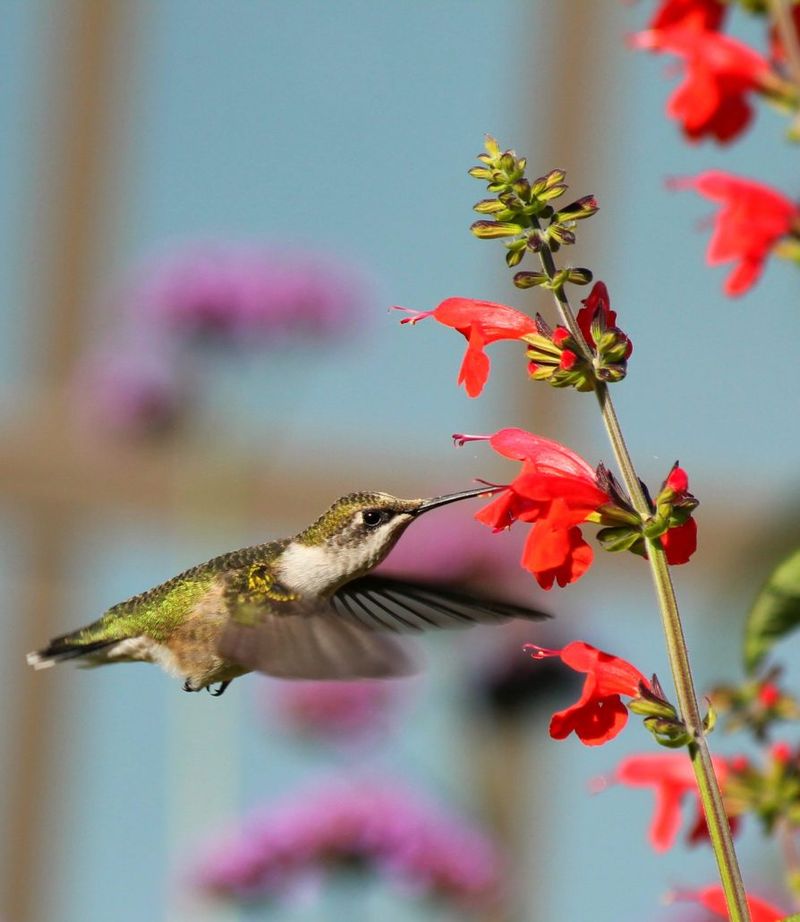
A hummingbird cutting through a front yard bed changes the whole feeling of the space. Tropical sage (Salvia coccinea) is one of the plants most reliably associated with hummingbird visits in this state.
Its red, tubular flowers match the feeding preferences of ruby-throated hummingbirds during migration and warm-season residence.
According to the Florida Wildflower Foundation, tropical sage attracts both hummingbirds and butterflies, including swallowtails and skippers. That kind of wildlife traffic brings movement and life to a bed that might otherwise rely only on static annual color.
Watching a hummingbird work a row of red spikes near a mailbox is genuinely different from watching petunias sit still.
Wildlife value does depend on several factors. The plant must be allowed to flower, which means avoiding aggressive shearing that removes bloom spikes before they open.
Pesticide use on or near the planting can harm the visitors the flowers attract, so choosing plants from pesticide-aware nurseries matters when pollinators are the goal.
Nearby cover, water sources, and the overall health of the surrounding landscape also influence how often hummingbirds and butterflies visit. Tropical sage is one strong piece of that picture, not the only piece.
A bed that includes other native companions can support even more consistent wildlife activity through the season.
4. Reseeding Helps The Bed Refill Without Looking Empty
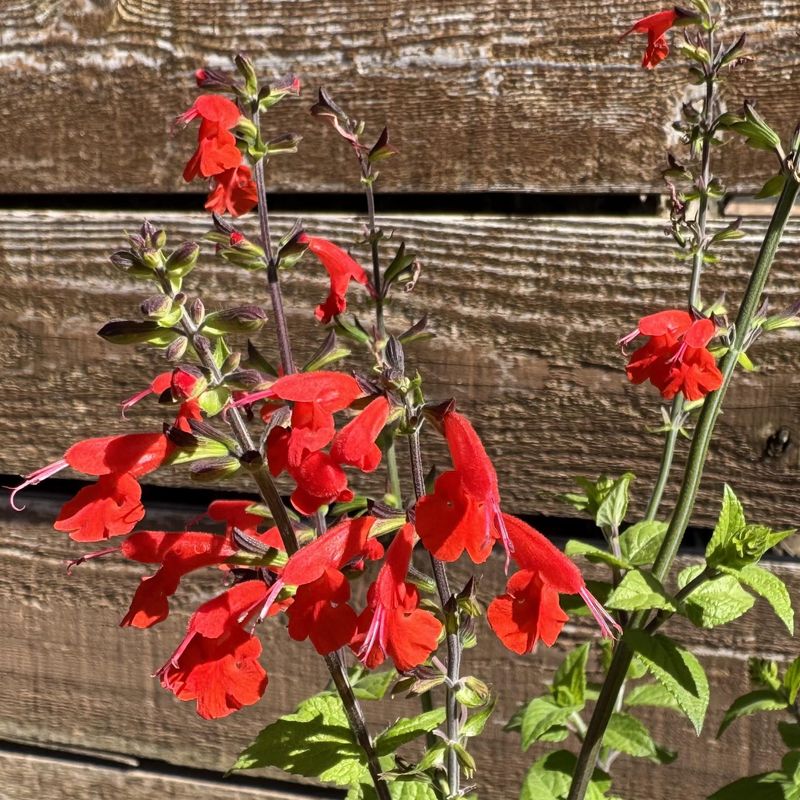
After a good summer rain, small seedlings can appear across a tropical sage (Salvia coccinea) bed almost overnight.
That reseeding habit is one of the most talked-about traits of this wildflower, and it cuts both ways depending on how much editing you are willing to do.
On the positive side, reseeding means the bed can refill itself without a trip to the nursery. Plants that complete their bloom cycle drop seeds, and new seedlings come up in the same general area.
For a gardener who wants living color without constant replanting, that cycle can feel like a genuine benefit.
The honest side is that seedlings do not follow a neat grid. They appear where conditions favor germination, which may include the edges of the bed, nearby turf, or gaps between other plants.
Left unmanaged, that pattern can make a structured bed look unplanned. Thinning, relocating, or removing extra seedlings is part of working with a reseeding plant.
UF/IFAS notes that tropical sage can reseed freely in warm, humid conditions. Gardeners who stay on top of seedling management can use that trait to their advantage.
Those who prefer a more predictable layout may find the reseeding habit requires more attention than expected. Either way, going in with clear expectations makes the experience much smoother.
5. Light Editing Keeps Tropical Sage From Looking Weedy
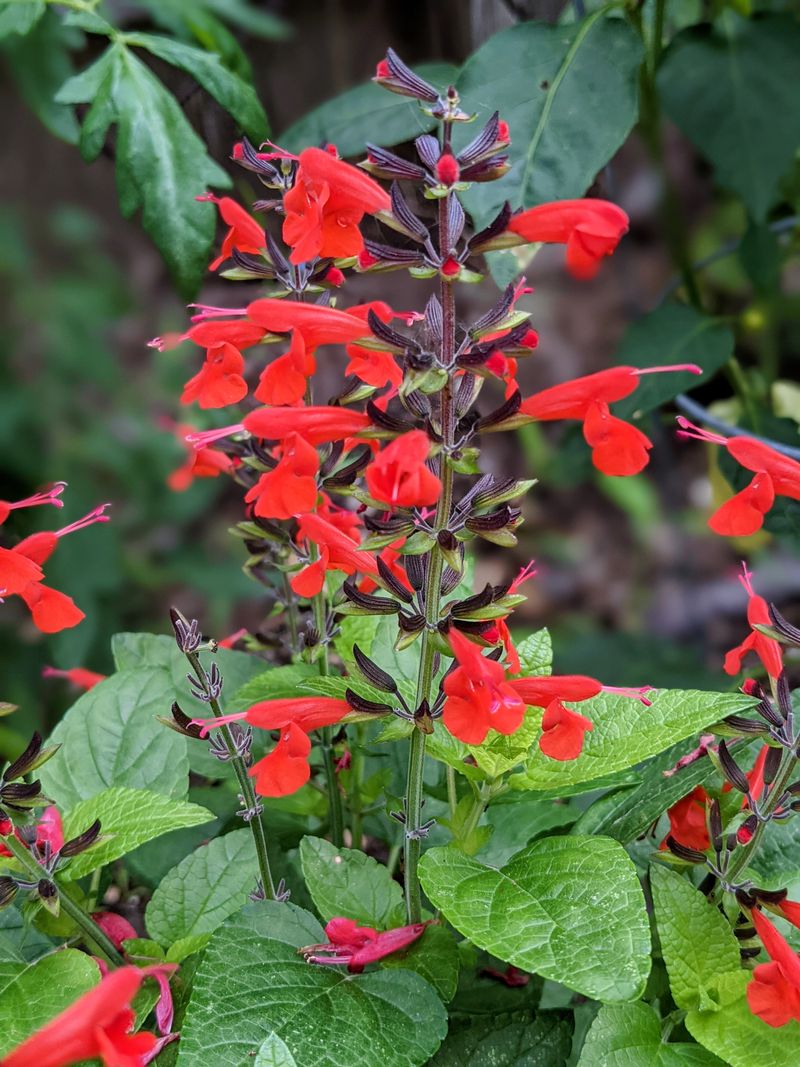
Spent flower spikes left on the plant long enough eventually look ragged. That is true for most flowering plants, and tropical sage (Salvia coccinea) is no exception.
The good news is that a small amount of regular editing keeps the bed looking fresh without turning maintenance into a full project.
Removing tired stems after bloom cycles encourages new growth and keeps the plant from looking overgrown. Seedlings that drift toward walkways, turf edges, or other plants can be pulled or moved before they create a crowded, unmanaged appearance.
Thinning plants that are growing too close together also helps air circulate and reduces the chance of a dense, tangled patch.
The Florida Native Plant Society points out that many native wildflowers benefit from light grooming rather than heavy shearing. Cutting tropical sage back too aggressively can reduce flowering, since blooms form on new growth at the tips of stems.
The goal is light, targeted editing rather than a full trim-down.
From a curb-appeal standpoint, a bed that gets attention every couple of weeks looks dramatically different from one that is left to grow unchecked. Neighbors and HOA boards tend to respond to visible care.
Keeping a trug or bucket nearby during a weekly walk-through makes it easy to pull a few seedlings or snip a spent stem before the bed crosses from natural to neglected.
6. Mulch And Edging Make The Planting Look Approved
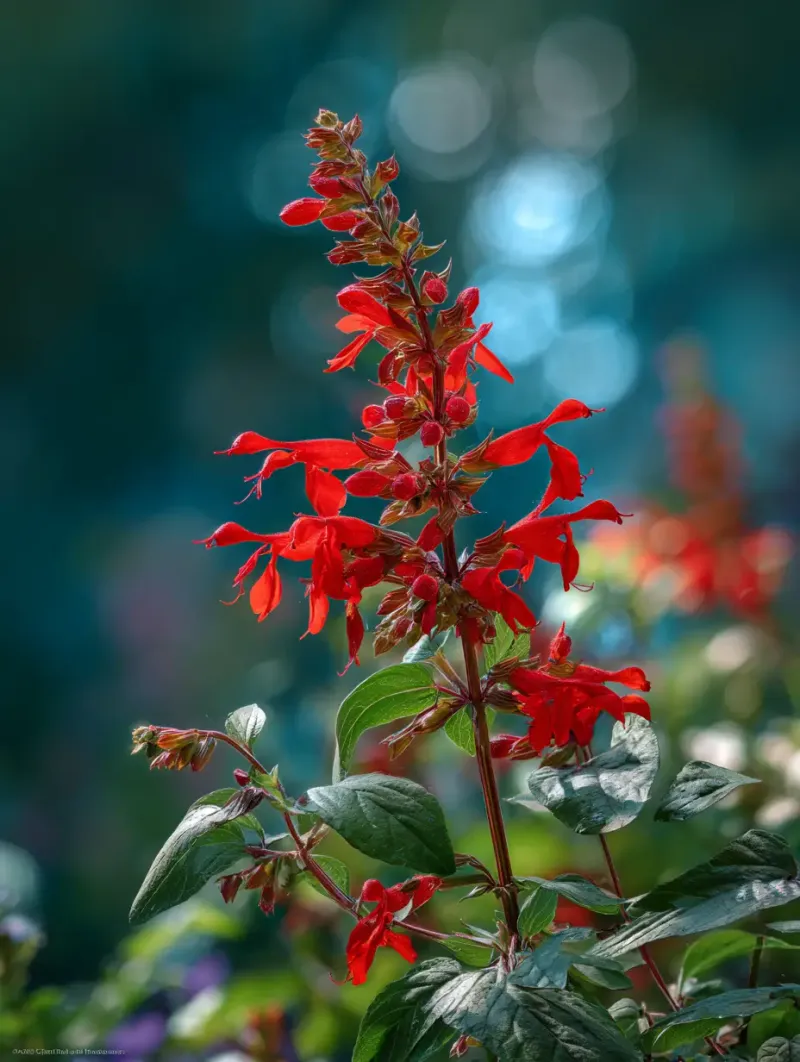
Fresh mulch and a sharp bed edge do more work than most gardeners realize. In a neighborhood where every yard is visible from the street, those two details signal that a planting is managed, not accidental.
For a native wildflower bed, those signals matter even more.
Tropical sage (Salvia coccinea) has a looser, more upright growth habit than typical annual bedding plants. Without visual structure around it, that looseness can read as disorder.
A clean mulch layer, kept at a consistent two to three inches, suppresses weeds and gives the bed a finished appearance. Crisp edging along turf lines and sidewalks defines where the planting lives and where it does not.
Florida-Friendly Landscaping guidelines from UF/IFAS recommend mulching beds to conserve moisture and improve soil conditions. That benefits tropical sage through the hot, dry stretches between summer rains.
Organic mulch also breaks down over time and improves the sandy soil common across much of this state.
HOA boards and neighbors often respond more positively to native plantings when the surrounding structure is polished. A wild-looking plant in a wild-looking bed is a harder sell than the same plant in a clearly defined, well-mulched space.
Before installing a new native bed in a visible location, check community rules. Consider presenting a simple plan that shows the bed shape, mulch type, and plant spacing.
A tidy proposal can make approval much more likely.
7. Mixed Color Forms Can Feel Softer Than Standard Bedding Plants
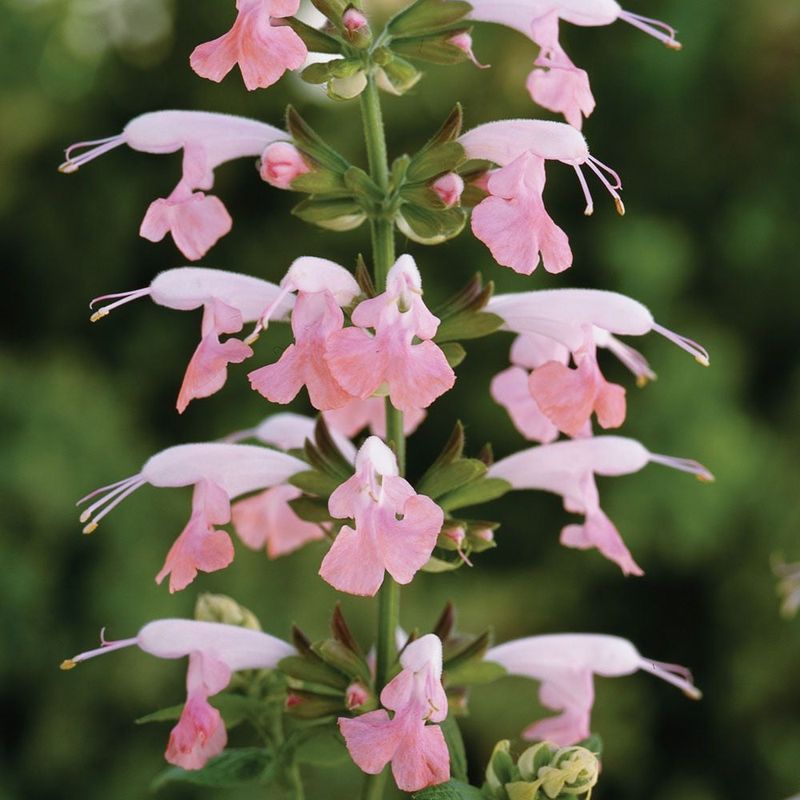
Not every bed needs to shout. Sometimes a softer color story is exactly what a front yard or entry planting needs.
Tropical sage (Salvia coccinea) can deliver that when mixed forms are used thoughtfully.
Red is the most commonly available form of tropical sage in native plant nurseries across this state. Pink and white forms do exist and are occasionally available through specialty native nurseries or seed sources.
Mixing these forms in a single bed creates a less rigid look than a solid block of one annual color. The effect feels more like a cottage or wildflower planting than a formal bedding display, which suits some HOA neighborhoods better than others.
Gardeners should confirm the source of any color variety before planting. Named cultivars sold at big-box retailers may have been treated with systemic pesticides that persist in plant tissue.
Those pesticides can harm the butterflies and hummingbirds the flowers are meant to attract. Choosing plants from native plant nurseries or reputable seed sources reduces that risk.
Plant availability varies by region and season, so it helps to call ahead or join a local native plant society plant sale to find specific forms.
The Florida Native Plant Society hosts sales throughout the year where verified native forms of tropical sage are sometimes available.
Mixing what you find with patience and a clear bed plan gives the most consistent results.
8. This Swap Works Best When The Bed Still Looks Designed
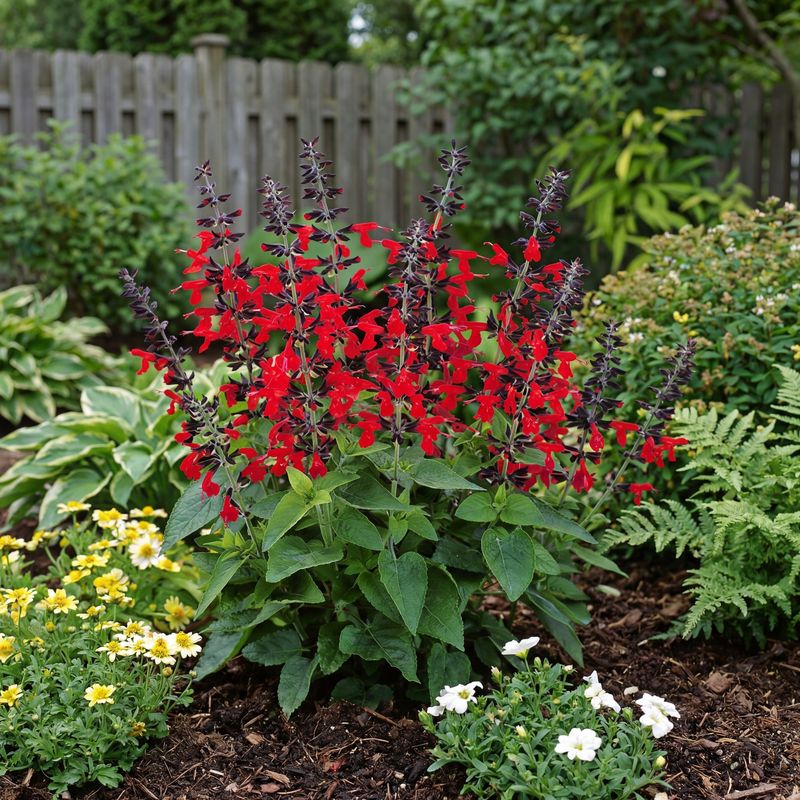
A gardener who plants tropical sage (Salvia coccinea) and then steps back and waits will likely end up with a bed that no longer looks like a bed.
The swap from annual color to native wildflower works best when the planting is treated with the same design discipline as any other landscape project.
Bed shape matters. A defined, purposeful shape, whether rectangular, curved, or layered, gives the planting a sense of intention.
Repeating tropical sage at consistent spacing within that shape creates rhythm. Adding compatible native companion plants can fill gaps and improve the bed.
Native grasses, low-growing groundcovers, or other Florida wildflowers also reduce the chance that reseeding seedlings will dominate the look.
Seasonal cleanup is part of the commitment. After the main bloom cycle, spent stems and excess seedlings should be addressed before the bed looks tired.
Reseeding should be managed, not celebrated blindly. A few well-placed seedlings that fill the bed naturally are an asset.
A wave of unedited volunteers crossing into turf or sidewalks is a liability in any HOA setting.
Communicating with the HOA before and during the process also matters. Sharing the plant name, native status, expected size, and maintenance plan builds trust.
The strongest version of this swap gives real color, genuine wildlife value, and lower replanting pressure. It still looks cared for from the street every single week.