This Stunning Low Maintenance Texas Shrub Is Becoming A Popular Alternative To Lantana
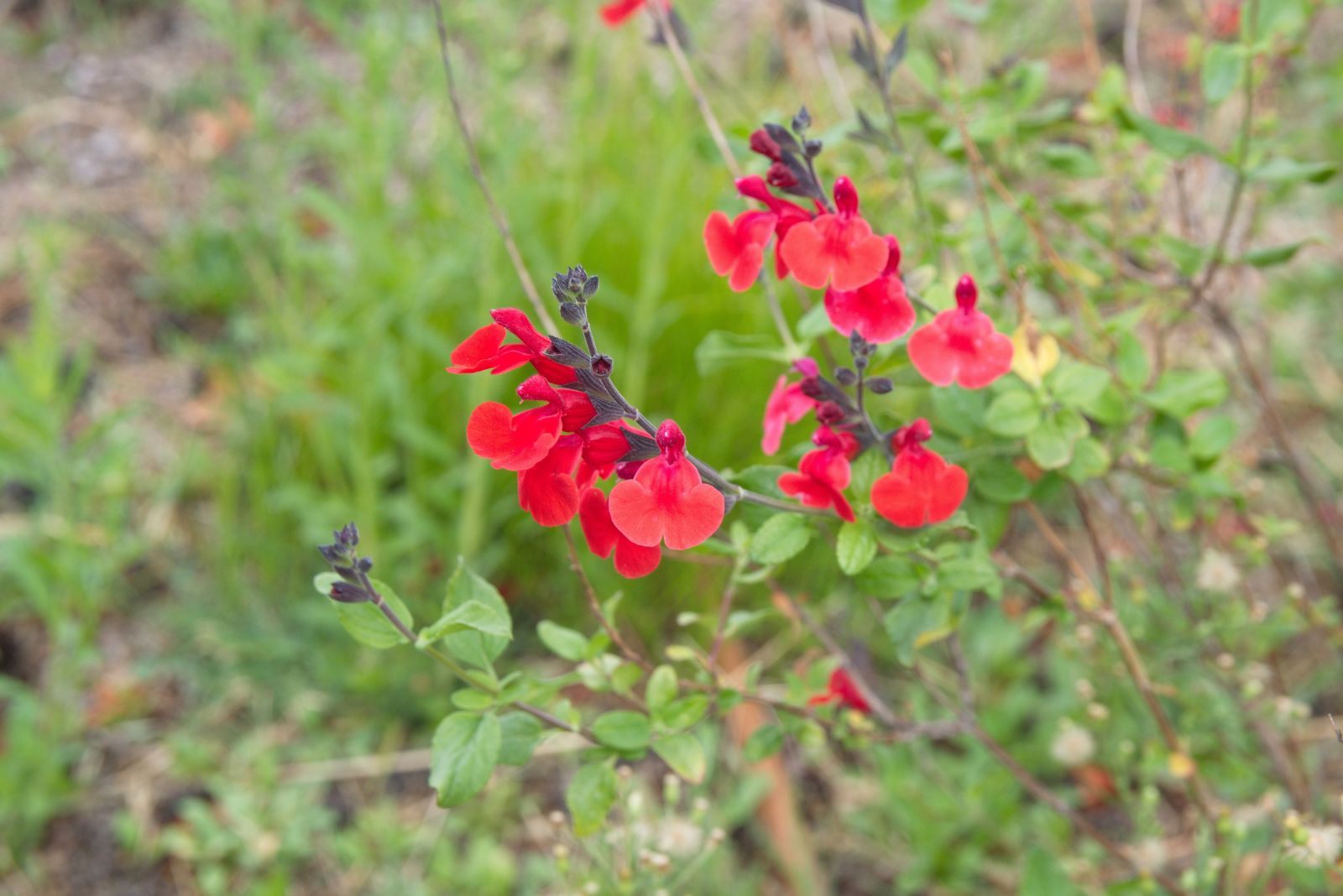
Lantana has been a Texas garden staple for years, and it’s easy to see why. It’s tough, colorful, and laughs in the face of summer heat.
But if you’ve been growing lantana for a while, you might have started noticing its downsides. It can get scraggly, spread aggressively, and in some parts of Texas it has become invasive enough to cause real ecological problems.
There’s a shrub quietly gaining attention across Texas that is giving lantana some serious competition. It’s just as heat tolerant, just as low maintenance, and arguably more beautiful.
It blooms generously, attracts pollinators and butterflies, and behaves itself in the garden without the aggressive spreading that makes lantana a headache in some landscapes. Native plant enthusiasts have known about it for years.
Now everyday Texas gardeners are starting to catch on. If you’ve been looking for something a little different to anchor your summer garden, this might be exactly the shrub you’ve been searching for.
Meet Autumn Sage
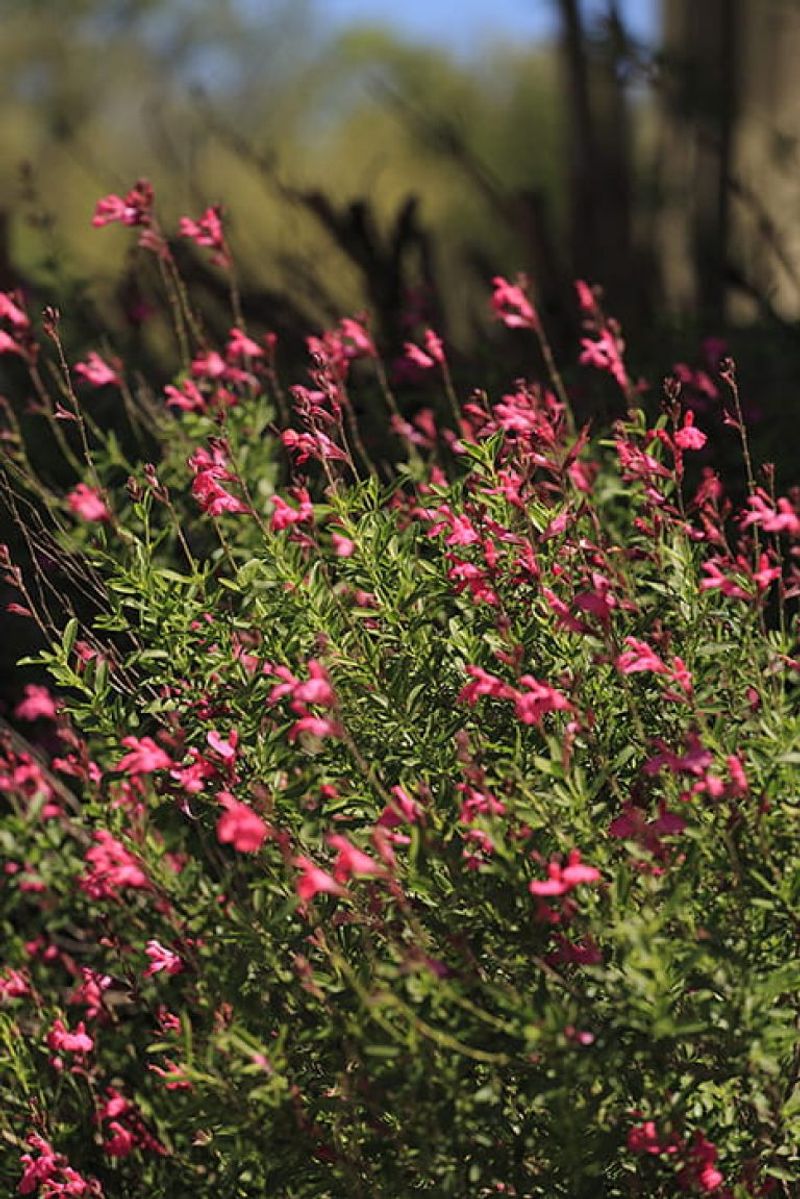
Walk through almost any Texas nursery in spring, and you will likely spot a small, cheerful shrub covered in bright tubular flowers. That shrub is Salvia greggii, better known as Autumn Sage.
Named after botanist Josiah Gregg, who explored the Texas-Mexico borderlands in the 1800s, this plant has deep roots in the region’s wild landscape.
Autumn Sage is a compact, woody shrub that typically grows two to three feet tall and wide. Its stems are covered in small, aromatic leaves that give off a pleasant, slightly minty scent when brushed.
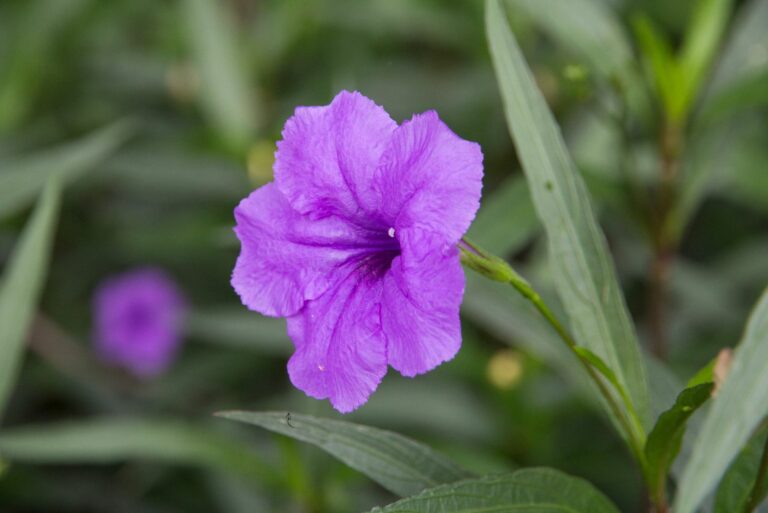
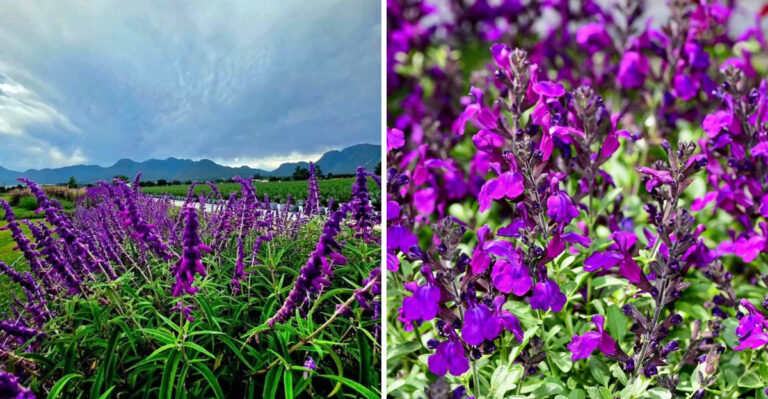
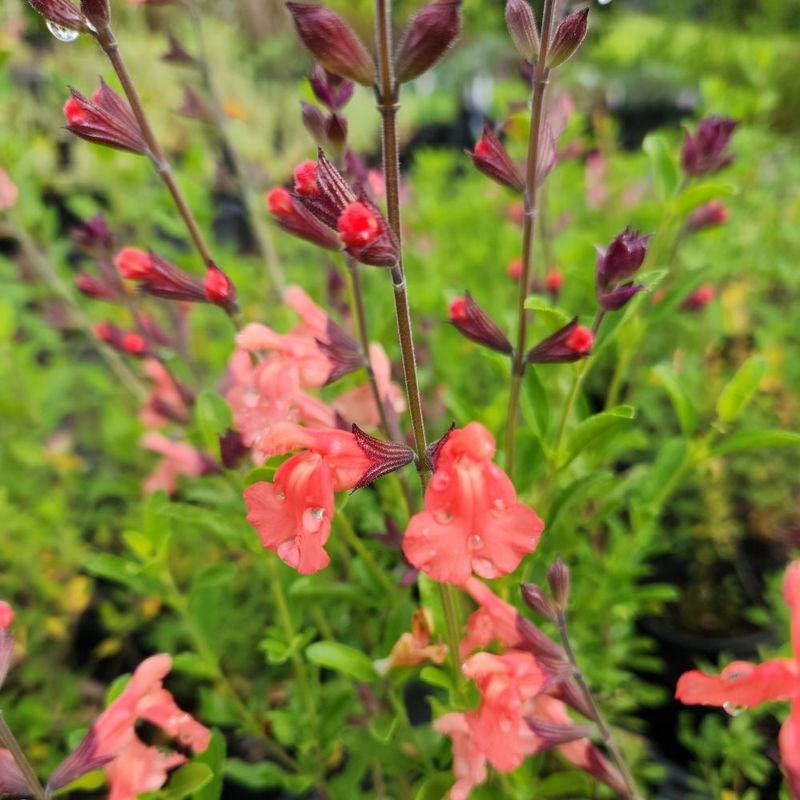
The tubular flowers come in shades of red, pink, coral, white, and purple, depending on the variety you choose.
What makes Autumn Sage stand out from other flowering shrubs is how well it handles tough conditions.
It was built for heat, rocky soil, and dry spells, which makes it perfectly suited for Texas landscapes. Unlike lantana, it does not spread aggressively or become invasive in some regions.
Gardeners who have made the switch from lantana to Autumn Sage often say they never look back. The plant stays tidy and manageable without constant trimming. It fits beautifully into both formal and casual garden styles.
For anyone looking to add reliable color and texture to their yard without a lot of fuss, Autumn Sage is an excellent starting point.
It is widely available at local nurseries and garden centers across Texas. Once you see it in bloom, it is hard not to fall in love with this native gem.
Long Blooming Season
Most flowering shrubs put on a show for a few weeks and then go quiet for the rest of the season. Autumn Sage plays a completely different game.
From early spring all the way through the first frost of fall, this plant keeps producing flowers in waves, giving your garden months of continuous color.
The blooming pattern follows a cycle that many gardeners find delightful. Flowers appear in flushes, meaning the plant blooms heavily, takes a short rest, and then blooms again.
Your Texas Garden Changes Every Week. Your Plan Should Too.
Gardening in Texas changes quickly throughout the season. Every Friday you’ll receive a simple weekly plan showing exactly what to plant, prune, fertilize, harvest, and protect so you never miss the right timing.
A light trim after each flush encourages even more flowers to appear. This cycle repeats throughout the growing season without much effort on your part.
Color options are one of the most exciting parts of choosing Autumn Sage. Varieties like ‘Furman’s Red’ produce rich scarlet blooms, while ‘Alba’ offers pure white flowers.
Coral and bicolor varieties add even more personality to mixed plantings. With so many choices, it is easy to match the plant to your existing garden palette.
Compared to lantana, which also blooms for a long time, Autumn Sage tends to stay more compact and predictable in its growth. You get the same season-long color reward without worrying about the plant taking over nearby beds.
Gardeners in central and south Texas especially love how Autumn Sage pushes through summer heat and keeps blooming when other plants look tired. Even during the hottest months, fresh flower clusters keep appearing.
It is one of the most reliable performers in the Texas garden calendar, and that consistency is a big reason why it is gaining so much popularity right now.
Pollinator Magnet
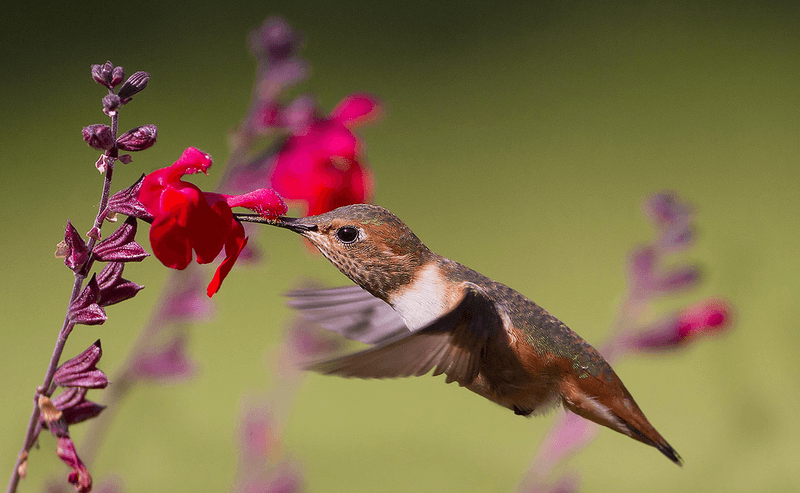
Few things in a garden are more exciting than watching a hummingbird dart from flower to flower right outside your window. Plant Autumn Sage and that scene becomes a regular part of your day.
The bright tubular flowers are perfectly shaped for hummingbird beaks, making this shrub one of their absolute favorites in the Texas landscape.
Bees are just as enthusiastic about Autumn Sage. Native bees, honeybees, and bumblebees visit the flowers constantly throughout the blooming season.
Since the plant blooms for such a long stretch of time, it provides a reliable food source for pollinators from spring through fall. That kind of consistency is incredibly valuable for local bee populations.
Butterflies also show up in good numbers. Species like the Gulf Fritillary and the Pipevine Swallowtail are frequently spotted nectaring on Autumn Sage blooms.
Having a plant that draws in multiple types of pollinators helps the entire garden ecosystem. Nearby vegetables and fruit trees benefit from increased pollination activity.
Did you know that supporting pollinators in your yard can actually increase the fruit and vegetable yields of nearby edible plants? Even if you are not growing food, a pollinator-friendly garden helps restore habitat that has been lost to development across Texas.
Switching from lantana to Autumn Sage does not mean giving up your pollinator garden. If anything, you are upgrading it.
Autumn Sage supports a wider variety of native pollinators and does so in a plant that is better suited to the specific conditions of Texas. Your yard becomes a small but meaningful refuge for wildlife with very little extra effort from you.
Low-Maintenance Landscaping
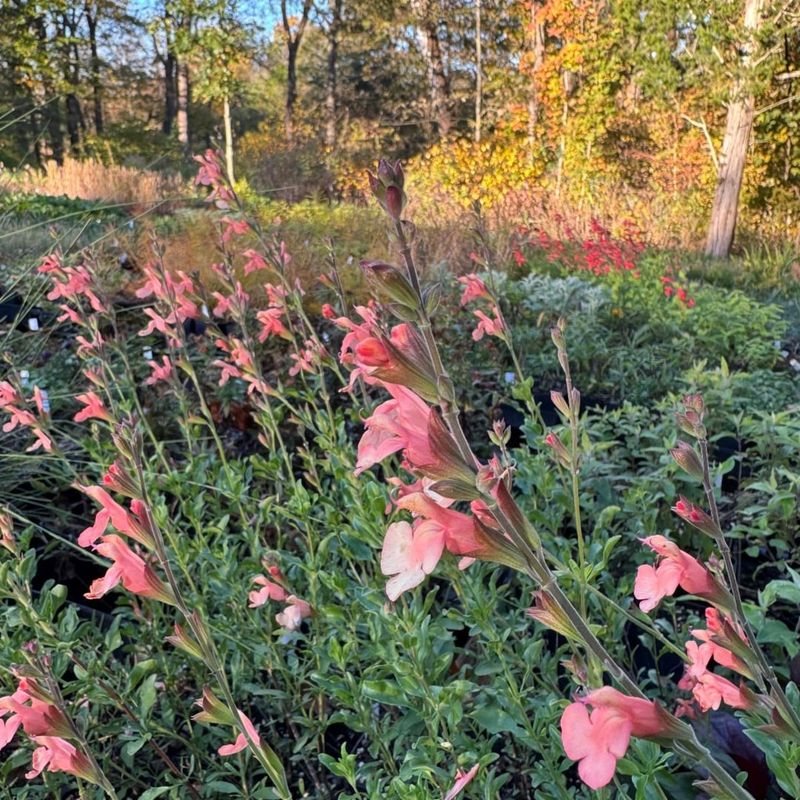
Busy schedules and hot Texas summers can make keeping a garden looking good feel like a full-time job. Autumn Sage understands that struggle, and it basically takes care of itself once it gets settled into the ground.
For gardeners who want beauty without constant babysitting, this shrub is a dream come true.
After the first growing season, Autumn Sage develops a strong root system that allows it to handle dry spells on its own. Watering needs drop significantly once the plant is established.
In most Texas regions, rainfall alone is enough to keep it healthy during the cooler months, and only occasional deep watering is needed during peak summer heat.
Pruning is simple and forgiving. A light trim after each blooming flush keeps the plant looking tidy and encourages new growth.
Once a year, usually in late winter, a harder cutback helps reshape the shrub and stimulates vigorous spring growth. Even if you skip a trimming session, the plant rarely looks messy or overgrown.
Pest problems are almost unheard of with Autumn Sage. Deer tend to avoid it, which is a huge bonus in suburban Texas neighborhoods where deer pressure can be intense. Fungal issues are rare as long as the plant has good air circulation and well-drained soil.
Fertilizing is not usually necessary. Autumn Sage actually prefers lean soil similar to what it grows in naturally across the Texas Hill Country.
Adding too much fertilizer can push leafy growth at the expense of flowers. Keep it simple, keep it natural, and this shrub will reward you with minimal effort and maximum color all season long.
Heat And Drought Tolerance
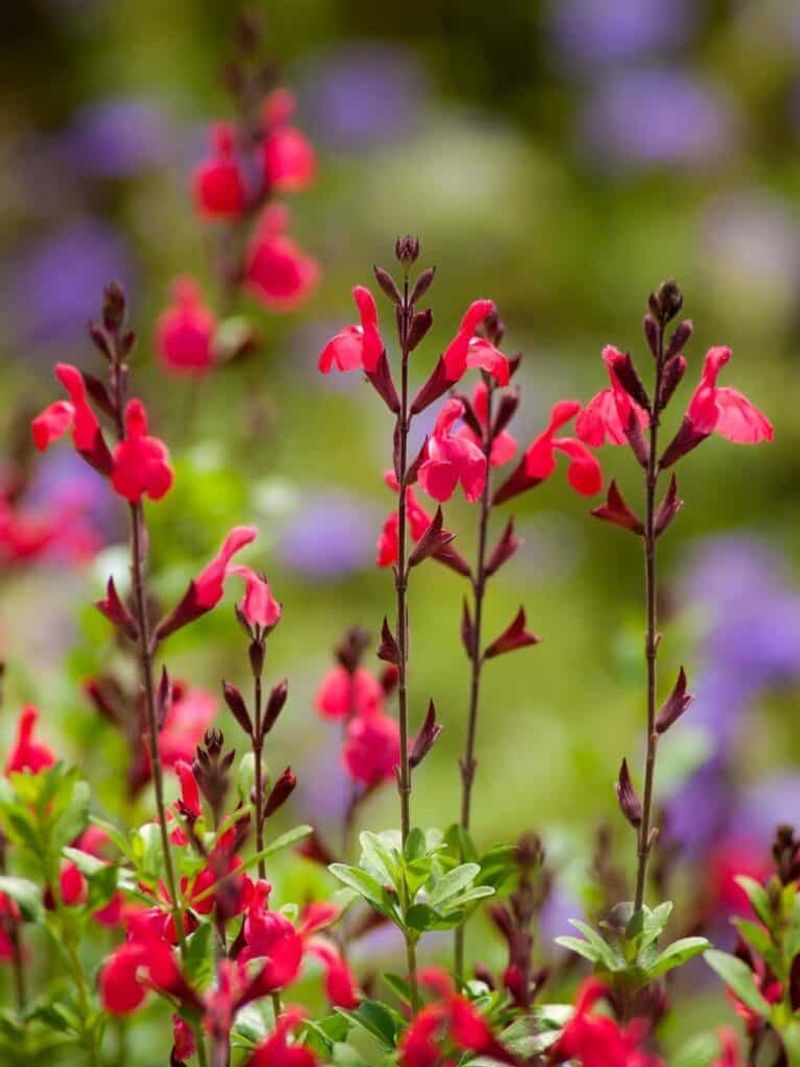
Texas summers are not for the faint of heart, and neither are the plants that survive them. Autumn Sage was practically born for this kind of weather.
Native to the rocky, sun-baked slopes of the Chihuahuan Desert and the Texas Hill Country, this shrub has spent thousands of years adapting to exactly the conditions that challenge most garden plants.
Full sun is where Autumn Sage truly shines. It wants at least six hours of direct sunlight each day, and it handles afternoon exposure without wilting or fading.
The leaves are small and slightly waxy, which helps the plant reduce water loss during the hottest parts of the day. Even in the middle of a scorching August, the foliage stays green and fresh-looking.
Well-drained soil is the one thing Autumn Sage really needs to thrive. It does not tolerate soggy roots, so raised beds, slopes, or sandy and rocky soils work perfectly.
In heavy clay soils, amending the planting area with compost and coarse sand before planting makes a big difference in long-term health.
During extended dry periods, Autumn Sage may slow its blooming slightly, but it does not abandon you. Once rain or irrigation returns, the plant bounces back quickly and resumes flowering.
That resilience is something lantana shares, but Autumn Sage does it without the invasive tendencies that make lantana problematic in some areas.
Water conservation is a growing concern across Texas, and planting drought-tolerant natives like Autumn Sage is one of the most practical steps homeowners can take.
You save money on your water bill and still enjoy a yard full of vibrant, season-long color without guilt.
Versatile Garden Use
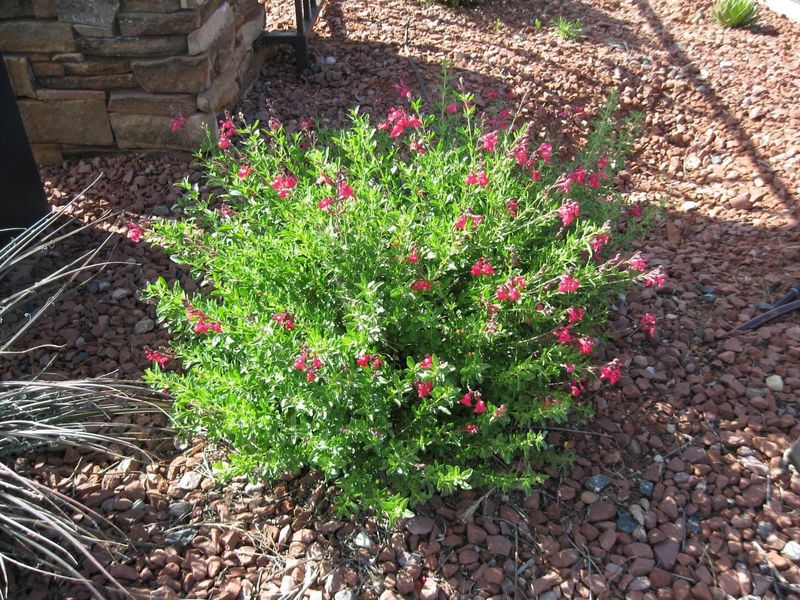
One of the best things about Autumn Sage is how easily it fits into almost any garden style. Whether your yard leans toward a formal, structured look or a relaxed, naturalistic design, this shrub works beautifully in both settings.
Its tidy mounding shape and long bloom season make it incredibly adaptable.
Along borders and walkways, Autumn Sage creates a welcoming ribbon of color that lasts from spring through fall. Plant it in groups of three or five for a bold, layered effect.
It pairs especially well with ornamental grasses like Mexican feathergrass, which adds movement and texture alongside the bright blooms.
Container gardening is another area where Autumn Sage excels. Planted in a large pot, it brings color to patios, porches, and balconies where in-ground planting is not an option.
Just make sure the container has good drainage holes and use a quality potting mix blended with some perlite for extra drainage.
Foundation plantings are a classic use for compact shrubs, and Autumn Sage fits that role perfectly. Its modest size means it will not overwhelm the base of your home the way larger shrubs sometimes do.
A row of Autumn Sage along a sunny foundation wall creates a polished, colorful frame for the front of your house.
For native and xeriscape gardens, Autumn Sage is practically essential. Pair it with Texas sage, blackfoot daisy, and rock rose for a water-wise planting that looks stunning and supports local wildlife.
The combination of low water needs, long bloom time, and pollinator appeal makes Autumn Sage one of the most valuable plants you can add to a Texas landscape right now.