The Summer Pruning Mistakes That Are Damaging Arizona Citrus Trees
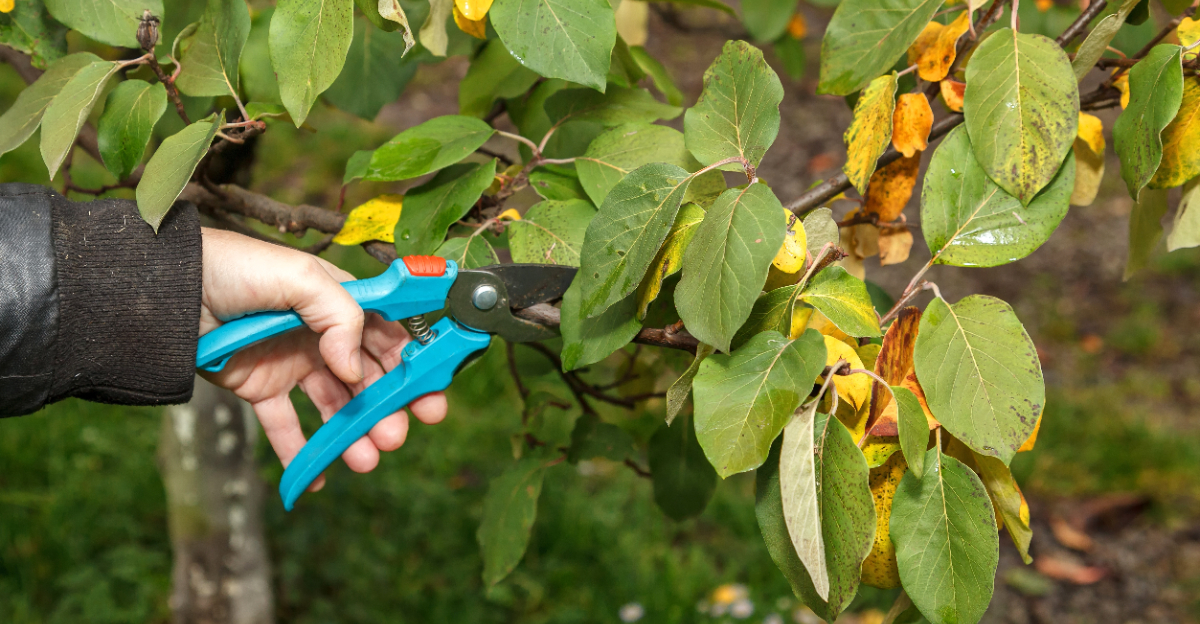
It’s easy to think a few quick cuts will help a citrus tree look better during summer. Trimming away extra growth often feels like a simple way to keep everything neat, especially when branches start looking crowded.
The problem is that trees don’t respond the same way in every season.
What seems like a harmless job on a warm afternoon can leave them dealing with unnecessary stress when temperatures are already at their highest.
Citrus trees need a different approach once summer settles in. Even well-meaning pruning can expose sensitive branches, slow healthy growth, or affect future fruit production if it’s done at the wrong time or in the wrong way.
Arizona’s intense heat leaves very little room for error.
Knowing which pruning habits to avoid can help your citrus trees stay healthier and continue growing strong through the toughest part of the season.
1. Remove Only Damaged Or Broken Branches During Summer
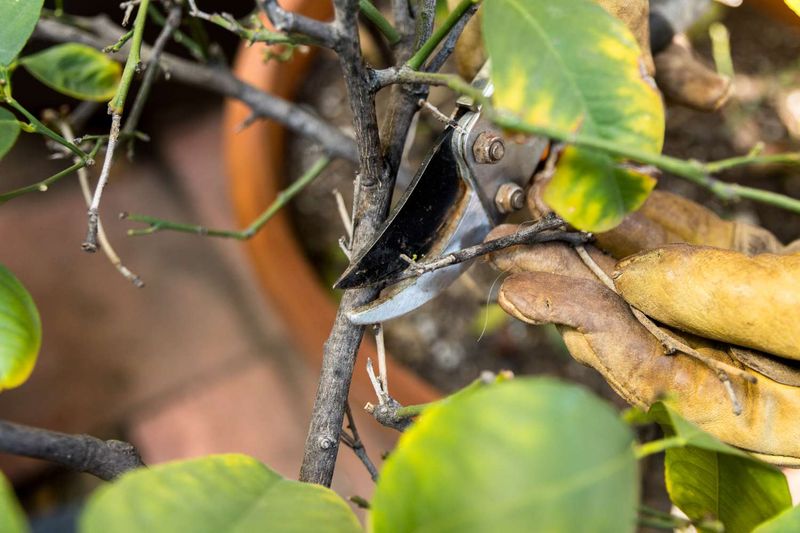
Summer is not open season on citrus branches. Grabbing your shears and going to town might feel productive, but it can seriously stress your trees during the hottest months of the year.
Citrus trees in the desert Southwest need every healthy branch they have during summer. Leaves create shade for the trunk and inner wood.
Without enough cover, bark can crack and fruit can scorch before it ever ripens.
Stick to removing only what is clearly broken, split, or hanging loose. A damaged stub from storm damage or a branch snapped by wind is fair game.
Anything green and intact should stay right where it is.
Walk around your tree before you cut anything. Look for branches that are clearly damaged, not ones that simply look crowded or out of shape.
Cosmetic pruning can wait until fall.
Broken branches left on the tree can invite pests and slow healing. Remove them cleanly at the base without leaving a ragged stub.
A clean cut heals faster and gives insects fewer places to settle in.
One helpful tip: make a quick sketch or mental note of which branches you want to address come October. That way, you are ready to work efficiently once cooler weather finally arrives and your tree can handle more significant cuts.
2. Avoid Heavy Pruning While Temperatures Stay High
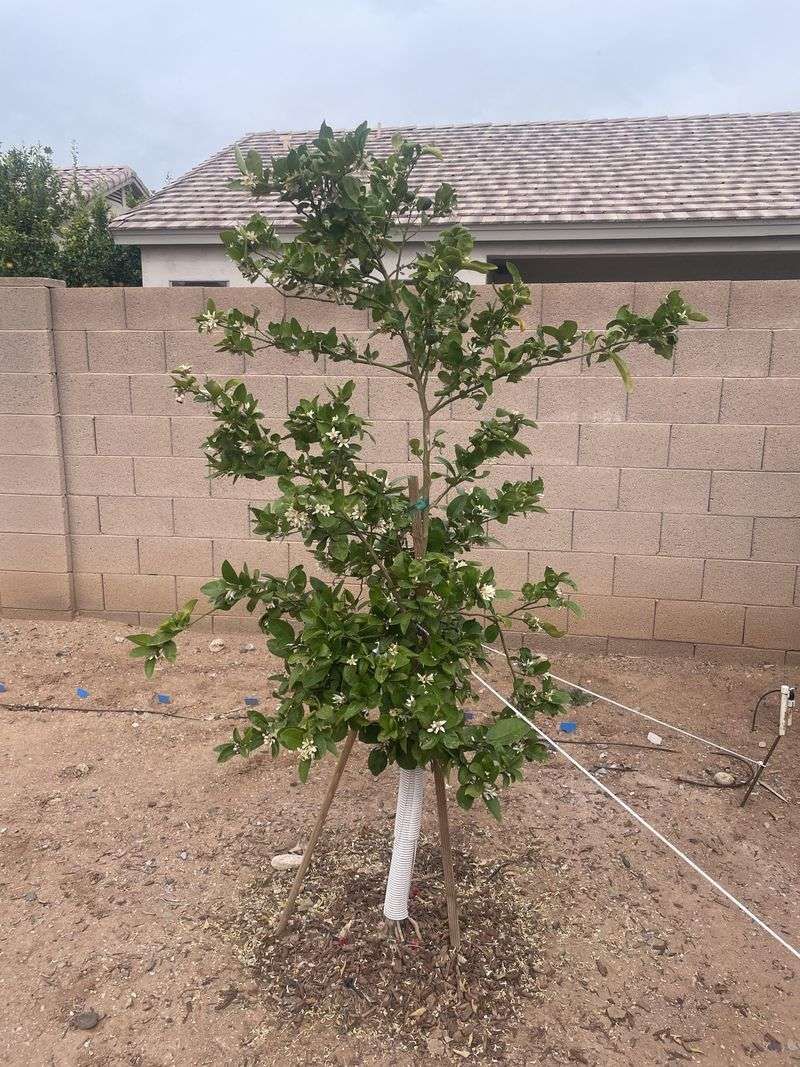
Heavy pruning in peak summer heat is one of the fastest ways to put your citrus tree in serious trouble. Cutting away large portions of the canopy removes the very shade the tree relies on to protect itself.
When temperatures push past 105 degrees, citrus trees shift into a kind of survival mode. Growth slows down.
Energy gets redirected toward staying hydrated and keeping roots stable. Adding the stress of major pruning on top of that is simply too much at once.
Wounds from large cuts take longer to close in extreme heat. That open tissue is exposed to scorching sun and dry desert air, which slows the natural healing process significantly.
Fruit development can also stall after heavy summer pruning. Removing too many branches disrupts the tree’s ability to move water and nutrients efficiently.
Your Arizona Garden Changes Every Week. Your Plan Should Too.
Gardening in Arizona changes quickly throughout the season. Every Friday you’ll receive a simple weekly plan showing exactly what to plant, prune, fertilize, harvest, and protect so you never miss the right timing.
You may end up with smaller yields or fruit that drops prematurely.
Patience is genuinely the best tool you have right now. Save the reshaping, the thinning, and the structural work for late September through November.
That window gives trees time to recover before winter and still allows good growth heading into spring.
If your tree looks overgrown and you feel the urge to cut, try deep watering and a light layer of mulch instead. Both help trees handle heat stress far better than any amount of summer pruning ever could.
3. Leave Enough Leaves To Protect Fruit And Branches From Sunburn
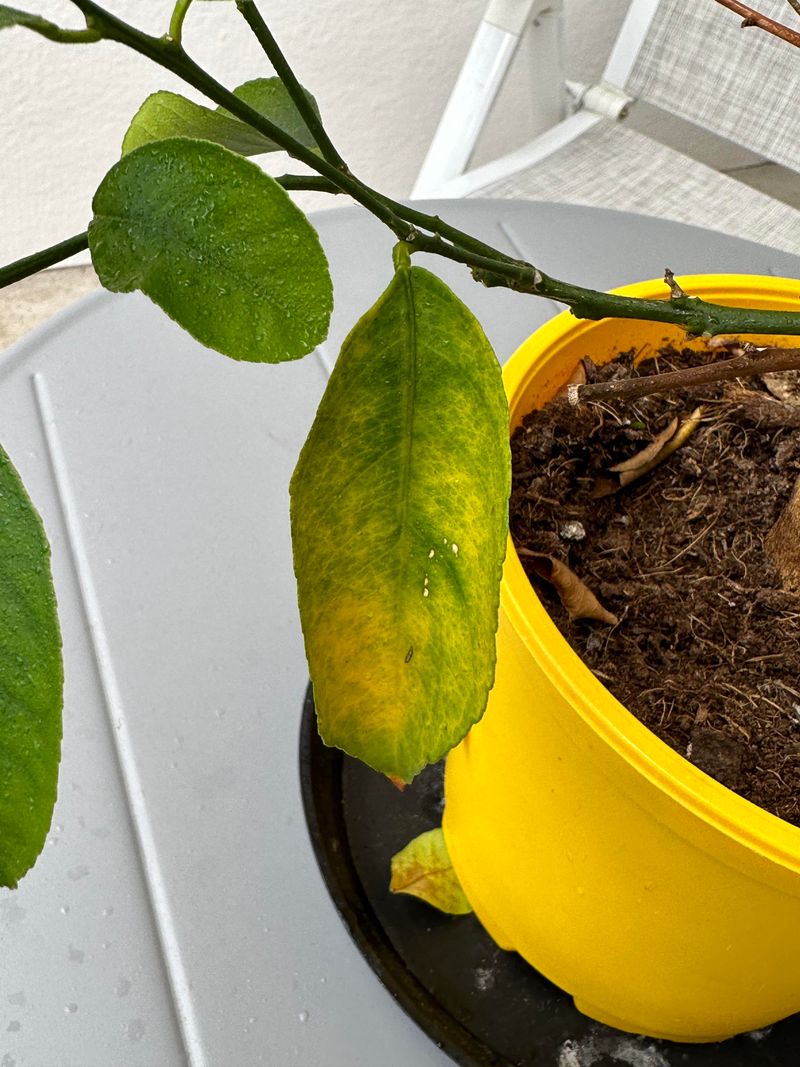
Bare branches baking in direct desert sun is not a pretty sight, and it is completely avoidable. Stripping too many leaves during summer leaves both fruit and wood exposed to intense UV radiation that can cause lasting damage.
Citrus leaves do more than just feed the tree through photosynthesis. They act as natural sunscreen, casting small patches of shade over the fruit and bark beneath them.
Lose too many leaves, and that protection disappears fast.
Sunburned citrus fruit develops pale, bleached patches on the skin. That fruit often drops early or becomes unmarketable.
Even fruit that stays on the tree may have dry, mealy flesh underneath the damaged skin.
Branches suffer too. When bark gets exposed to full Arizona sun for extended periods, it can crack and peel.
That cracking creates entry points for fungal issues and opportunistic insects.
A good rule of thumb: never remove more than ten to fifteen percent of the canopy at any one time during warm months. Even that modest amount can be enough to cause stress if temperatures are extreme.
If you notice sparse areas in your tree’s canopy from earlier over-pruning, do not try to fix it by pruning more. Let the tree push new growth on its own timeline.
Water consistently, hold off on cutting, and give it the rest of summer to recover naturally.
4. Skip Topping To Keep Trees Healthy And Productive
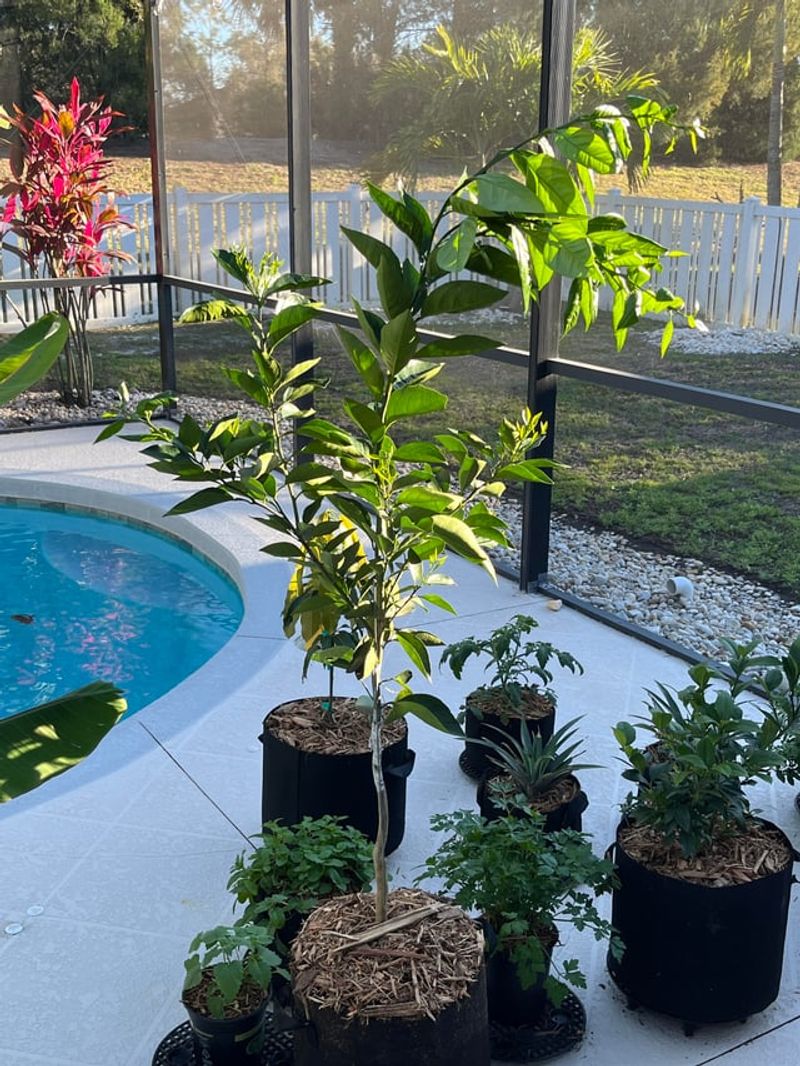
Topping a citrus tree feels like a quick fix, but it creates problems that take years to undo. Cutting off the top of the tree to reduce its height is one of the most damaging things you can do, especially in summer.
When the main upright branches get cut flat, the tree responds by pushing out a burst of fast, weak growth. That new growth shoots up quickly but lacks the structure and strength of the original branches.
It breaks easily in wind and bears little fruit.
Topped trees also lose a huge portion of their leaf cover all at once. That sudden exposure leaves the remaining trunk and branches vulnerable to intense sun.
Bark damage from sunscald after topping is extremely common in hot, dry climates.
Regrowth after topping looks messy and unmanaged. Instead of a natural, rounded canopy, you get a cluster of upright water sprouts shooting straight up from the cut points.
Pruning those back becomes an ongoing annual battle.
Fruit production often drops sharply in the years following a topping cut. Citrus trees fruit on mature wood, and topping removes exactly that.
Recovery can take two to four years depending on the tree’s age and overall condition.
If height is genuinely a concern, selective thinning cuts made over two or three seasons can bring a tree down gradually without the trauma of topping. A certified arborist familiar with desert fruit trees can walk you through that process safely.
5. Cut Cleanly Without Tearing The Bark
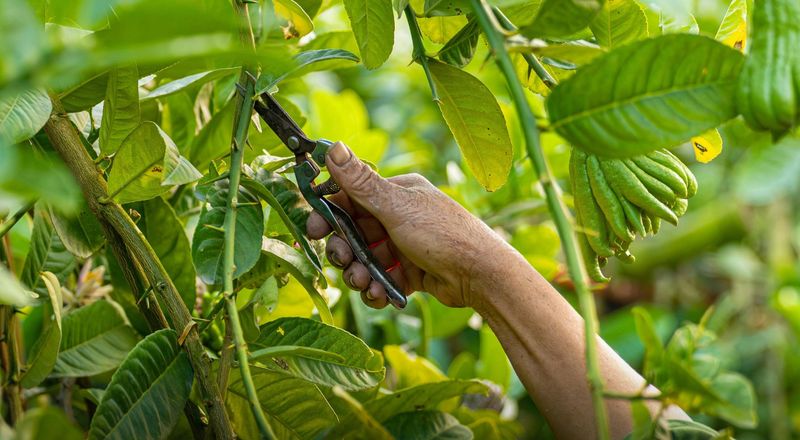
Ragged cuts are an open invitation for trouble. When bark gets torn instead of sliced cleanly, the wound takes much longer to seal, and stressed summer trees have fewer resources to spend on healing.
Dull blades are the most common reason for bad cuts. A blade that has not been sharpened in a while crushes and rips tissue rather than slicing through it smoothly.
Sharp tools make a real difference in how fast a wound closes.
Always cut just outside the branch collar, which is the slight swelling where the branch meets the trunk or a larger limb. Cutting too close removes the collar itself and slows the natural sealing process.
Cutting too far out leaves a stub that can rot over time.
For branches thicker than an inch, use a three-cut method. Make a small undercut first, then cut from the top to remove the branch, then clean up the stub with a final smooth cut.
That sequence prevents the branch from peeling bark downward as it falls.
Bypass pruners work much better than anvil-style pruners for citrus. Bypass blades slide past each other like scissors and produce a cleaner cut.
Anvil pruners press down on both sides, which can crush softer wood and leave uneven edges.
6. Wait Until Cooler Weather For Major Pruning Jobs
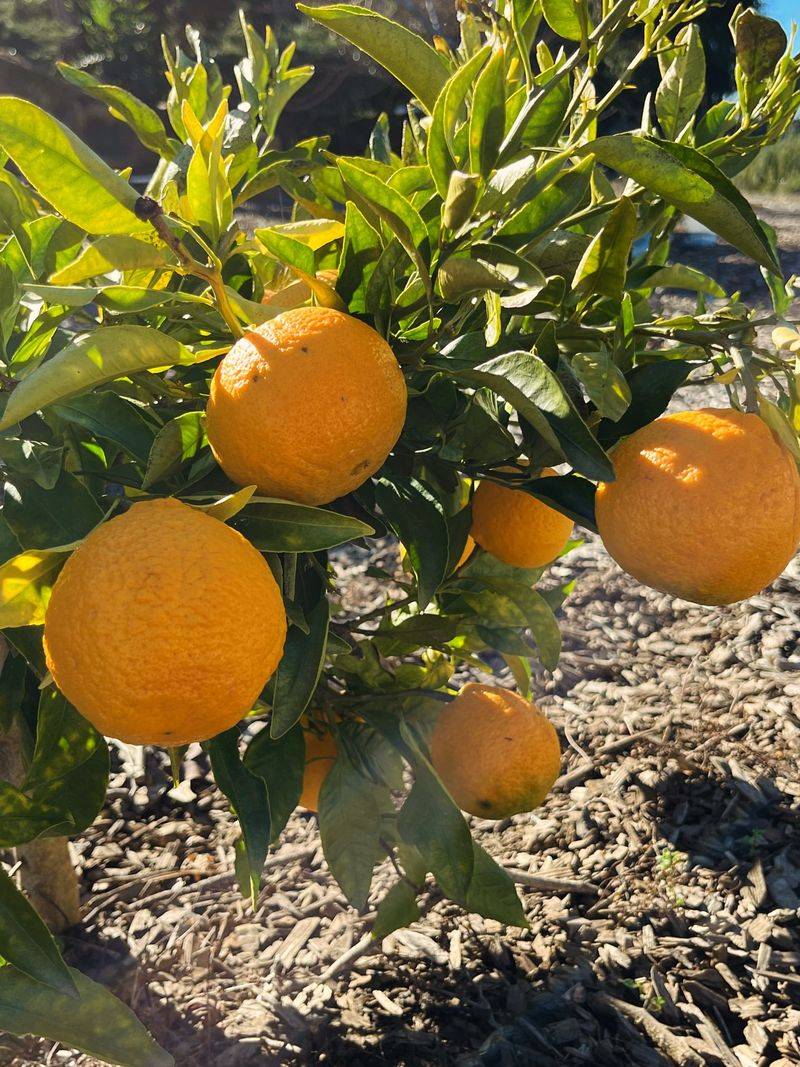
Waiting is genuinely one of the smartest moves you can make for your citrus trees. Major pruning work belongs in fall or late winter, not in the middle of a desert summer.
Late September through November is the sweet spot for most significant pruning in the low desert. Temperatures have dropped enough that trees are no longer in heat survival mode.
They can handle cuts more efficiently and push recovery growth before winter sets in.
Late winter, around February through early March, is also a solid window. Pruning just before the spring flush means fresh cuts get covered quickly by new growth.
That rapid regrowth helps seal wounds faster and restores canopy cover before summer returns.
Structural pruning, canopy reshaping, and removal of crossing branches are all jobs best saved for those cooler seasons. Trying to accomplish that work in July or August adds unnecessary stress during the period when trees are already working hardest.
Some growers in the region mark their calendars in late August as a reminder to start planning their fall pruning schedule. Having a clear plan before you pick up the shears leads to better results and fewer regrets.
Healthy trees that get pruned at the right time of year tend to bounce back faster, produce more fruit, and maintain better structure overall. Summer patience pays off with better harvests and stronger trees come spring.
7. Sterilize Pruning Tools Before Moving To Another Tree
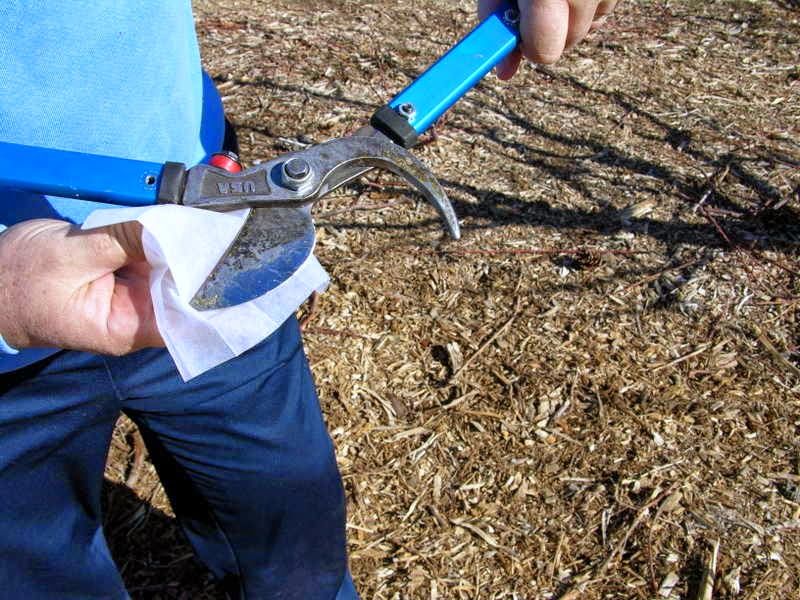
Skipping tool sterilization is a small habit with surprisingly large consequences. Moving from one tree to the next with dirty blades can spread fungal spores, bacterial infections, and pests without you ever realizing it.
Citrus trees can carry pathogens that show no visible symptoms in the early stages. A tree that looks perfectly healthy might still be harboring something that spreads easily through contaminated cuts.
Clean tools break that chain before it starts.
A disinfectant spray works well for quick sterilization between trees.
A ten percent bleach solution is another solid option, though it can corrode metal over time if blades are not rinsed and dried afterward. Either way, the process takes under a minute.
Keep a small spray bottle of disinfectant in your pruning kit. Spray the blades, wipe them down with a clean cloth, and let them air for thirty seconds before moving on.
That routine adds almost no time to your work and protects every tree in your yard.
Citrus greening and other serious diseases have been detected in parts of the Southwest in recent years. While not every yard faces that specific risk, the habit of sterilizing tools is worth building regardless of current local conditions.
Sharp, clean, sterilized tools also just cut better.