Why Georgia Lawns Turn Brown In July Even When You’re Watering
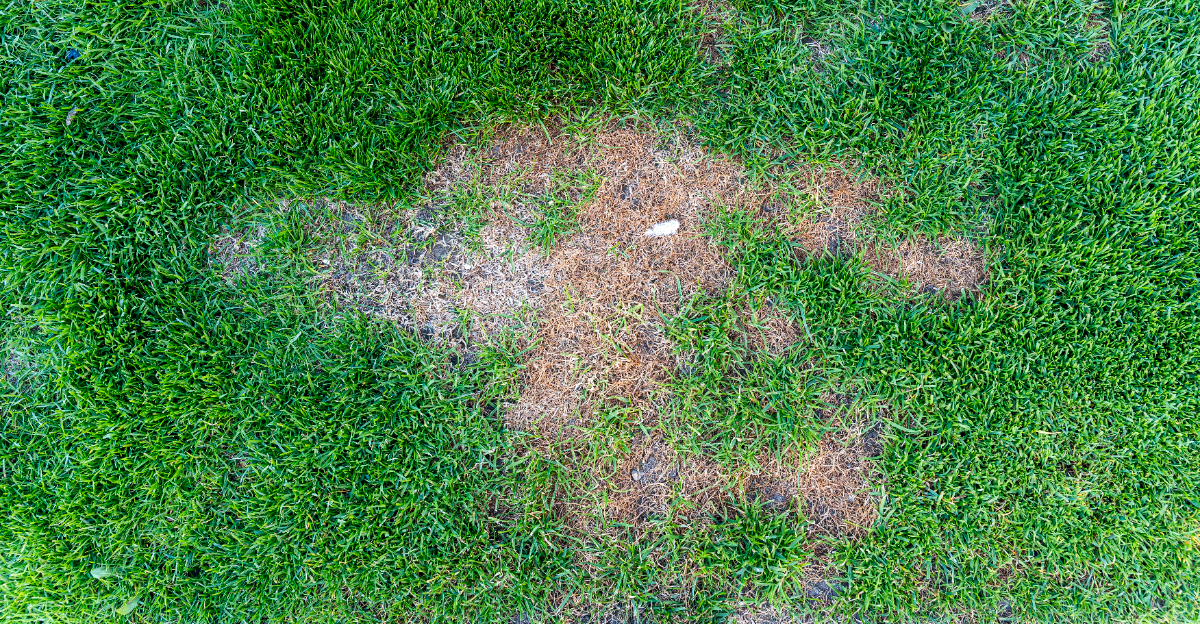
Green grass has a way of giving you confidence that your lawn is in good shape. That’s why brown patches can be so confusing when you’ve been keeping up with watering all along.
It feels like the lawn is ignoring everything you’ve been doing, and adding even more water seems like the only logical answer. In many cases, that instinct sends homeowners in the wrong direction.
A lawn reacts to everything happening around it, not just the amount of water it receives.
Soil conditions, mowing practices, heat, and even the time of day you irrigate can all influence how the grass looks during the hottest part of the season.
In Georgia, July often exposes problems that stayed hidden earlier in the year. Before assuming your lawn is thirsty, it’s worth taking a closer look at what those brown patches are really trying to tell you.
1. High Temperatures Trigger Summer Heat Stress
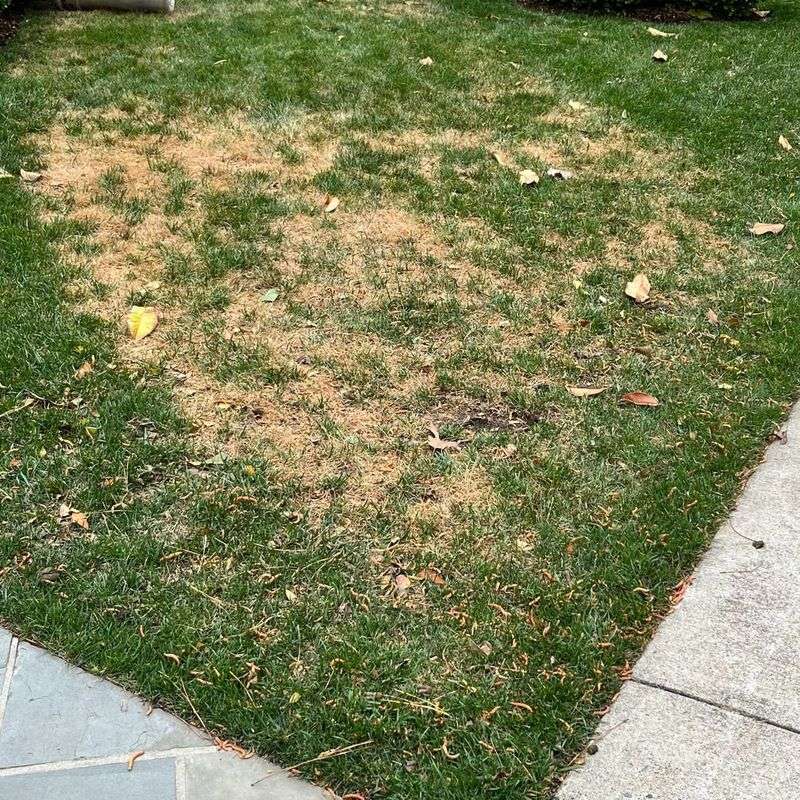
Scorching pavement, wilting flowers, and brown grass all tell the same story in July. Heat stress is one of the most overlooked reasons lawns decline during summer, even when watering is consistent.
Warm-season grasses like Bermuda and Zoysia can handle heat, but they have limits. When soil temperatures climb above 95 degrees Fahrenheit, root activity slows dramatically.
Grass blades stop absorbing nutrients efficiently. Growth stalls, and the lawn starts showing stress fast.
Browning from heat stress usually shows up in open, sun-exposed areas first. Shaded spots nearby may still look green, which makes the contrast even more obvious and confusing for homeowners.
Watering helps, but it cannot fully cancel out extreme heat. Water evaporates faster when temperatures soar, meaning less moisture actually reaches the roots.
The ground heats up so quickly that shallow roots get almost no relief.
One practical fix is raising your mower height slightly during peak summer. Taller grass shades the soil and slows moisture loss.
It also reduces the stress placed on each blade during extreme conditions.
Avoid fertilizing during a heat wave. Fertilizer pushes new growth, and new growth is more vulnerable to heat damage than established blades.
Wait until temperatures drop before feeding your lawn again.
Heat stress is temporary in most cases.
2. Compacted Soil Keeps Water From Reaching The Roots
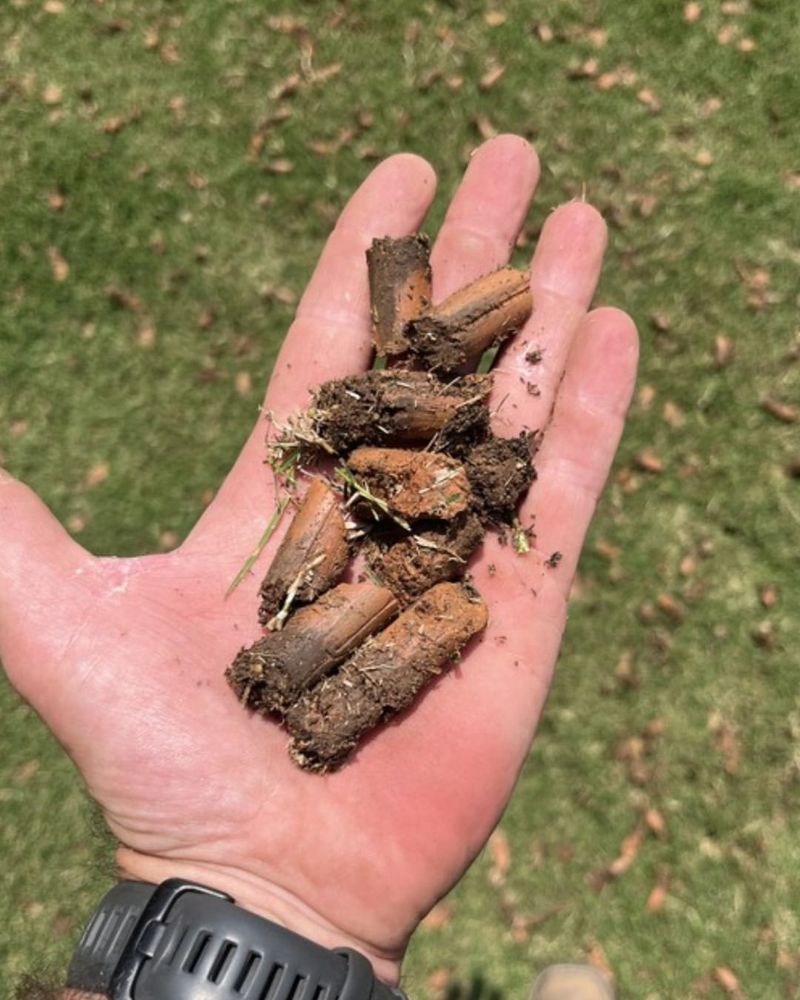
Water hits the surface, rolls off, and never reaches the roots. Compacted soil is a silent problem that makes regular watering almost useless.
Red clay soil is extremely common across much of the Southeast. It compacts easily under foot traffic, lawn equipment, and even heavy rainfall over time.
Once compacted, water cannot penetrate properly. It pools on top or runs off instead of soaking down where roots actually live.
Roots need both water and oxygen to stay healthy. Compacted soil blocks both.
Grass growing in compacted ground is essentially struggling to breathe and drink at the same time, which causes rapid browning even when irrigation is running on schedule.
A simple test can reveal the problem quickly. Push a screwdriver into your lawn.
If it meets heavy resistance after just an inch or two, your soil is likely compacted and needs attention.
Your Georgia Garden Changes Every Week. Your Plan Should Too.
Gardening in Georgia changes quickly throughout the season. Every Friday you’ll receive a simple weekly plan showing exactly what to plant, prune, fertilize, harvest, and protect so you never miss the right timing.
Core aeration is the most effective solution. A core aerator pulls small plugs of soil from the ground, creating channels for water, air, and nutrients to move downward.
Most lawns benefit from aeration at least once a year.
Late summer or early fall is generally the best time to aerate warm-season lawns. Aerating during peak summer stress can cause additional damage to already struggling turf.
3. Watering At The Wrong Time Leaves Grass Too Dry
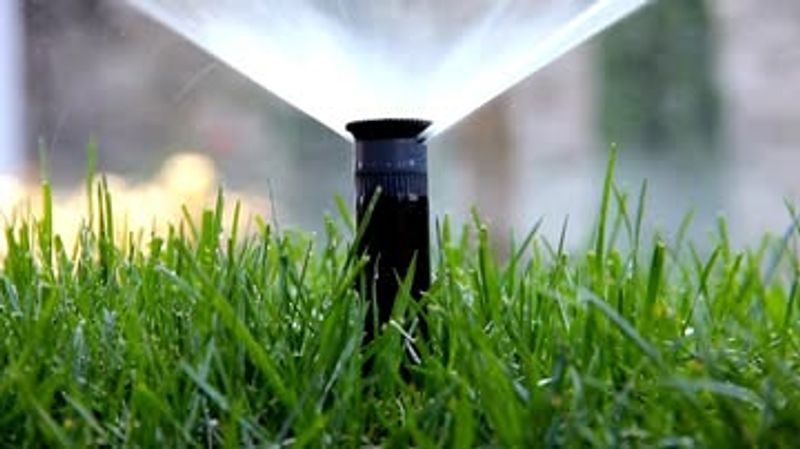
Running your sprinklers at noon feels productive, but most of that water never reaches the roots. Timing matters more than most homeowners realize.
Midday watering is one of the most common mistakes made during summer. When temperatures are at their peak, water evaporates rapidly off the soil surface and even off the grass blades themselves.
Your system runs for 20 minutes, but the lawn may only absorb a fraction of what was applied.
Evening watering seems like a smart alternative, but it creates its own problems. Grass that stays wet overnight becomes a perfect environment for fungal growth.
Moisture sitting on blades for hours without sunlight to dry it off encourages disease to spread quickly.
Early morning is the ideal window. Watering between 4 a.m. and 9 a.m. gives moisture time to soak into the soil before heat builds.
Grass blades dry off naturally as the day warms, reducing disease risk while maximizing absorption.
Watering frequency matters too. Shallow, frequent watering trains roots to stay near the surface.
Deep, infrequent watering encourages roots to grow downward where soil stays cooler and holds moisture longer.
Aim for about one inch of water per week during summer, applied in two or three sessions rather than daily sprinkles.
4. Dull Mower Blades Tear Grass Instead Of Cutting It
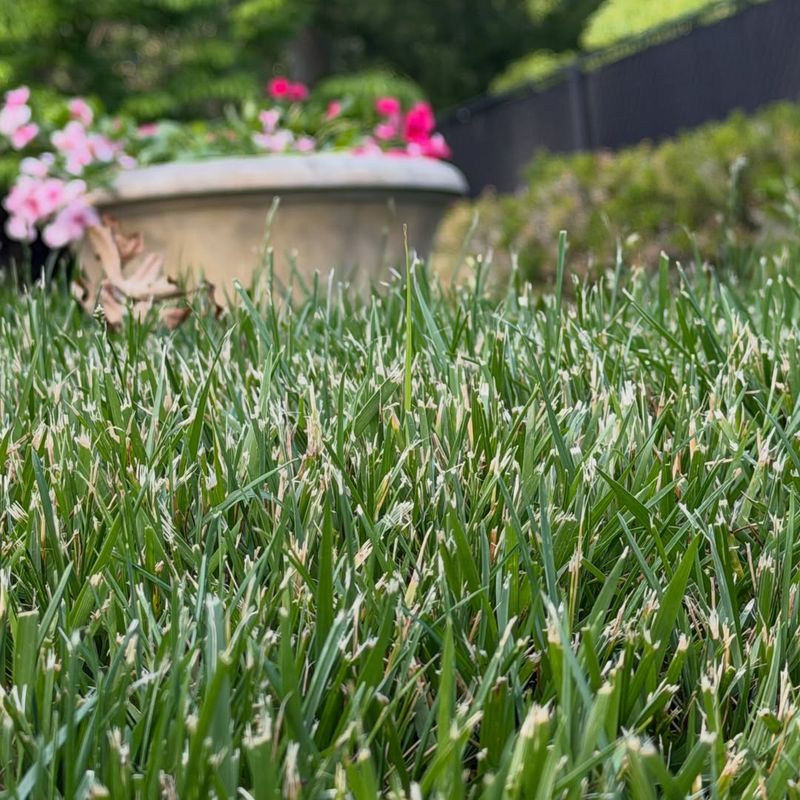
A sharp blade cuts clean. A dull blade shreds, and shredded grass browns fast in summer heat.
Most homeowners never think about sharpening mower blades. Blades dull over a single season of regular use, especially when mowing over sticks, rocks, or sandy soil.
Running a dull blade across your lawn causes ragged cuts that leave each grass blade with a torn, frayed tip.
Those torn tips turn brown within a day or two. From a distance, the lawn looks like it is struggling from drought or disease.
Up close, you can actually see the damage on the individual blades if you look carefully.
Torn grass is also more vulnerable to stress. Ragged cuts create open wounds that lose moisture faster and invite fungal infections more easily.
During a hot July, that combination accelerates browning significantly.
Sharpening mower blades once or twice per season is enough for most homeowners. If you mow frequently or have a large property, inspect blades every eight to ten mowing sessions.
A sharp blade should slice paper cleanly when tested by hand.
Mowing height matters just as much as blade sharpness. Never remove more than one-third of the grass blade in a single mowing session.
Cutting too low during summer exposes soil to direct sun and stresses the lawn immediately.
5. Lawn Pests Damage Healthy Turf
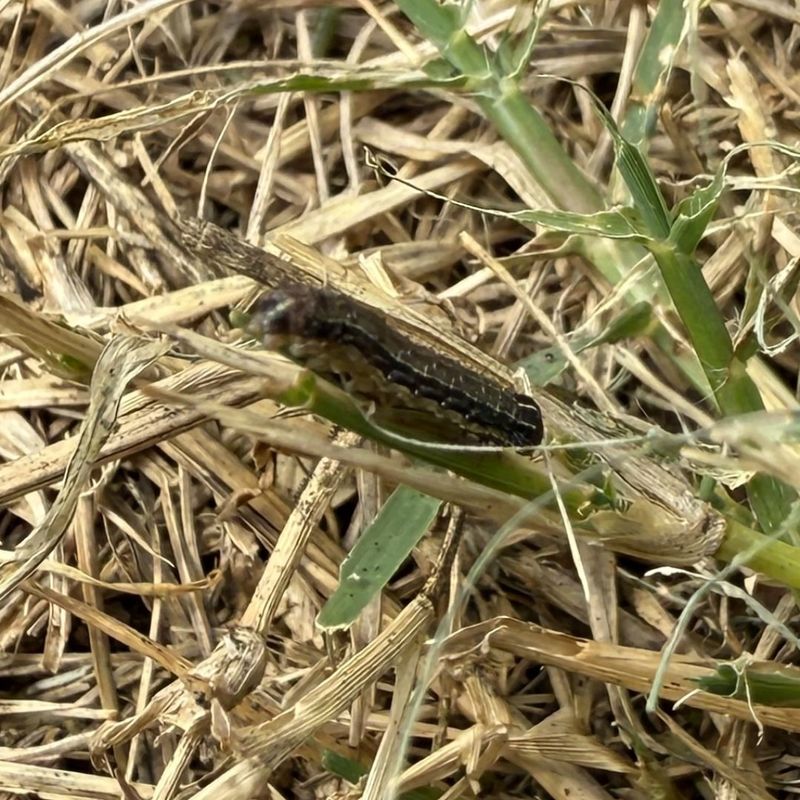
Brown patches that appear suddenly and spread fast are often not about water at all. Pests working underground can destroy turf from the roots up without any obvious signs on the surface at first.
Grubs are among the most destructive lawn pests in the Southeast during summer. White grub larvae feed on grass roots just below the soil surface.
As roots get chewed away, grass loses its ability to absorb water and nutrients. Sections of turf start browning and eventually lift away from the soil like loose carpet.
Chinch bugs are another common problem. They feed on grass blades directly, injecting a toxin that blocks water movement through the plant.
Affected areas turn yellow, then brown, and spread outward in irregular patterns. Chinch bug damage is often mistaken for drought stress.
Sod webworms feed at night, which makes them hard to spot. Irregular brown patches with closely clipped-looking grass are a common sign.
Birds pecking aggressively at your lawn can also indicate an active pest infestation below the surface.
A simple drench test helps confirm grub activity. Mix dish soap with water and pour it over a small area.
Grubs will surface within a few minutes if they are present in significant numbers.
Treating pest problems early prevents widespread turf damage.
6. Fungal Diseases Spread During Hot Humid Weather
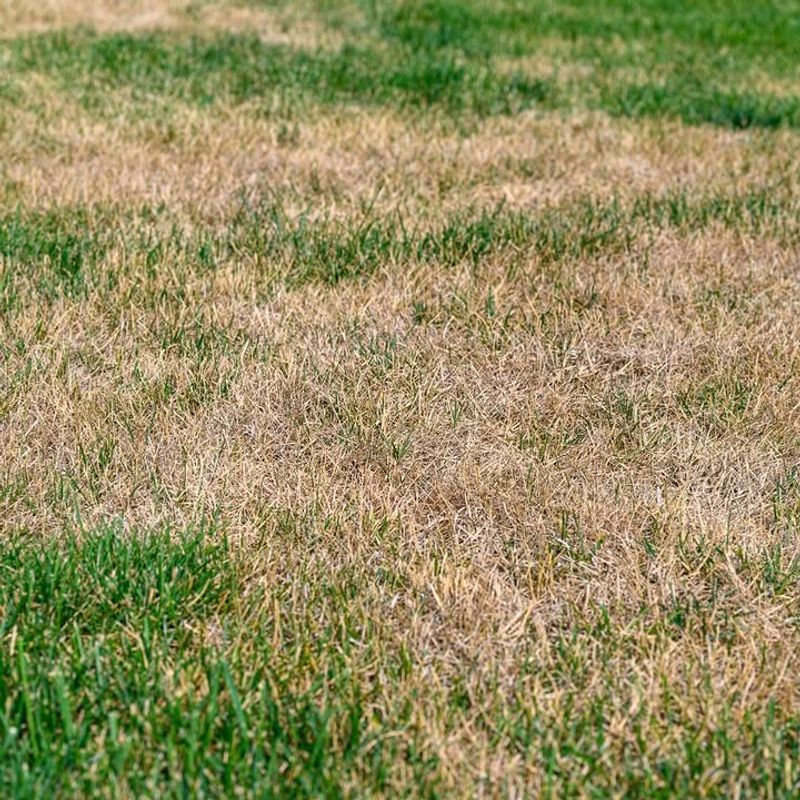
Humidity and heat together create the perfect conditions for fungal diseases to take hold fast. July weather in the South practically invites lawn fungus to spread.
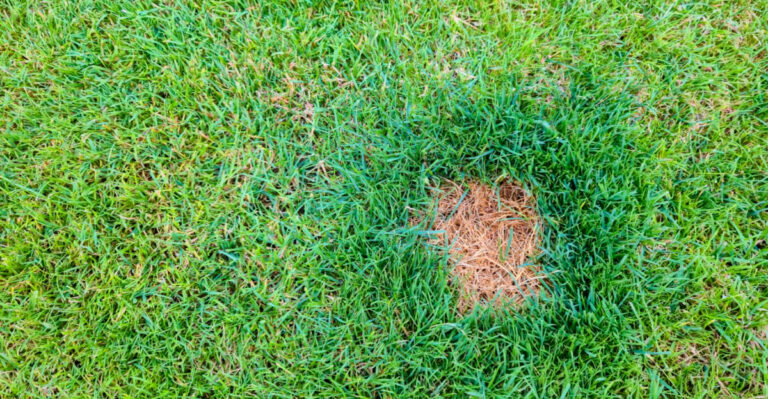
Brown patch is one of the most common fungal diseases affecting lawns during summer. It shows up as circular or irregular brown rings, often with a darker outer edge.
Affected areas can expand rapidly, sometimes spreading several feet in just a few days under the right conditions.
Dollar spot is another frequent summer disease. It creates small, silver-dollar-sized brown spots scattered across the lawn.
If you look closely in the morning, you may notice white, cobweb-like strands of fungal growth across affected blades.
Overwatering and evening irrigation both contribute heavily to fungal outbreaks. Grass that stays wet for long periods overnight gives spores the moisture they need to germinate and spread.
Switching to morning watering helps reduce that risk significantly.
Nitrogen levels also play a role. Both excessive and deficient nitrogen can make turf more susceptible to fungal infections.
A balanced fertilization program helps keep grass healthy enough to resist common diseases.
Fungicides can help manage active outbreaks, but they work best as a preventive measure rather than a cure. Applying a fungicide after an outbreak is already widespread often produces limited results.
7. Summer Dormancy Is Normal During Hot Dry Weather
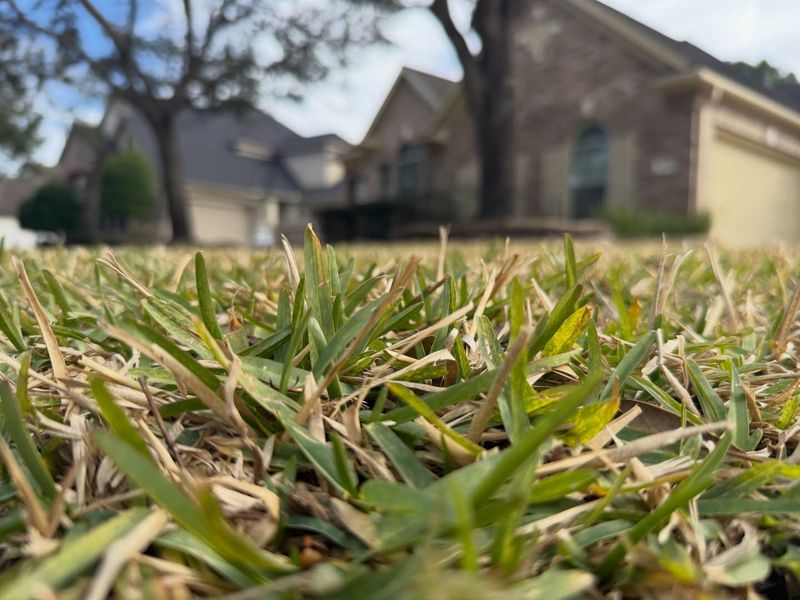
Not every brown lawn is a sick lawn. Sometimes grass goes dormant, and that is actually a built-in survival response, not a sign of failure.
Warm-season grasses like Bermuda, Centipede, and Zoysia can enter a semi-dormant state when heat and drought conditions become extreme.
The grass pulls energy away from blades and concentrates it in the root system to stay alive through tough conditions. Blades turn tan or brown, but roots remain viable underground.
Dormancy looks alarming, but it is a natural protective mechanism. Grass that goes dormant can green back up quickly once conditions improve, whether from rainfall or cooler temperatures returning in late summer or fall.
One common mistake is overreacting to dormancy by dramatically increasing water. Flooding dormant grass does not speed up recovery and can actually encourage fungal growth in stressed turf.
Light, consistent watering is enough to keep roots from drying out completely.
Foot traffic should be minimized on dormant lawns. Dormant grass is fragile and does not recover from physical damage as readily as actively growing turf does during healthier conditions.
Avoid applying fertilizer to a dormant lawn. Pushing growth when the plant is conserving resources puts additional stress on an already taxed root system.