This Is The Vegetable That Thrives In Illinois July Heat When Everything Else Gives Up
Most Illinois gardeners treat July like a write-off. The tomatoes pout, the lettuce goes bitter and bolts overnight, and even that zucchini you bragged about in June starts looking like it wants a lawyer.
You water everything twice a day and still watch it wilt. So you stop planting. You wait for September.
You waste the hottest, longest days of the growing season standing in a wilting garden, wondering why you bothered.
Here is what nobody told you: one plant is out there genuinely loving every second of this. It does not just endure.
It performs. Triple-digit humidity, cracked soil, sun that hits like something personal. It reads all of that as perfect conditions. Then it grows faster than you can pick it.
Productive, low-maintenance, weirdly beautiful, and almost nobody in your Illinois neighborhood is growing it. That is about to change.
It Keeps Producing in July When Others Slow Down
Your tomatoes have basically quit. Your beans look defeated, and your cucumbers are barely hanging on.
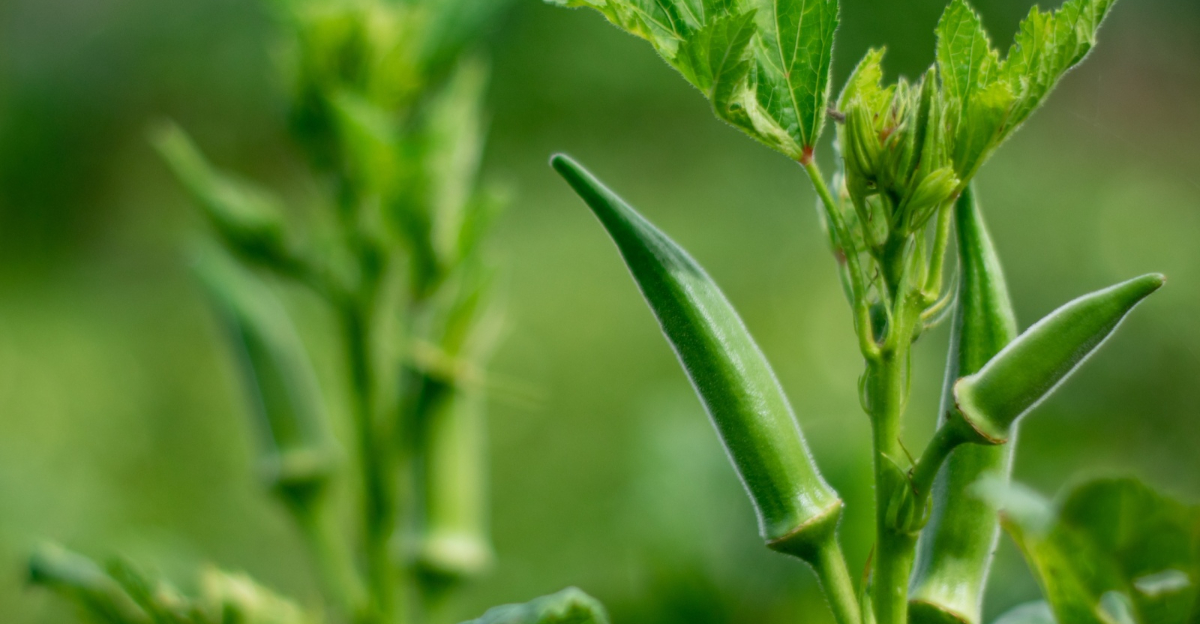
Okra, though, is just getting started. This plant hits its stride exactly when Illinois summers get mean and unforgiving.
Okra produces pods rapidly in hot weather. The hotter the day, the faster those pods shoot up from the stem.
You can pick pods every single day during peak July heat. That kind of consistency is rare in any summer garden.
Most common garden vegetables slow production when temps climb past 90 degrees. Okra reads that number and speeds up instead.
The plant flowers daily, and each bloom becomes a harvestable pod within days. That cycle keeps repeating without a break.
Gardeners who grow okra often call it their most reliable July crop. It never stops producing the way squash often does when the heat cranks up.
You also get a visual reward. Okra plants grow tall and bold, with hibiscus-like flowers that look almost too pretty for a food garden.
Each flower only lasts one morning, then transforms into a pod by afternoon. That fast turnaround is part of what makes this vegetable so satisfying. When everything else in your garden stops producing, okra is still standing tall.
Why July Is The Hardest Month For Illinois Vegetable Gardens
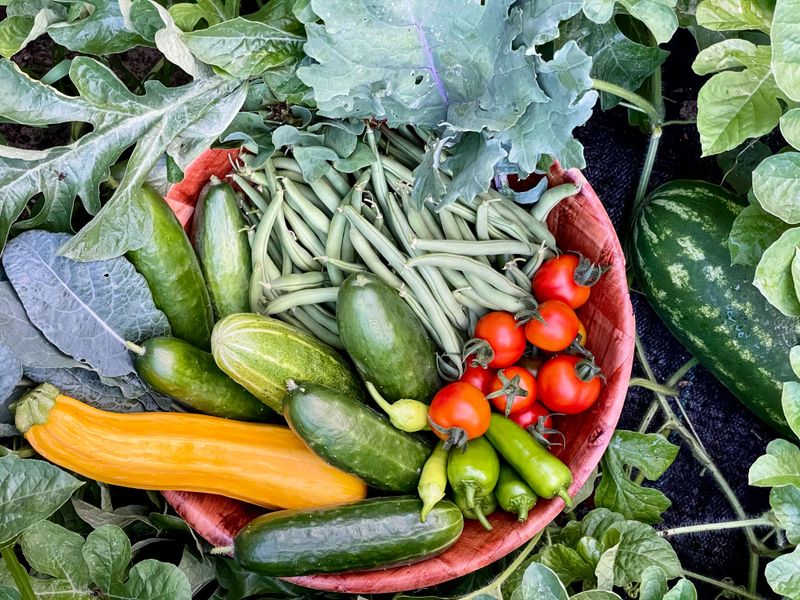
July in Illinois hits like a wall. Temperatures regularly climb past 90 degrees, and the humidity makes it feel even worse.
Most cool-season crops are already done by now. Spinach, peas, and lettuce bolted weeks ago and never looked back.
Warm-season crops like tomatoes and peppers struggle too. Once heat stays above 95 degrees, tomato blossoms drop without setting fruit.
The soil bakes hard between waterings. Roots stress out, and stressed roots mean stressed plants that stop producing anything useful.
Fungal diseases spread fast in humid July air. Powdery mildew, blight, and rot can wipe out a bed in just a few days.
Insects are also at peak activity. Japanese beetles, squash bugs, and aphids feed heavily on common garden plants through midsummer.
Water evaporates faster than you can replace it. Even daily watering sometimes is not enough to keep shallow-rooted plants alive and thriving.
Your Illinois Garden Changes Every Week. Your Plan Should Too.
Gardening in Illinois changes quickly throughout the season. Every Friday you’ll receive a simple weekly plan showing exactly what to plant, prune, fertilize, harvest, and protect so you never miss the right timing.
This is the vegetable that thrives in Illinois July heat when everything else gives up, and understanding why July is so tough helps you appreciate it even more.
Okra sidesteps most of these problems naturally. Its deep roots, waxy leaves, and heat-loving biology make July feel like a gift rather than a threat. Knowing what you are up against helps you garden smarter all season long.
What Makes It Uniquely Built For Illinois Summer Heat
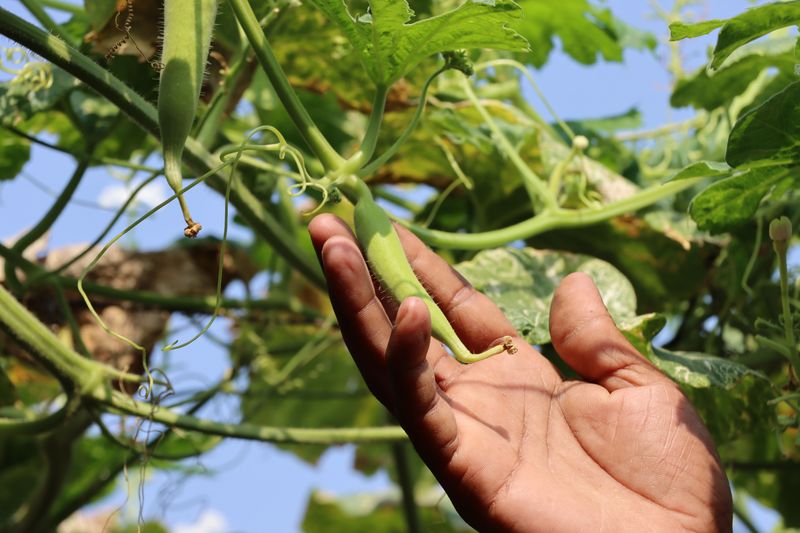
Okra did not stumble into heat tolerance by accident. It evolved in the hot, dry regions of Northeast Africa over thousands of years.
That origin story matters. Every part of the plant reflects a design built for survival in punishing conditions.
The leaves have a slightly waxy surface that slows moisture loss. That coating keeps the plant hydrated even when the air pulls water away aggressively.
Okra roots grow deep and wide. Deep roots tap into soil moisture that shallow-rooted plants simply cannot reach during dry spells.
The plant also handles full sun without flinching. Eight or more hours of direct sunlight per day is exactly what okra wants and needs.
Unlike tomatoes, okra does not drop flowers when heat spikes. It just keeps blooming, keeps producing, and keeps going strong all month.
The stems are thick and fibrous, which helps the plant stand upright even in hot, drying winds. No staking required in most backyard setups.
Okra also attracts pollinators naturally. Those large, creamy flowers bring bees in fast, which means consistent pollination even on the hottest days.
Its built-in resilience is not a gardening hack or a trick. It is simply biology doing exactly what evolution designed it to do. Plant it once and watch it prove itself without any extra coaxing from you.
How To Plant And Grow It For A Steady July Harvest
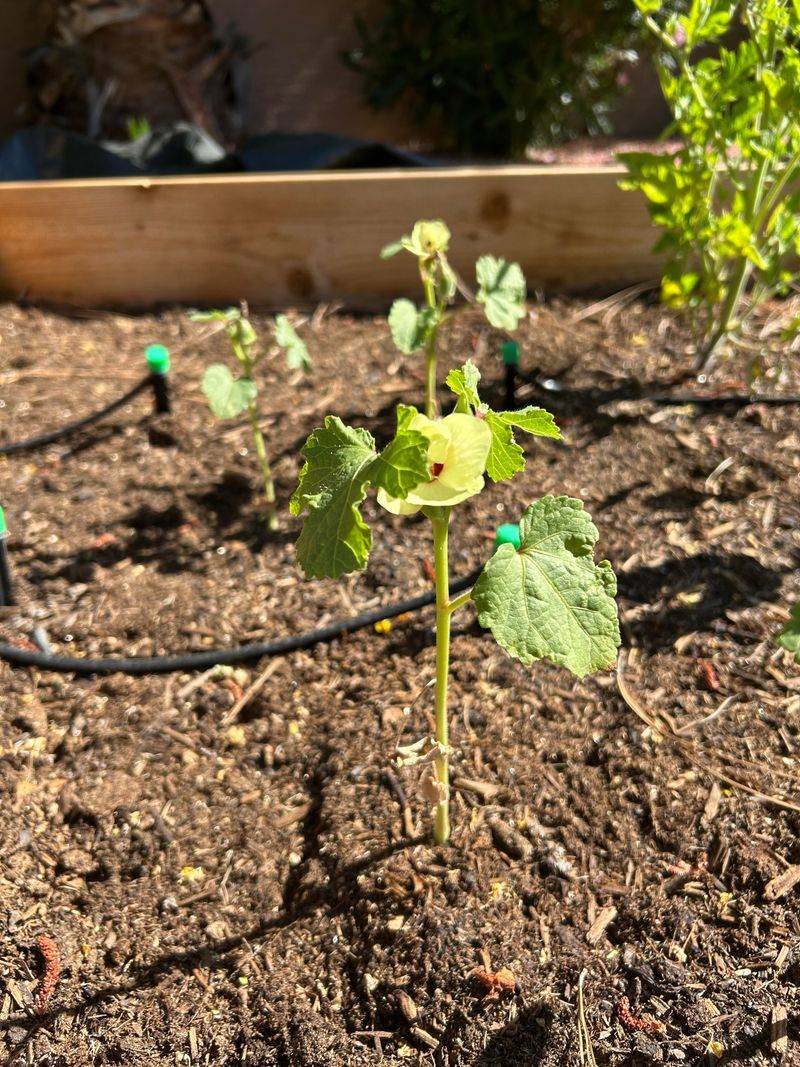
Getting a July harvest means planting at the right time. In Illinois, sow okra seeds directly in the ground around late May or early June.
Soil temperature matters more than calendar date. Okra seeds need soil at least 65 degrees to germinate reliably, so do not rush them.
Plant seeds about one inch deep and space them 12 to 18 inches apart. Crowded plants fight for nutrients and produce fewer pods overall.
Okra loves full sun, so pick a spot that gets at least eight hours daily. Shady spots will slow growth and cut your harvest down significantly.
Water deeply but not constantly. One to two inches per week is enough for established plants, and deep watering encourages those strong root systems.
Skip heavy nitrogen fertilizer. Too much nitrogen pushes leafy growth instead of pod production, which is the opposite of what you want.
A light application of balanced fertilizer at planting is plenty. After that, okra mostly takes care of itself through the heat of the season.
Mulch around the base of each plant. Mulch holds soil moisture, regulates temperature, and cuts down on weeds that compete for water.
This is the vegetable that thrives in Illinois July heat when everything else gives up, and a little early prep pays off big by midsummer. Consistent care early on means steady, rewarding harvests all through July.
Common Mistakes Illinois Gardeners Make With This Crop
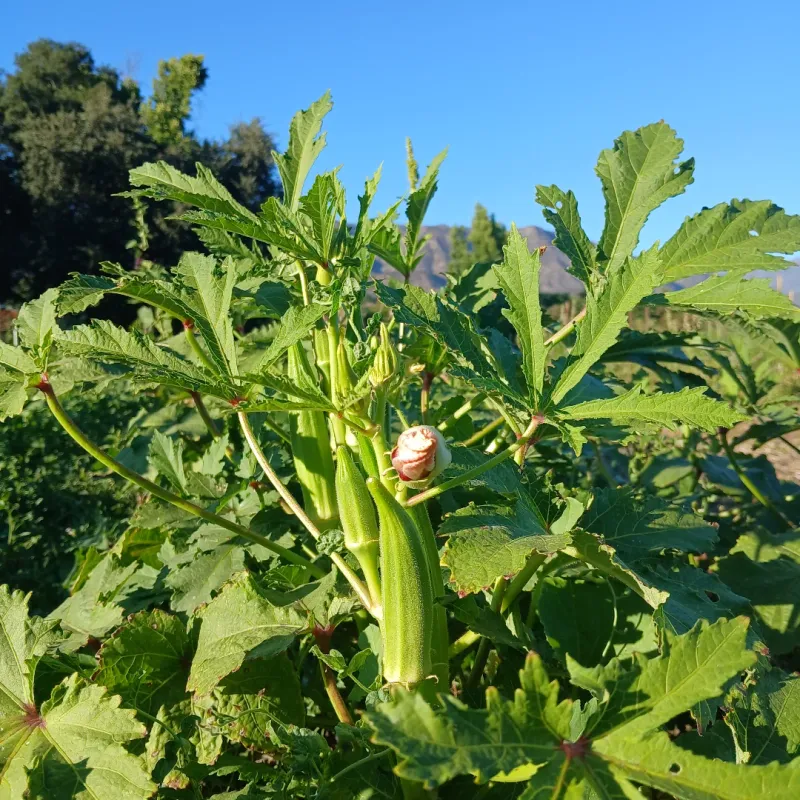
Most people who say they failed with okra made one of a handful of fixable mistakes. The good news is none of them are hard to correct.
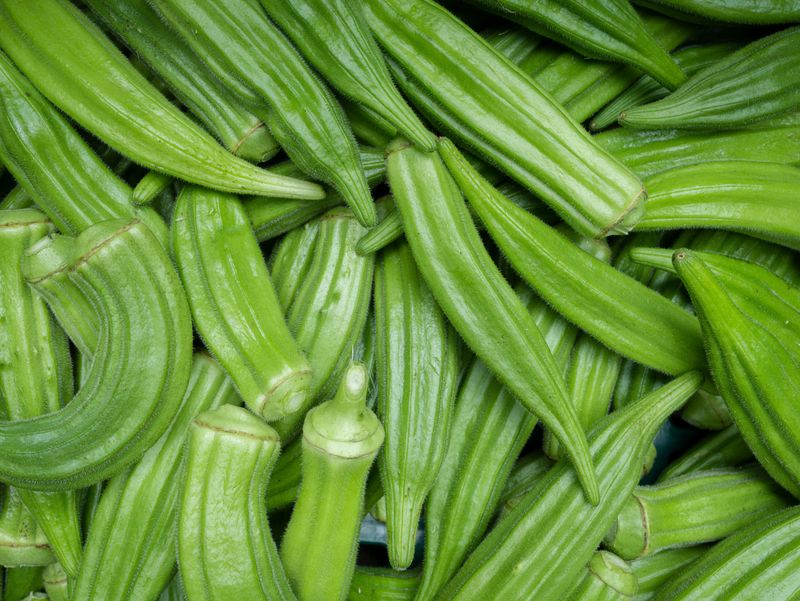
The biggest blunder is waiting too long to harvest. Pods left on the plant past four inches get tough and woody, better suited for stewing or pickling than fresh eating.
Check your plants every single day during peak season. Okra grows remarkably fast in July heat, with pods sometimes reaching harvest size within 24 hours.
Another common error is planting too early. Cold soil stops okra seeds from germinating or causes them to rot before they even sprout.
Wait until the ground warms up properly. Patience at planting time saves you from frustration and wasted seed packets later in the season.
Some gardeners also over-water. Okra handles dry spells better than soggy roots, and waterlogged soil leads to rot and stunted growth fast.
Planting in partial shade is another mistake that costs you pods. Okra needs full sun to produce at the rate that makes it worth growing.
Skipping mulch is a missed opportunity. Bare soil dries out fast and bakes in July, stressing roots that could otherwise be thriving comfortably.
Finally, many gardeners plant only a few seeds. Okra produces well per plant, but a row of six to eight plants gives you enough for regular meals. Fix these habits once, and okra becomes the easiest win in your entire summer garden.
Best Varieties For Illinois Growing Conditions
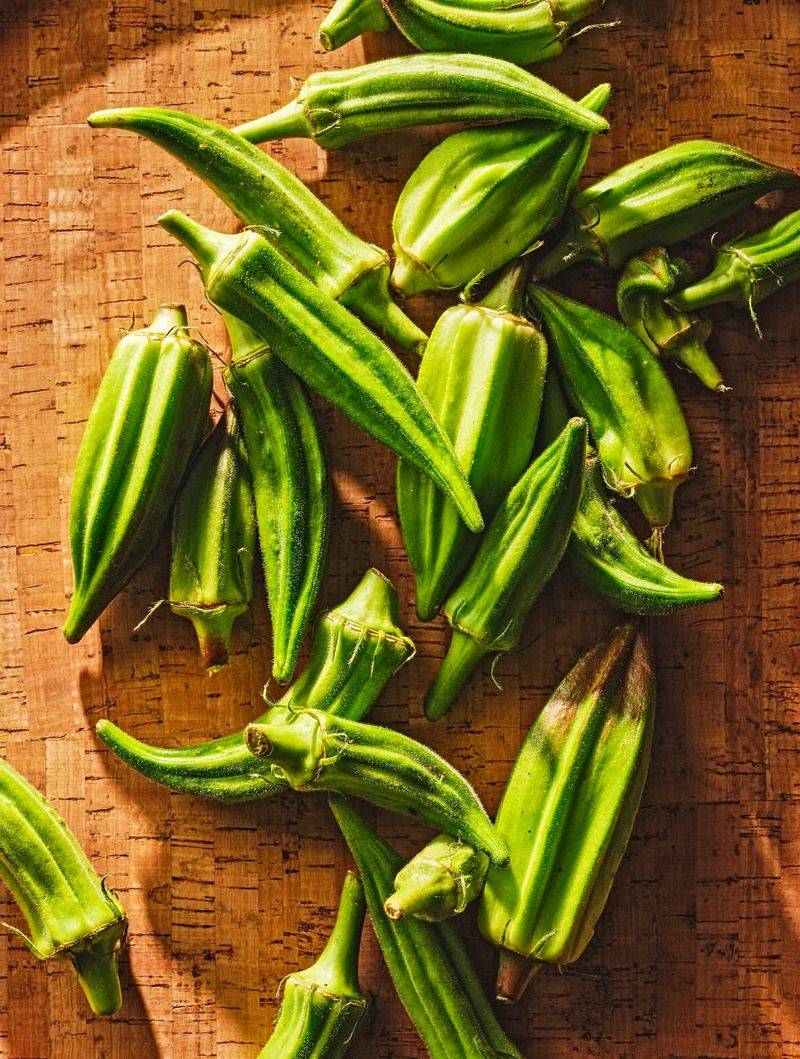
Not all okra varieties perform the same way in the Midwest. Picking the right one for your backyard makes a noticeable difference in your harvest.
Clemson Spineless is the classic choice for good reason. It produces heavily, tolerates humidity well, and the pods stay tender longer than many other types.
Burgundy okra is a showstopper in any garden. The deep red pods stand out visually, and the plant handles heat with the same toughness as green varieties.
Jambalaya is a compact variety perfect for smaller gardens or raised beds. It stays compact compared to standard varieties and still pumps out pods consistently through July.
Annie Oakley II is an early producer that suits gardeners who want pods sooner in the season. It starts delivering pods faster than most standard varieties on the market.
Cow Horn okra grows large and bold, with pods that can reach impressive lengths while staying surprisingly tender. It grows impressively large and remains a reliable producer.
Louisiana Green Velvet has a slightly ribbed pod and a smooth texture that many cooks prefer. It also handles the kind of back-to-back hot days Illinois summers throw out.
Choosing a variety suited to your space and cooking style is a small decision with a big payoff.
Test two or three types in the same season to find your personal favorite. Your perfect match is out there, waiting to prove itself in your July garden.
How To Harvest And Use It Before The Season Ends
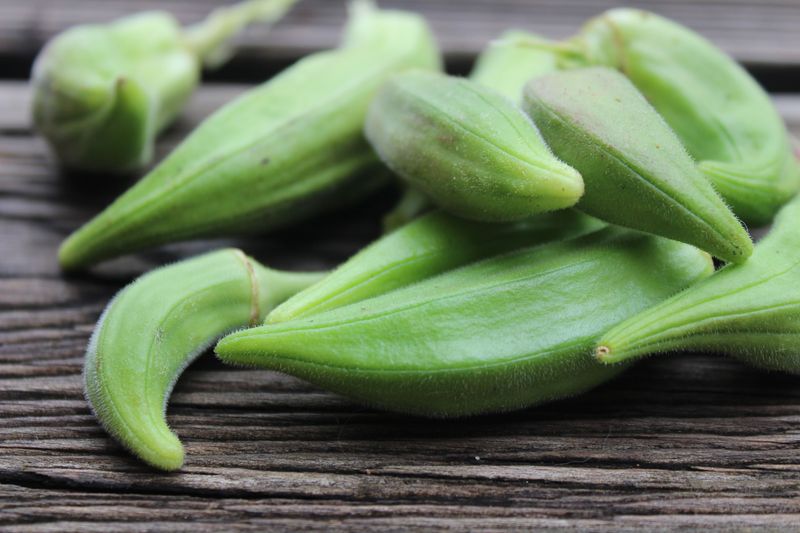
Harvest day is the most satisfying part of growing okra, but timing is everything. Pods peak at two to four inches long, tender and full of flavor.
Use a sharp knife or garden scissors to cut pods cleanly from the stem. Pulling them off by hand can damage the plant and slow future production.
Wear gloves if your skin is sensitive. The plant has tiny spines that irritate some people, though spineless varieties reduce that issue considerably.
Fresh okra stores in the fridge for three to five days. After that, texture and flavor start dropping off, so plan to cook or preserve it quickly.
Freezing okra is simple and effective. Blanch pods briefly, dry them well, and freeze in a single layer before bagging them up for winter use.
Cooking okra the right way removes any sliminess that puts people off. High heat, whether roasting, grilling, or frying, keeps texture firm and flavor forward.
Sliced and roasted at 425 degrees with olive oil and seasoning, okra becomes crispy and addictive. Many people who swore they would never touch it change their minds after one bite.
It also shines in gumbo, stews, and stir-fries where that natural thickening quality is actually the point. Embrace the texture instead of fighting it.
This is the vegetable that thrives in Illinois July heat when everything else gives up, and it deserves a permanent spot in your summer garden plan.