What It Means When You Start Seeing More Wasps Around Your North Carolina Fruit Trees
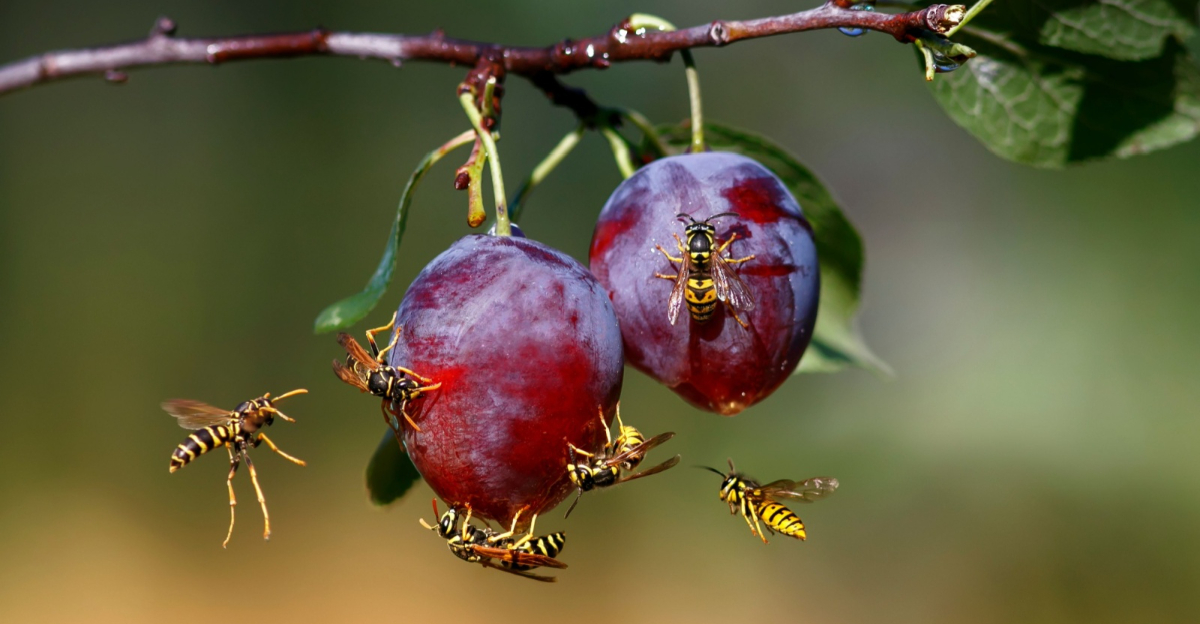
If your North Carolina fruit trees have started feeling like the most popular spot in the neighborhood for wasps, you are definitely not imagining things.
Late summer and fall bring noticeably heavier wasp activity around apples, peaches, pears, plums, figs, and muscadines across the state, and the reasons behind all that buzzing are actually more interesting than most homeowners expect.
Ripe and overripe fruit, sweet juice seeping from damaged skin, insects hiding among the branches, nearby nests, and seasonal behavior shifts can all pull wasps in at once. It can get surprisingly busy out there.
The good news is that understanding what is actually drawing wasps to your fruit trees puts you in a much better position to make smart calls about harvest timing, orchard cleanup, and how confidently you move around your backyard during peak season.
1. Sugary Juice May Be Easier To Access
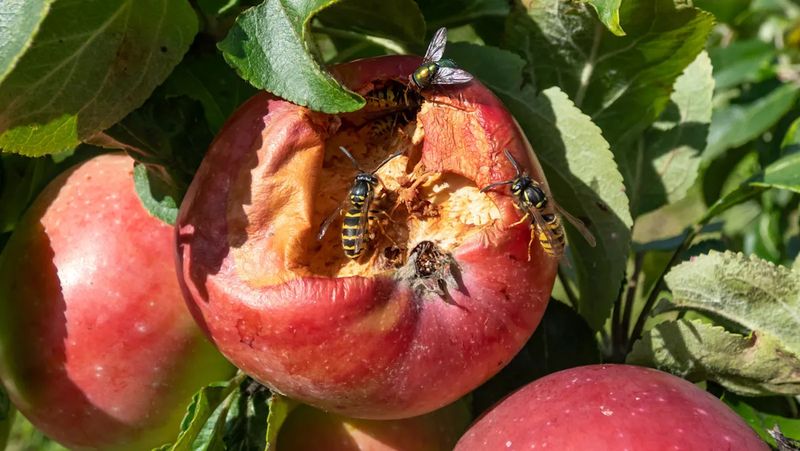
Spotting wasps crawling along the surface of your apples or pears is one of the more common sights in a North Carolina backyard orchard during late summer.
Ripe fruit naturally produces sugars and releases faint sweet aromas that carry through the air, and wasps are well equipped to track those scents down.
Yellowjackets in particular are strongly attracted to sugary food sources, and a tree loaded with ripe fruit can signal a reliable feeding opportunity.
The sugar content in fully ripe fruit tends to peak right around the time many wasp colonies are also at their largest for the season. Worker wasps are out foraging constantly, and a fruit tree becomes a convenient and rewarding stop.
You may notice them probing the skin of unblemished fruit or lingering near areas where the skin is thinner or slightly soft.
For North Carolina homeowners with peaches, figs, or muscadines ripening in the yard, this kind of activity often picks up noticeably in August and September.
Harvesting fruit as soon as it reaches peak ripeness can reduce how long wasps have access to a sugar source.
Checking trees every few days during peak ripening season rather than waiting for a large single harvest can make a real difference in how much wasp traffic builds up around your trees.
2. Overripe Fruit May Be Drawing Them In
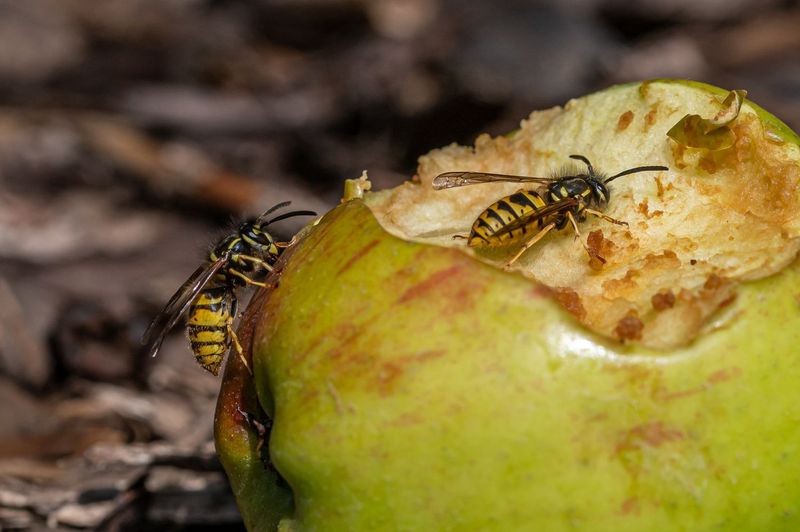
Fruit that has moved past peak ripeness becomes even more attractive to wasps than fruit at its prime. As apples, pears, and peaches soften and begin to ferment slightly while still on the tree, they release stronger and more complex aromas that wasps find hard to resist.
The sugars in overripe fruit also begin to break down in ways that make them easier for wasps to consume directly.
Paper wasps and yellowjackets are both commonly seen around overripe fruit in North Carolina yards. You might notice them chewing into the soft flesh or hovering around spots where the skin has already split or softened on its own.
The activity can seem more frantic than what you see around firm, freshly ripe fruit, partly because overripe fruit offers easier access to the juicy interior.
Your North Carolina Garden Changes Every Week. Your Plan Should Too.
Gardening in North Carolina changes quickly throughout the season. Every Friday you’ll receive a simple weekly plan showing exactly what to plant, prune, fertilize, harvest, and protect so you never miss the right timing.
Leaving fruit on the tree too long is one of the more common reasons wasp activity escalates in home orchards.
North Carolina summers are warm and humid, which speeds up the ripening process and can push fruit toward overripe conditions faster than expected.
Keeping a close eye on your trees during the final weeks of ripening and picking fruit before it softens too much can help reduce the window of time that wasps have access to an especially tempting food source in your yard.
3. Fallen Fruit Is Feeding More Insects Near The Tree
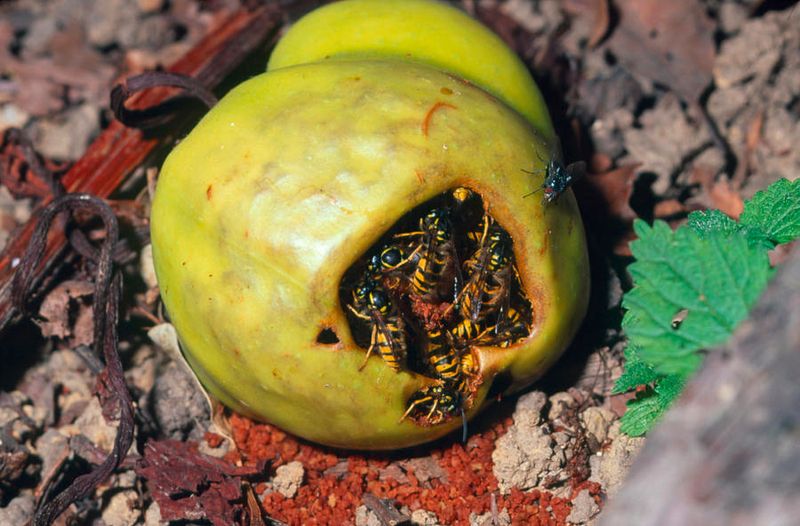
Dropped peaches, plums, or apples lying in the grass beneath your trees can quickly become a feeding station for yellowjackets and other wasps.
Once fruit hits the ground, it begins to break down faster, especially during the warm and often humid late-summer conditions common across much of North Carolina.
The juices seep out, the sugars concentrate, and the scent becomes stronger and more noticeable to foraging insects.
Yellowjackets are ground-level foragers by nature, which makes fallen fruit an especially convenient food source. You may notice them moving across the ground near the base of your tree or clustered around individual pieces of dropped fruit.
This kind of activity near ground level can be a concern in yards where children play or pets roam, since disturbing wasps feeding on fallen fruit can prompt a defensive reaction.
Picking up fallen fruit regularly is one of the most practical steps North Carolina homeowners can take to reduce wasp pressure around their fruit trees.
Ideally, dropped fruit should be collected every couple of days and moved away from the yard or disposed of in a sealed container rather than left in an open compost pile near the tree.
Reducing the amount of accessible fallen fruit can meaningfully lower the number of wasps gathering near ground level beneath your trees throughout the season.
4. Damaged Fruit May Be Leaking Sweet Juice
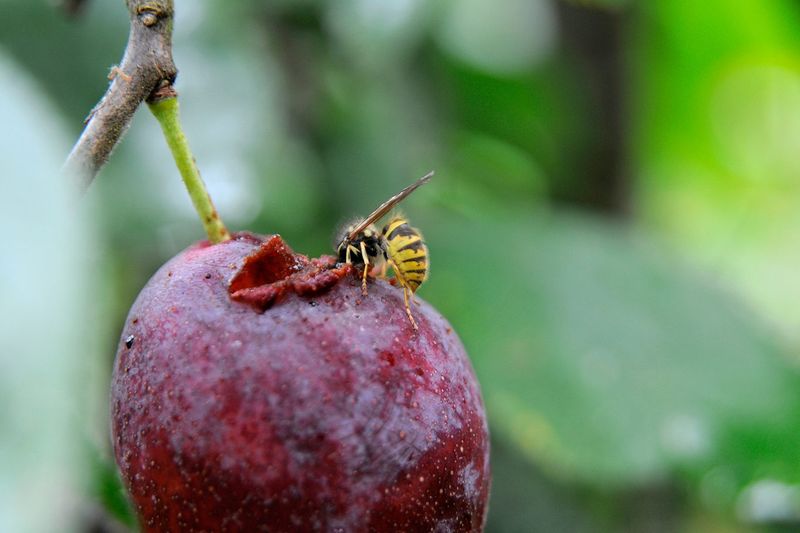
A split fig, a cracked peach, or an apple with a small wound in the skin can leak sugary juice that wasps detect almost immediately.
Fruit skin gets damaged for all kinds of reasons in a North Carolina yard, including bird pecks, insect feeding, hail, wind, or contact with a branch.
Once that skin breaks, the sweet interior is exposed and becomes accessible in a way that intact fruit is not.
Wasps are not strong enough to break into undamaged fruit on their own in most cases, but once a wound is already present, they will take full advantage.
You may notice wasps hovering around specific fruit on a tree rather than visiting the whole tree evenly, which often points to one or more pieces of damaged fruit that are leaking juice.
The activity can seem concentrated and persistent around those particular spots.
Checking your trees for damaged fruit during your regular harvest walks is worth building into your routine. Removing cracked, split, or bird-damaged fruit as soon as you spot it can reduce one of the more reliable wasp attractants in your yard.
In North Carolina, where summer storms, humidity, and active bird populations are all common, fruit skin damage is not unusual, and staying on top of it through the season can help keep wasp activity at a more manageable level around your backyard trees.
5. Late Summer Or Fall Activity May Be Increasing
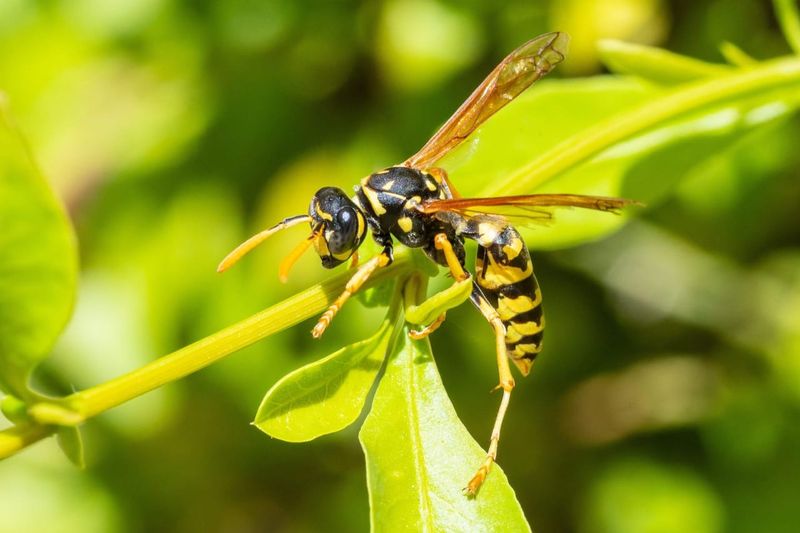
August and September bring a noticeable shift in wasp behavior across much of North Carolina.
As the season transitions toward fall, wasp colonies that have been growing since spring reach their largest size, meaning more worker wasps are out foraging at any given time.
This natural seasonal peak in colony population is one reason why wasp activity around fruit trees can seem to spike even when nothing obvious has changed in the yard.
During this late-season period, worker wasps are also under pressure to find enough food to support the colony and help new queens prepare for the coming months.
That urgency drives more frequent and wide-ranging foraging behavior, and fruit trees become some of the most attractive destinations available.
The combination of peak colony size and peak fruit ripening often lines up in ways that make late summer feel especially busy with wasp activity.
Homeowners in North Carolina who grow apples, muscadines, figs, or late-ripening peaches tend to notice this seasonal surge most clearly.
Being aware that late summer naturally brings more wasp activity can help you approach the situation with appropriate caution rather than alarm.
Wearing protective clothing when harvesting, keeping an eye out for nests on the property, and staying calm and deliberate around active trees are all sensible habits during this period of the year when wasp traffic tends to run at its highest.
6. A Nearby Nest May Be Supporting Heavy Traffic
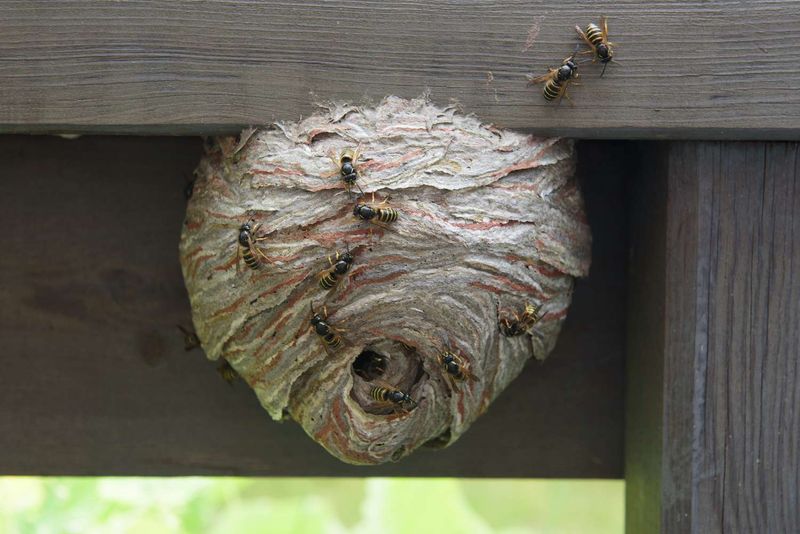
Consistent and heavy wasp traffic around a specific fruit tree sometimes points less to the fruit itself and more to a nest located somewhere close by.
Paper wasps, yellowjackets, and bald-faced hornets all build nests in locations that can be easy to miss at first glance, including under deck boards, inside hollow trees, beneath roof eaves, in thick shrubs, or even underground in the lawn near the tree base.
When a nest is nearby, wasps moving in and out on their daily foraging routes may appear to be swarming the fruit tree when they are actually just passing through a familiar corridor.
You might notice that the traffic follows a fairly consistent flight path rather than arriving from all directions, which can be a clue that a nest is anchoring the activity to one particular area of your yard.
Locating a nest near a North Carolina fruit tree is important for safety planning, especially if the tree is near a patio, walkway, children’s play area, or pet space.
Nests found in low-traffic areas of the yard may not need immediate action, but nests in spots where people regularly move around may warrant professional attention.
Avoid approaching or disturbing a nest on your own, and give yourself extra room when harvesting fruit near any area where nest activity is suspected in your yard.
7. They May Be Hunting Other Insects In The Tree
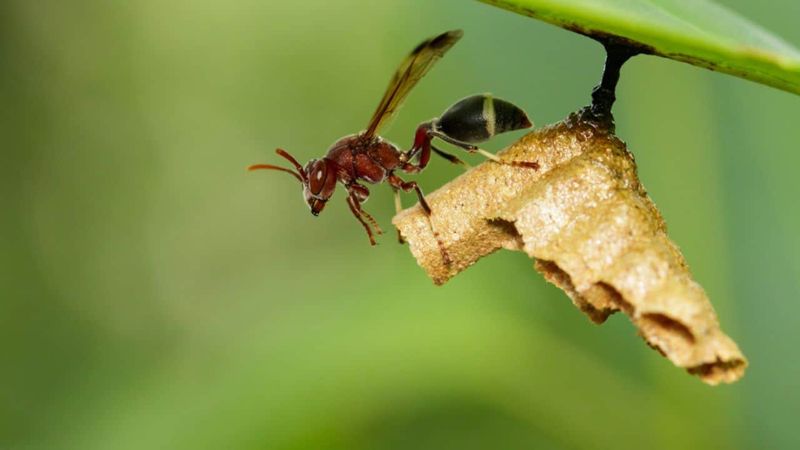
Not every wasp visiting your fruit tree is there for the fruit. Paper wasps in particular are active hunters that prey on caterpillars, aphids, flies, and other soft-bodied insects that tend to gather on fruit trees throughout the growing season.
A tree that is hosting a population of pest insects can attract paper wasps that are there entirely for the hunting rather than the fruit.
Watching how the wasps move through the tree can offer a clue about their purpose. Wasps hunting for prey tend to move slowly and deliberately through the foliage, inspecting leaves and stems rather than landing directly on fruit.
Wasps attracted to fruit tend to cluster on or near the fruit itself and may probe the skin or hover around damaged areas. Both behaviors can happen on the same tree at the same time.
From a fruit-tree management perspective, wasp predation on pest insects is generally considered a beneficial part of garden ecology.
In North Carolina backyards and small home orchards, having paper wasps patrol the canopy can help reduce populations of caterpillars and other leaf-feeding insects that can damage fruit or foliage.
While it may not be comfortable to have wasps moving through a tree you are trying to harvest from, recognizing that some of that activity may be working in your favor can help you think about the situation with a bit more balance.
8. Harvest Timing And Sanitation May Need Attention
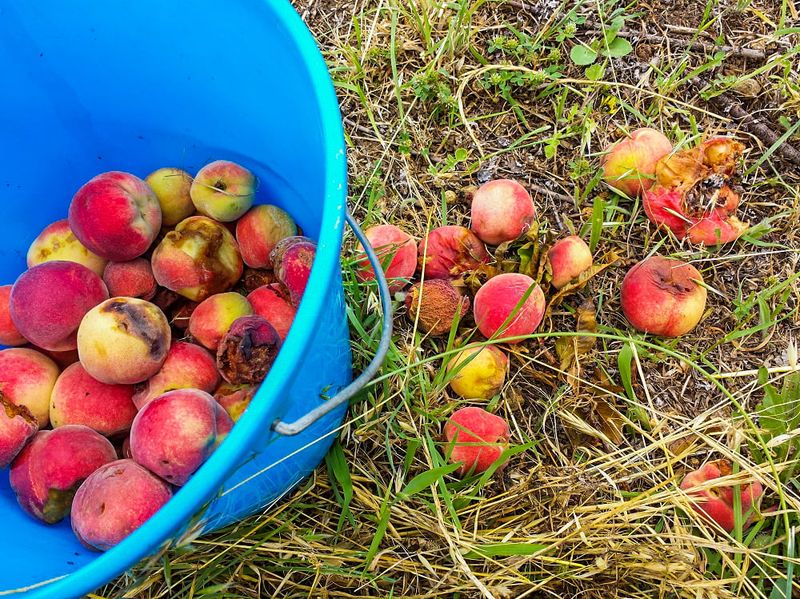
One of the most practical responses to rising wasp activity around your fruit trees is taking a close look at your harvest schedule and your yard sanitation habits.
Fruit that sits on the tree past peak ripeness, drops to the ground, or accumulates beneath the canopy gives wasps a steady and reliable food source that keeps drawing them back to the same spot day after day.
Picking fruit on a regular schedule rather than waiting for a single large harvest can significantly reduce how much overripe or fallen fruit is available at any one time.
Collecting dropped fruit every few days and removing it from the immediate area helps break the cycle of attracting wasps to the base of your trees.
Composting fallen fruit away from the yard or sealing it in bags before disposal can limit how much scent it releases near your home.
North Carolina homeowners who grow peaches, apples, figs, or muscadines in residential settings often find that consistent sanitation makes a bigger difference than any single pest-control measure.
Keeping the ground beneath fruit trees clear, trimming low-hanging branches that make it harder to spot fallen fruit, and harvesting on a predictable schedule all work together to reduce wasp pressure naturally.
Combining good sanitation with awareness of nest locations and seasonal activity patterns gives you a well-rounded approach to managing wasp activity around your backyard fruit trees throughout the season.